Fine Motor Skills Reading Worksheets for Ages 4-7 - Page 2
48 filtered results
-
From - To
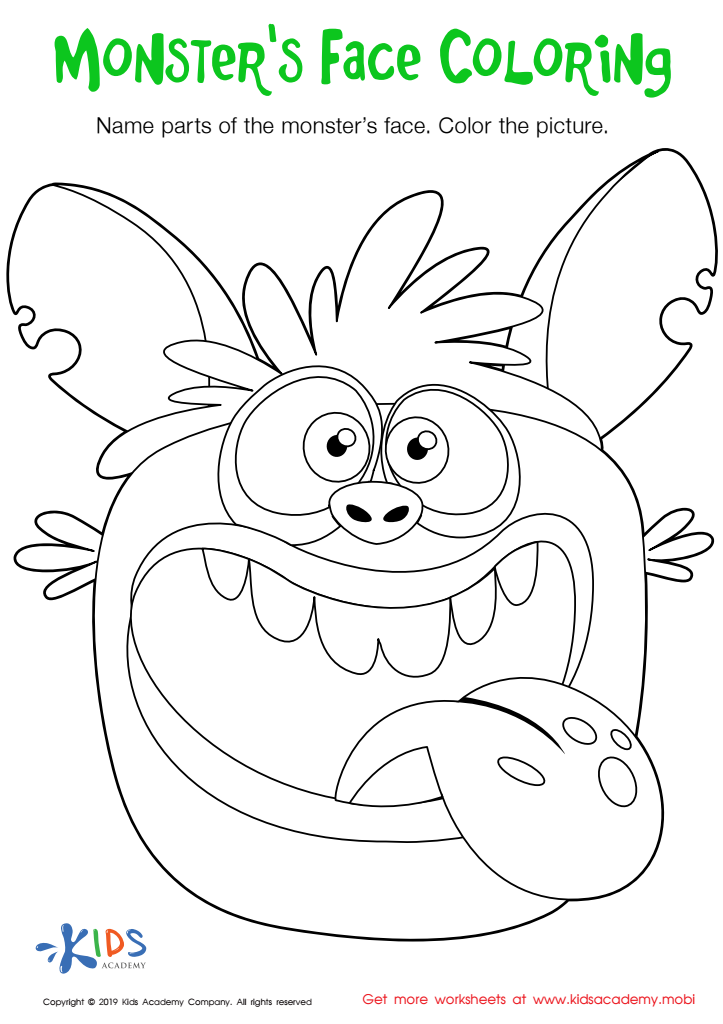
Monster's Face Coloring Worksheet
 Assign to My Students
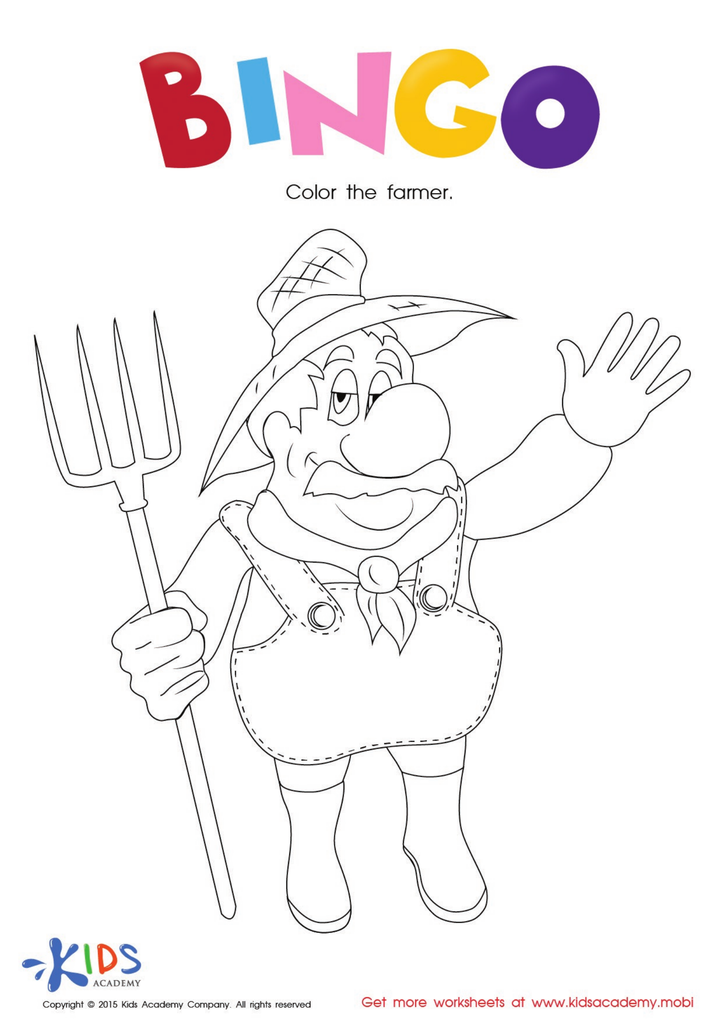
The Bingo Song: Coloring The Farmer Worksheet
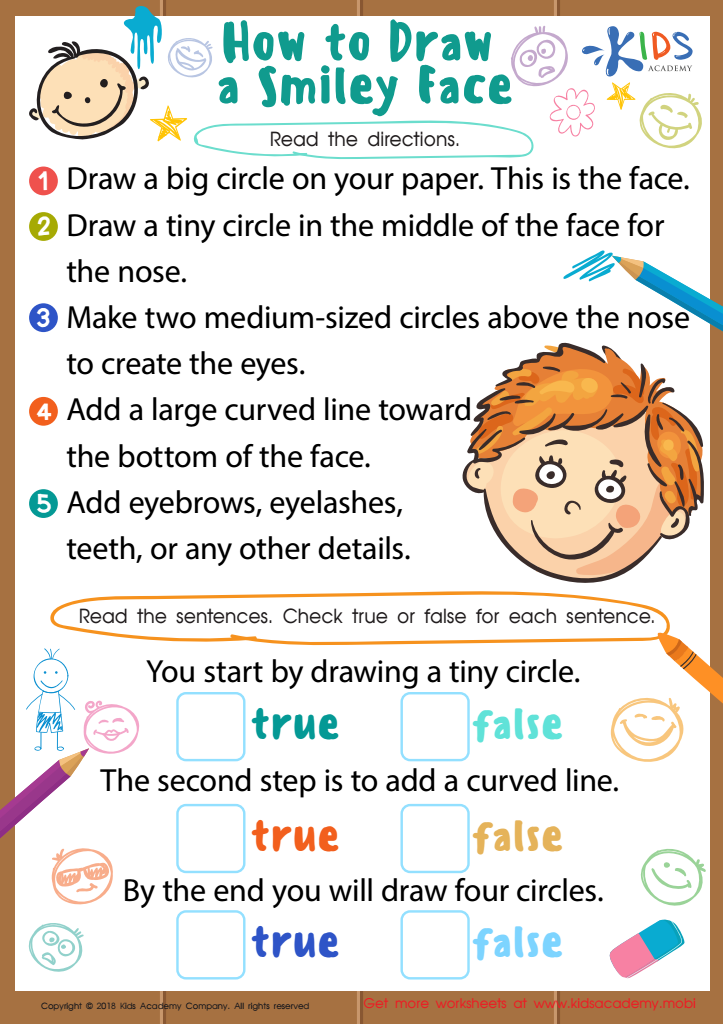
How to Draw a Smiley Face Worksheet
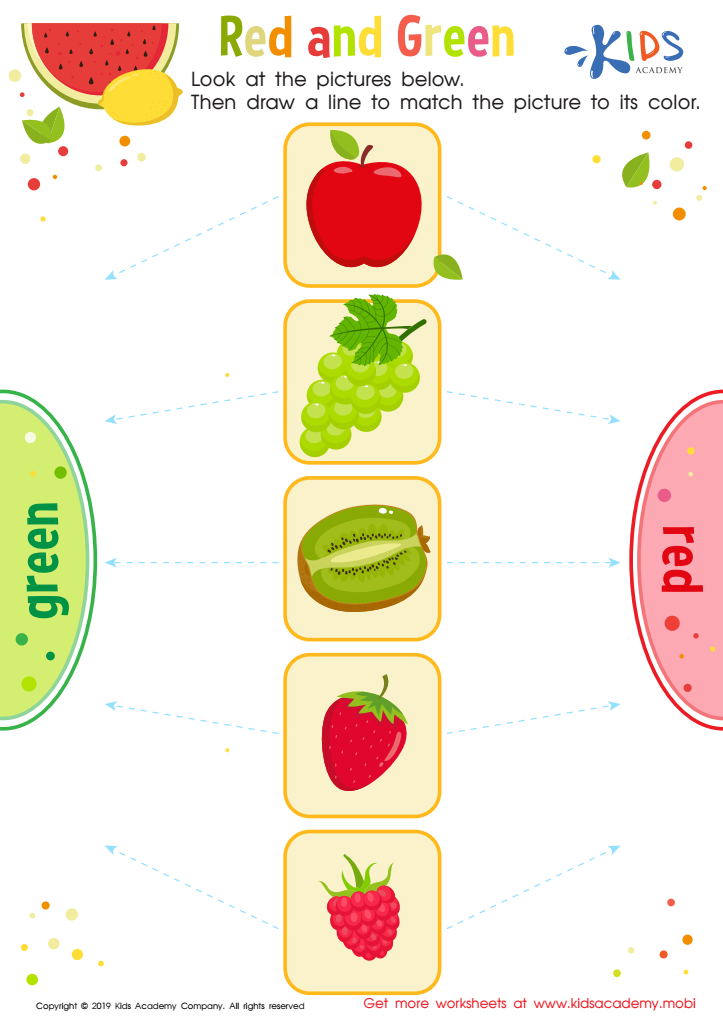
Red and Green Worksheet
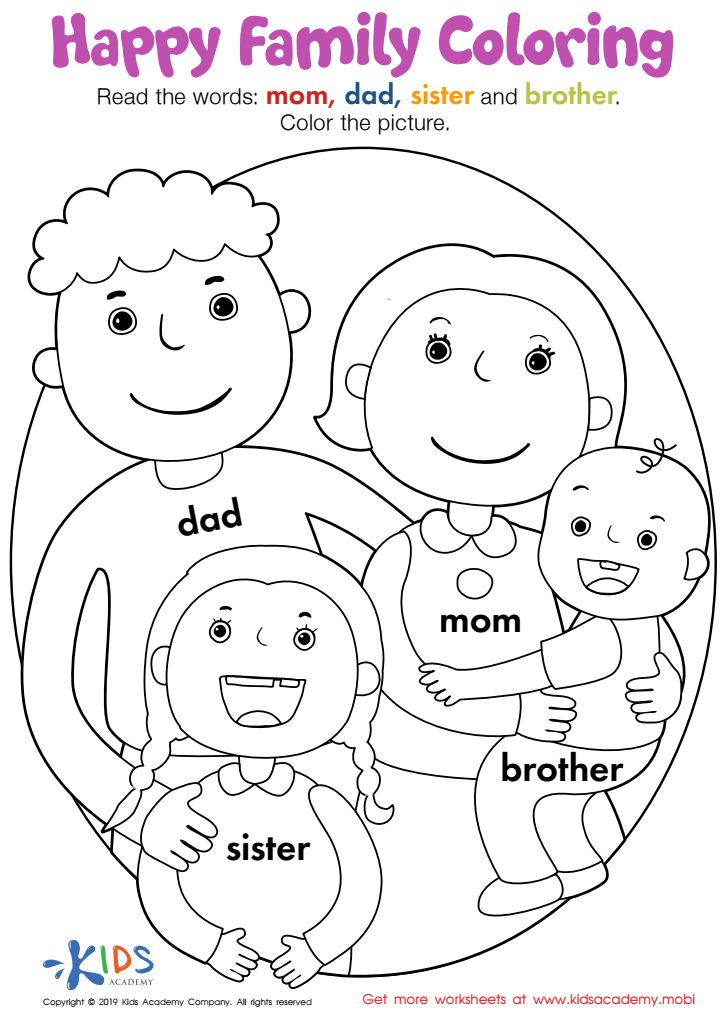
Happy Family Coloring Worksheet
Assign to My Students
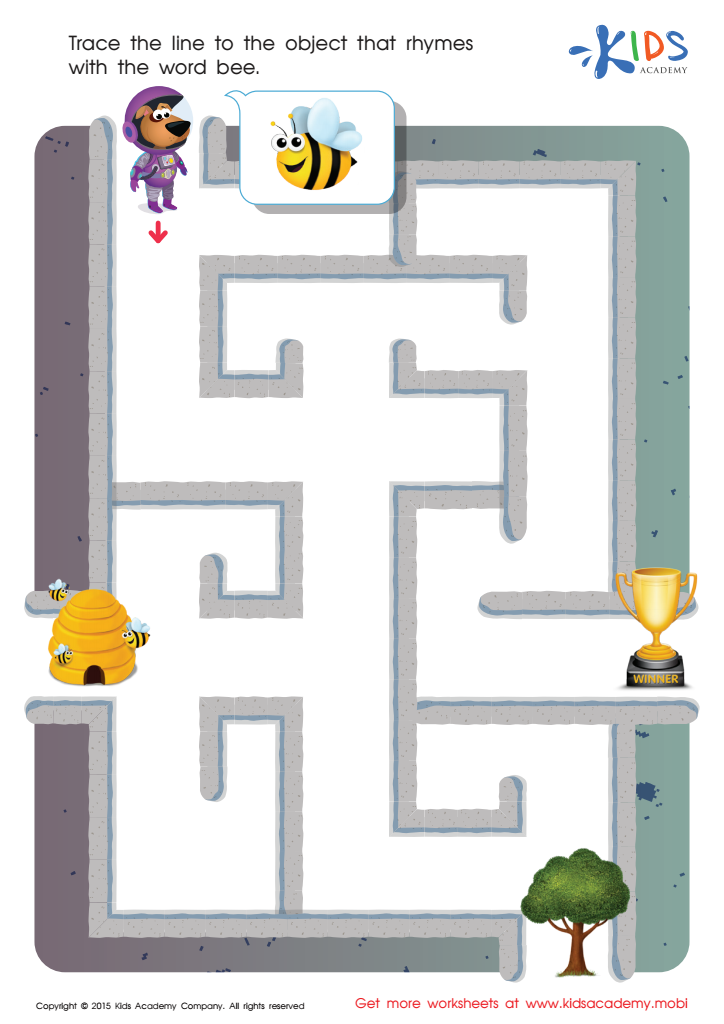
Bee Rhyming Words Worksheet
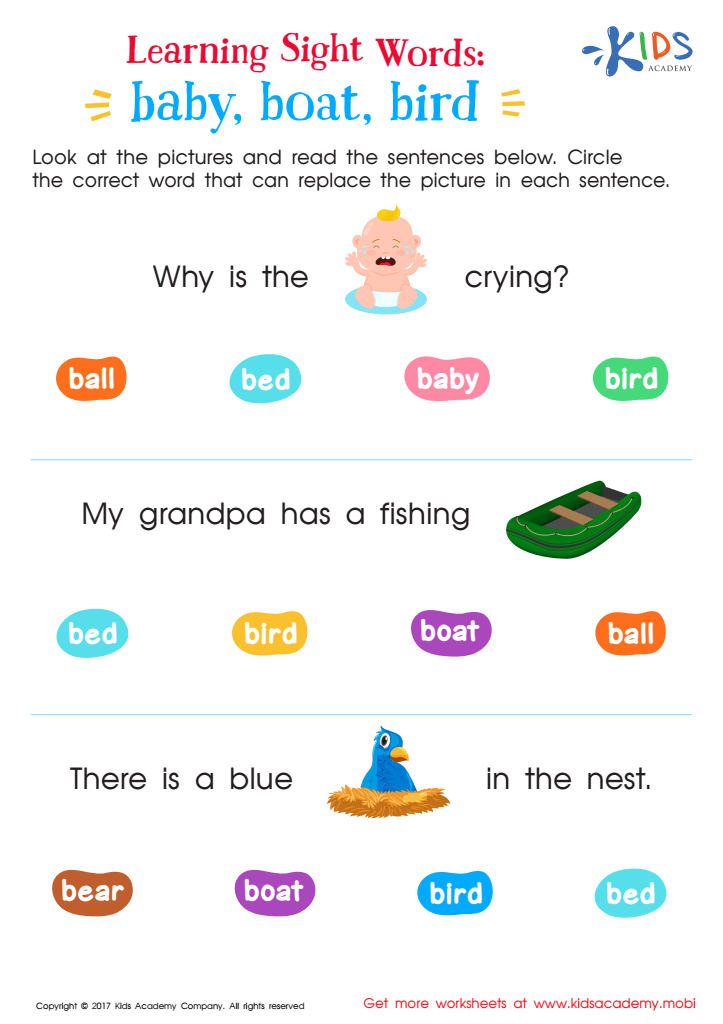
Baby, Boat, Bird Worksheet Sight Words Worksheet
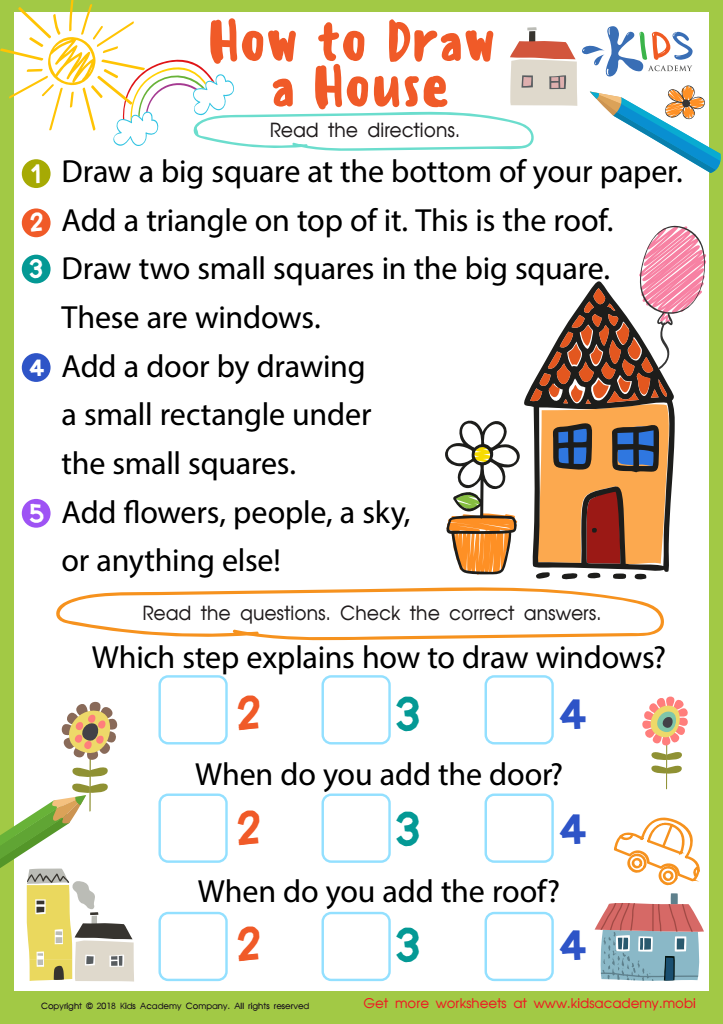
How to Draw House Worksheet
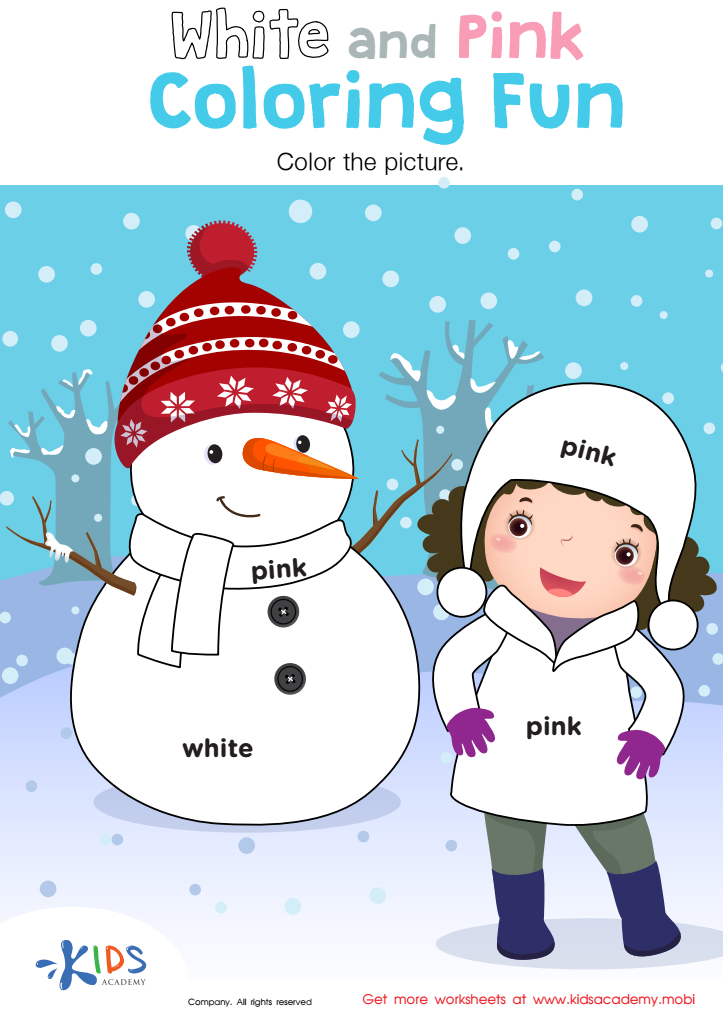
White and Pink Coloring Fun Worksheet
Assign to My Students
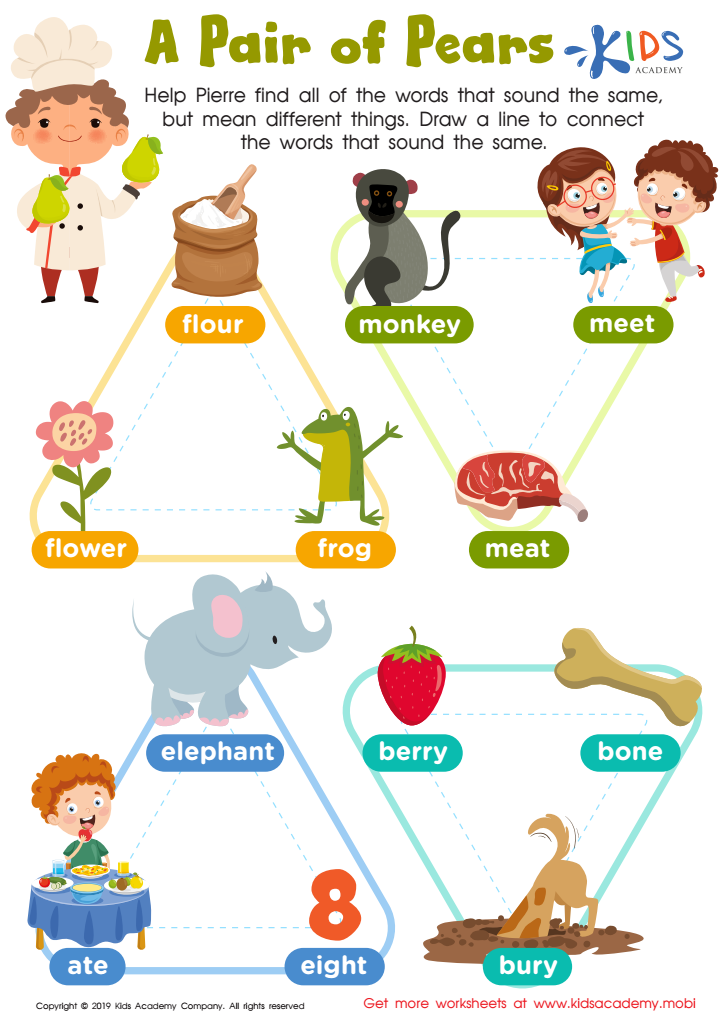
Pair Pears Worksheet
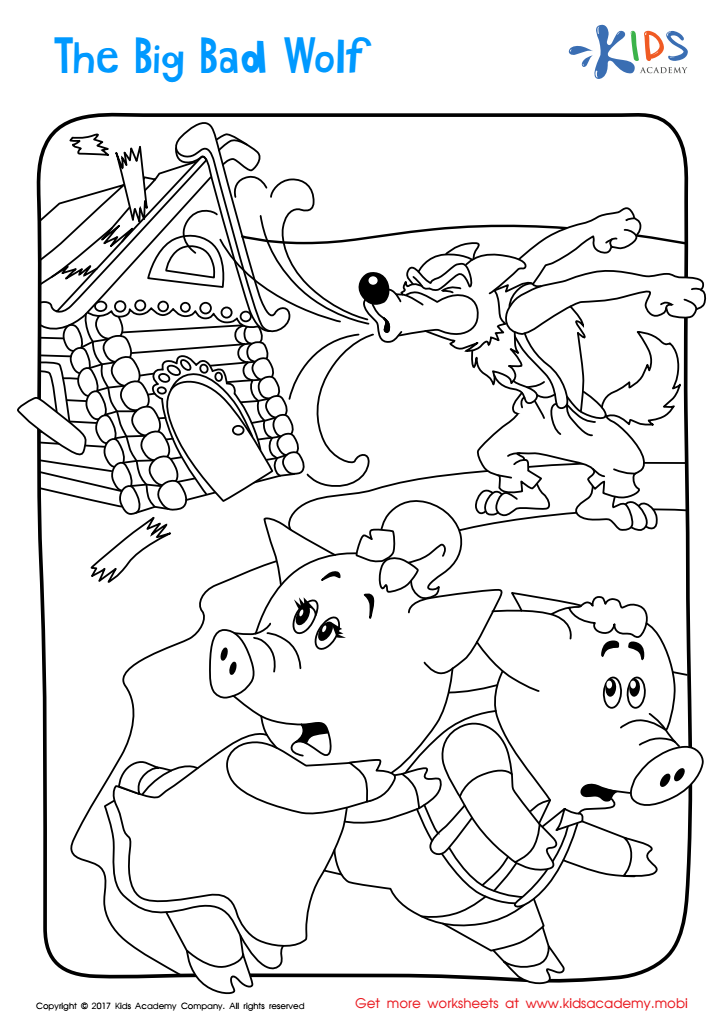
Big Bad Wolf Printable Coloring Page
Assign to My Students
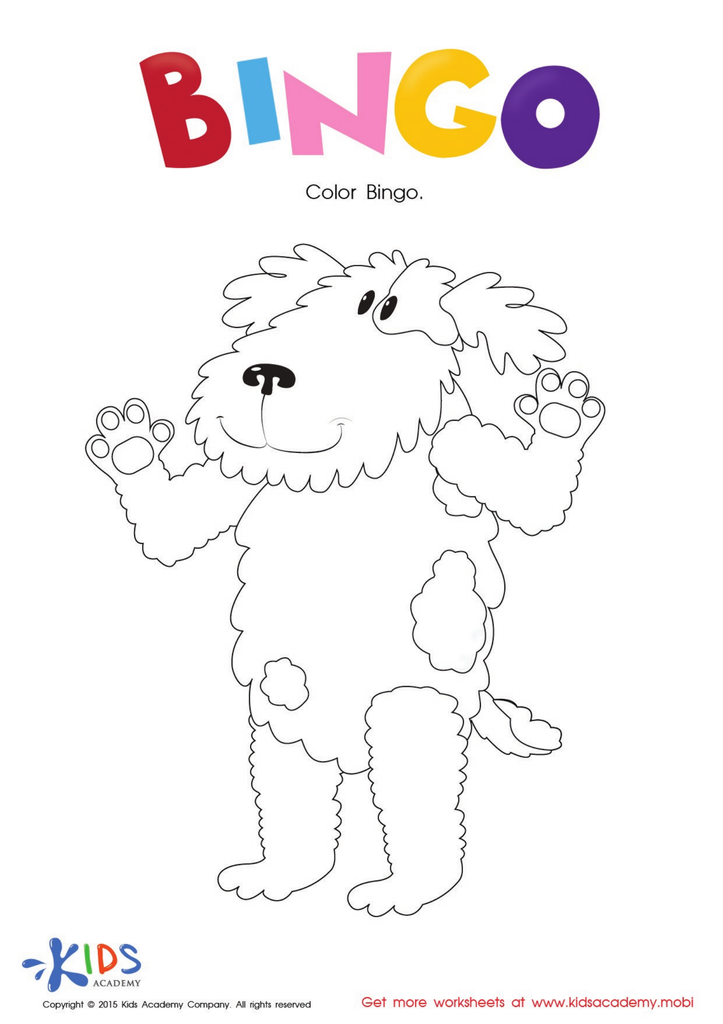
The Bingo Song: Coloring The Dog Worksheet
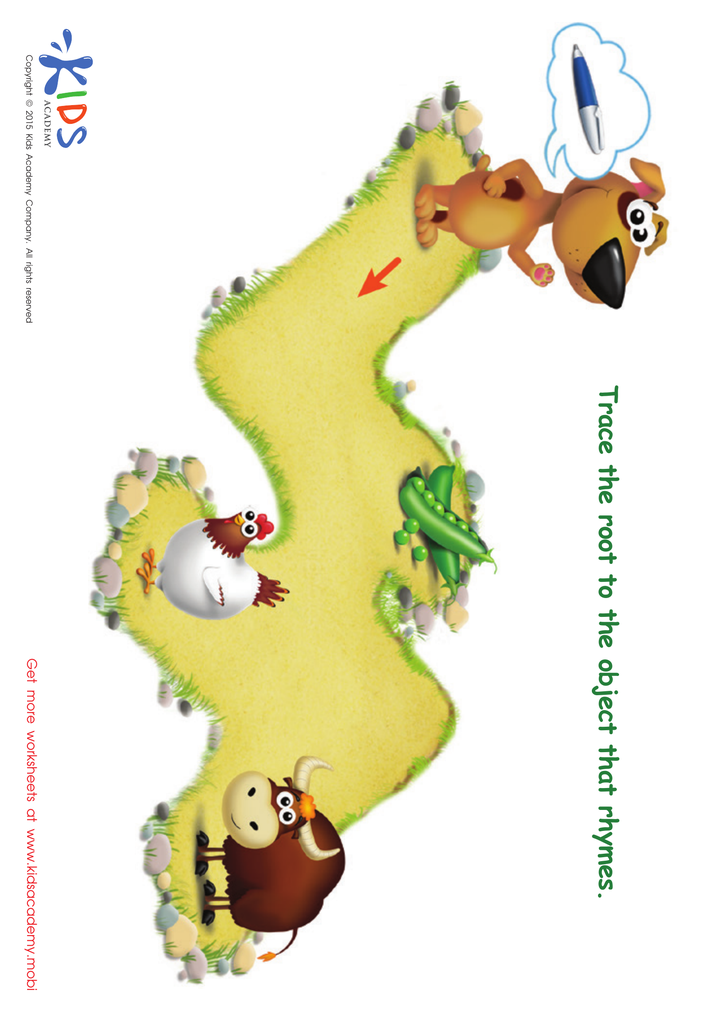
Pen Rhyming Words Worksheet
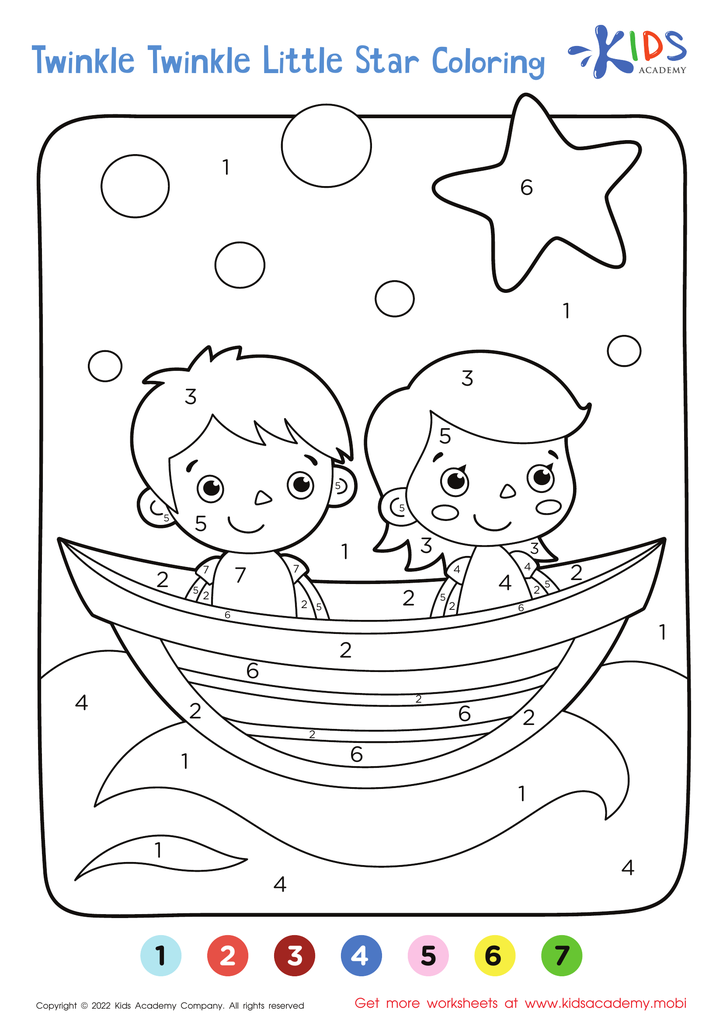
Twinkle, Twinkle, Little Star – Coloring by Numbers
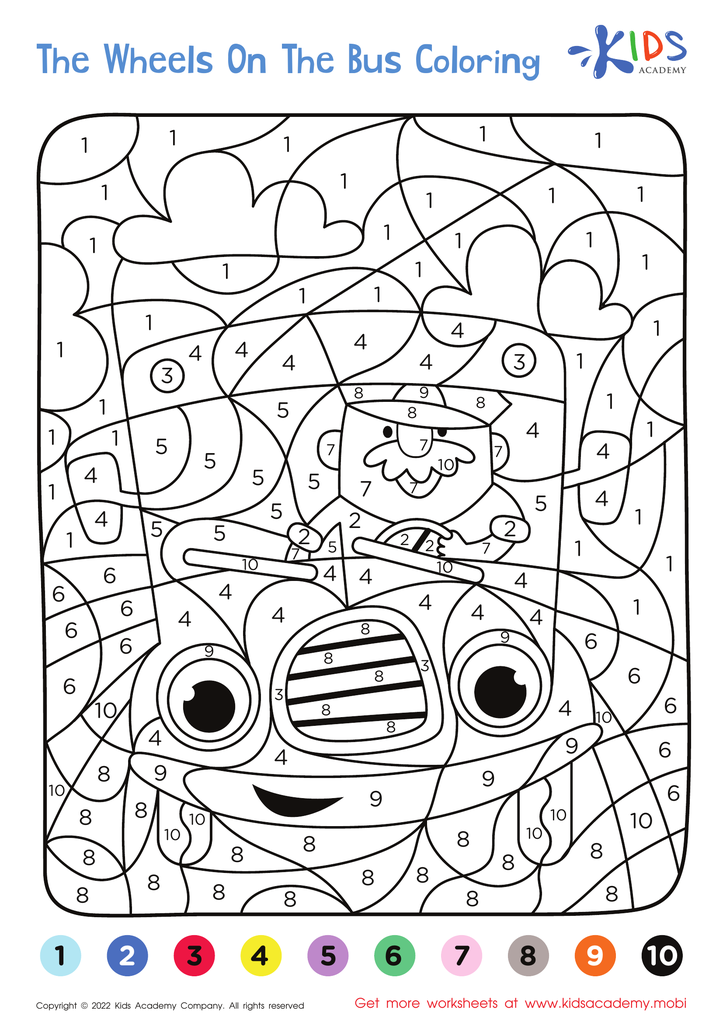
Wheels on the Bus – Coloring by Numbers
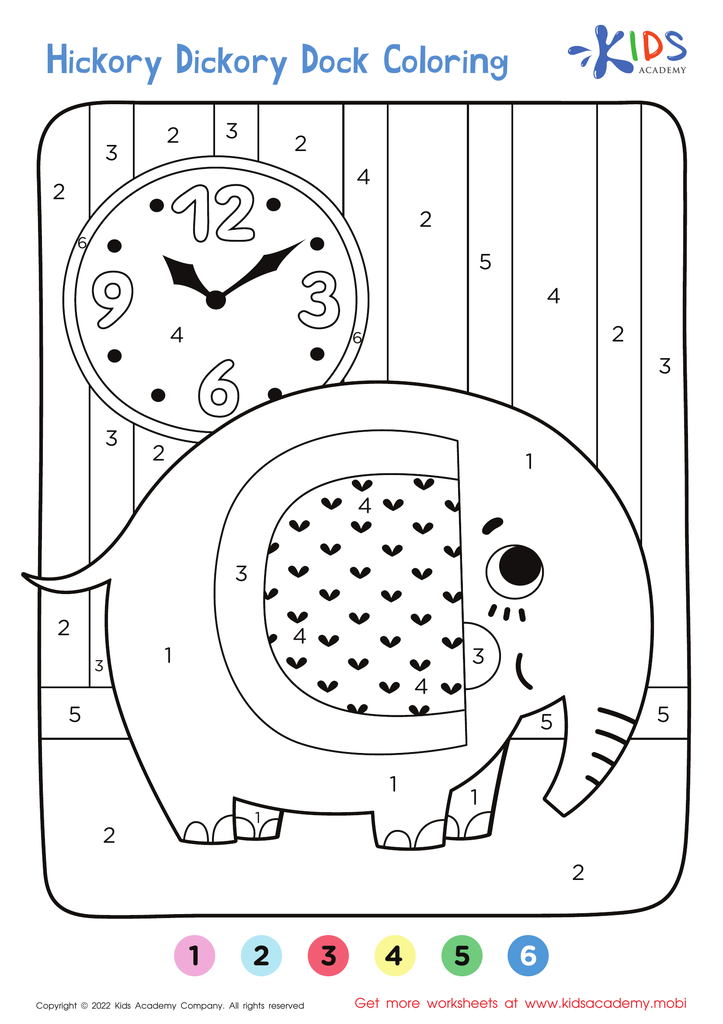
Hickory Dickory Dock – Coloring by Numbers
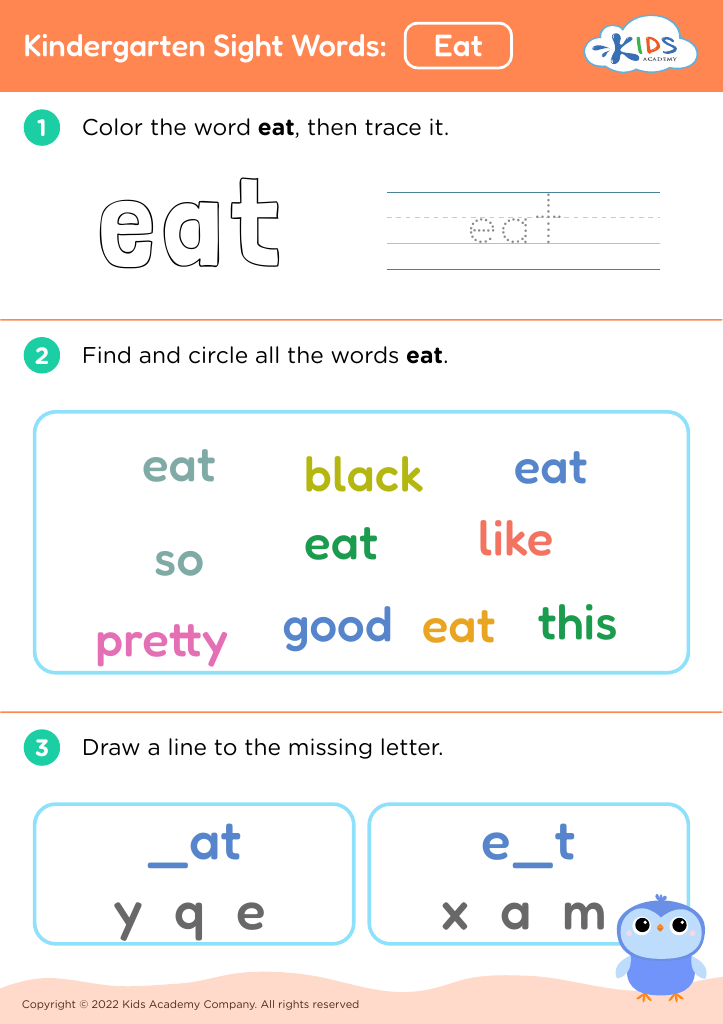
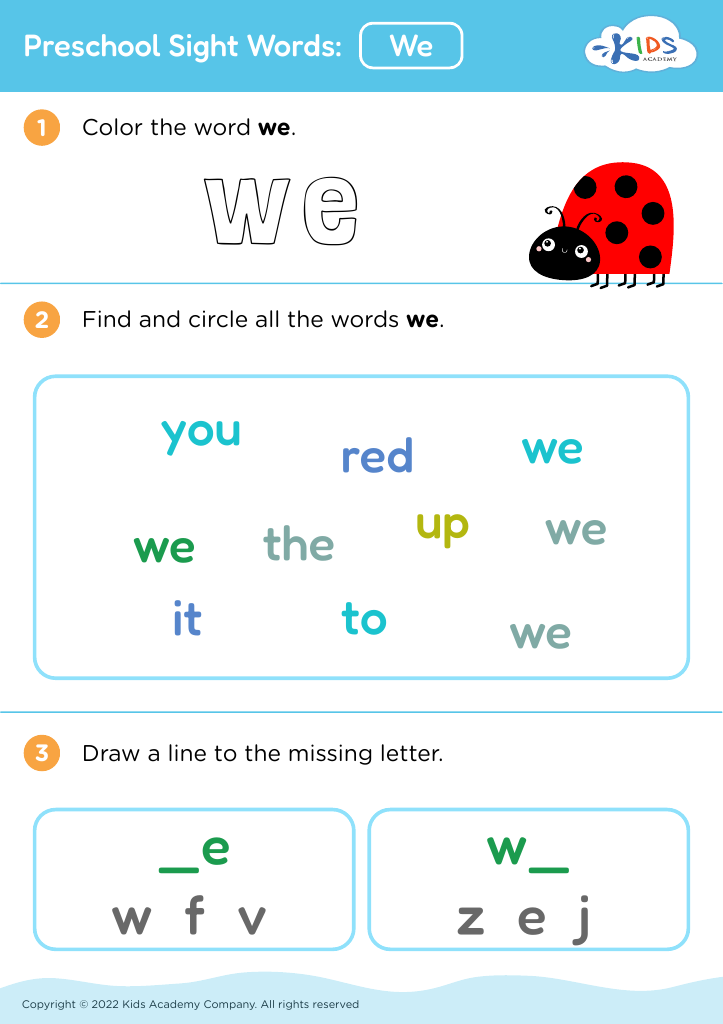
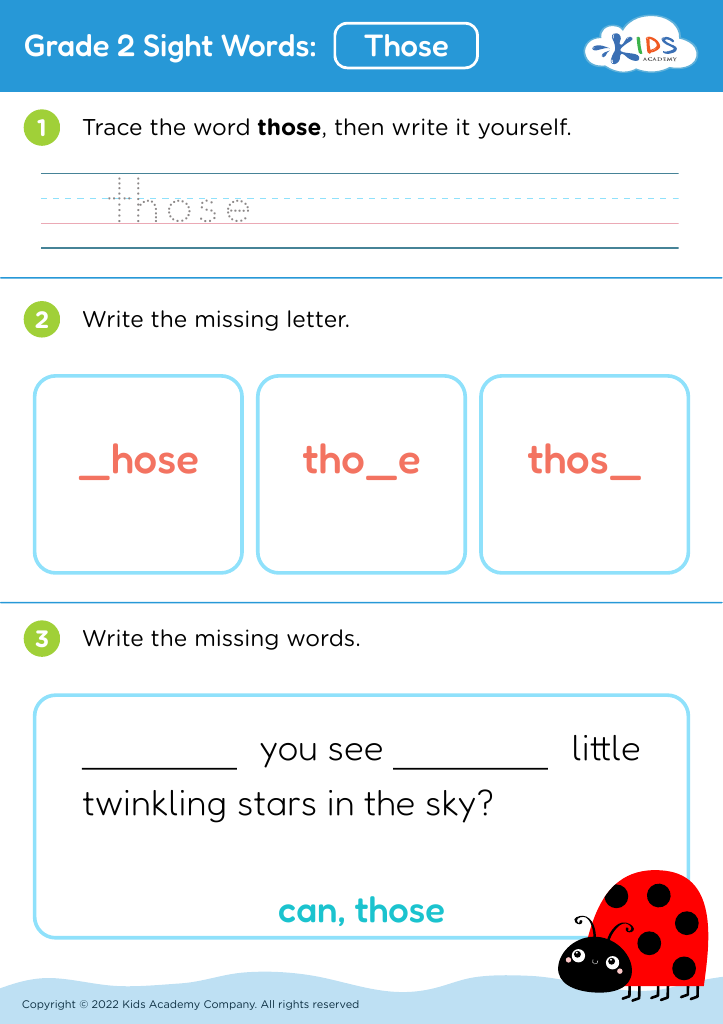
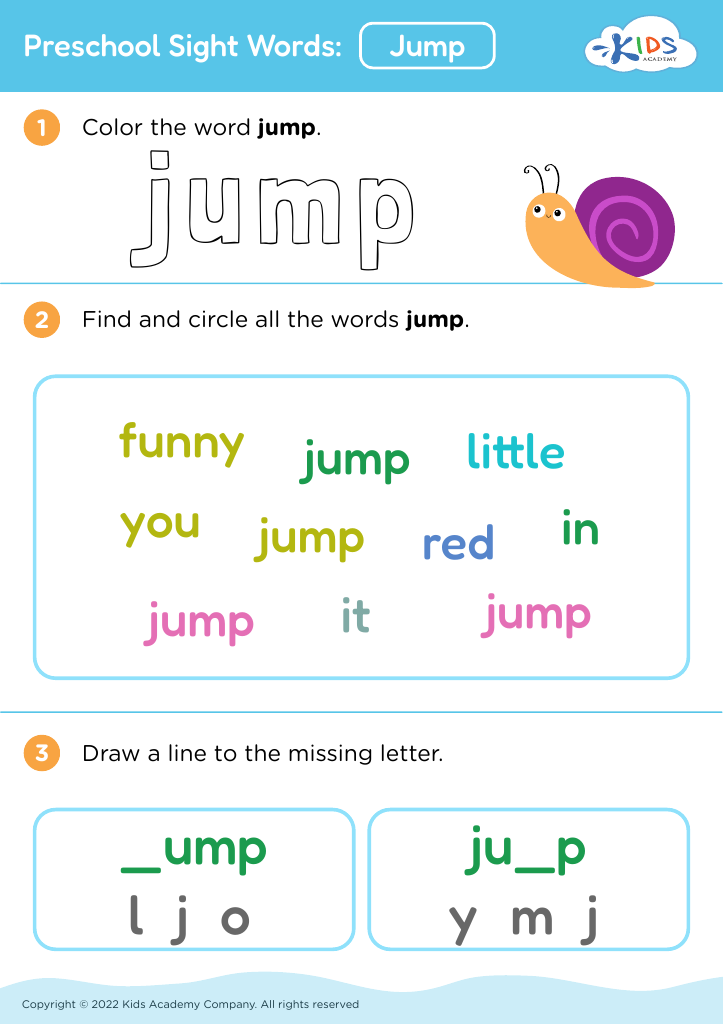
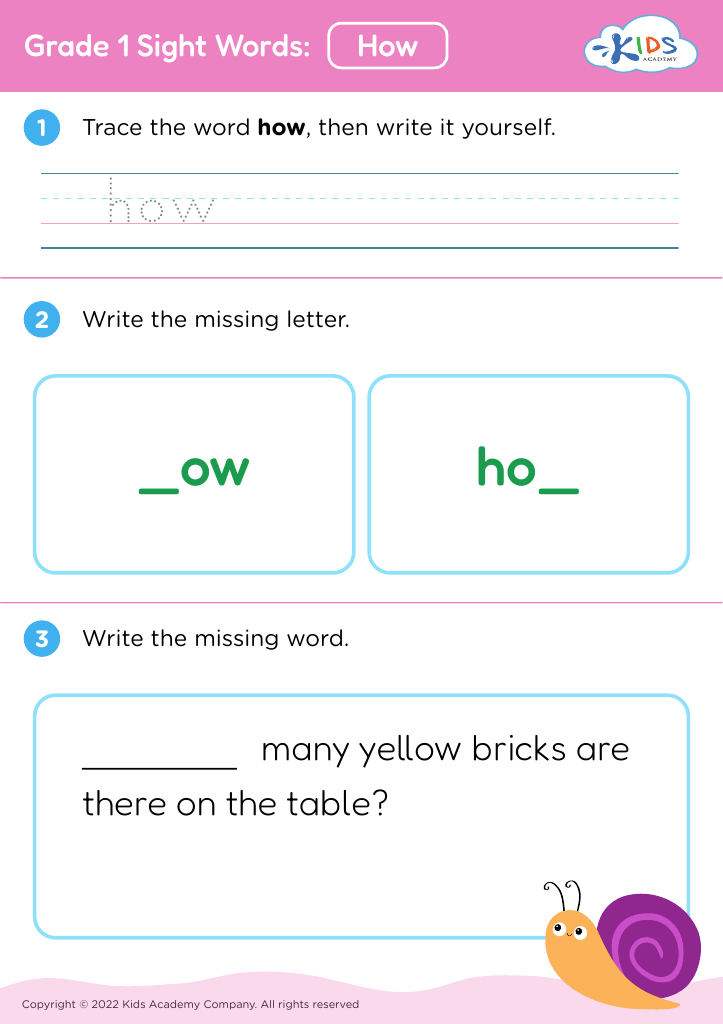
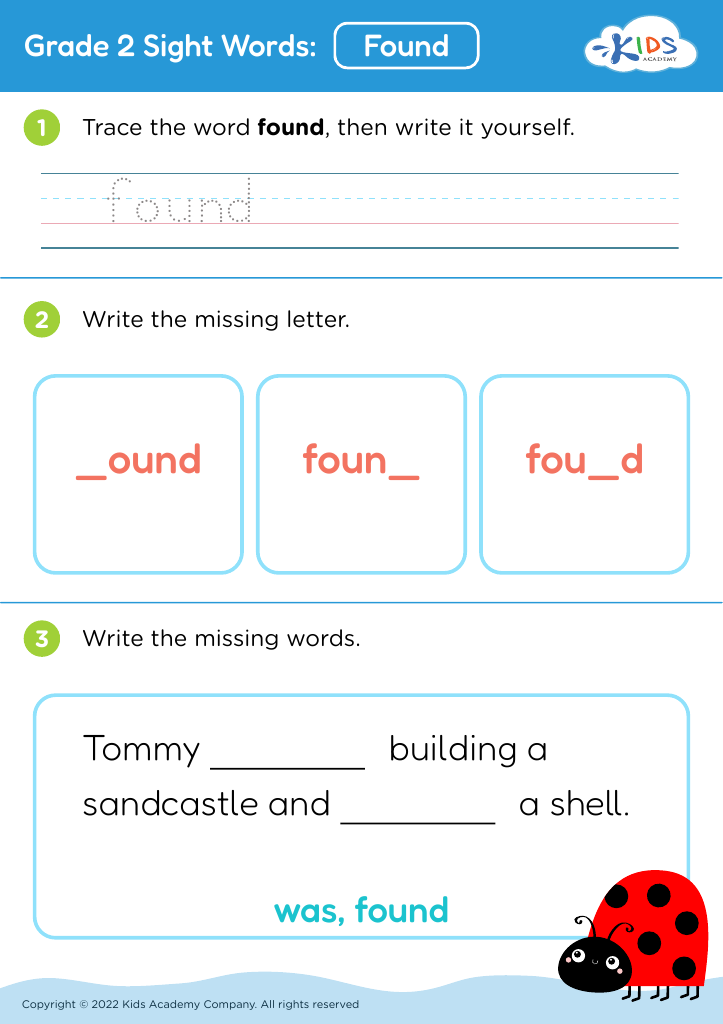
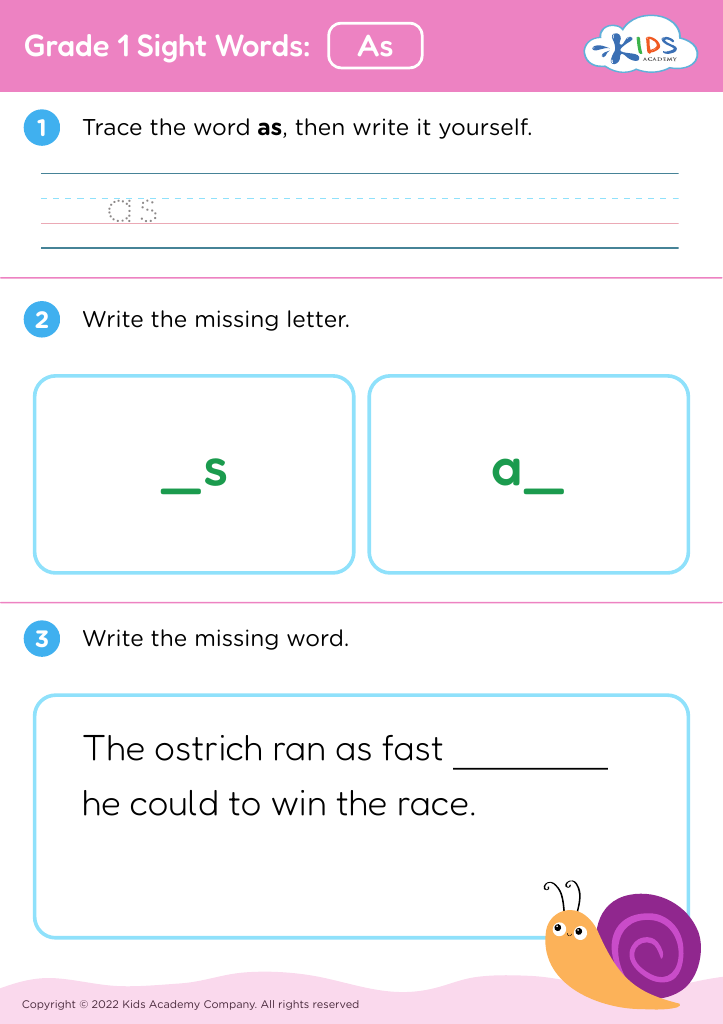
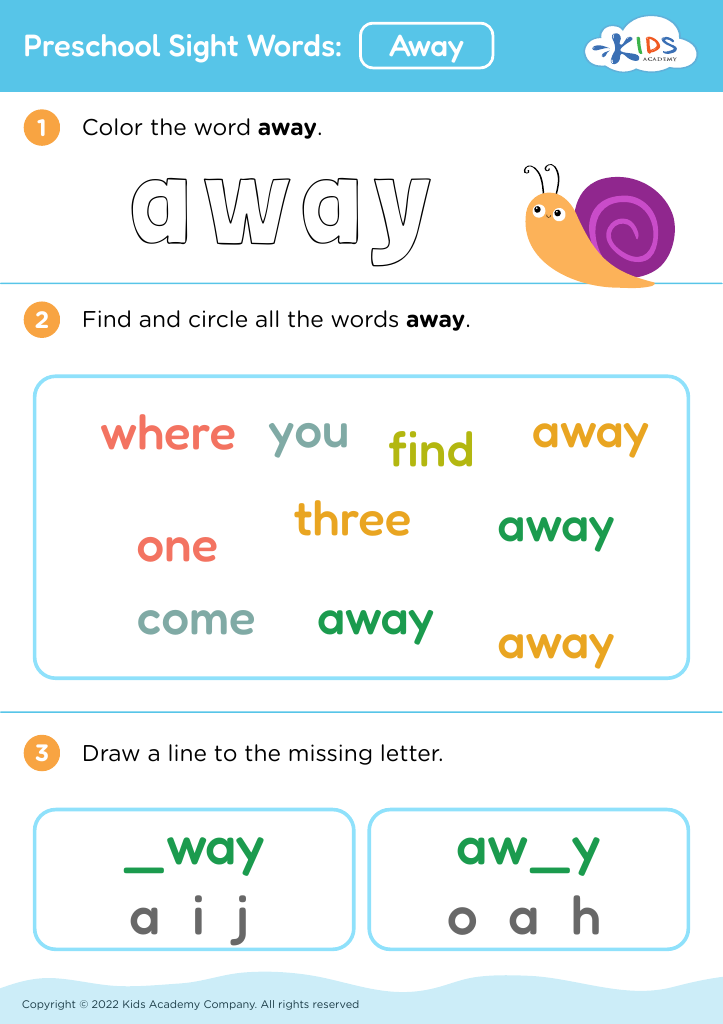








Fine motor skills are crucial for children aged 4-7 as they form the foundation for many academic and self-help tasks. These skills involve the coordination of small muscles in children's hands and fingers, which play a significant role in activities such as writing, cutting, and manipulating objects. For emerging readers, strong fine motor skills can greatly enhance their ability to hold pencils correctly, turn pages easily, and handle books and learning materials confidently.
Parents and teachers should prioritize the development of fine motor skills because they directly impact reading readiness and overall academic success. As children learn to grip writing tools and manage hands-on activities, they improve their focus, hand-eye coordination, and spatial awareness—all essential for early literacy. Engaging in fine motor activities helps strengthen neural connections in the brain, paving the way for better cognitive development.
Additionally, fostering these skills can boost children's self-esteem and independence as they gain control over their physical actions. By integrating fun and engaging activities, such as playdough manipulation, puzzles, or simple crafts, adults can create a supportive learning environment that encourages exploration and growth, ultimately setting children up for success as confident readers and learners.








