Story sequencing Reading Worksheets for Ages 4-7
22 filtered results
-
From - To
Discover engaging Story Sequencing Reading Worksheets designed for children ages 4-7! These worksheets help young learners enhance their reading comprehension and narrative skills by encouraging them to arrange story events in logical order. Each worksheet features colorful illustrations and easy-to-follow prompts tailored for early readers. Ideal for both classroom activities and home practice, our resources foster critical thinking as kids learn to identify key story elements. With a variety of themes, these worksheets make reading a fun and interactive experience, ensuring your child develops a strong foundation in literacy while boosting their creativity and imagination. Start their reading journey today!
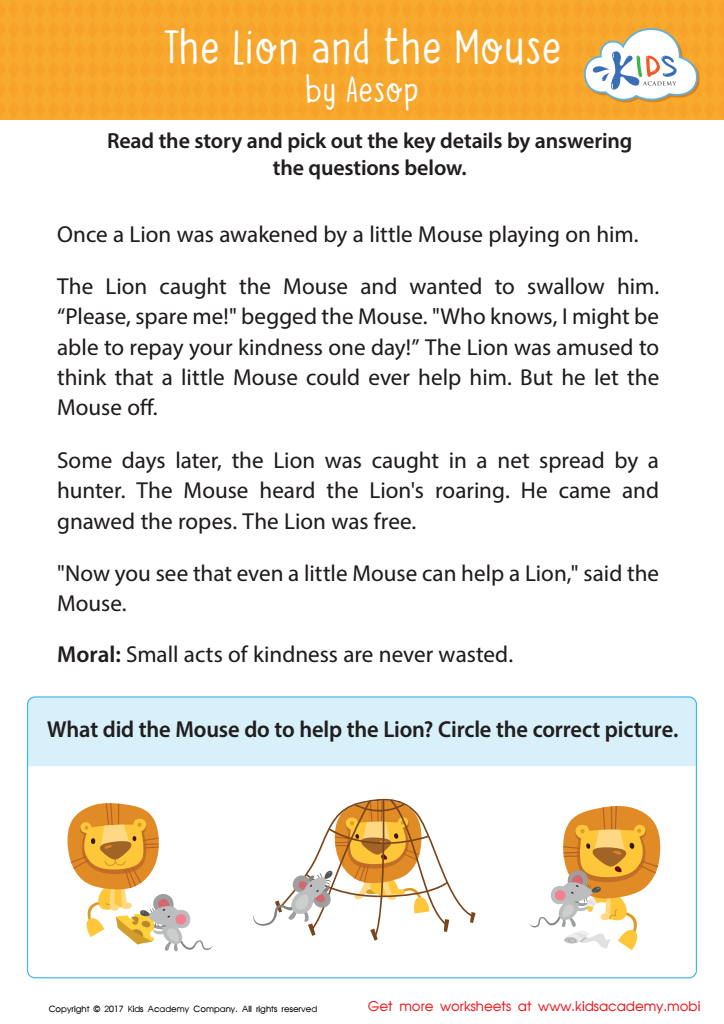
The Lion and The Mouse Sequencing Worksheet
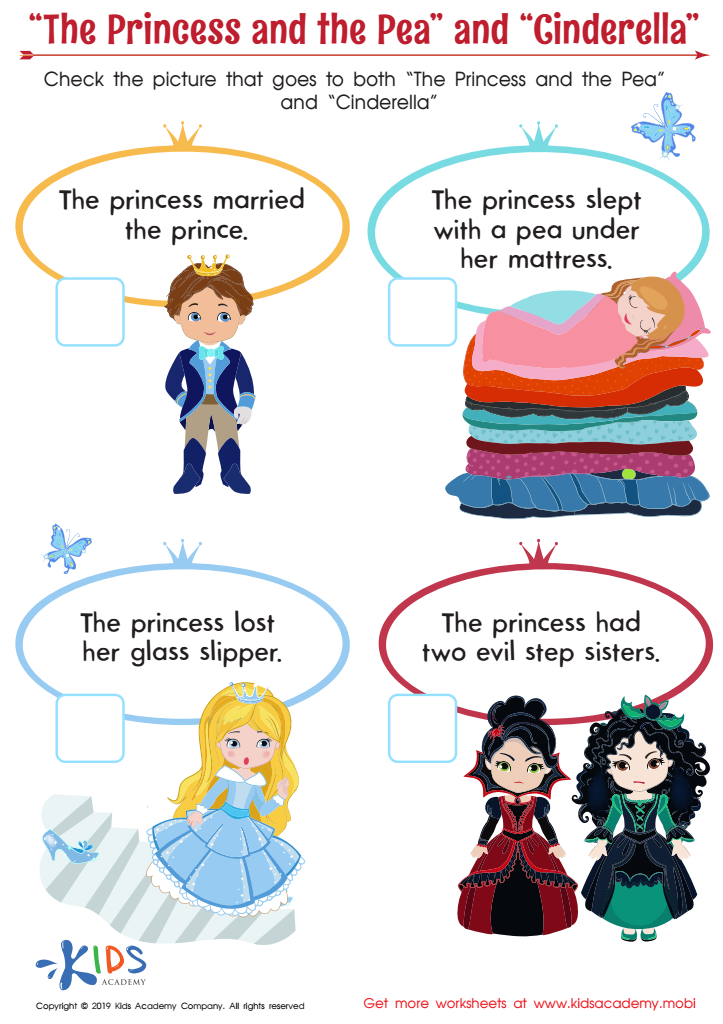
“The Princess and the Pea” and “Cinderella” Worksheet
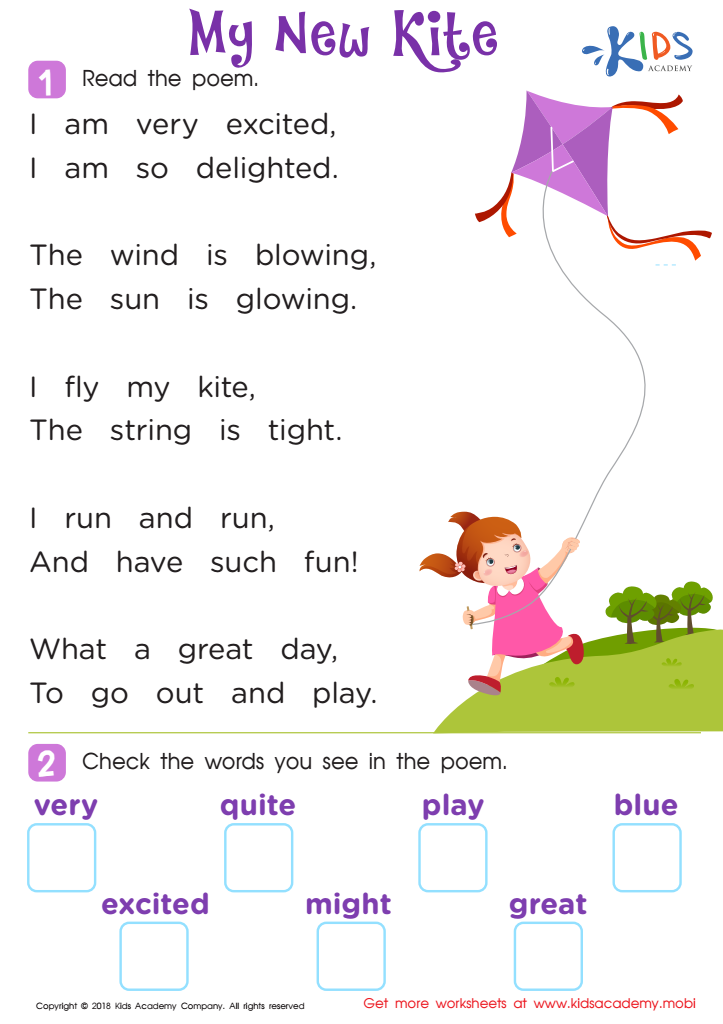
Poem: My New Kite Worksheet
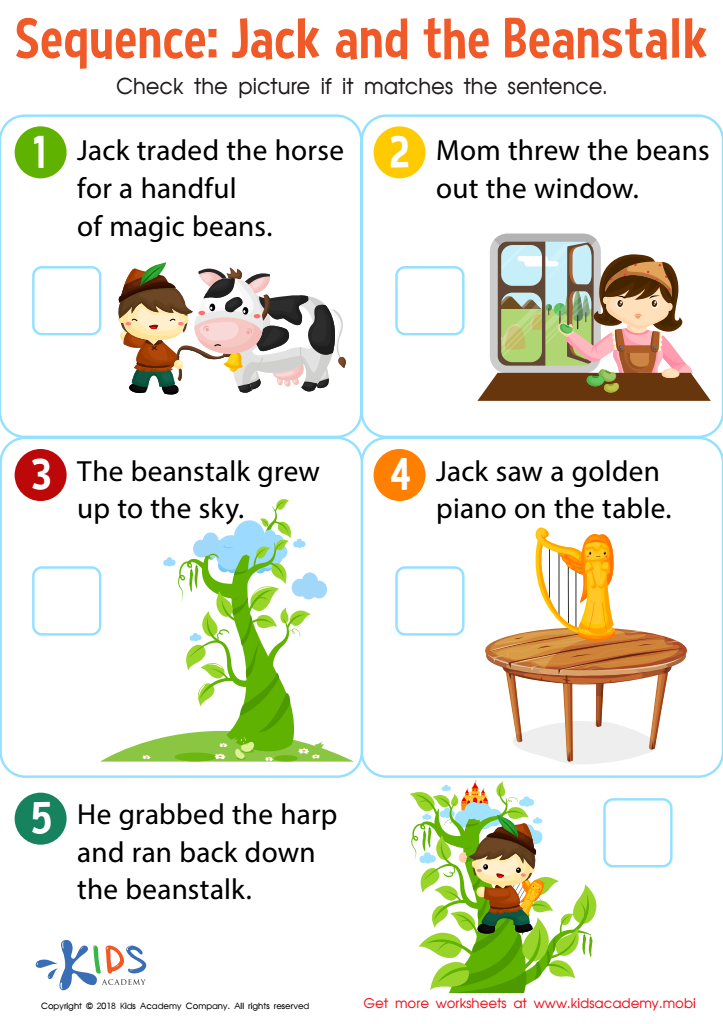
Sequence: Jack and The Beanstalk Worksheet
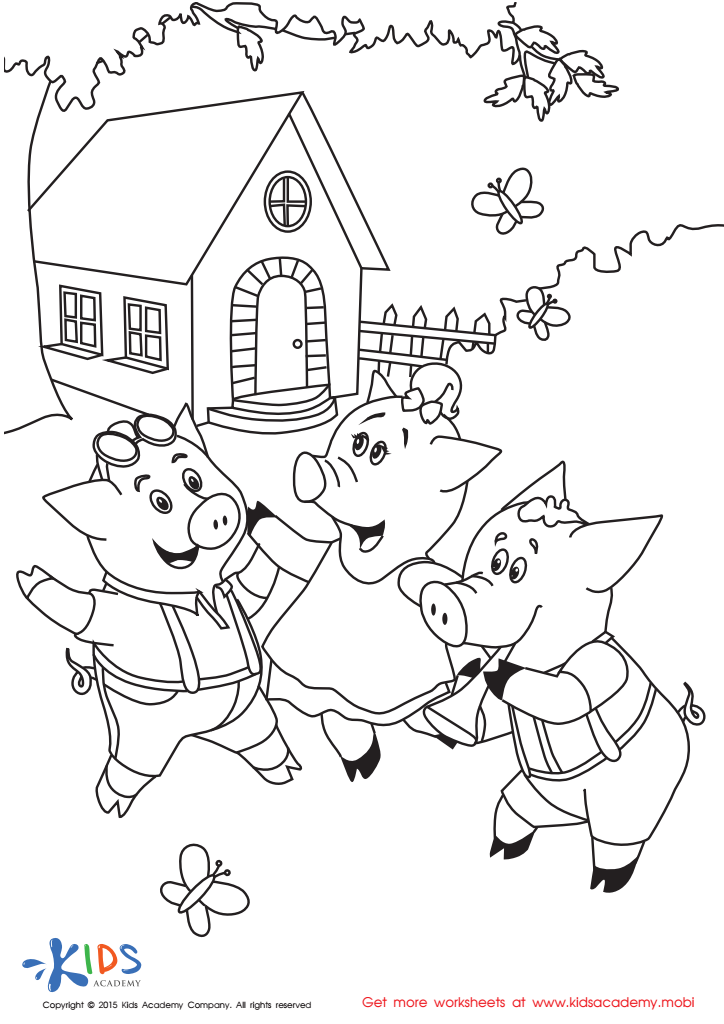
Folktales Printable PDF Worksheet: The 3 Little Pigs
 Assign to My Students
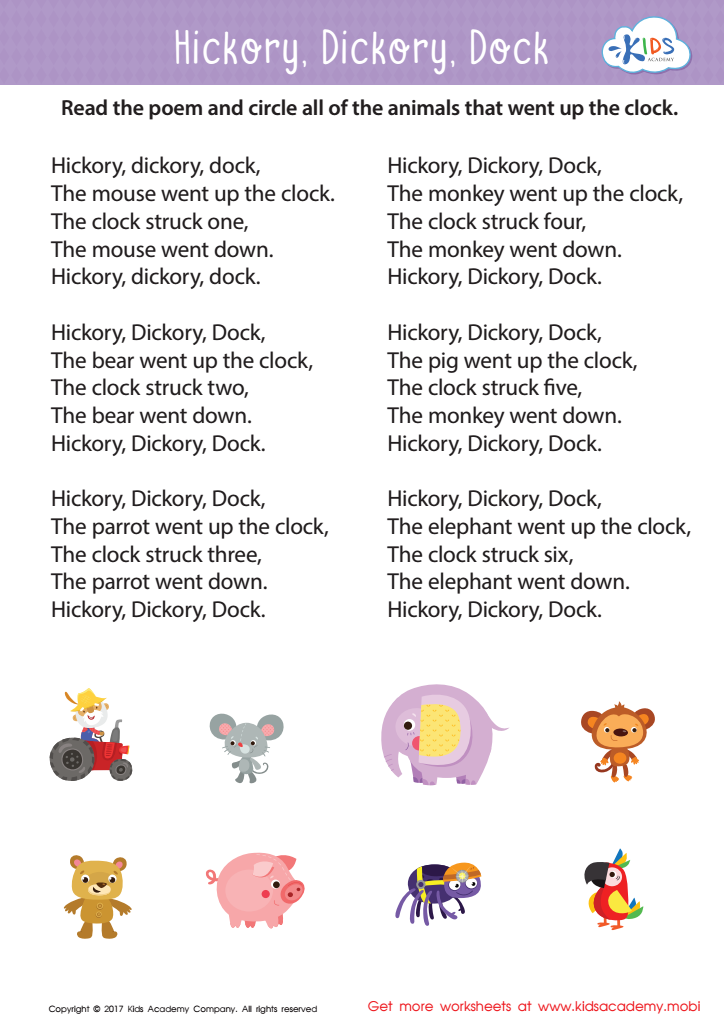
Hickory Dickory Dock Sequencing Worksheet
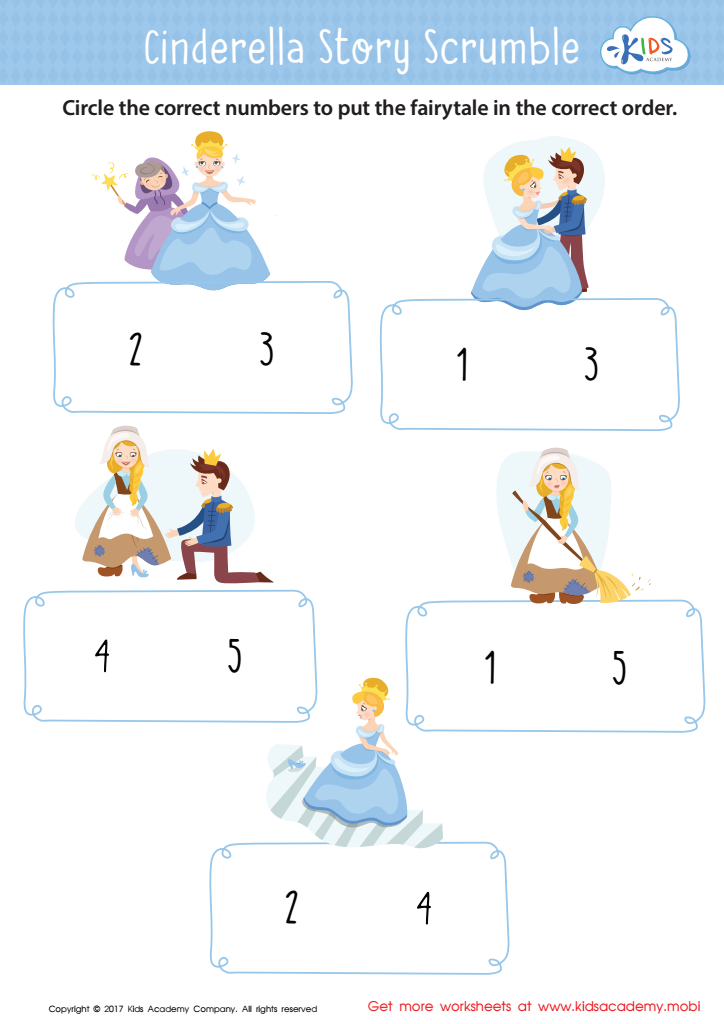
Cinderella Story Sequencing Worksheet
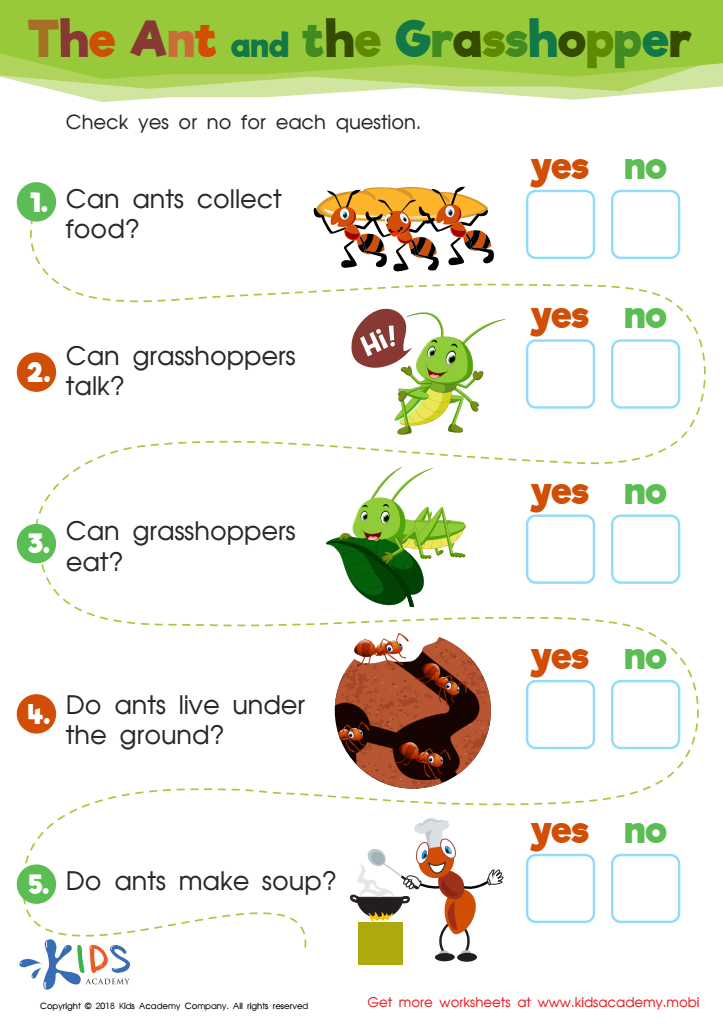
The Ant and The Grasshopper Worksheet
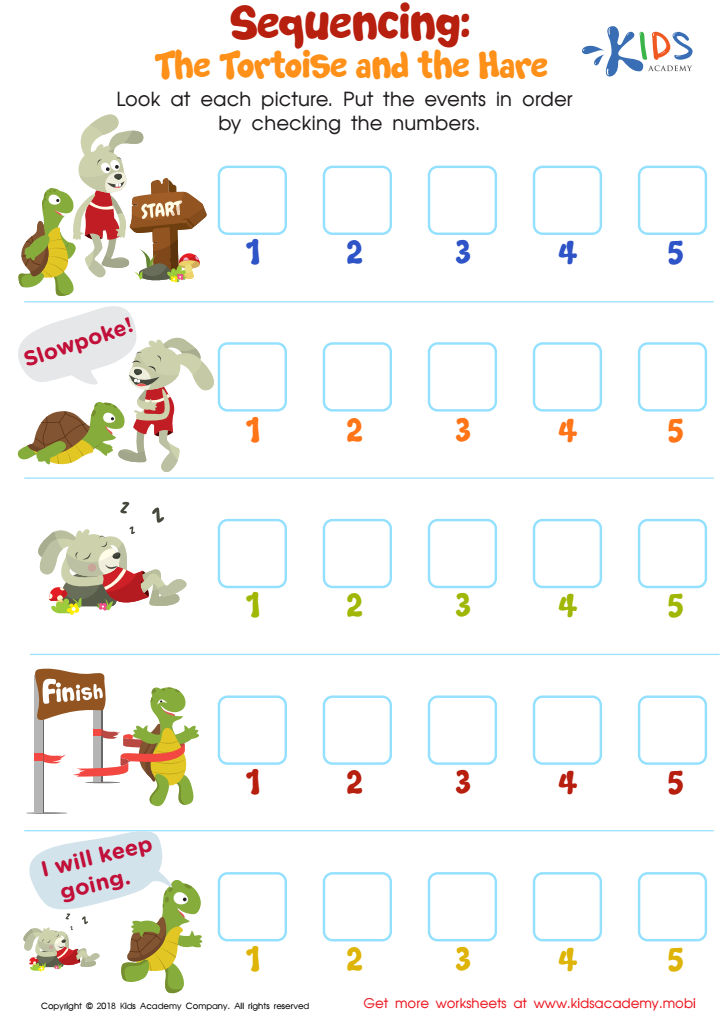
Sequencing: The Tortoise and the Hare Worksheet
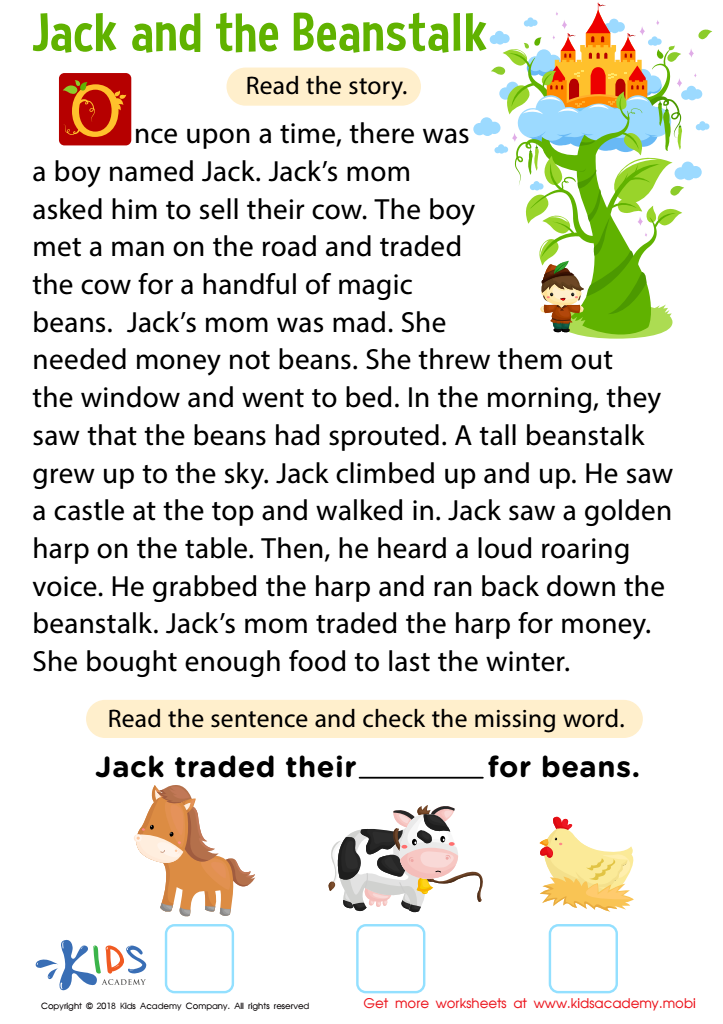
Jack and Beanstalk Worksheet
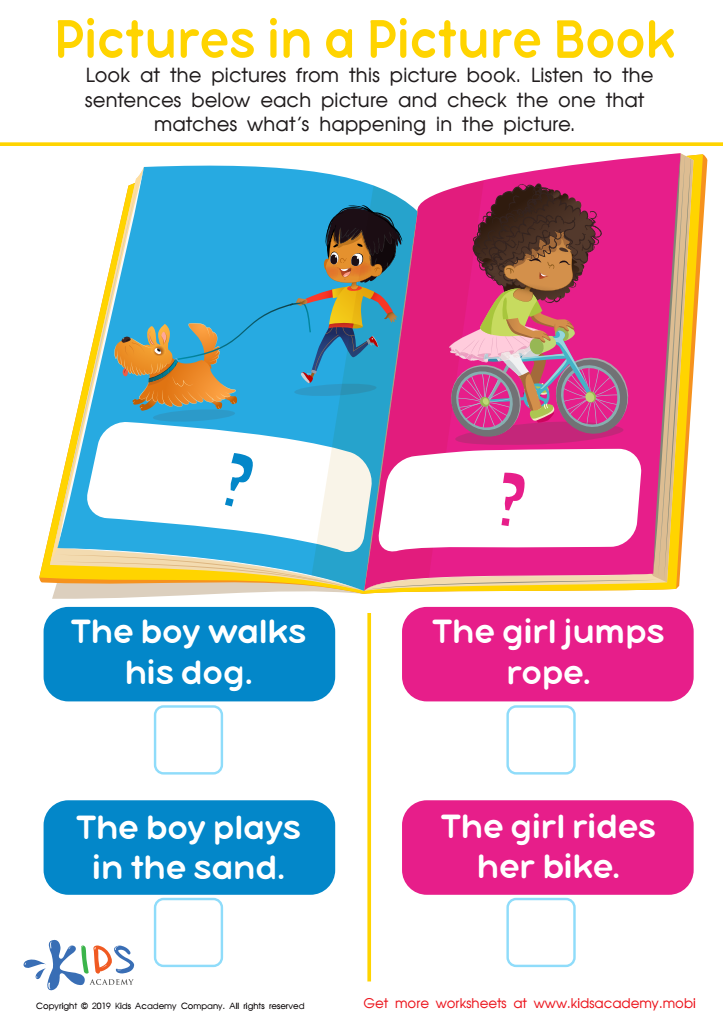
Picture in Books Worksheet
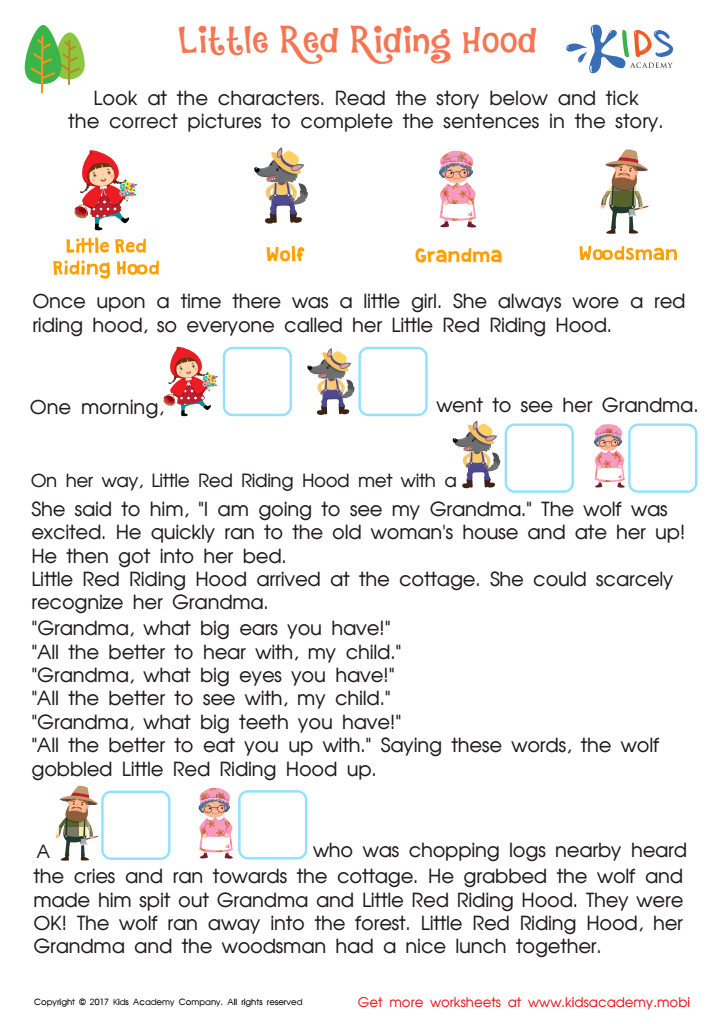
Little Red Riding Hood Printable
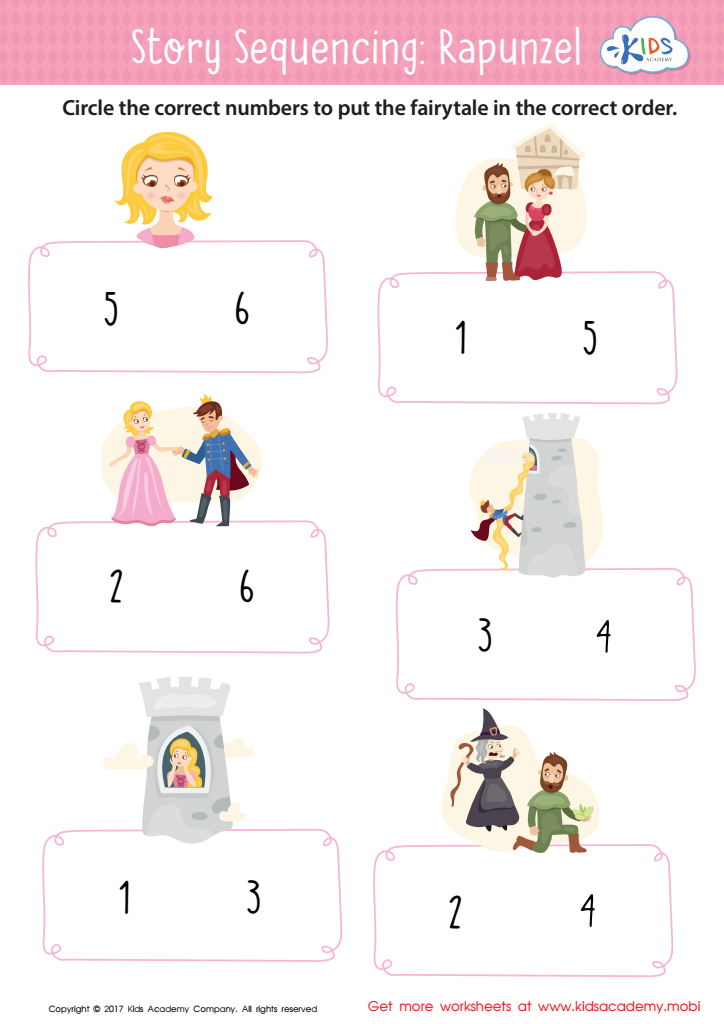
Rapunzel Story Sequencing Worksheet
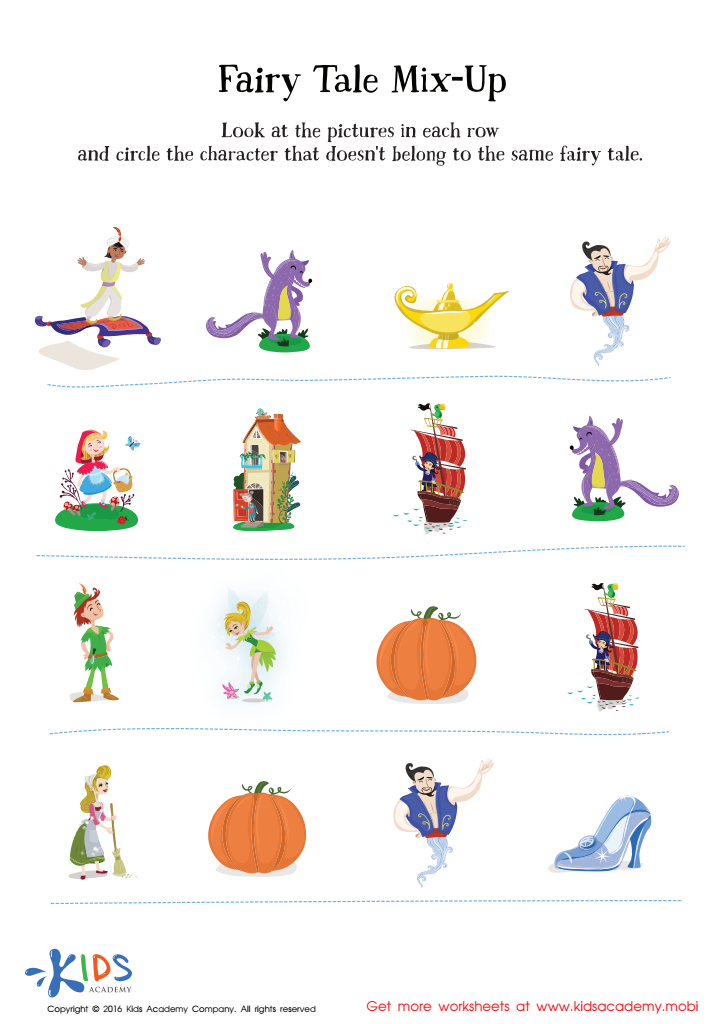
Fairy Tale Worksheet: Story Mix Up
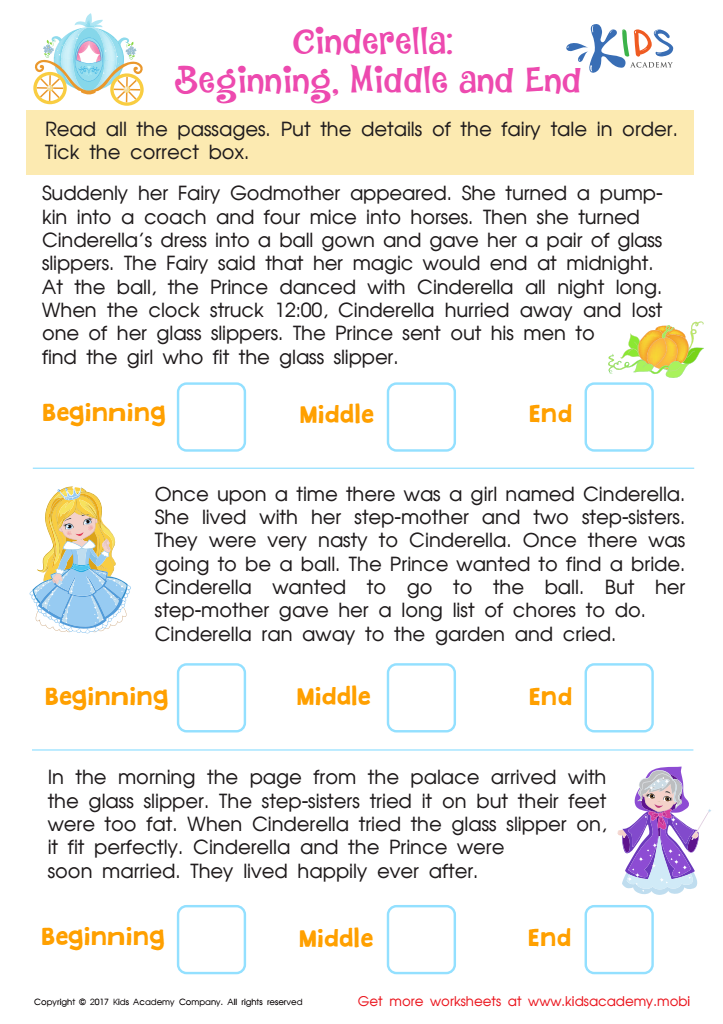
Cinderella: Beginning, Middle and End Worksheet
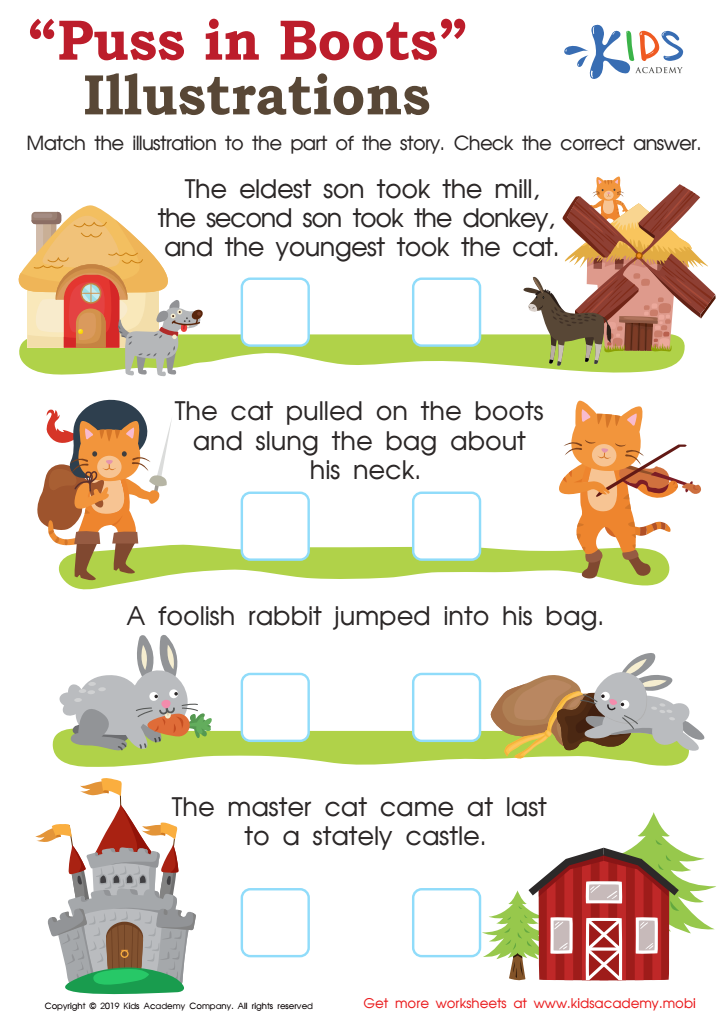
Puss in Boots Illustrations Worksheet
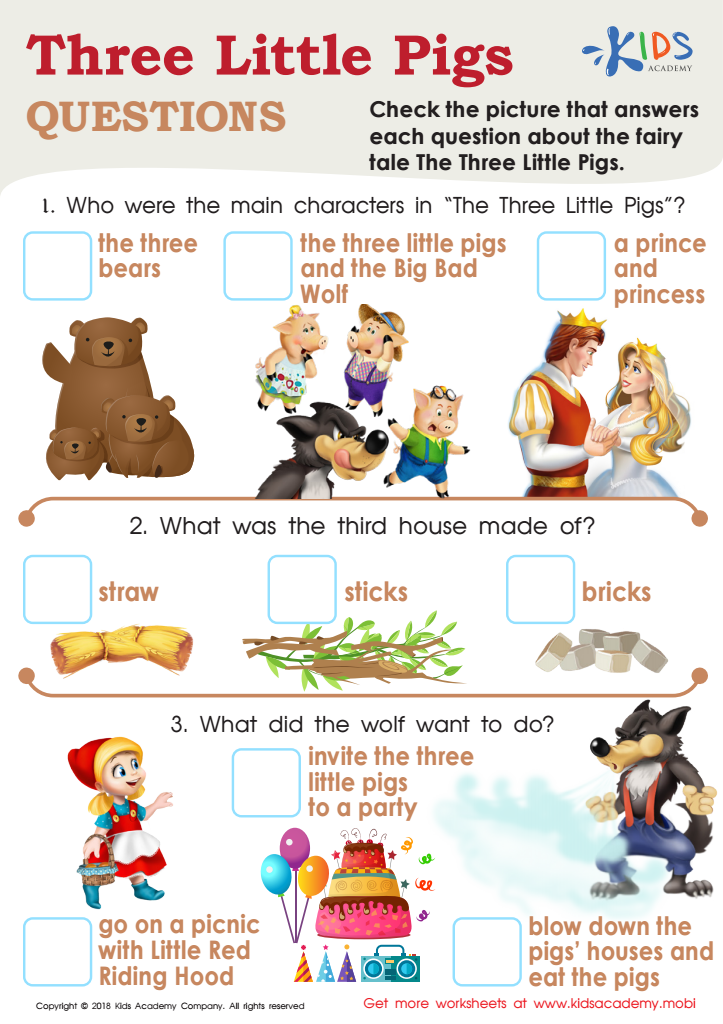
Three Little Pigs Questions Worksheet
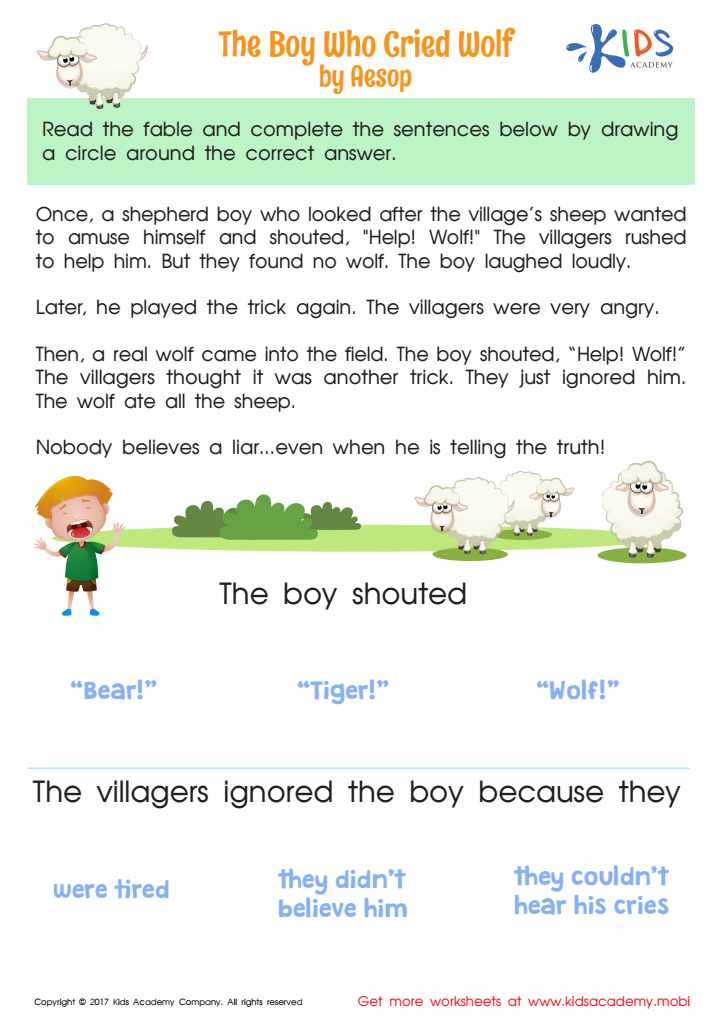
The Boy Who Cried Wolf Worksheet
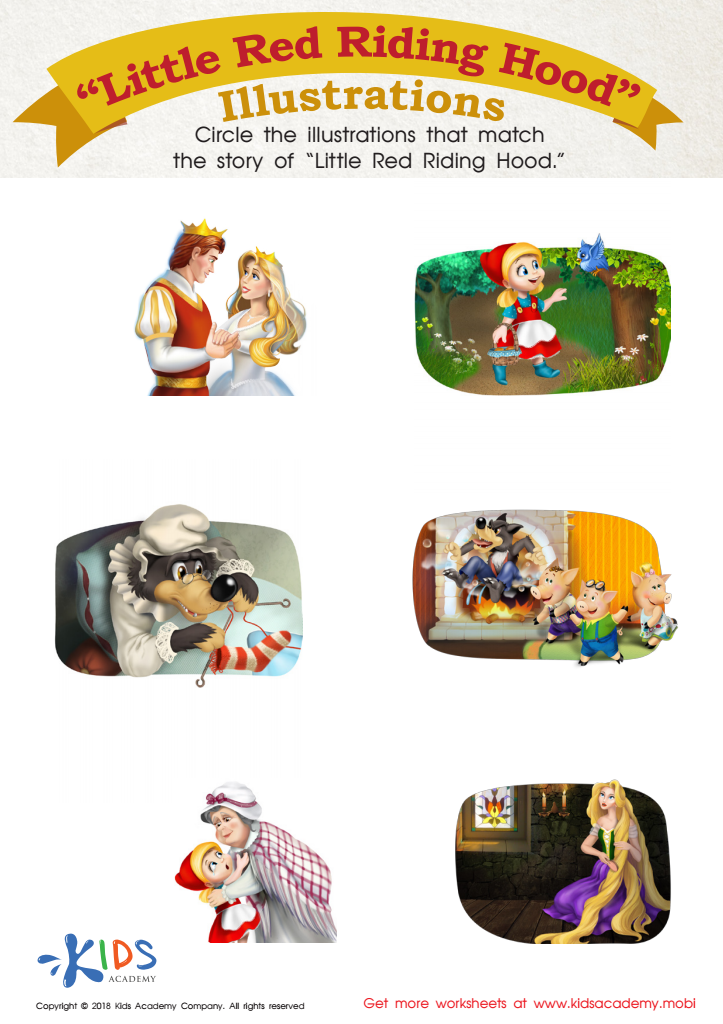
Little Red Riding Hood: Illustrations Worksheet
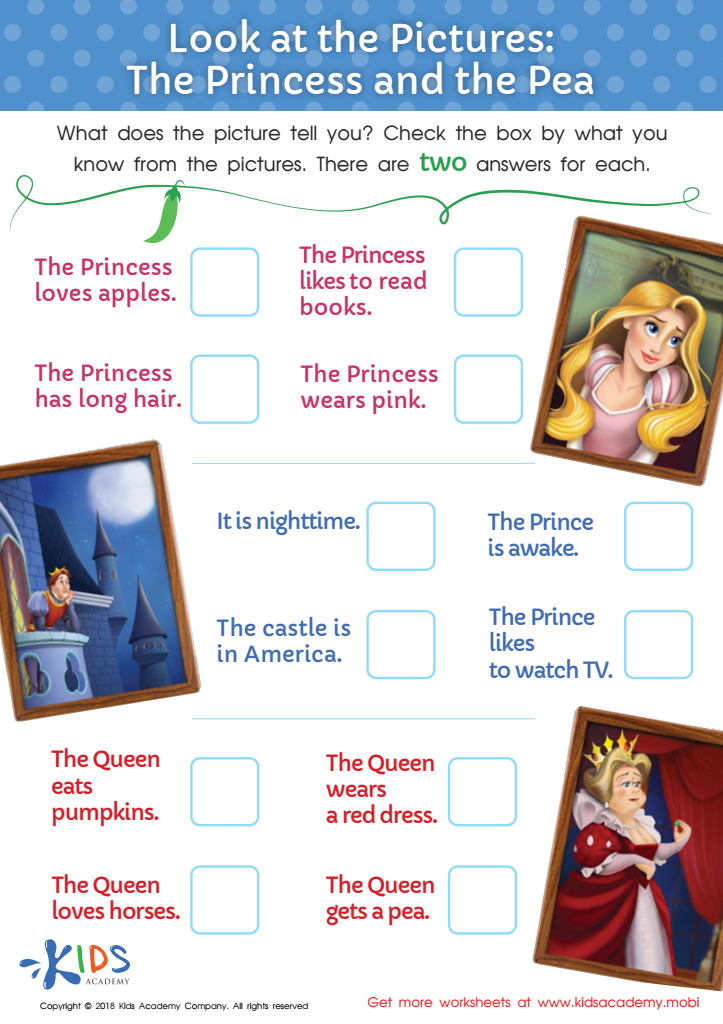
Look at the Pictures: The Princess and the Pea Worksheet
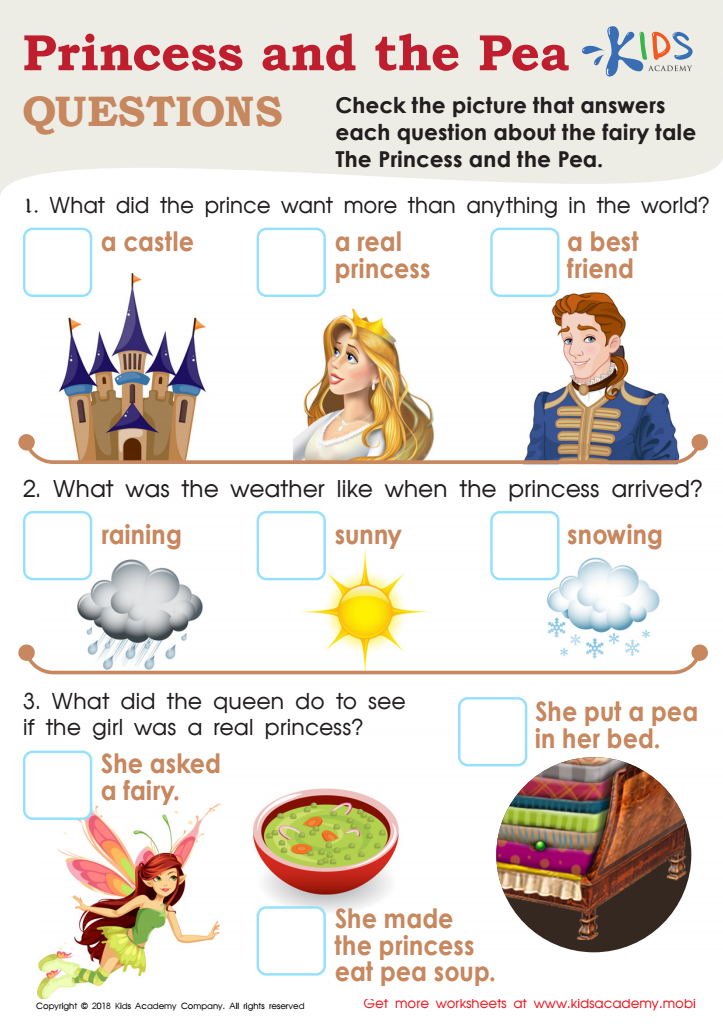
Princess and the Pea Questions Worksheet
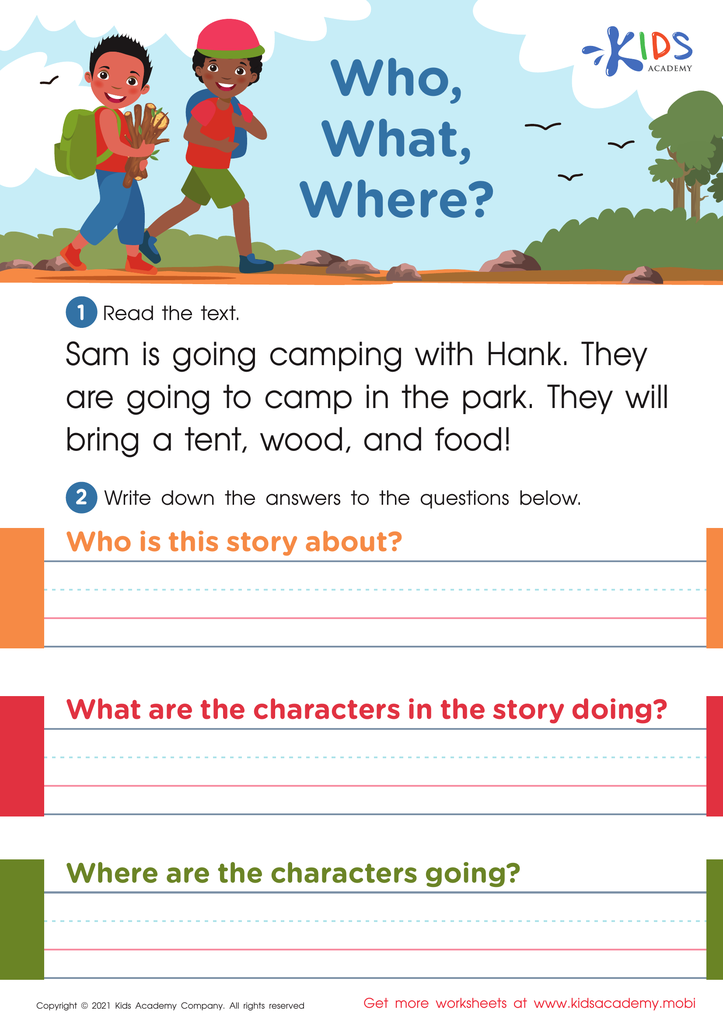
Who, What, Where? Worksheet






Story sequencing is an essential skill for children aged 4-7, as it lays the groundwork for their comprehension, critical thinking, and narrative skills. As young learners engage with stories, they not only enjoy the plot but also begin to understand how events are connected. This capability helps children grasp the structure of stories, ultimately leading to better understanding and recall of information.
For parents and teachers, fostering story sequencing through reading activities is crucial. It encourages children to predict what happens next in a story, which heightens their engagement with the text and boosts their confidence in expressing ideas. It also aids in developing logical thinking, helping children identify cause-and-effect relationships and discern main ideas.
Additionally, story sequencing nurtures creativity. When children attempt to retell stories or construct their own narratives, they learn to express themselves coherently. Parents and teachers can guide discussions around characters, settings, and plot elements, enriching the child's vocabulary and language skills.
Overall, prioritizing story sequencing activities encourages a love for reading while enhancing comprehension skills, preparing children for advanced literacy as they progress in their educational journey. Engaging in these practices together can also strengthen the parent-child or teacher-student bond.








