Vocabulary improvement Reading Worksheets for Ages 4-7
3 filtered results
-
From - To
Enhance your child's language skills with our Vocabulary Improvement Reading Worksheets specially designed for ages 4-7. At Kids Academy, we provide engaging and age-appropriate resources to help young learners expand their vocabulary through fun, interactive activities. Our worksheets focus on fundamental reading skills, including word recognition, understanding meanings, and contextual learning. Each worksheet is crafted by educational experts to support early literacy, ensuring kids build a strong foundation for future academic success. Discover exciting, free printables that make vocabulary improvement enjoyable and effective. Help your child thrive in their reading journey today with Kids Academy!
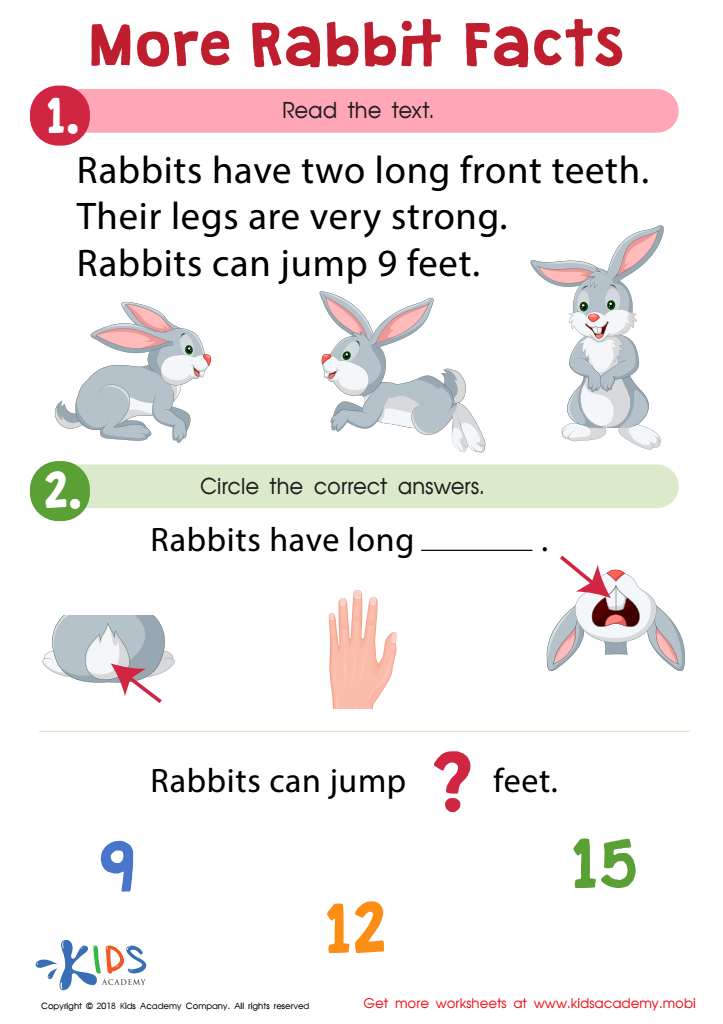
More Rabbit Facts Worksheet
 Assign to My Students
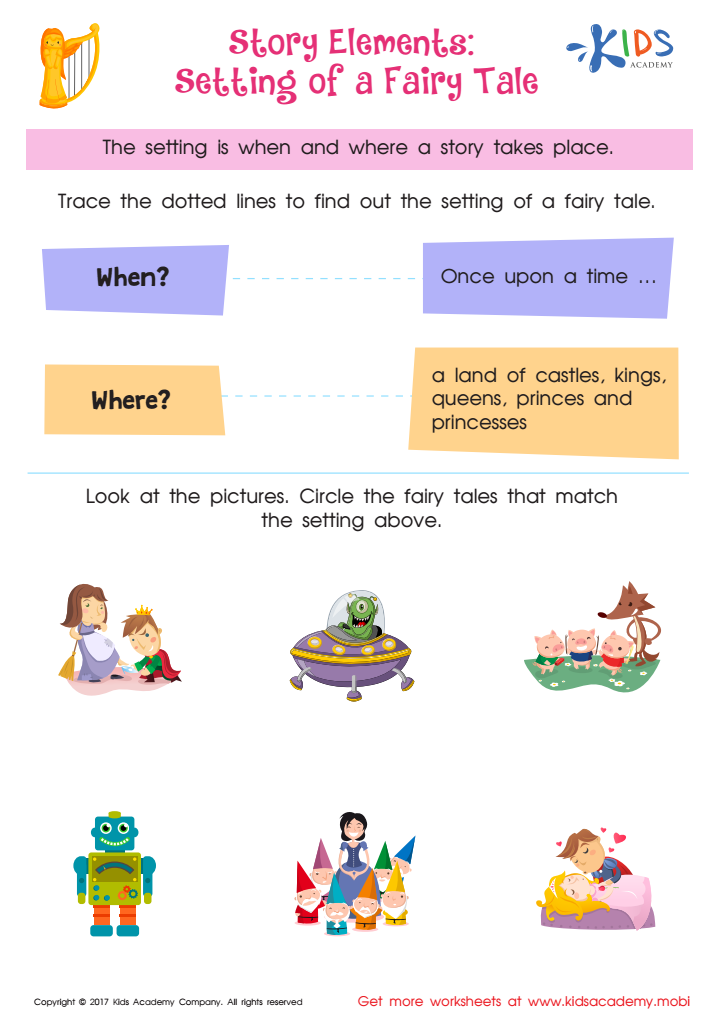
Story Elements: Setting of a Fairy Tale Printable
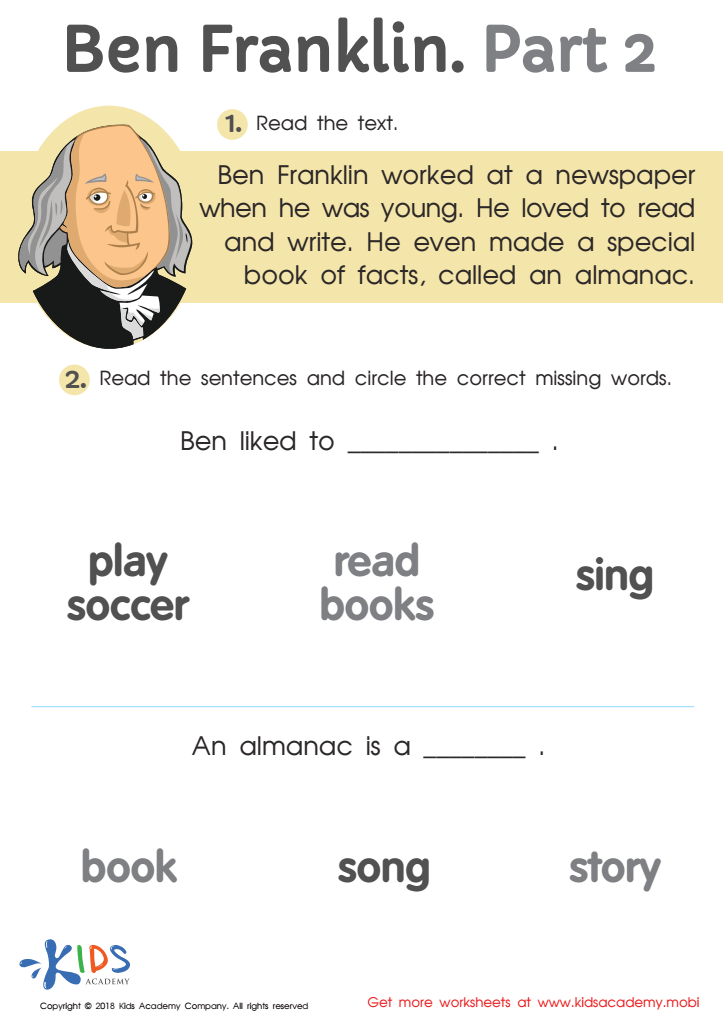
Ben Franklin Part 2 Worksheet



.jpg)


Vocabulary improvement through reading is crucial for children ages 4-7—a formative period for language development and cognitive growth. Firstly, enhanced vocabulary lays the foundation for effective communication. As children encounter new words, they learn to express their thoughts and emotions more accurately, which is vital for forming relationships and social skills.
Reading expands a child's world beyond immediate experiences, stimulating curiosity and imagination. Stories introduce children to different cultures, professions, and places, enriching their understanding of the world. Exposure to diverse vocabulary through reading helps children grasp complex concepts and ideas, which is linked to better academic performance. Studies show a robust vocabulary is a significant predictor of academic success because it aids in reading comprehension and critical thinking skills.
Additionally, unlike passive exposure to language, reading actively engages children in their learning process. Interactive reading sessions with parents or teachers create opportunities for discussions, fostering deeper comprehension and retention of new words. This shared reading experience also strengthens the bond between children and adults, contributing positively to their emotional development.
In sum, improving vocabulary through reading for young children is essential as it enhances communication skills, broadens knowledge, and fosters cognitive and emotional growth, laying the groundwork for future academic and personal success.








