Animals Worksheets for Ages 4-7 - Page 3
52 filtered results
-
From - To
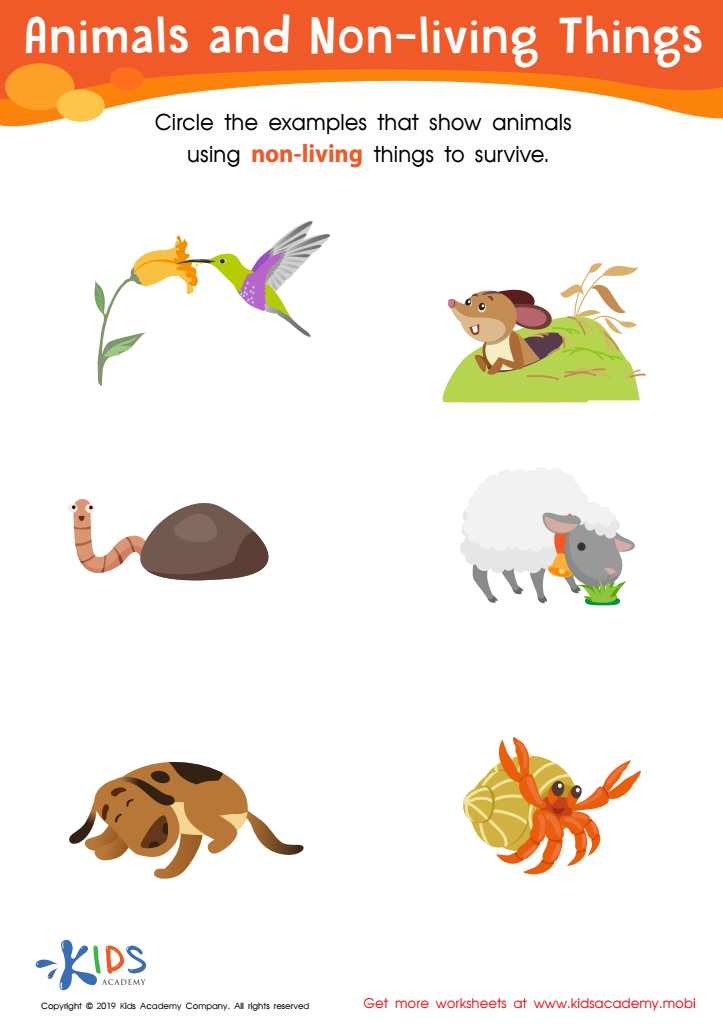
Animals and Non-Living Things Worksheet
 Assign to My Students
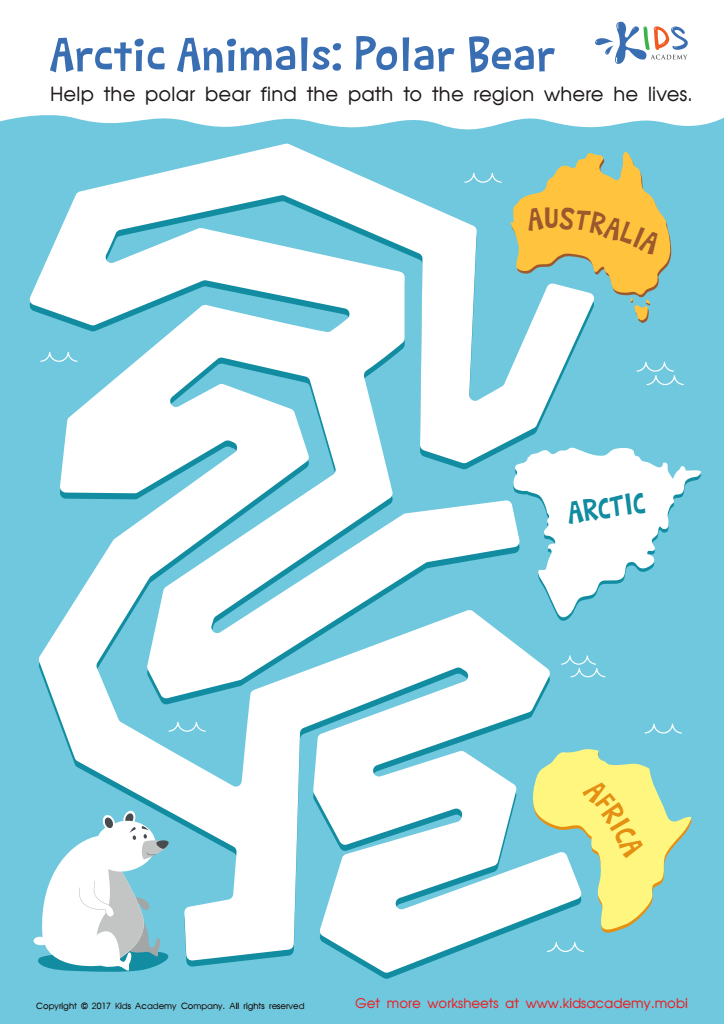
Arctic Animals: Polar Bear Worksheet
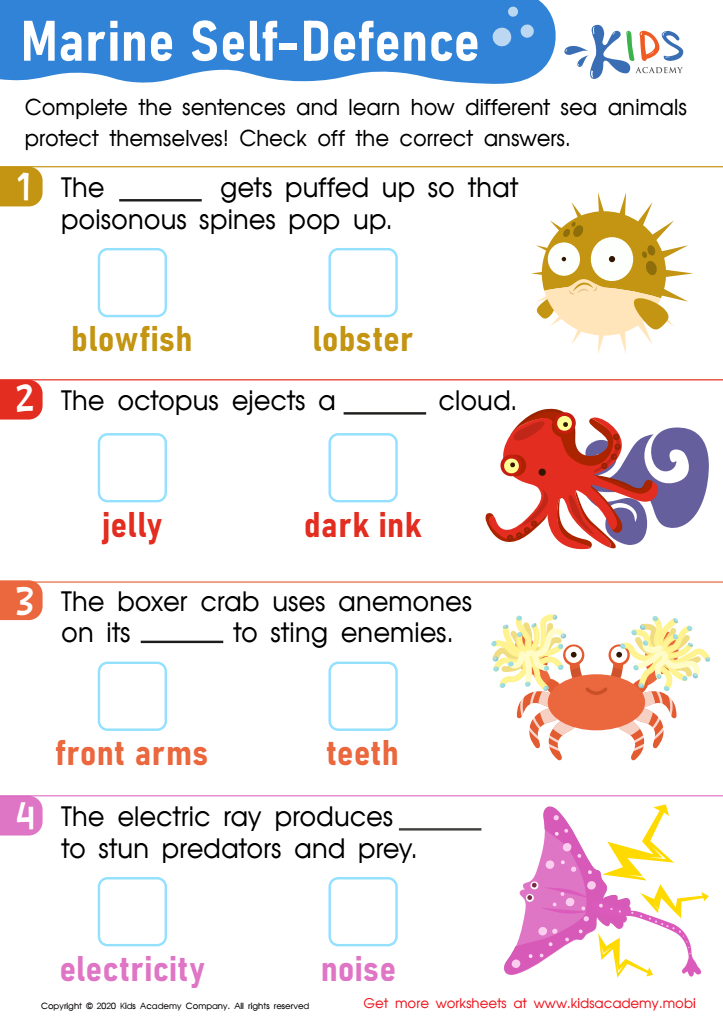
Marine Self-Defence Worksheet
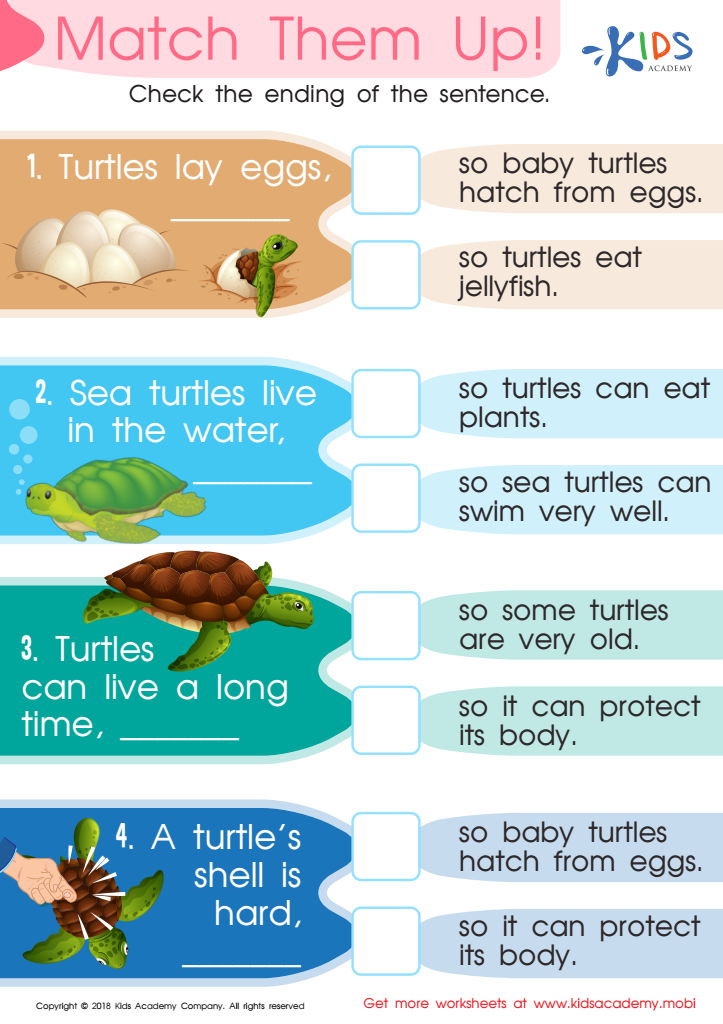
Match Them Up Worksheet



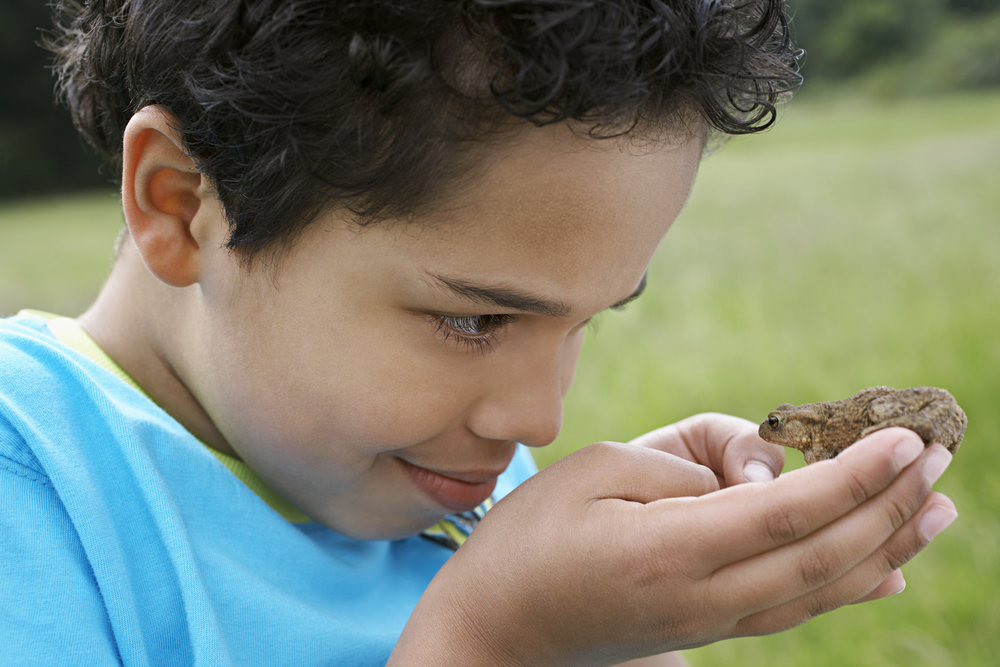




Parents and teachers should care about introducing animals to children ages 4-7 because it plays a crucial role in their holistic development. Learning about animals ignites curiosity and widens their understanding of the world, fostering a sense of wonder and imagination. It also supports cognitive development by teaching children about different species, habitats, and the natural world, thus enhancing their memory, attention to detail, and comprehension skills.
Empathy and compassion are also developed through interactions with animals, as children learn the importance of caring for living beings and respecting nature. This helps instill kindness, stewardship, and social skills, critical traits for their personal growth. Furthermore, learning about animals integrates well with various educational subjects such as science, language arts, and mathematics, making learning multidisciplinary and engaging.
Preventing Biophobia, the growing trend of fear or indifference toward the natural world, is another significant reason. Early engagement with animals helps foster a deep appreciation for biodiversity and conservation from a young age. Finally, many animal-themed activities—such as reading stories, nature walks, or visits to zoos and farms—promote active learning and family bonding, enriching children's academic and emotional intelligence in a nurturing, joyful manner.








