Categorizing objects Physical Science Worksheets for Ages 4-7
3 filtered results
-
From - To
Discover our engaging "Categorizing Objects" Physical Science Worksheets, designed for young learners aged 4-7. These worksheets offer a fun and interactive way for children to explore the world around them by classifying and grouping various objects based on their characteristics. Whether sorting by color, size, or type, young scientists will enhance their observational skills and critical thinking abilities. Perfect for both classroom and home settings, our worksheets provide colorful illustrations and clear instructions, making learning enjoyable and effective. Help your child build a strong foundation in physical science while fostering a love for exploration and discovery with these exciting resources!
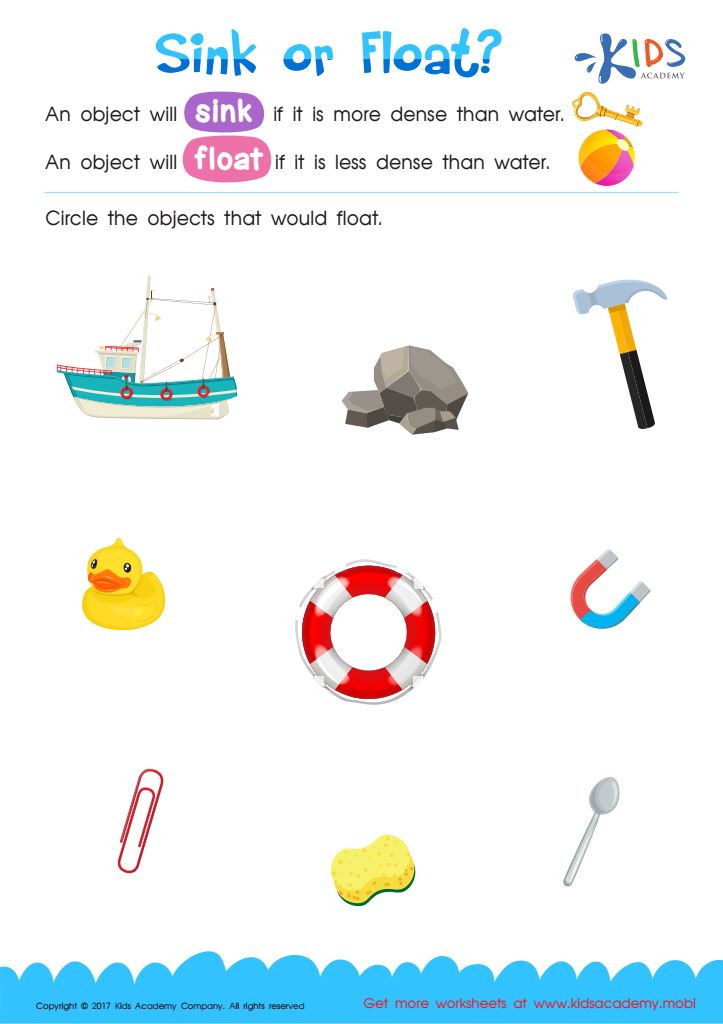
Sink or Float Printable
 Assign to My Students
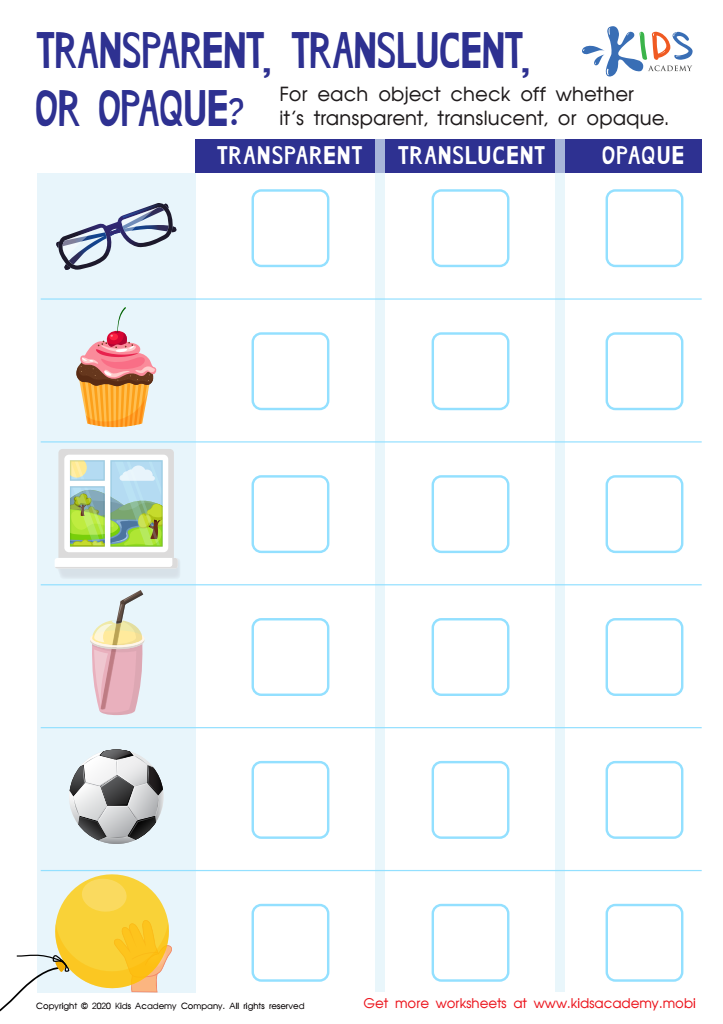
Transparent, Translucent, or Opaque Worksheet
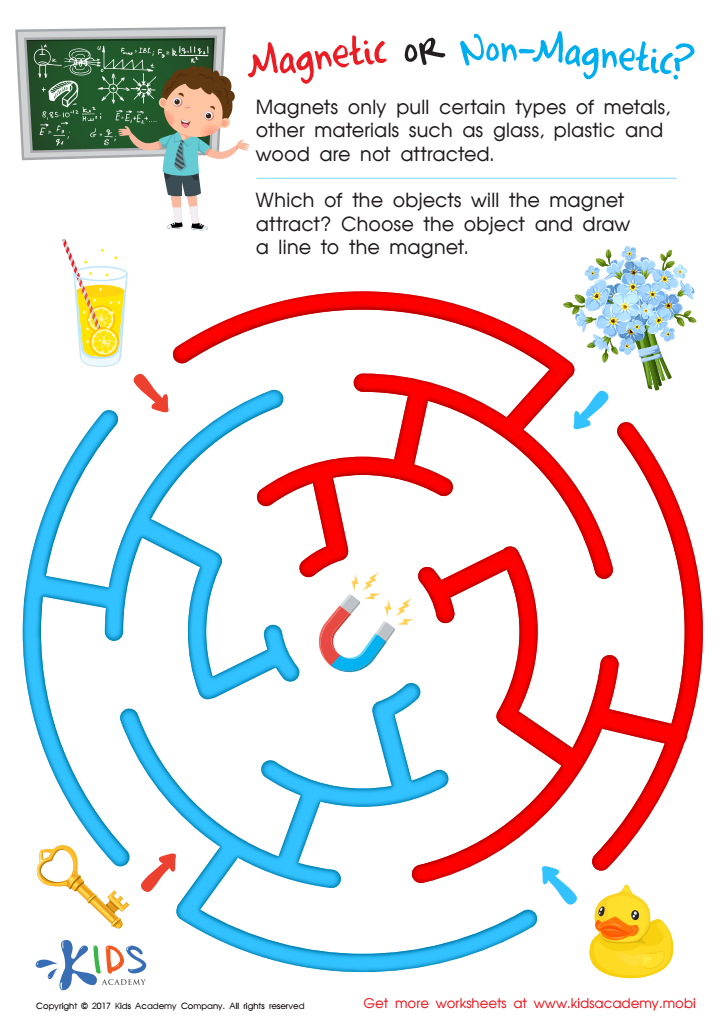
Magnetic or Non–Magnetic Worksheet


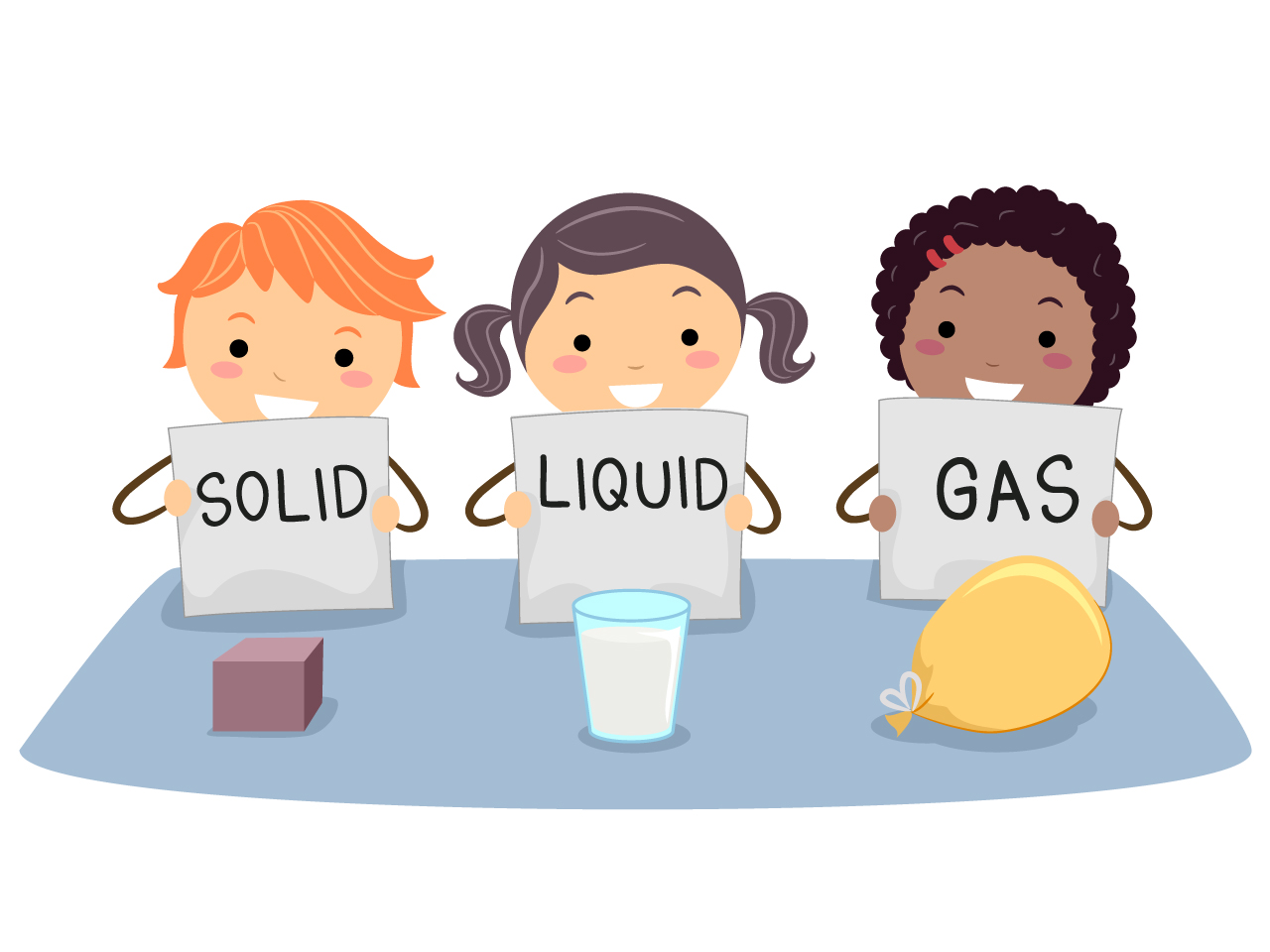

Categorizing objects in physical science is crucial for young learners aged 4-7 as it lays the foundation for important cognitive skills and scientific understanding. At this stage, children are naturally curious and eager to explore their surroundings. By encouraging them to categorize objects, we help them develop critical thinking skills that enhance their ability to observe, classify, and make connections.
Parents and teachers should care because categorization fosters language development; as children describe characteristics of objects and place them into groups, they expand their vocabulary and improve communication skills. Additionally, identifying properties such as size, shape, and texture cultivates their analytical abilities and introduces foundational concepts in science, such as classification, observation, and experimentation.
Moreover, this practice supports social-emotional skills as children learn to work collaboratively, share ideas, and engage in discussions during activities. Encouraging these explorative behaviors nurtures curiosity and a love for learning, making science approachable and enjoyable. In summary, categorizing objects prepares children not only for future academic success in science but also promotes essential life skills. This is why parents and teachers should prioritize such activities in early education.







