Observational skills Physical Science Worksheets for Ages 4-7
3 filtered results
-
From - To
Foster your child's curiosity with our Observational Skills Physical Science Worksheets for Ages 4-7. Designed to develop keen observation and critical thinking, these printable worksheets guide young learners through fun, hands-on activities. From identifying patterns to exploring textures and shapes, each worksheet encourages children to carefully observe their surroundings while mastering fundamental physical science concepts. Ideal for both classroom and home use, our engaging activities help budding scientists enhance their skills in a supportive and enjoyable environment, laying the foundation for lifelong learning and discovery.
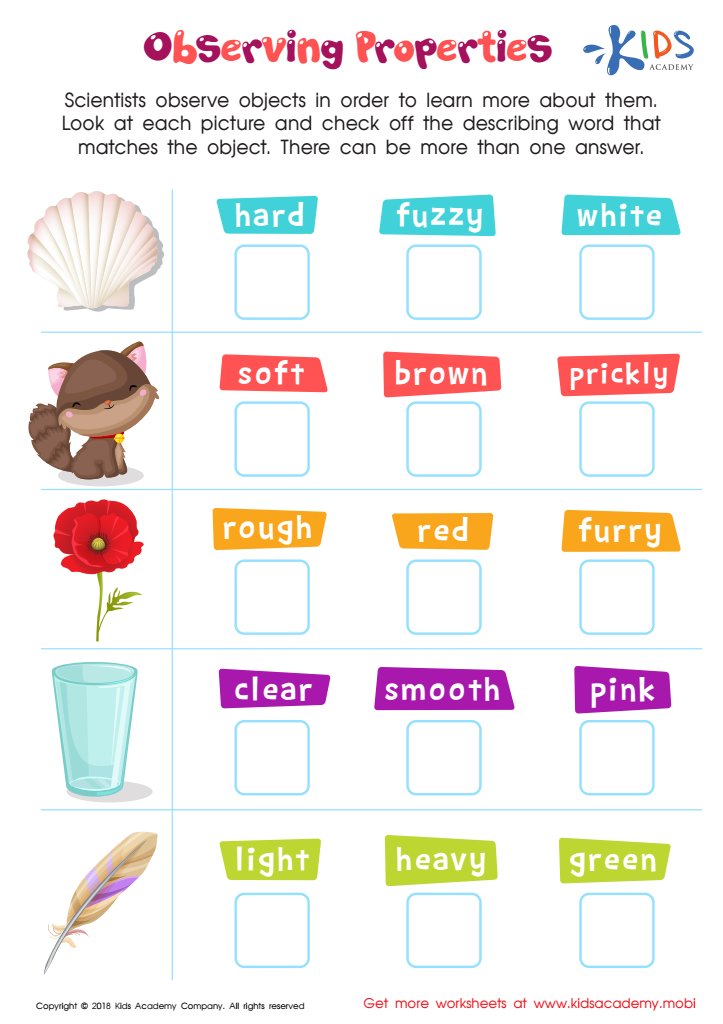
Observing Properties Worksheet
 Assign to My Students
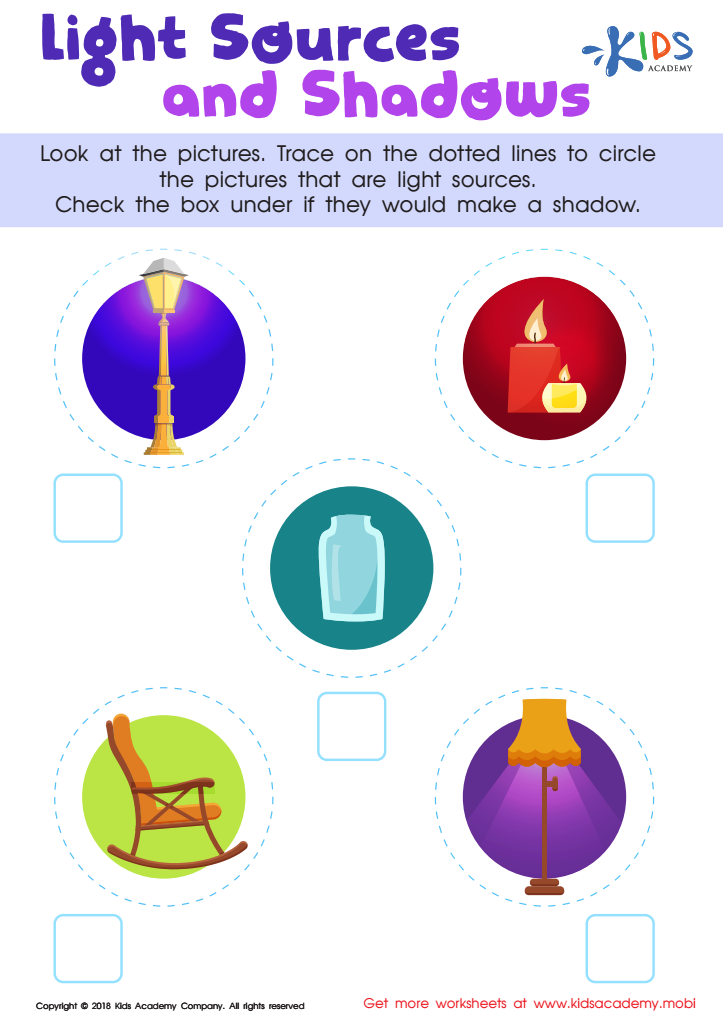
Light Sources and Shadows Worksheet
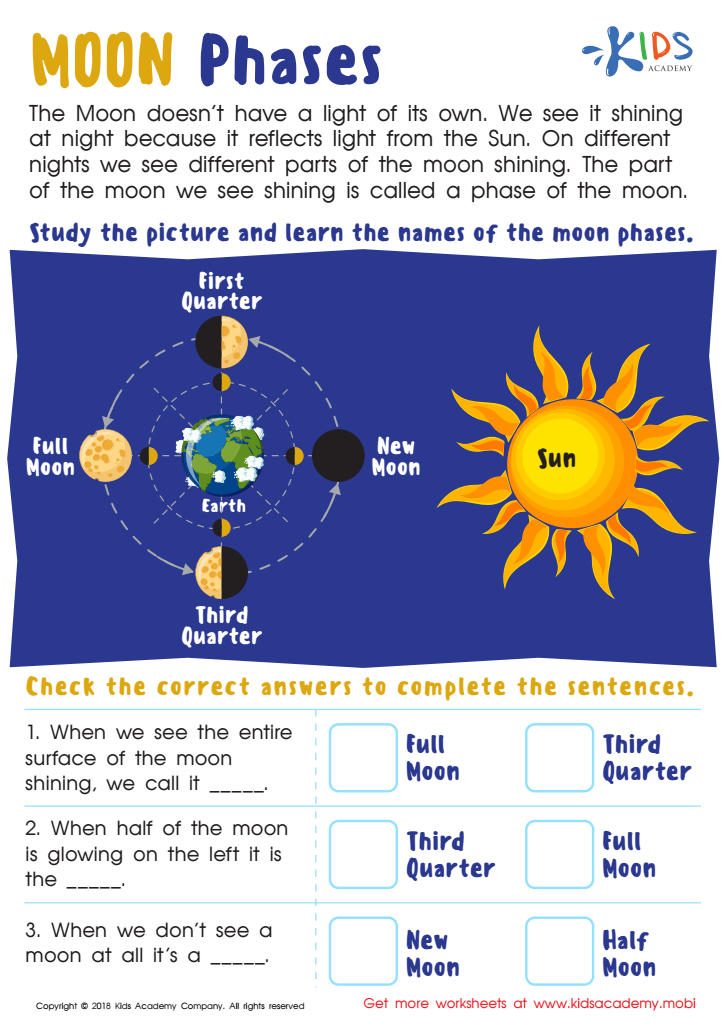
Moon Phases Worksheet


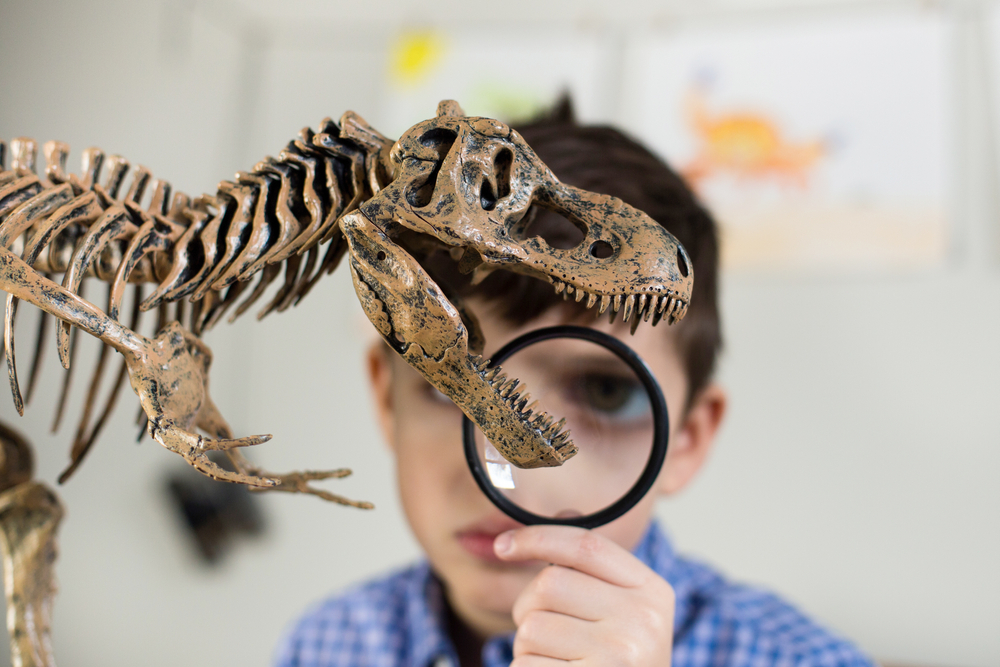




Observational skills in physical science are crucial for young learners aged 4-7 because they serve as the foundation for critical thinking and understanding the world. At this formative stage, children are inherently curious and ready to explore their surroundings. By developing strong observational skills, they learn to notice details, compare and contrast objects, and identify patterns—all essential elements of scientific thinking.
For parents and teachers, fostering these skills can lead to significant educational benefits. Children who practice careful observation are better equipped to ask questions and seek answers, thereby improving their problem-solving abilities. This proactive approach to learning not only boosts their cognitive development but also encourages a lifelong interest in science.
Moreover, observational skills are linked to better language development. Describing what they see helps children expand their vocabulary and enhances their ability to communicate ideas clearly. Socially, it encourages collaboration when children share their observations and learn from each other’s perspectives.
Incorporating activities that nurture these skills—like simple experiments, nature walks, or interactive games—can make learning fun and engaging. By valuing and cultivating observational skills, parents and teachers can lay a solid groundwork for future scientific learning and overall academic success.







