Understanding pollination Plants and Animals Worksheets for Ages 4-7
3 filtered results
-
From - To
Discover the fascinating world of pollination with our "Understanding Pollination: Plants and Animals Worksheets" designed specifically for children ages 4-7. Engaging and educational, these worksheets introduce young learners to the crucial role of pollination in nature, explaining how plants reproduce with the help of animals, insects, and the wind. Through fun activities, kids will explore concepts like flower structure, the life cycle of plants, and the significance of pollinators such as bees and butterflies. Ideal for breaking down complex science topics into simple, interactive exercises, our worksheets foster curiosity and help establish a foundational understanding of the interconnectedness of living things.
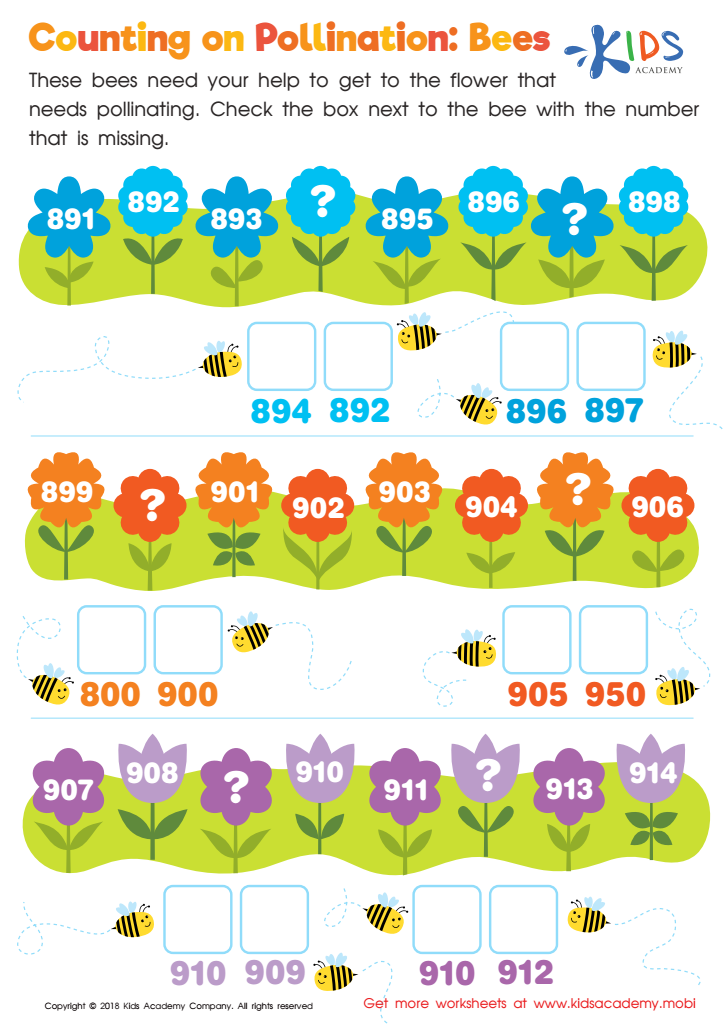
Counting on Pollination: Bees Worksheet
 Assign to My Students











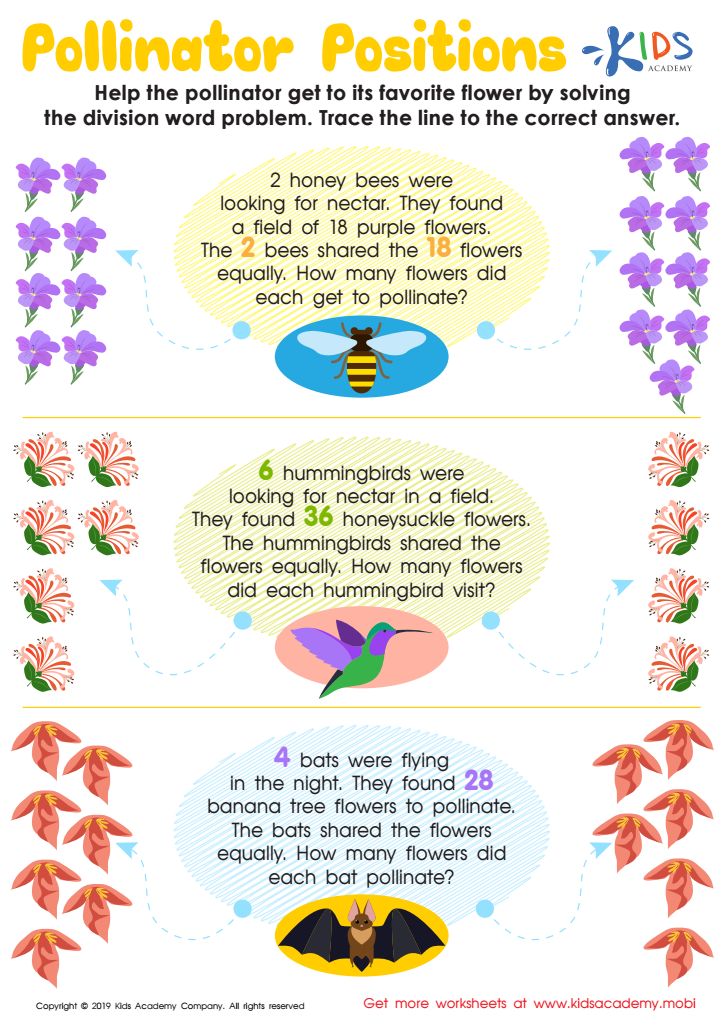
Pollinator Positions Worksheet
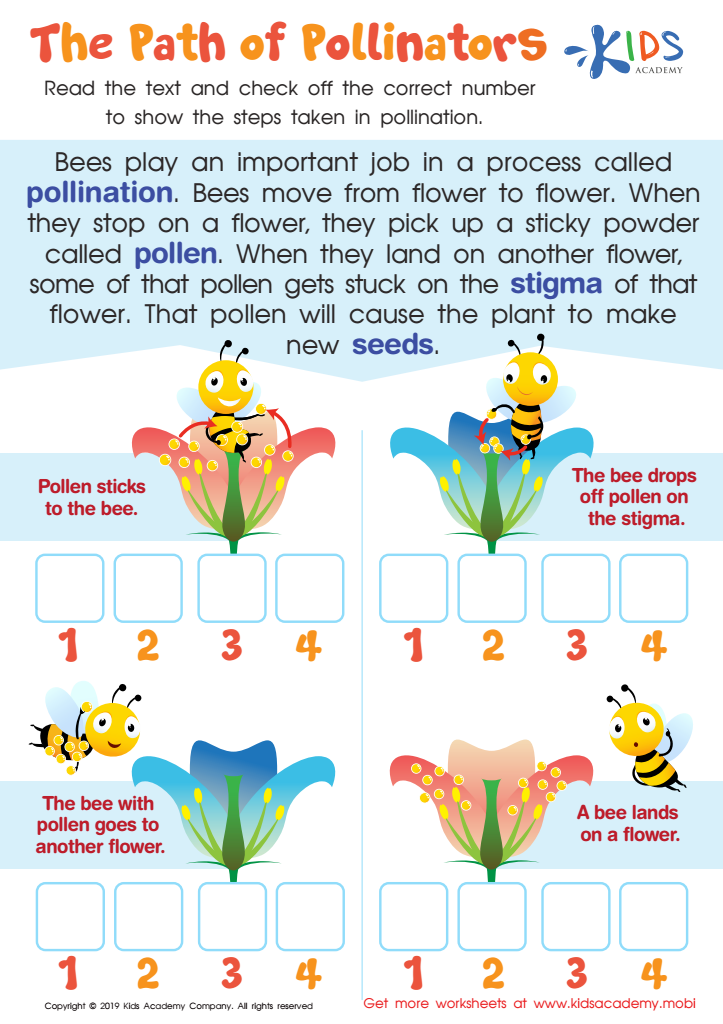
The Path of Pollinators Worksheet



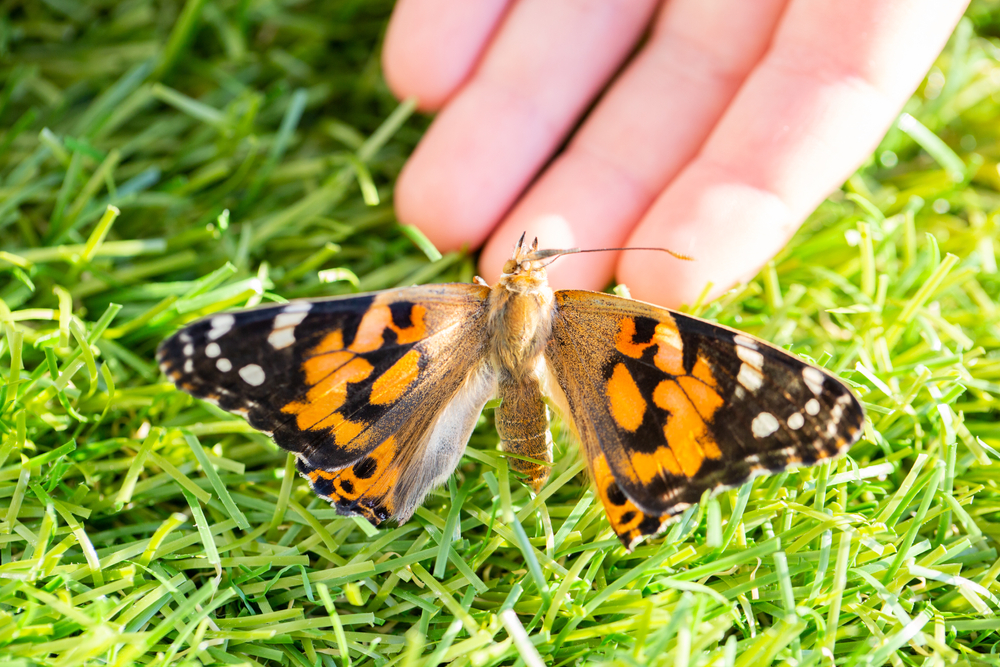




Understanding pollination is essential for children aged 4-7, as it lays the foundation for their appreciation of nature and environmental science. Pollination, the process by which pollen is transferred from the male part of a flower to its female part, is crucial for plant reproduction. Engaging children in this topic teaches them about the interconnection between plants, animals, and ecosystems.
For parents and teachers, emphasizing pollination fosters curiosity and observational skills. Children learn about the role insects like bees and butterflies play in helping plants grow, which can lead to discussions about biodiversity and conservation. These discussions are integral as young learners begin to develop environmental stewardship.
Furthermore, incorporating hands-on activities—like planting seeds or creating gardens—can enhance comprehension and stimulate interest in science. This tangible involvement solidifies their understanding and encourages responsibility as they witness the cycle of life firsthand.
Lastly, the excitement of watching flowers bloom and fruits develop reinforces the importance of care for both plants and animals. By cultivating awareness about pollination, adults provide children with the tools to appreciate the natural world, sparking a lifelong love for the environment and a commitment to protect it.








