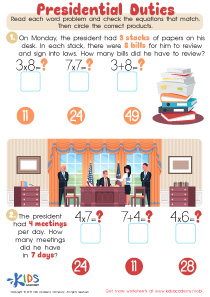
Problem-Solving Skills History Worksheets for Ages 4-7
3 filtered results
-
From - To
Explore our engaging "Problem-Solving Skills History Worksheets" designed for children aged 4-7. These worksheets blend history with essential problem-solving techniques, helping young learners approach challenges with confidence and creativity. Each activity encourages critical thinking through relatable scenarios from history, allowing children to analyze situations and devise solutions. Great for both classrooms and home learning, our worksheets foster essential life skills while making history fun and accessible. Dive into a world of adventure, curiosity, and learning as kids tackle historical problems and develop resilience. Empower your child's problem-solving abilities today with our interactive and educational resources!
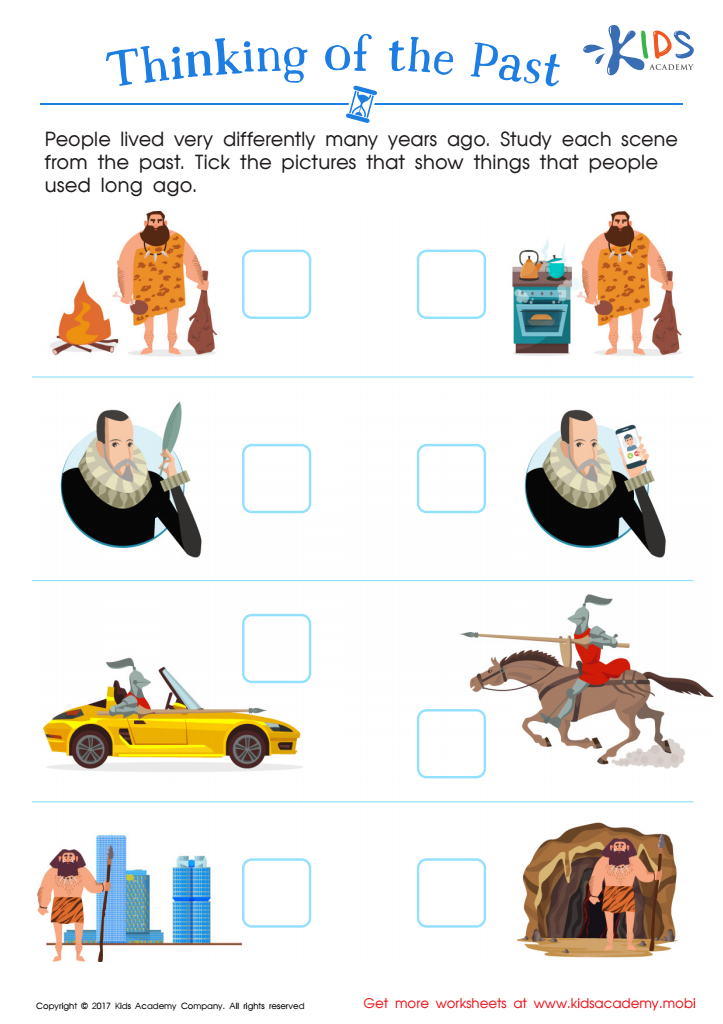
Thinking Past Printable
 Assign to My Students
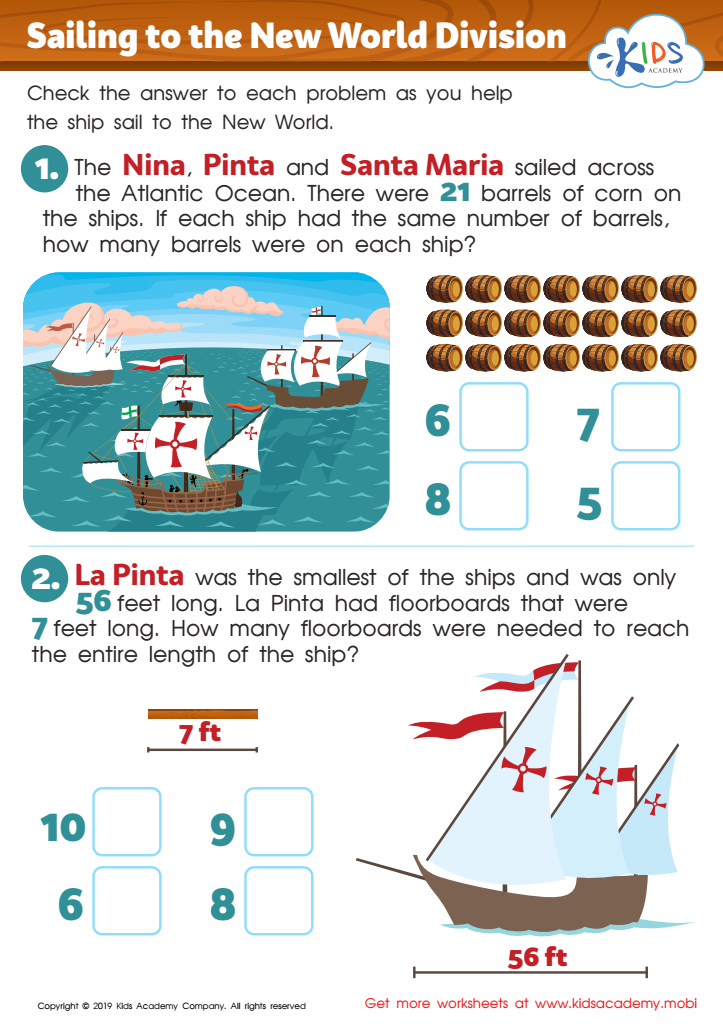
Sailing to the New World Division Worksheet
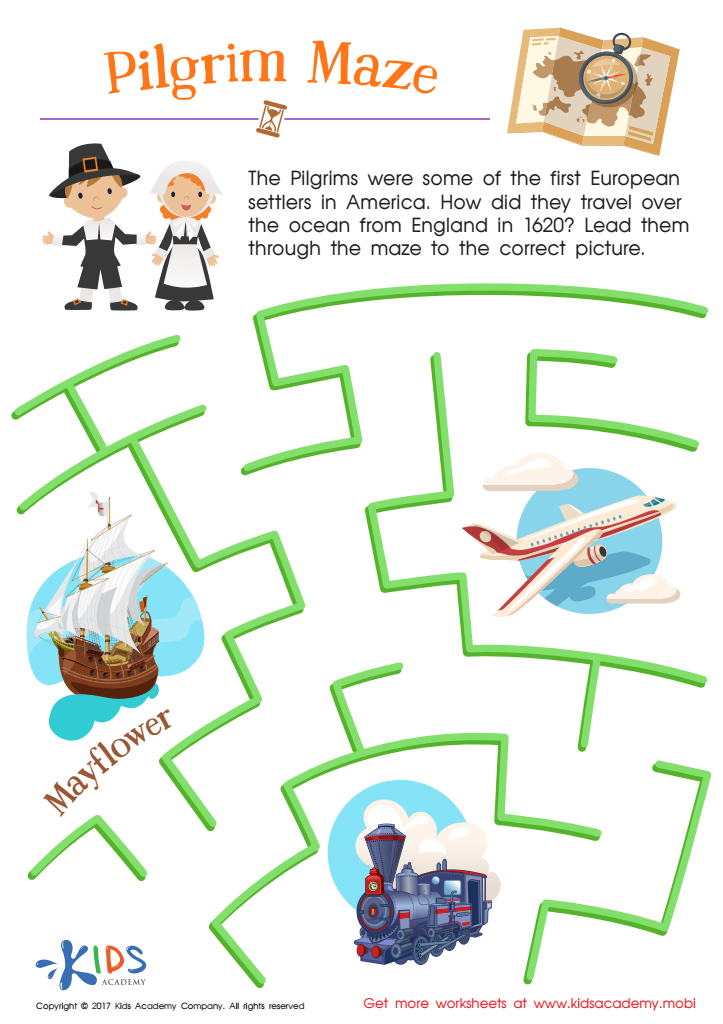
Pilgrim Maze Worksheet








Problem-solving skills are crucial for children aged 4-7 as they serve as the foundation for cognitive development and future learning. This age group is characterized by rapid brain development and burgeoning critical thinking abilities. During these formative years, children engage in various experiences that help shape their approach to challenges. By understanding the history of problem-solving skills in early childhood, parents and teachers can recognize the significant leaps in creativity, adaptability, and logical reasoning that occur at this stage.
Fostering these skills in young learners equips them with the tools to navigate everyday obstacles, whether it’s figuring out a puzzle, resolving disagreements with friends, or making decisions independently. Moreover, integrating problem-solving activities into the curriculum not only enhances academic performance but also instills resilience and confidence in children.
By supporting the development of these skills, adults help cultivate a growth mindset, enabling children to view challenges as opportunities for learning rather than setbacks. Consequently, investment in nurturing problem-solving skills during these critical years can lead to lasting positive effects in a child's emotional, social, and educational growth, ultimately preparing them for the more complex challenges they will face in later life.