Community Worksheets for Ages 4-7 - Page 2
31 filtered results
-
From - To
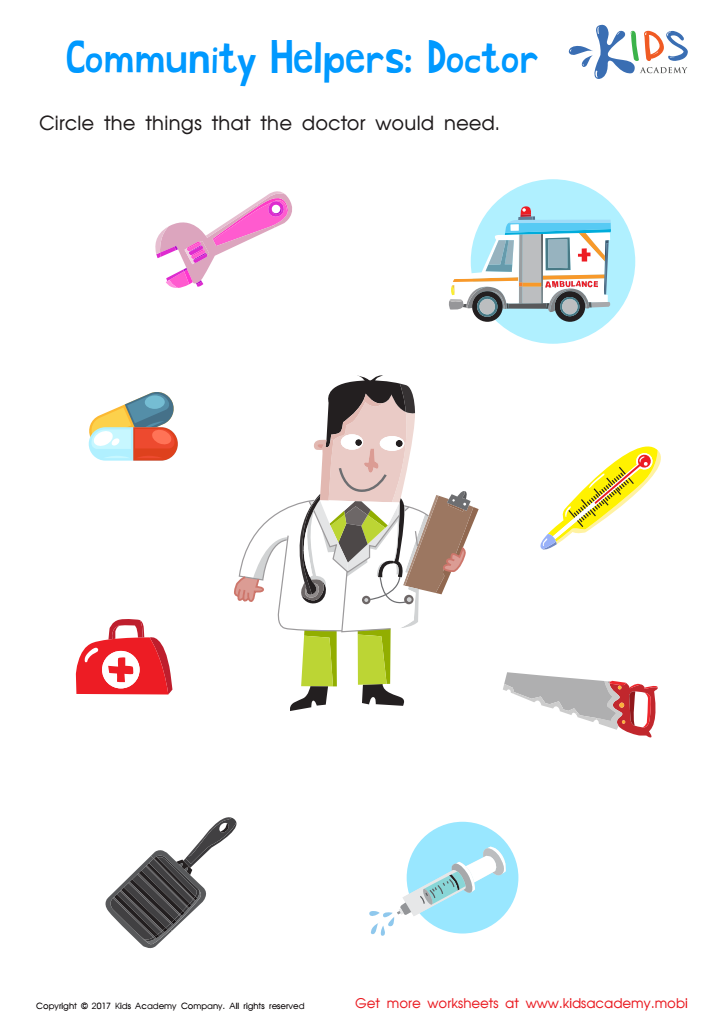
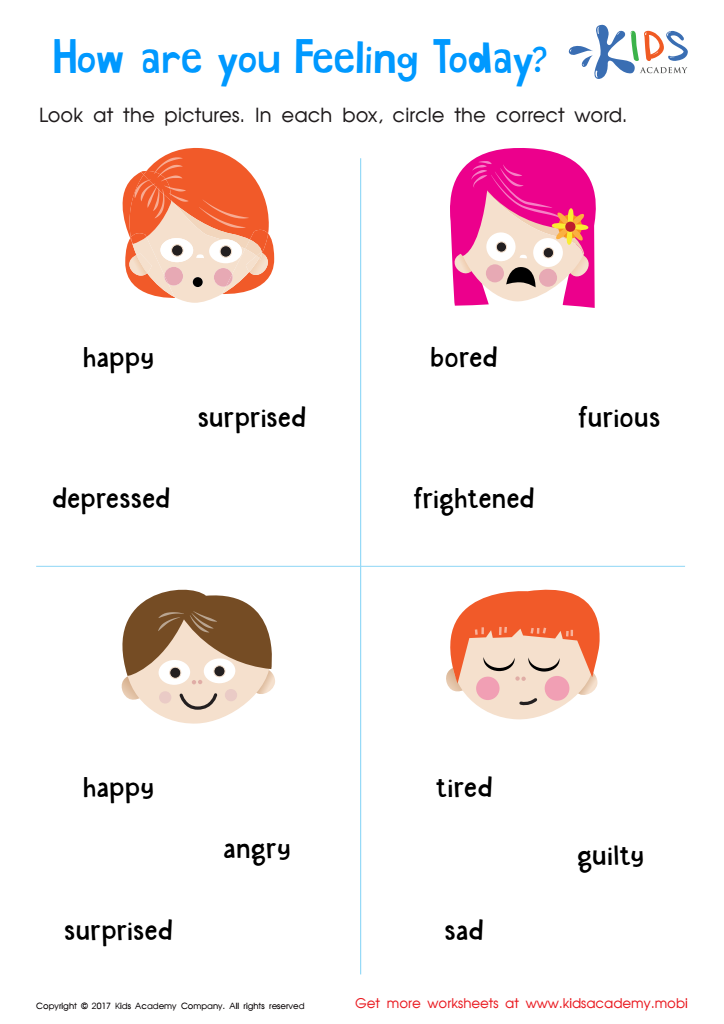
Understanding Feelings Worksheet
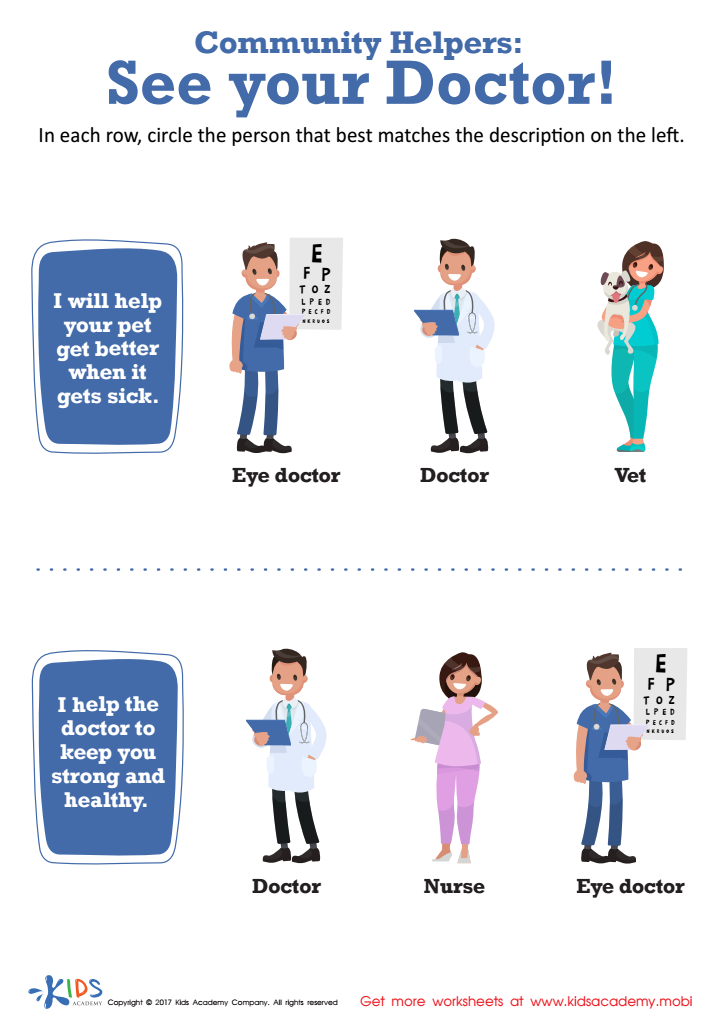
See Your Doctor (Part 2) Printable

Family Coloring Page
 Assign to My Students
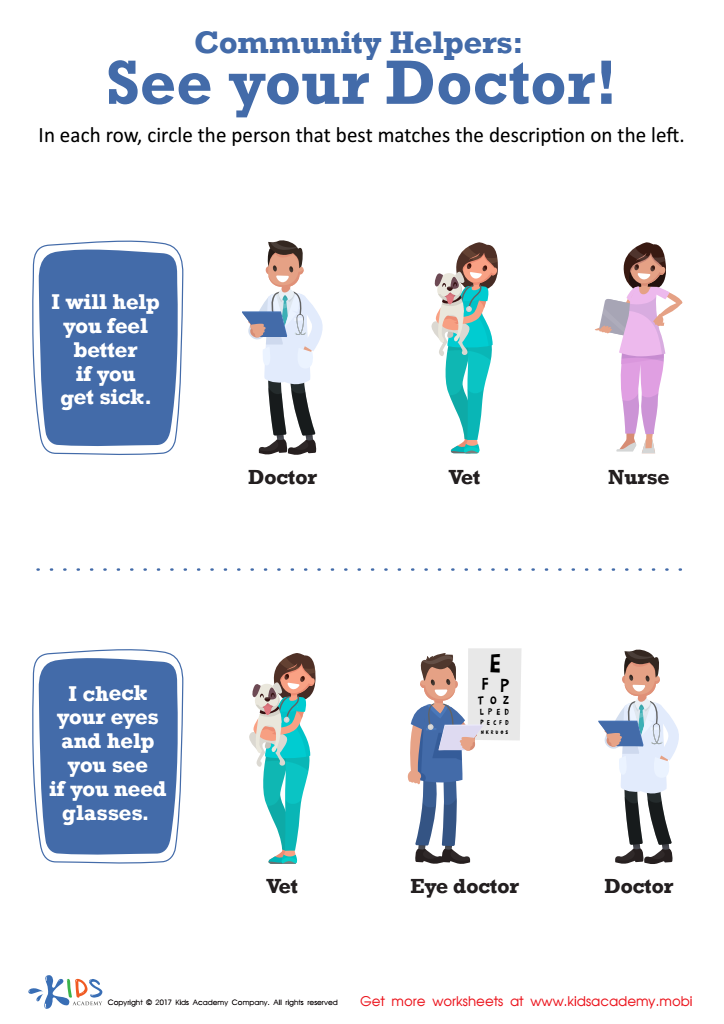
See Your Doctor (Part 1) Printable
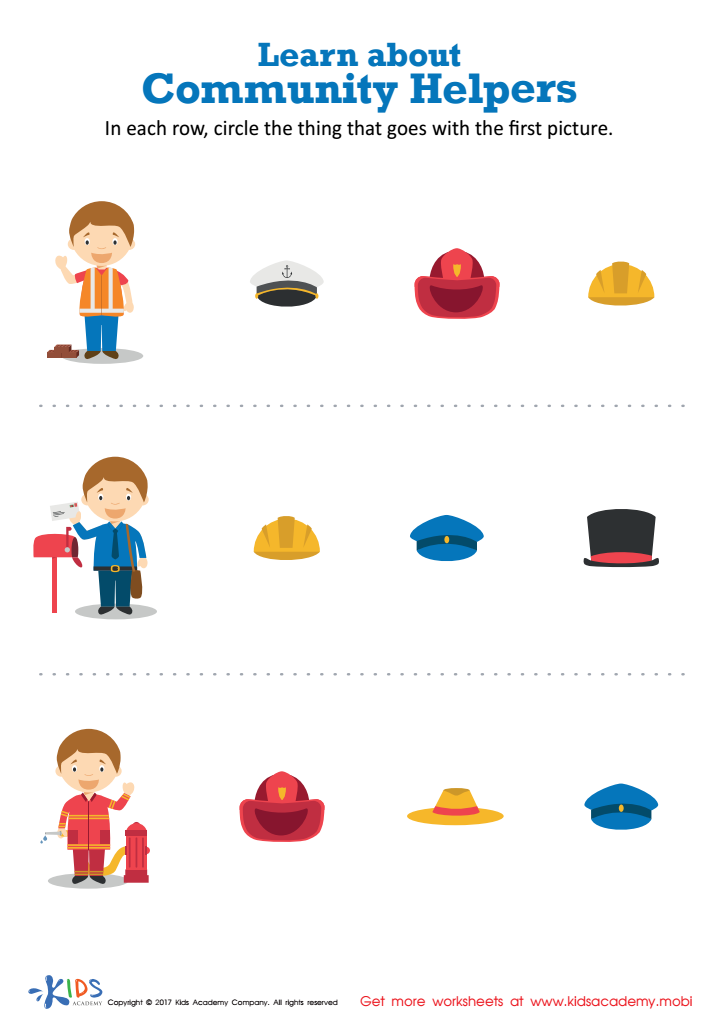
Learn about Community Helpers Printable
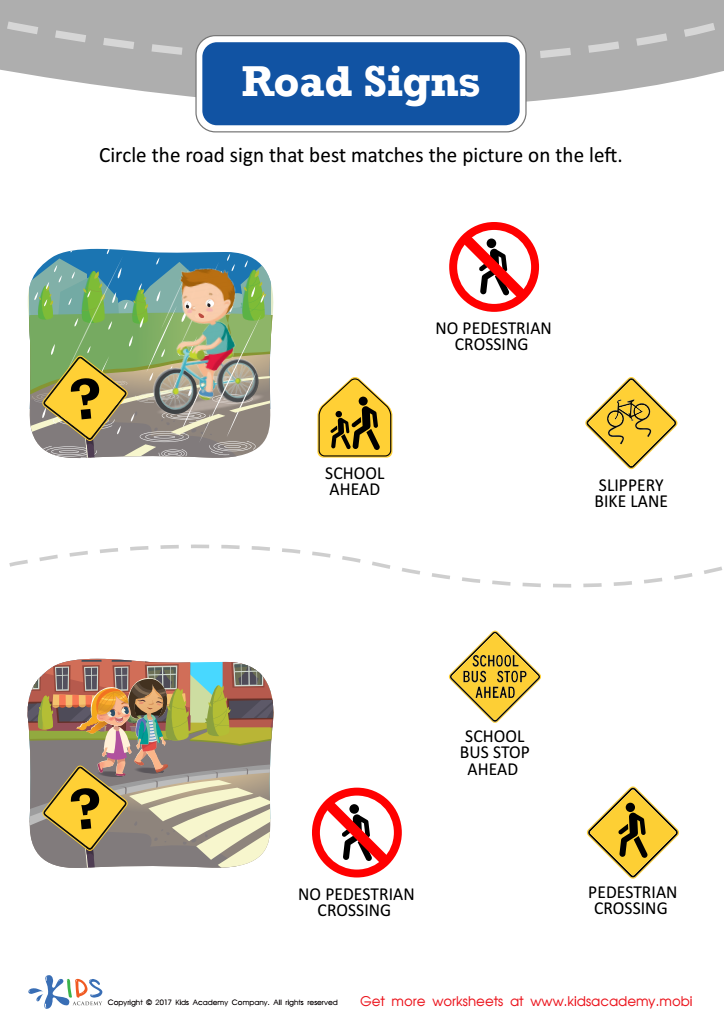
Road Signs (Part 2) Printable








Parents and teachers should greatly care about community for children ages 4-7 because early social experiences play a crucial role in developing emotional and social skills. During these formative years, children learn key concepts like sharing, empathy, and cooperation, which are foundational for their future interactions and relationships.
A vibrant community provides children with diverse interactions and learning experiences beyond the classroom. Engaging with peers and adults from different backgrounds encourages inclusivity and broadens their understanding of the world. This exposure can foster critical thinking and problem-solving skills as children navigate various social situations.
Additionally, involvement in community activities, such as local events or group projects, helps children feel connected and valued. Such positive feelings boost self-esteem and encourage a sense of belonging, which is vital for emotional stability.
Moreover, a strong community can support families and educators by providing resources, togetherness, and mutual support systems. By emphasizing community engagement, parents and teachers set a powerful example, teaching children the importance of cooperation and responsibility. Ultimately, nurturing a sense of community lays the groundwork for a supportive environment where children can thrive personally, socially, and academically.