Consonants Worksheets for Ages 4-8 - Page 2
34 filtered results
-
From - To
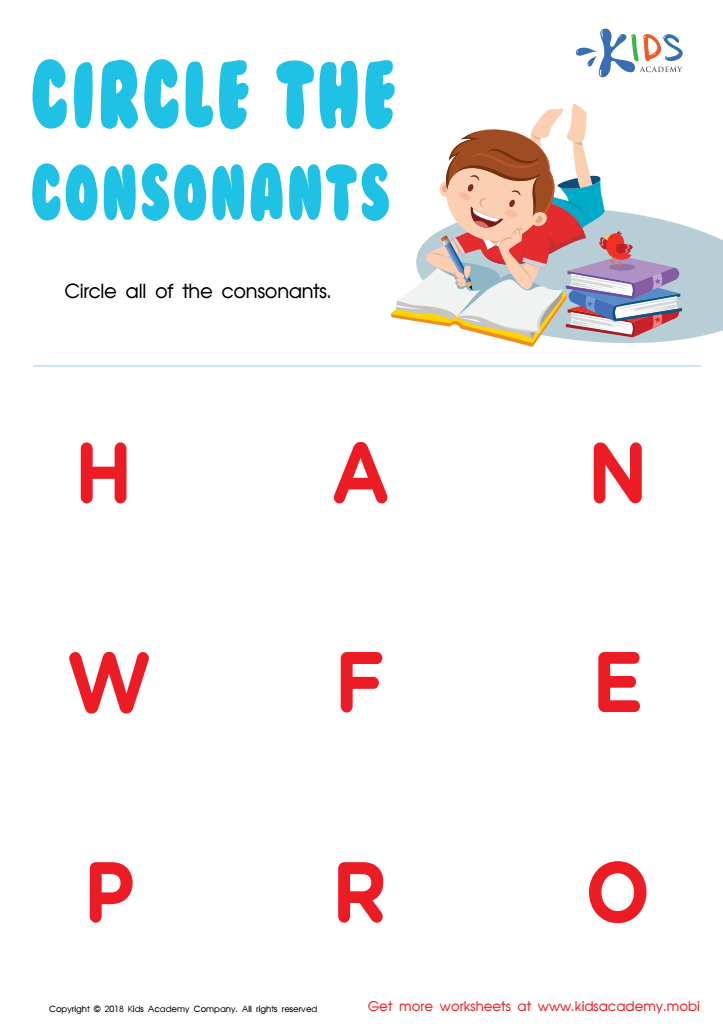
Circle the Consonants Worksheet
 Assign to My Students
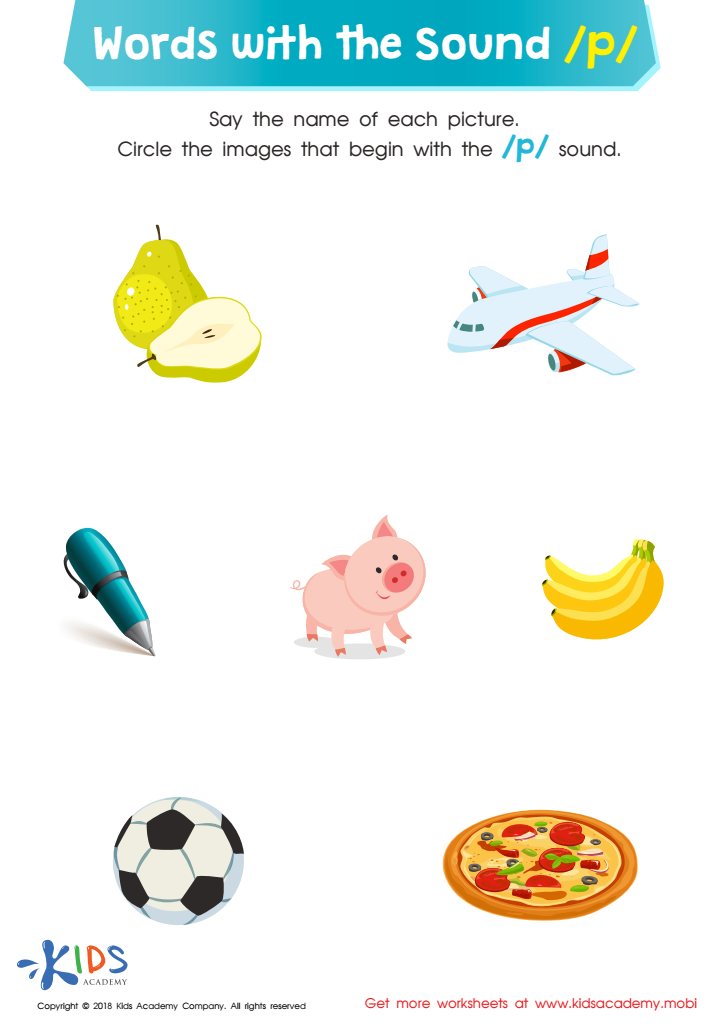
Words with sound p Reading Worksheet
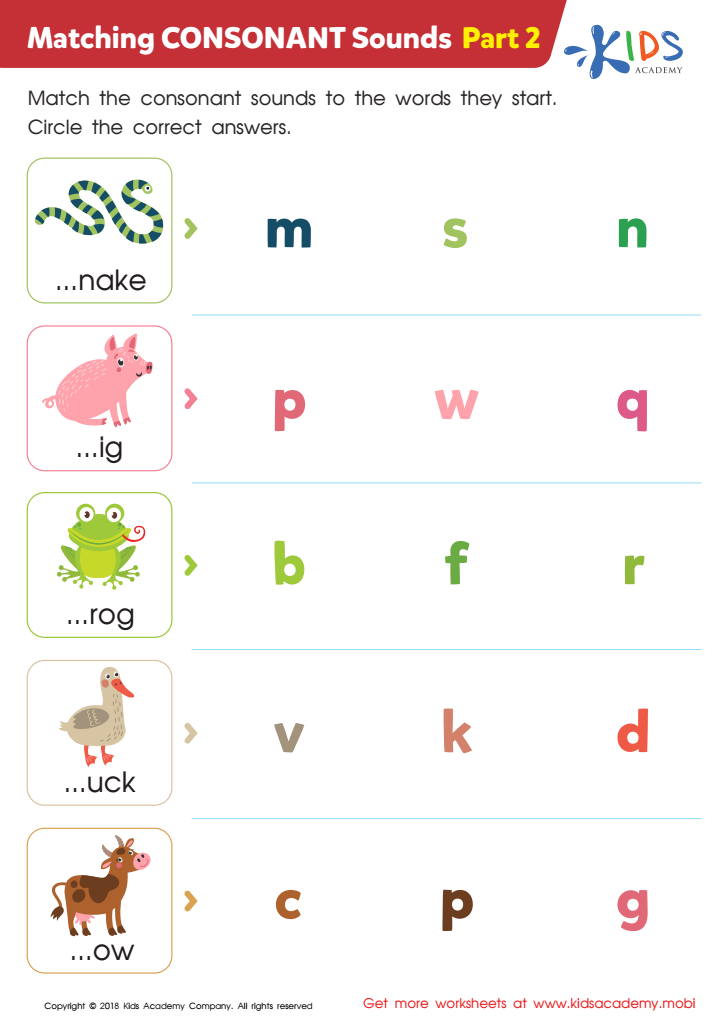
Matching Consonant Sounds: Part 2 Worksheet
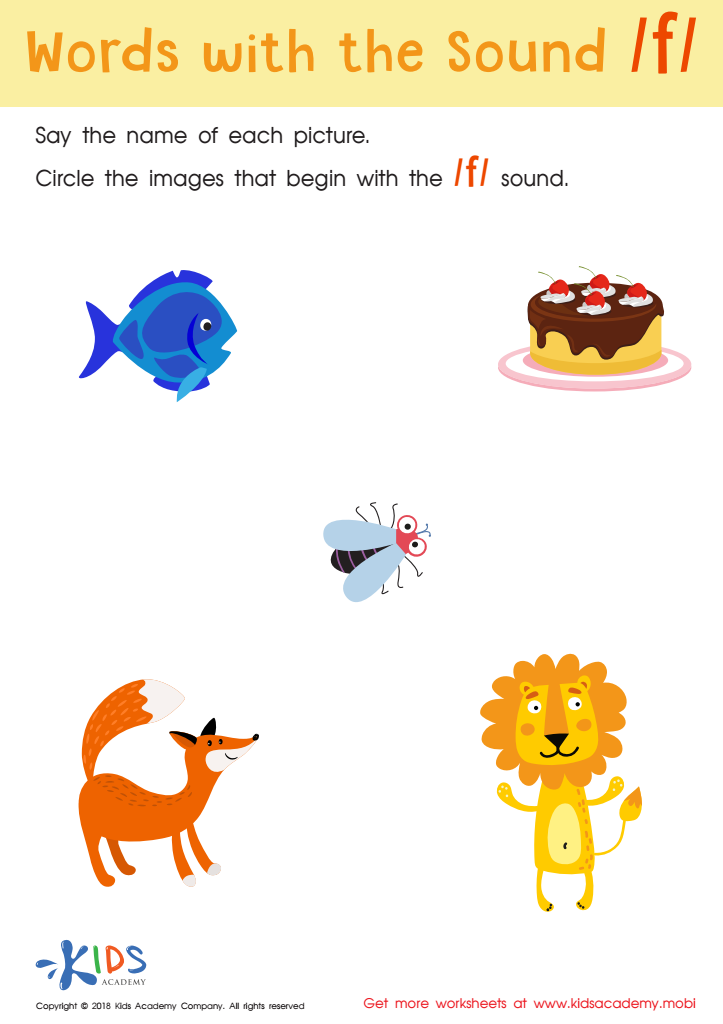
Words with sound f Reading Worksheet
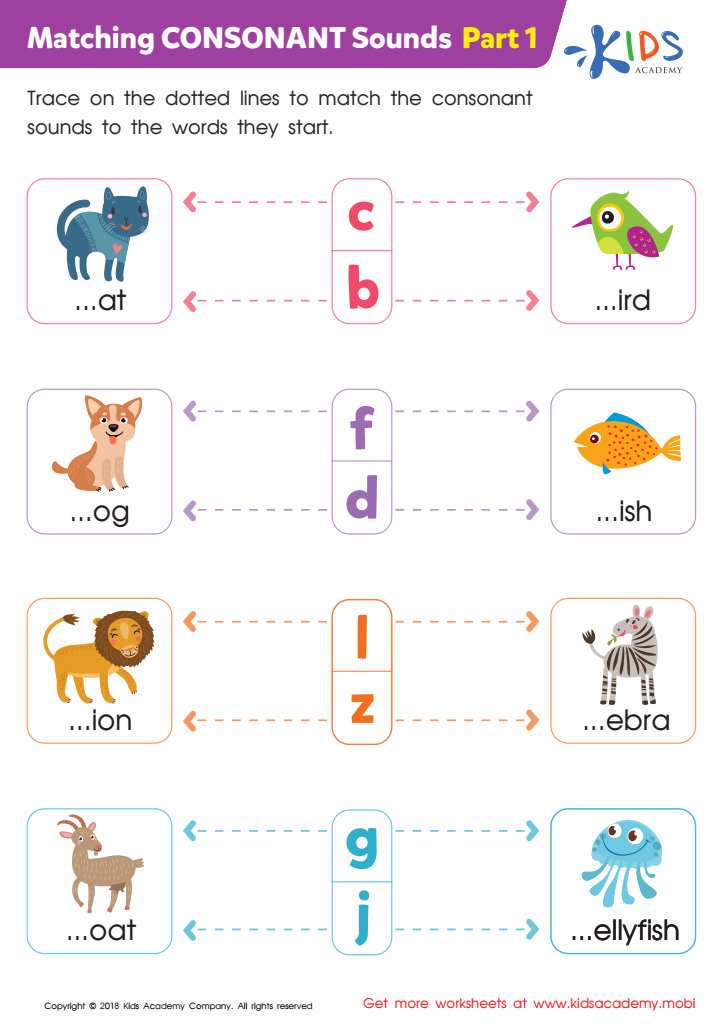
Matching Consonant Sounds: Part 1 Worksheet
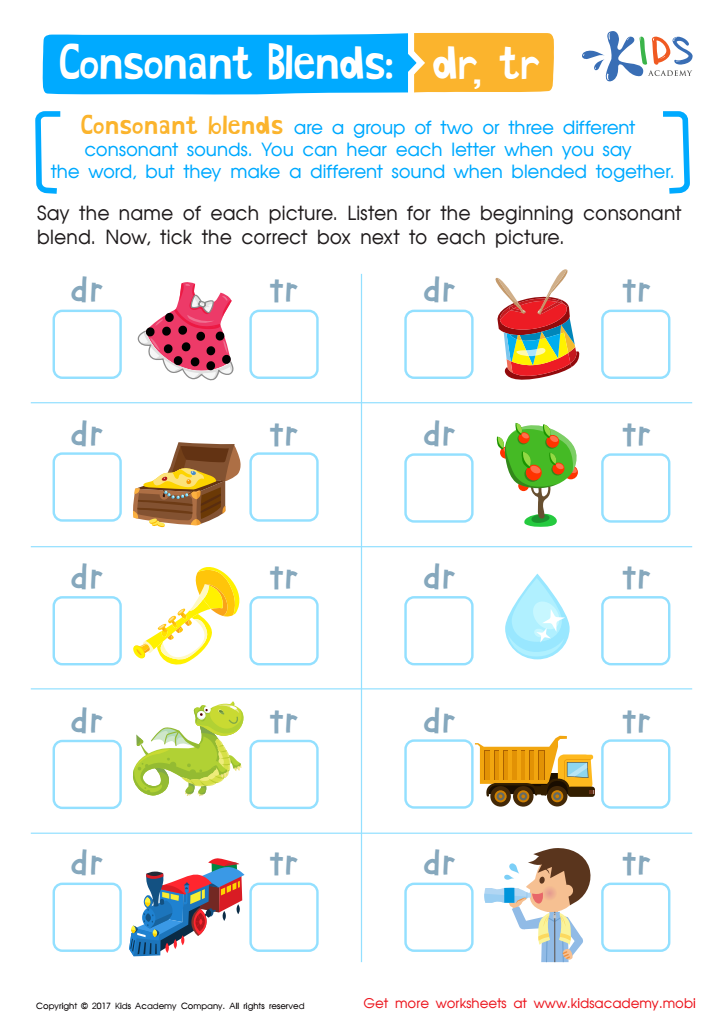
Consonant Blends: "Dr" and "Tr" Printable
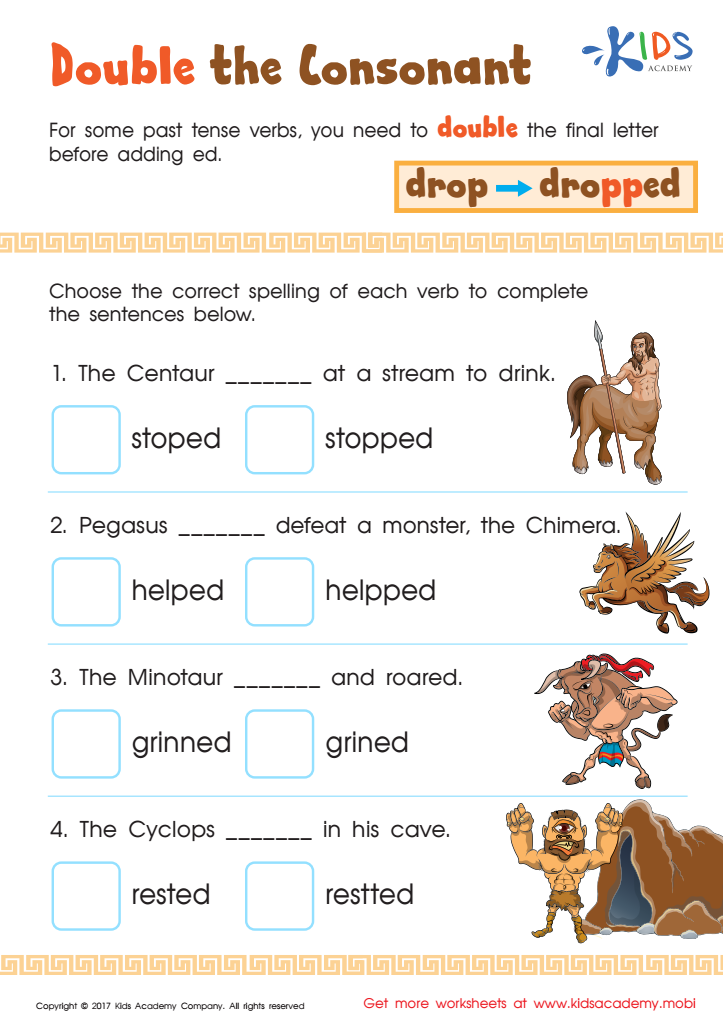
Double Consonant Spelling Worksheet
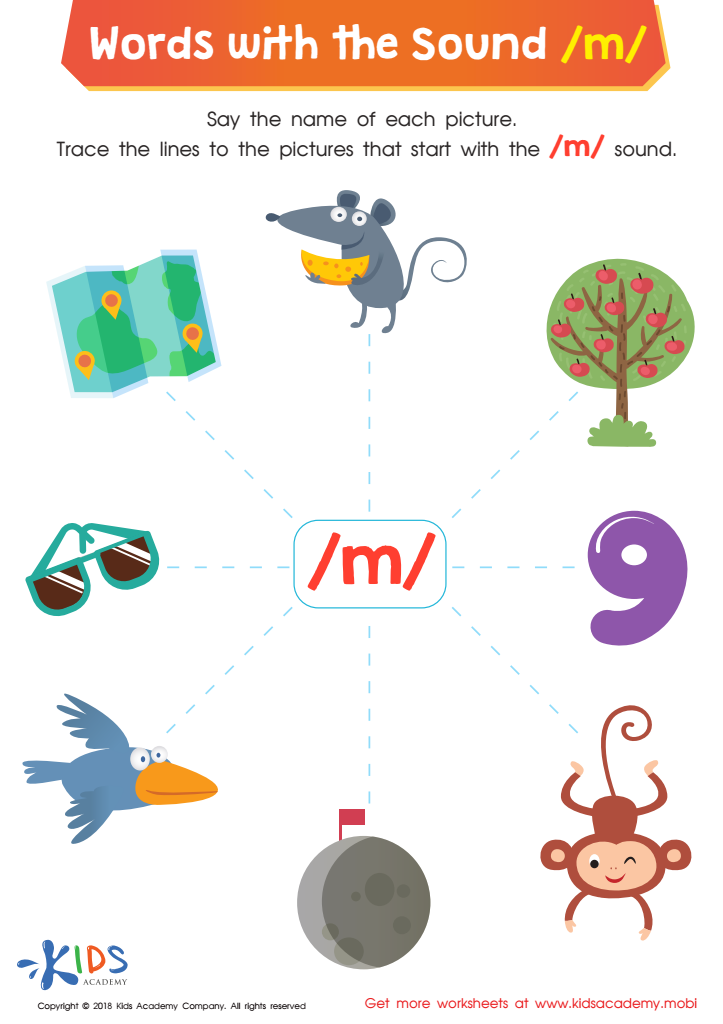
Words with Sound M Reading Worksheet
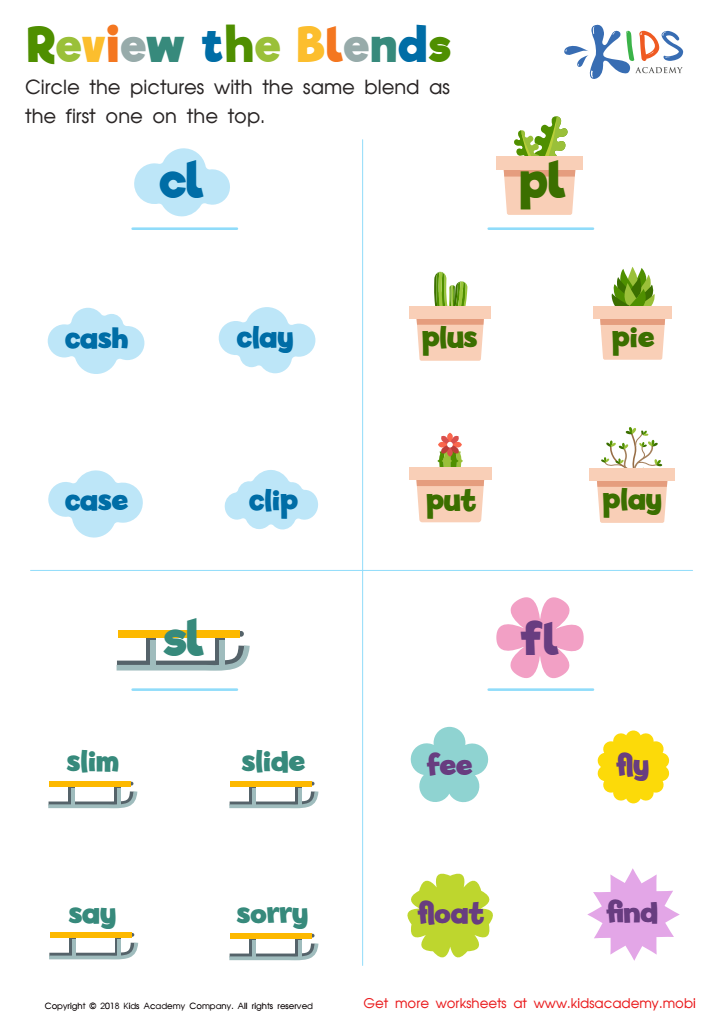
Review the Blends Worksheet
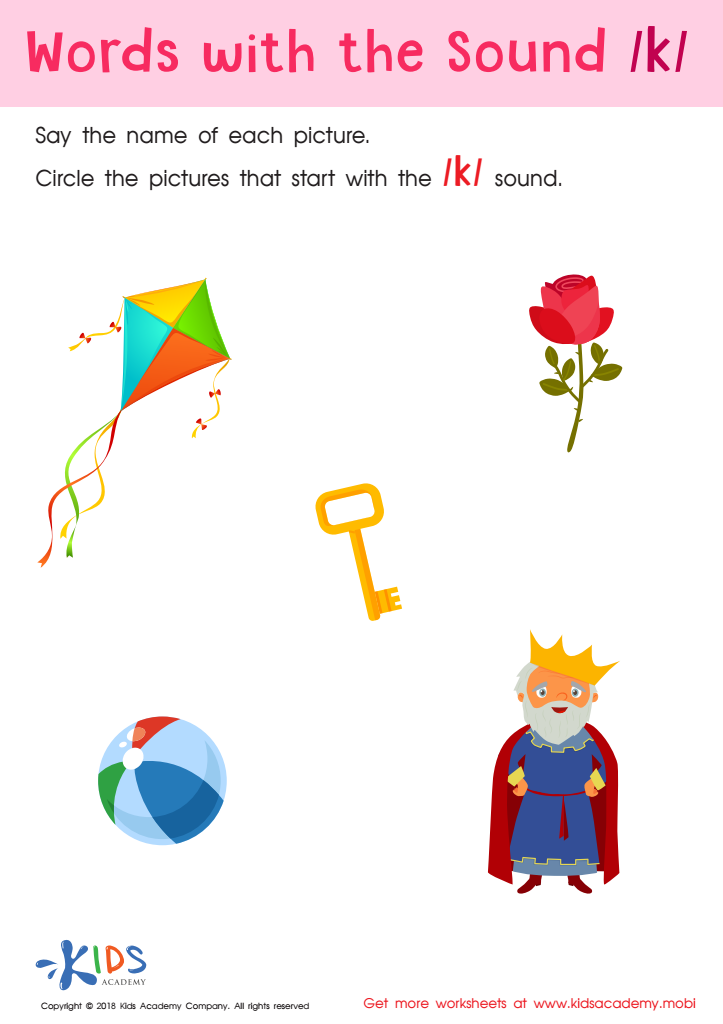
Words with sound k Reading Worksheet



Consonants play a crucial role in early literacy development, making it essential for parents and teachers of children aged 4-8 to focus on them. Understanding consonants helps young readers decode words, improving their reading fluency and comprehension. Consonants form the backbone of phonetic structures, serving as building blocks for words.
In this age group, children typically begin to develop phonemic awareness, the ability to hear, identify, and manipulate individual sounds in spoken words. Familiarity with consonants aids in developing this skill, as it allows children to segment words into sounds, enhancing their ability to blend sounds into recognizable words.
Moreover, strong consonant recognition fosters spelling skills. As children learn to write, they rely on their understanding of consonants to spell words accurately, paving the way for effective communication.
Additionally, early exposure to consonants can instill a love for language and literature in young learners. Engaging activities that include consonant recognition can make learning enjoyable, encouraging children to explore reading and writing further.
In sum, attention to consonants is fundamental to literacy and communication skills, and it's a shared responsibility of both parents and teachers to cultivate this foundational knowledge in young children.







