Long Vowels Worksheets for Ages 4-8 - Page 2
36 filtered results
-
From - To
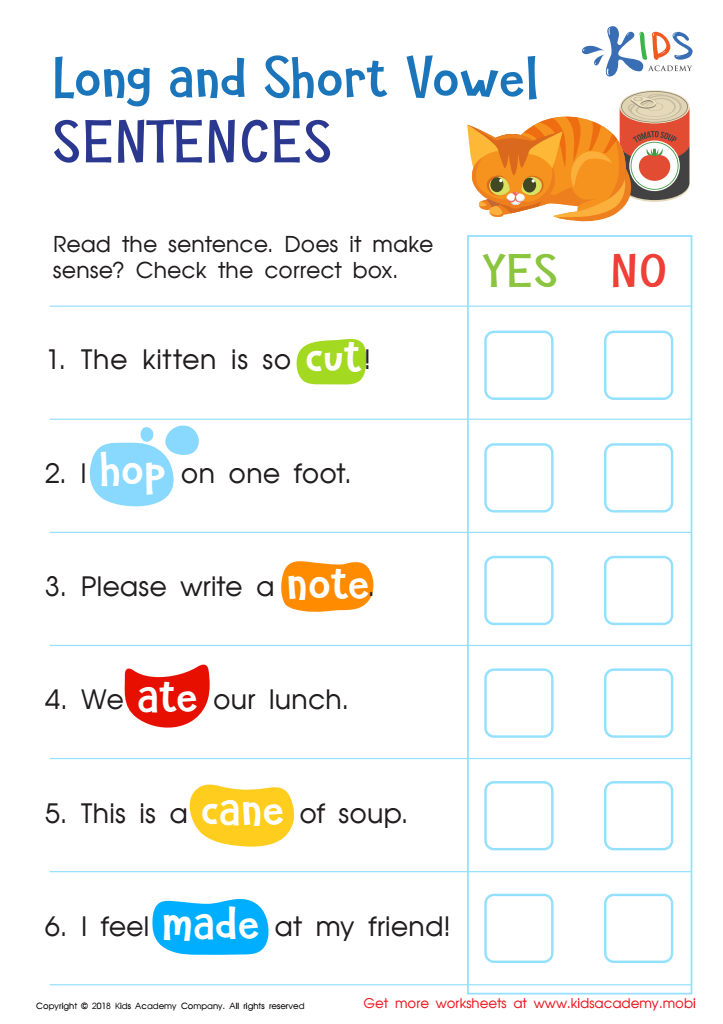
Long and Short Vowel Sentences: Assessment Worksheet
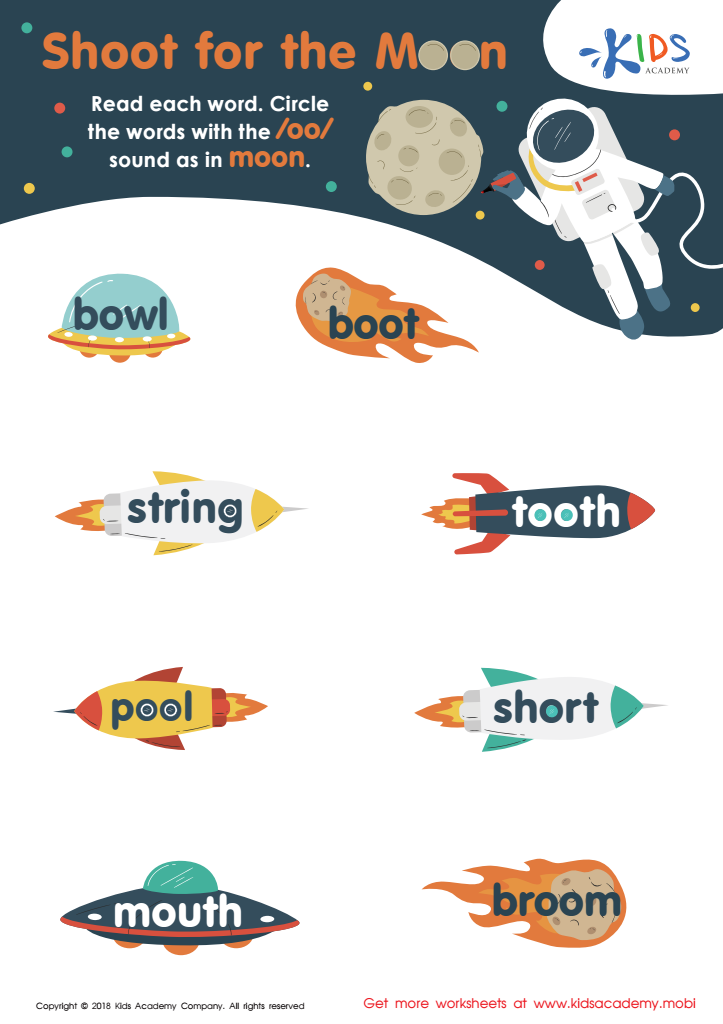
Reading: Shoot for the Moon Worksheet
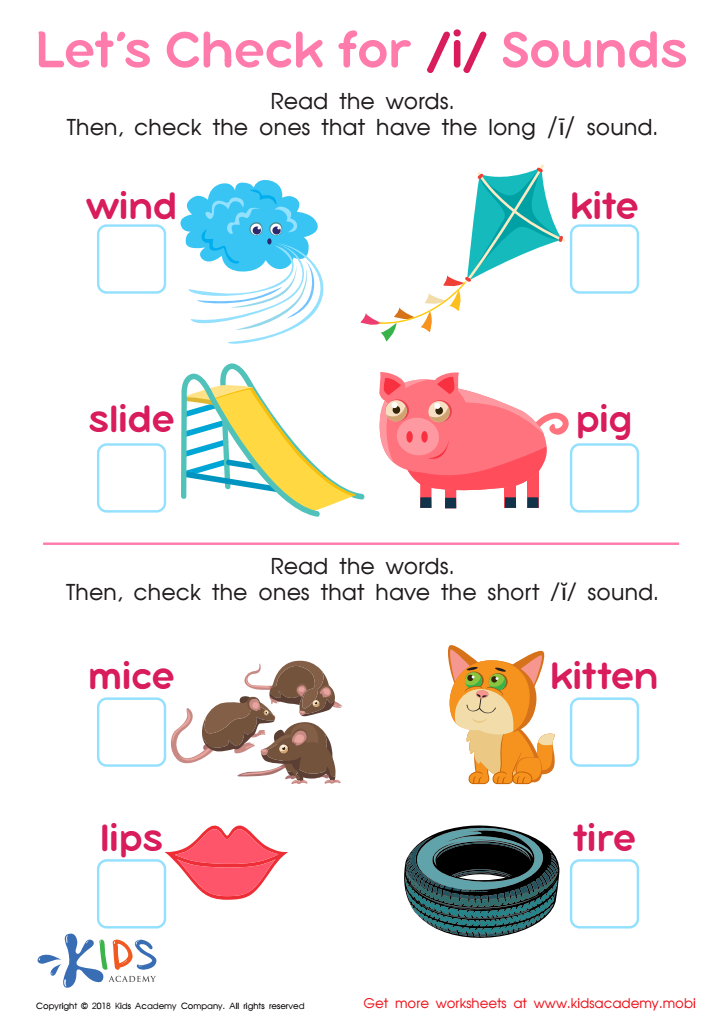
Let's Check for «i» Sounds Worksheet
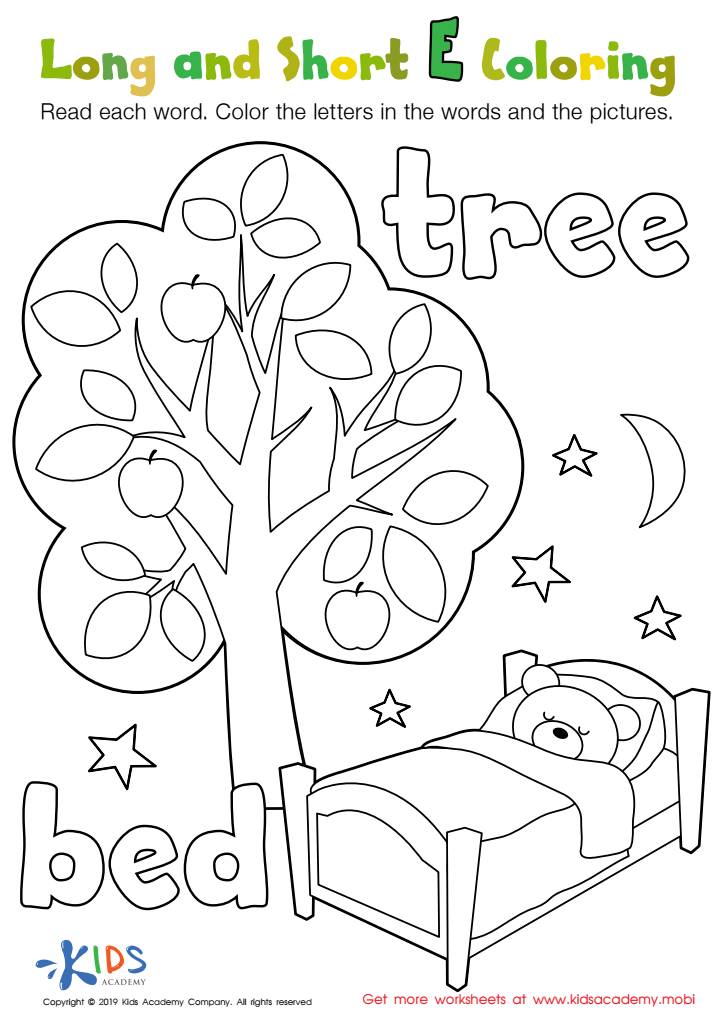
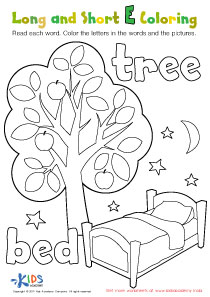
Long and Short E Worksheet
 Assign to My Students
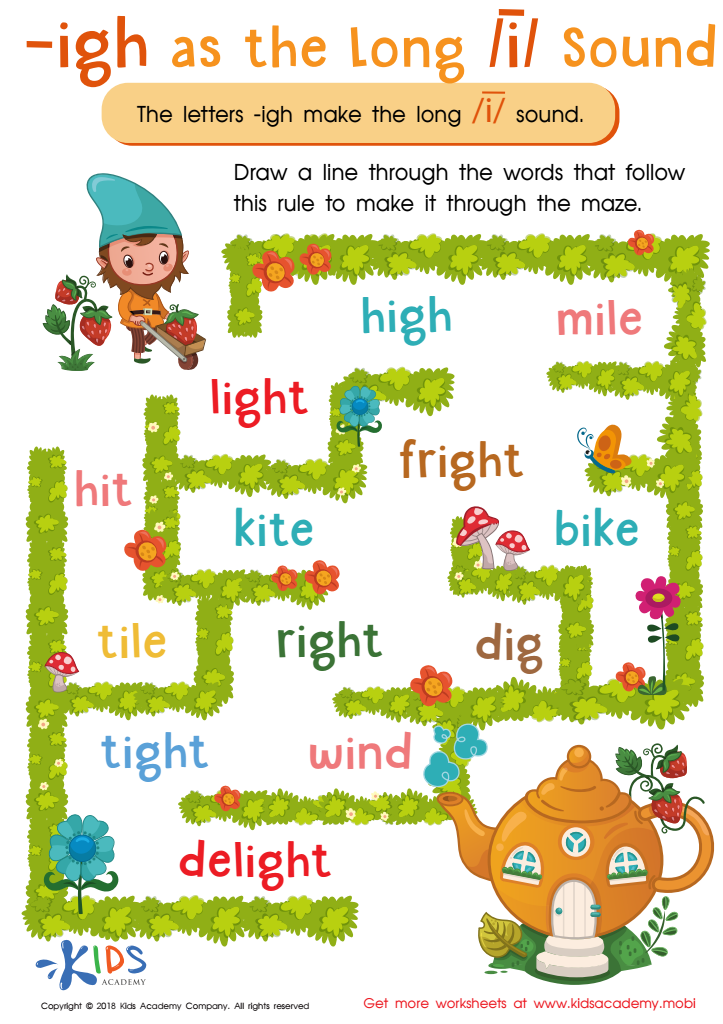
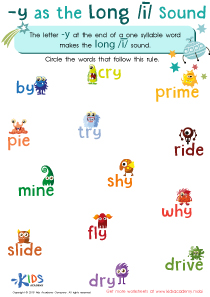
Reading: IGH as Long I Worksheet
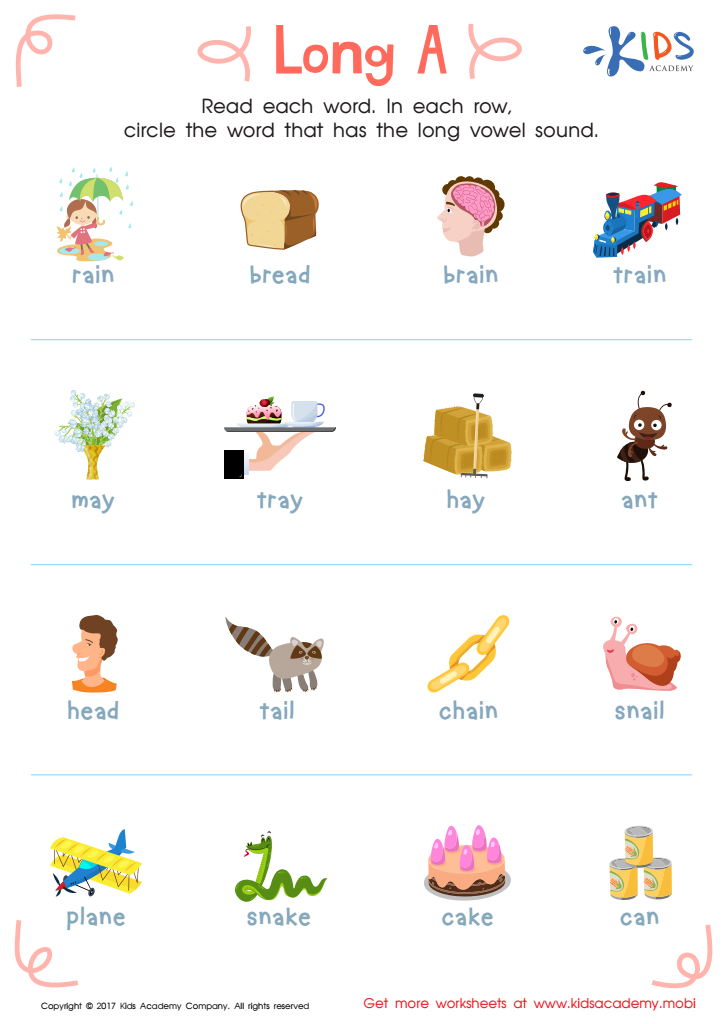
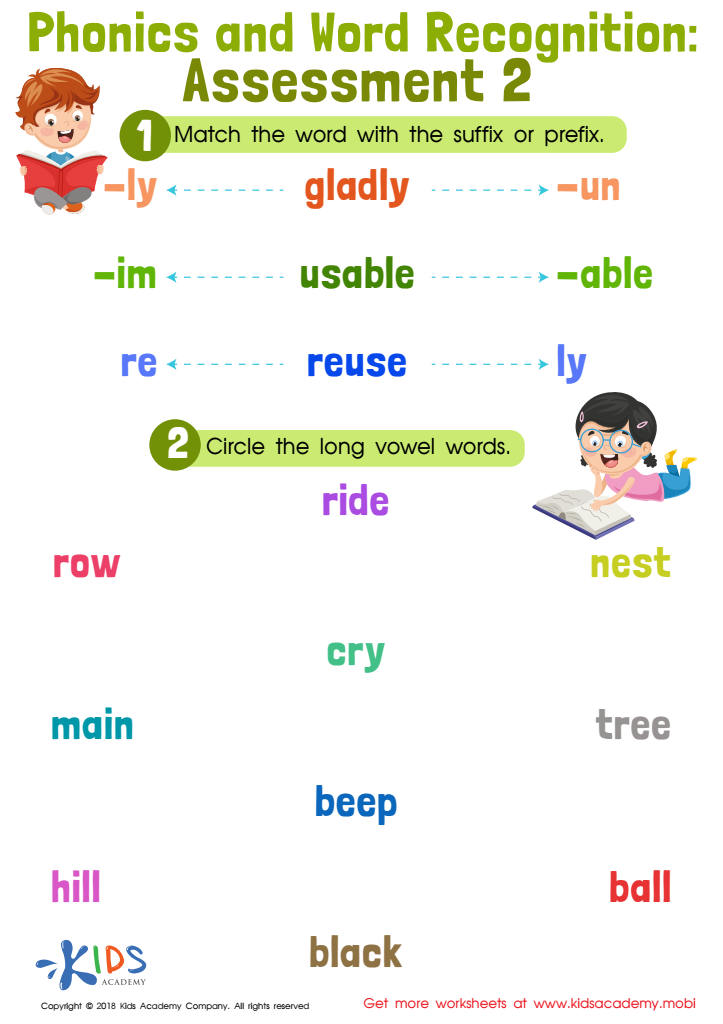
Phonics and Word Recognition: Assessment 2
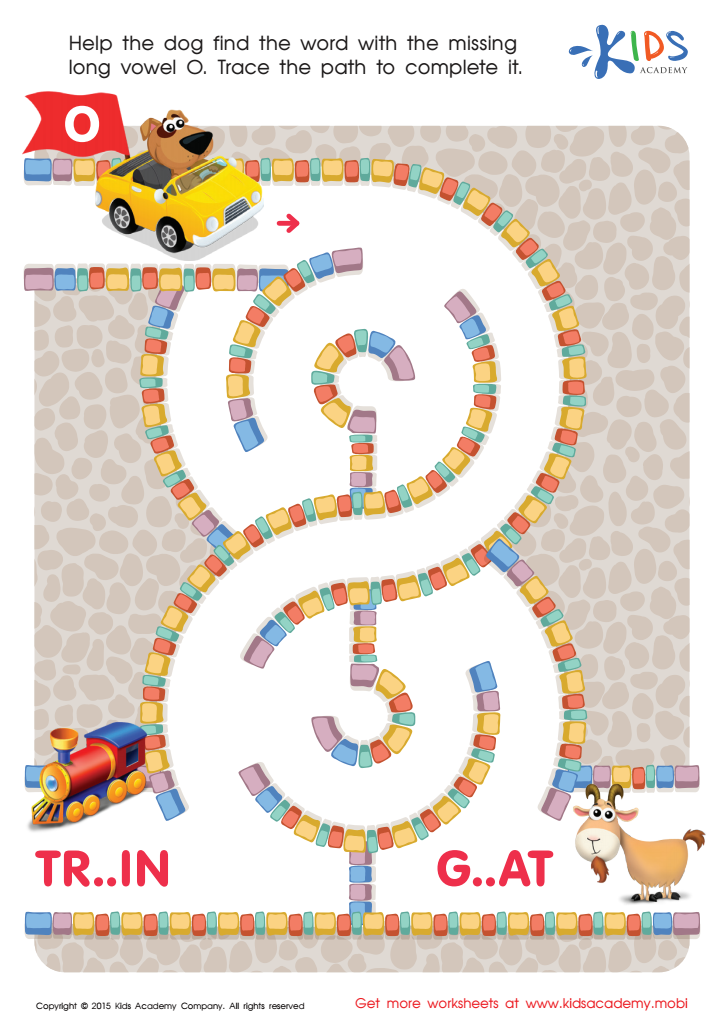
Long Vowel Sound O Worksheet
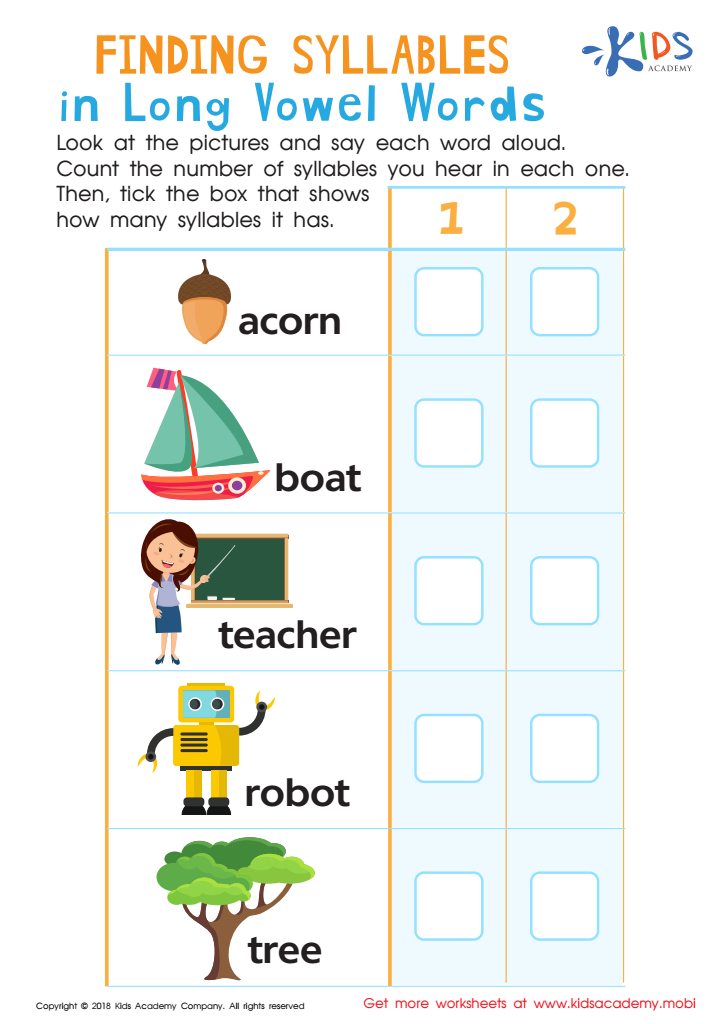
Finding Syllables in Long Vowel Words Worksheet
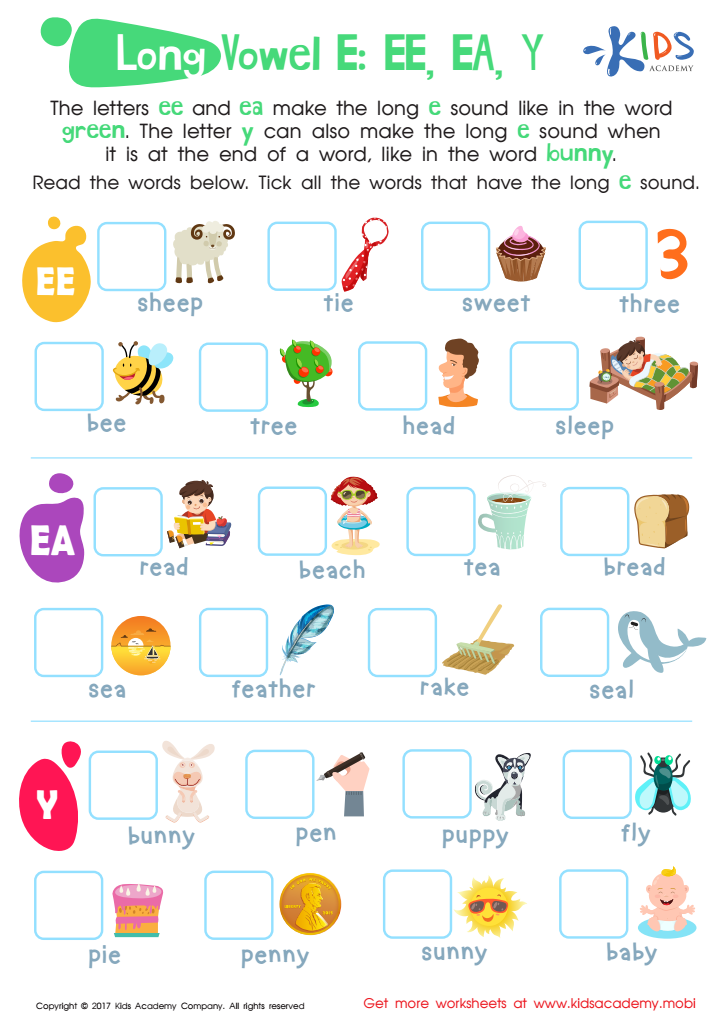
Long Vowel E Printable
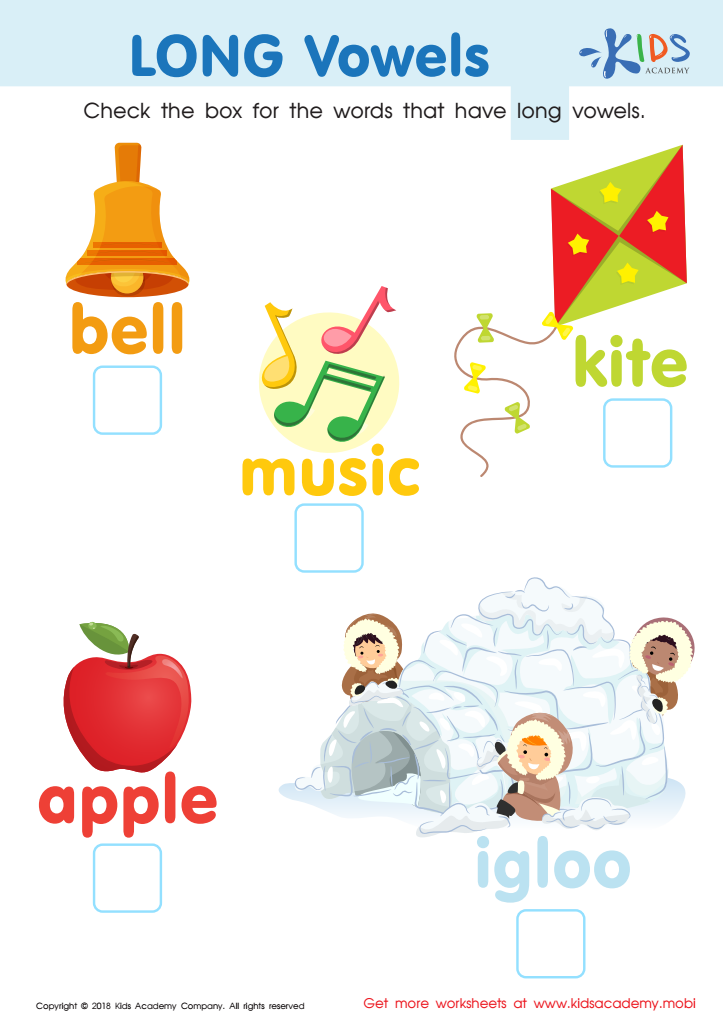
long vowels Worksheet
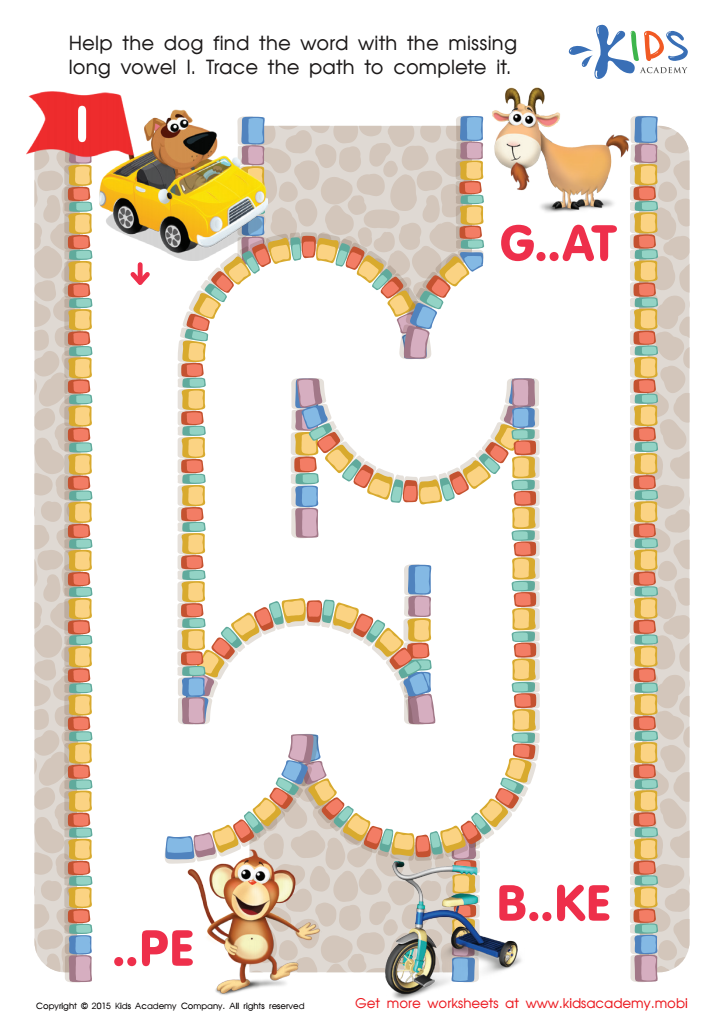
Long Vowel Sound I Worksheet



Long vowels play a crucial role in the literacy development of young learners aged 4-8. Understanding long vowels is foundational for reading proficiency, spelling accuracy, and language acquisition. When children grasp the concept that vowels can represent multiple sounds and that a long vowel typically occurs when a vowel says its name, they can decode words more effectively. This skill translates directly into increased reading fluency and comprehension.
Parents and teachers should pay attention to long vowels because they inherently enhance phonemic awareness—a critical building block for literacy. Mastering long vowel sounds enables children to recognize and pronounce unfamiliar words, fostering confidence in their reading abilities. Furthermore, exposure to long vowels through books and phonics games engages children in a fun, educational manner that enhances their love for reading.
Additionally, understanding long vowels supports writing development. As children learn the rules governing long vowels, they become more adept at spelling, which boosts their overall communication skills. In this digital age, proficient reading and writing are vital for future academic success and overall confidence. Thus, prioritizing long vowel education at these formative ages is vital for nurturing skilled, confident readers and communicators.