Fine Motor Skills Tracing Letters Worksheets for Ages 4-8 - Page 2
35 filtered results
-
From - To
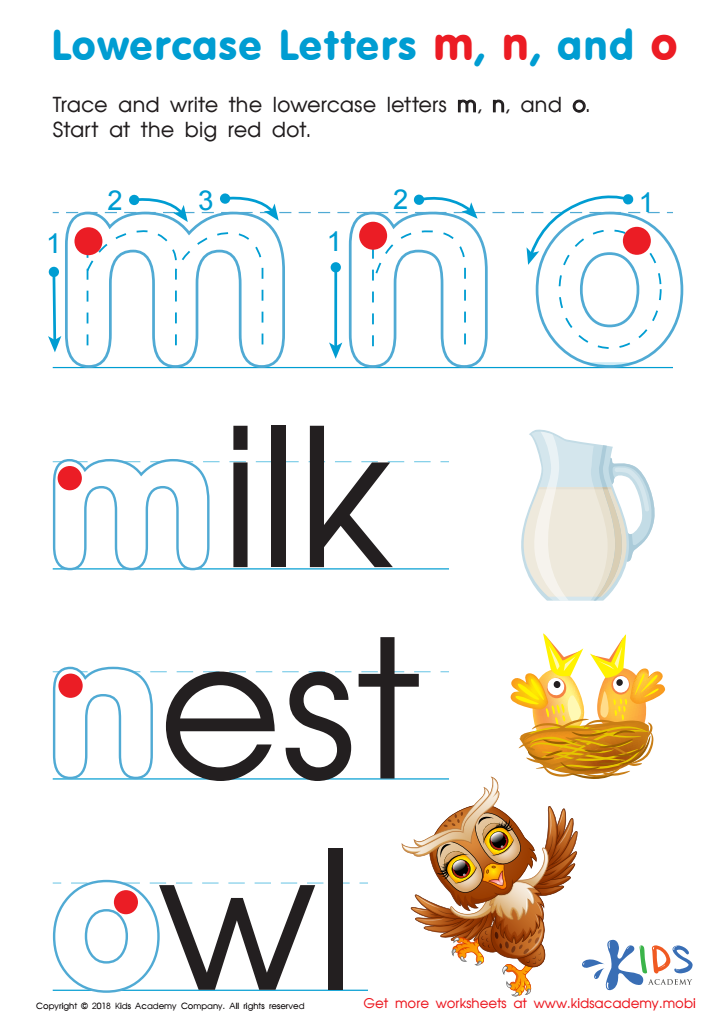
Lowercase Letters m n o Worksheet
 Assign to My Students
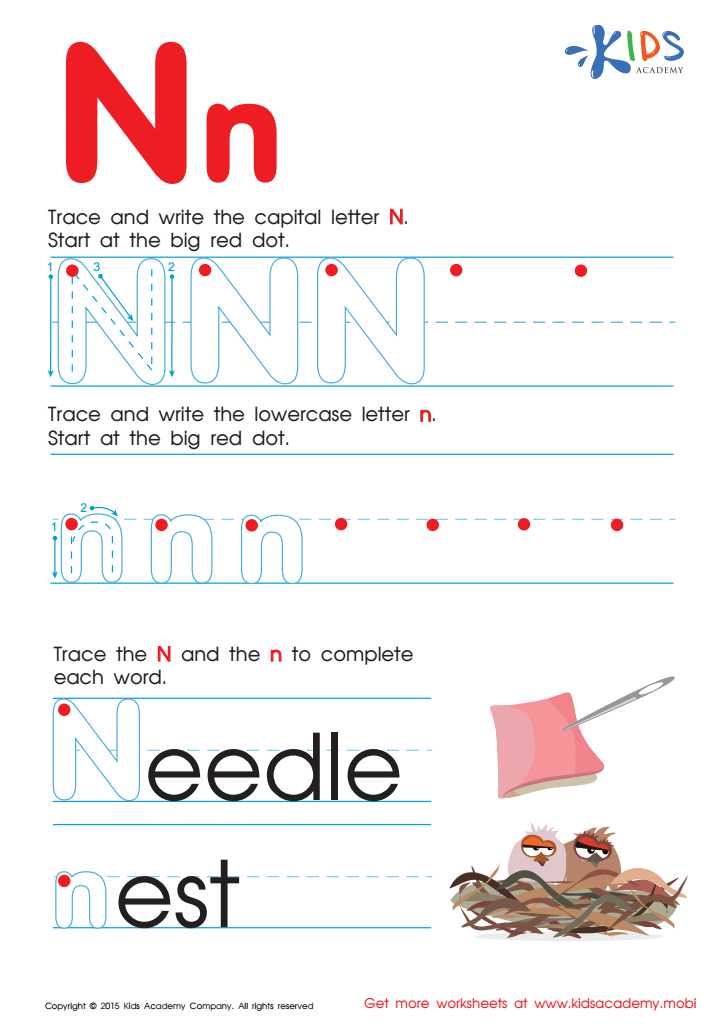
Letter N Tracing Page
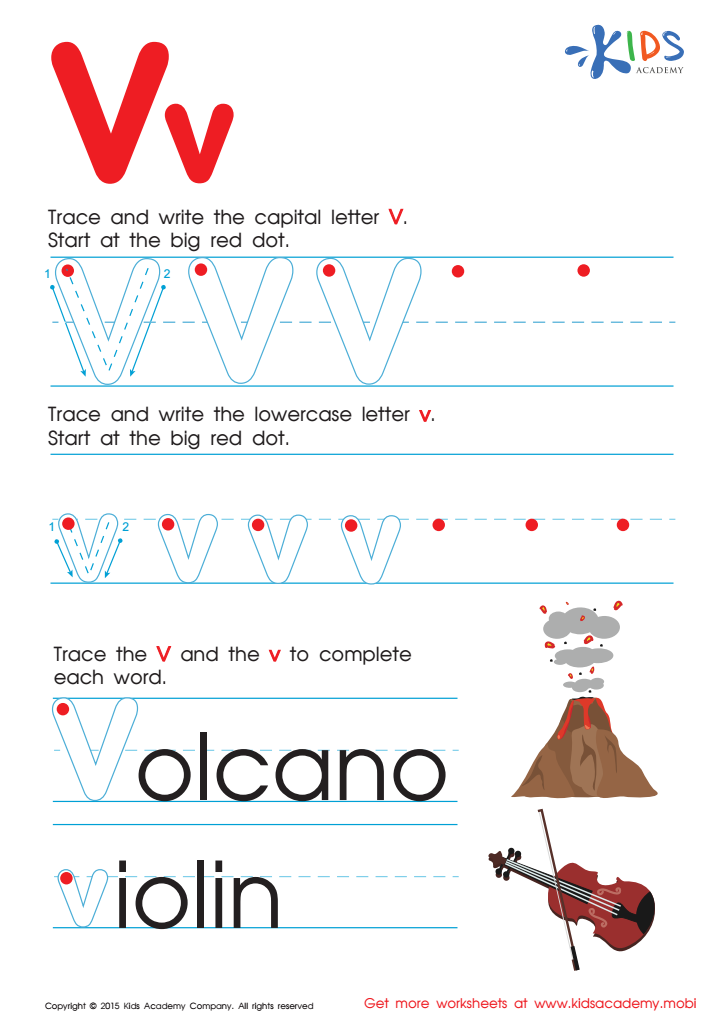
Letter V Tracing Page
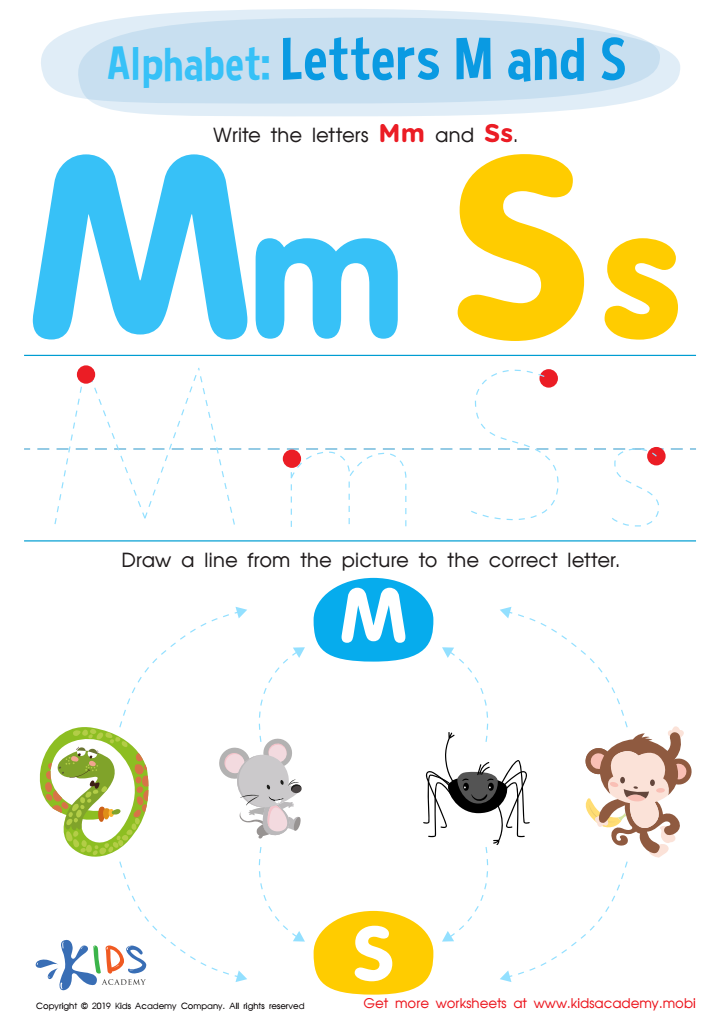
Letters M and S Tracing Worksheet
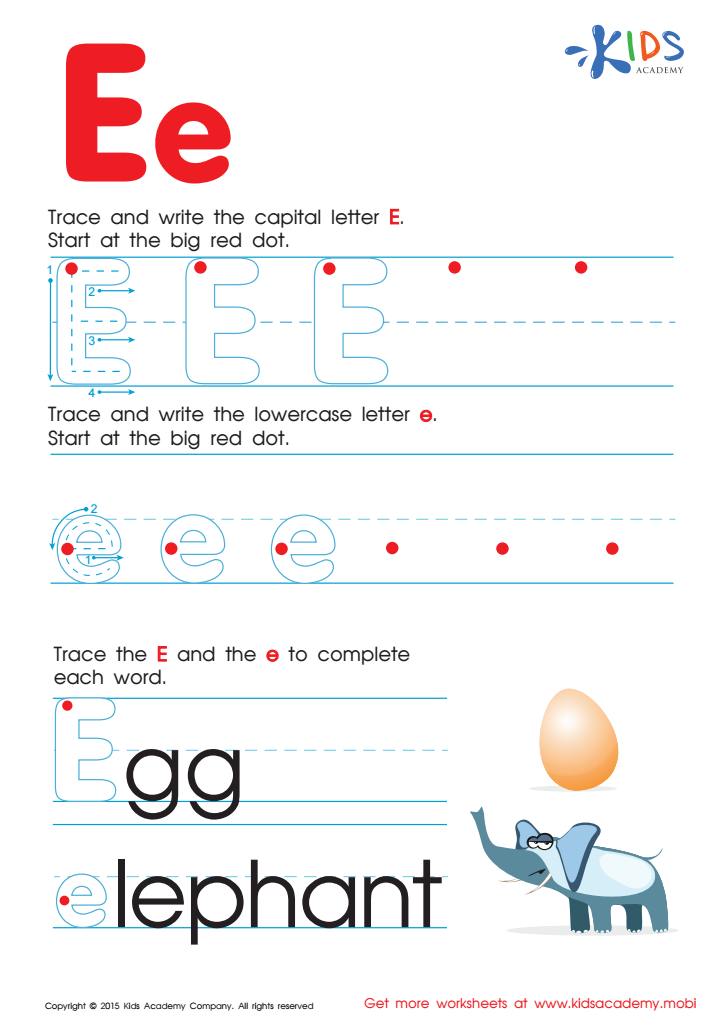
Letter E Tracing Page
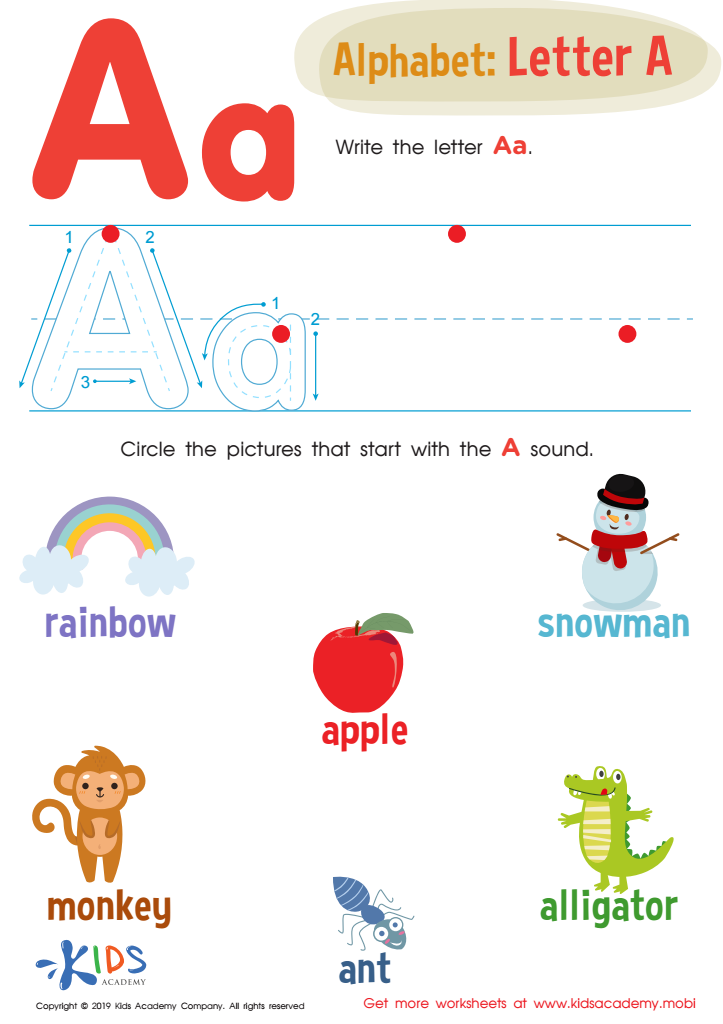
Letter A Tracing Worksheet
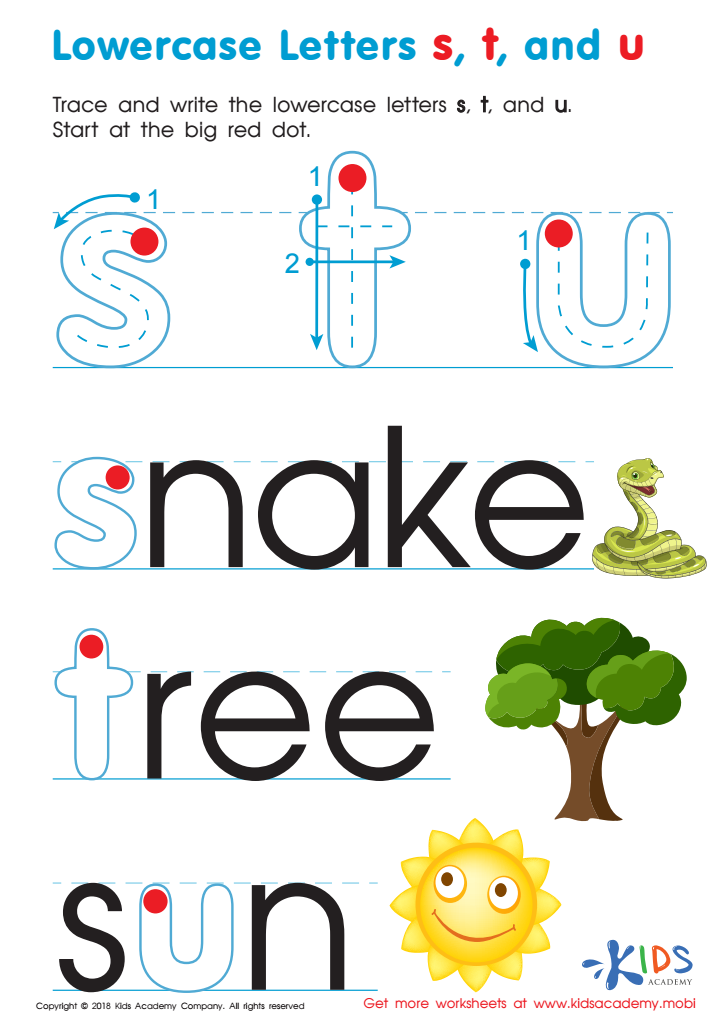
Lowercase Letters s t u Worksheet
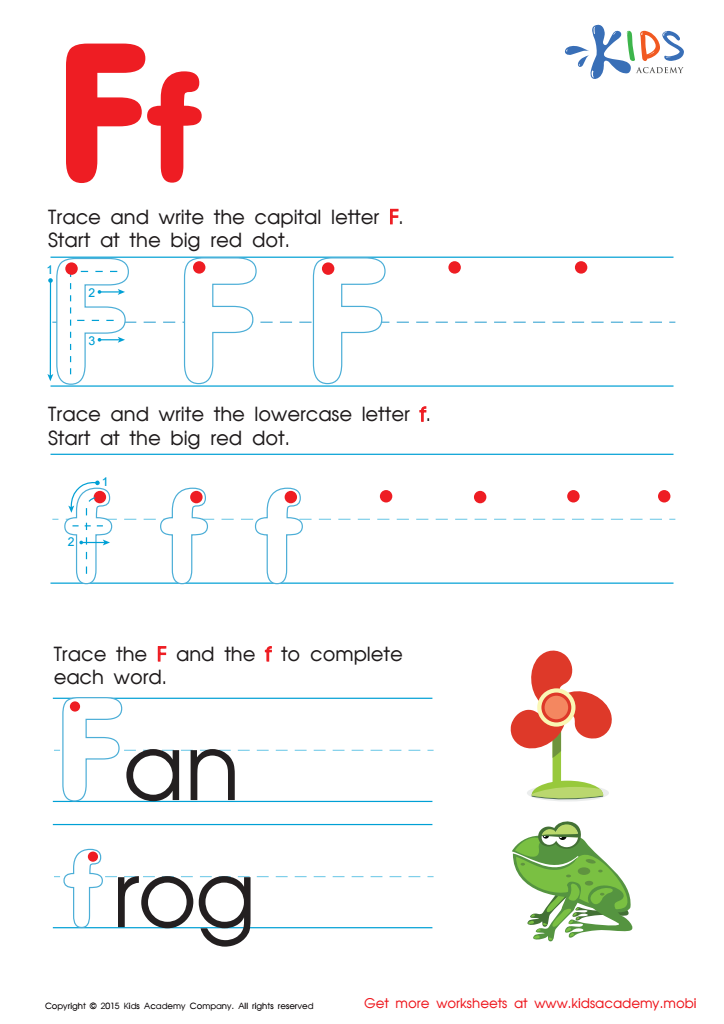
Letter F Tracing Page
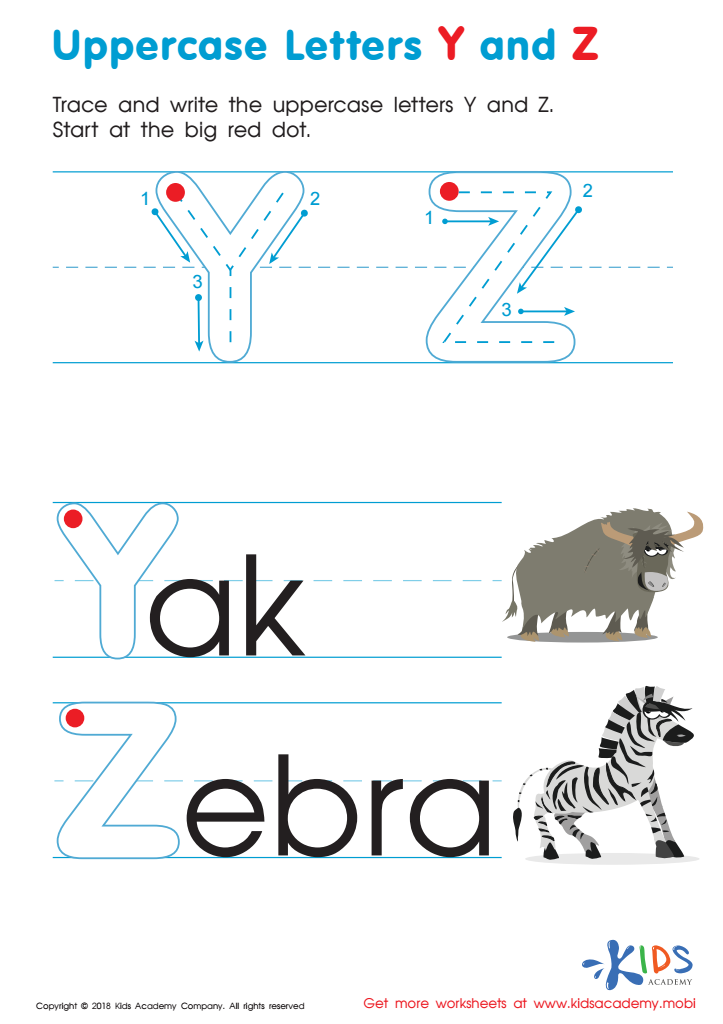
Uppercase Letters Y Z Worksheet
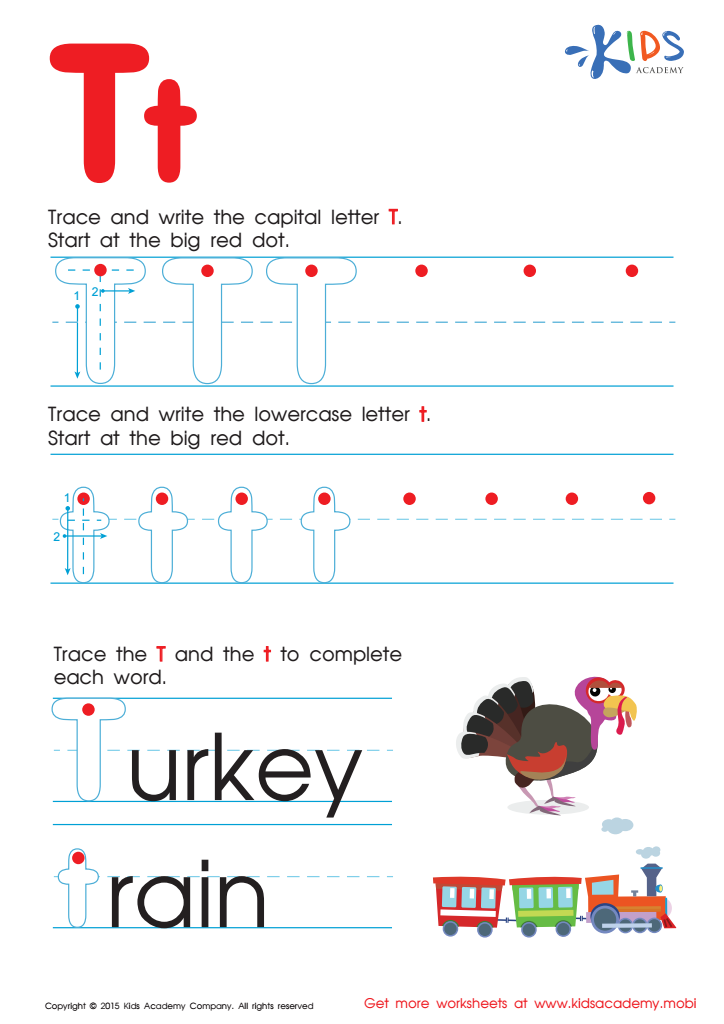
Letter T Tracing Page

Letter D Tracing Page








Fine motor skills are essential for children aged 4-8 as they form the foundation for writing, drawing, and everyday tasks. Tracing letters is a valuable activity that enhances these skills by promoting hand-eye coordination, dexterity, and control over writing instruments. As children develop fine motor skills, they learn how to manipulate tools like pencils and crayons more effectively, which is crucial for their academic success.
Parents and teachers should care about this developmental aspect because strong fine motor skills facilitate learning across various subjects, not just language arts. When children can successfully trace and write letters, they are more likely to gain confidence in their abilities, leading to increased participation in classroom activities.
Moreover, tracing letters helps reinforce letter recognition and improves spelling, laying the groundwork for effective reading and writing later on. Fine motor development can also have a significant impact on children’s ability to focus and complete tasks, cultivating persistence and patience.
In this context, supporting fine motor skill development through engaging activities like tracing letters not only prepares children for academic challenges but also fosters a love for learning. For these reasons, parents and teachers play a vital role in encouraging and facilitating fine motor skill development during these formative years.








