Logical reasoning skills Worksheets for Ages 4-8
5 filtered results
-
From - To
Unlock your child's potential with our engaging Logical Reasoning Skills Worksheets for ages 4-8. These thoughtfully designed activities help young learners enhance critical thinking and problem-solving abilities through puzzles, patterns, and fun exercises. Our worksheets cater to various learning styles, making it easy for children in this age group to grasp fundamental logic concepts while enjoying the process. Perfect for both classroom use and at-home learning, these resources aim to foster independence and confidence in young minds. Dive into a world of logic and watch as your child develops essential skills that lay a strong foundation for future academic success!
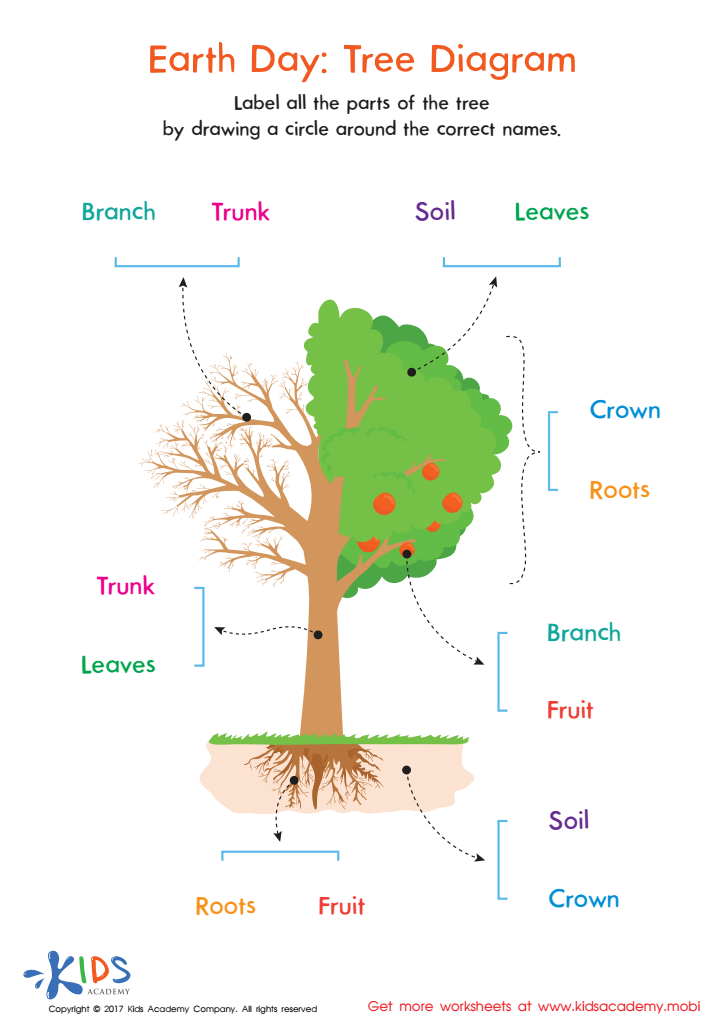
Earth Day: Tree Diagram Worksheet
 Assign to My Students
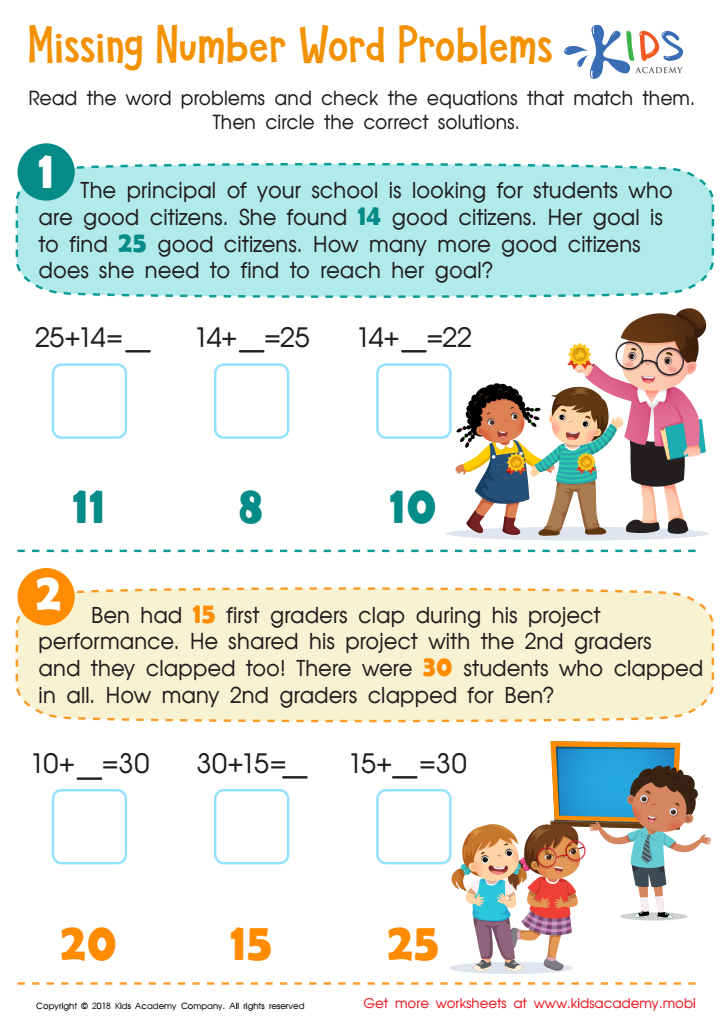
Missing Number Word Problems Worksheet
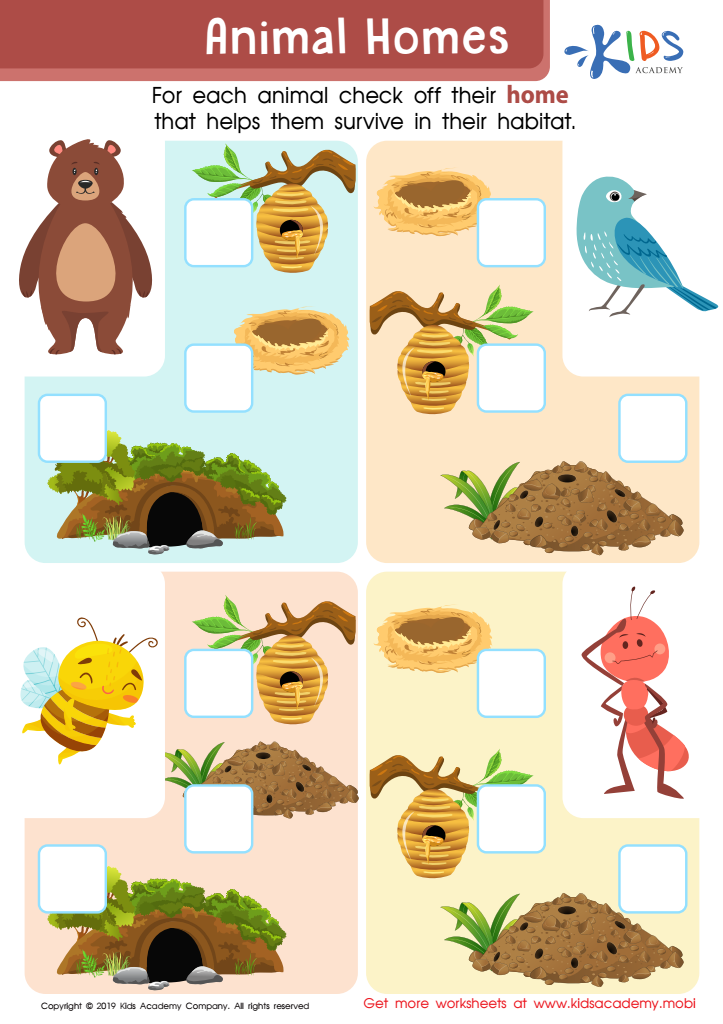
Animal Homes Worksheet
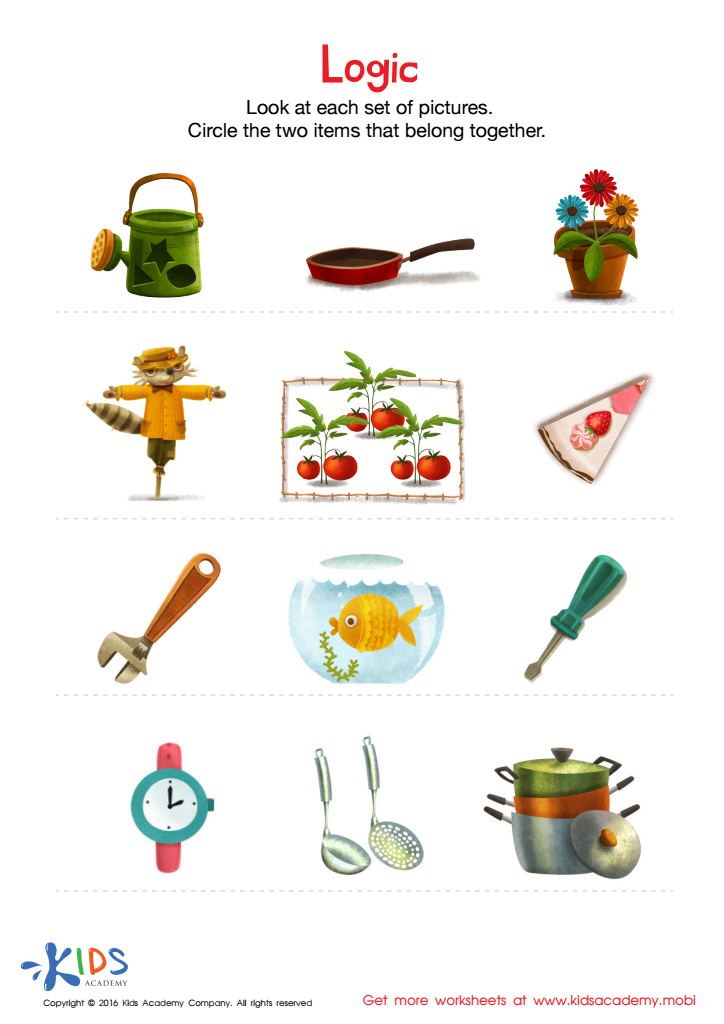
Logic Game Sorting Worksheet

Sudoku Worksheet








Logical reasoning skills are fundamental for children aged 4-8 as they lay the groundwork for critical thinking, problem-solving, and decision-making. During these formative years, children develop the ability to think systematically, analyze situations, and draw conclusions. This is crucial not only for academic success but for everyday life.
Parents and teachers should prioritze logical reasoning because it enhances a child's ability to understand and process information. As children engage in activities that promote reasoning—like puzzles, games, and discussions—they learn to recognize patterns, categorize objects, and identify relationships. These skills empower them to tackle challenges independently and cultivate a growth mindset.
Additionally, fostering logical reasoning supports emotional and social development. This skill helps children understand consequences, improving their judgment and enhancing interpersonal relationships. Furthermore, encouraging logical thinking nurtures curiosity, promoting a love for learning that extends beyond the classroom.
Ultimately, logical reasoning is not just about academic performance; it equips children with essential life skills that are applicable in numerous settings. By investing in the development of these skills, parents and teachers prepare children for a future where they can think critically, solve problems effectively, and collaborate with others, ensuring they thrive both academically and socially.








