Logical Reasoning Worksheets for Ages 4-8 - Page 3
66 filtered results
-
From - To
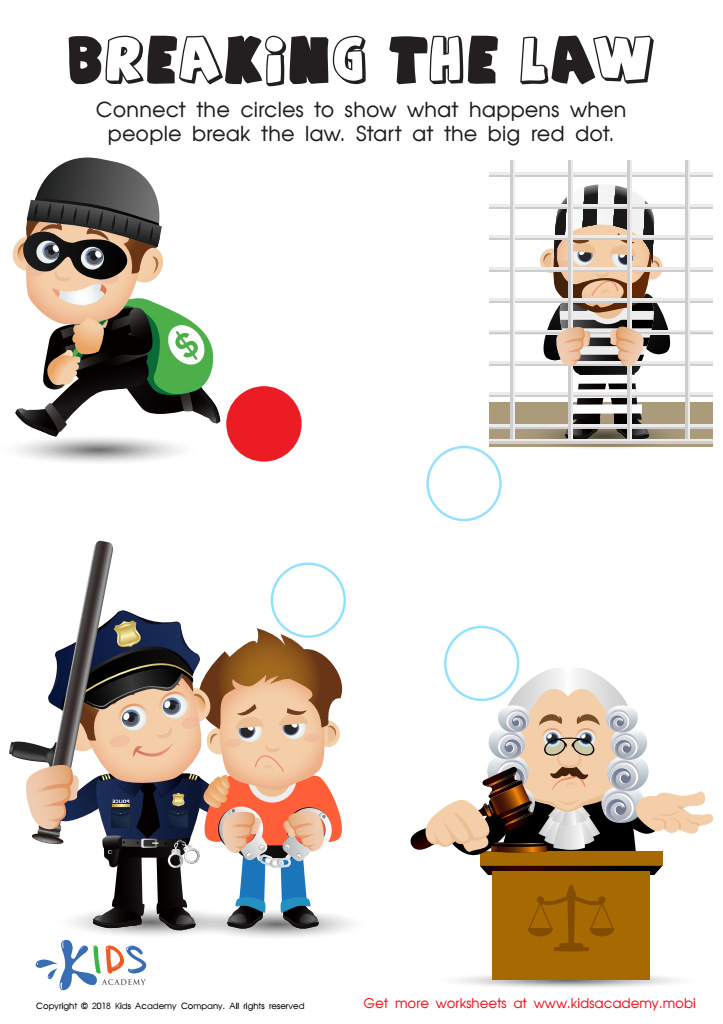
Breaking the Law Worksheet
 Assign to My Students
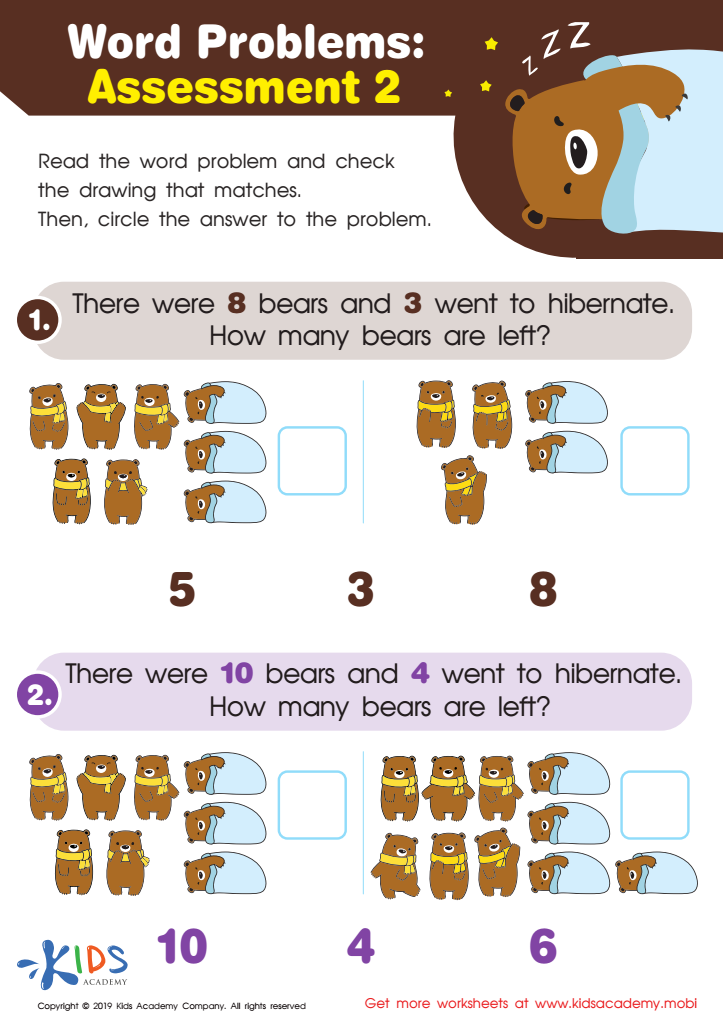
Word Problems: Assessment 2 Worksheet
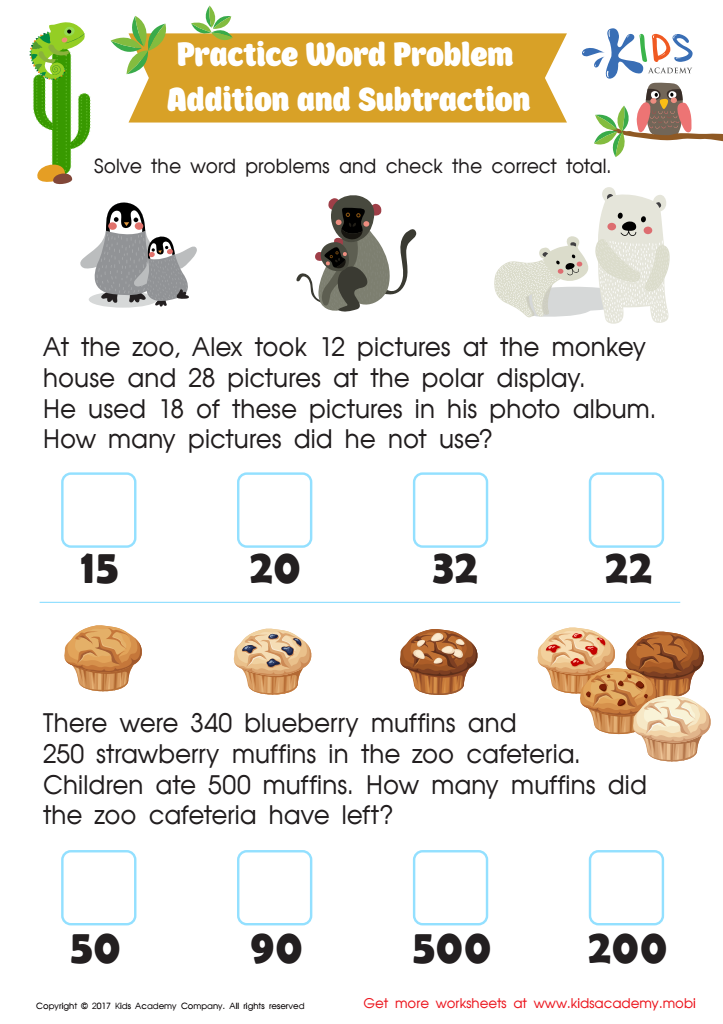
Addition and Subtraction: Word Problems Worksheet
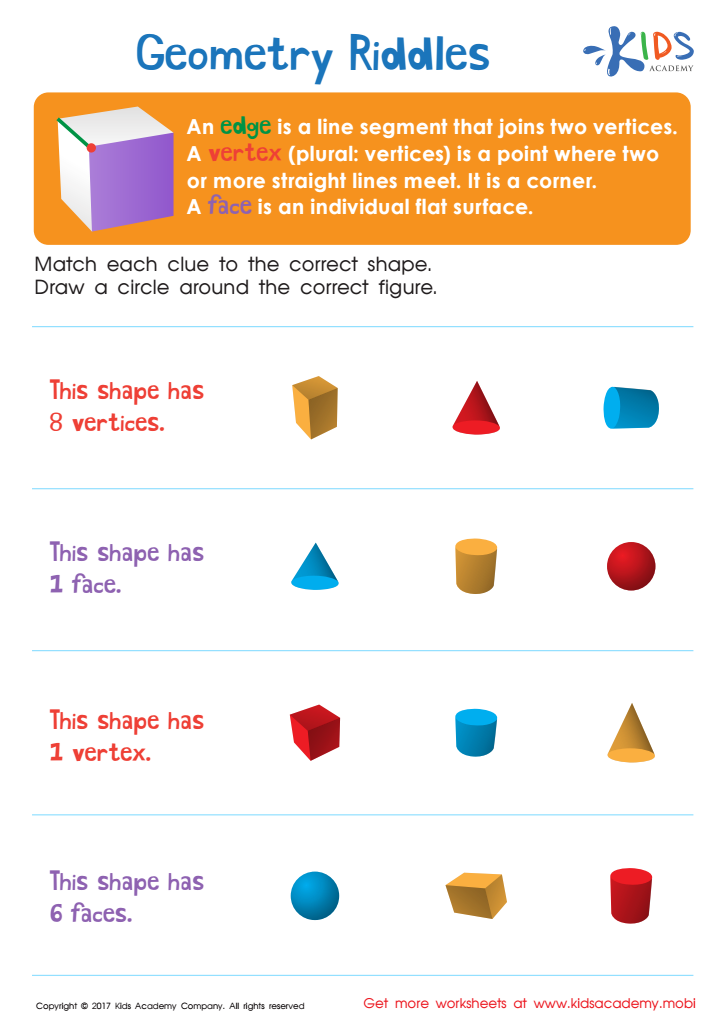
Geometry Riddles Printable
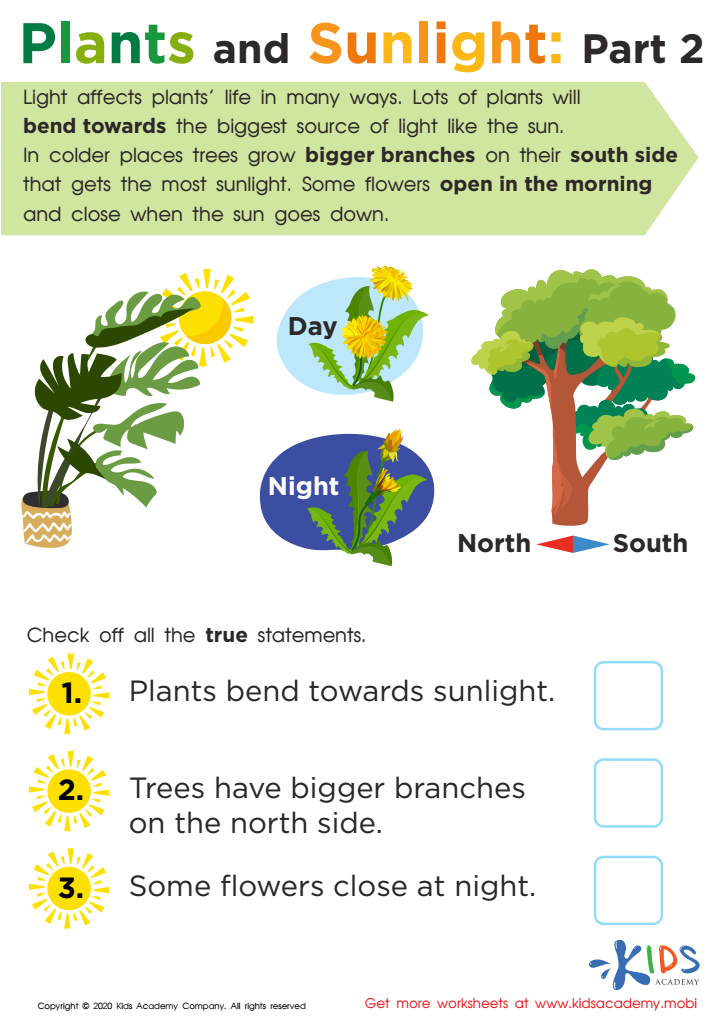
Plants and Sunlight: Part 2 Worksheet
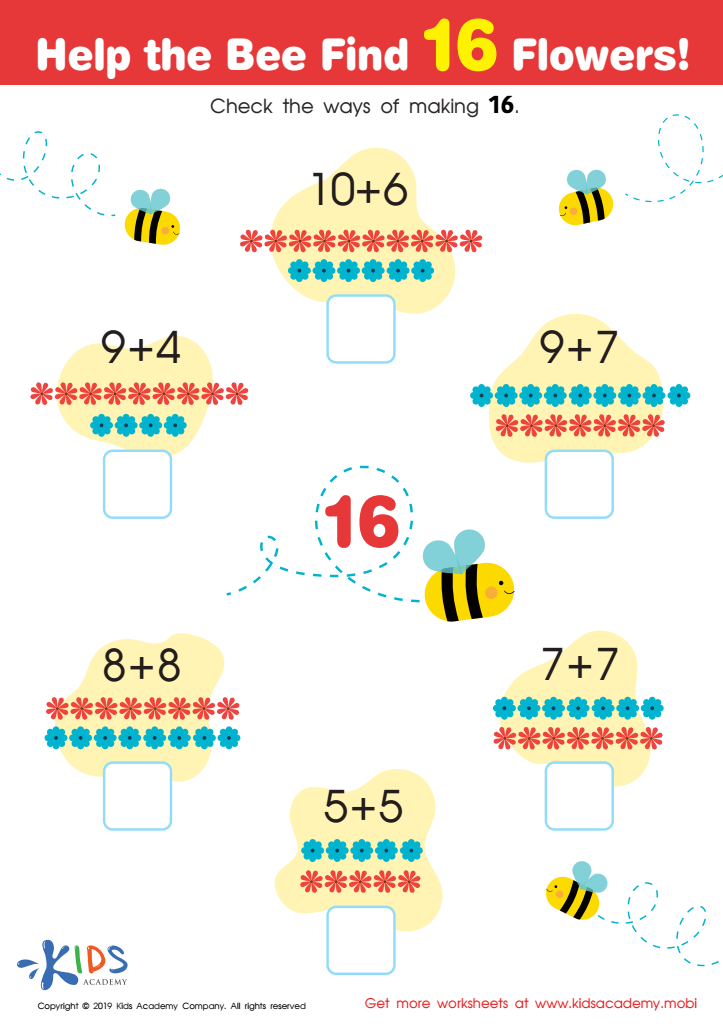
Help the Bee Find 16 Flowers Worksheet
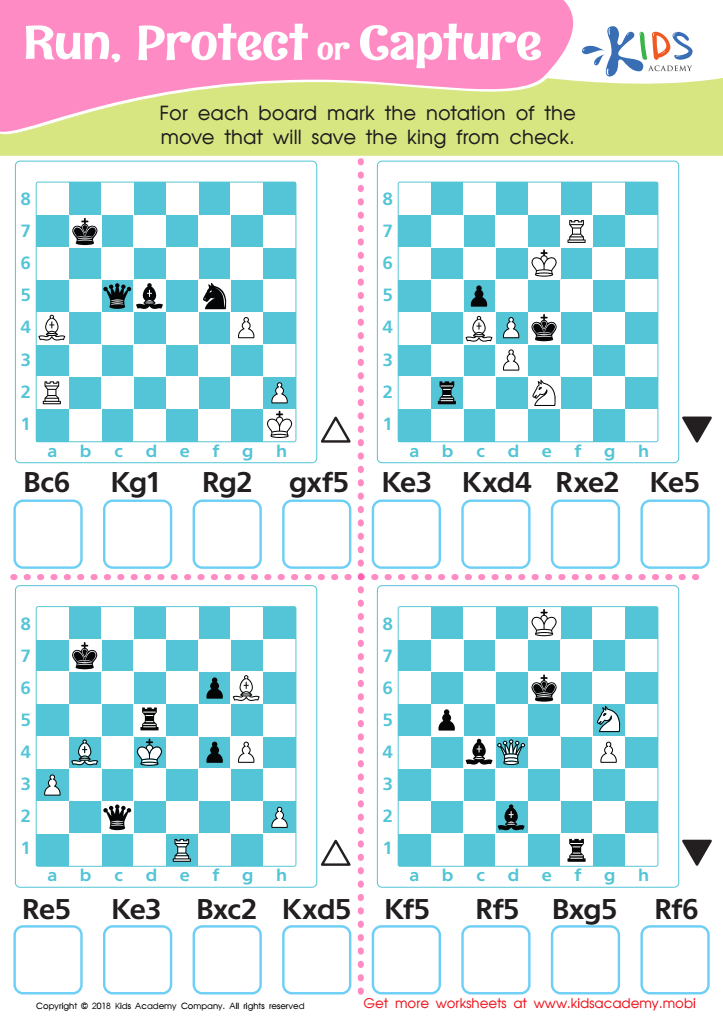
Run, Protect or Capture Worksheet
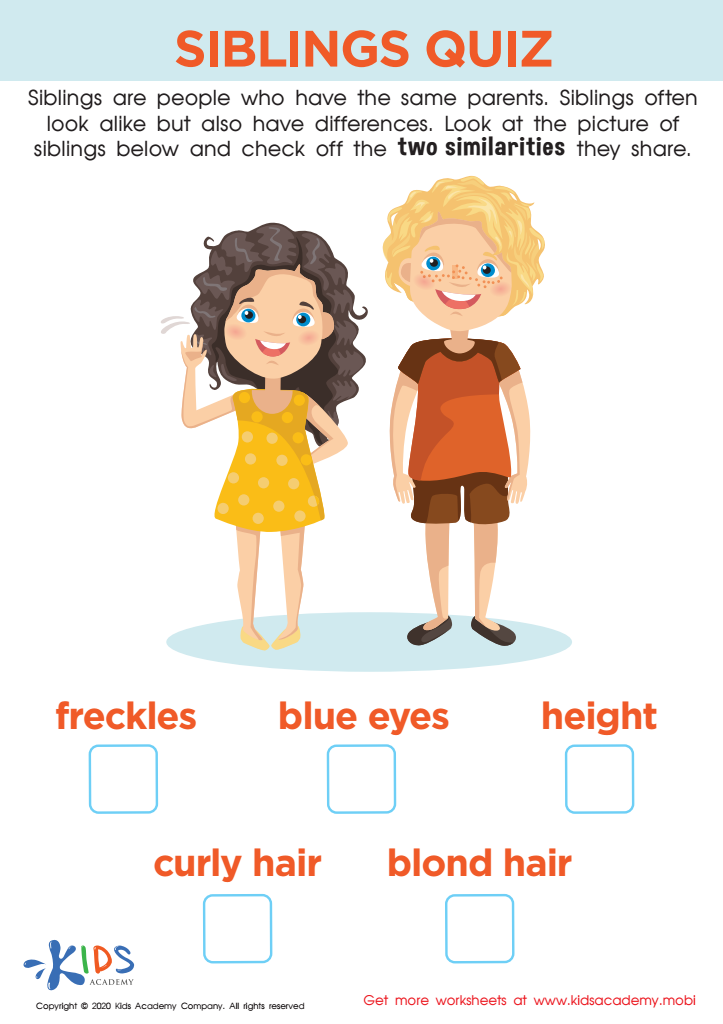
Siblings Quiz Worksheet
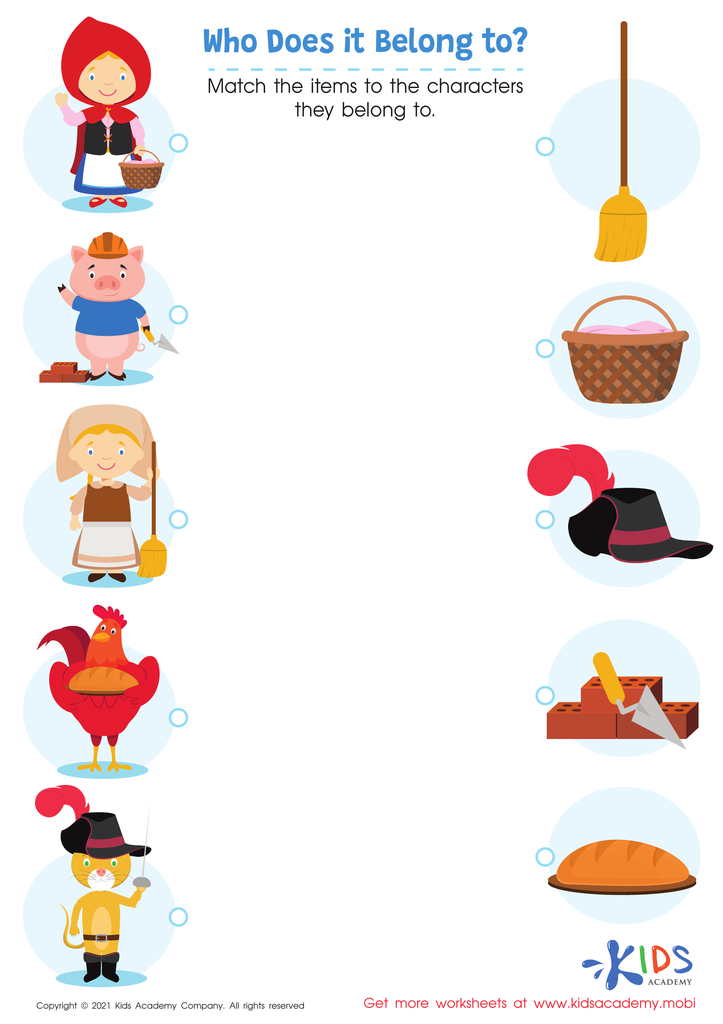
Who Does It Belong To? Worksheet
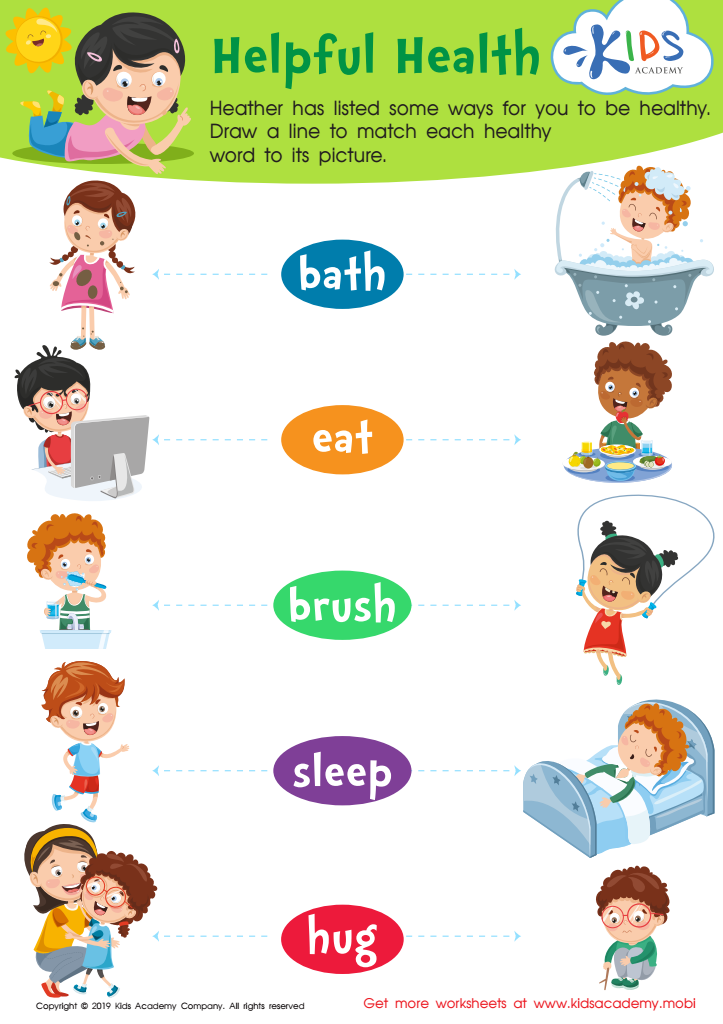
Helpful Health Worksheet
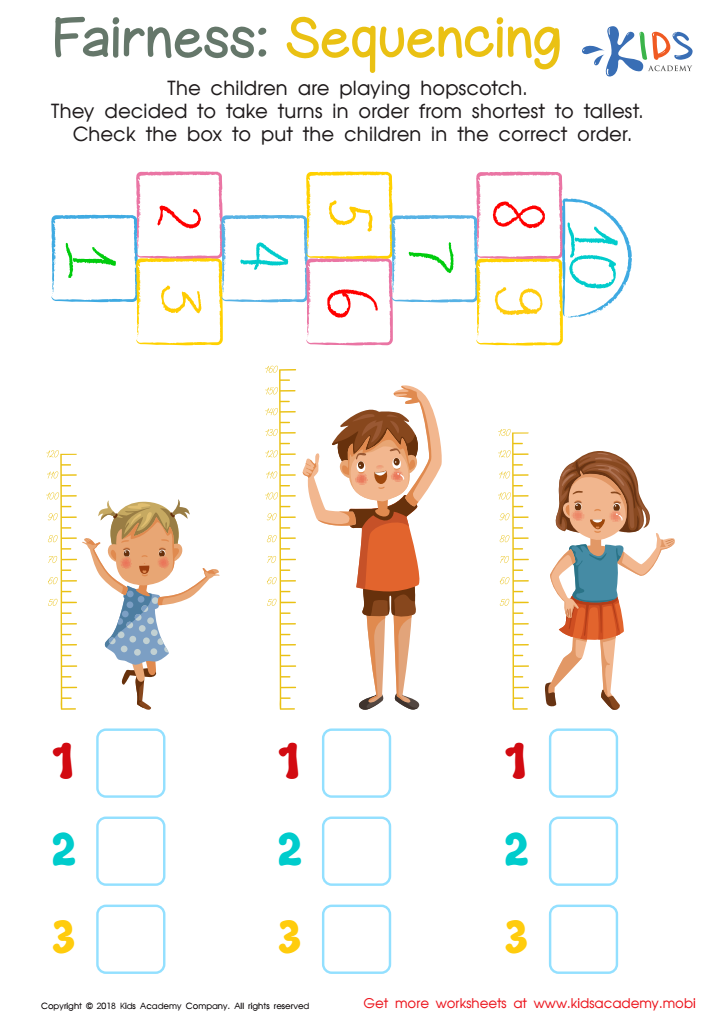
Fairness: Sequencing Worksheet
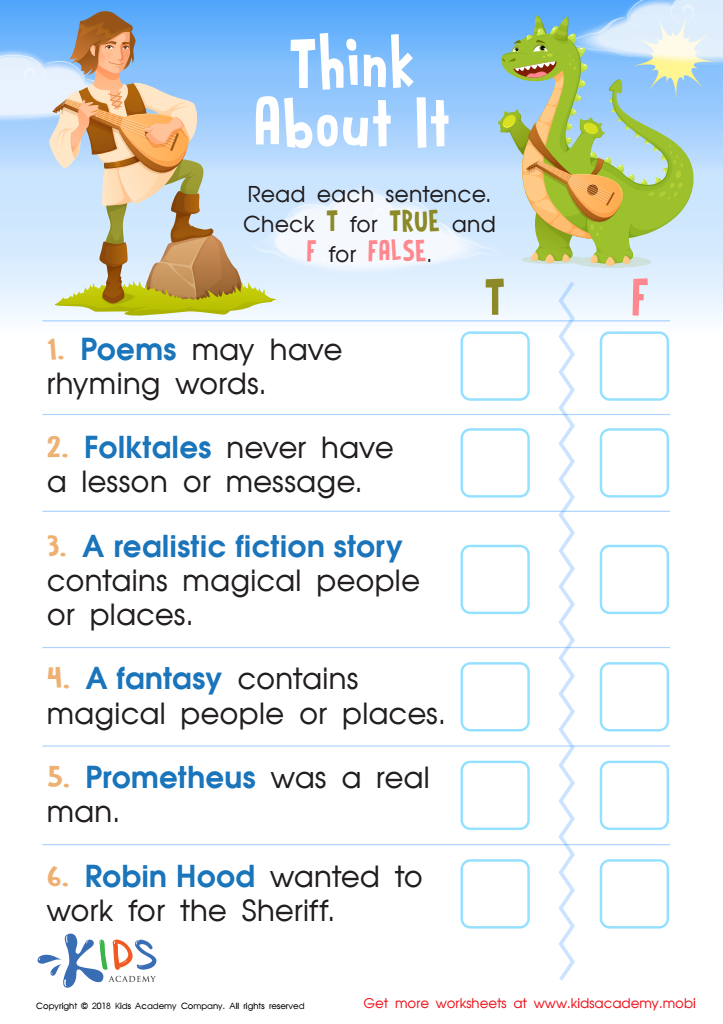
Think About It: Assessment Worksheet
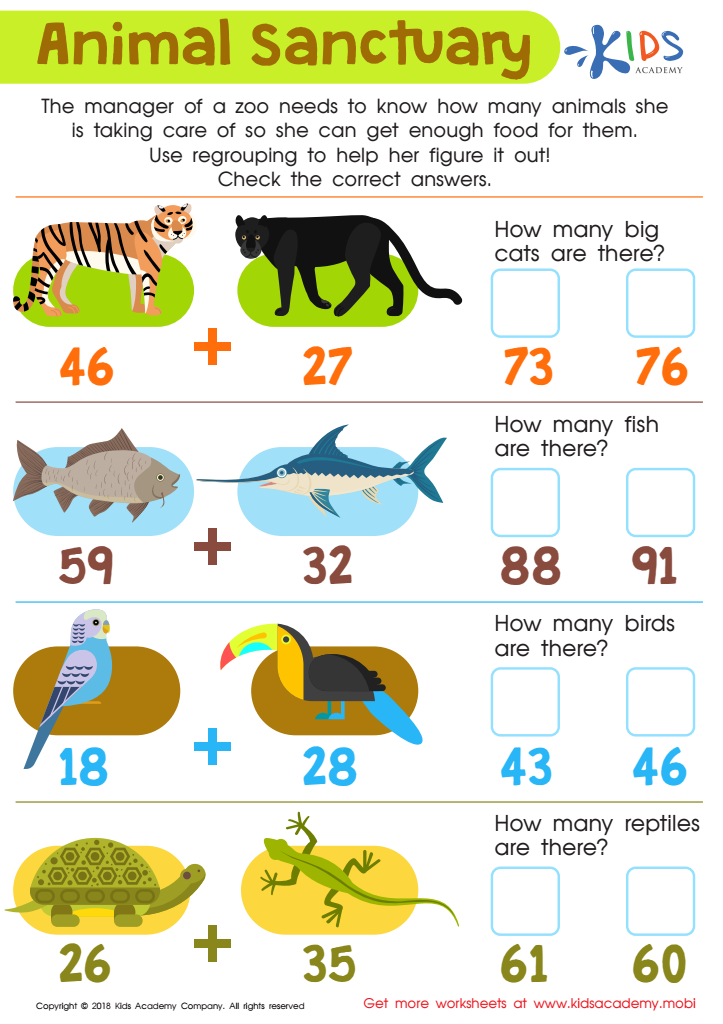
Animal Sanctuary Worksheet
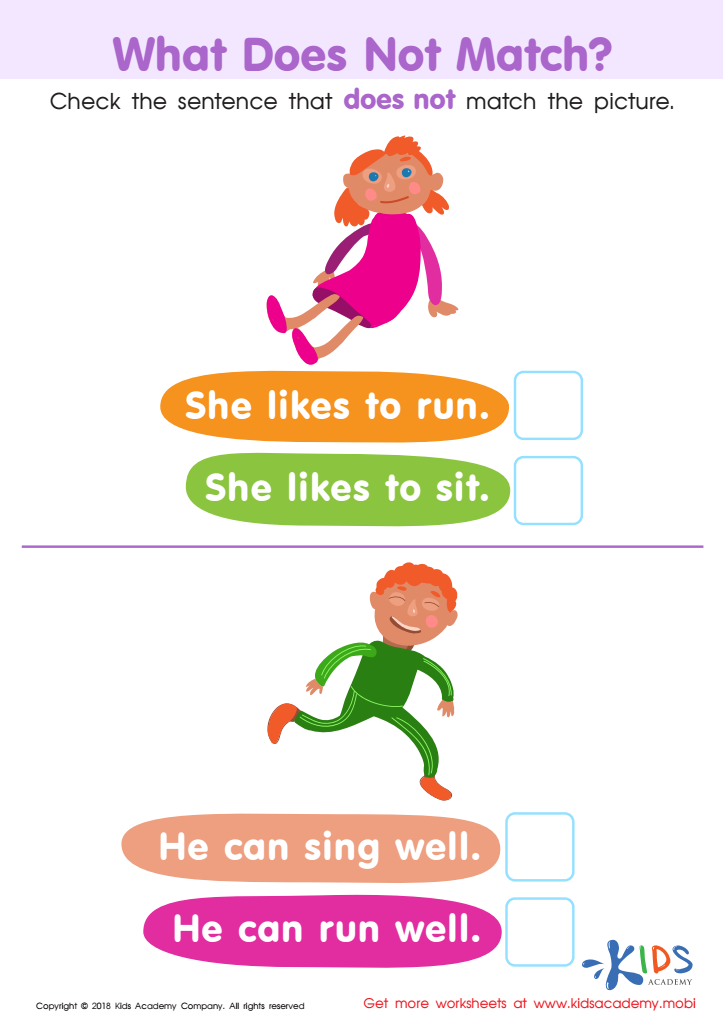
What Does Not Match? Worksheet
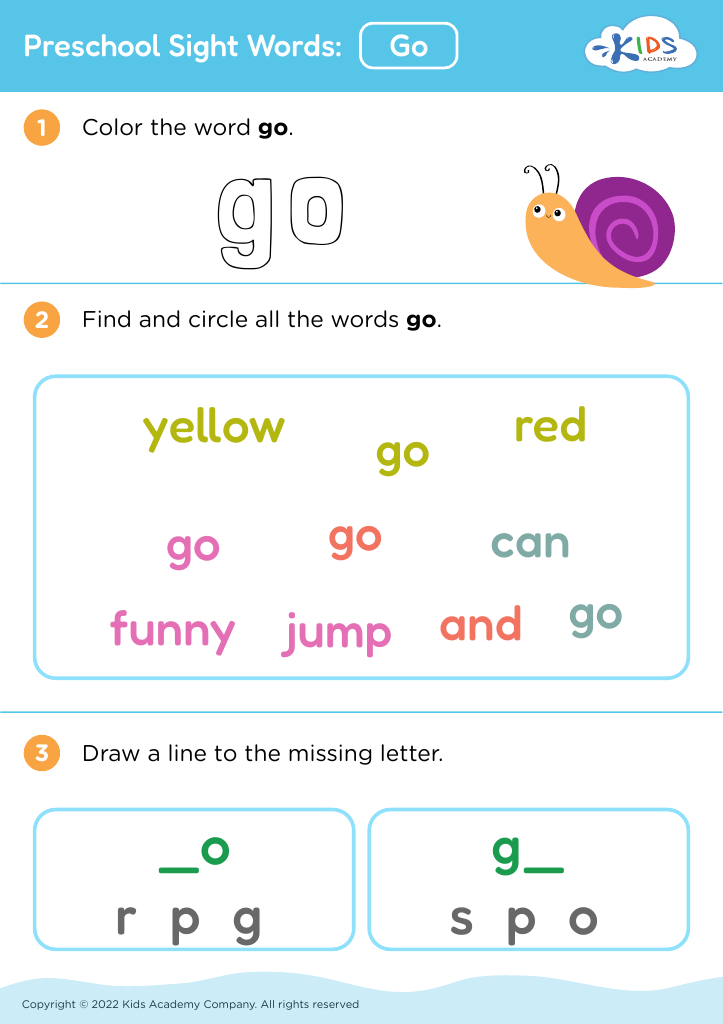







Parents and teachers should deeply care about nurturing logical reasoning skills in children aged 4-8 because these formative years lay the foundation for future learning and critical thinking. At this young age, children's brains are incredibly malleable, and promoting logical reasoning helps stimulate cognitive development, aiding them in understanding cause-and-effect relationships.
Developing logical reasoning early on enhances problem-solving abilities, enabling children to tackle challenges more effectively across various subjects, from math to language arts. This period is crucial for cultivating curiosity and the ability to think independently. By fostering these skills, adults can help children approach tasks systematically, which builds persistence and perseverance when faced with difficulties.
Moreover, children with strong logical reasoning skills often exhibit superior academic performance and more confident decision-making. These skills also promote social-emotional growth, as children better understand the consequences of their actions, leading to more respectful and empathetic interactions with peers.
Interactive activities like puzzles, simple coding games, or asking open-ended questions foster this kind of thinking. By emphasizing logical reasoning during these early years, parents and teachers set the stage for lifelong learning and success, helping children grow into thoughtful, independent, and capable individuals.








