Multiplication practice Worksheets for Ages 4-8
83 filtered results
-
From - To
Welcome to our collection of multiplication practice worksheets designed specifically for children aged 4-8! Our engaging and interactive worksheets make learning multiplication fun and effective. Young learners will explore basic multiplication concepts through colorful exercises, games, and visual aids. These worksheets help build foundation skills while boosting confidence in math abilities. Perfect for classroom use or at-home learning, our materials cater to various learning styles and encourage children to practice at their own pace. Empower your child with essential math skills and see them thrive as they master multiplication through enjoyable, hands-on activities! Start your multiplication journey today!
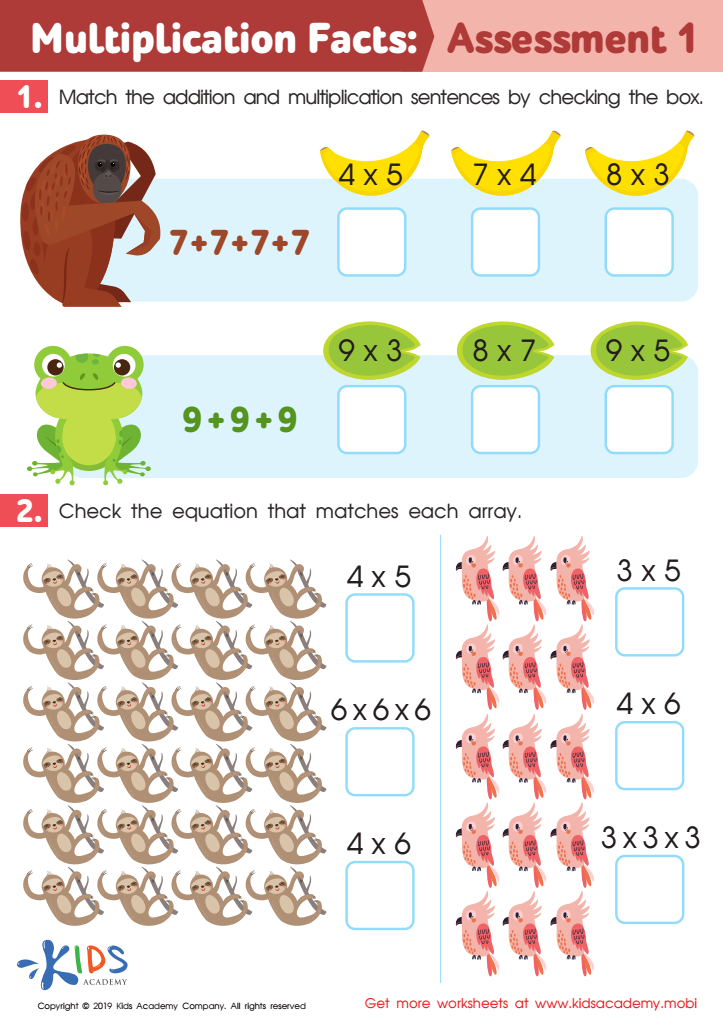
Multiplication Facts: Assessment 1 Worksheet
 Assign to My Students
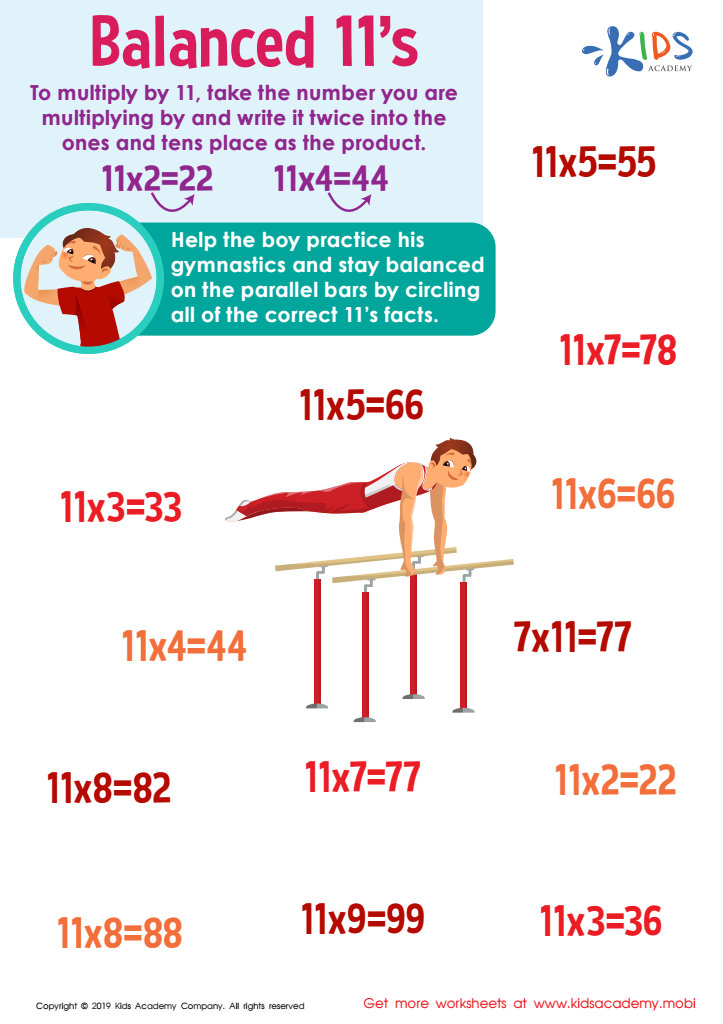
Balanced 11s Worksheet
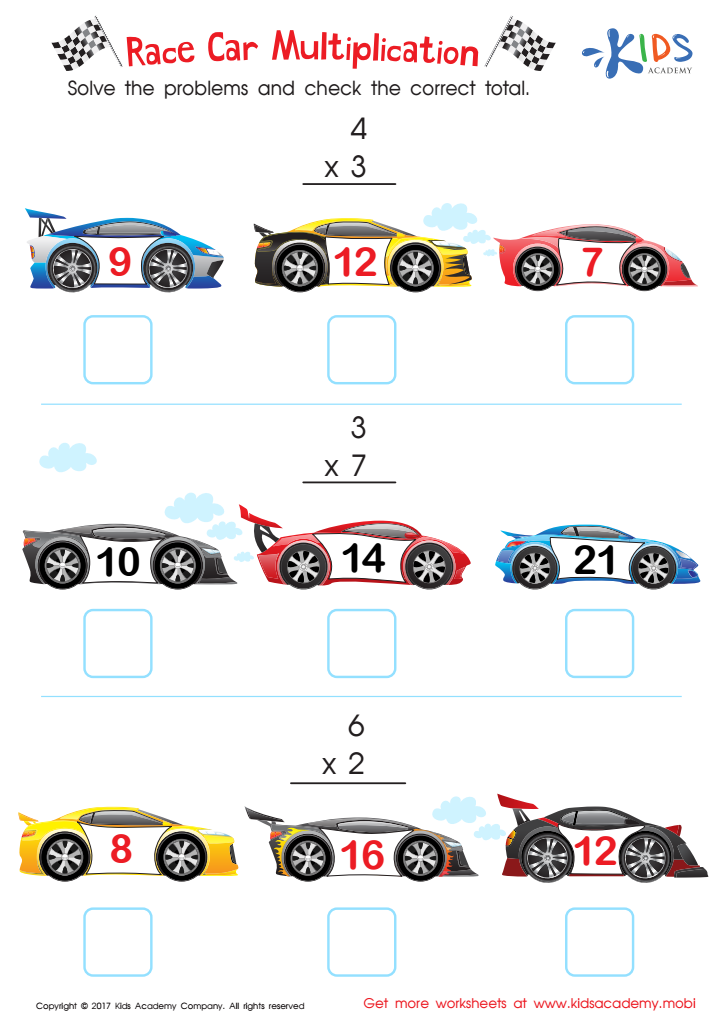
Race Car Worksheet
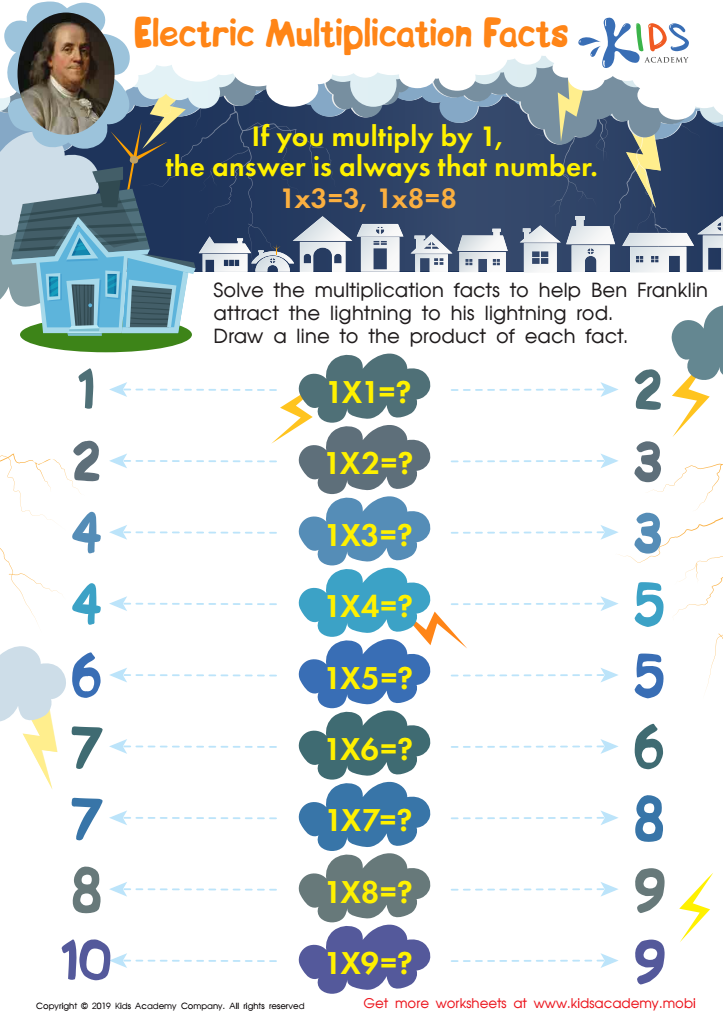
Electric Multiplication Facts Worksheet
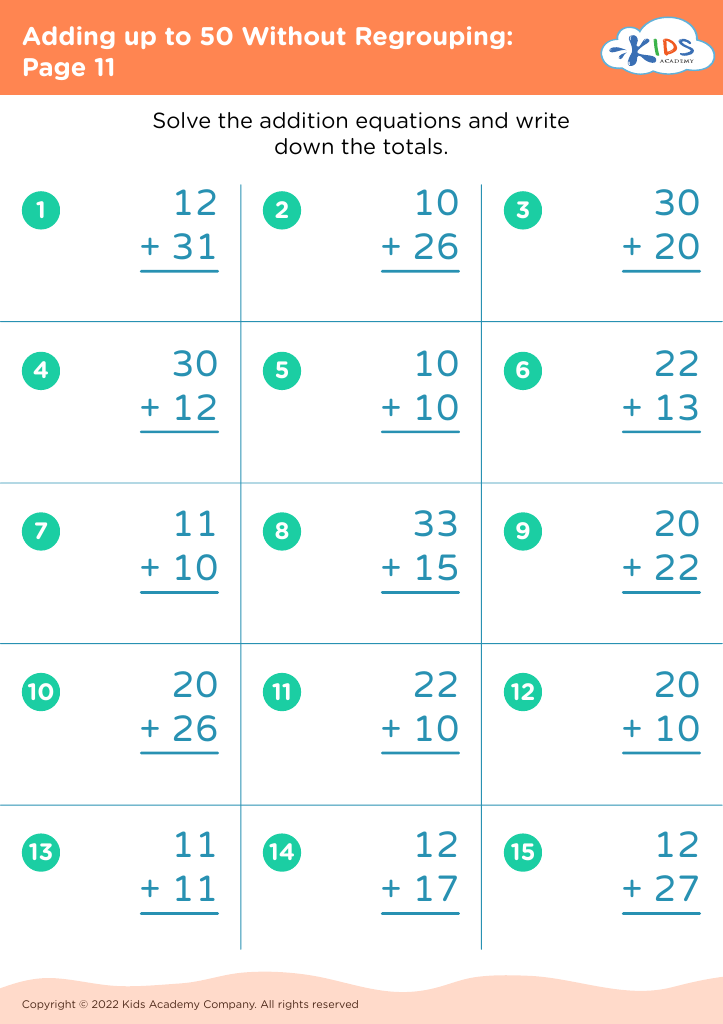
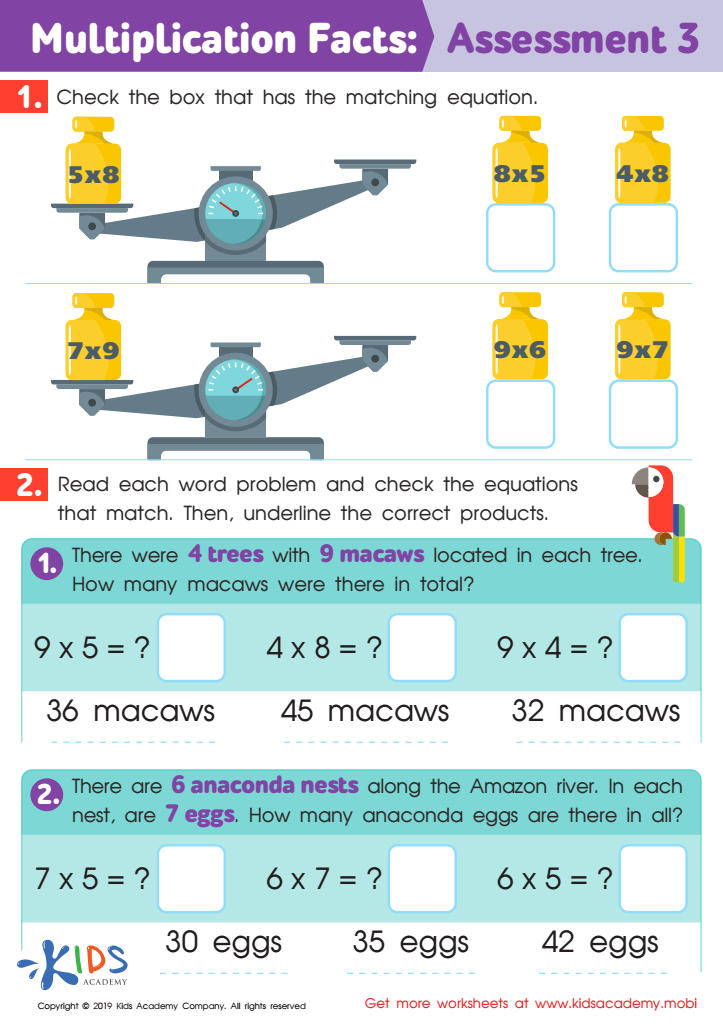
Multiplication Facts: Assessment 3 Worksheet
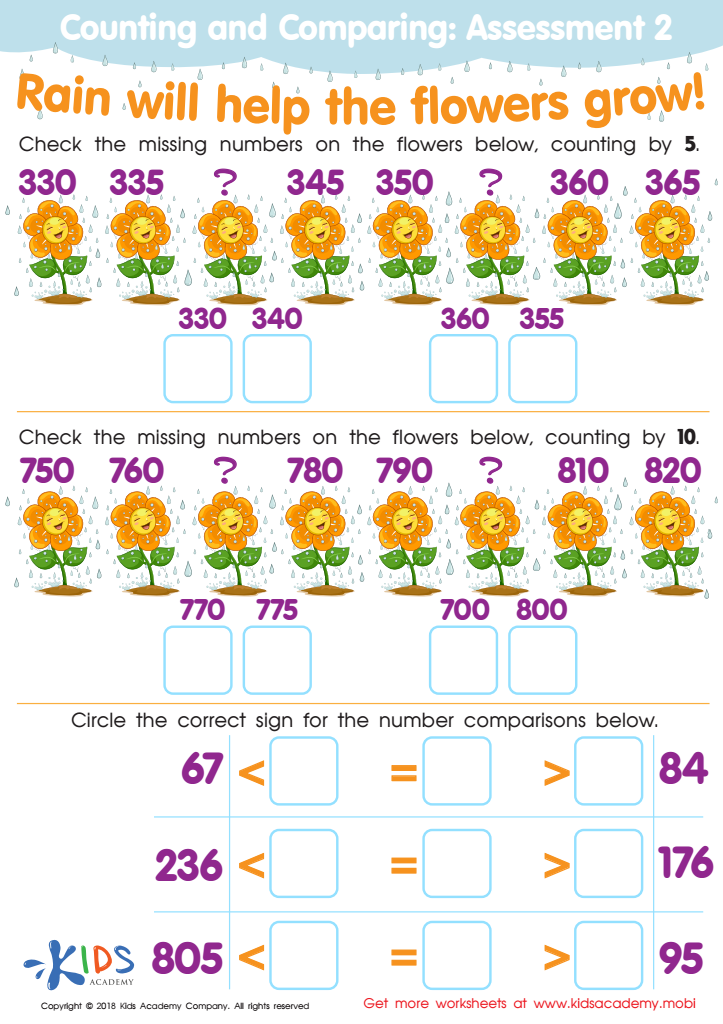
Counting and Comparing: Assessment 2 Worksheet
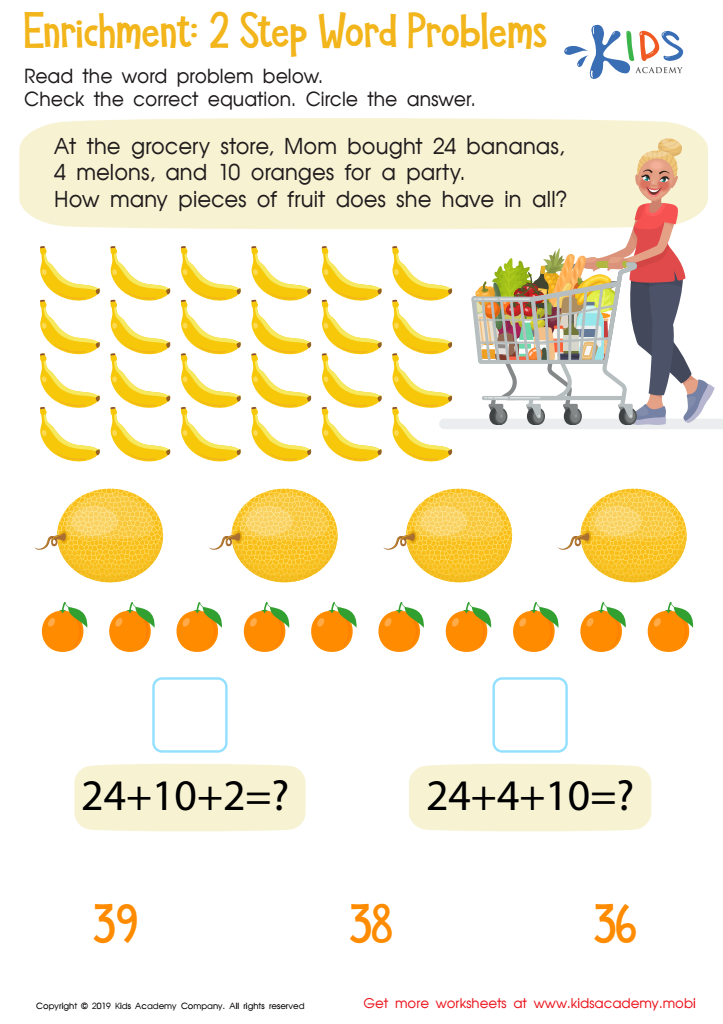
Enrichment -2 Step Word Problems Worksheet
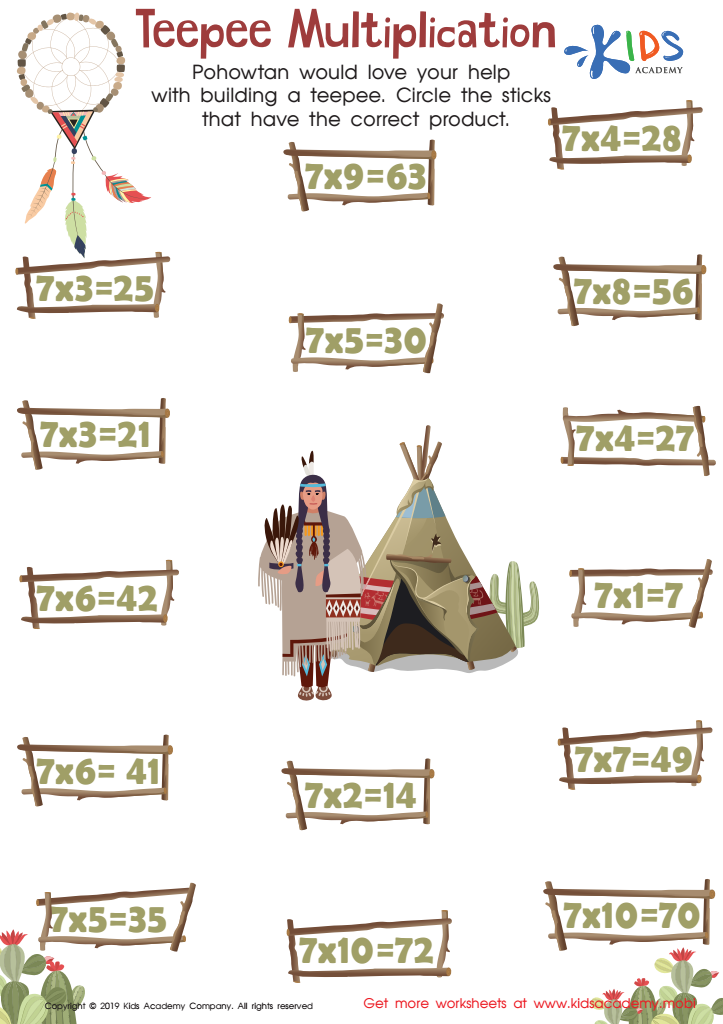
Teepee Multiplication Worksheet
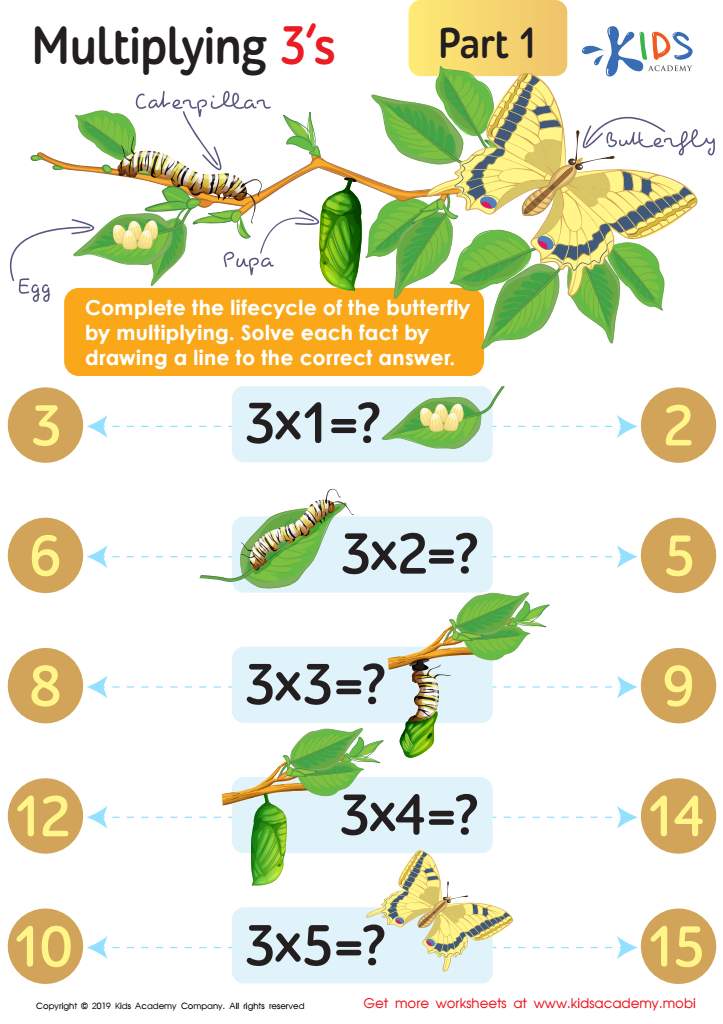
Multiplying 3’s Part 1 Worksheet
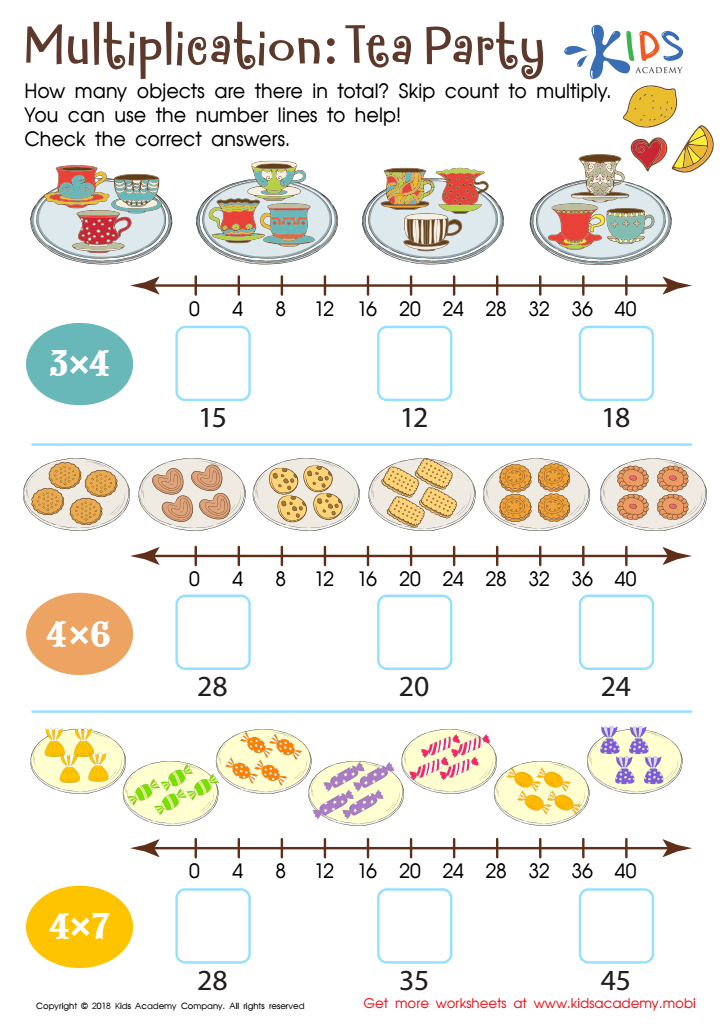
3rd Grade Math Worksheet Multiplication
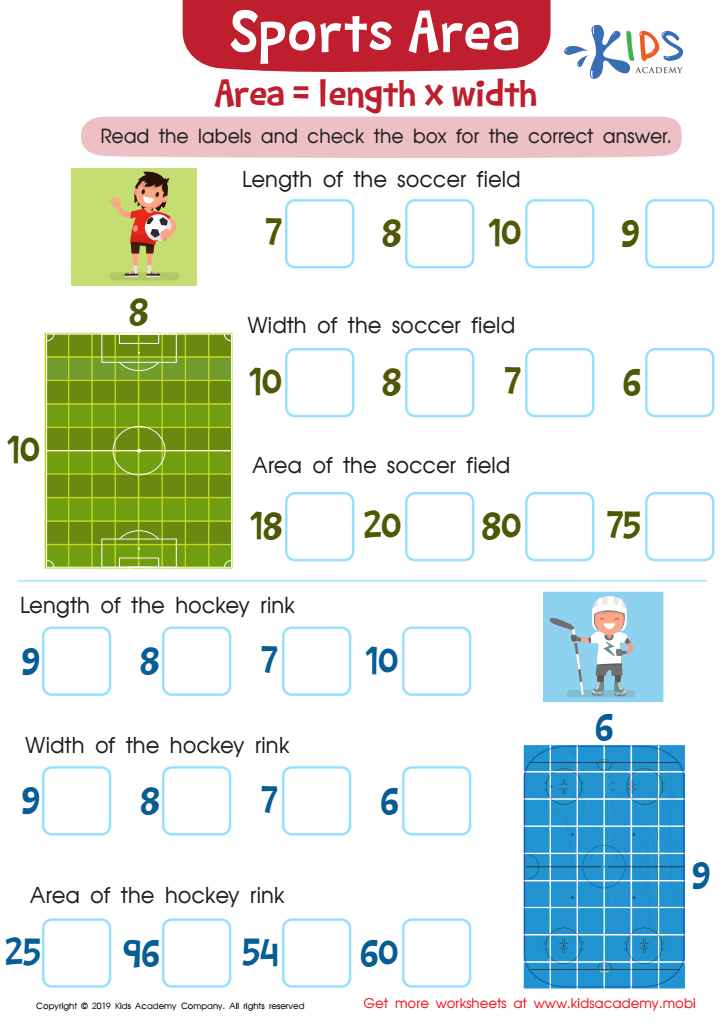
Sports Area Worksheet
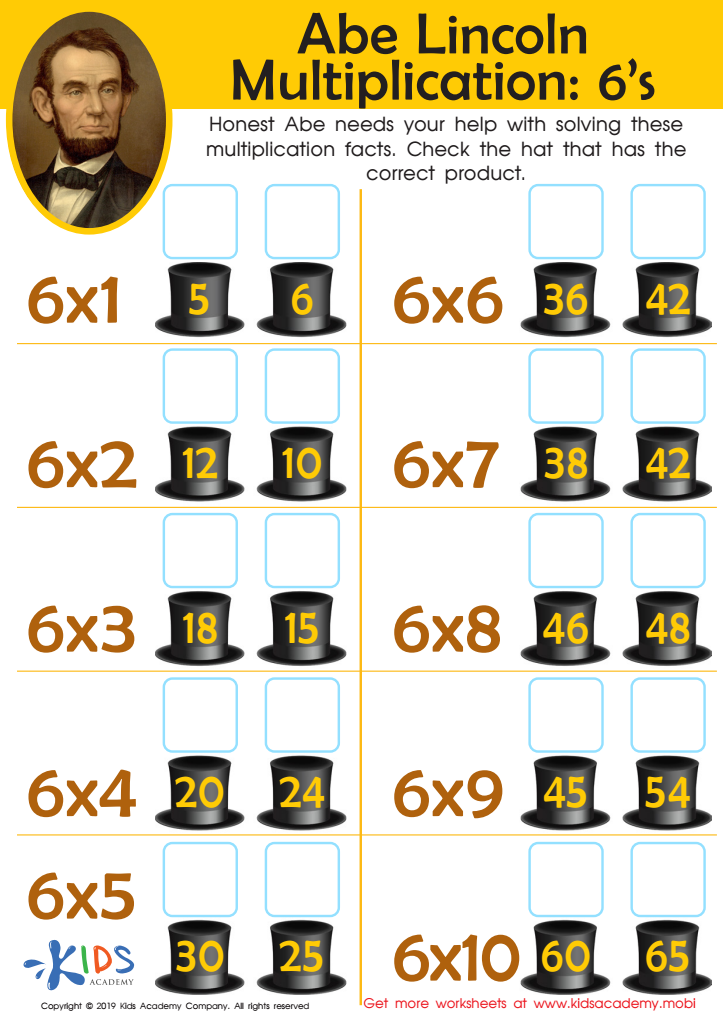
Abe Lincoln Multiplication: 6’s Worksheet
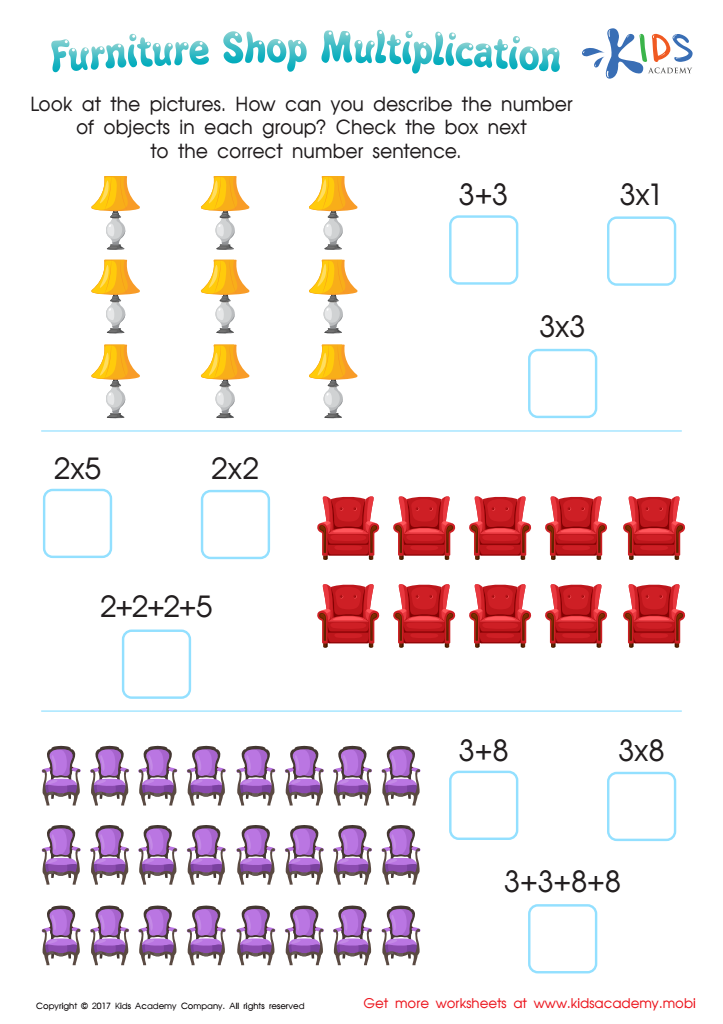
Furniture Shop Worksheet
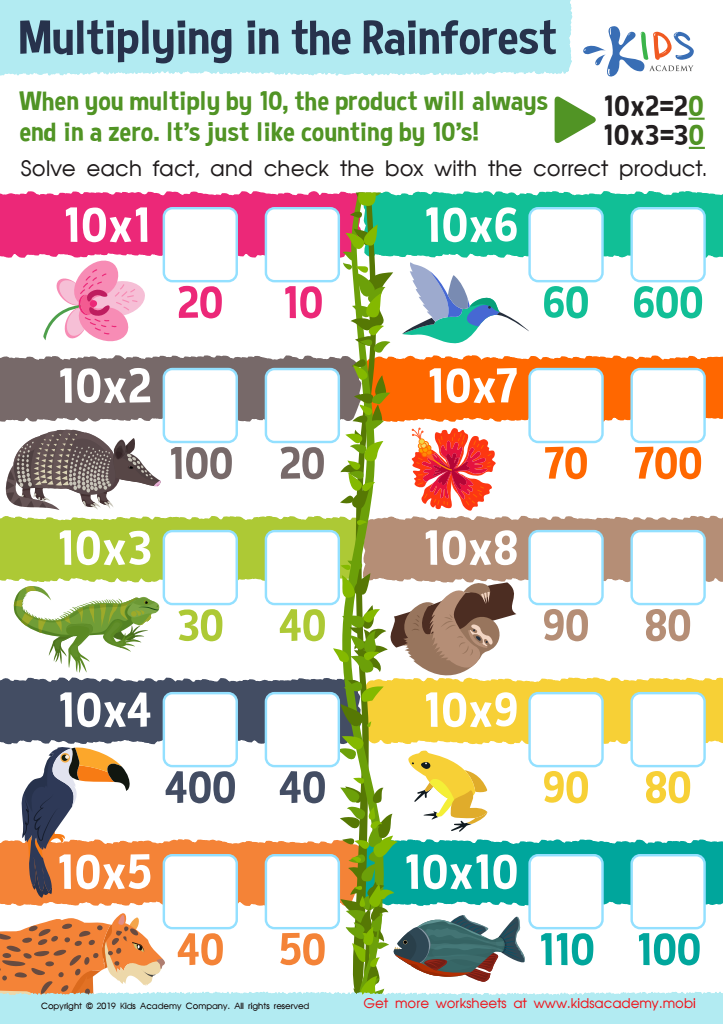
Multiplying in the Rainforest Worksheet
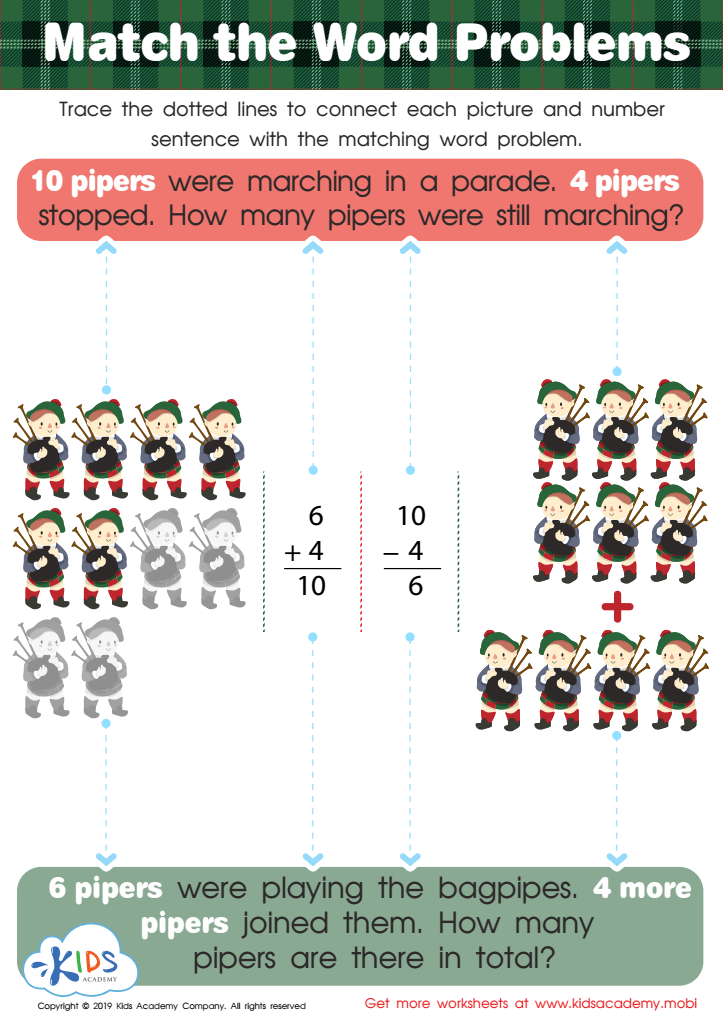
Match the Word Problems Worksheet
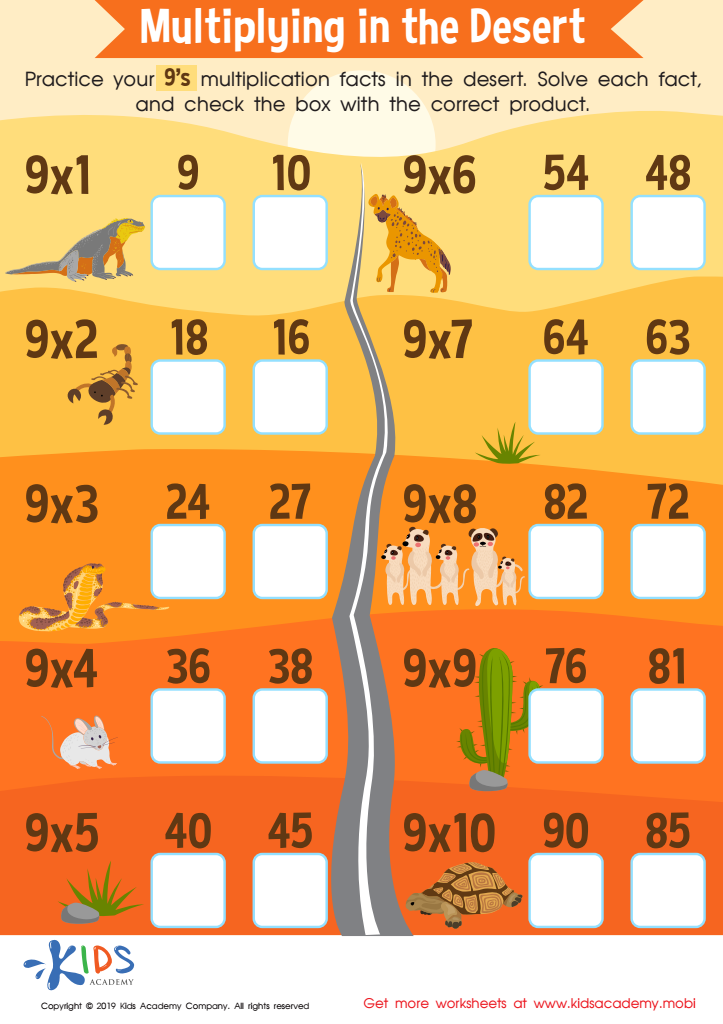
Multiplying in the Desert Worksheet
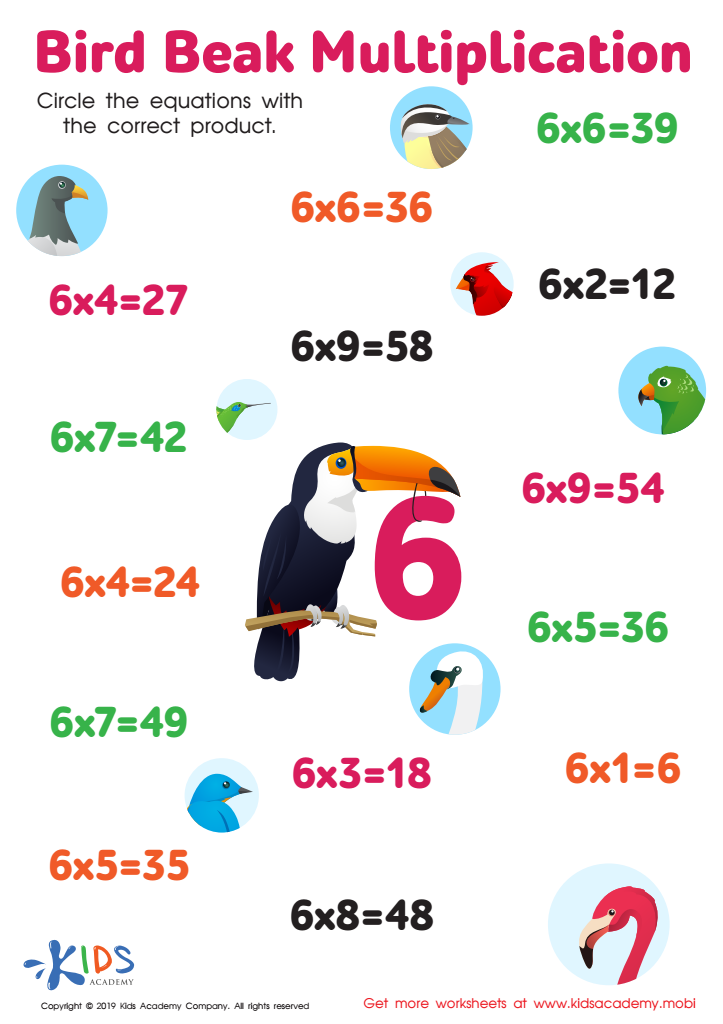
Bird Beak Multiplication Worksheet
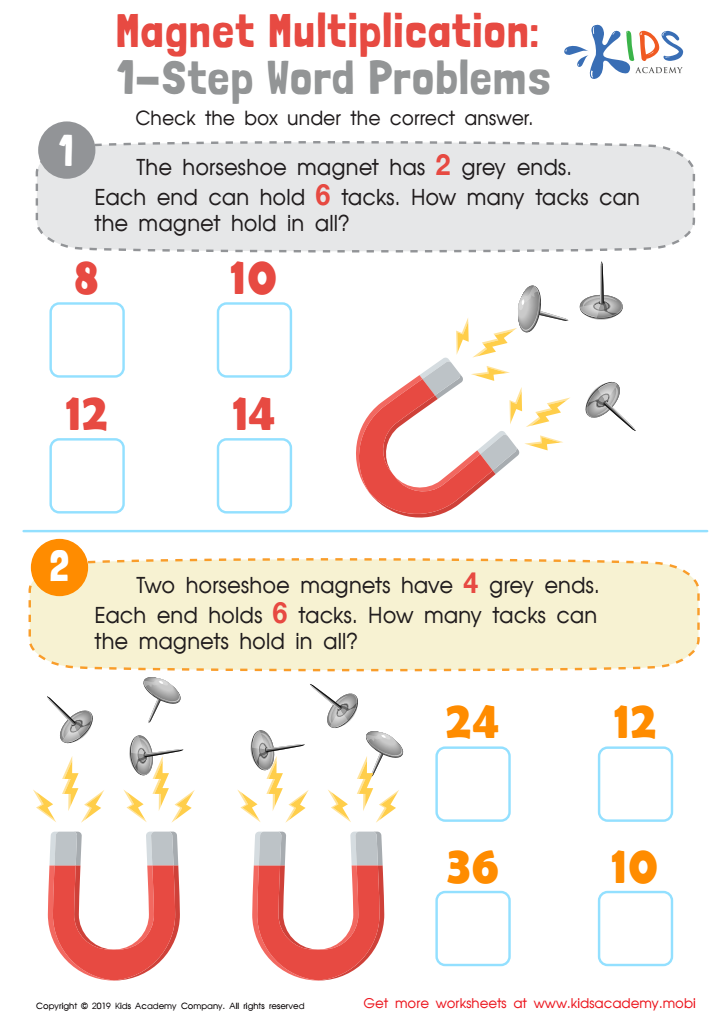
Magnet Multiplication: 1-Step Word Problems Worksheet
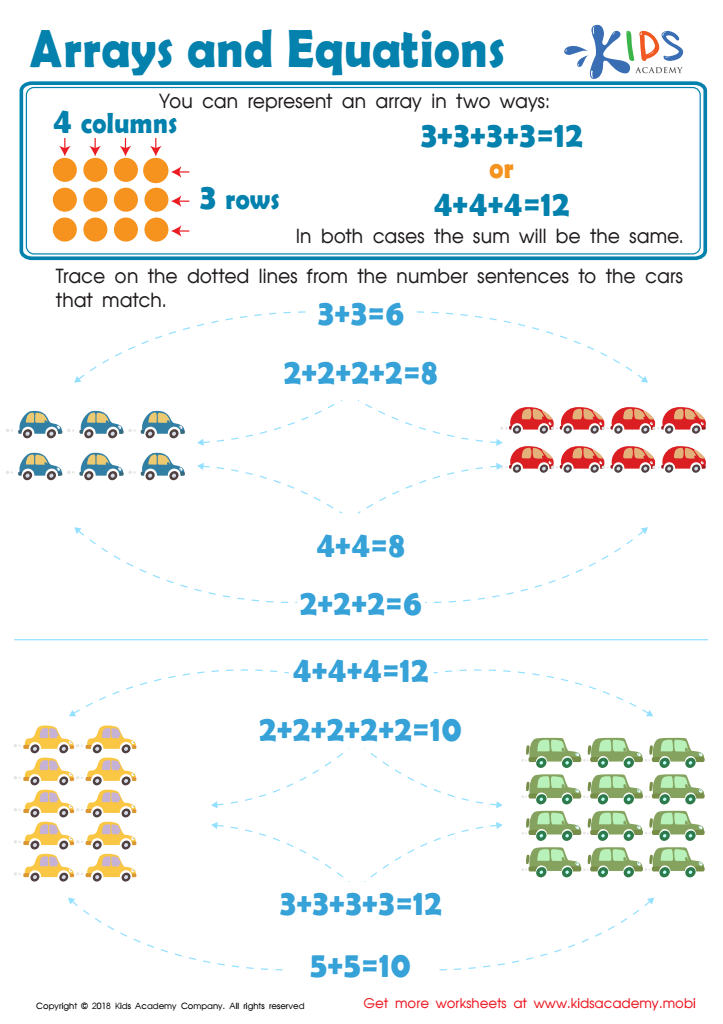
Arrays and Equations Worksheet
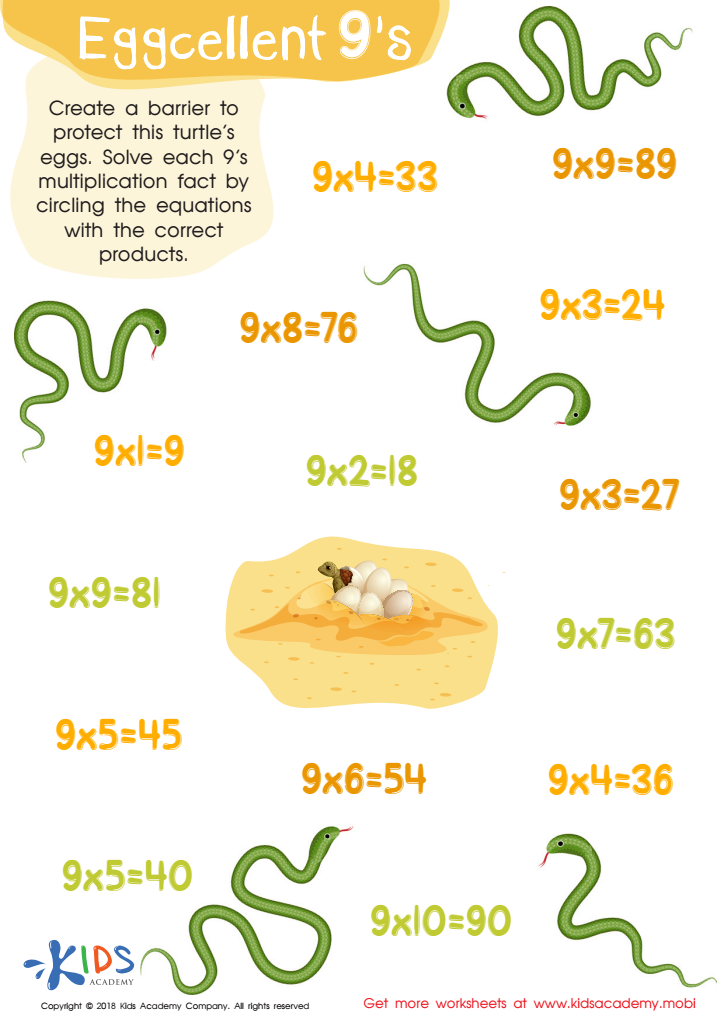
Eggcellent 9’s Worksheet
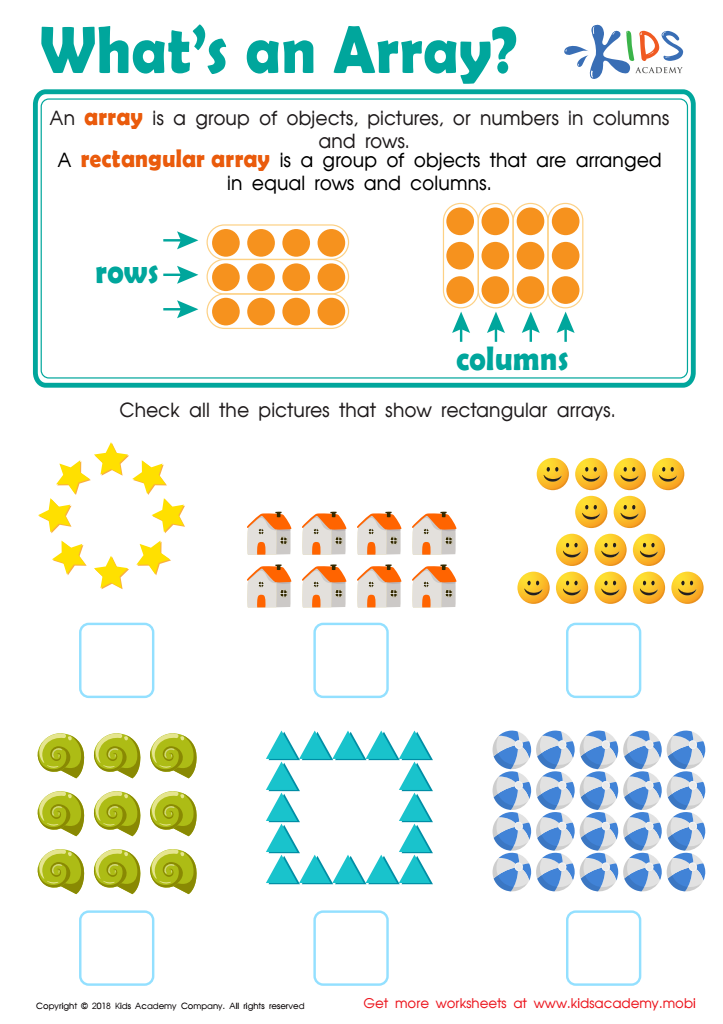
What's an Array? Worksheet
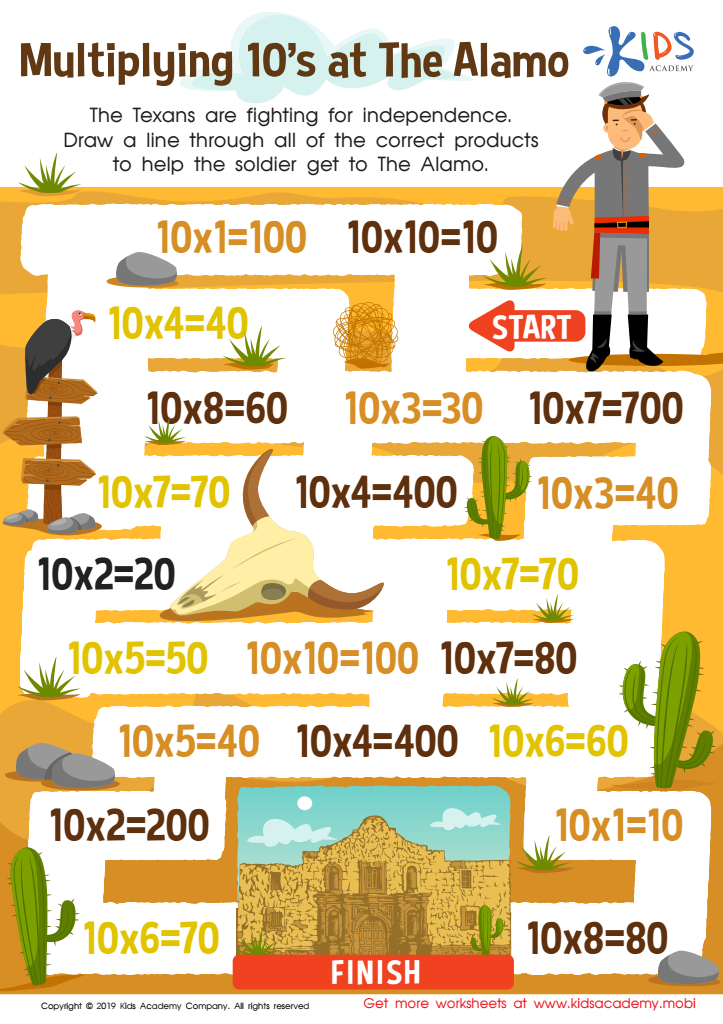
Multiplying 10’s at The Alamo Worksheet
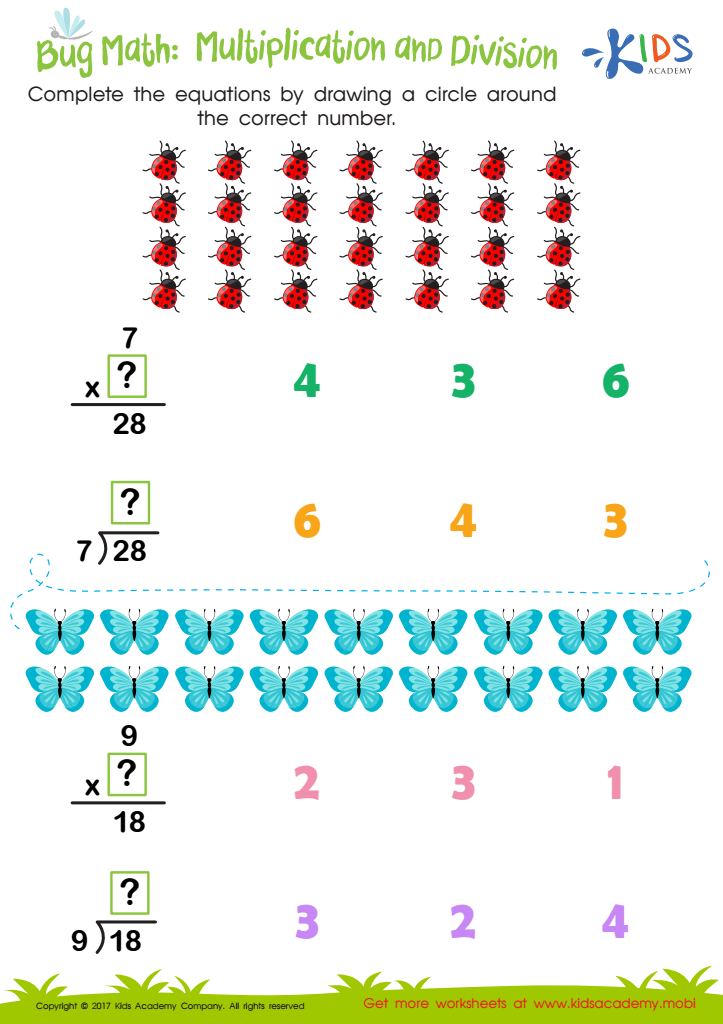
Multiplication and Division Worksheet






Parents and teachers should prioritize multiplication practice for children aged 4-8 due to its foundational role in mathematical understanding and overall cognitive development. At this early stage, children begin recognizing patterns, which supports their grasp of multiplication concepts as repeated addition. By engaging with multiplication, kids can develop essential problem-solving skills and enhance their logical reasoning abilities, laying a crucial groundwork for future math topics.
Furthermore, mastery of multiplication facts boosts confidence and fluency in math, reducing math anxiety as students progress to more complex operations. Engaging children in multiplication practice encourages a positive attitude towards mathematics and sets the tone for lifelong learning. Key developmental milestones occur during these years, making it an ideal time to cultivate mathematical skills.
Additionally, regular practice in multiplication fosters a collaborative and supportive learning environment when parents and teachers participate together, strengthening bonds and enhancing curiosity about math. By making practice fun with games or interactive activities, educators and parents can keep children motivated. In summary, multiplication practice at ages 4-8 is vital not only for academic success but also personal development, ensuring that young learners are prepared for future challenges in mathematics and beyond.








