Pattern recognition Worksheets for Ages 4-8 - Page 2
31 filtered results
-
From - To
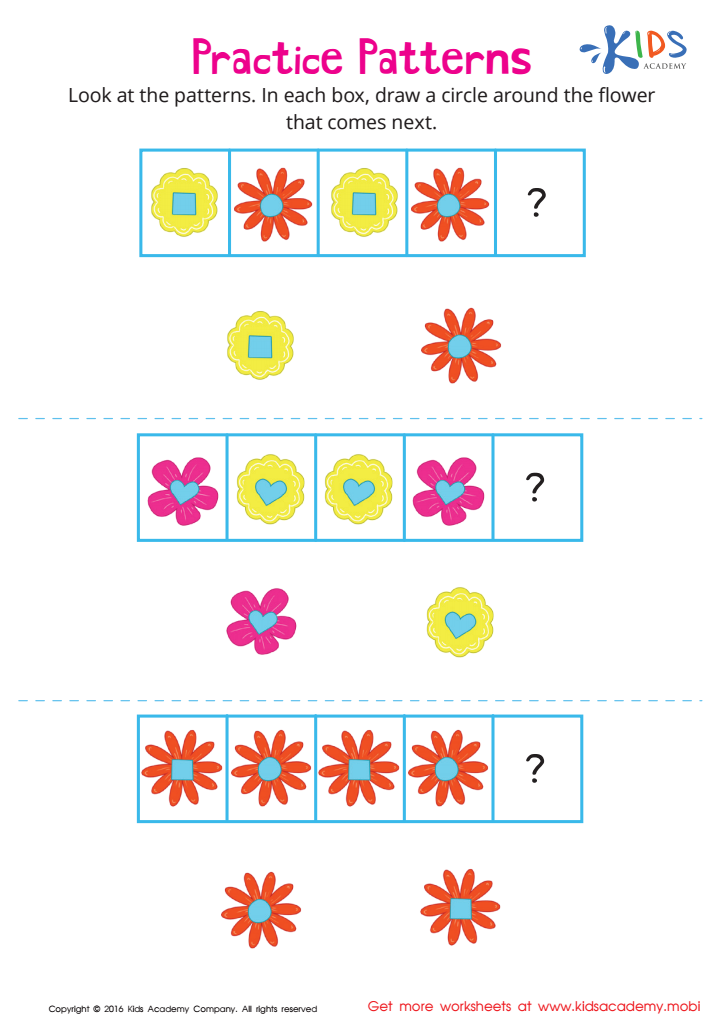
 Assign to My Students
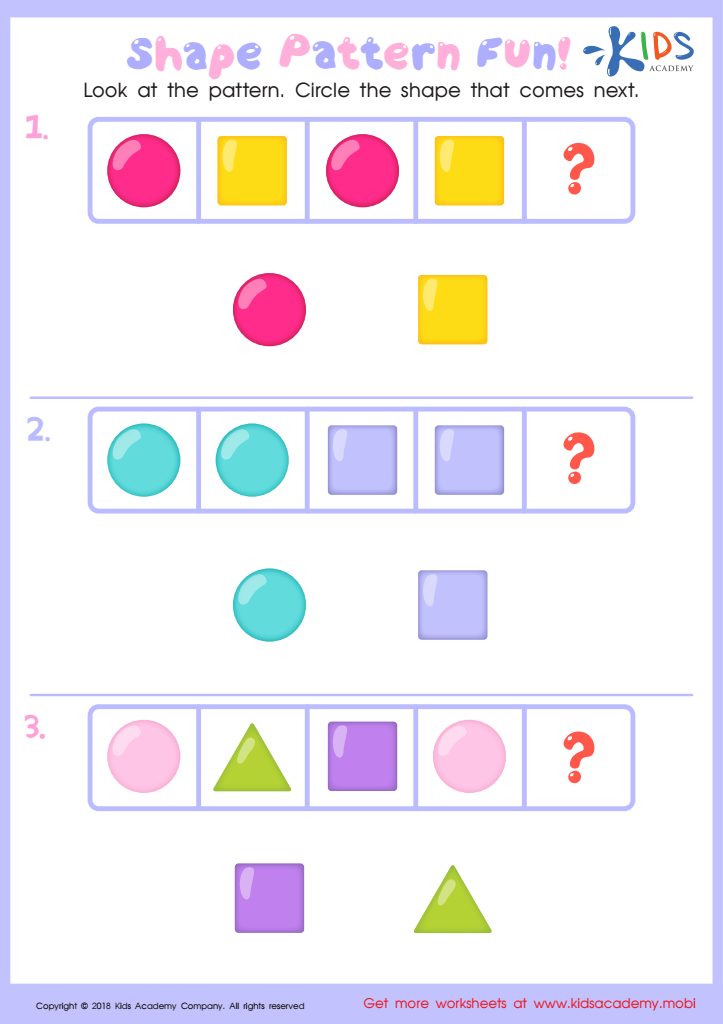
Shape Pattern Fun Worksheet
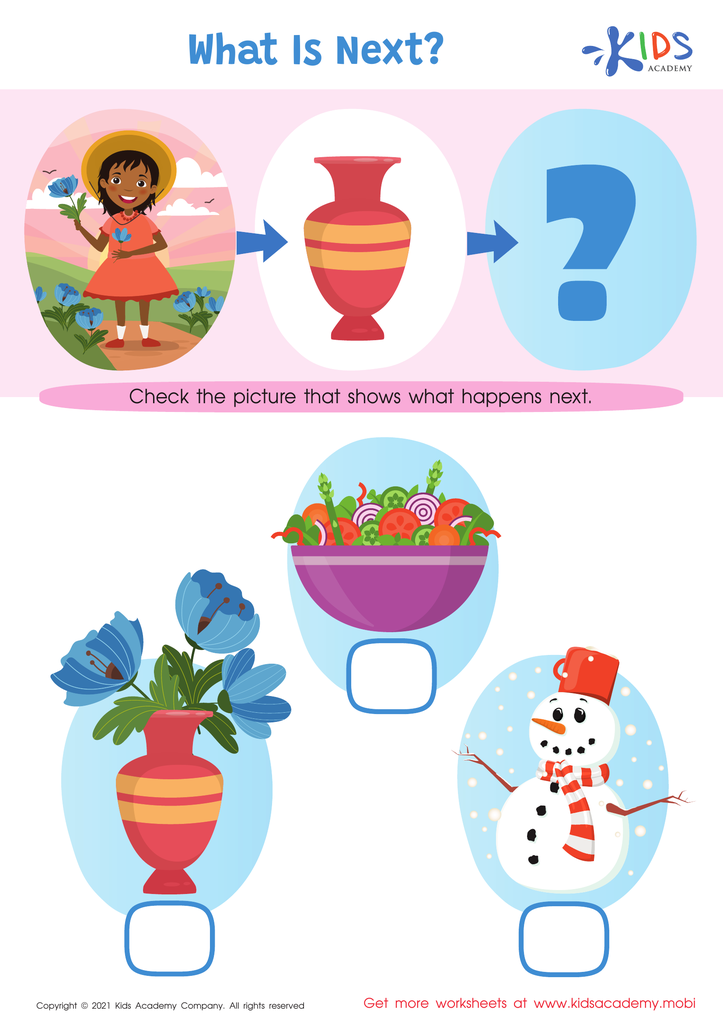
What is Next? Worksheet
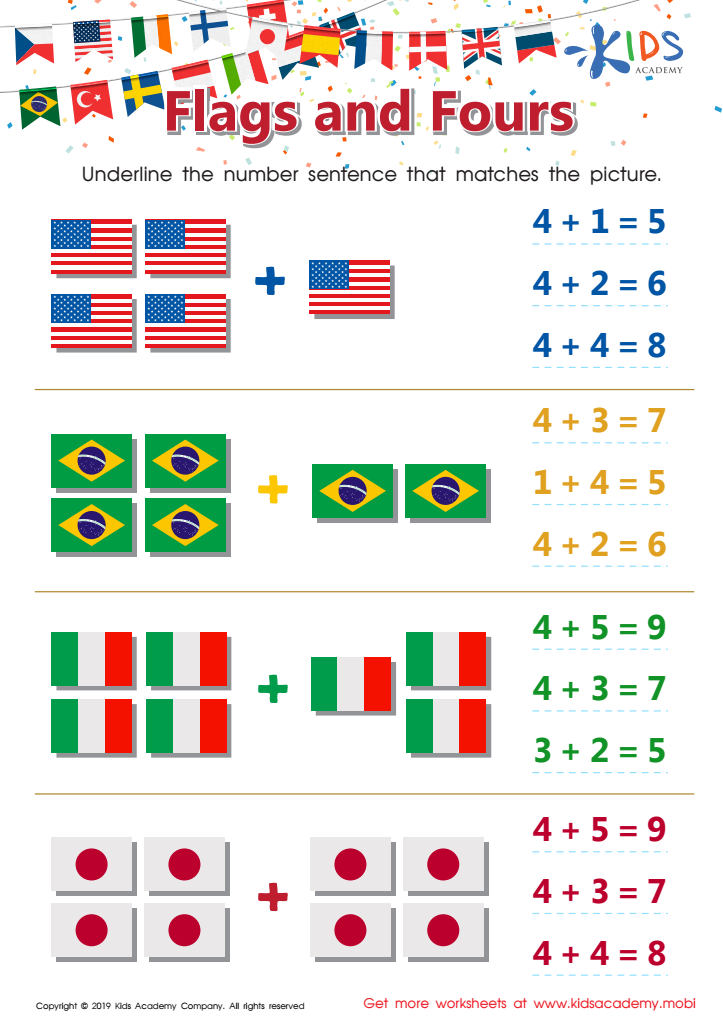
Flags and Fours Worksheet
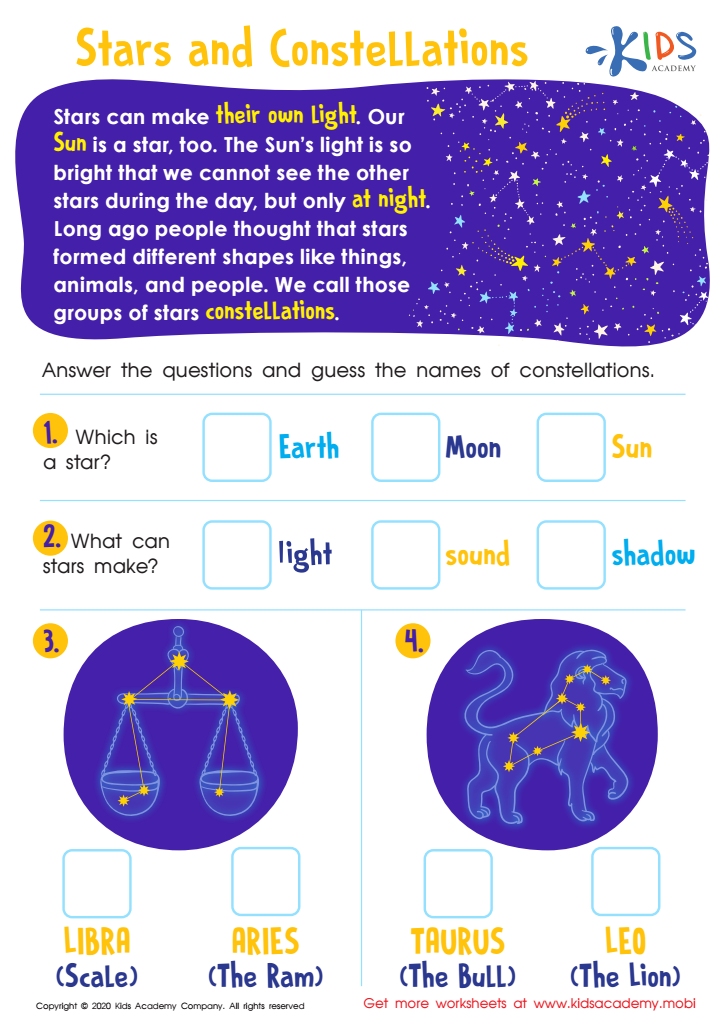
Stars and Constellations Worksheet
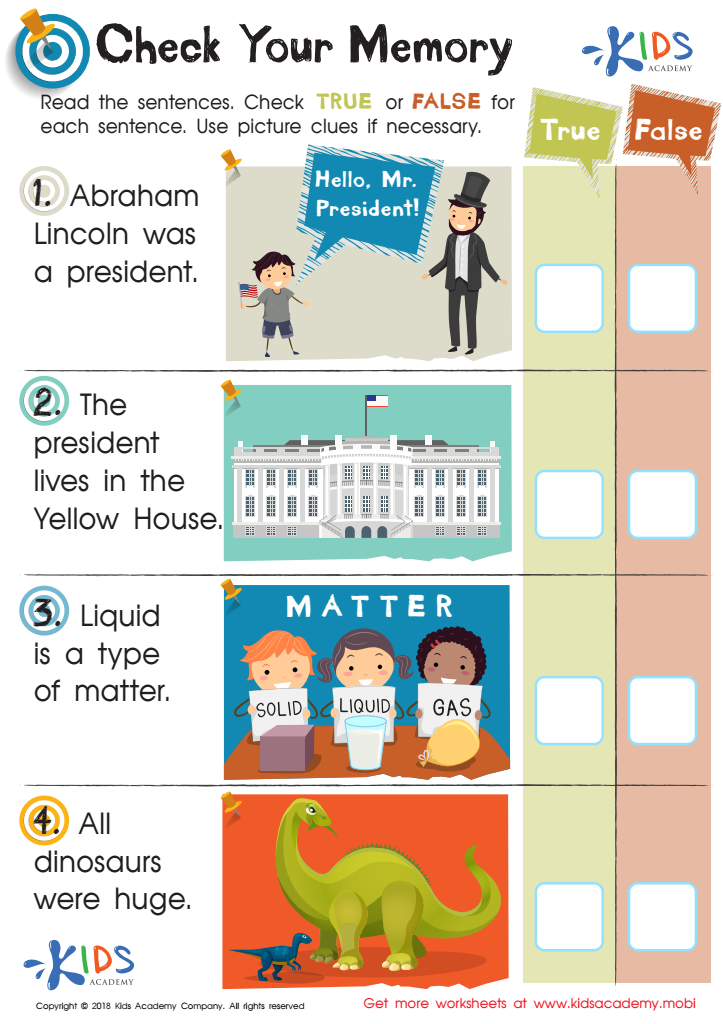
Check Memory Worksheet
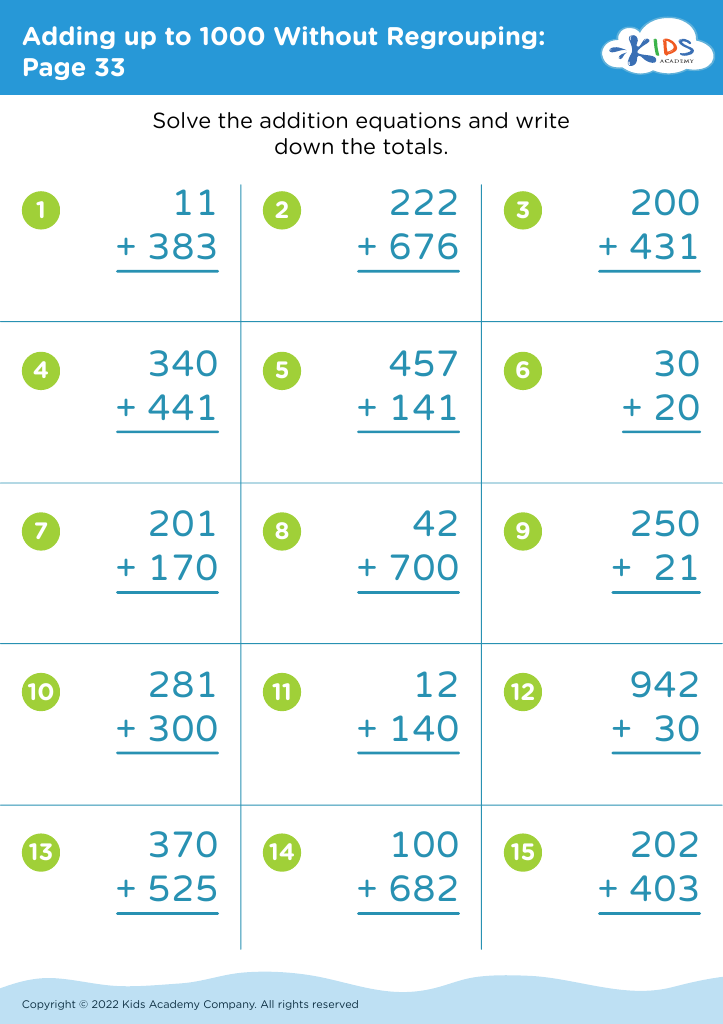




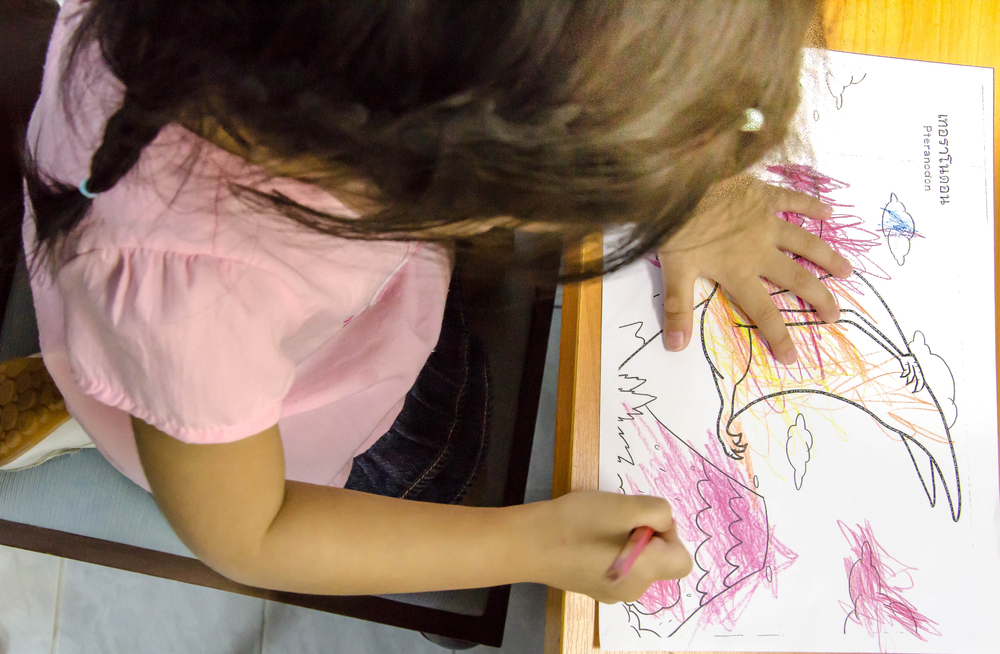


Pattern recognition is a vital cognitive skill that plays a foundational role in early childhood development, particularly for children aged 4-8. Parents and teachers should prioritize this skill because it lays the groundwork for crucial academic concepts in mathematics, literacy, and science. When children learn to identify, create, and extend patterns, they enhance their analytical thinking, problem-solving abilities, and logical reasoning.
Engaging in pattern recognition activities helps in developing memory and attention span as children learn to observe relationships and sequences in their environment. This activity promotes not only mathematical understanding—such as counting and sorting—but also encourages creative thinking through art and music. For instance, recognizing patterns in nature or through simple block play fosters curiosity and exploration.
Additionally, pattern recognition supports social-emotional growth as children work collaboratively on projects that necessitate discussions about observations and predictions. By emphasizing pattern-based learning, parents and teachers can offer engaging and playful approaches to complex concepts, ensuring that children develop a strong learning foundation.
Overall, nurturing pattern recognition empowers children to approach problem-solving with confidence and equips them with essential skills for lifelong learning.








