Problem-solving abilities Worksheets for Ages 4-8 - Page 2
65 filtered results
-
From - To
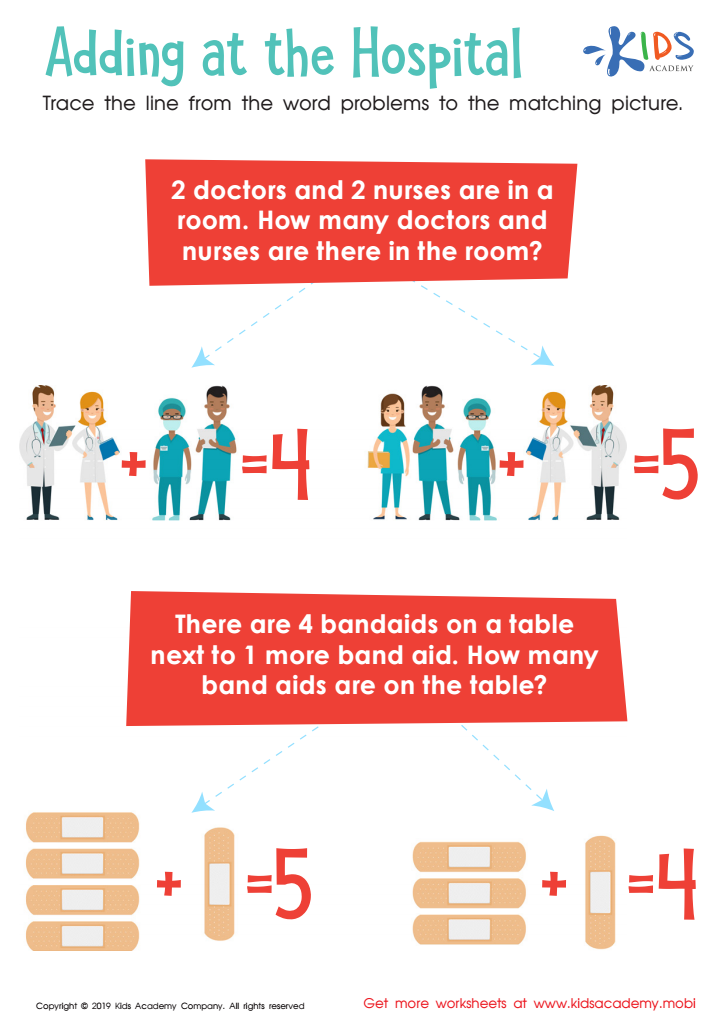
Adding at the Hospital Worksheet
 Assign to My Students
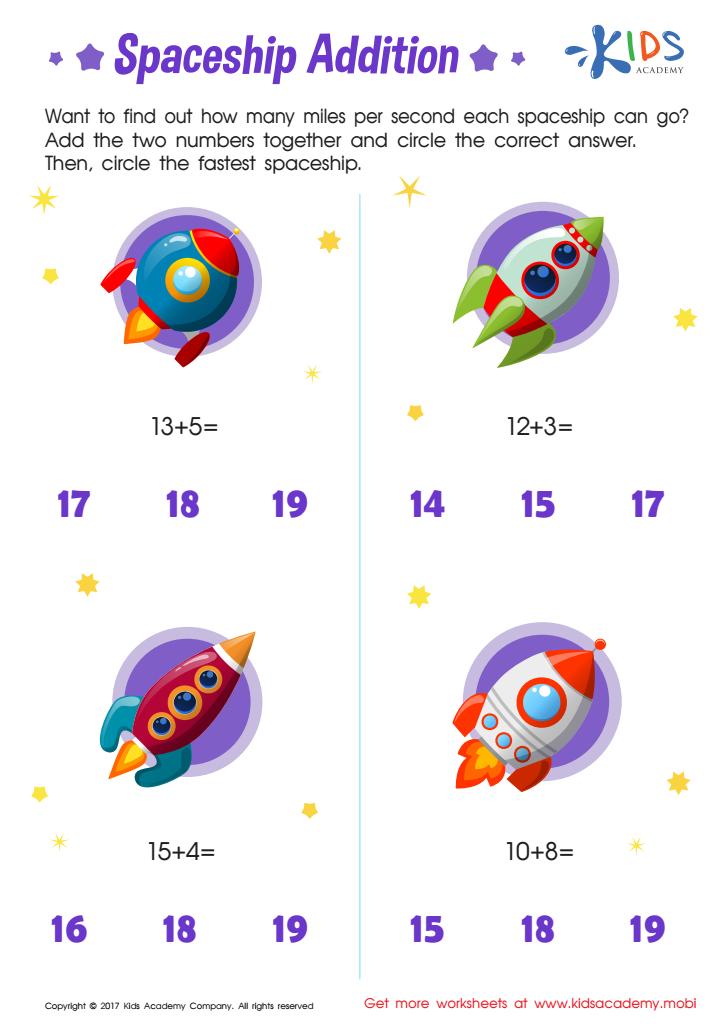
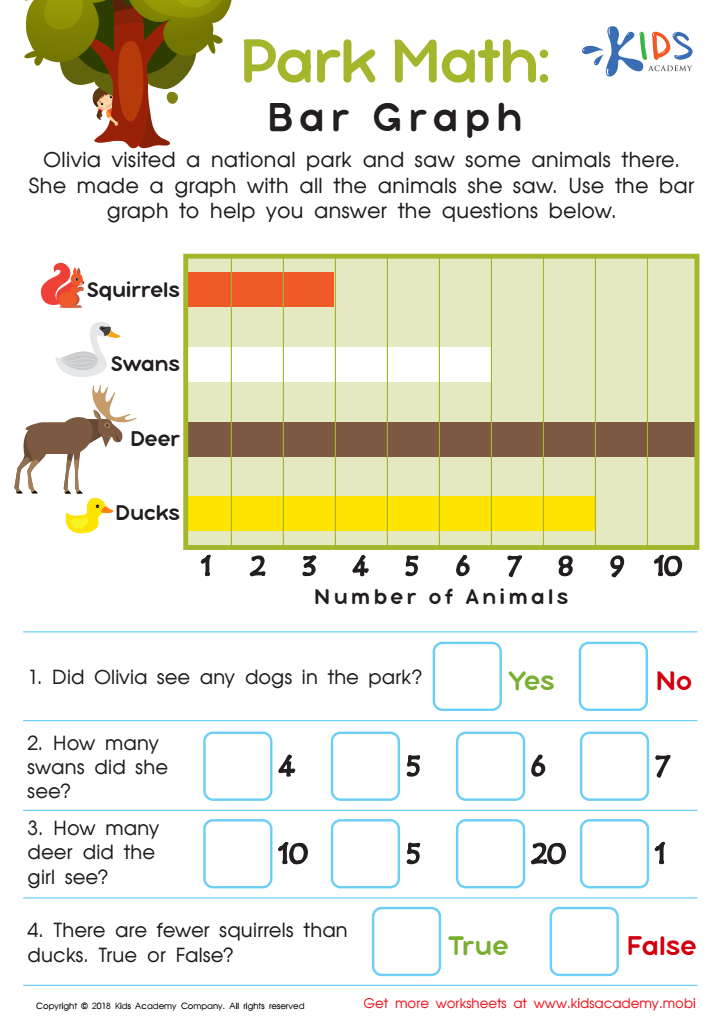
Park Math: Bar Graph Worksheet
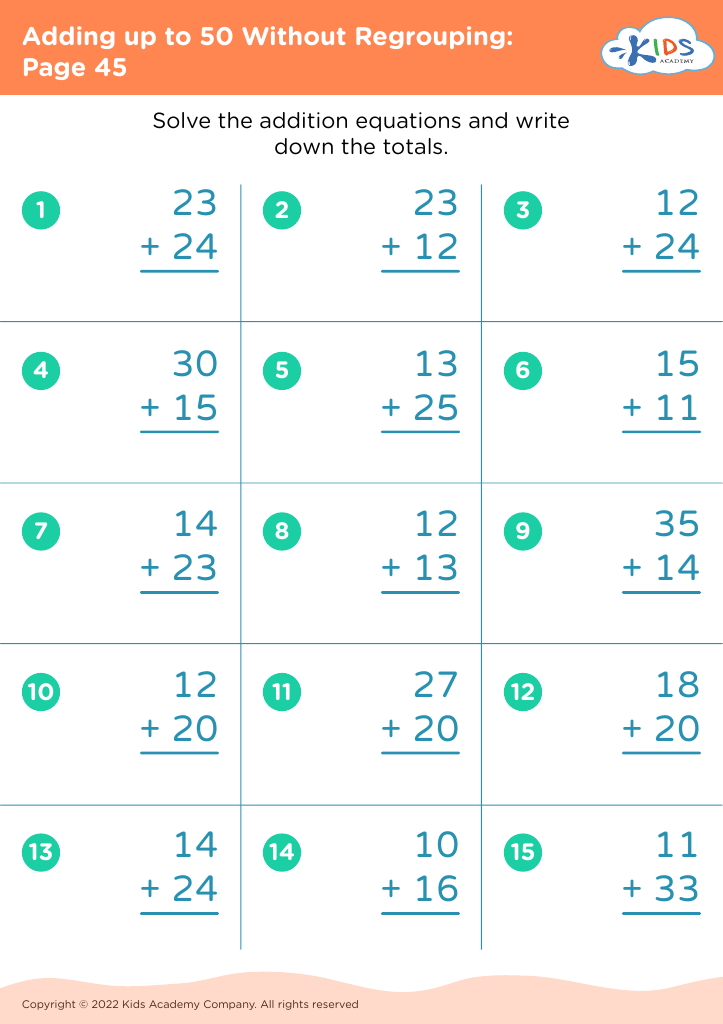
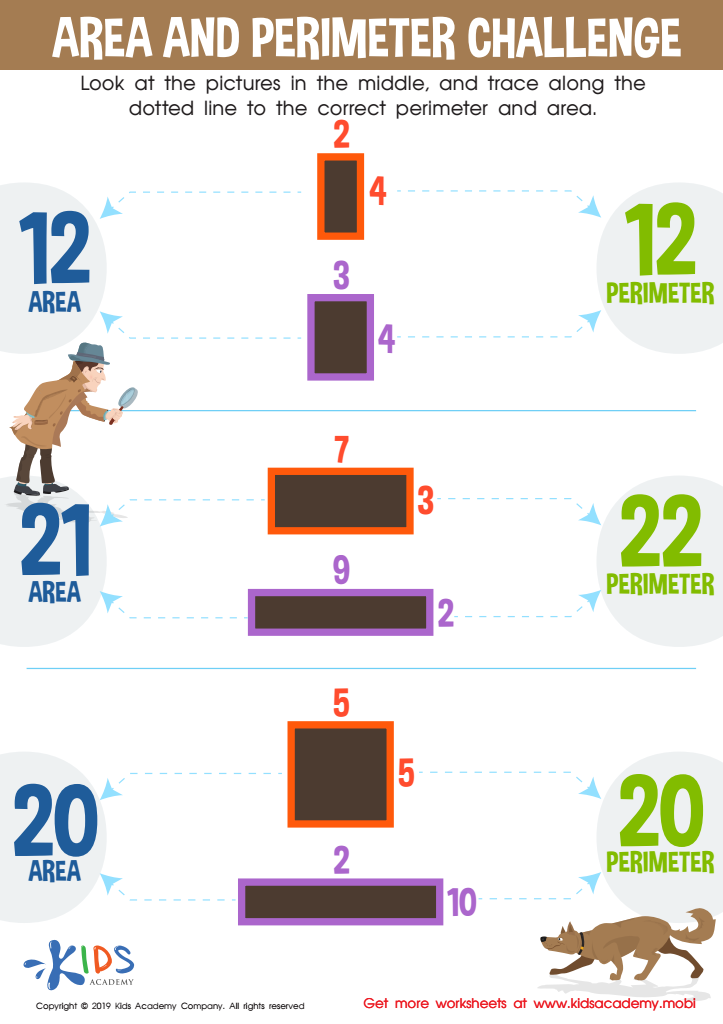
Area and Perimeter Challenge Worksheet
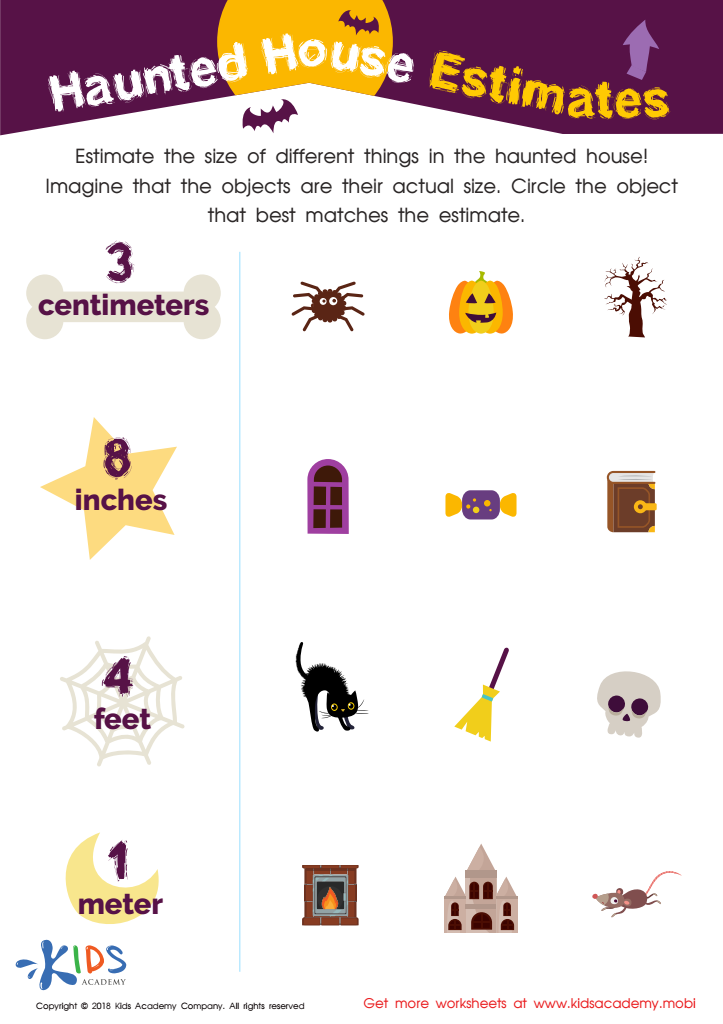
Haunted House Estimates Worksheet
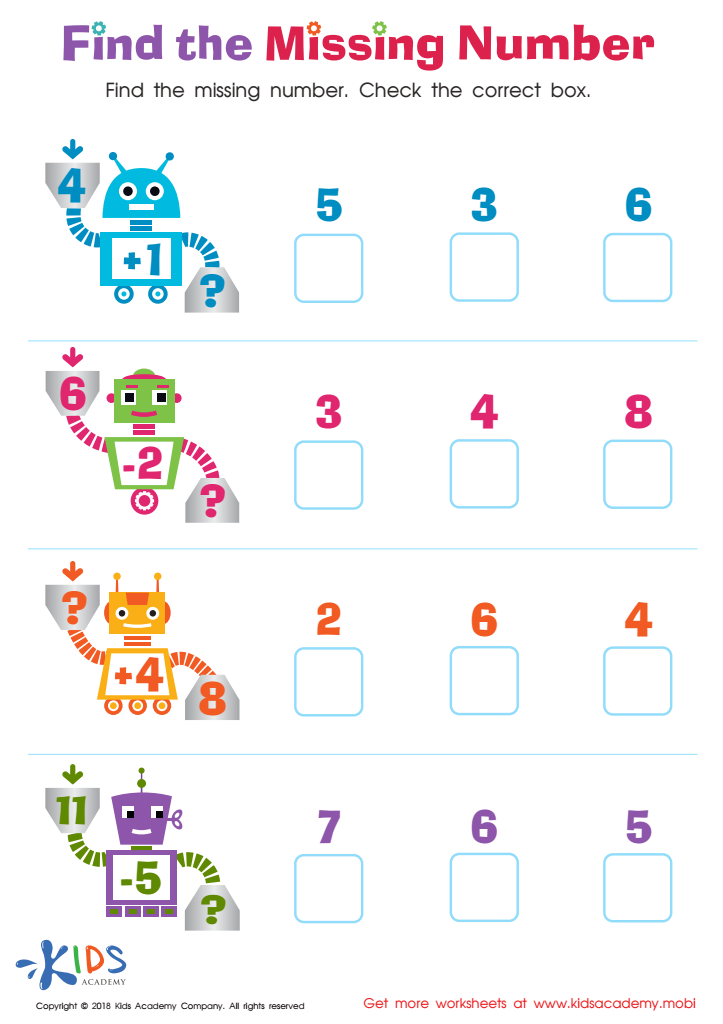
Find the Missing Number Worksheet
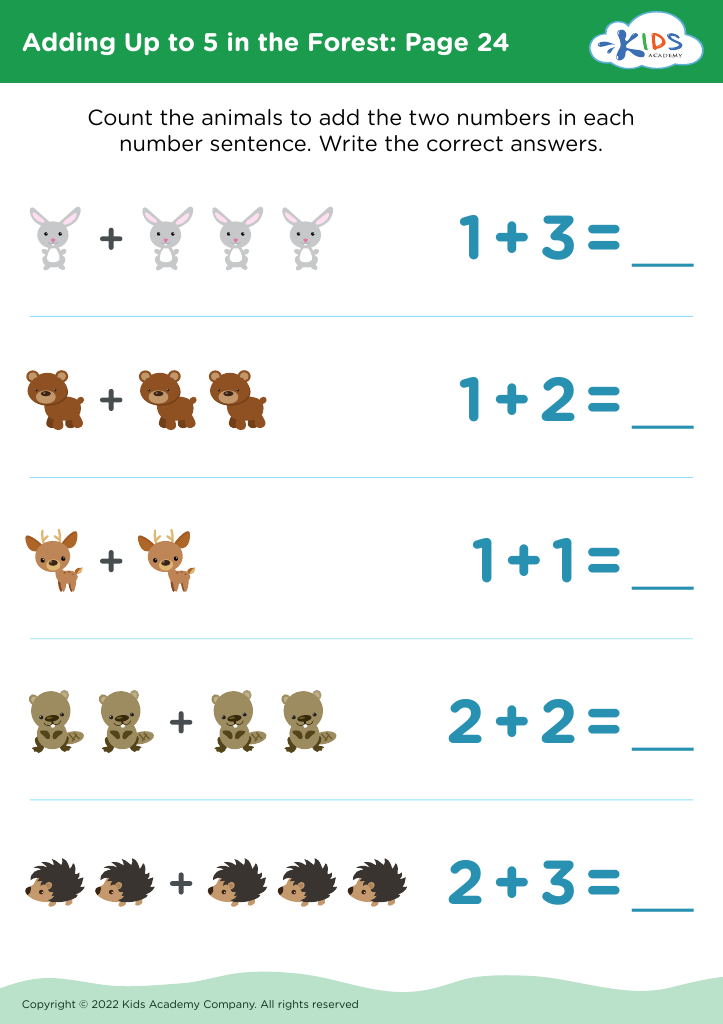
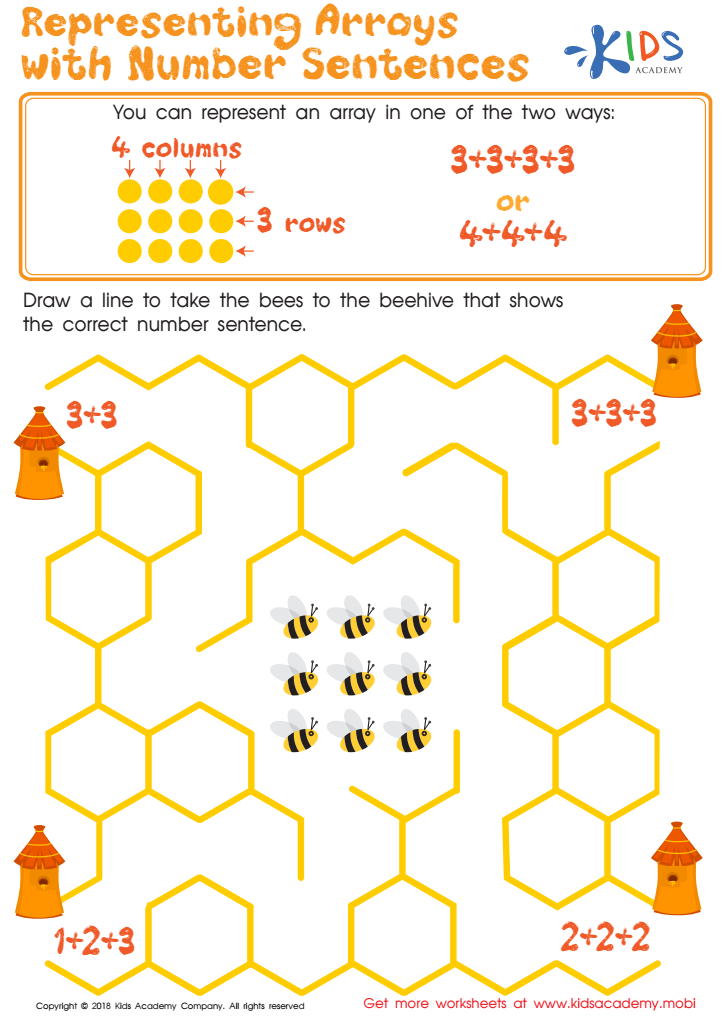
Representing Arrays with Number Sentences Worksheet
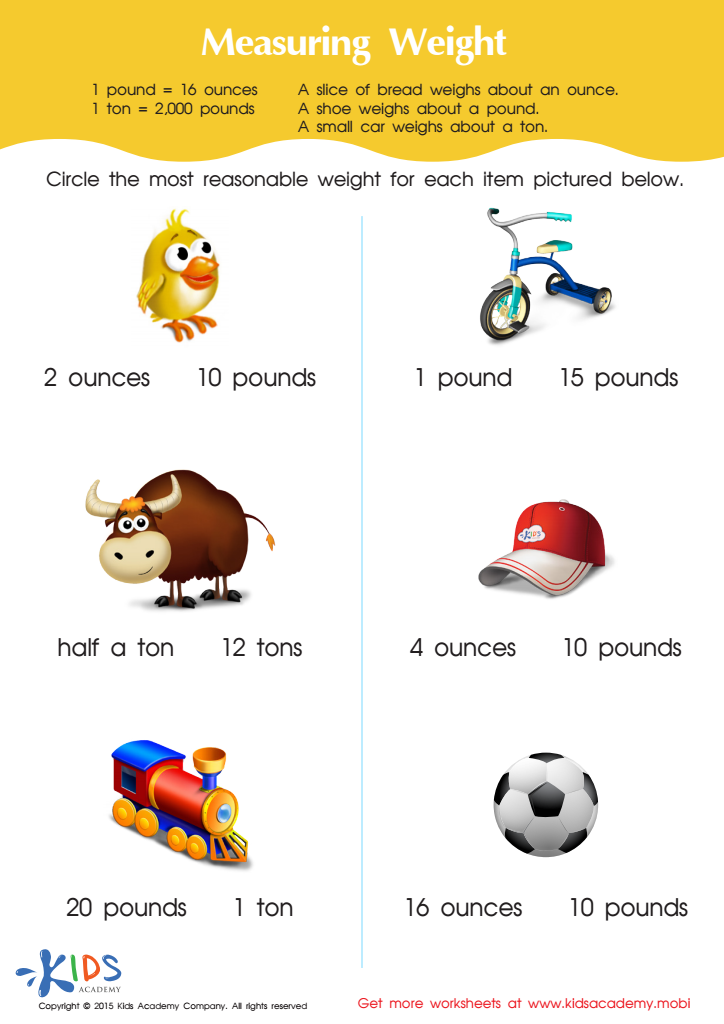
Measuring Weight in Ounces, Pounds and Tons (Part 2) Worksheet
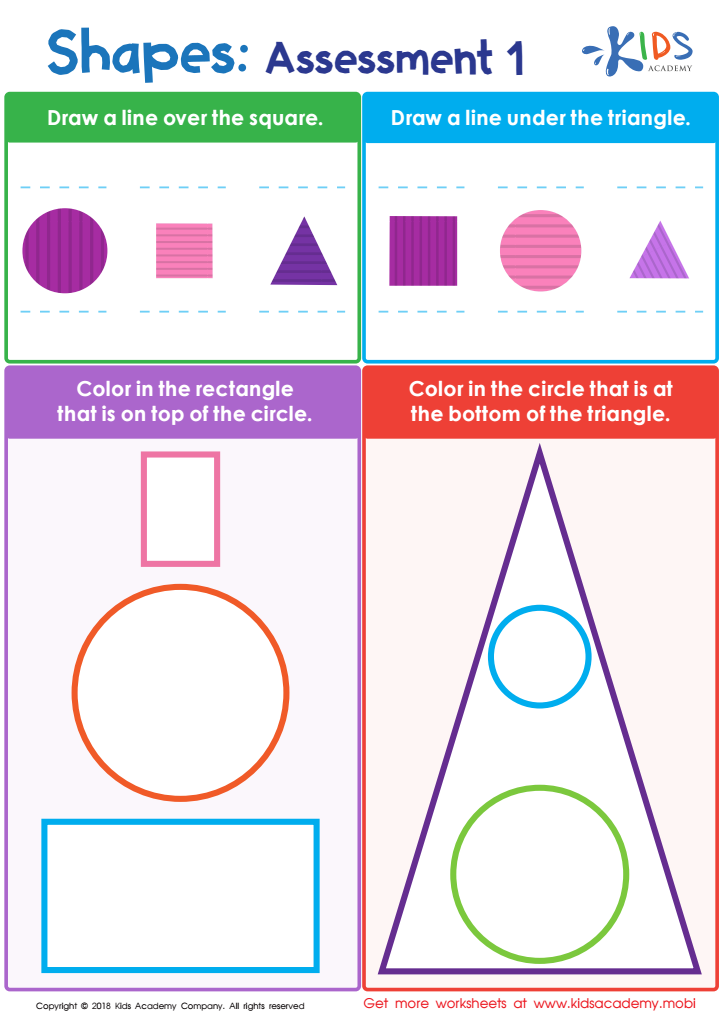
Shapes: Assessment 1 Worksheet
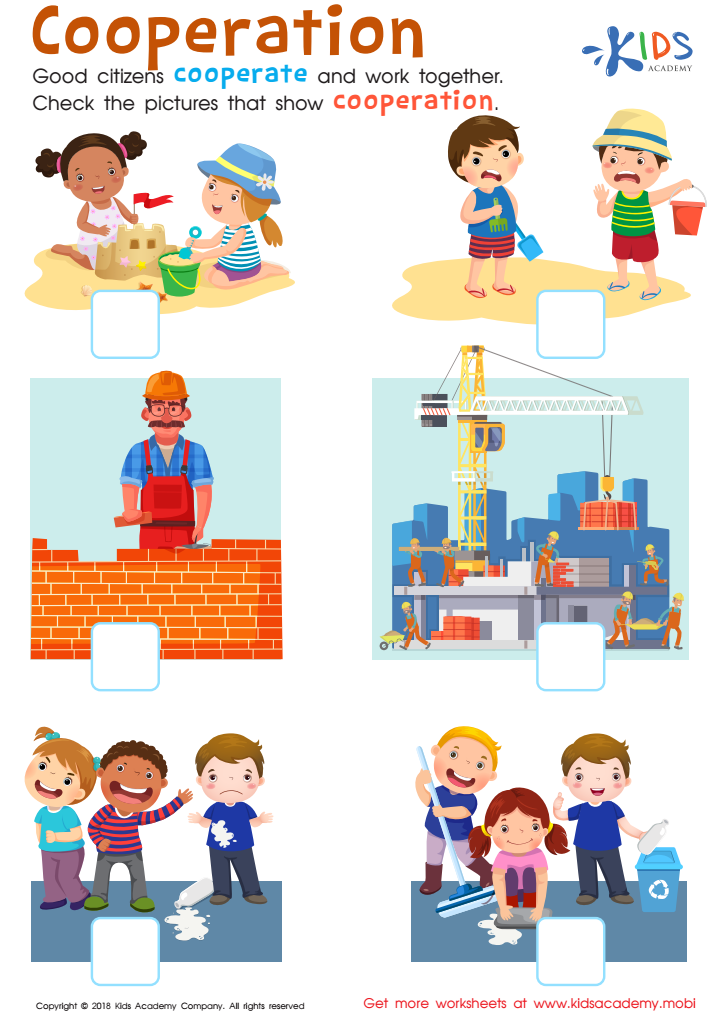
Cooperation Worksheet

Fourth of July Maze Printable
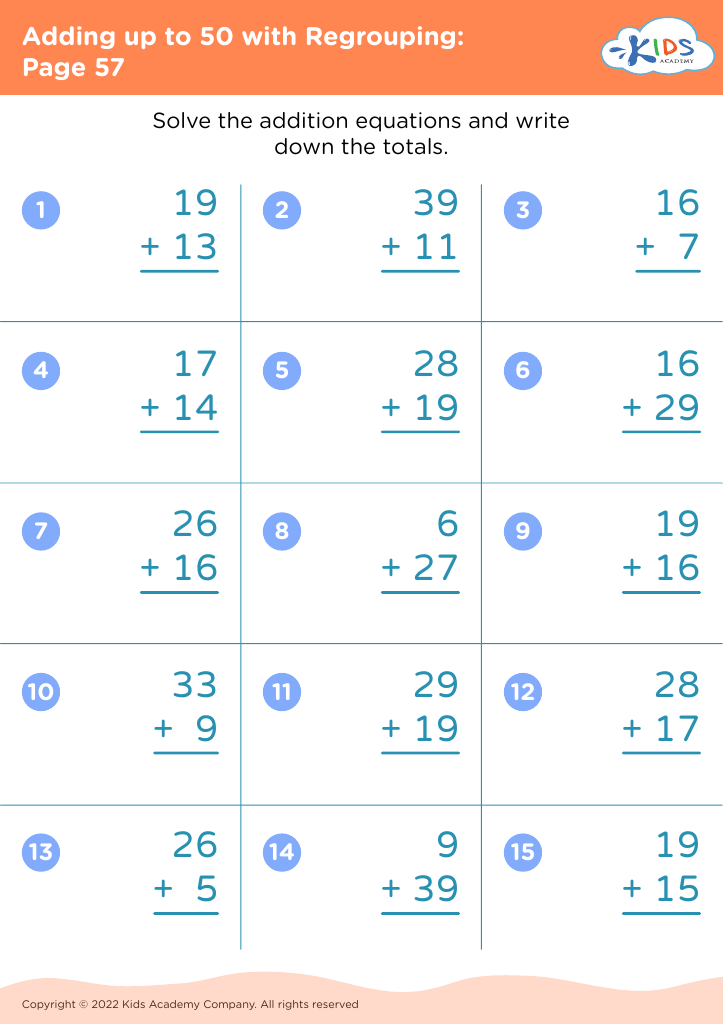
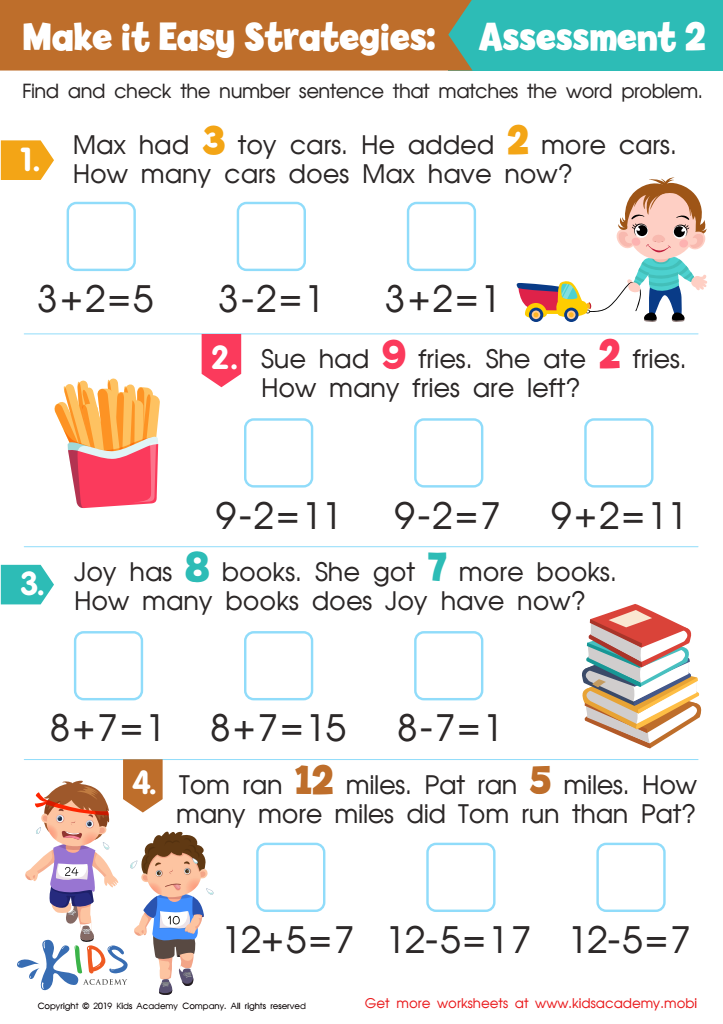
Make it Easy Strategies: Assessment 2 Worksheet
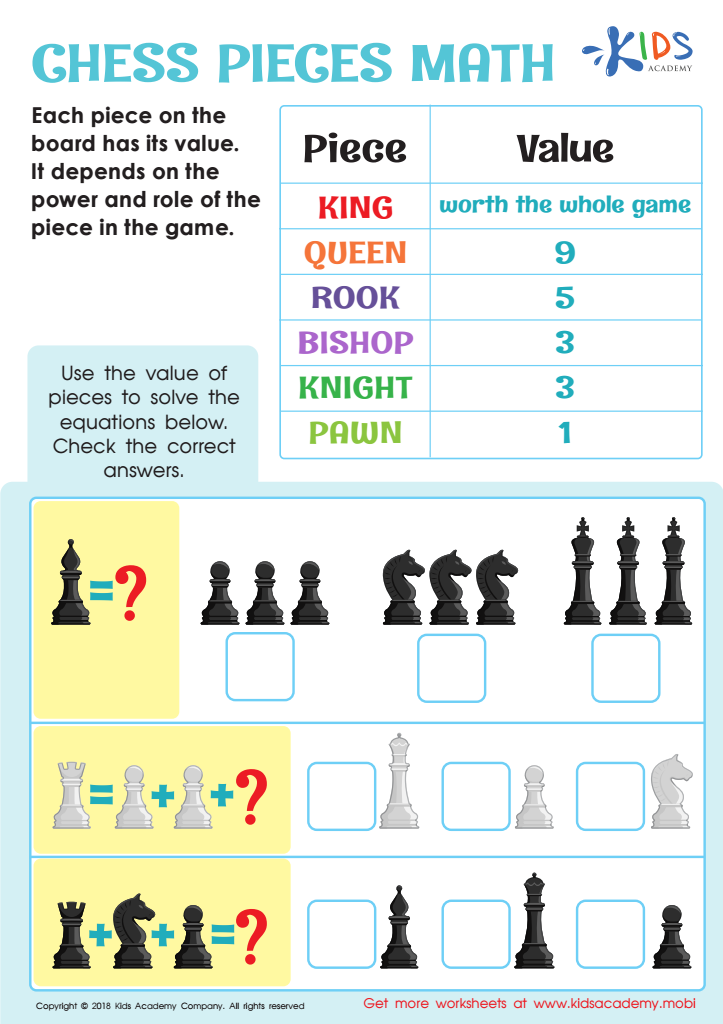
Chess Pieces Math Worksheet
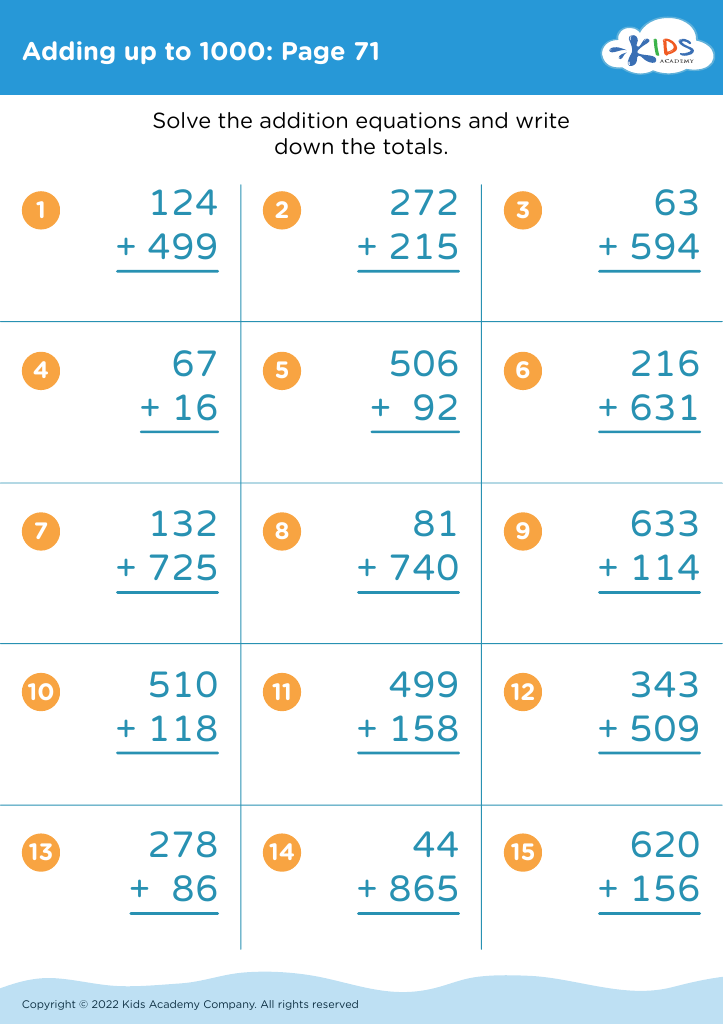
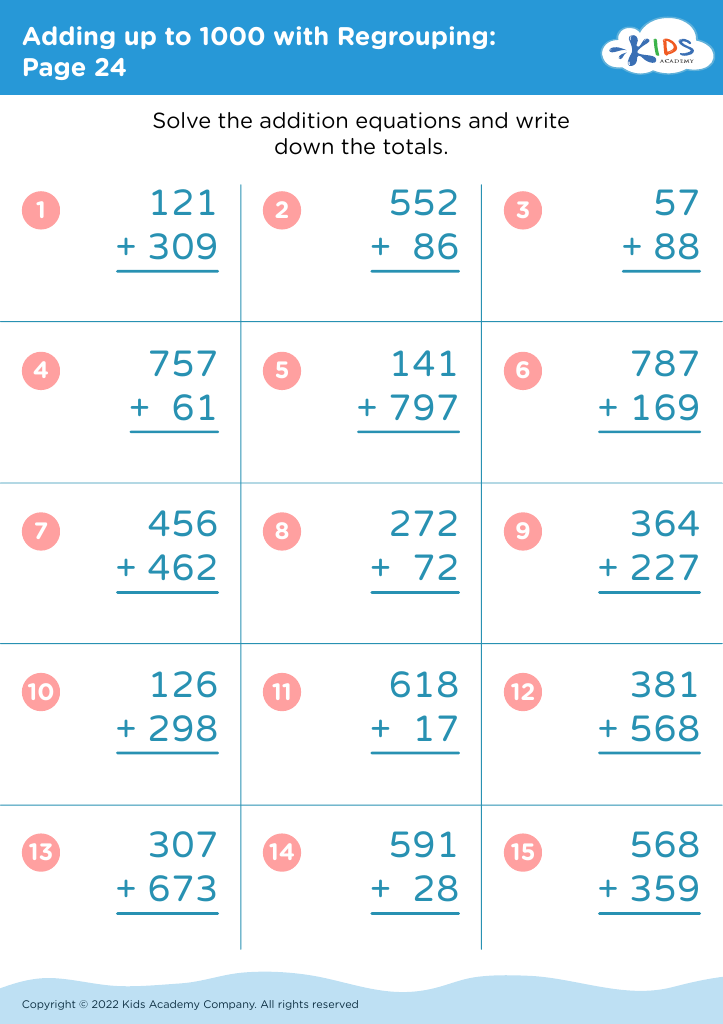
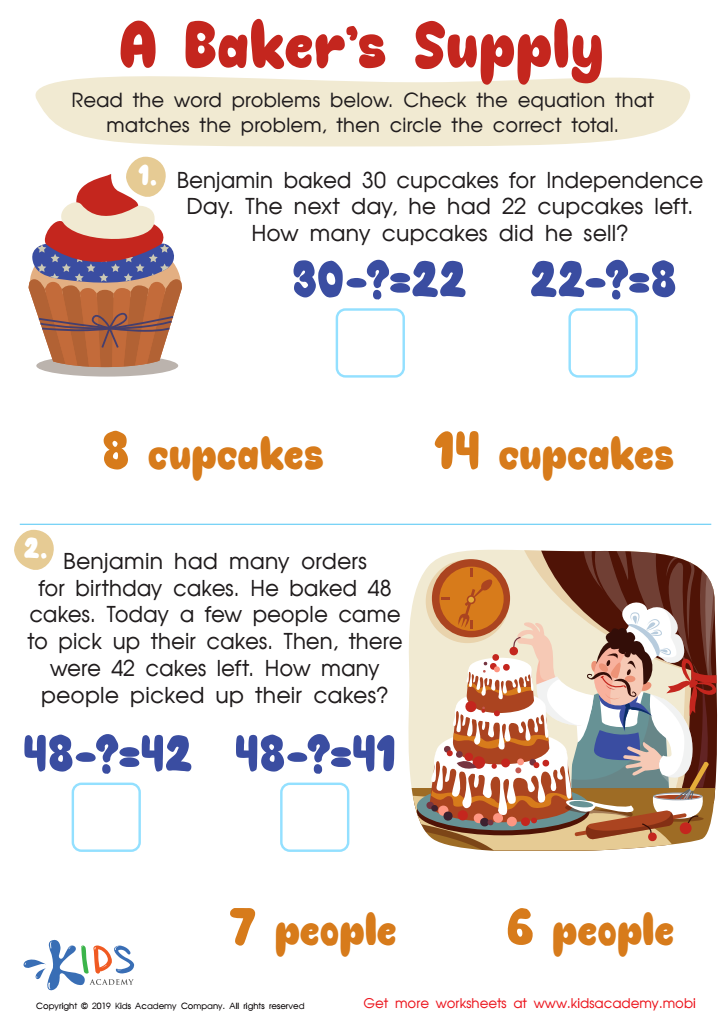
A Baker's Supply Worksheet
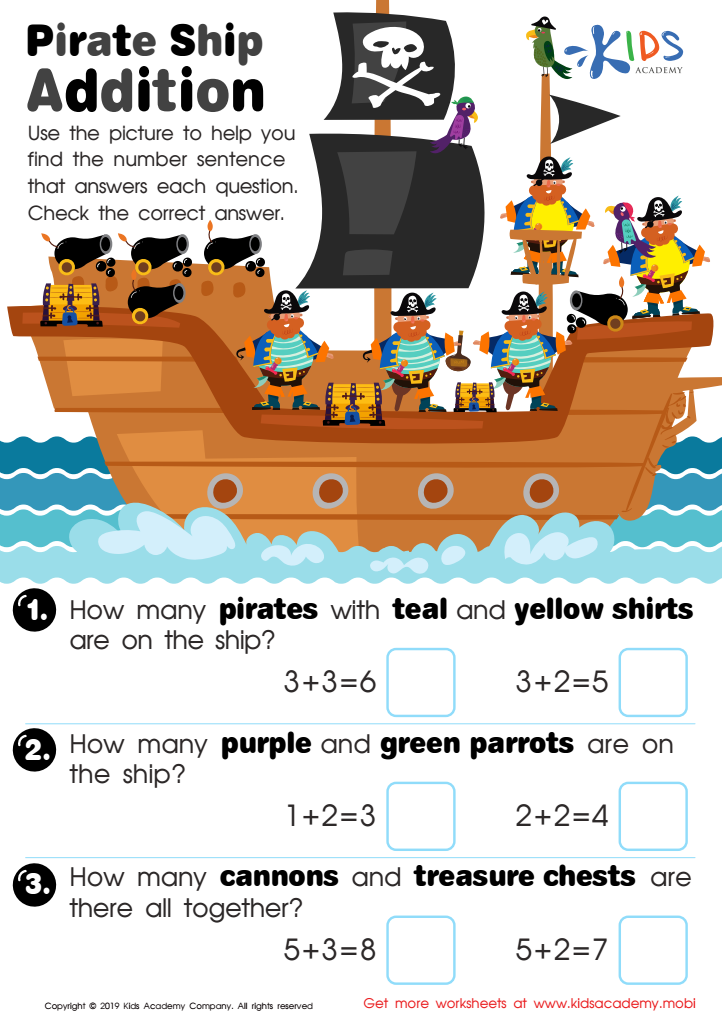
Pirate Ship Addition Worksheet
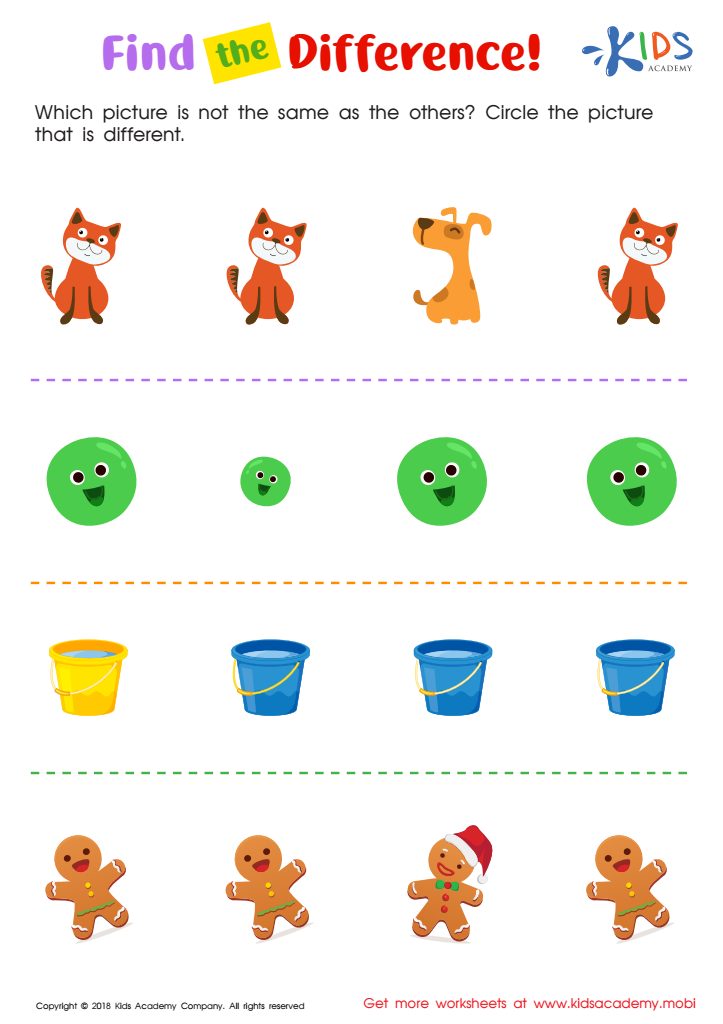
Find the Difference Worksheet



.jpg)




Problem-solving abilities are crucial for children aged 4-8 as they form the foundation for critical thinking and intellectual development. At this formative stage, children learn to analyze situations, identify challenges, and find solutions, which are essential skills for academic success and daily life. When parents and teachers nurture these abilities, they help children build confidence and resilience, making them better equipped to face future difficulties.
Enhanced problem-solving skills foster creativity, enabling children to think outside the box and explore diverse approaches to tasks. This creativity is vital for cognitive growth and helps children succeed in various subjects, from mathematics to language arts. Additionally, solving problems collaboratively with peers improves their social skills, teaching them to communicate, share ideas, and respect different perspectives.
Developing problem-solving skills also enhances decision-making—a key life skill. Children learn to weigh options and consequences, promoting responsible and independent behavior as they grow. By showing patience and encouragement, parents and teachers can create a supportive environment where children feel safe to experiment and learn from mistakes.
In summary, cultivating problem-solving abilities in young children not only boosts their intellectual development but also prepares them for real-world challenges, nurturing well-rounded, confident, and adaptable individuals.








