Recognizing shapes Worksheets for Ages 4-8 - Page 2
50 filtered results
-
From - To
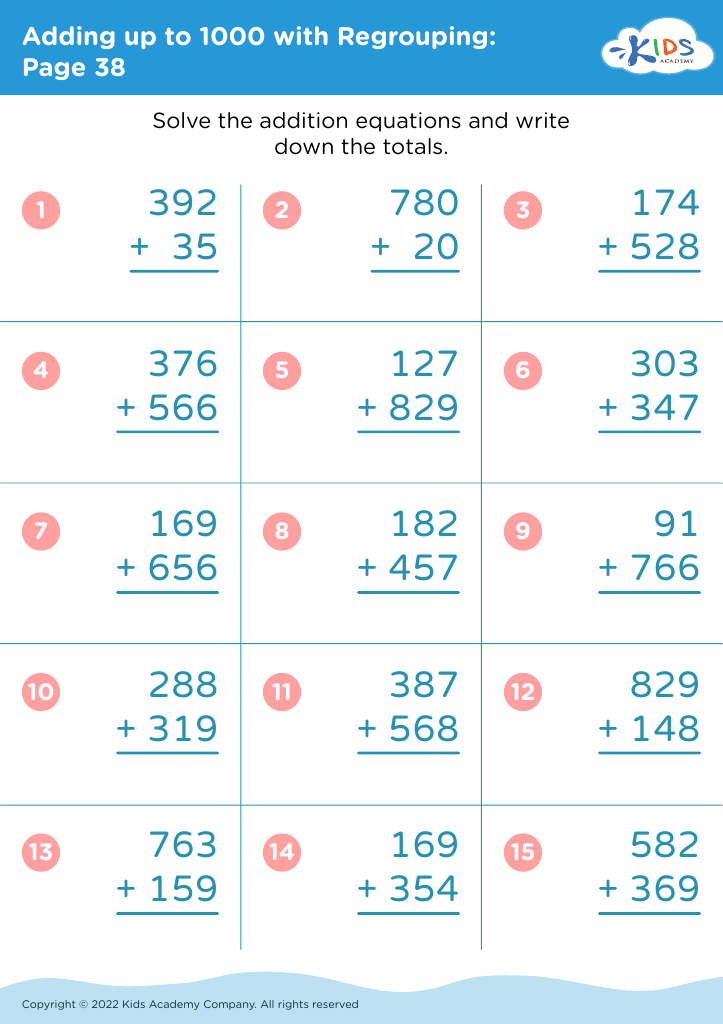
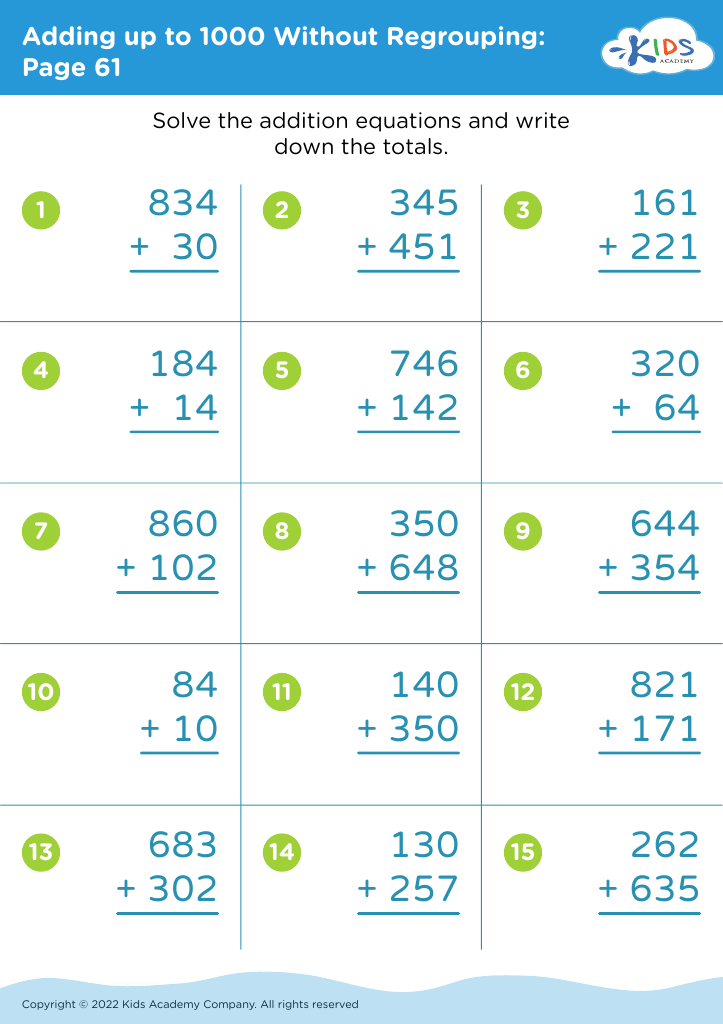
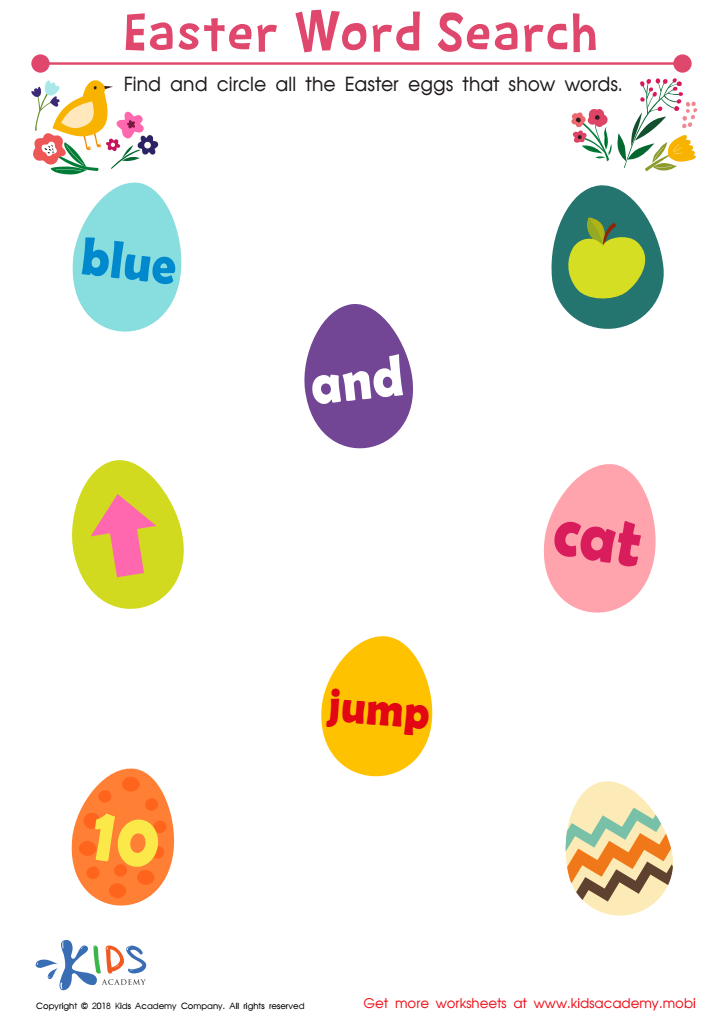
Easter Word Search Worksheet
 Assign to My Students
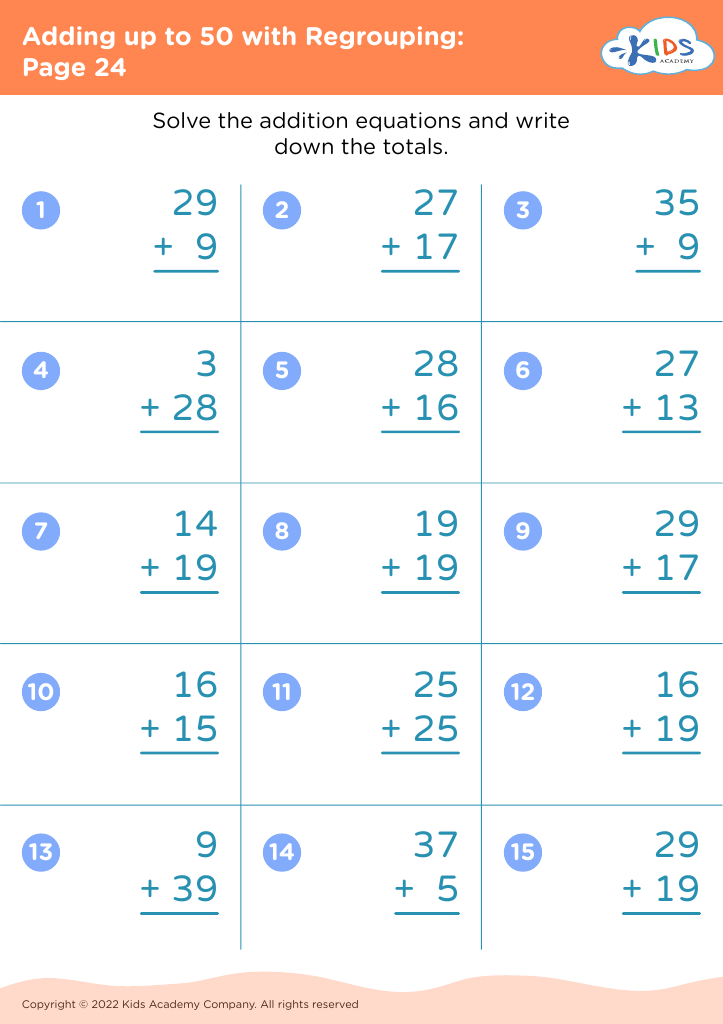
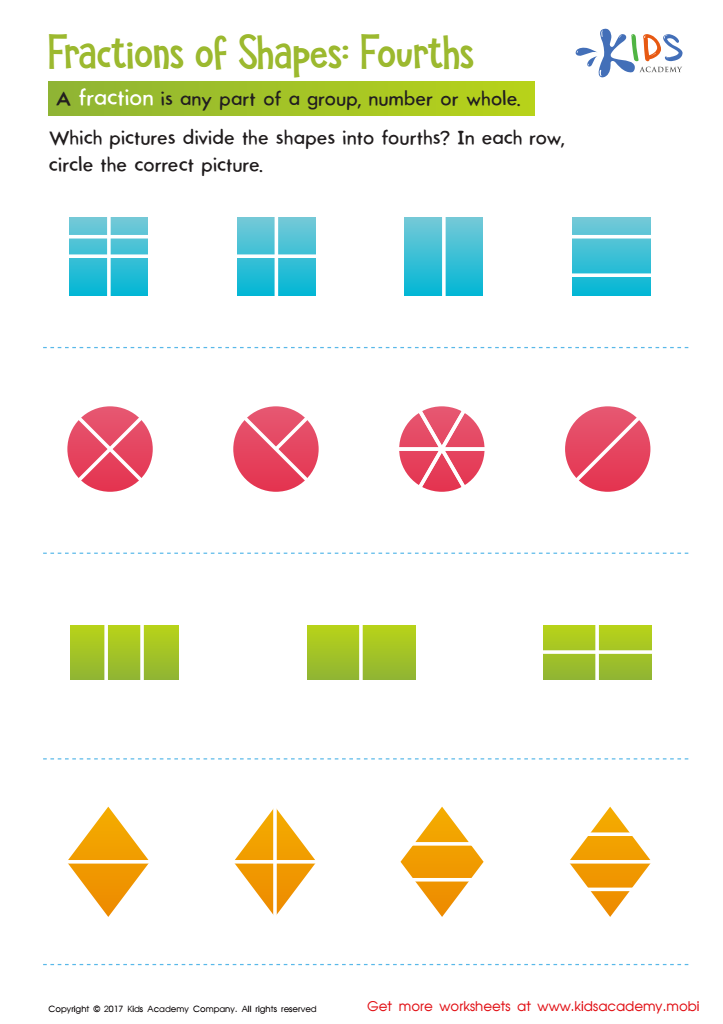
Fractions of Shapes Worksheet
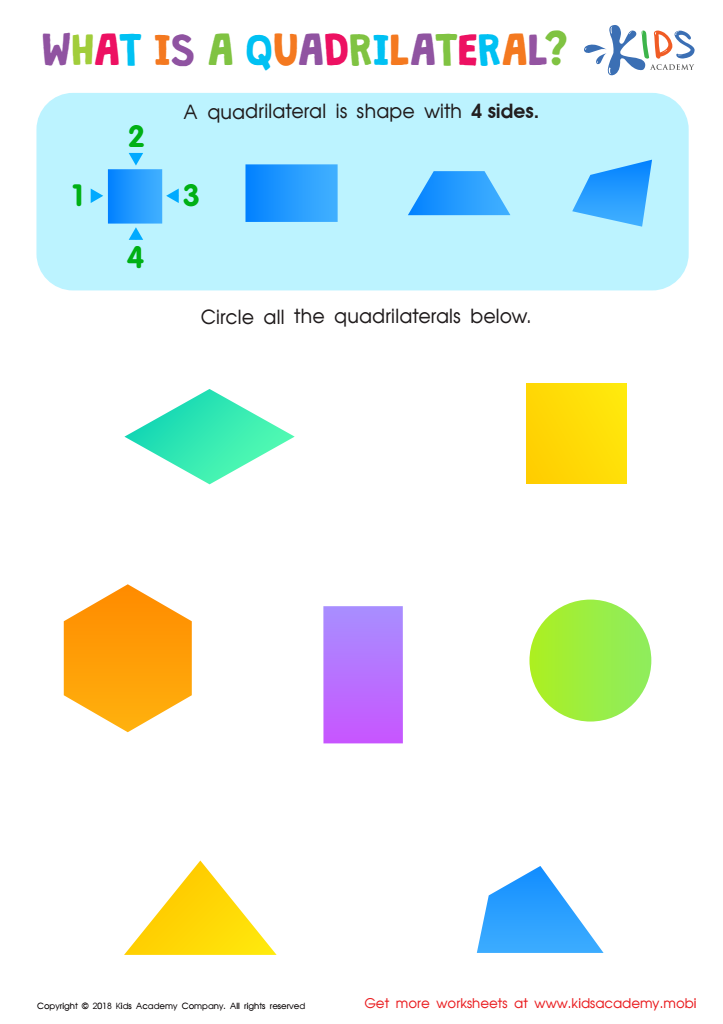
What Is a Quadrilateral? Worksheet






Recognizing shapes is a fundamental skill for children aged 4 to 8, significantly influencing their cognitive development and early mathematics understanding. For parents and teachers, fostering shape recognition is crucial for several reasons. Firstly, shapes are the building blocks of geometry, a vital component of mathematics education. Early shape recognition lays the groundwork for problem-solving skills, as children learn to categorize and analyze objects based on their attributes.
Moreover, understanding shapes enriches a child's spatial awareness, helping them navigate the world confidently and interact with their environment effectively. This skill is not only essential for academic success but also vital for everyday tasks, including art and design, constructive play with blocks, or even organizing objects.
Additionally, recognizing shapes enhances language development as children learn to describe and compare shapes, expanding their vocabulary and communication skills. Integrating shape recognition into playful activities promotes engagement and enjoyment, making learning a natural and fun process. Therefore, parents and teachers should prioritize shape recognition to equip children with the necessary tools for future academic challenges and everyday life, nurturing well-rounded, confident learners equipped to analyze and understand their surroundings.








