Spatial reasoning Worksheets for Ages 4-8
12 filtered results
-
From - To
Explore our engaging Spatial Reasoning Worksheets designed specifically for children ages 4-8! These fun and interactive worksheets enhance critical thinking skills, helping young learners understand shapes, patterns, and spatial relationships. Our carefully crafted activities encourage creativity and problem-solving, making learning enjoyable and effective. Perfect for use at home or in the classroom, these worksheets support early development through visual and hands-on challenges. Foster your child's confidence and cognitive abilities as they navigate through puzzles, mazes, and matching exercises. Download and print your favorites today to ignite a passion for learning in your little ones while building essential spatial reasoning skills!
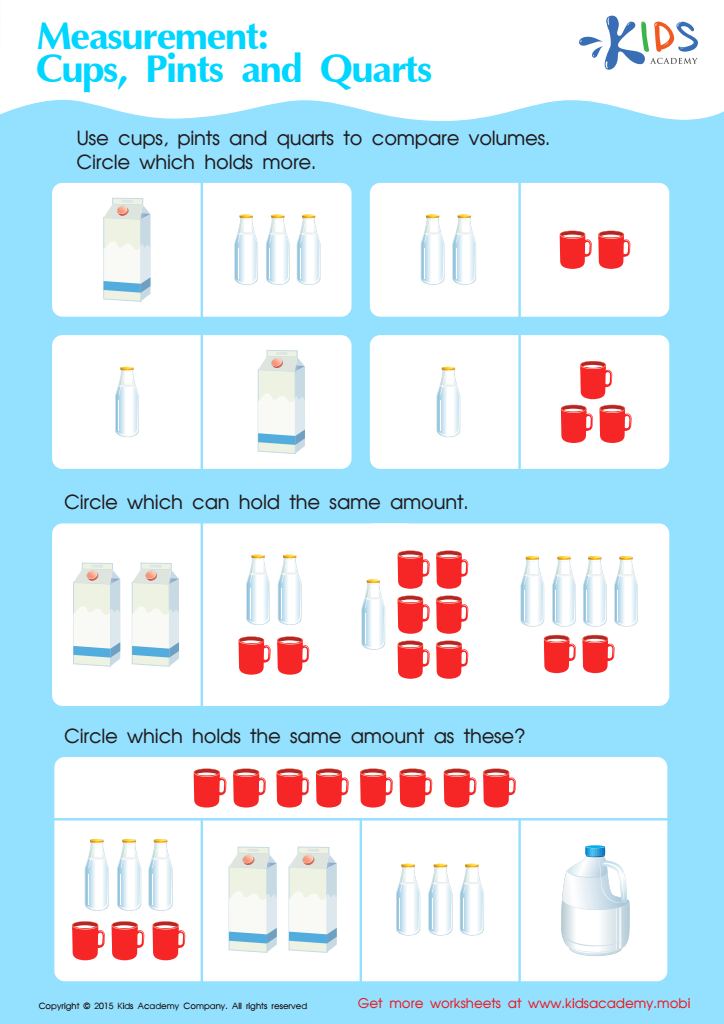
Measurement: Compare Volumes Worksheet
 Assign to My Students
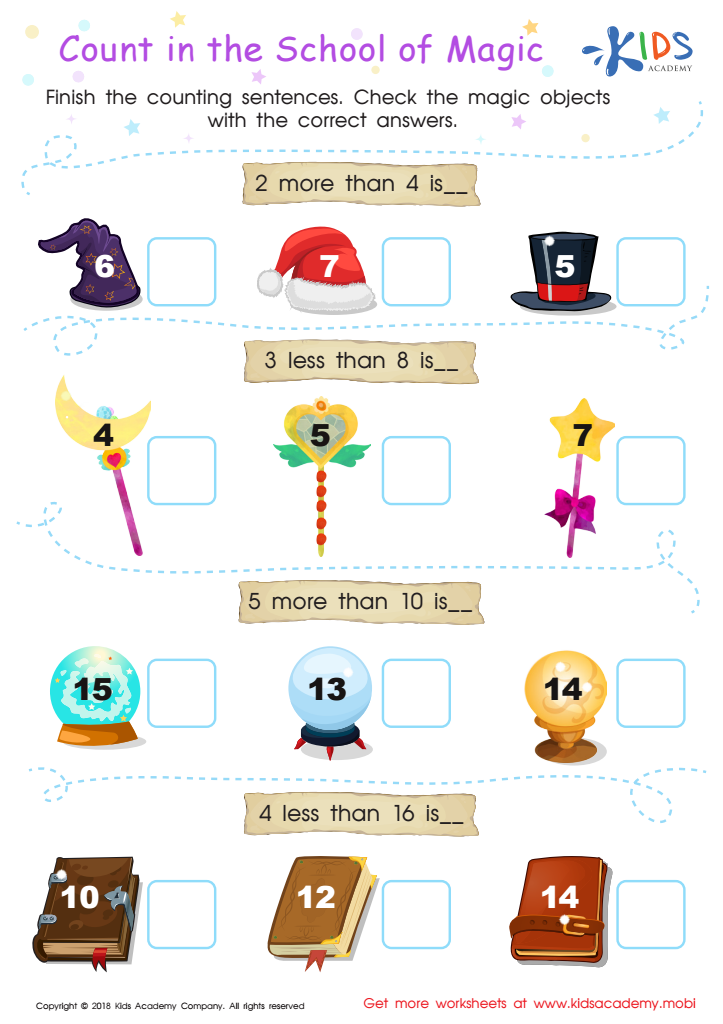
Count in the School of Magic Worksheet
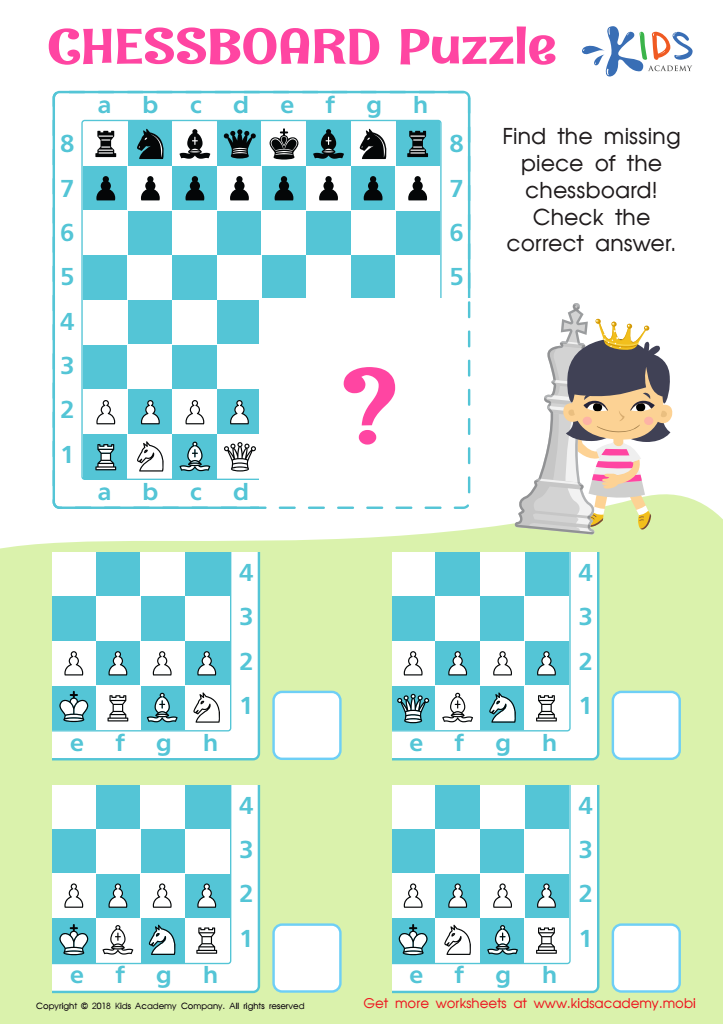
Chessboard Puzzle Worksheet
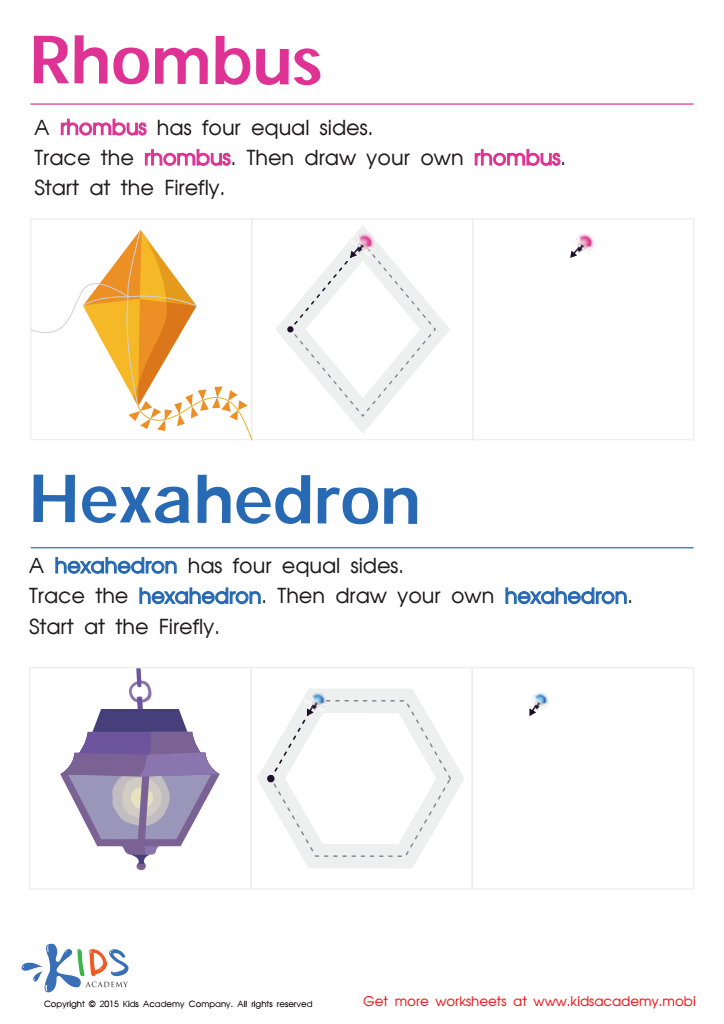
Draw a Rhombus And a Hexahedron Printable
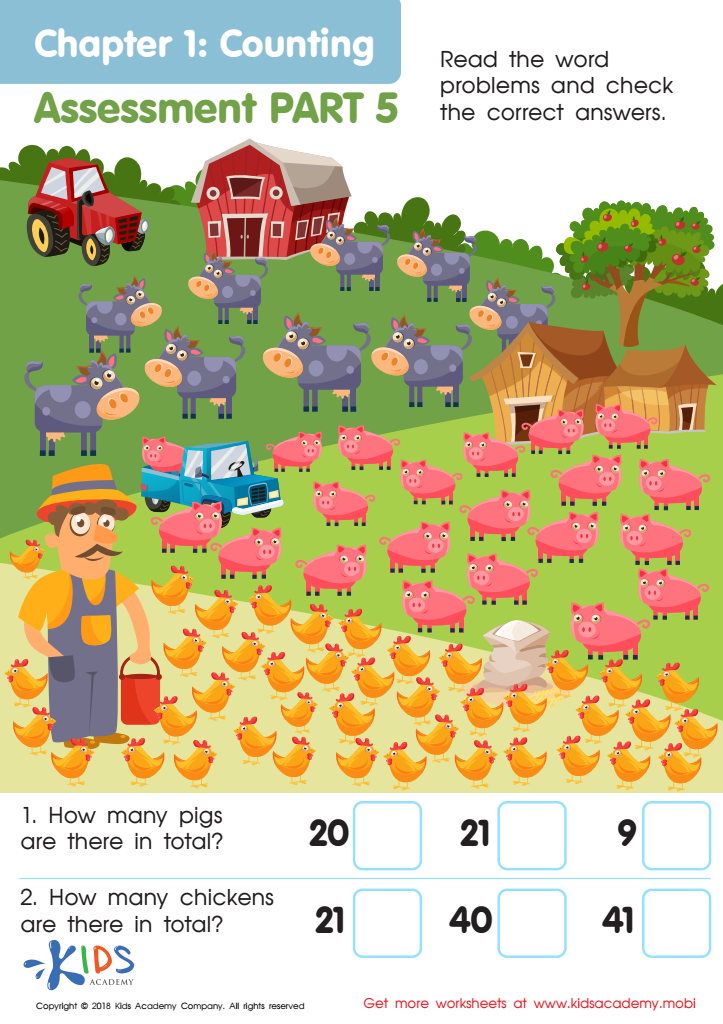
Counting: Assessment 5 Worksheet
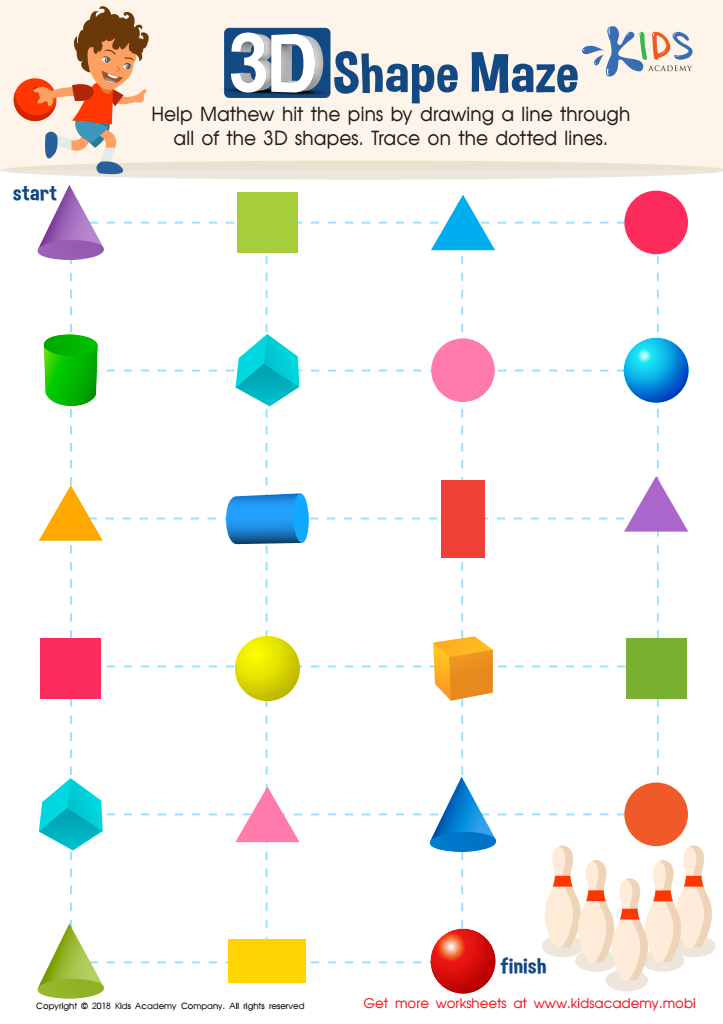
Shapes Maze Geometry Worksheet
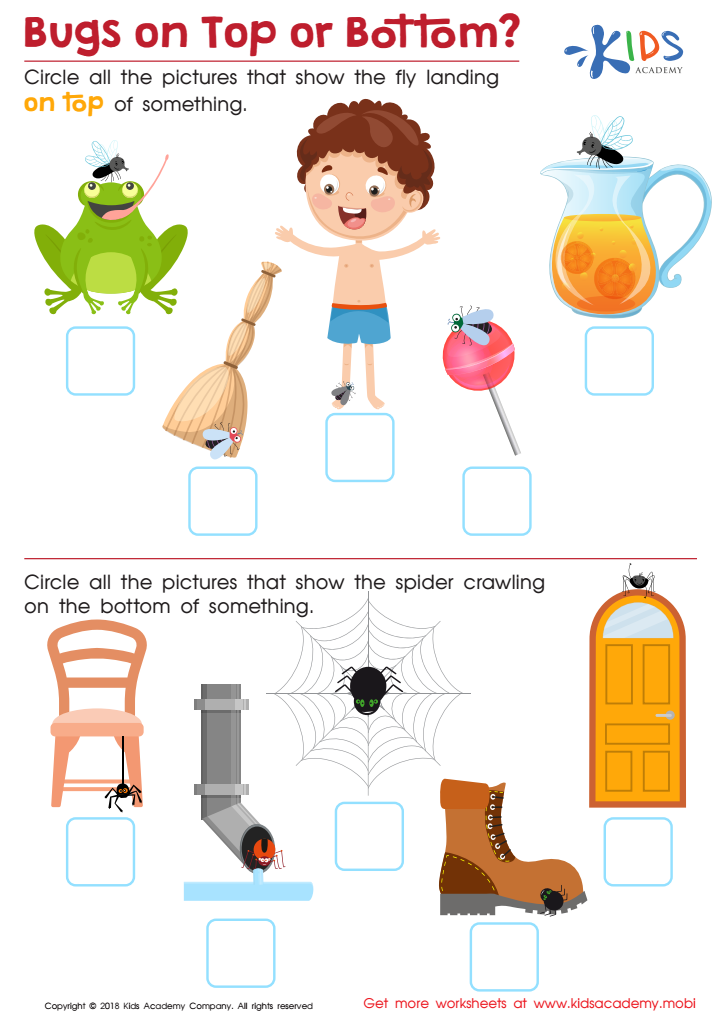
Bugs on Top or Bottom? Worksheet
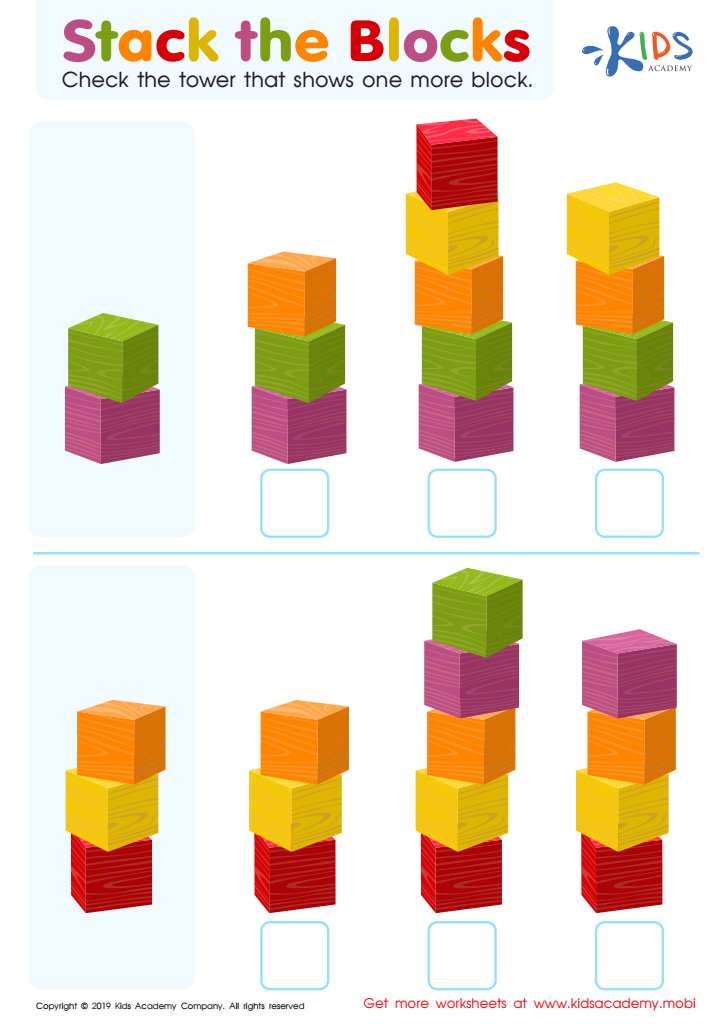
Stack the Blocks Worksheet
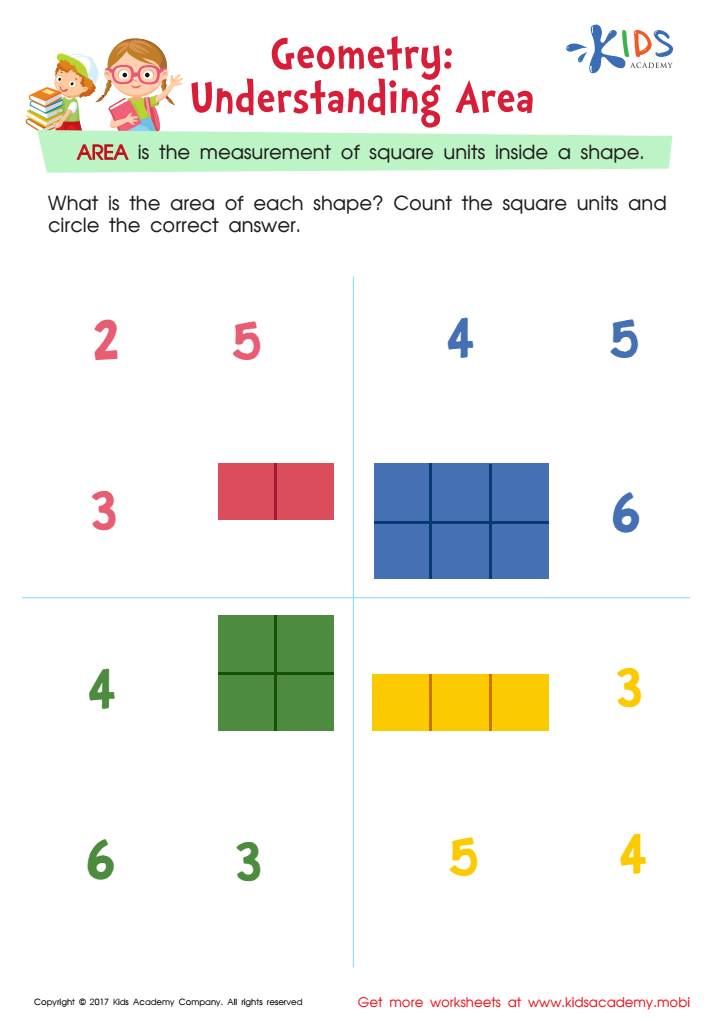
Understanding Area Worksheet
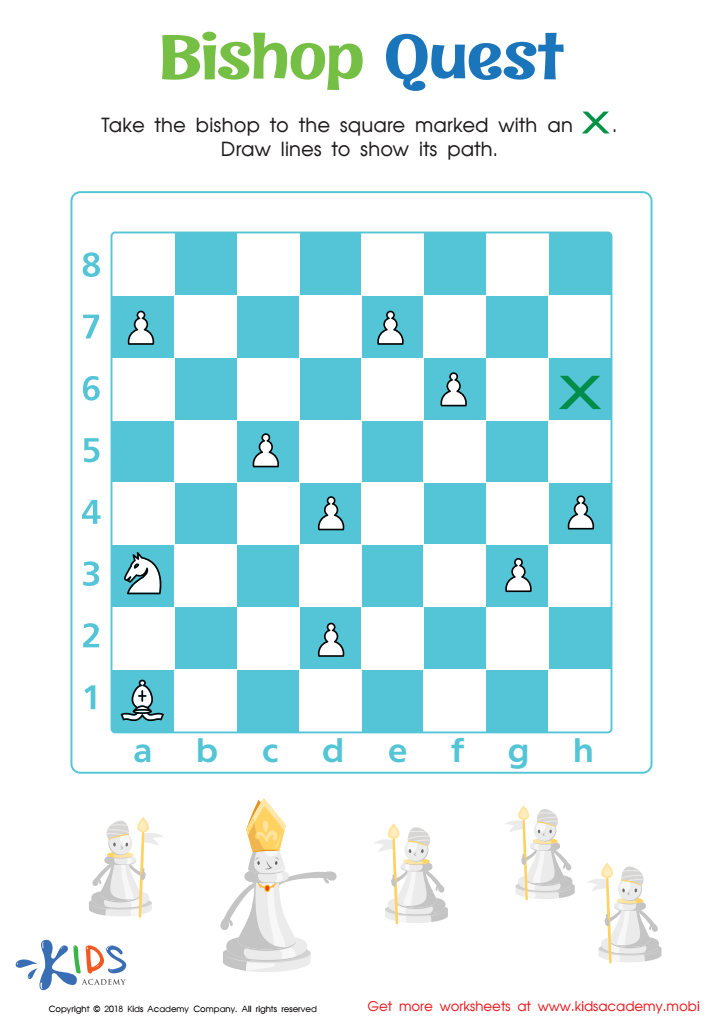
Bishop Quest Worksheet
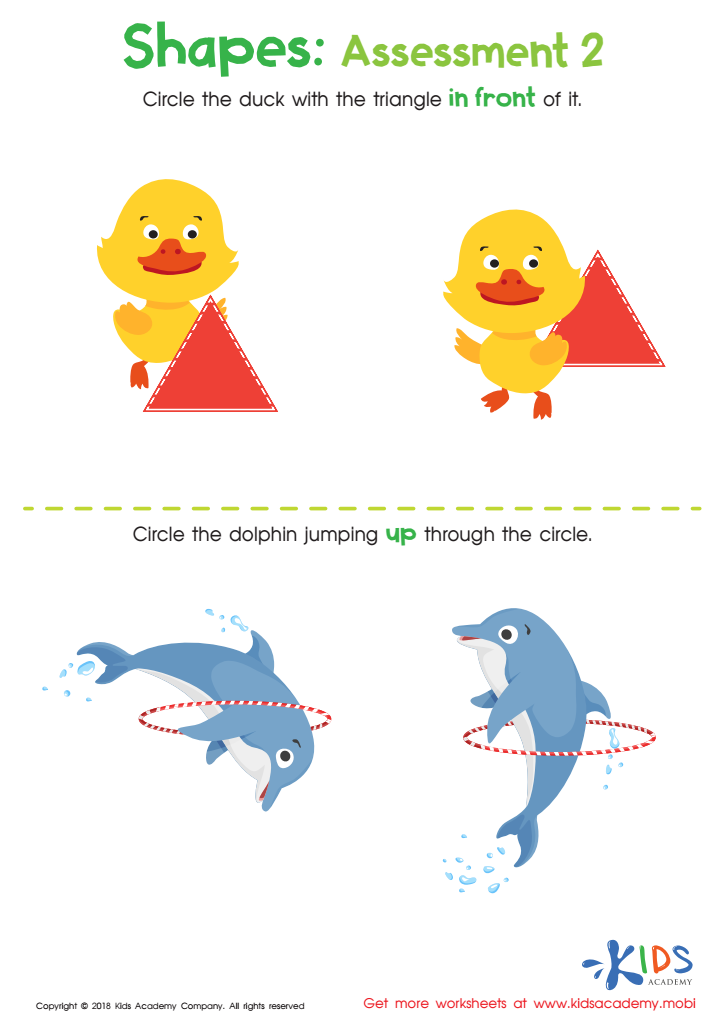
Geometry – Assessment 2 Worksheet
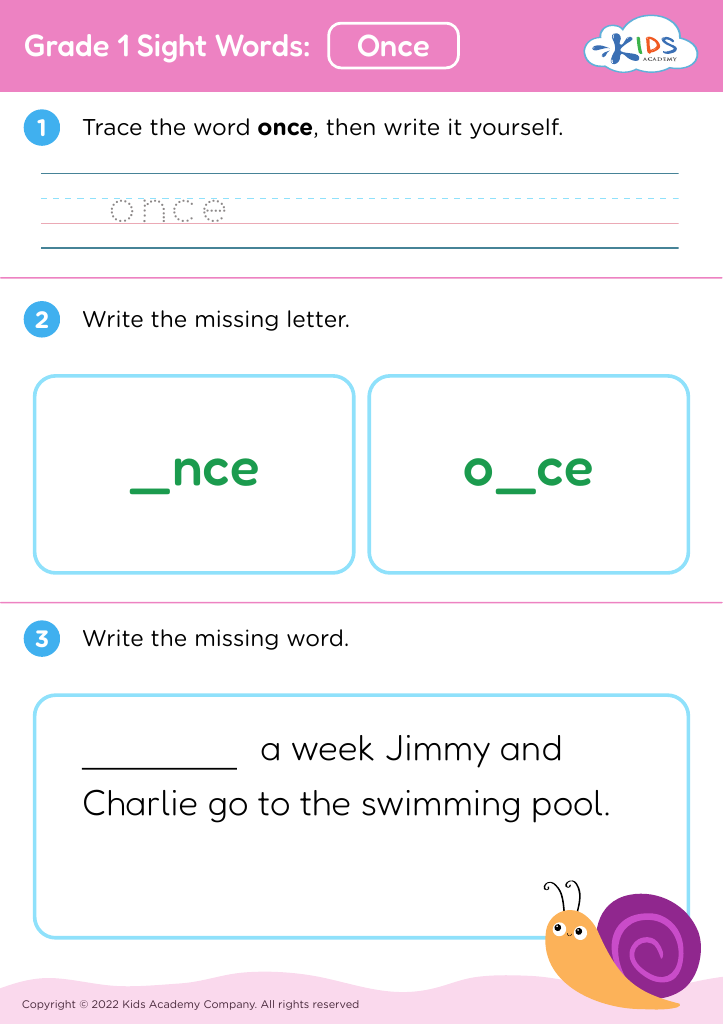








Spatial reasoning is a critical cognitive skill that allows children to visualize and manipulate objects mentally. For ages 4-8, this ability lays the groundwork for success in various subjects, especially in mathematics and science. Parents and teachers should prioritize spatial reasoning efforts because it enhances problem-solving abilities, critical thinking, and creativity.
Children use spatial reasoning to navigate their environment, understand patterns, and relate concepts. Engaging in activities like puzzles, building blocks, or drawing can significantly boost these skills. Learning spatial reasoning at a young age promotes the ability to grasp advanced mathematics later on, such as geometry and measurement.
Moreover, spatial reasoning connects to everyday experiences, enabling children to comprehend maps, diagrams, and even instructions for assembling toys. This knowledge fosters independence and boosts confidence as they interact with the world.
Research indicates that early childhood experiences significantly influence cognitive development, making it crucial for educators and caregivers to incorporate spatial activities into their routines. By nurturing these skills, parents and teachers equip children with essential tools for academic achievement and practical life skills that are invaluable for their future. Ignoring this vital aspect of development may limit their potential for success in both their education and beyond.








