Subtraction skills Worksheets for Ages 4-8
30 filtered results
-
From - To
Discover a world of learning with our engaging Subtraction Skills Worksheets tailored for ages 4-8. Designed to enhance young learners' mathematical abilities, these worksheets make subtraction fun and accessible. Our resources feature vibrant illustrations and interactive exercises that keep kids interested while reinforcing essential math concepts. Perfect for at-home learning or classroom activities, these worksheets help learners master basic subtraction through various exercises, puzzles, and quizzes. Whether your child is just starting or looking to improve their subtraction skills, our worksheets provide the perfect stepping stone toward mathematical confidence. Download and watch your child's skills grow!
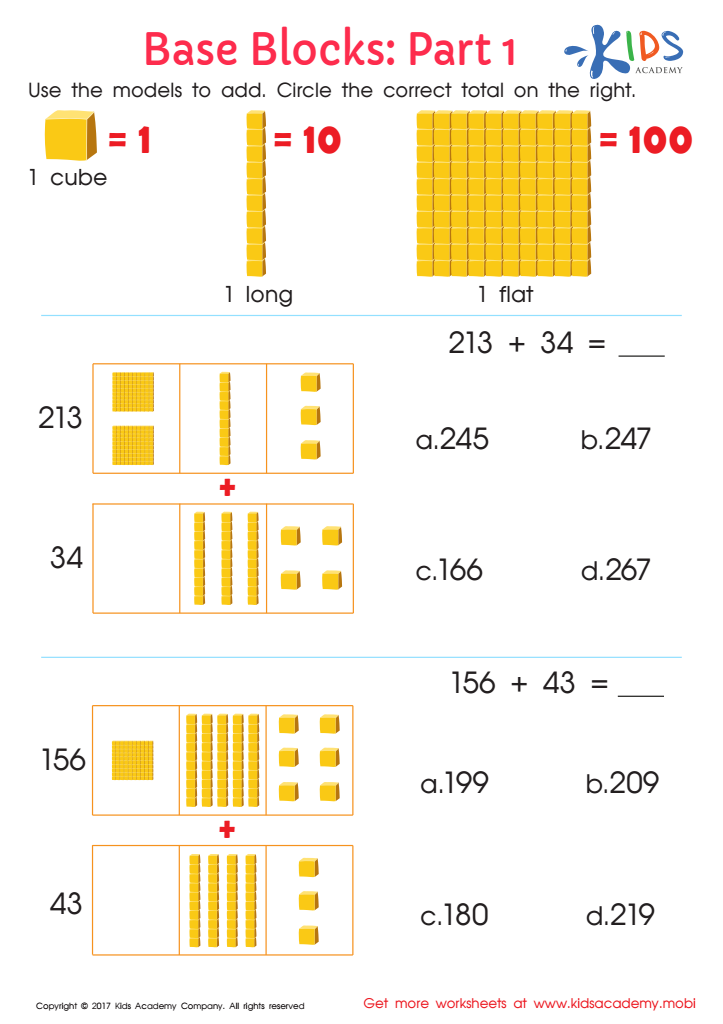
Base Ten Blocks Worksheet: Part 1
 Assign to My Students
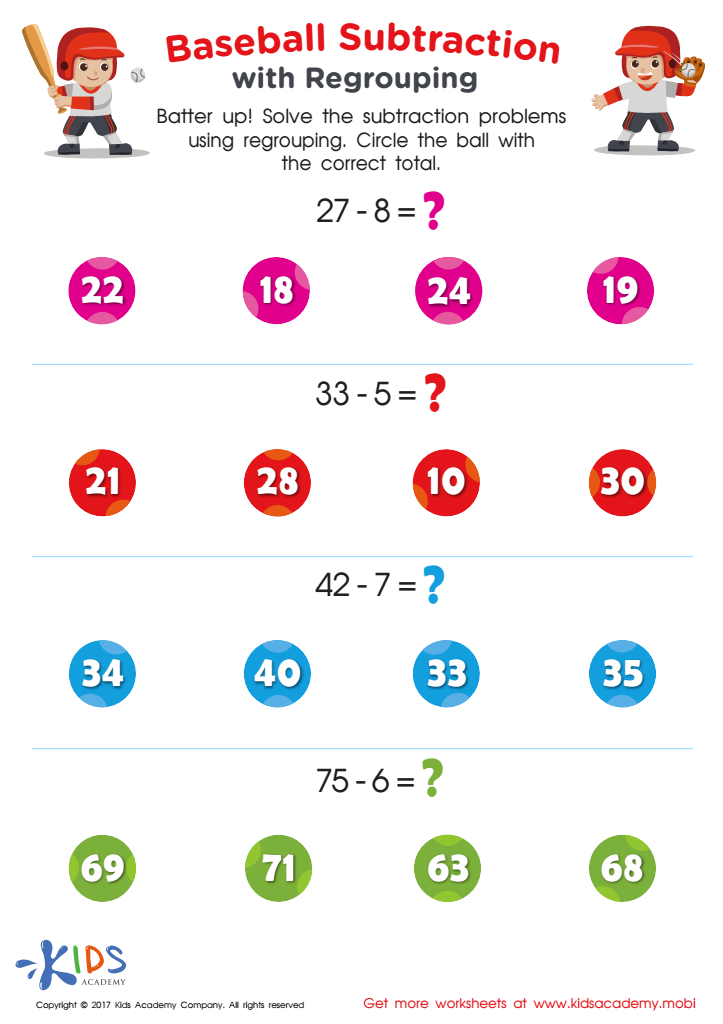
Subtraction With Regrouping for 2nd Grade Worksheet
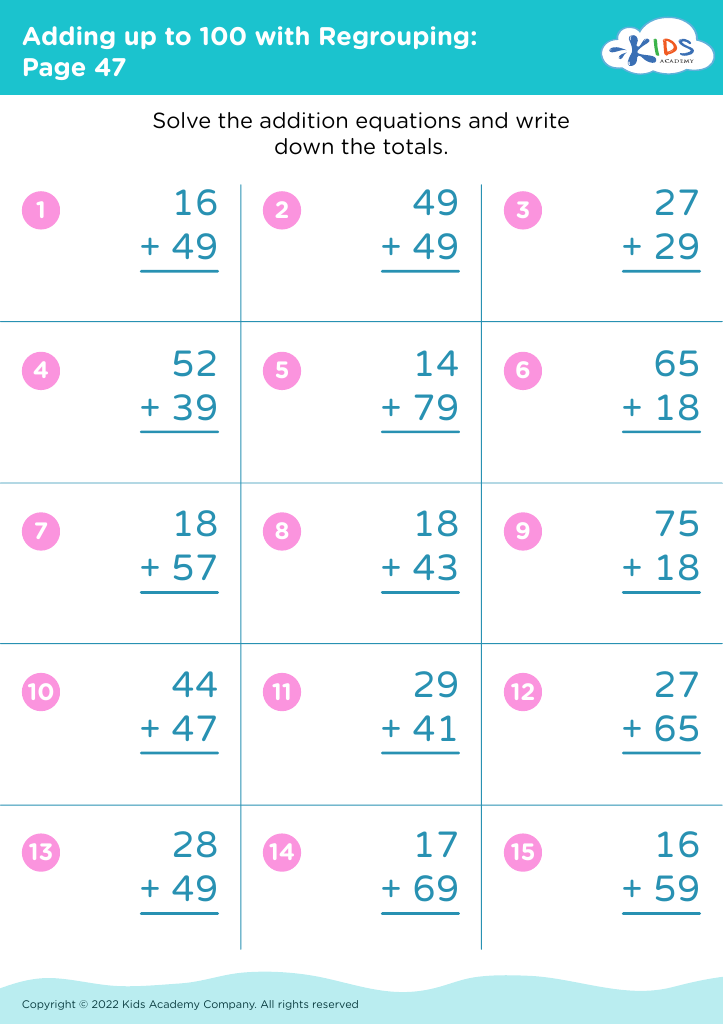
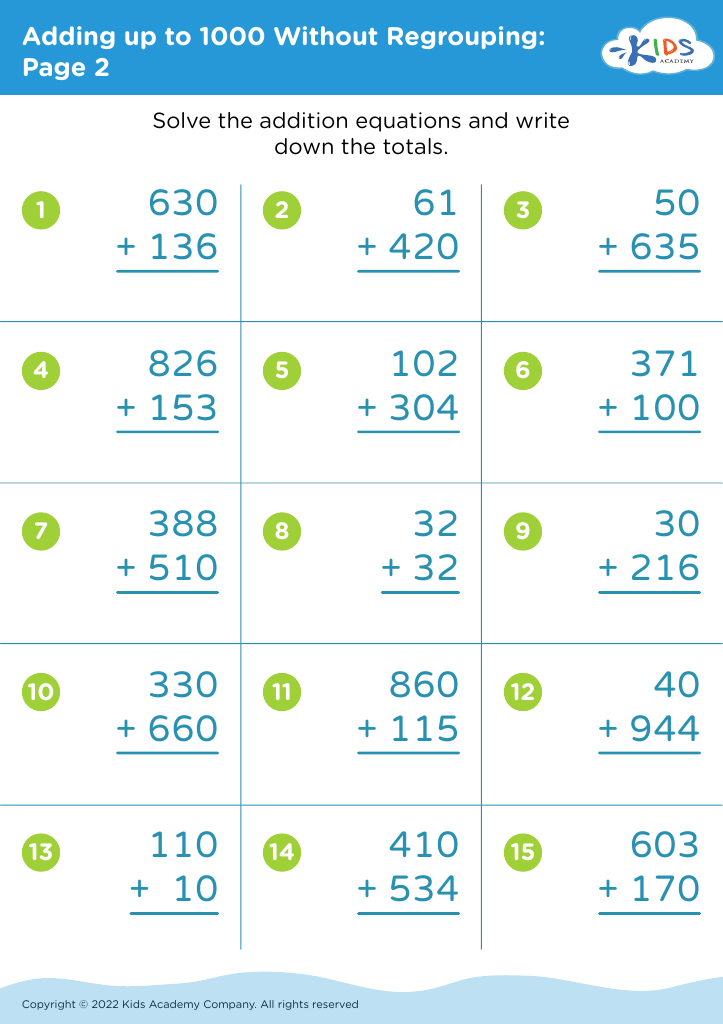
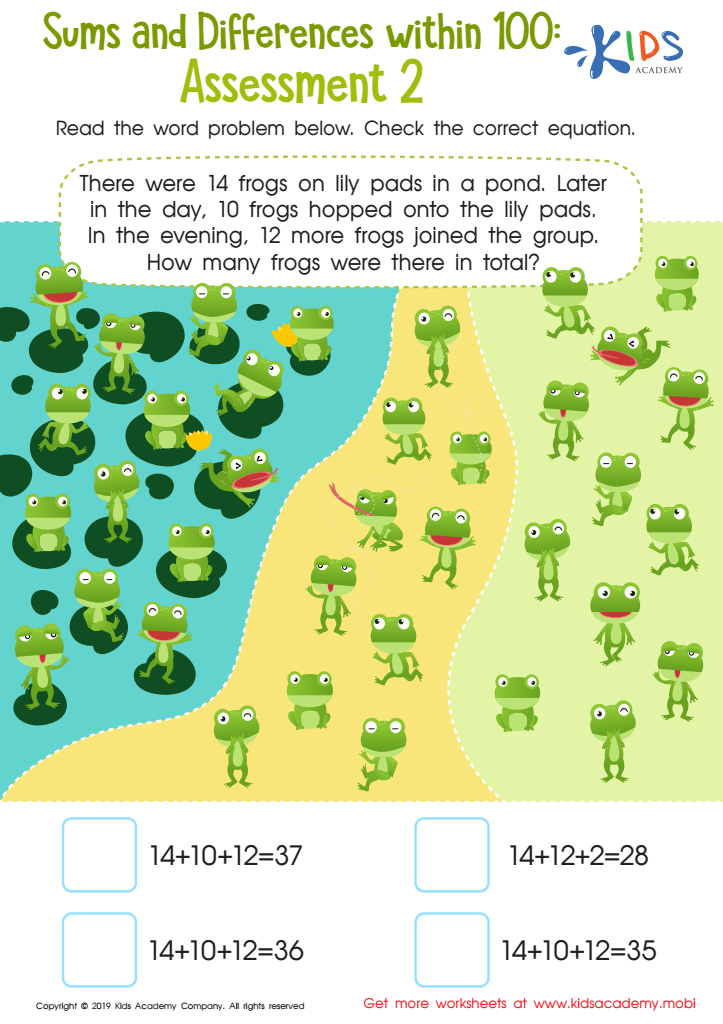
Sums and Differences Within 1 - Assessment 2 Worksheet
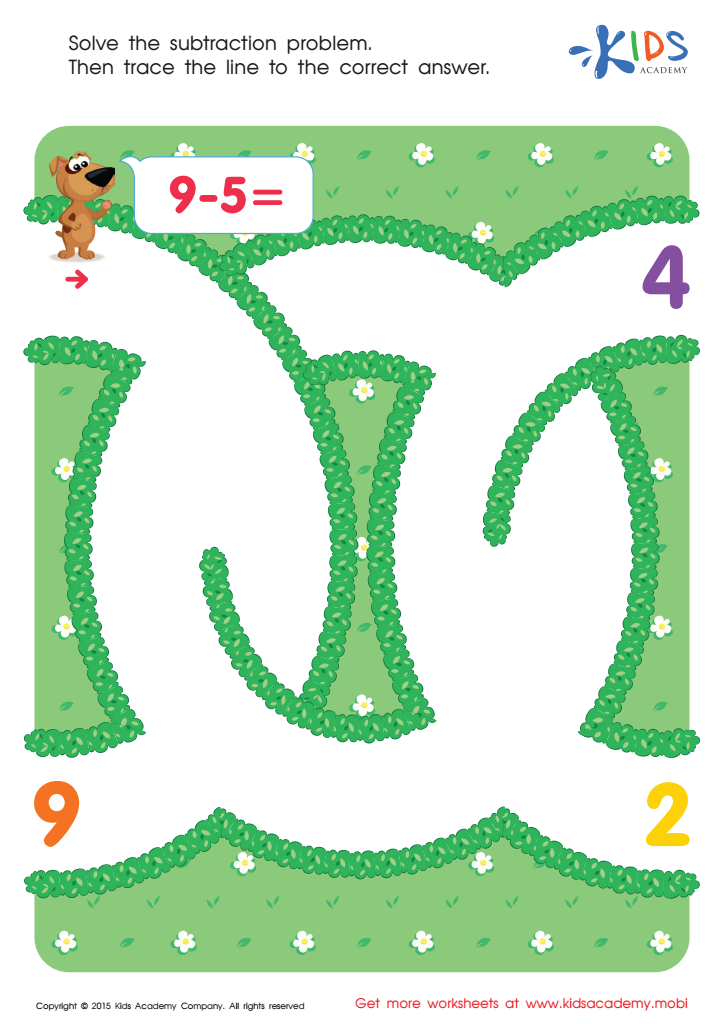
Subtraction Nine And Five Worksheet
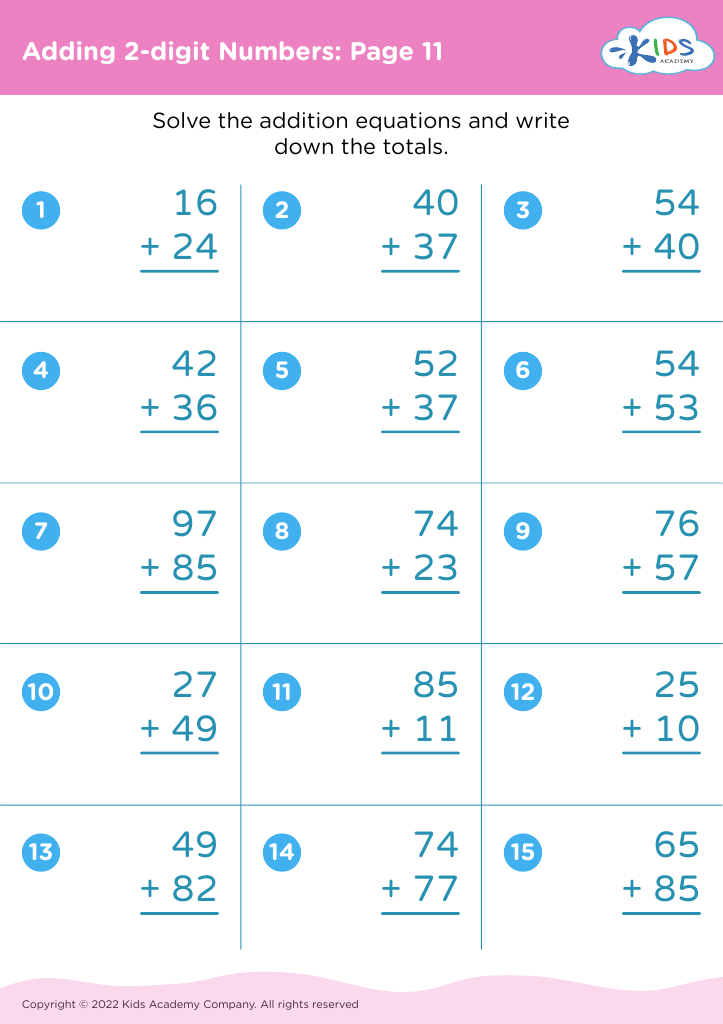
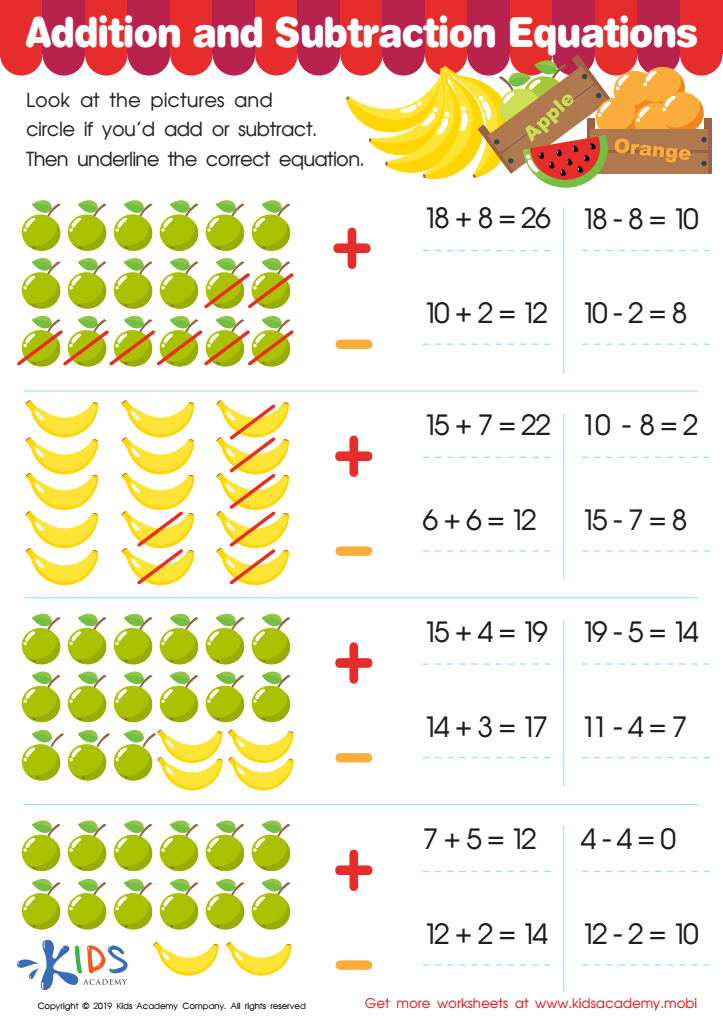
Addition and Subtraction: Equations Worksheet
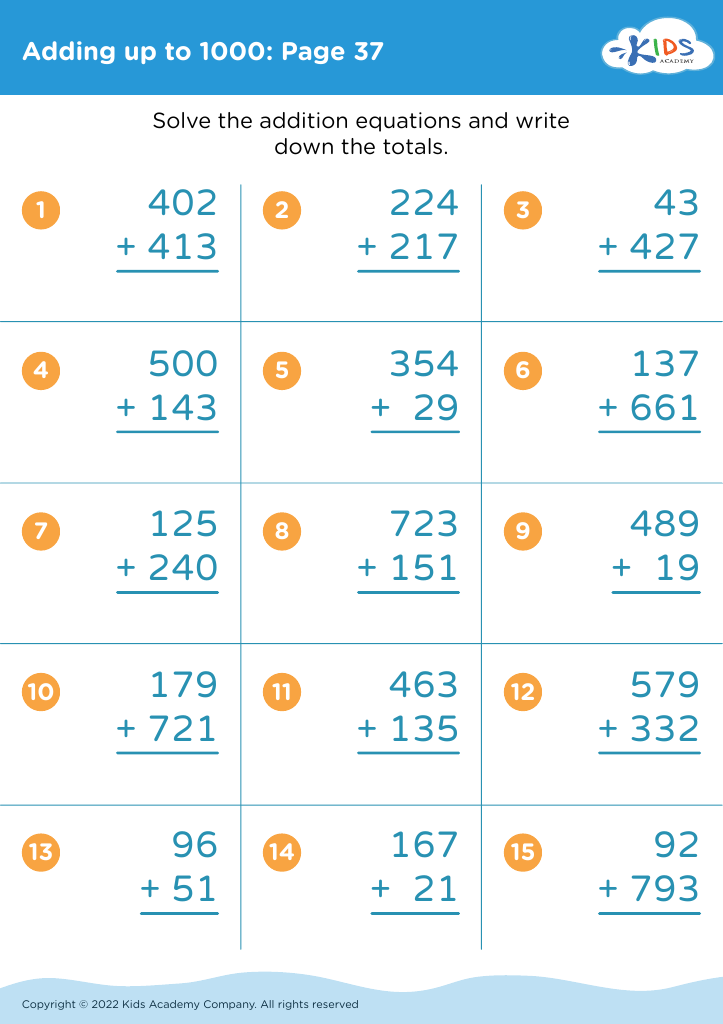
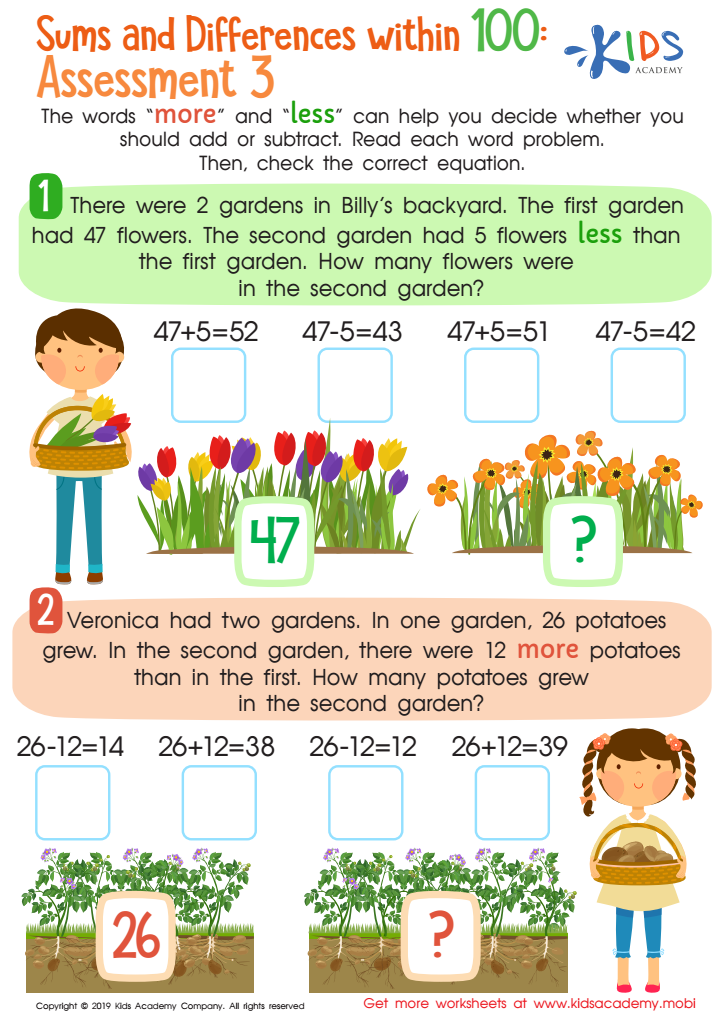
Sums and Differences Within 1 - Assessment 3 Worksheet
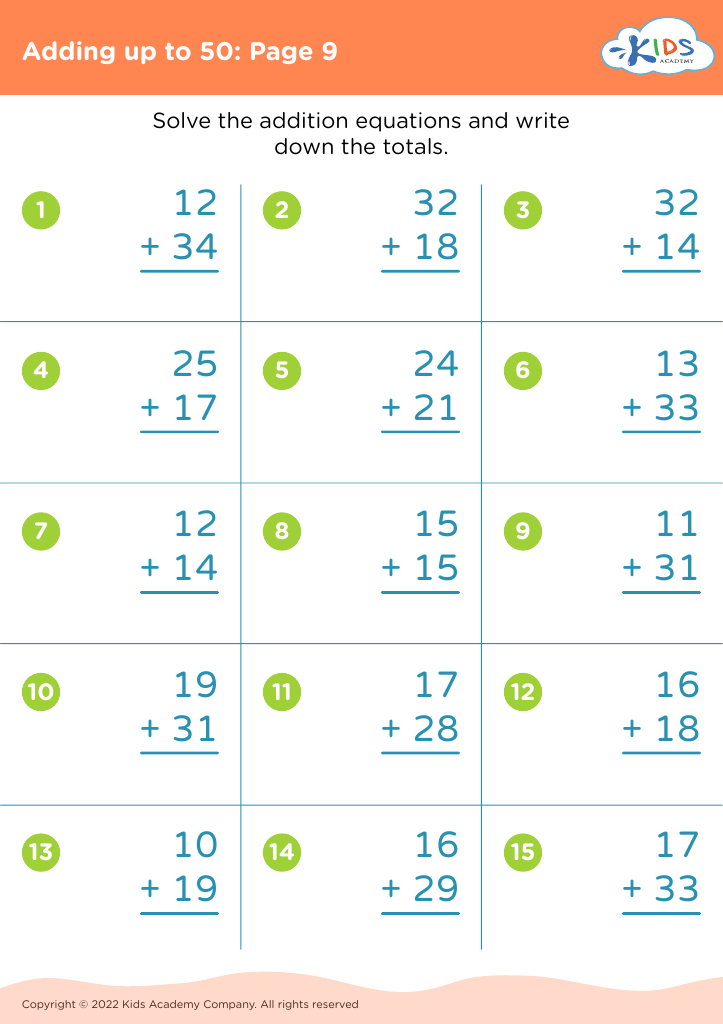
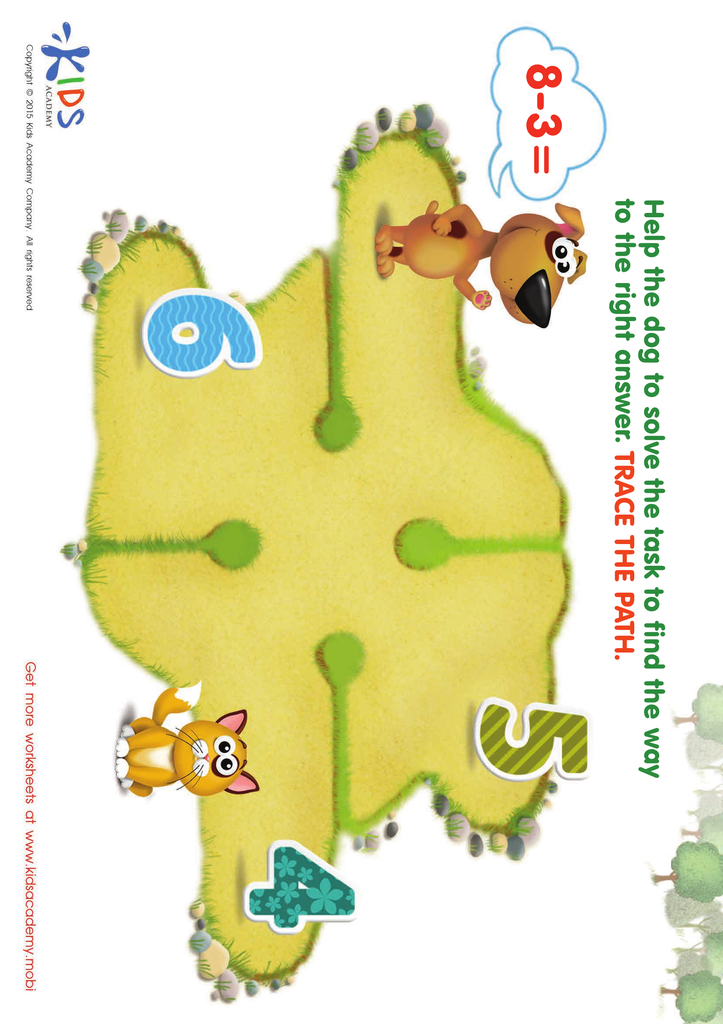
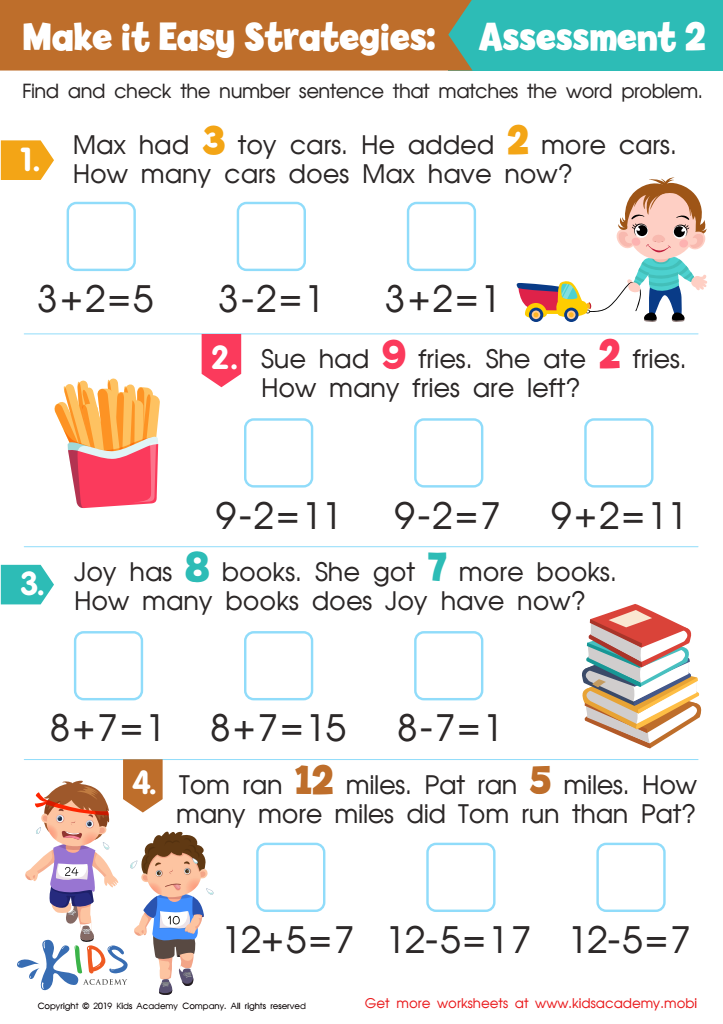
Make it Easy Strategies: Assessment 2 Worksheet
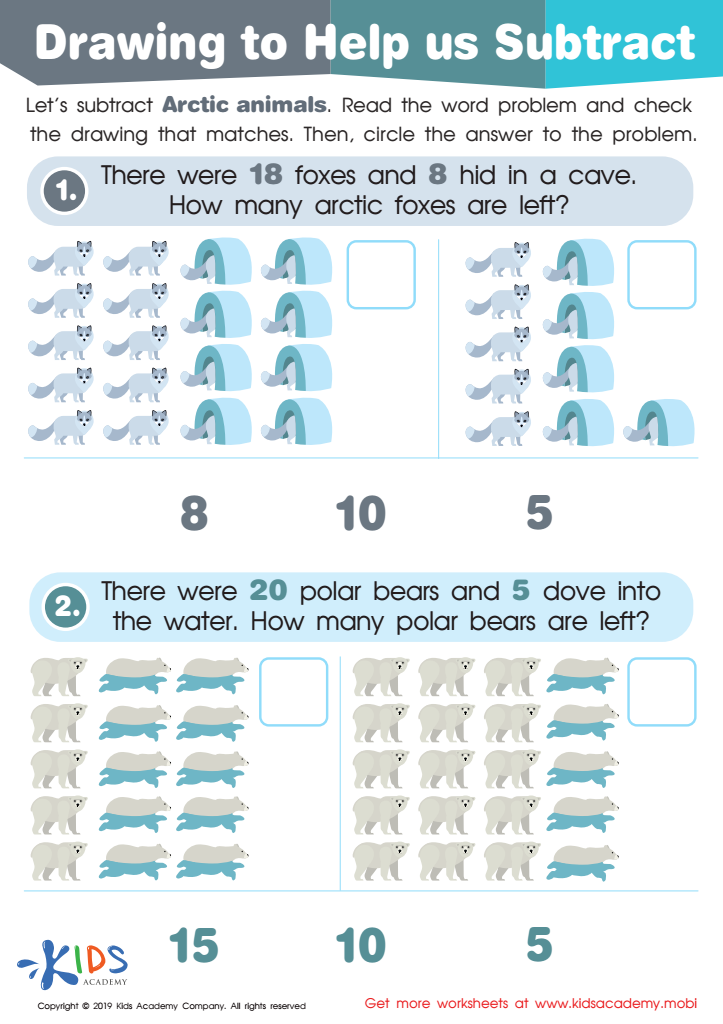
Drawing to Help Us Subtract Worksheet
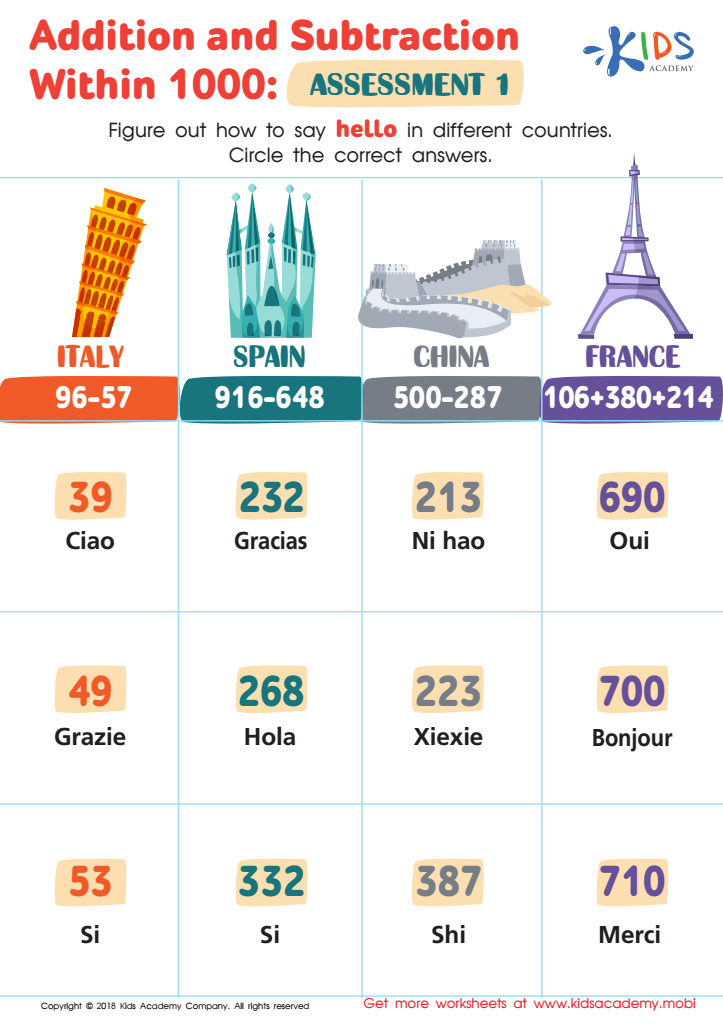
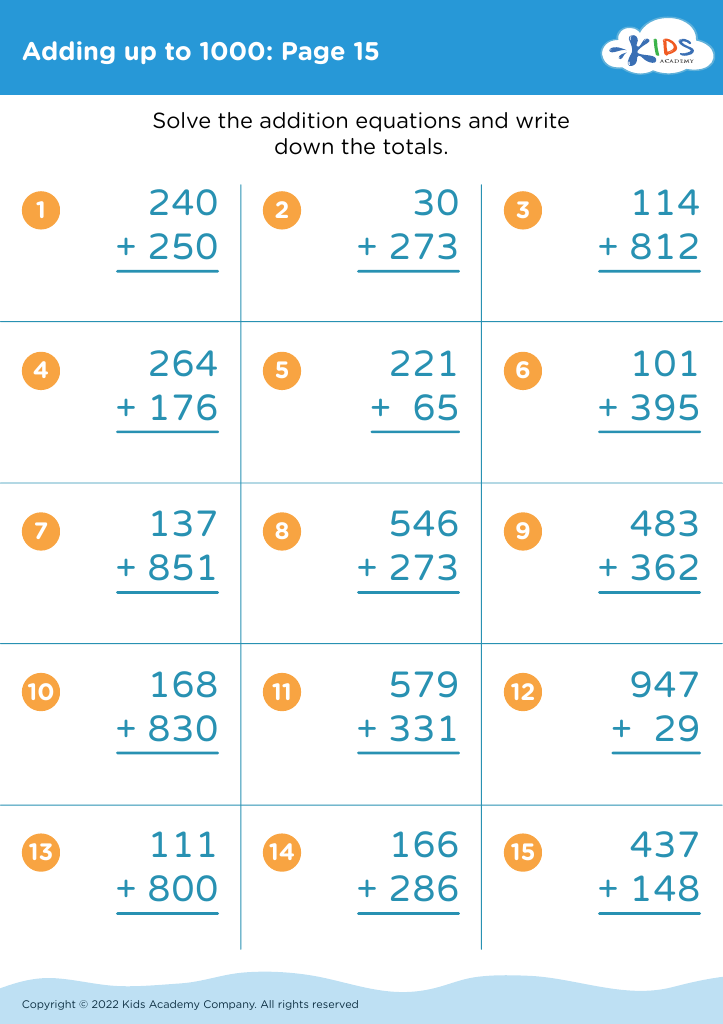
Addition and Subtraction Within 1000: Assessment 1 Worksheet
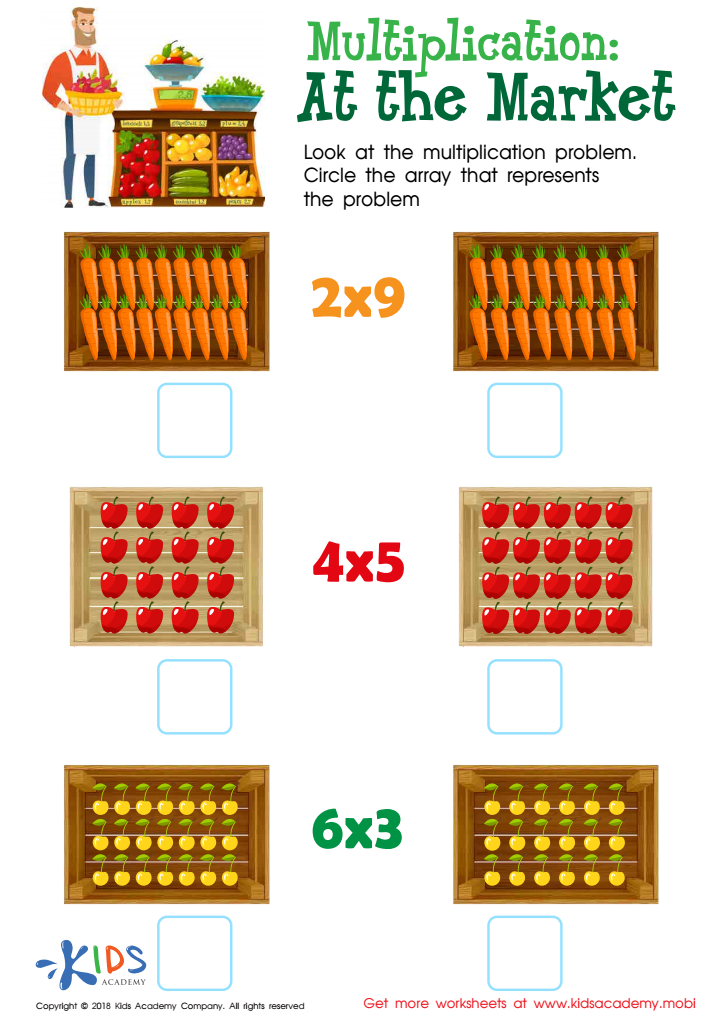
At the Market Worksheet
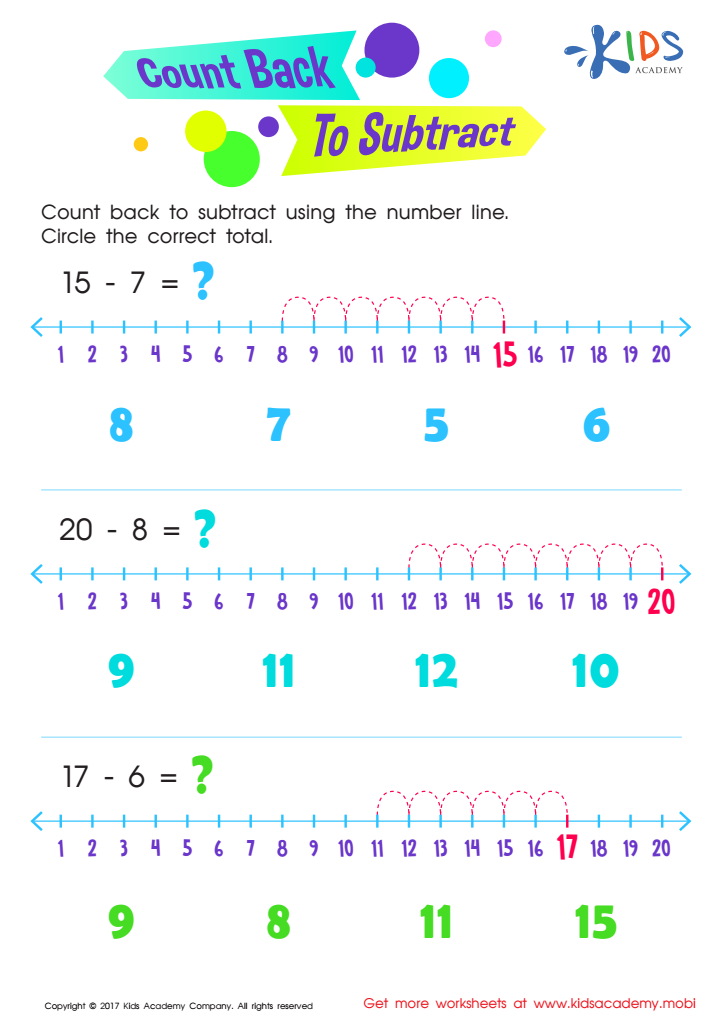
Count Back to Subtract Substraction Worksheet
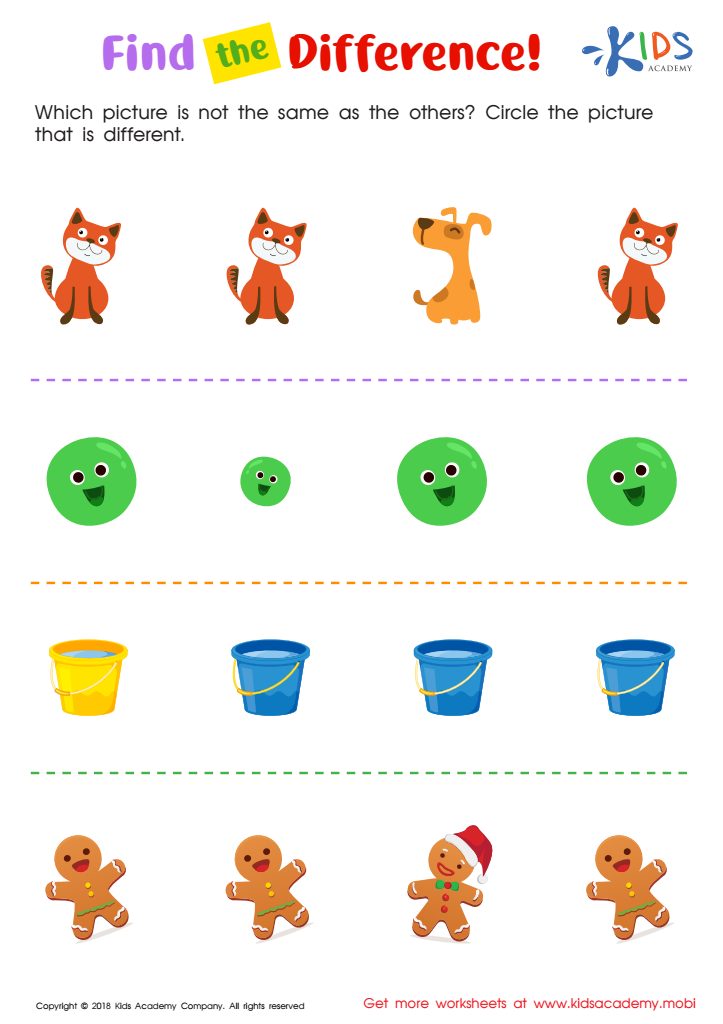
Find the Difference Worksheet
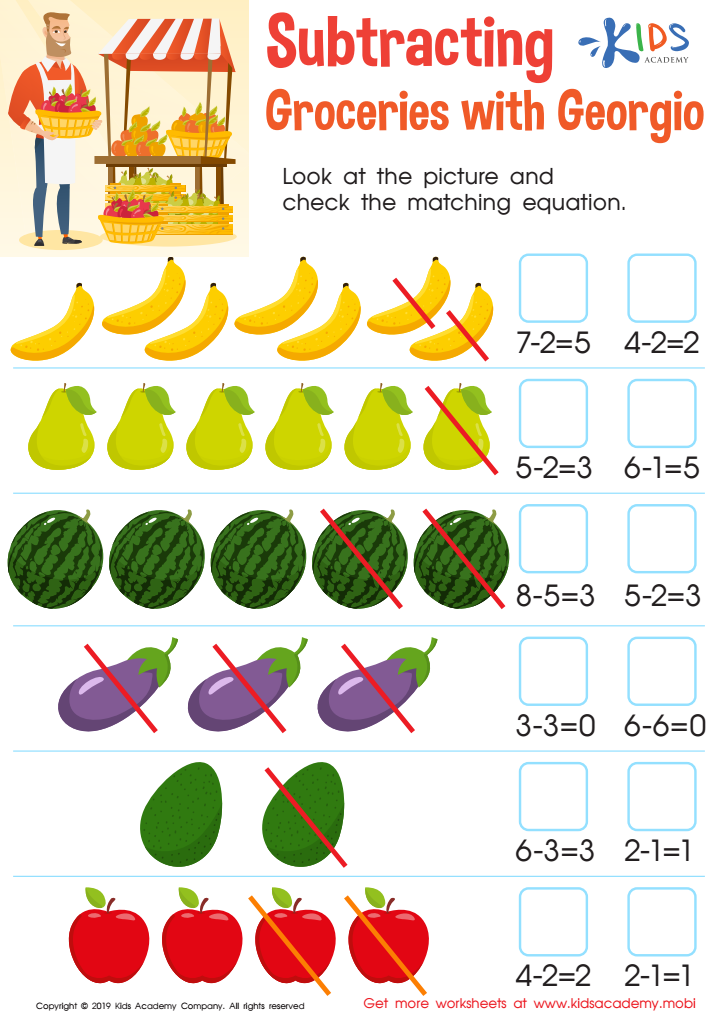
Subtracting: Groceries with Georgio Worksheet
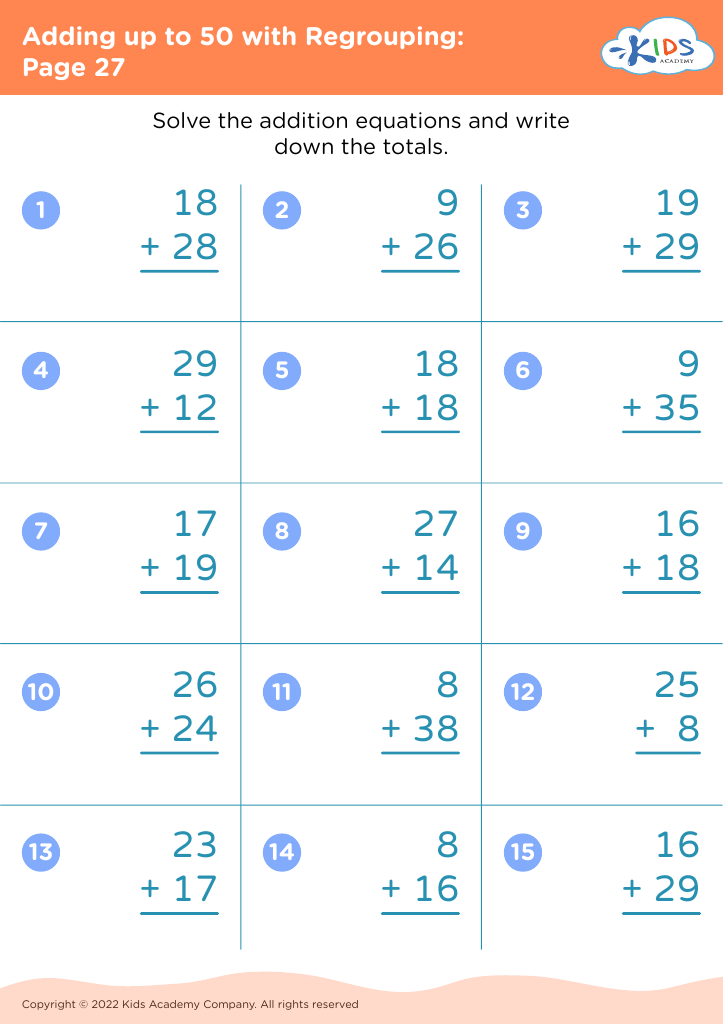
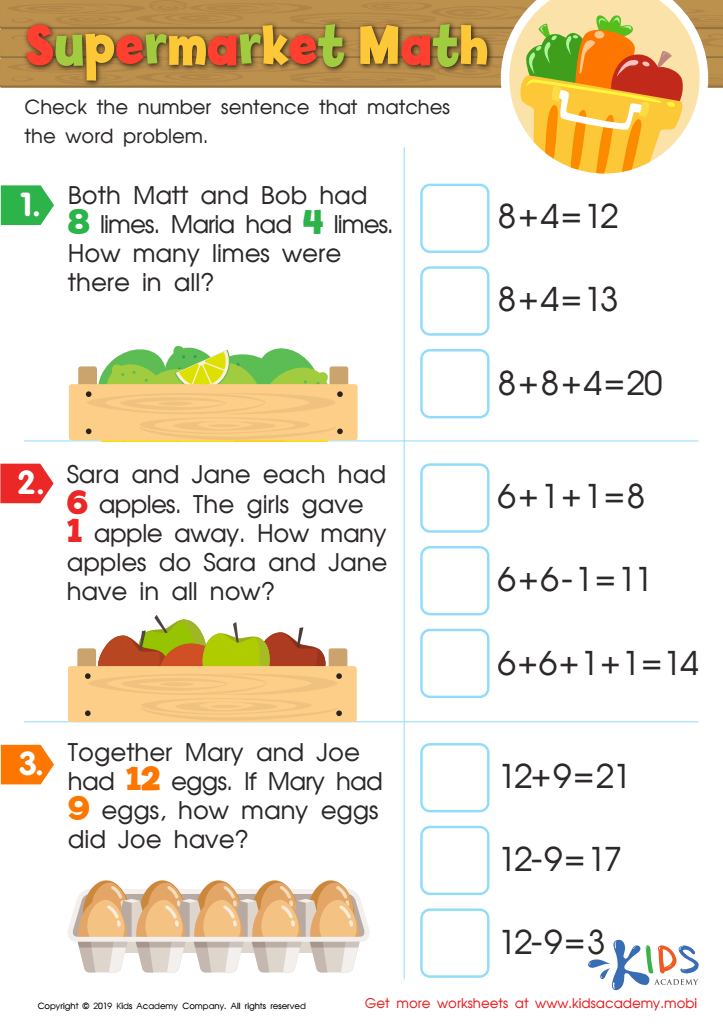
Supermarket Math Worksheet
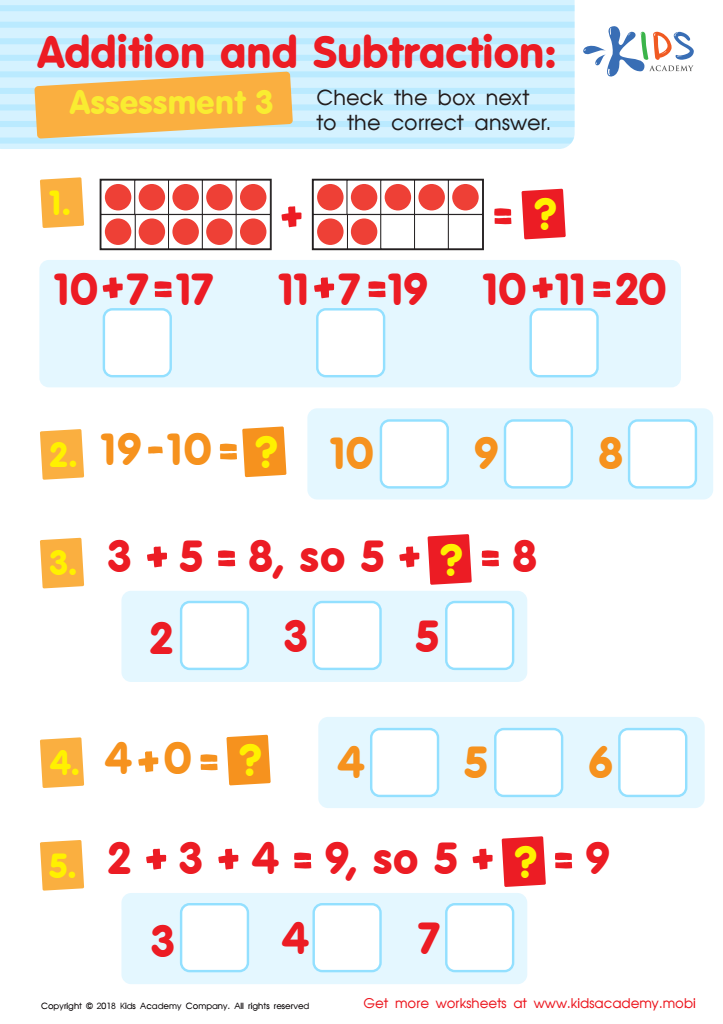
Addition and Subtraction Assessment 3 Worksheet




.jpg)


Subtraction skills are crucial for children ages 4-8, serving as the foundation for their future mathematical understanding and everyday problem-solving. Early mastery of subtraction fosters critical thinking and analytical abilities, which are vital for academic success. At this stage, children transition from concrete concepts to more abstract mathematical reasoning. Developing strong subtraction skills helps them understand number relationships and promotes confidence in handling numbers. This competence transcends mathematics, enhancing cognitive skills that benefit all areas of learning.
Moreover, subtraction is integral to daily life; understanding how to subtract aids children in handling money, measuring, and understanding time, making them more independent. Teachers and parents should nurture subtraction skills through playful, engaging activities that make learning enjoyable. Games, interactive apps, and hands-on activities can transform subtraction practice into a fun experience, addressing different learning styles.
Finally, attention to subtraction at an early age can also aid in identifying learning difficulties, allowing for timely intervention and tailored support. By fostering subtraction skills, parents and teachers equip children with tools not only for academic achievement but also for practical life skills, setting them on a lifelong path of learning while ensuring they feel capable and supported in their mathematical journeys.








