Mathematical reasoning Addition & Subtraction Worksheets for Ages 4-8 - Page 2
39 filtered results
-
From - To
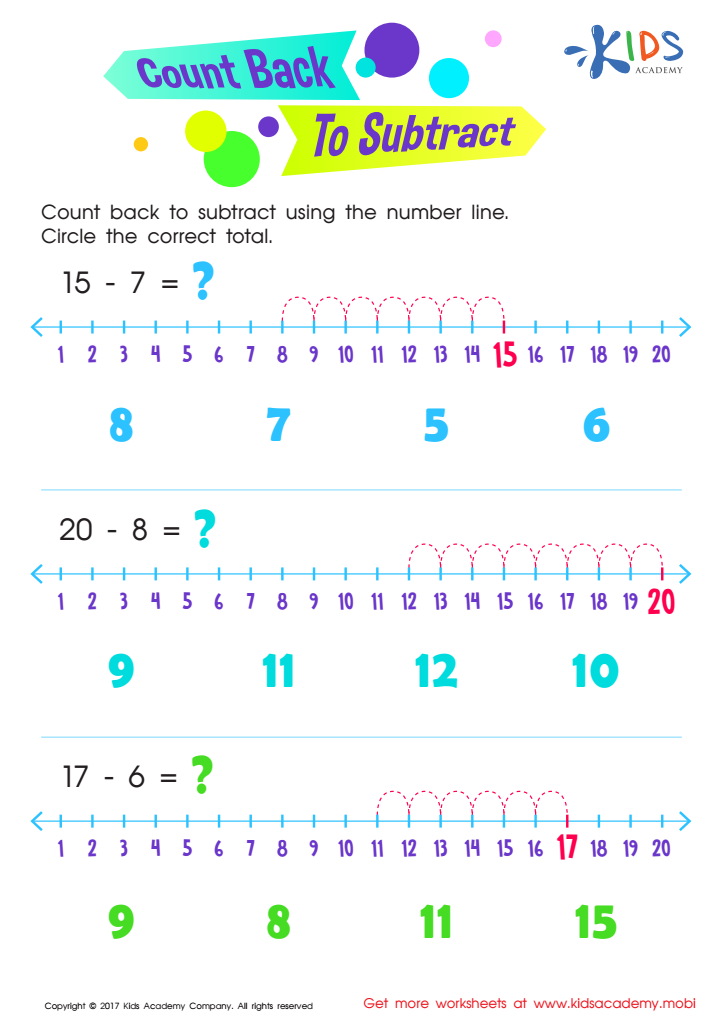
Count Back to Subtract Substraction Worksheet
 Assign to My Students
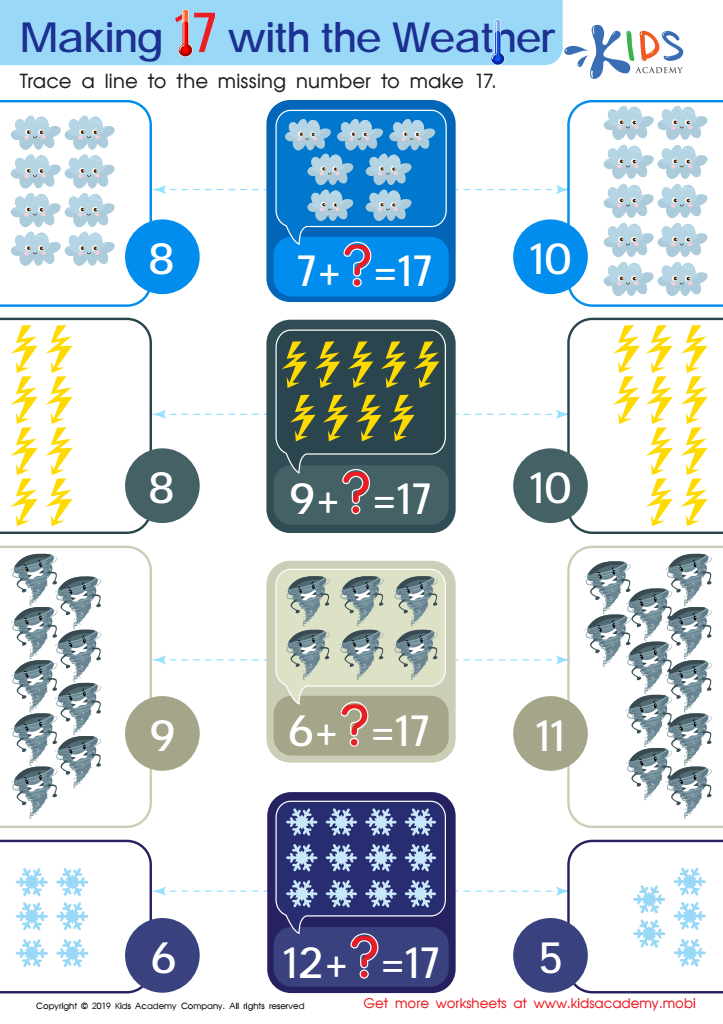
Making 17 with the Weather Worksheet
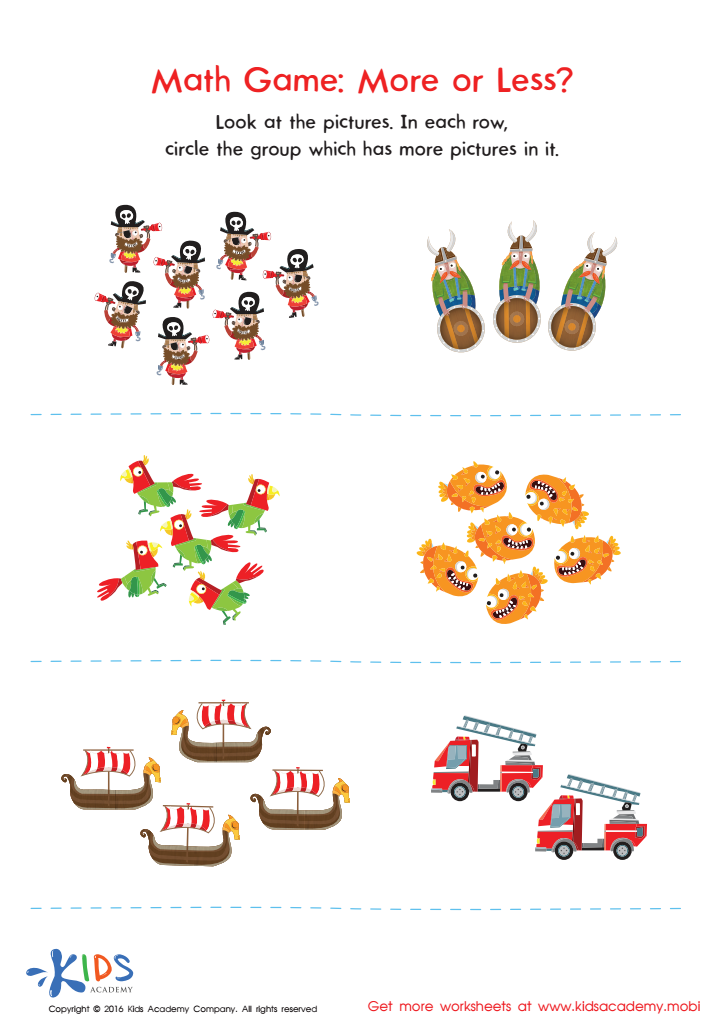
More or Less Worksheet
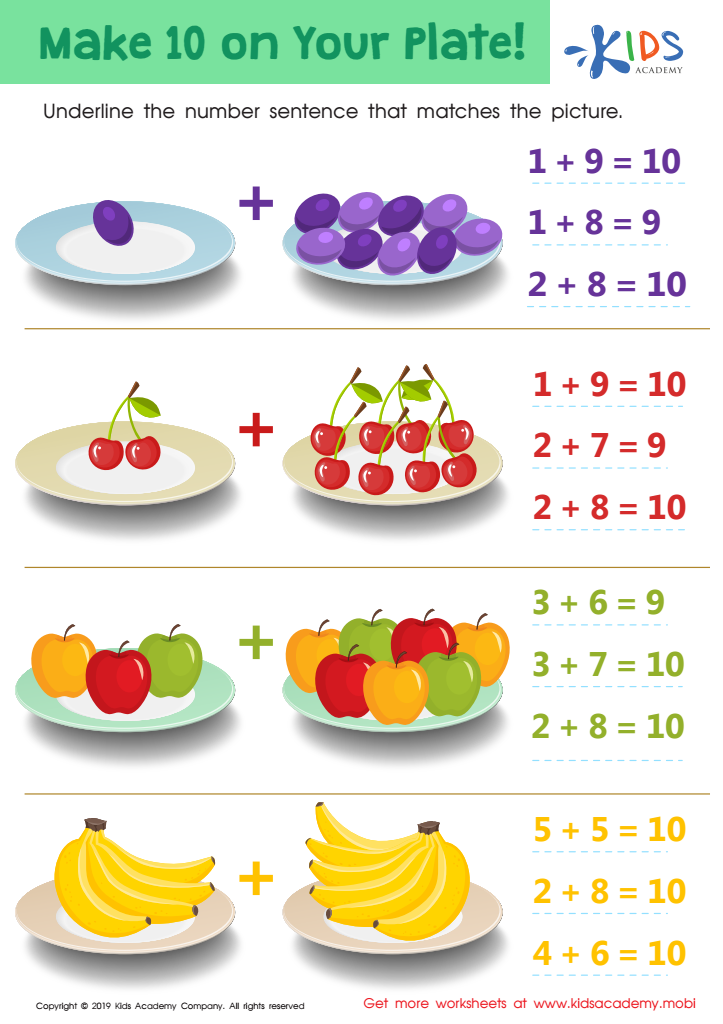
Make 10 on Your Plate! Worksheet
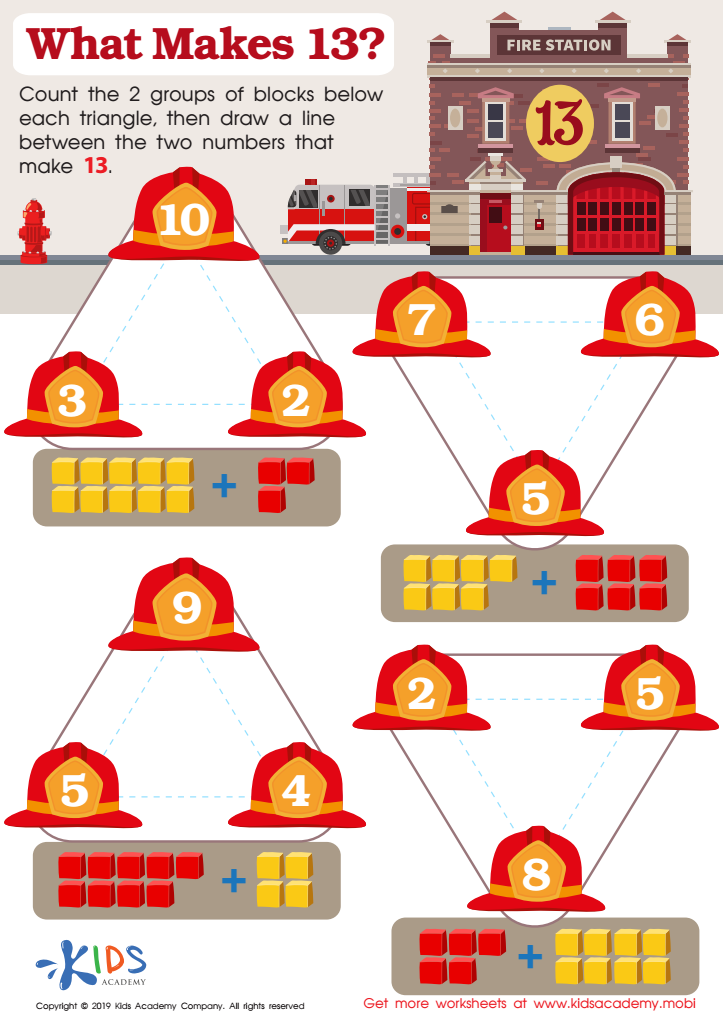
What Makes 13 Worksheet
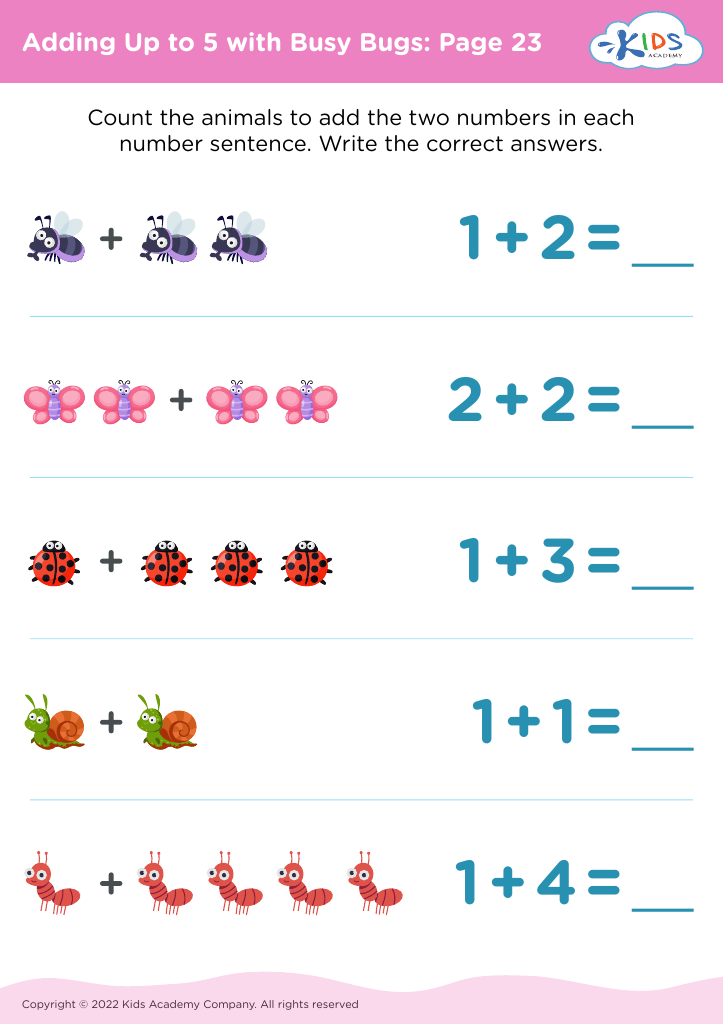
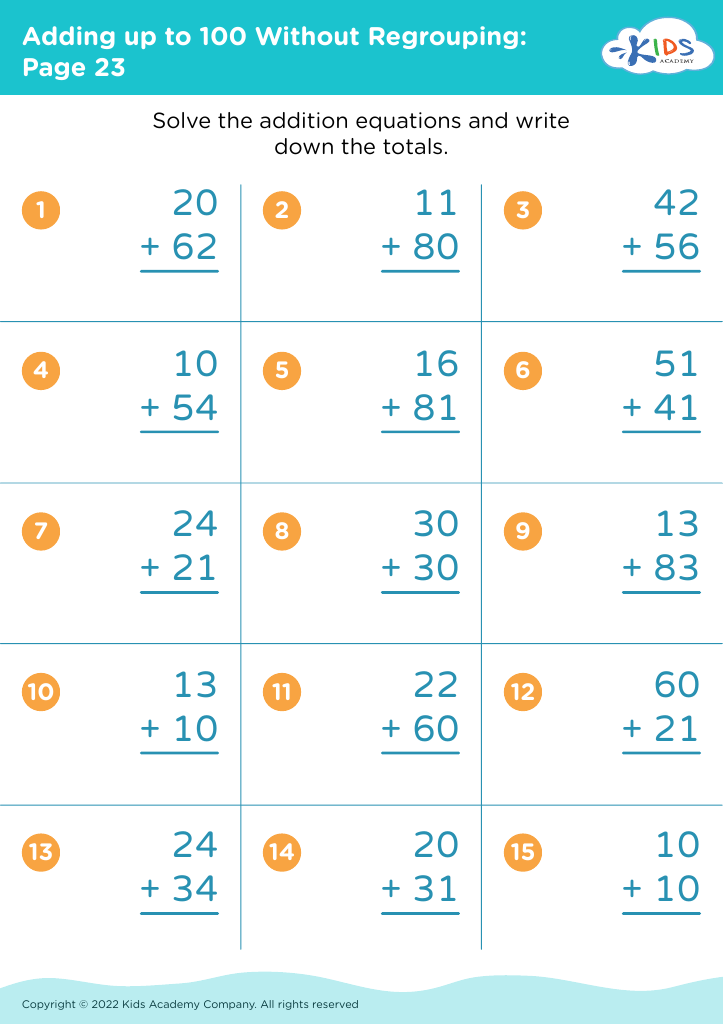
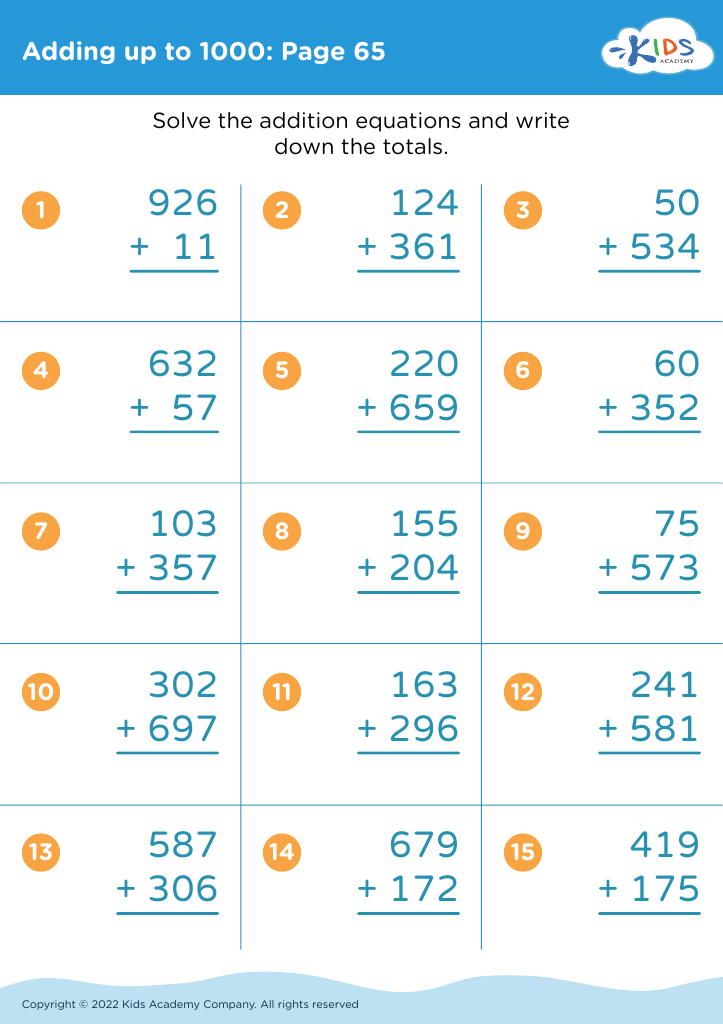
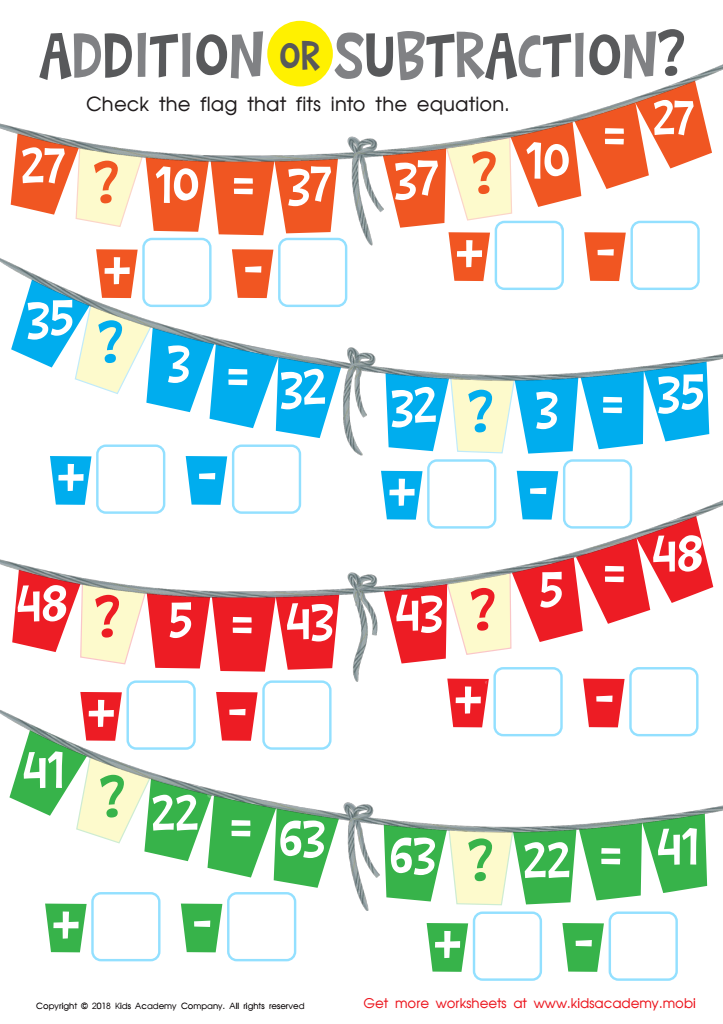
Addition or Subtraction? Worksheet
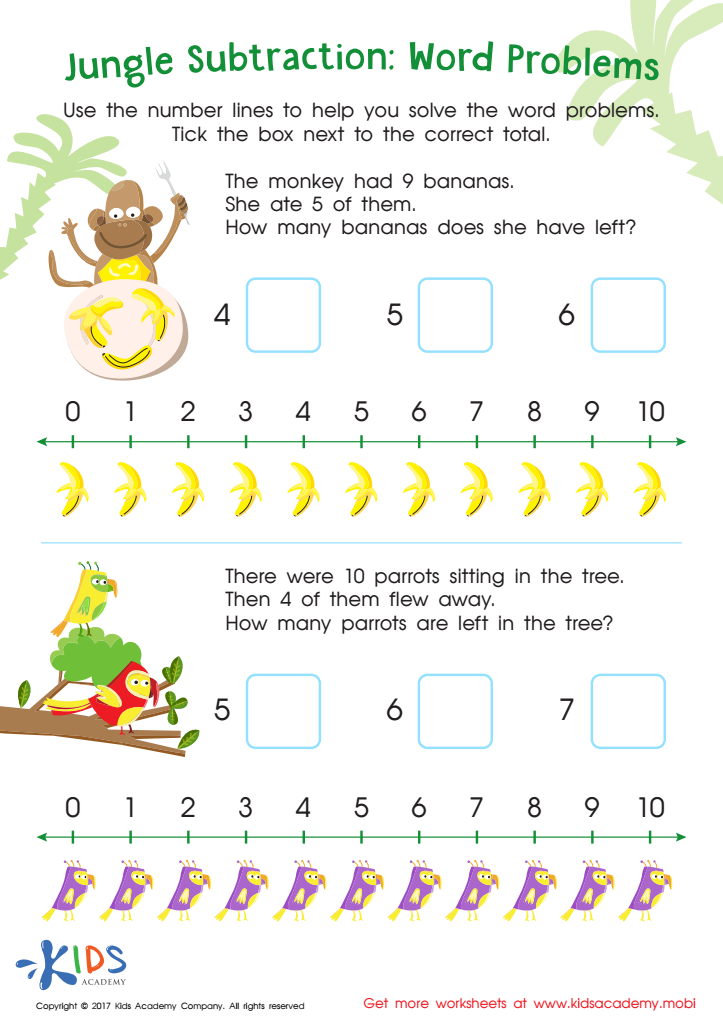
Jungle Subtraction Word Problems Substraction Worksheet
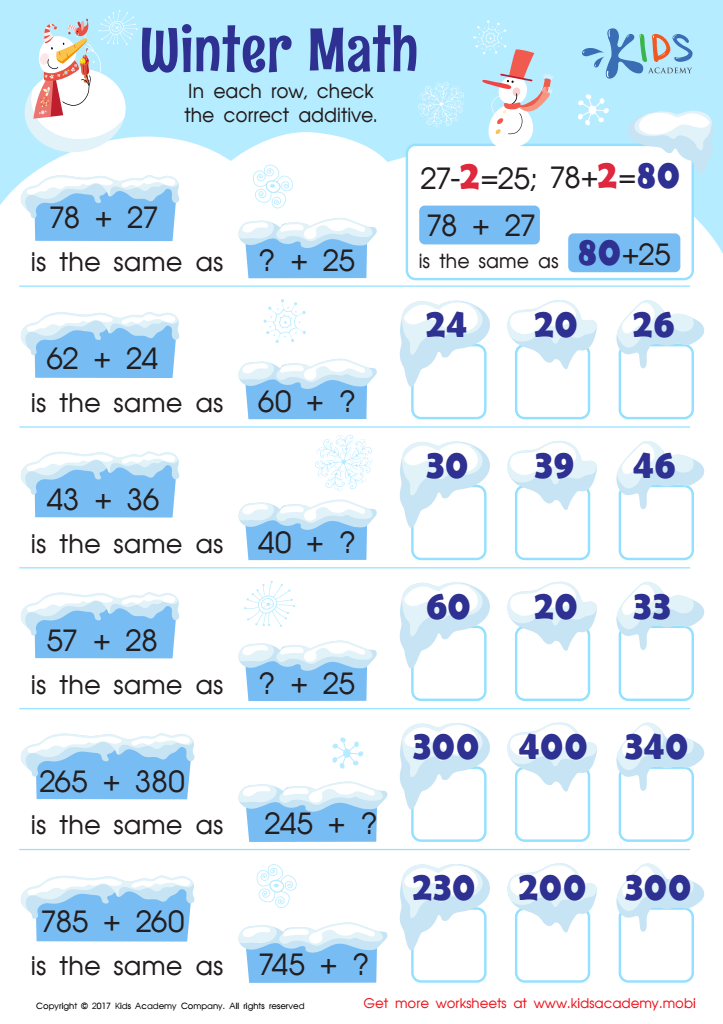
Free Addition Worksheet
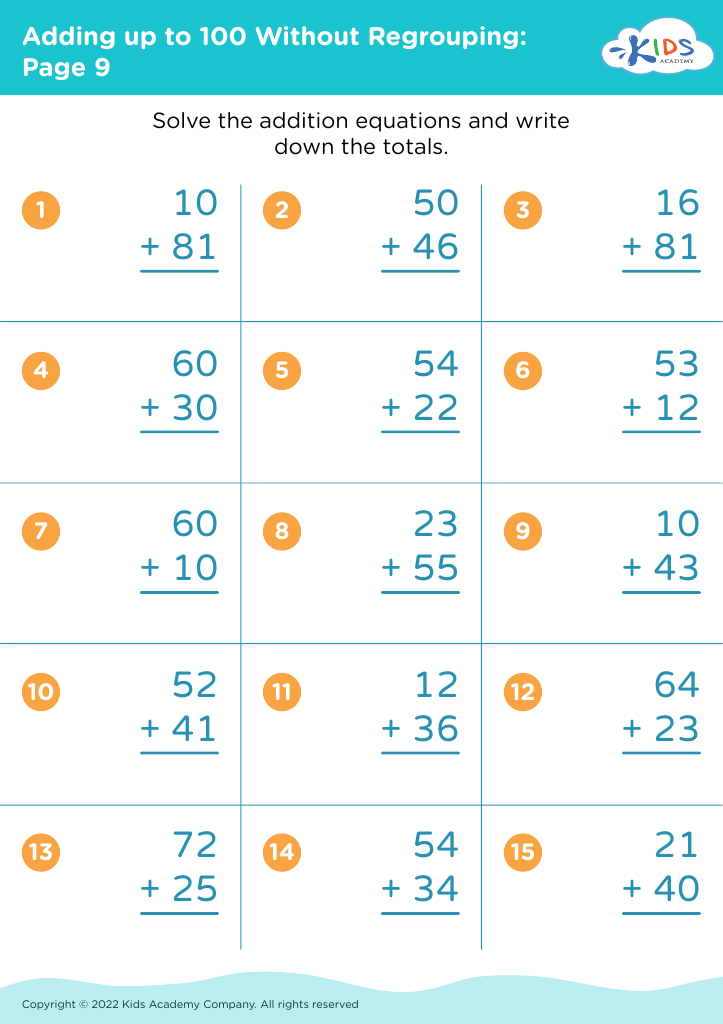








Mathematical reasoning, especially in the areas of addition and subtraction, plays a critical role in the cognitive development of children aged 4-8. This period represents foundational years for building essential math skills, and focusing on addition and subtraction establishes a strong basis for more advanced mathematics later in life.
One reason parents and teachers should prioritize mathematical reasoning is that it fosters critical thinking and problem-solving abilities. These skills are not only useful in academic settings but also for everyday decision-making. For instance, children learn to understand quantity, measure differences, and develop a sense of numerical relationships, which are vital for daily tasks such as handling money or measuring ingredients while cooking.
Furthermore, developing proficiency in addition and subtraction at an early age enhances a child's confidence and encourages a positive attitude toward math. When children grasp these basic concepts, they experience a sense of achievement that can inspire an eagerness to tackle more challenging subjects.
Parents and teachers also help to correct misconceptions and refine methods of problem-solving by actively engaging with children’s learning processes. This guidance enriches children's learning experiences and sets the groundwork for their educational journey. Overall, investing in mathematical reasoning in the early years cultivates a lifelong competence and appreciation for mathematics, beneficial in numerous personal and professional arenas of life.








