Problem-solving abilities Addition & Subtraction Worksheets for Ages 4-8
42 filtered results
-
From - To
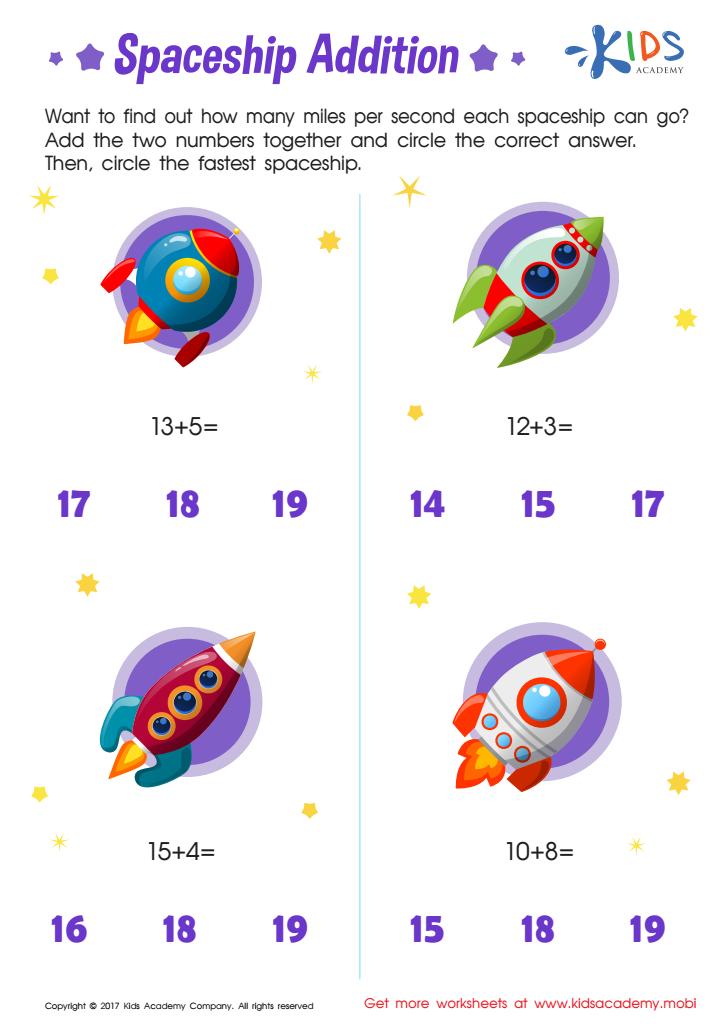
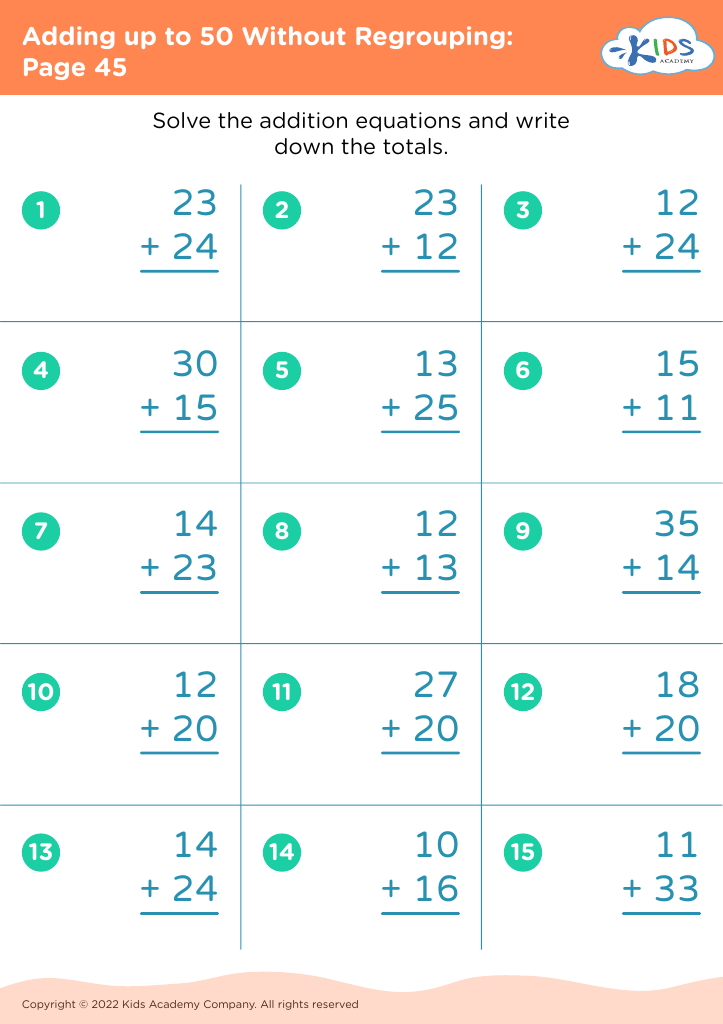
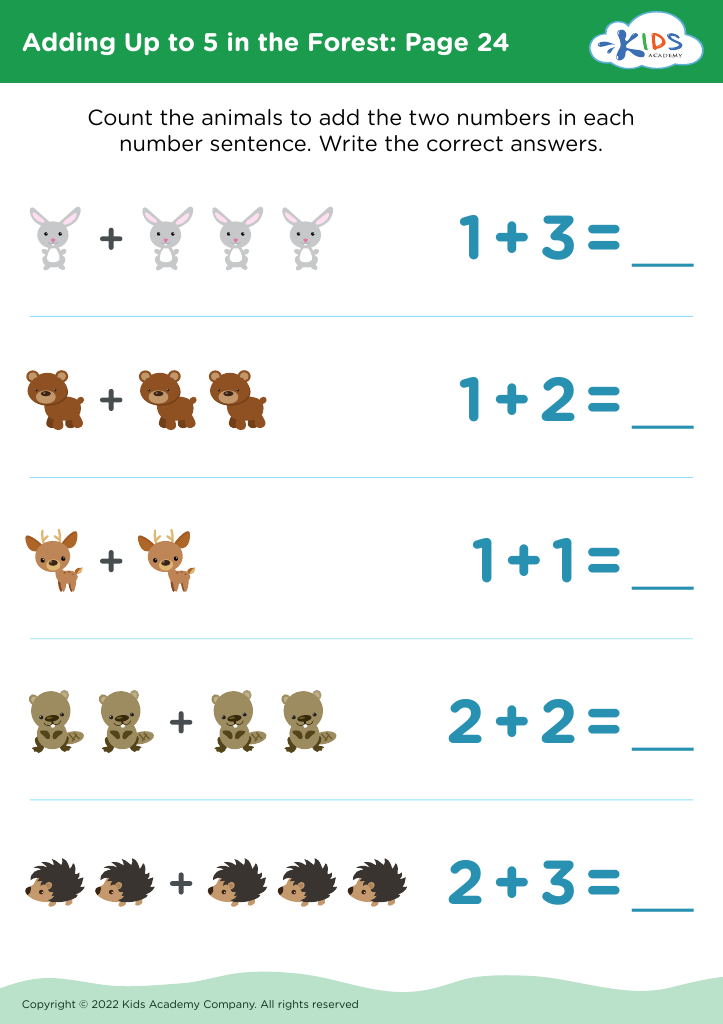
Enhance your child's problem-solving abilities with our engaging Addition & Subtraction Worksheets designed for ages 4-8. These interactive worksheets provide a fun and engaging way for young learners to practice essential math skills. By tackling various problems, children will strengthen their reasoning and critical thinking while gaining confidence in their abilities. Our carefully crafted activities cater to different learning styles, ensuring a comprehensive understanding of addition and subtraction concepts. Perfect for classroom use or at-home learning, these resources will prepare your child for future math challenges. Explore our collection and watch your young learner thrive in their mathematical journey!
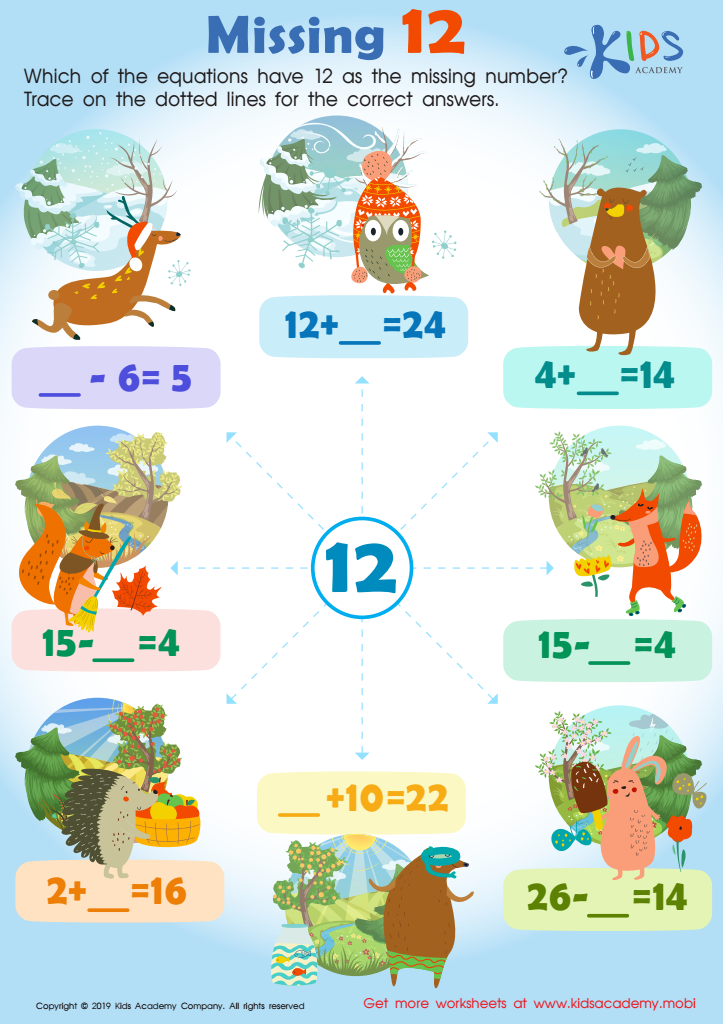
Missing 12 Worksheet
 Assign to My Students
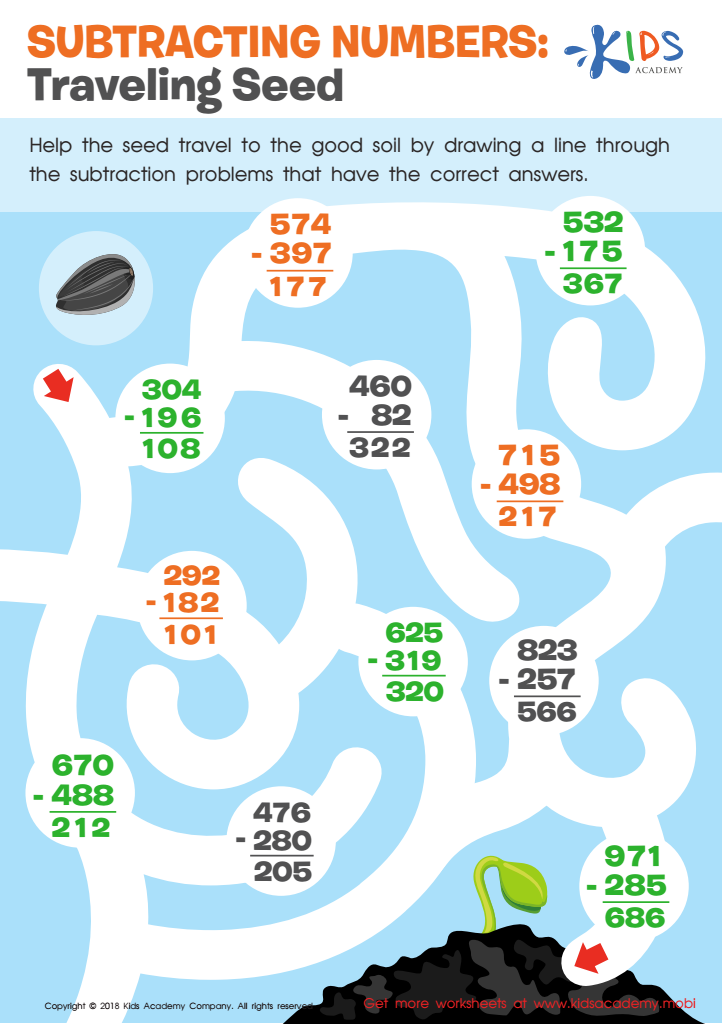
Subtracting Numbers: Traveling Seeds Worksheet
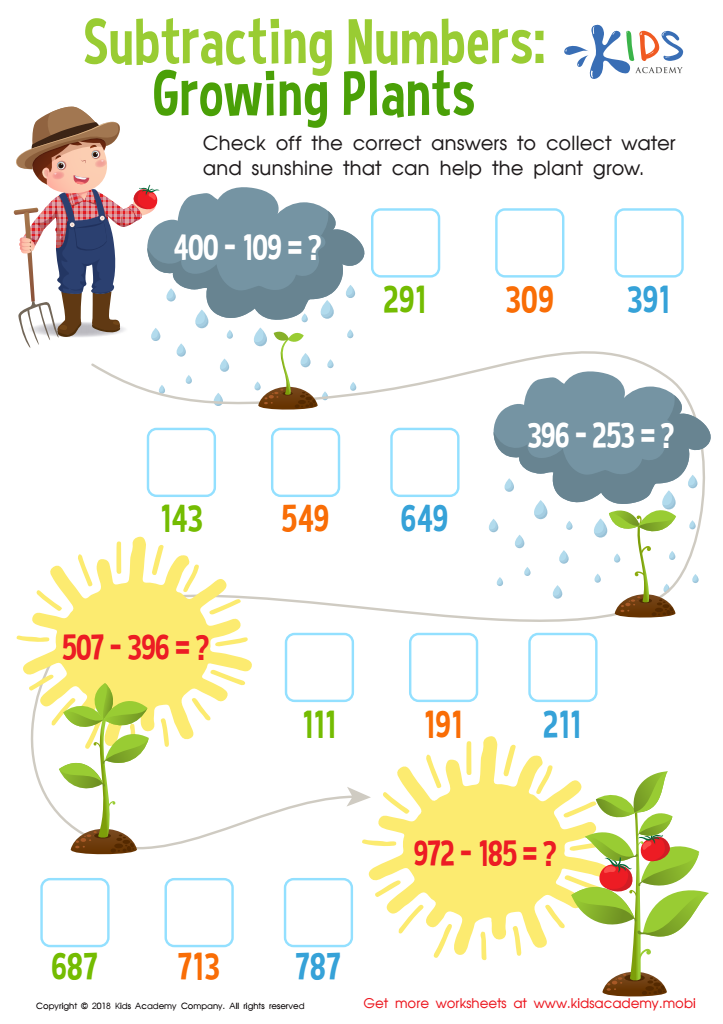
Subtracting Numbers: Growing Plants Worksheet
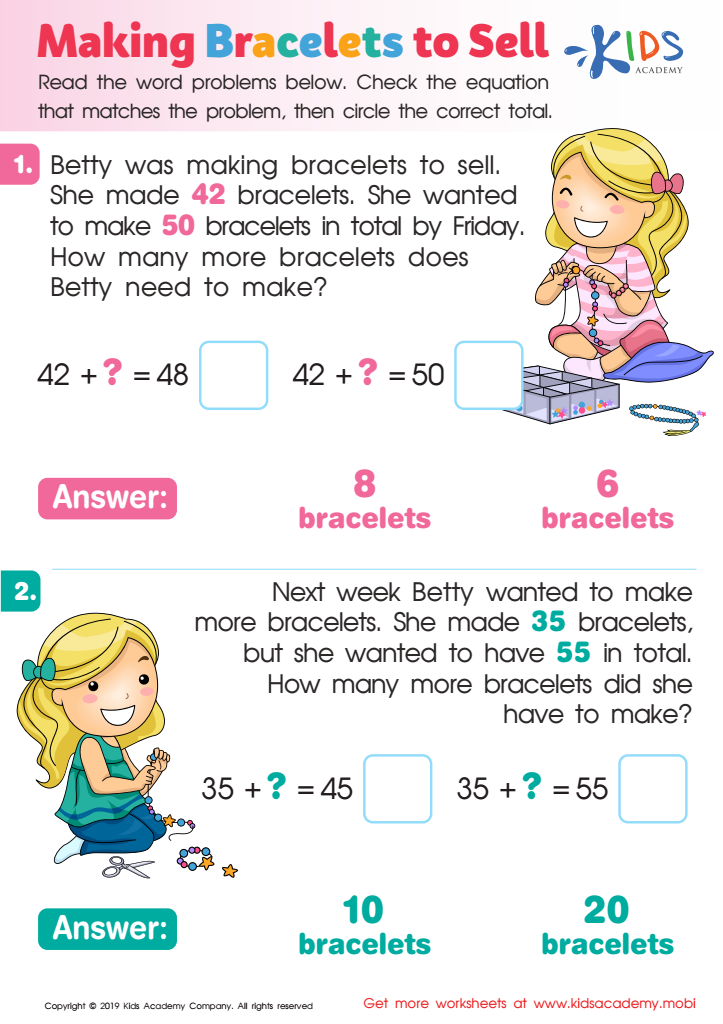
Making Bracelets to Sell Worksheet
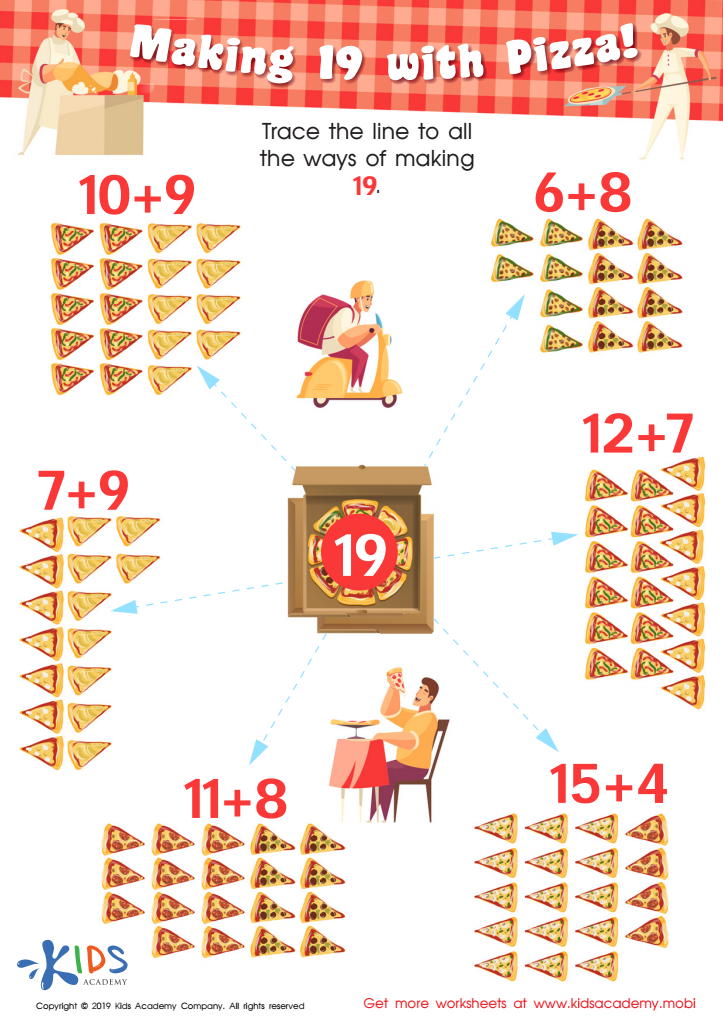
Making 19 with Pizza! Worksheet
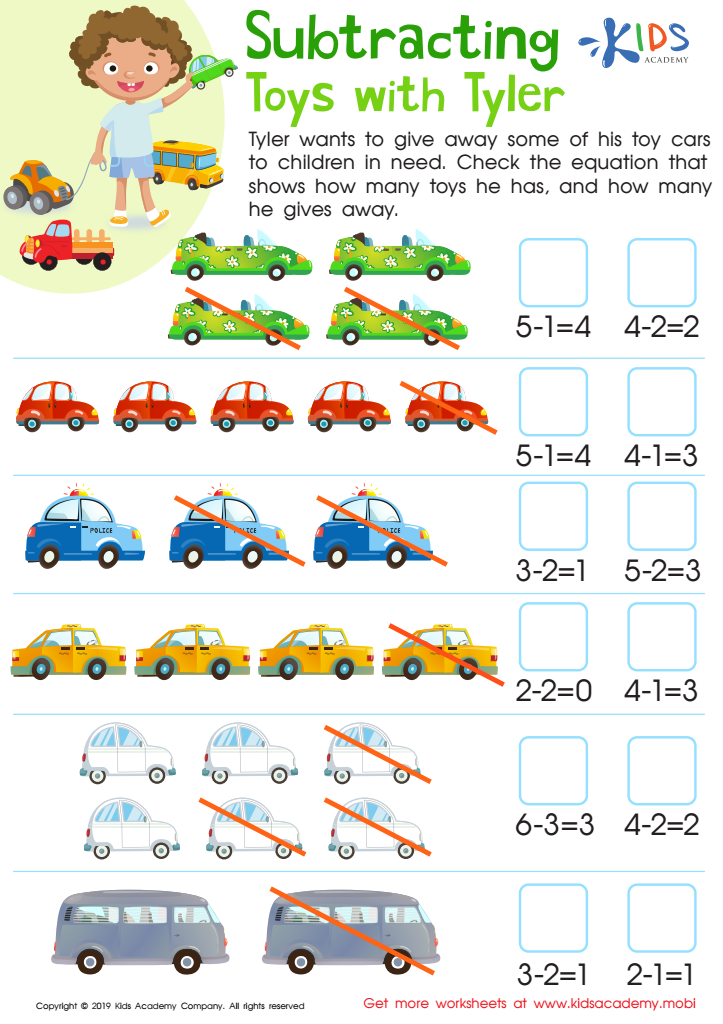
Subtracting Toys with Tyler Worksheet
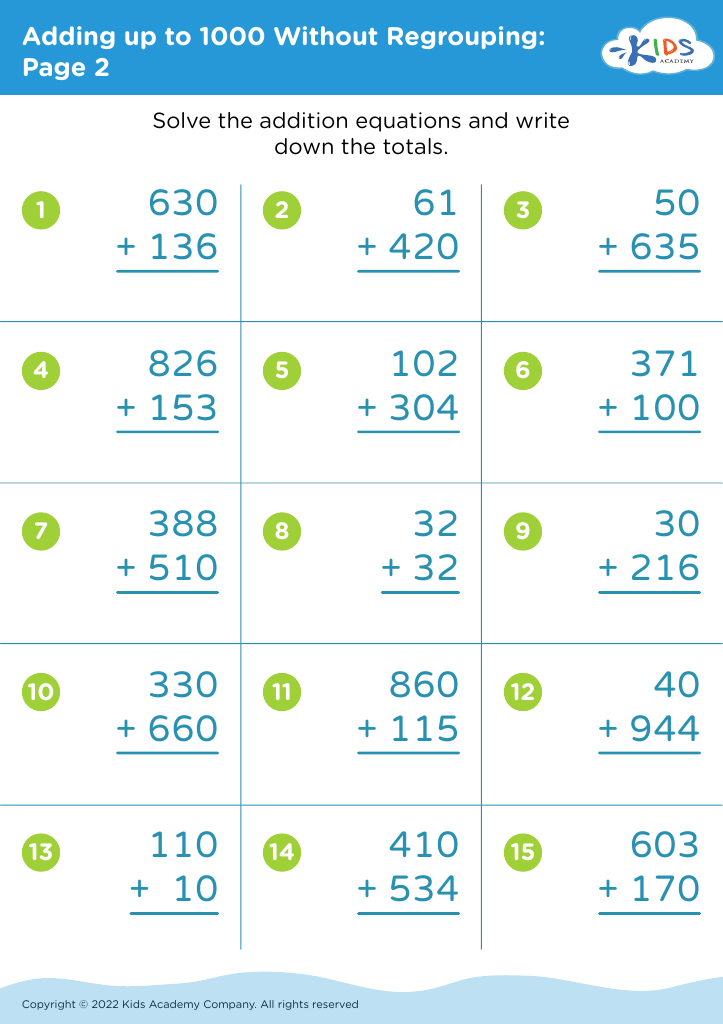
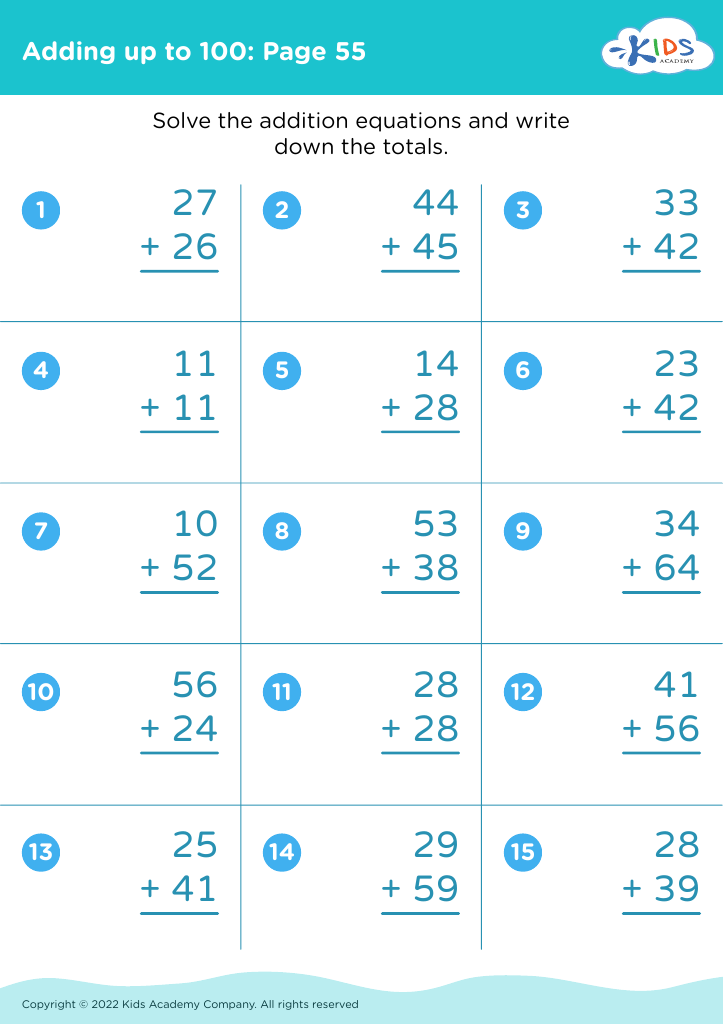
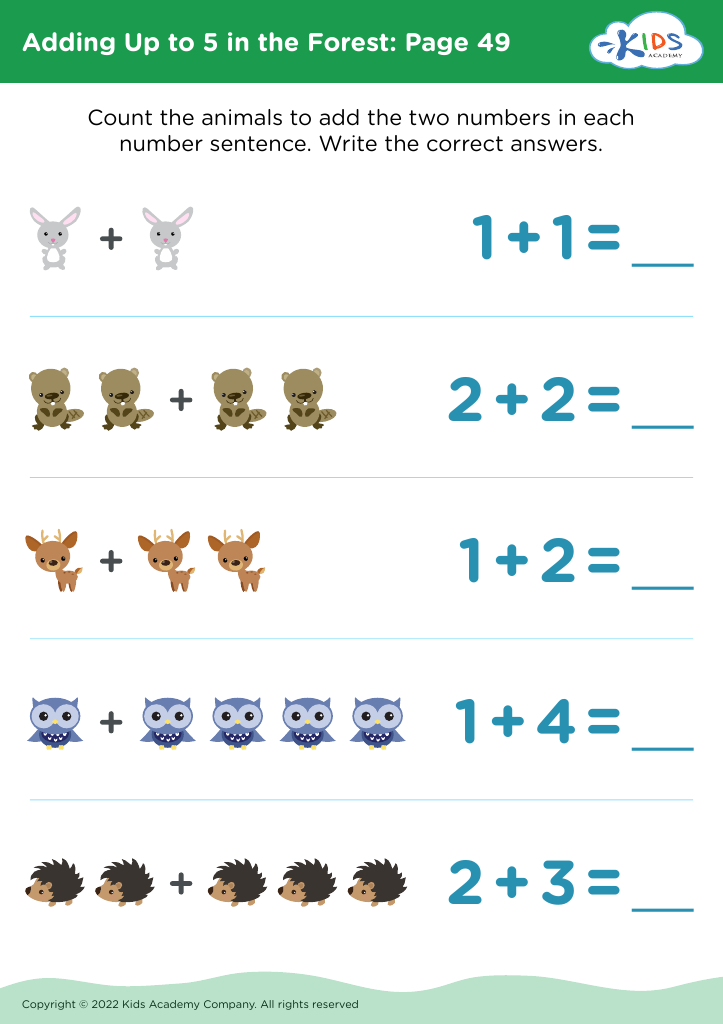

Adding at the Hospital Worksheet
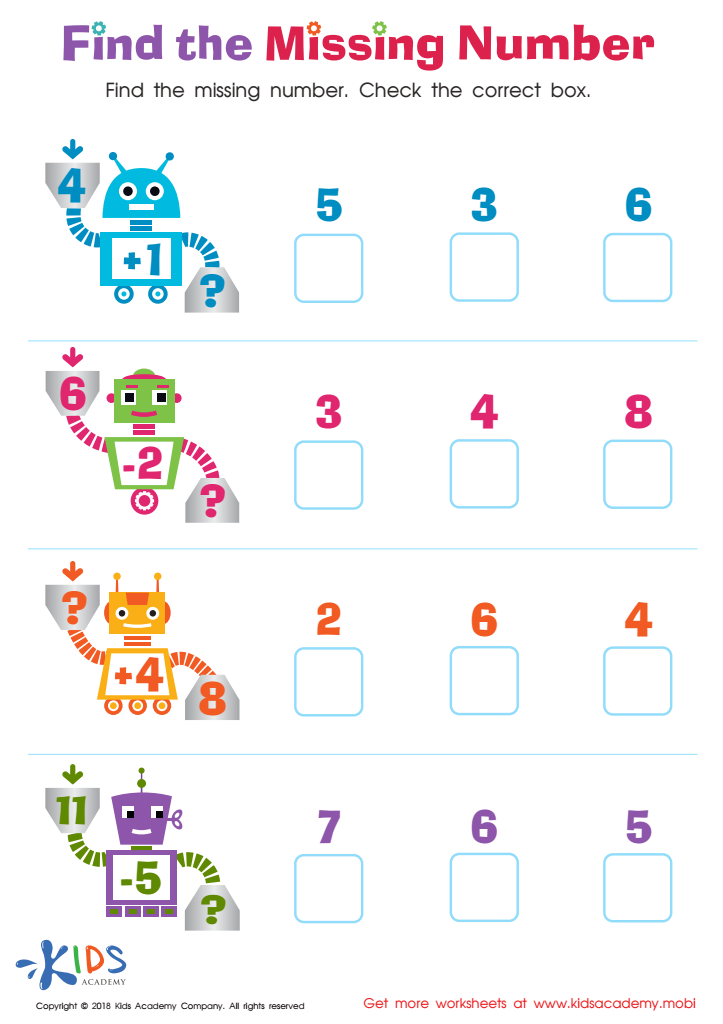
Find the Missing Number Worksheet
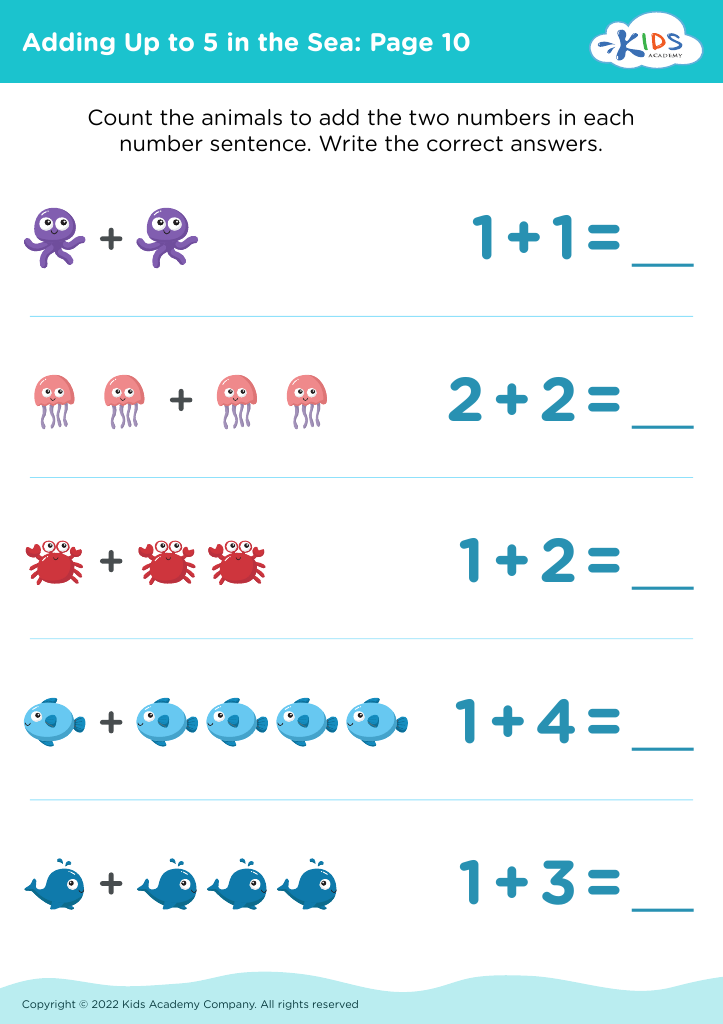
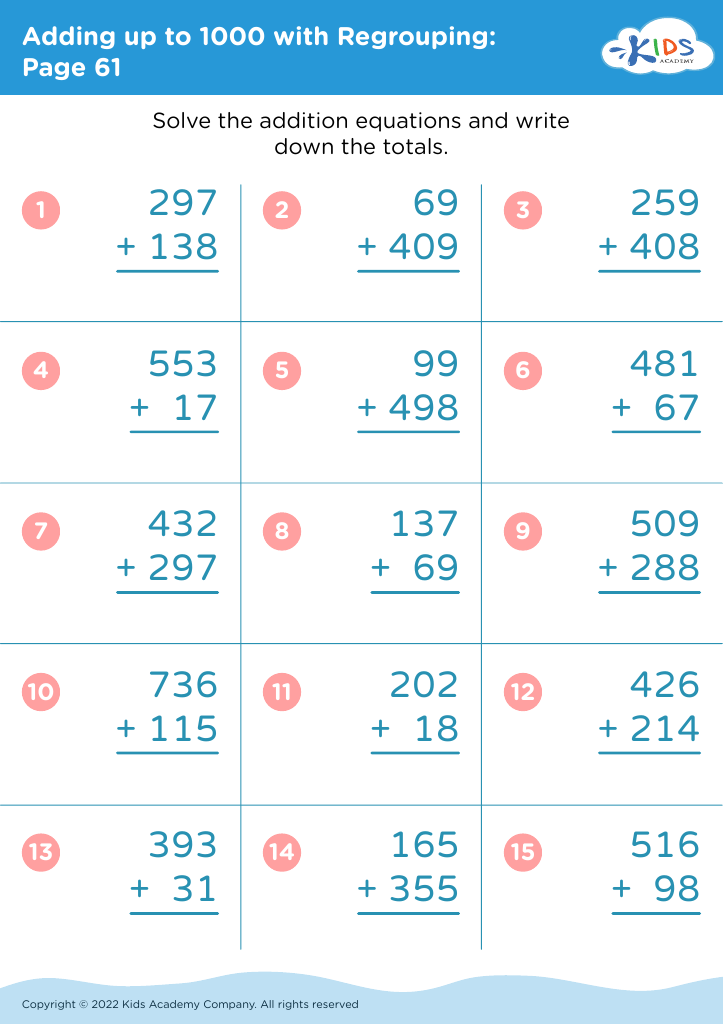
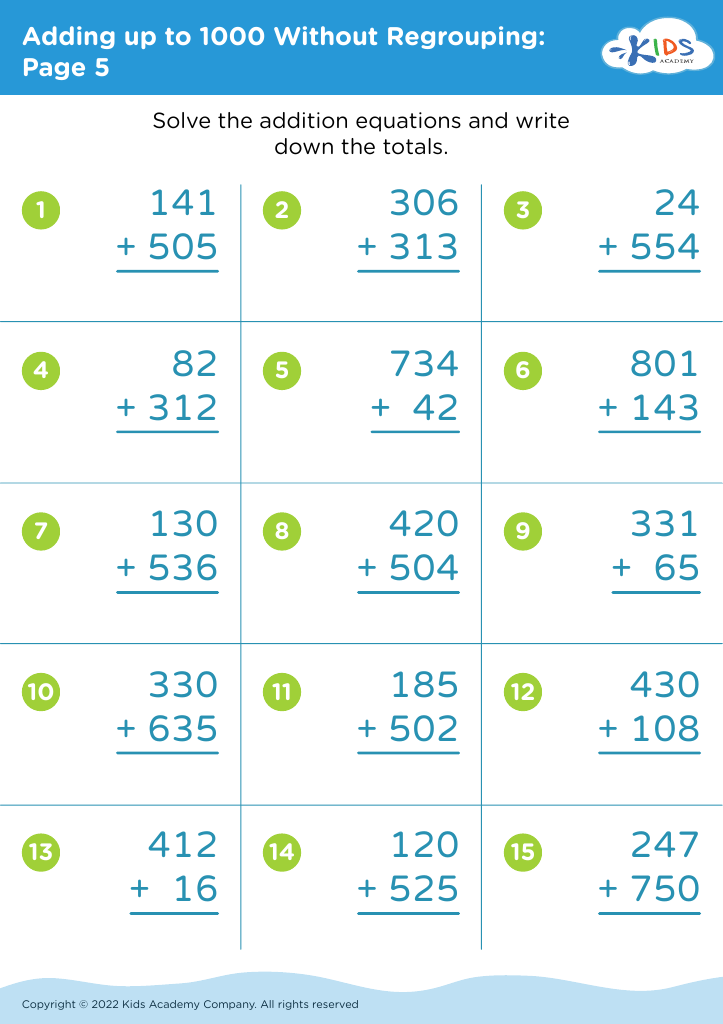








Problem-solving abilities, particularly in addition and subtraction, are vital for children aged 4-8 as they lay the foundational skills necessary for academic success and everyday functioning. Early mastery of these skills helps children develop critical thinking, logical reasoning, and analytical abilities, which are essential not only in mathematics but across all subjects.
As parents or teachers, nurturing these problem-solving abilities enhances children's confidence and resilience when faced with challenges. Engaging in addition and subtraction activities encourages persistence and creativity in finding solutions, which are key life skills. Furthermore, these mathematical skills are crucial for real-world applications, from understanding time and money to navigating everyday tasks.
Supporting problem-solving in mathematics during these formative years sets a positive tone for their future learning experiences. Children who are proficient in addition and subtraction are not only more prepared for future math concepts but also generally perform better academically, leading to greater opportunities later in life. Importantly, fostering a love for problem-solving can ignite curiosity and a lifelong appreciation for learning, crafting well-rounded individuals who are equipped to tackle the complexities of modern life. Ultimately, empowering children in these early years is an investment in their current and future success.








