Addition Practice Addition Worksheets for Ages 4-8 - Page 4
120 filtered results
-
From - To
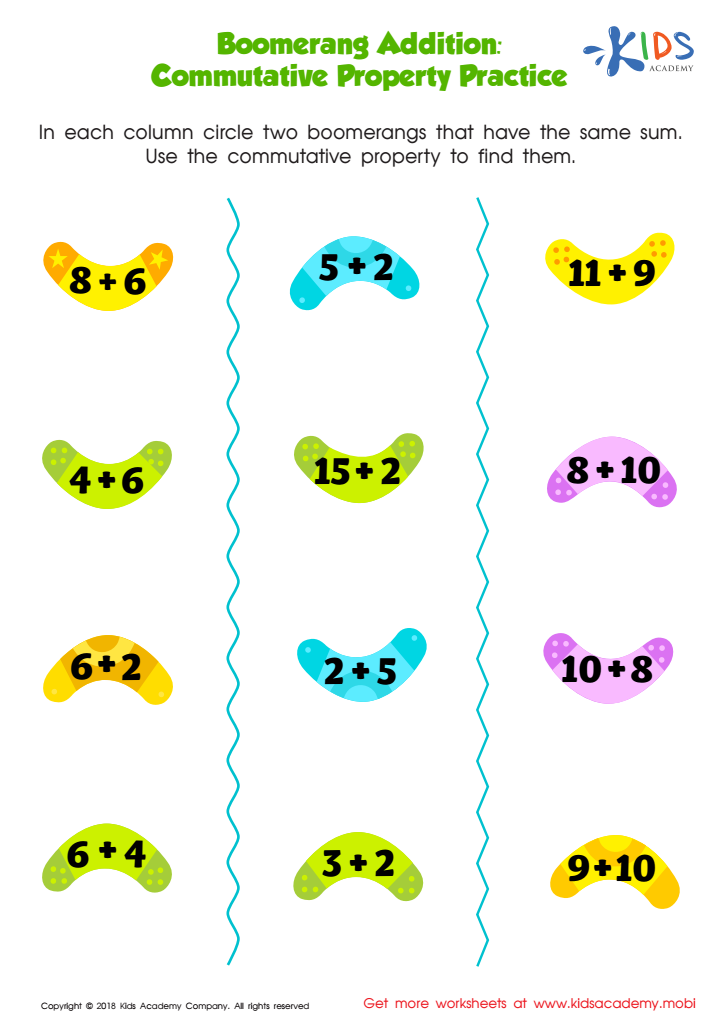
Boomerang Addition Worksheet
 Assign to My Students
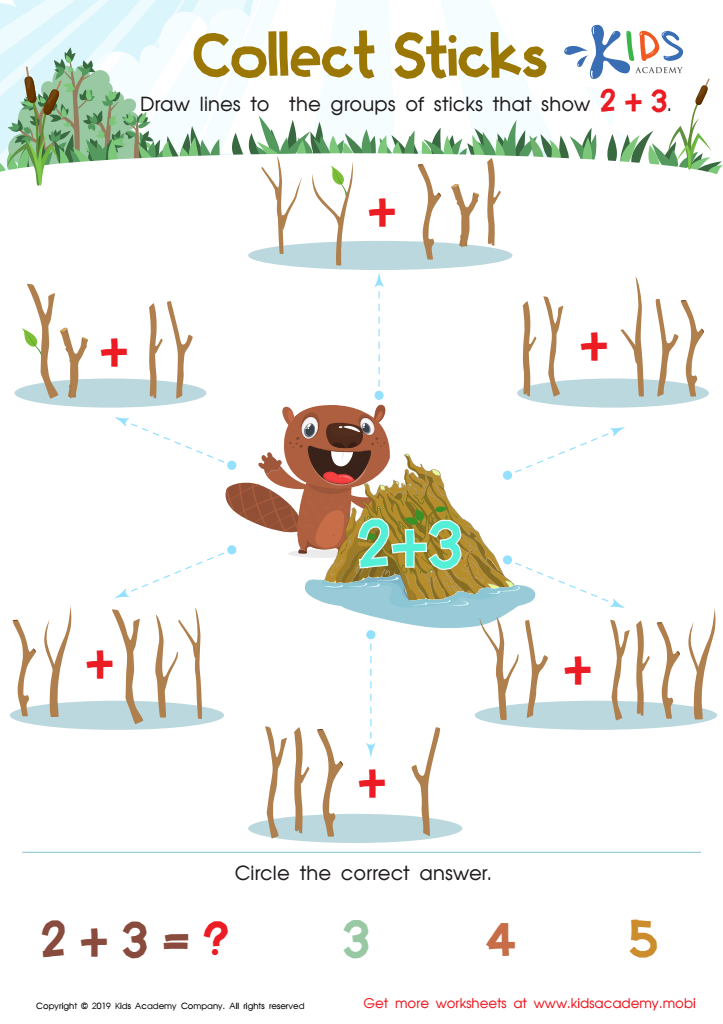
Collect Sticks Worksheet
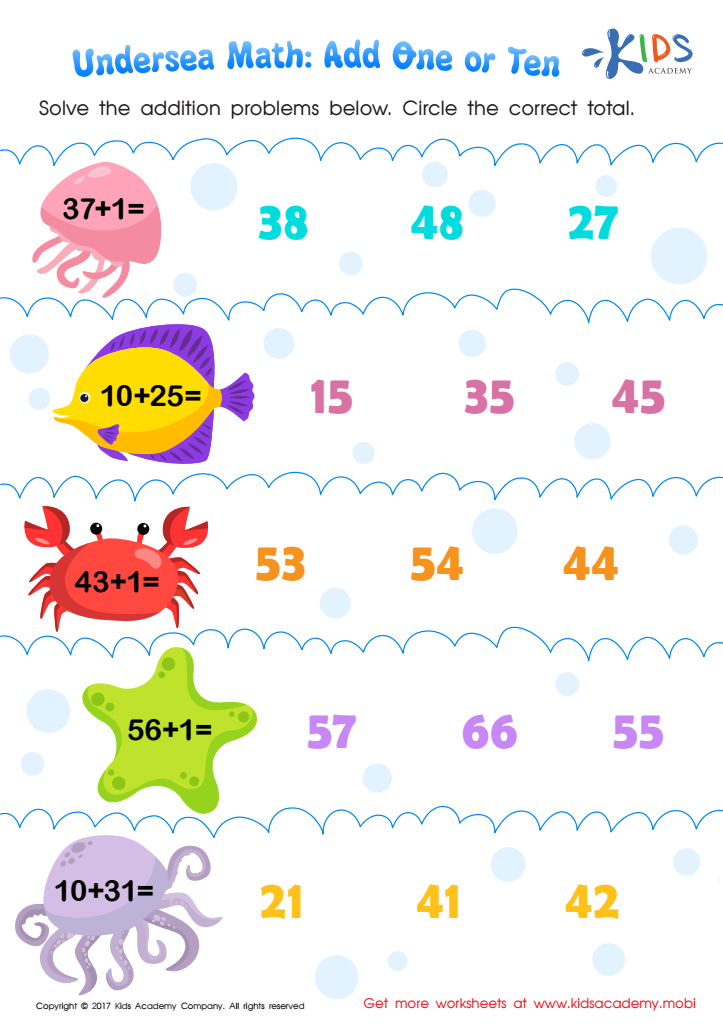
Undersea Math Worksheet
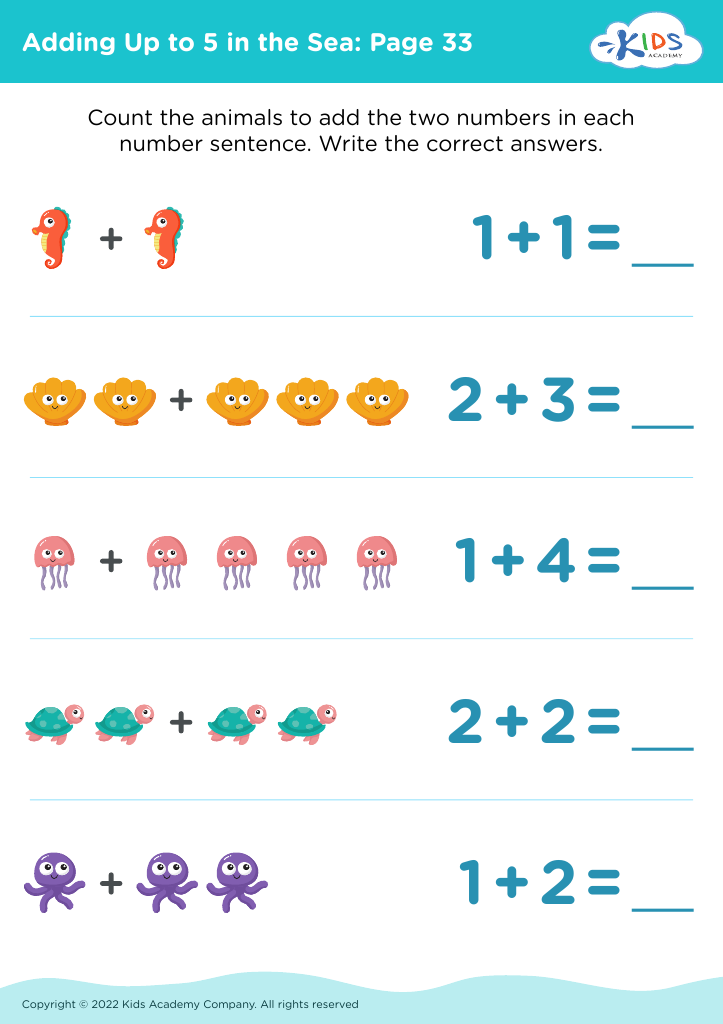
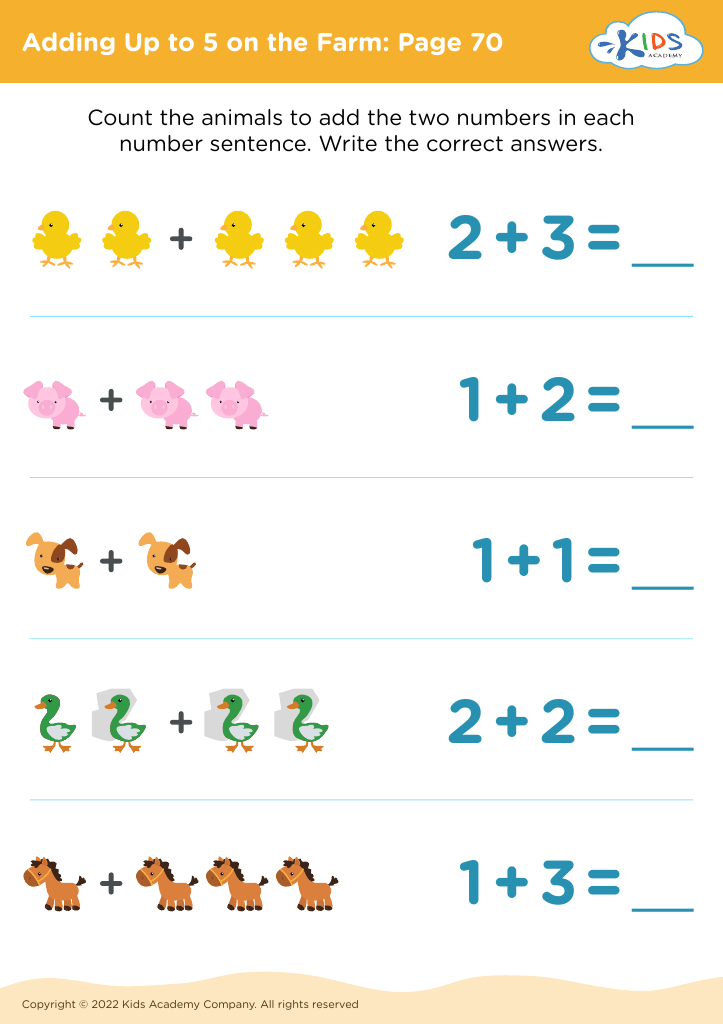
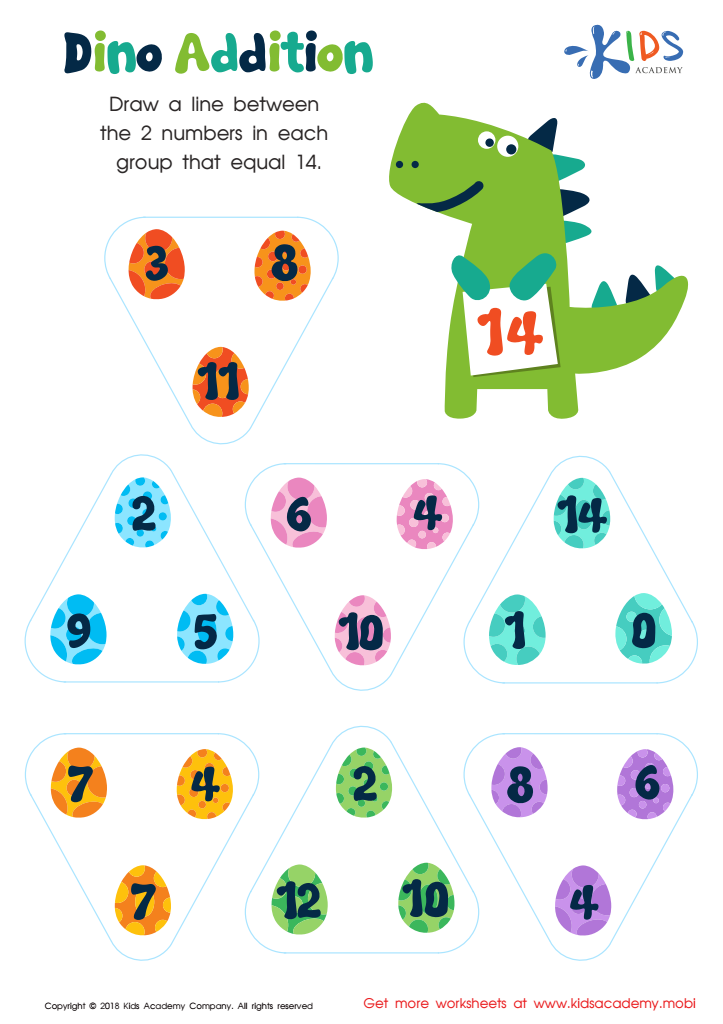
Dino Addition Worksheet
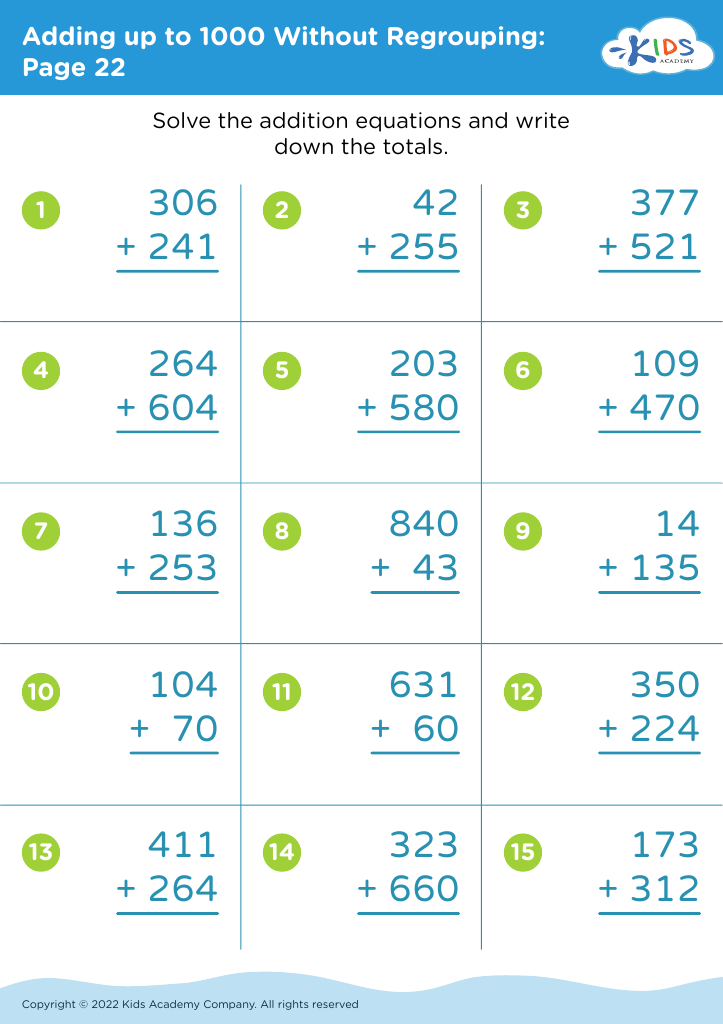
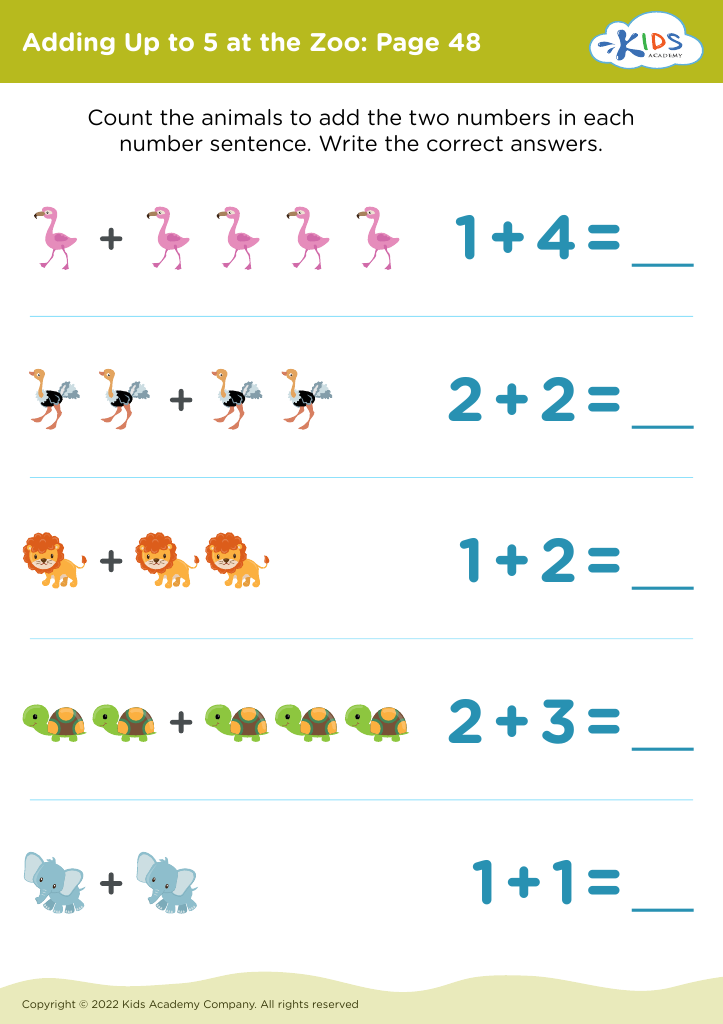
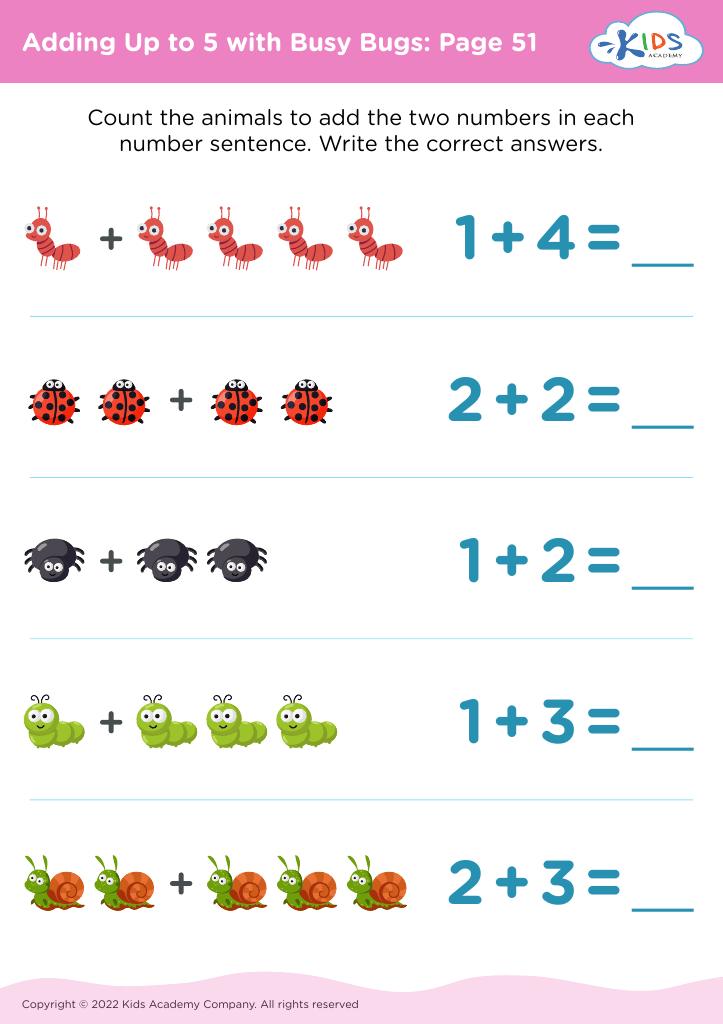
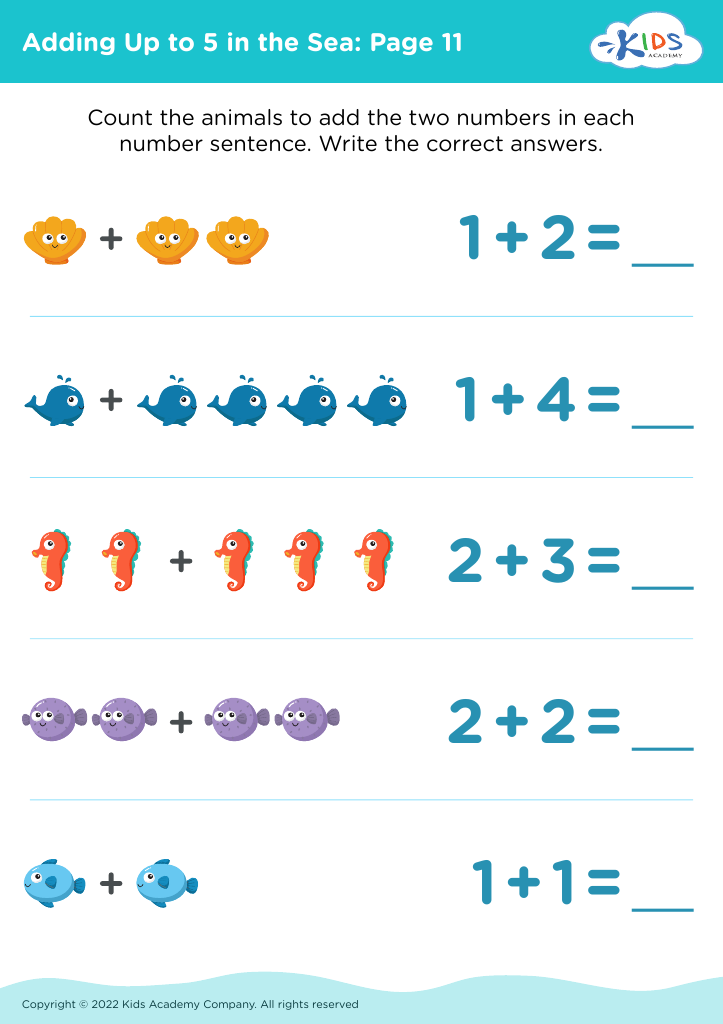
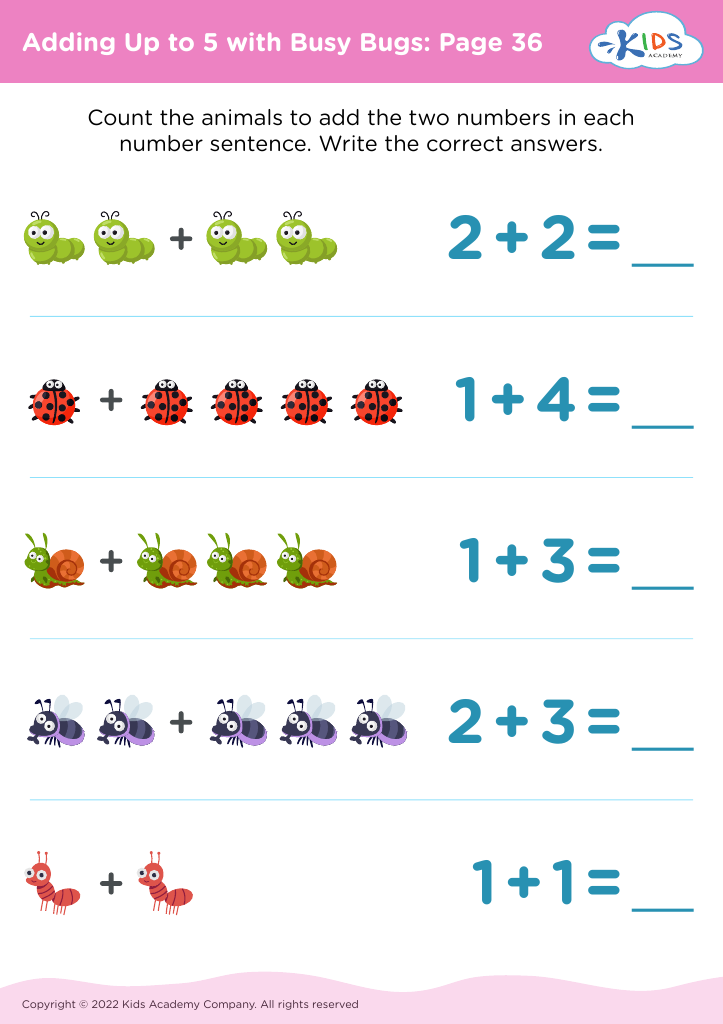
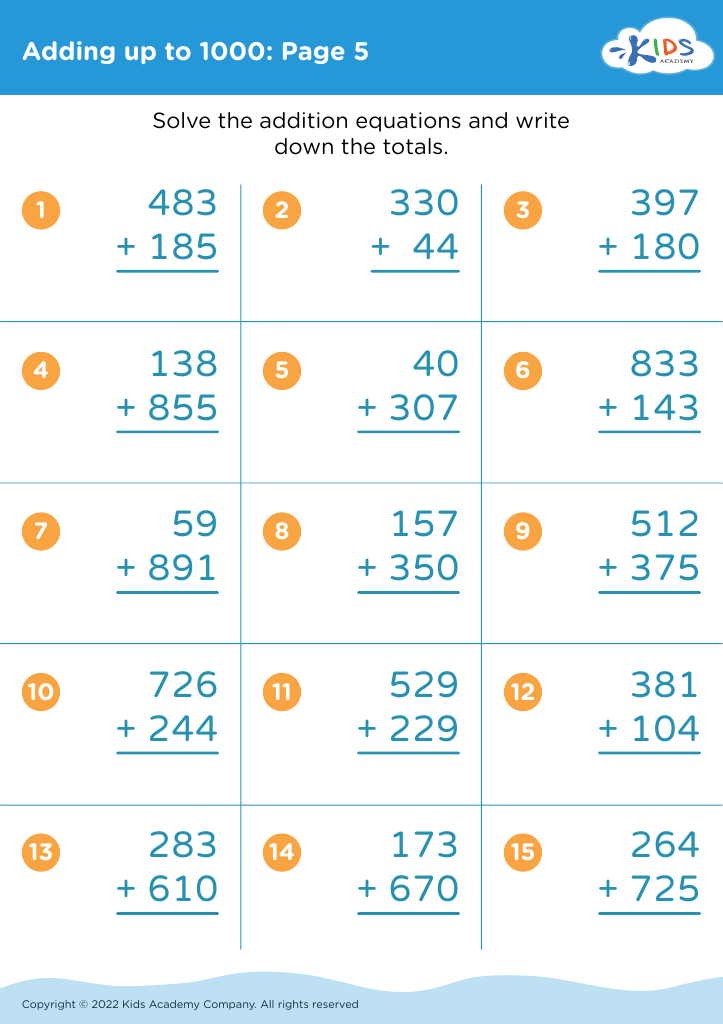
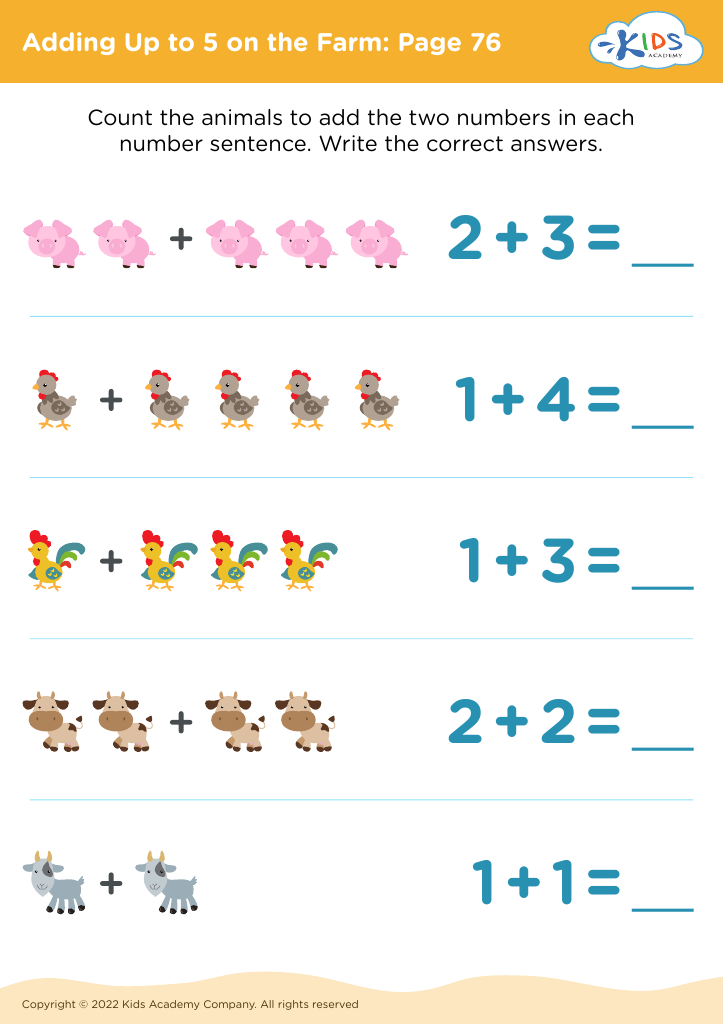
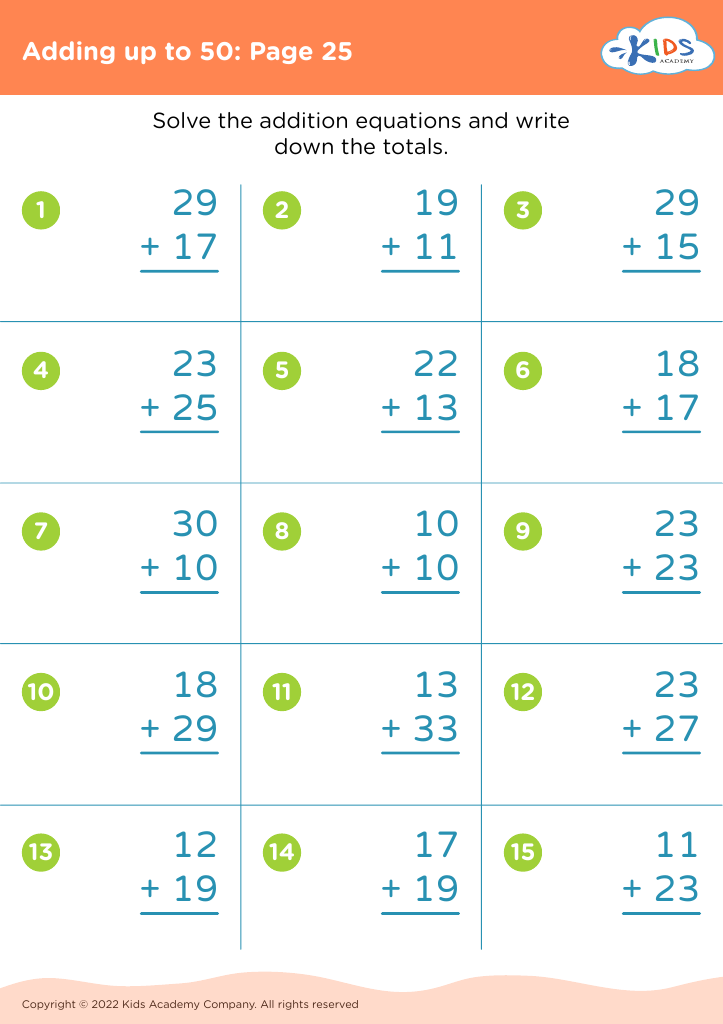
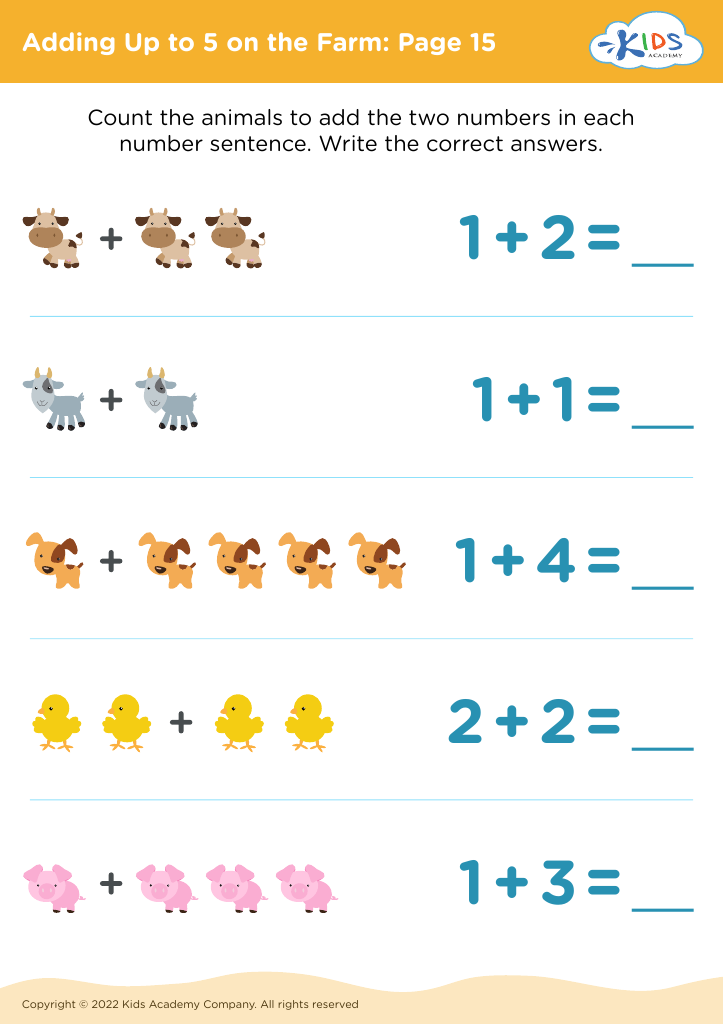
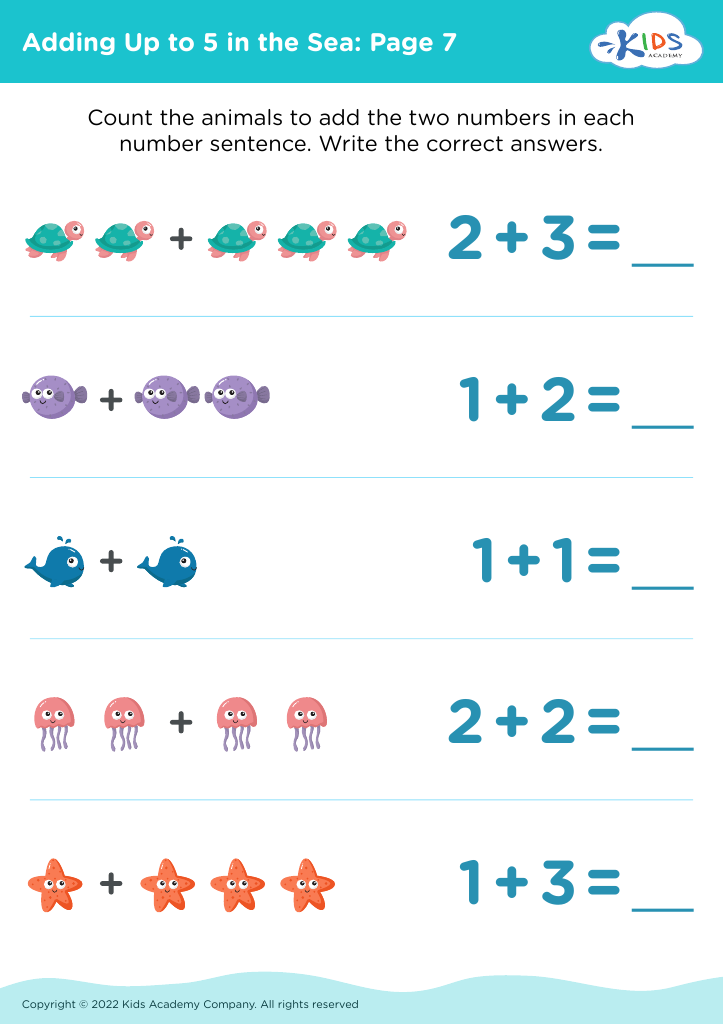
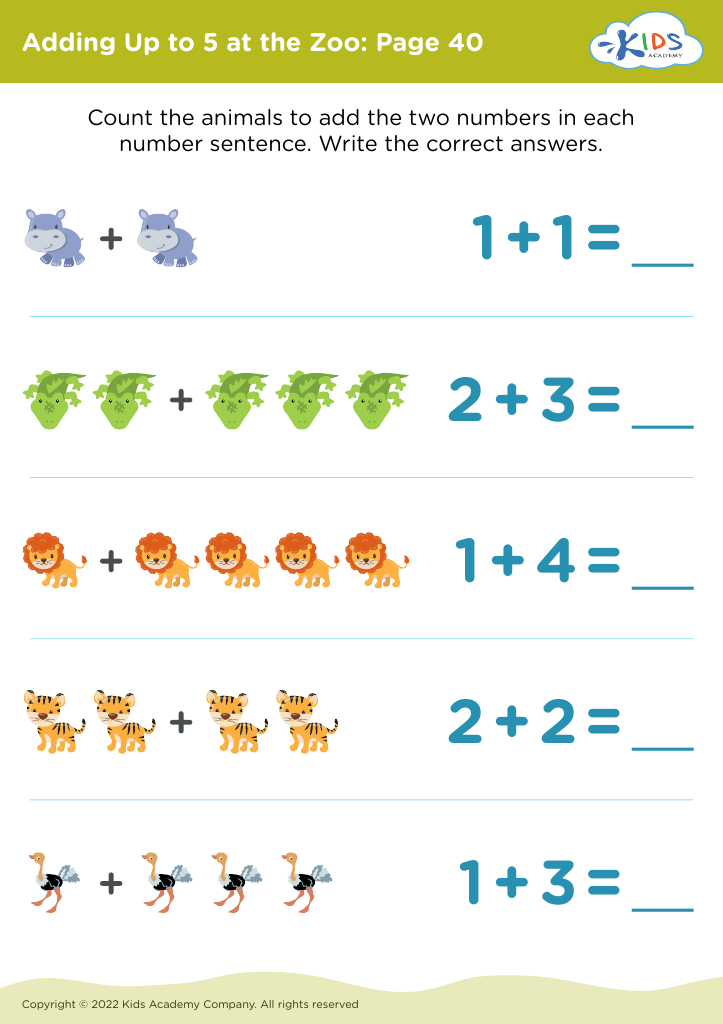
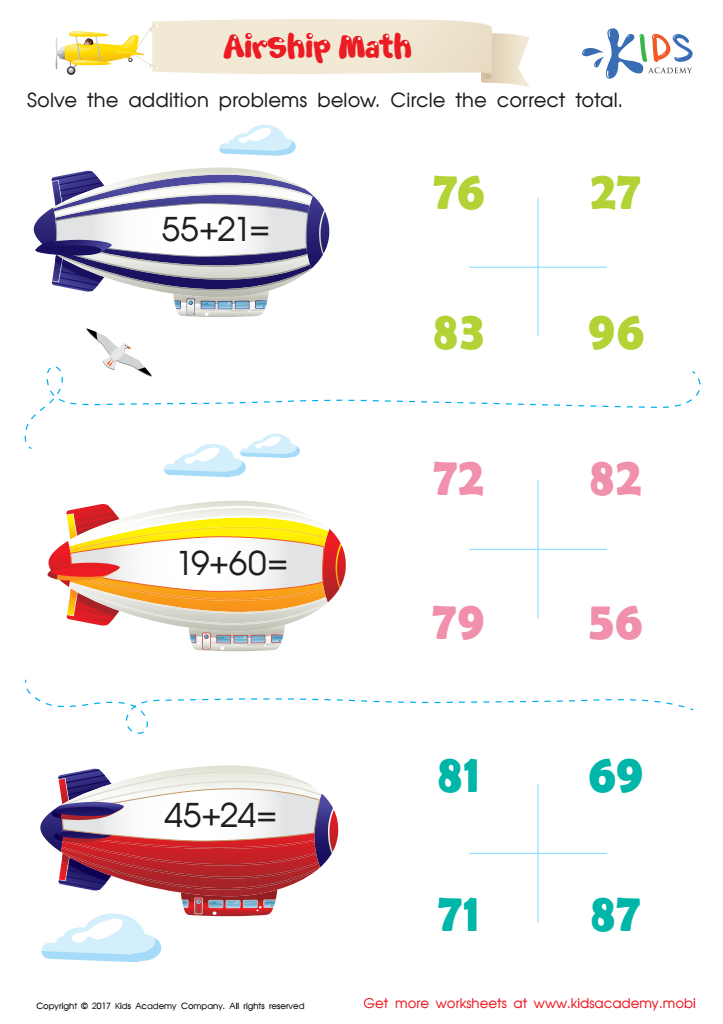
Airship Math Addition Printable
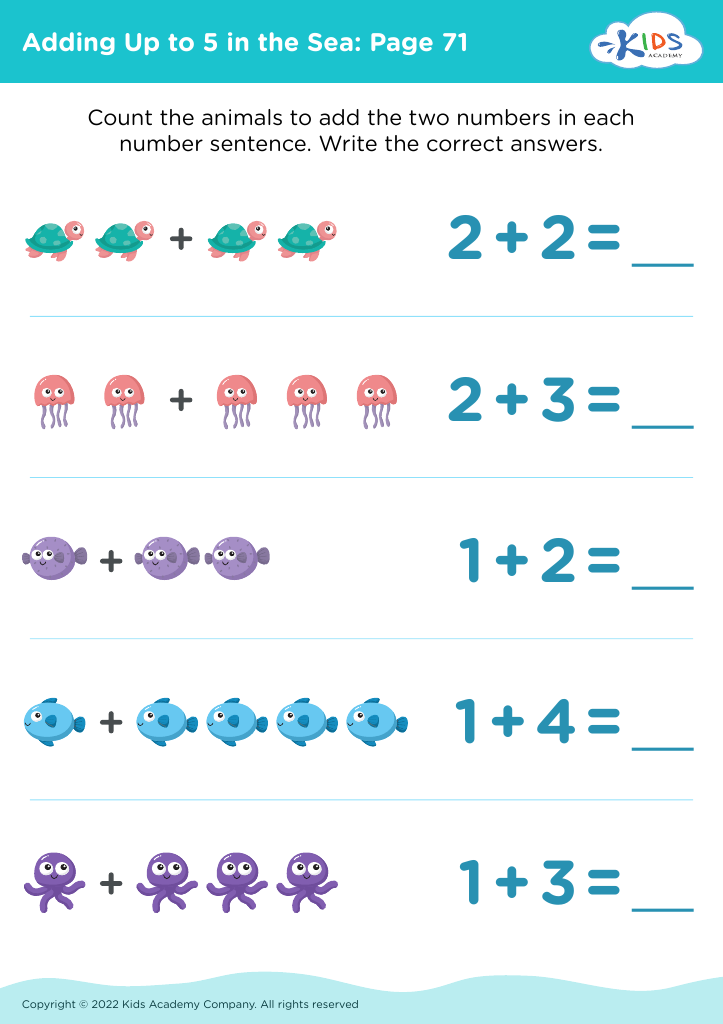
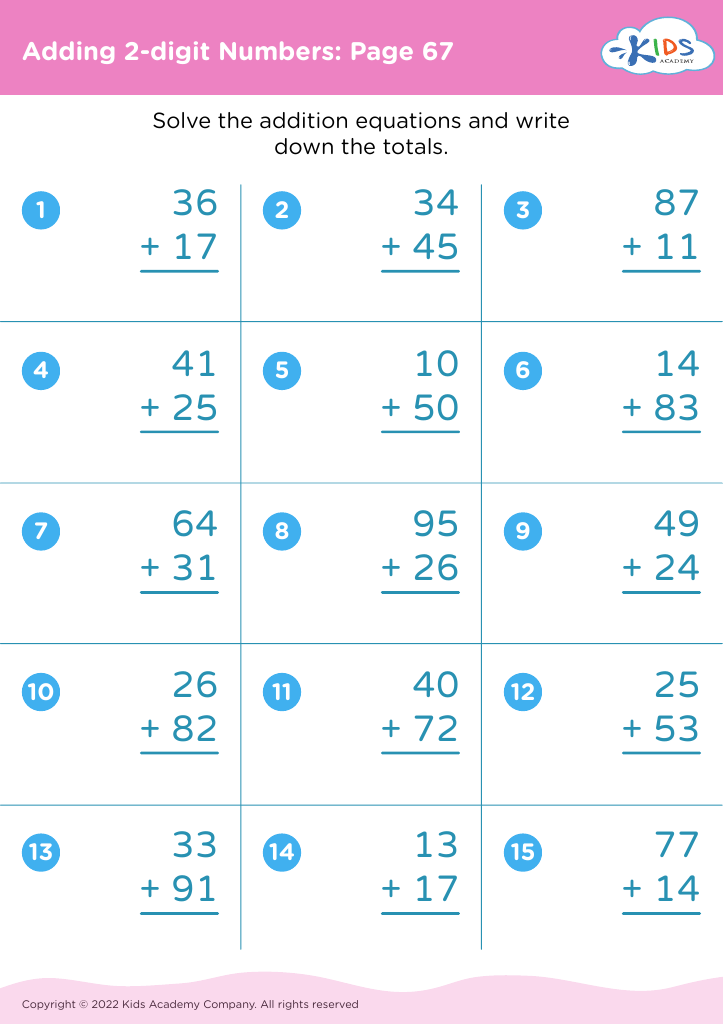
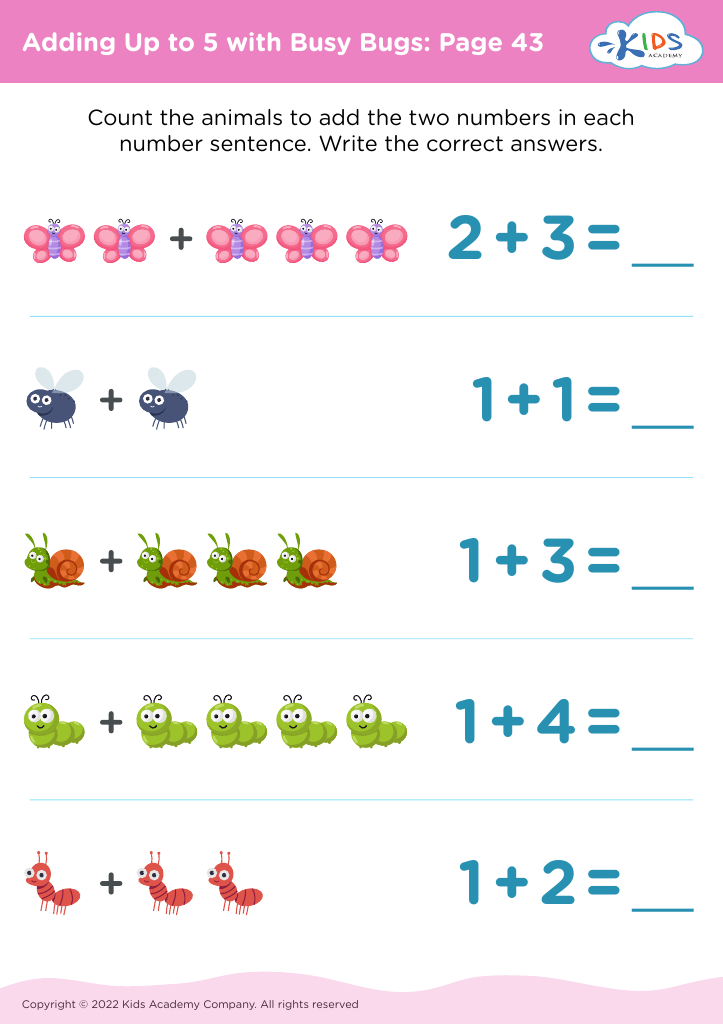
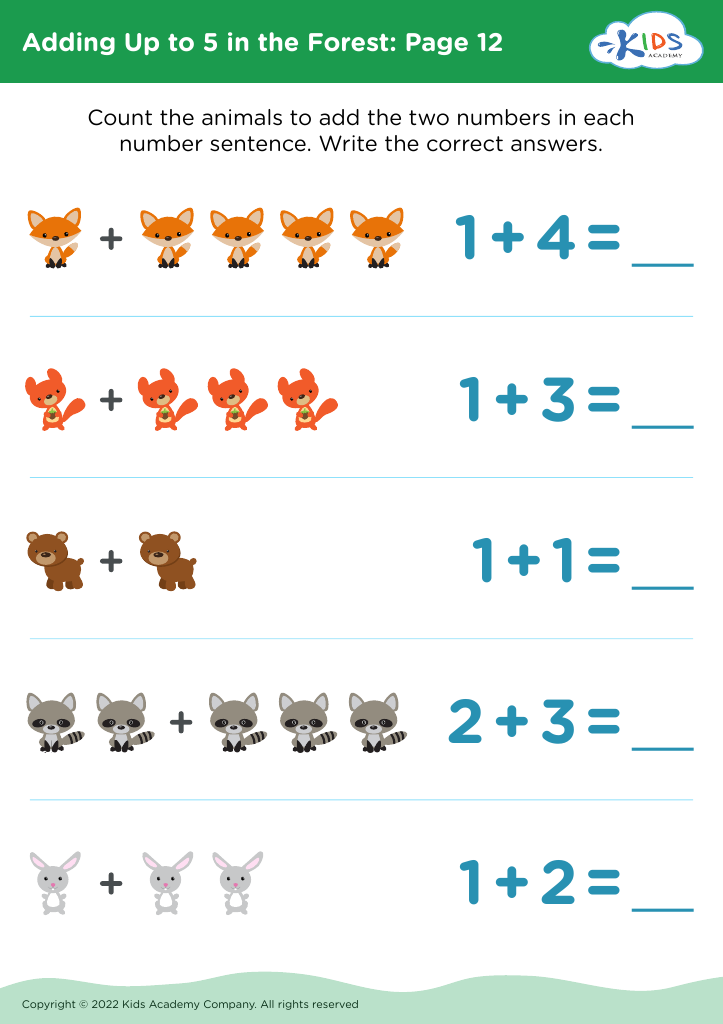
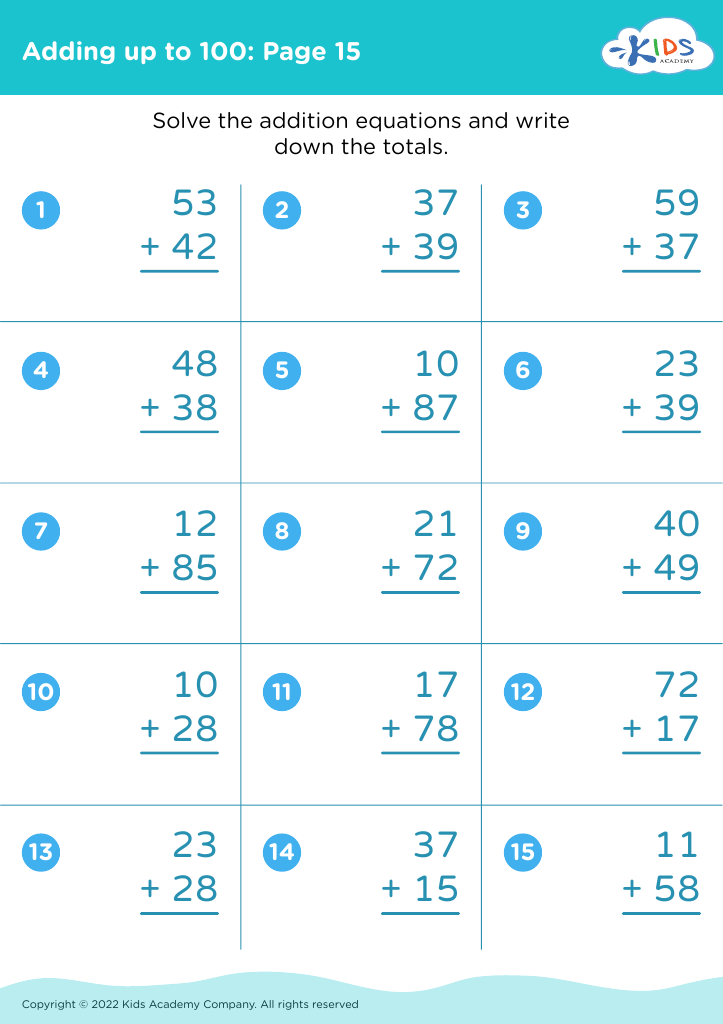








Parents and teachers should prioritize addition practice for children aged 4-8 as it lays the foundation for essential math skills crucial for future academic success. At this age, children are developing their cognitive abilities and learning through play, making it an ideal time to introduce addition in a fun and engaging way. Mastery of basic addition helps promote number sense, enabling children to understand the relationships between numbers, which is vital for more complex mathematical concepts later on.
Additionally, regular practice enhances problem-solving skills and logical thinking. It enables children to tackle real-world problems and develop critical analytical skills. Furthermore, as they gain confidence in their ability to add, children are more likely to engage positively with mathematics, reducing anxiety around the subject.
Moreover, supporting early addition skills strengthens parent-child or teacher-student bonds through interactive learning experiences. Encouraging exploration through games, visual aids, and activities not only makes learning enjoyable but also motivates children to practice consistently. In essence, effective addition practice not only equips children with essential skills but also fosters a lifelong appreciation for math, setting the stage for continued academic achievement and success in everyday life.








