Filters

19 filtered results

Clear all filters
Favorites
With answer key
Interactive

19 filtered results

Difficulty Level

Grade


Unlock the joy of learning with our engaging Counting Objects Addition Worksheets designed for children aged 4-8. These worksheets offer a fun and interactive way for kids to develop essential math skills. By counting objects and solving addition problems, children will strengthen their understanding of numbers and enhance their problem-solving abilities. Our colorful and imaginative worksheets are tailored to keep young learners excited and motivated. Perfect for both classroom use and home practice, these resources provide a solid foundation in mathematics. Help your child build confidence in their abilities with our thoughtfully crafted counting worksheets today!
Check out this FREE Trial Lesson on Addition for age 4-8!

L

Favorites
With answer key
Interactive
  • 4-8
  • Counting objects
  • Addition
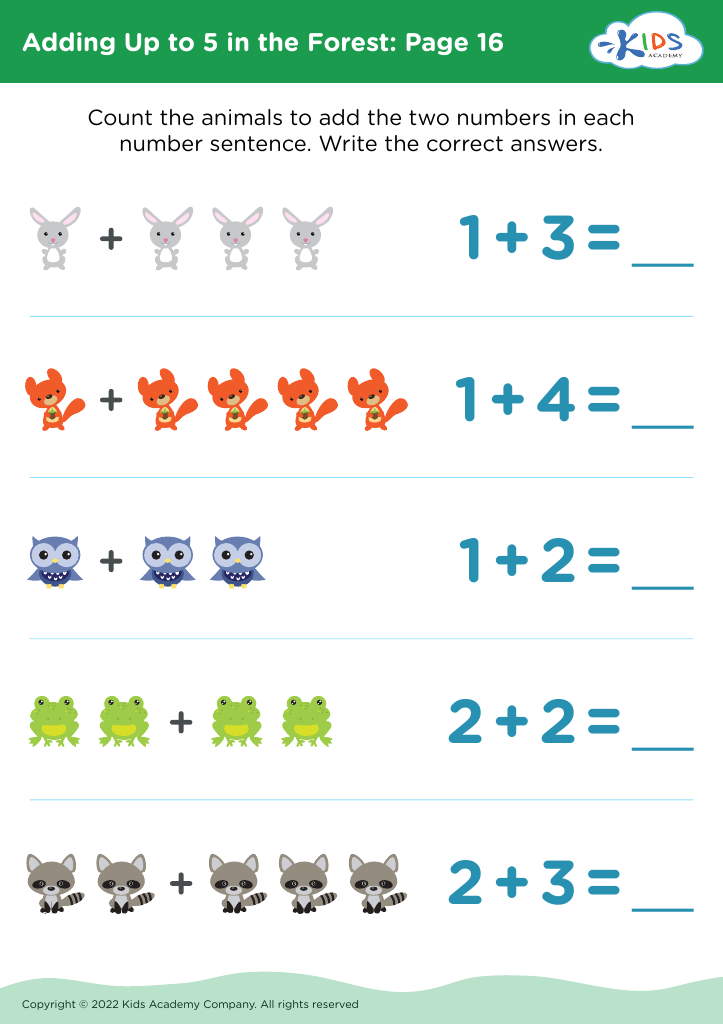
Adding Up to 5 in the Forest: Page 16
Worksheet
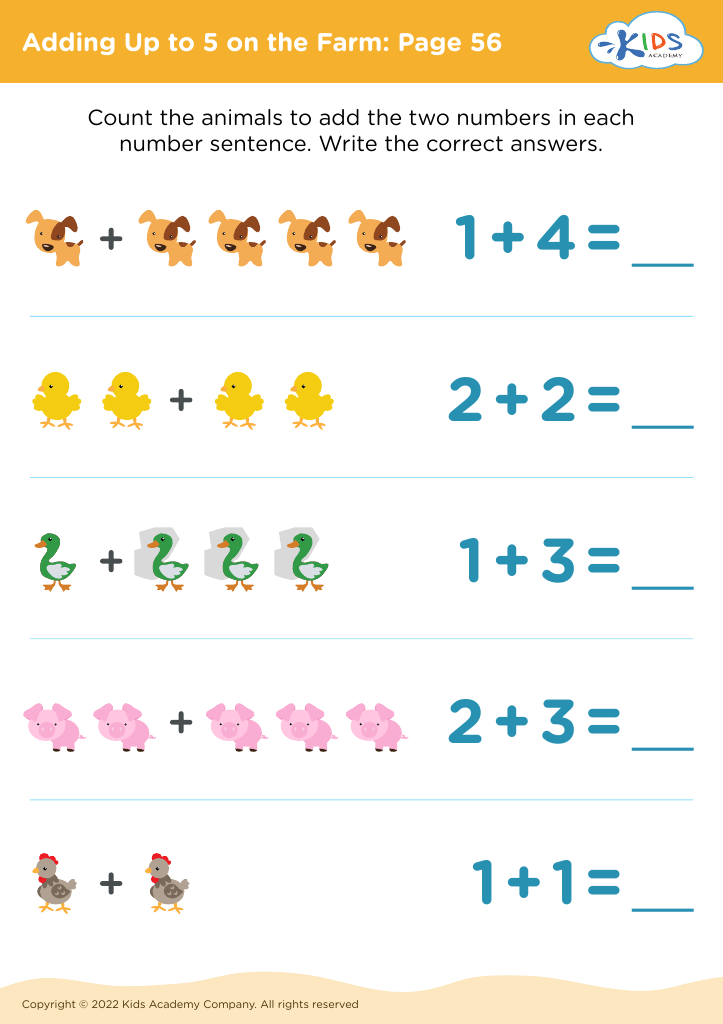
Adding Up to 5 on the Farm: Page 56
Worksheet
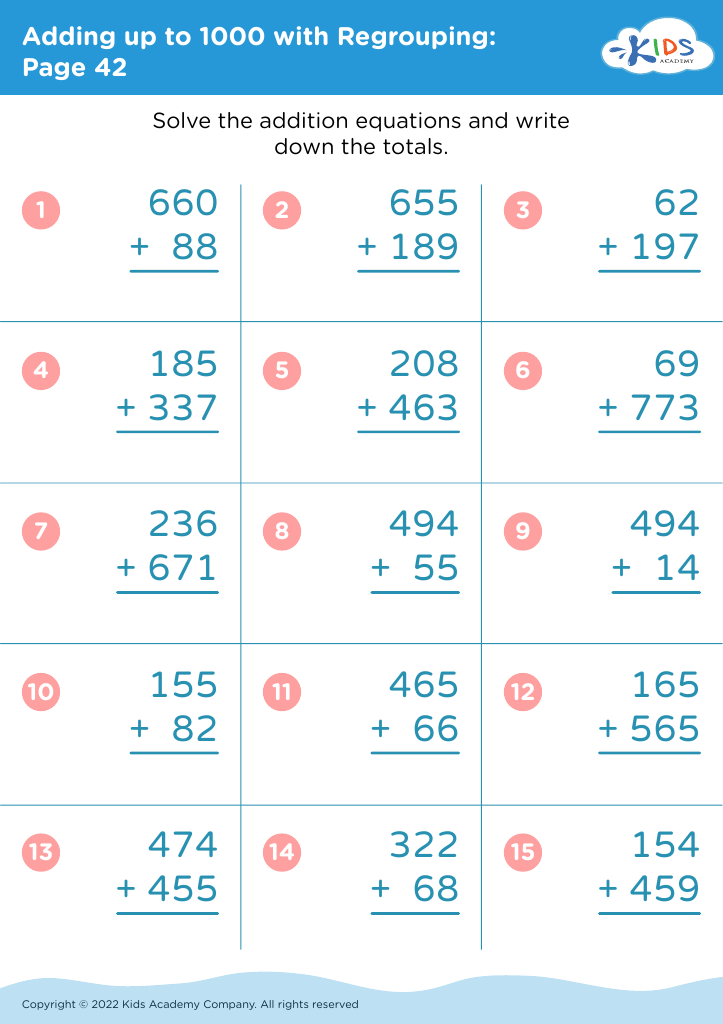
Adding up to 1000 with Regrouping: Page 42
Worksheet
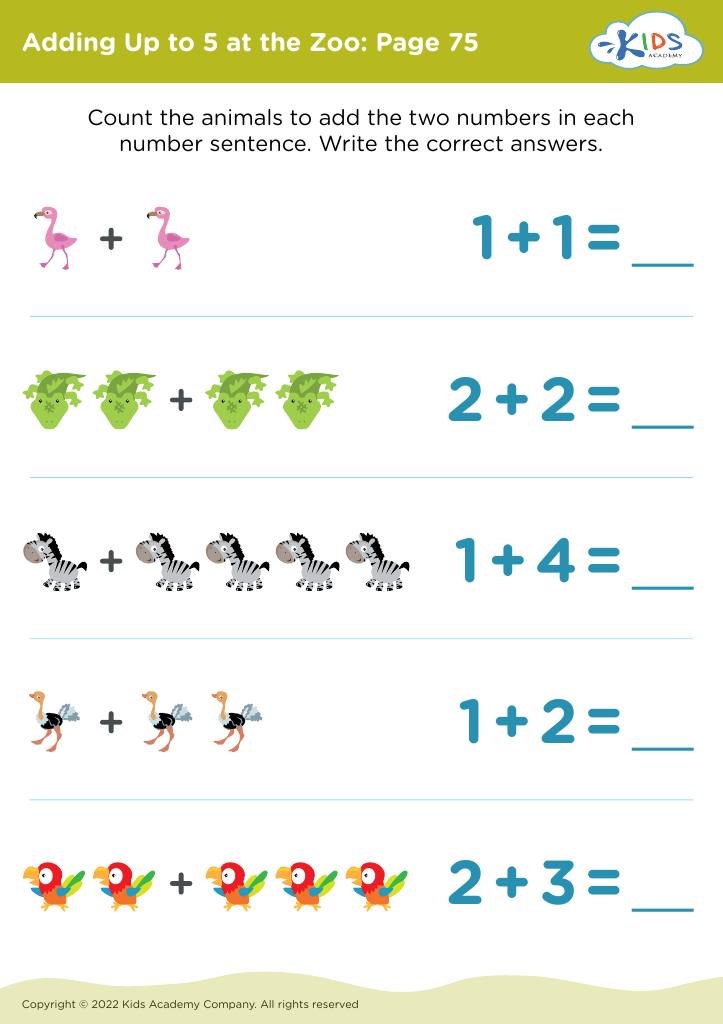
Adding Up to 5 at the Zoo: Page 75
Worksheet
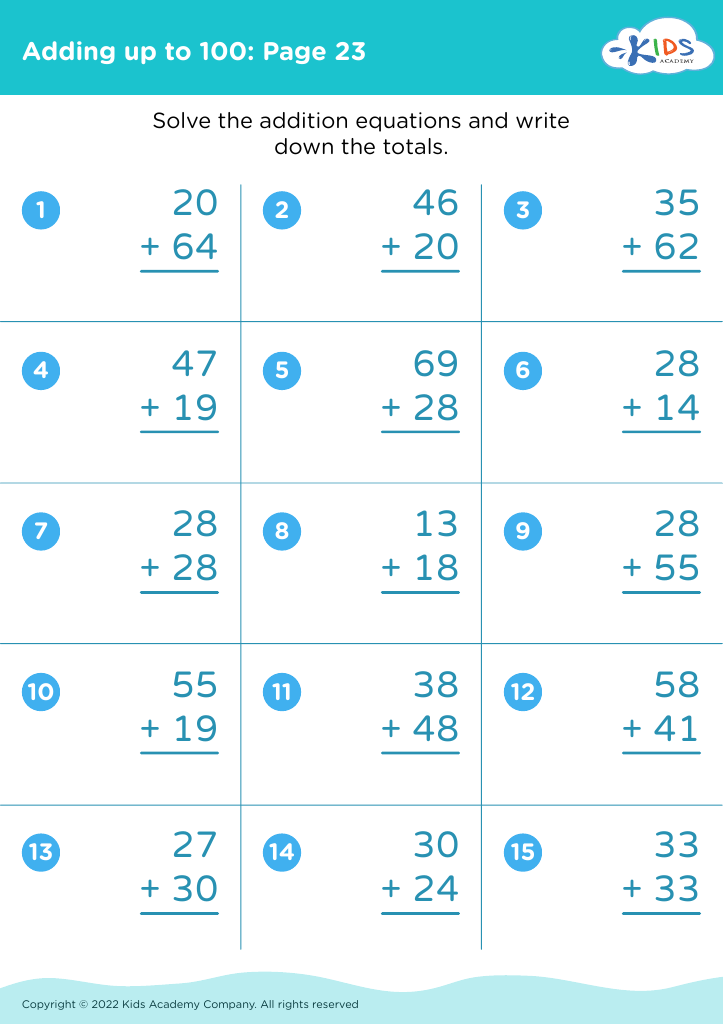
Adding up to 100: Page 23

Adding up to 100: Page 23

Adding up to 100: Page 23
Worksheet
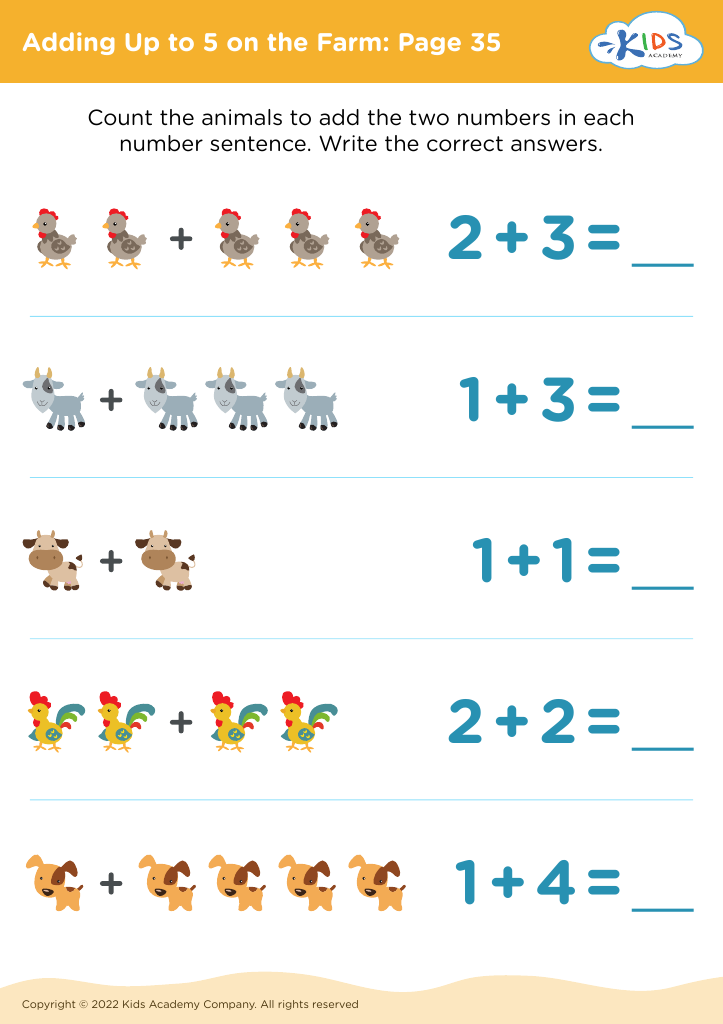
Adding Up to 5 on the Farm: Page 35
Worksheet
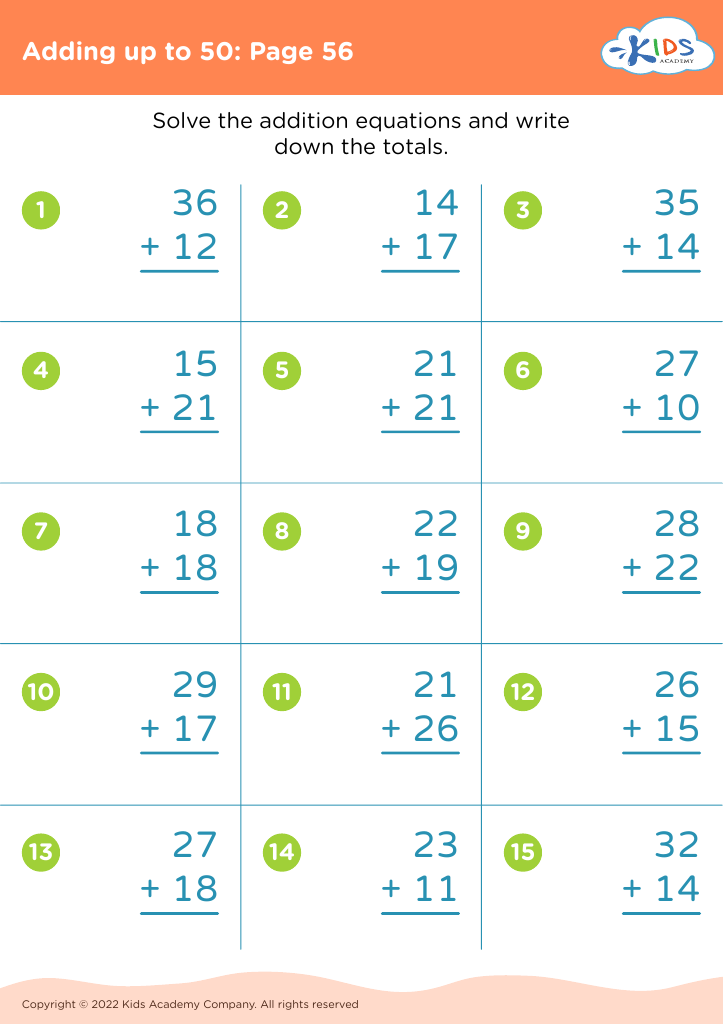
Adding up to 50: Page 56

Adding up to 50: Page 56

Adding up to 50: Page 56
Worksheet
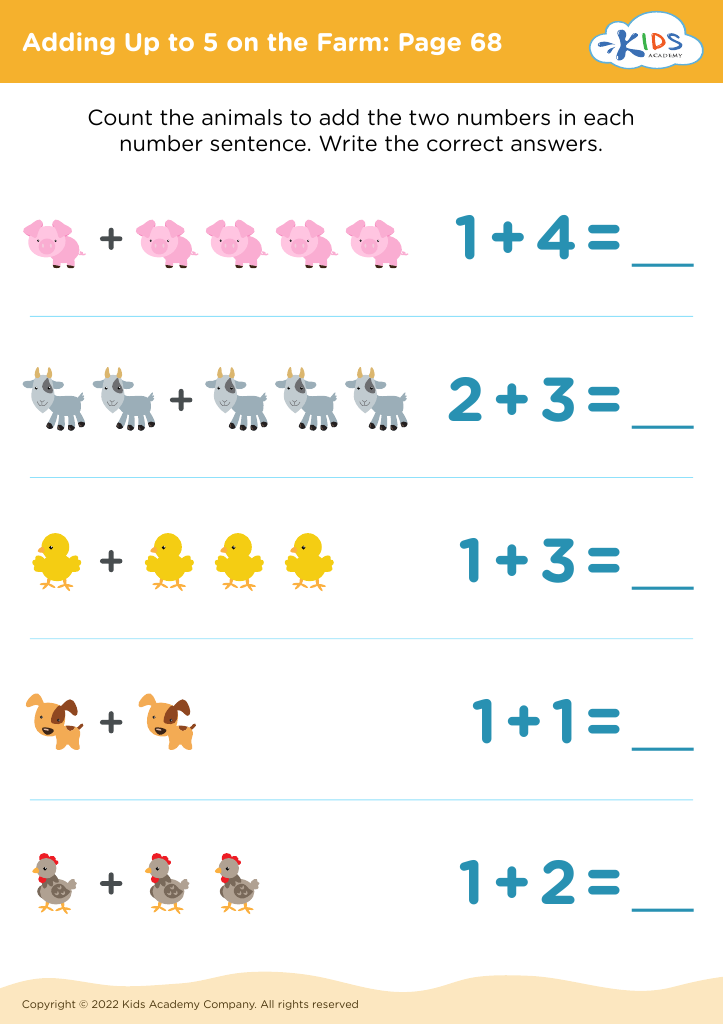
Adding Up to 5 on the Farm: Page 68
Worksheet
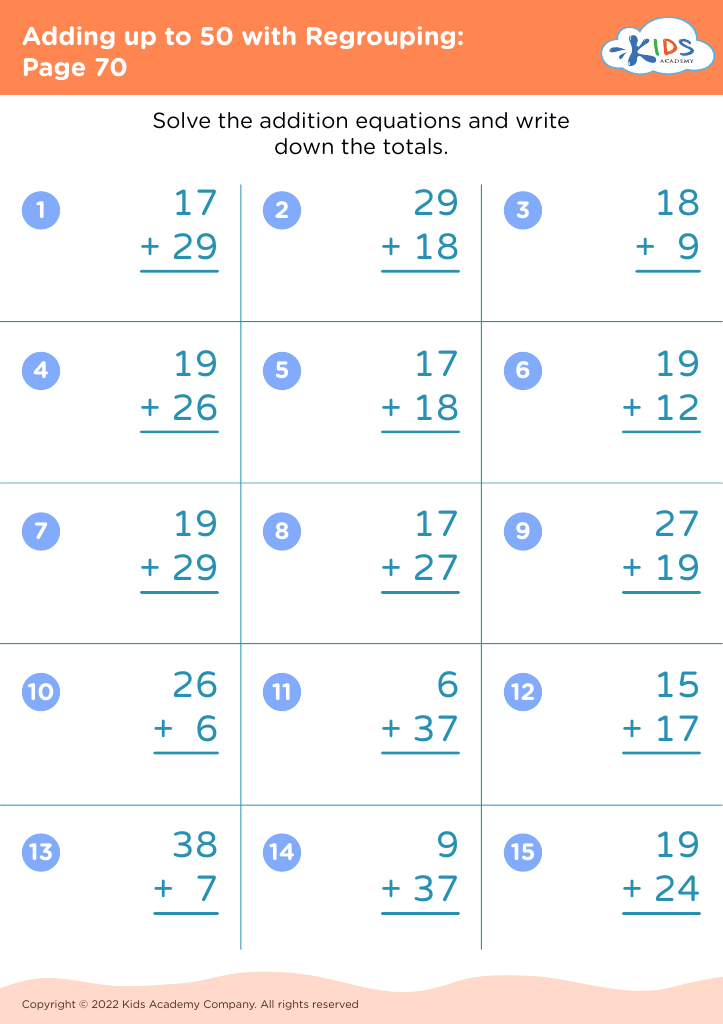
Adding up to 50 with Regrouping: Page 70
Worksheet
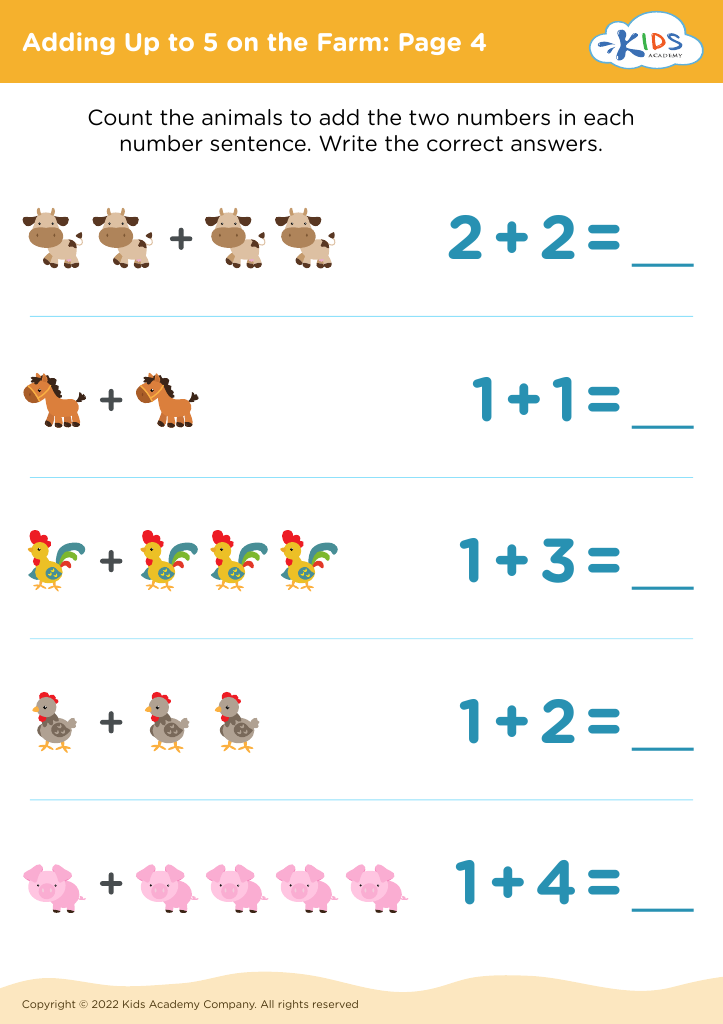
Adding Up to 5 on the Farm: Page 4
Worksheet
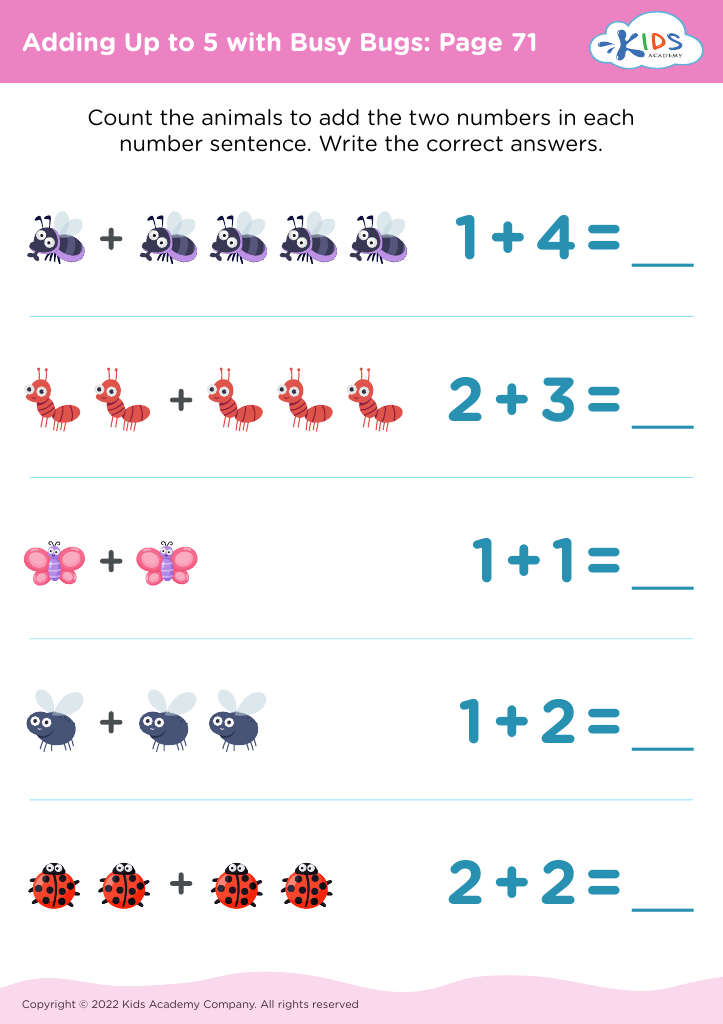
Adding Up to 5 with Busy Bugs: Page 71
Worksheet
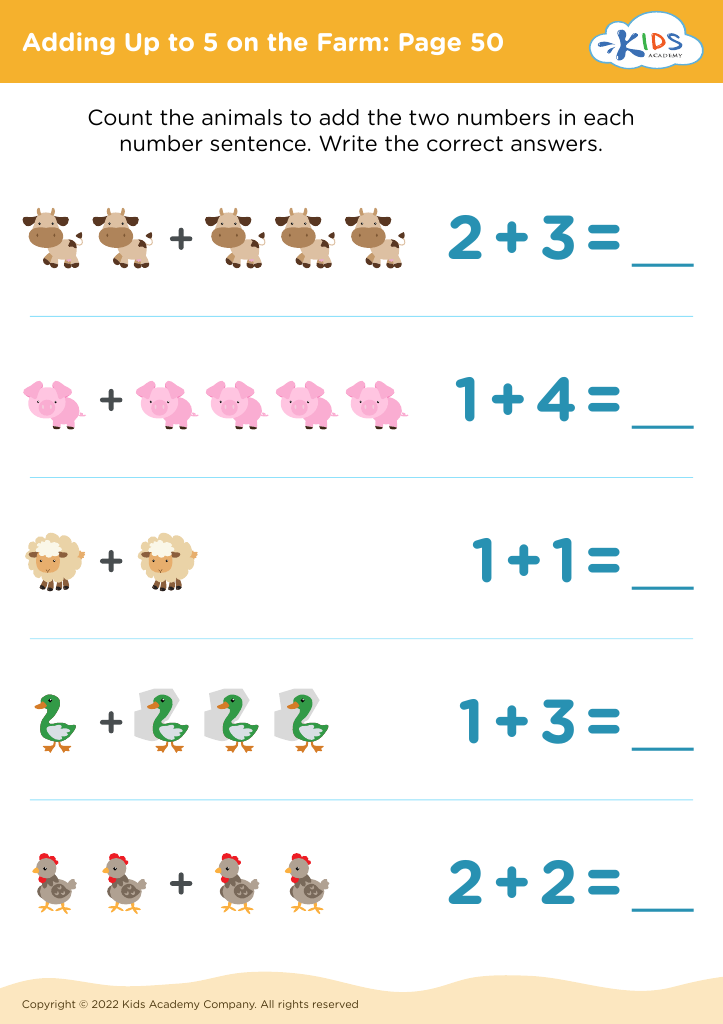
Adding Up to 5 on the Farm: Page 50
Worksheet
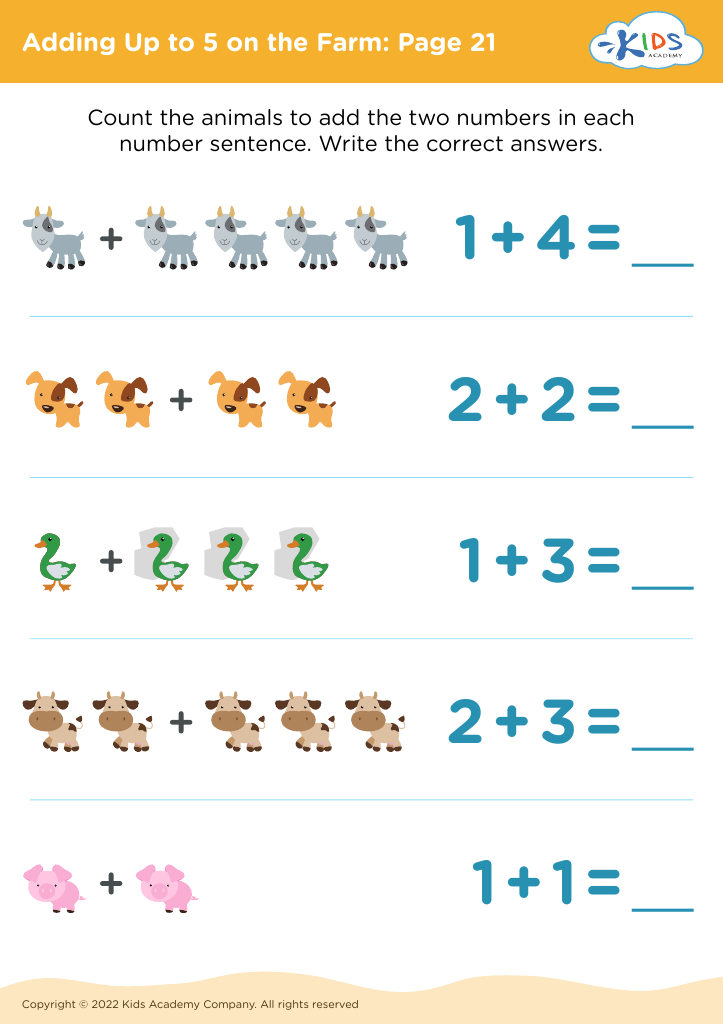
Adding Up to 5 on the Farm: Page 21
Worksheet
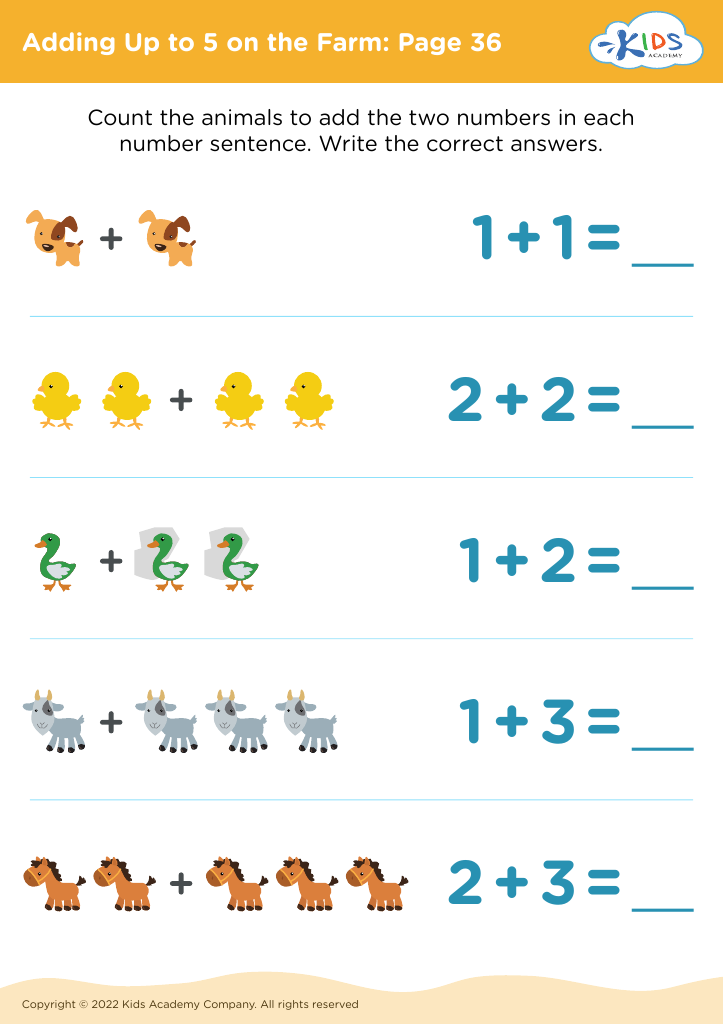
Adding Up to 5 on the Farm: Page 36
Worksheet
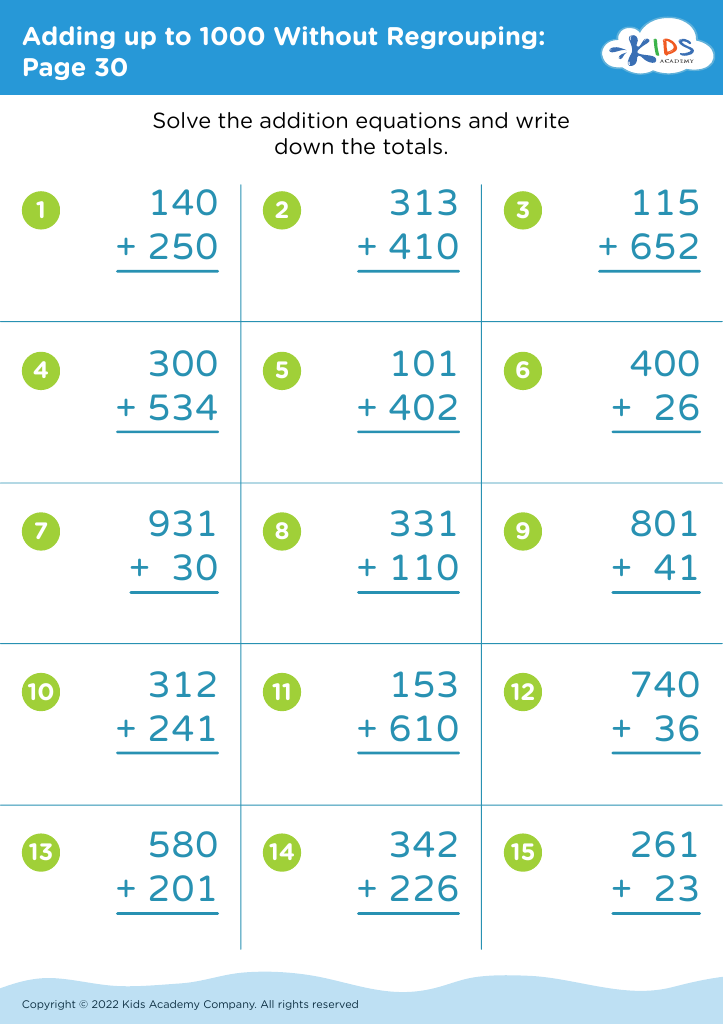
Adding up to 1000 Without Regrouping: Page 30
Worksheet
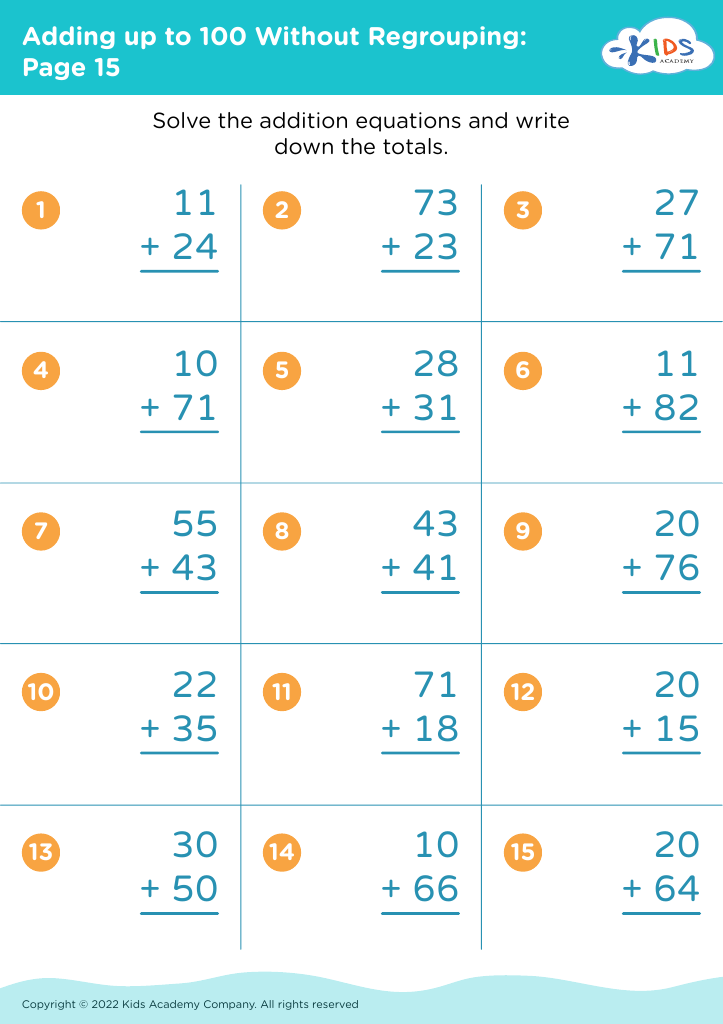
Adding up to 100 Without Regrouping: Page 15
Worksheet
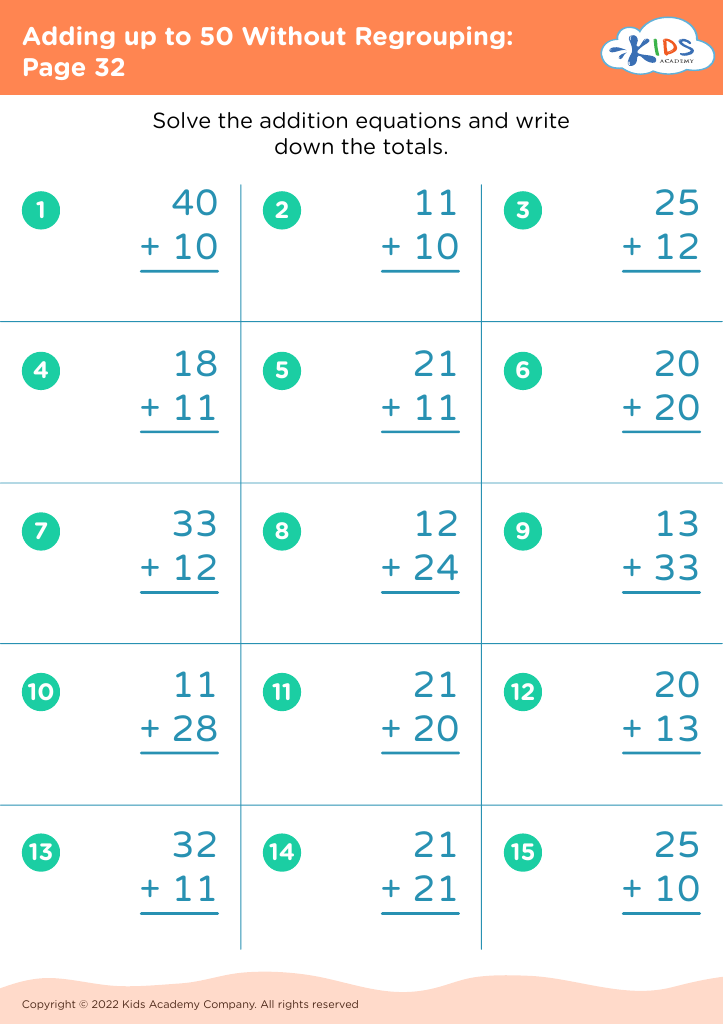
Adding up to 50 Without Regrouping: Page 32
Worksheet
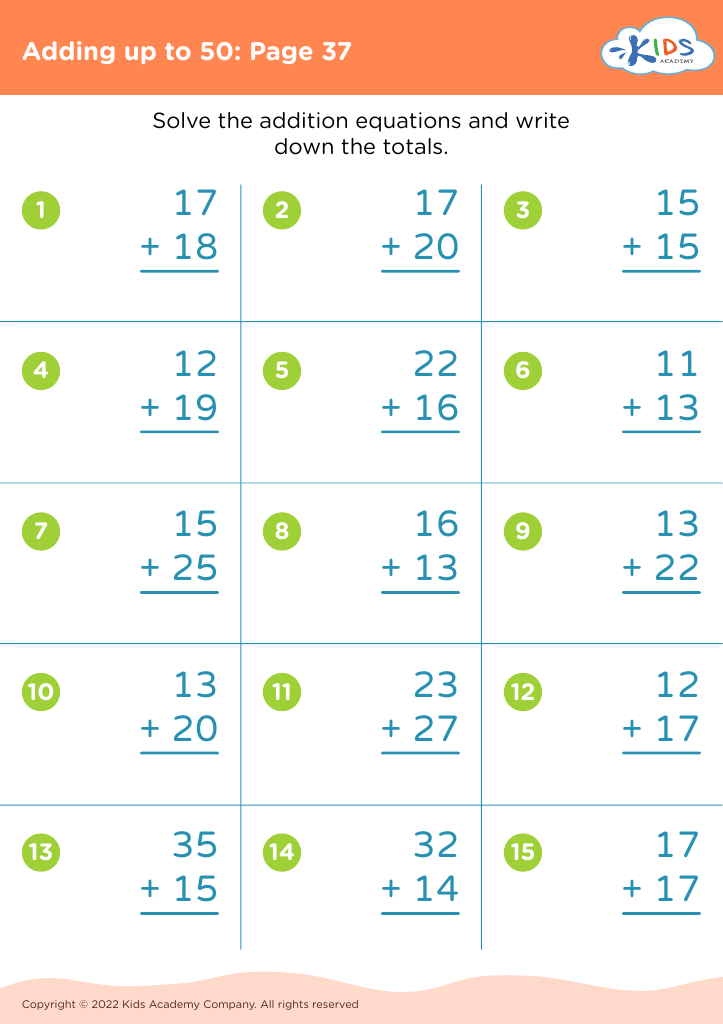
Adding up to 50: Page 37

Adding up to 50: Page 37

Adding up to 50: Page 37
Worksheet
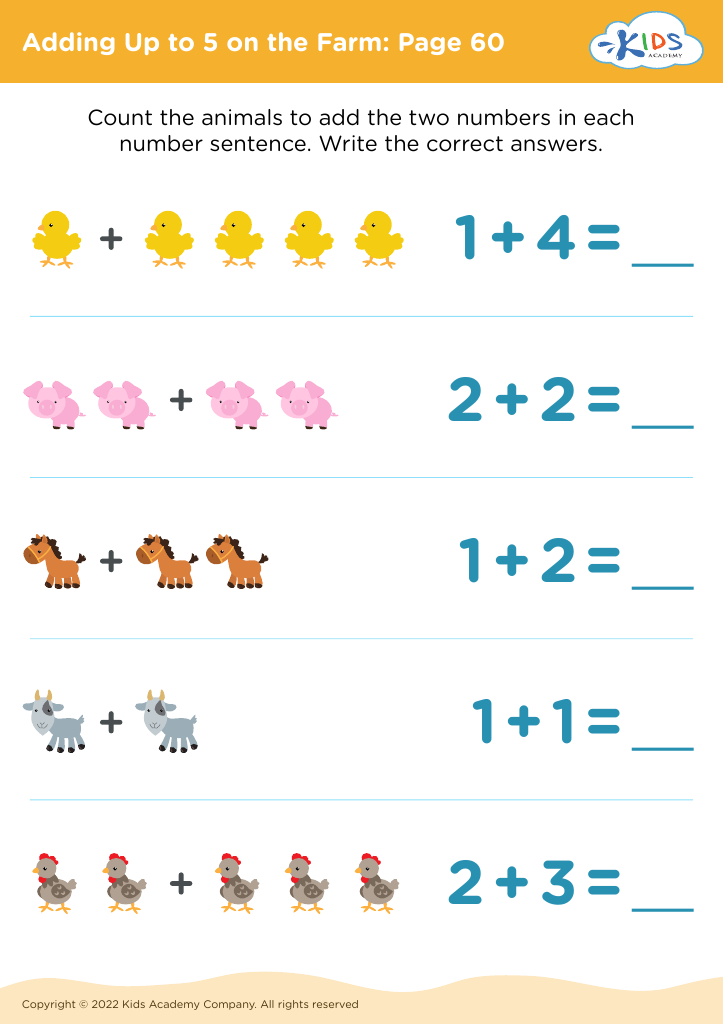
Adding Up to 5 on the Farm: Page 60
Worksheet


Counting objects and addition are foundational skills critical for children aged 4-8. At this developmental stage, children begin to form essential cognitive structures that will support their future learning in mathematics and beyond. Engaging in counting helps strengthen a child's number sense, which is vital for understanding quantity, comparing numbers, and eventually performing more complex arithmetic.

For parents and teachers, fostering these skills lays the groundwork for a child's problem-solving abilities and logical reasoning. When children count objects, they learn to associate numbers with physical quantities, aiding in retention and comprehension. Moreover, showing practical applications of addition through everyday experiences, such as shopping or cooking, illustrates how math is relevant in the real world, making the learning process more engaging.

Creating a positive mathematical environment promotes confidence and curiosity about numbers. Encouraging children to explore addition through games, storybooks, and hands-on activities enhances their learning experience, making it enjoyable and stimulating. This early interest in math can lead to greater academic success later on. In summary, emphasizing counting and addition not only contributes to immediate skill development but also fosters a lifelong appreciation for learning and critical thinking in children.