Filters

158 filtered results

Clear all filters
Favorites
With answer key
Interactive

158 filtered results

Difficulty Level

Grade


Check out this FREE Trial Lesson on Addition for age 4-8!

Sorting Objects into 3 Categories

Favorites
With answer key
Interactive
  • 4-8
  • Understanding fractions
  • Addition
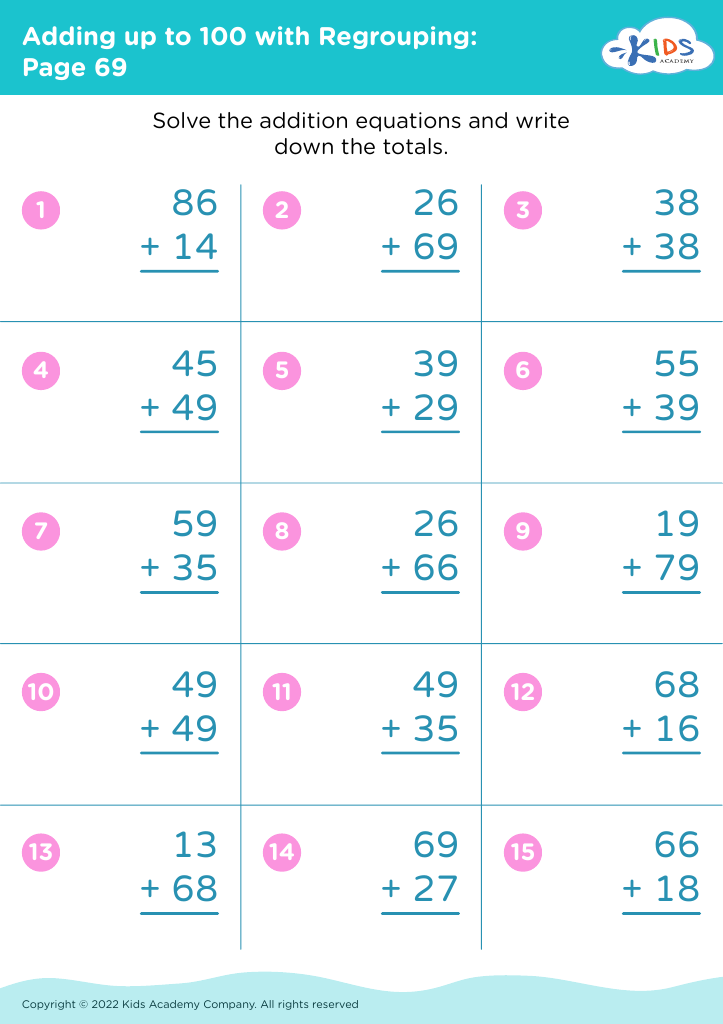
Adding up to 100 with Regrouping: Page 69
Worksheet
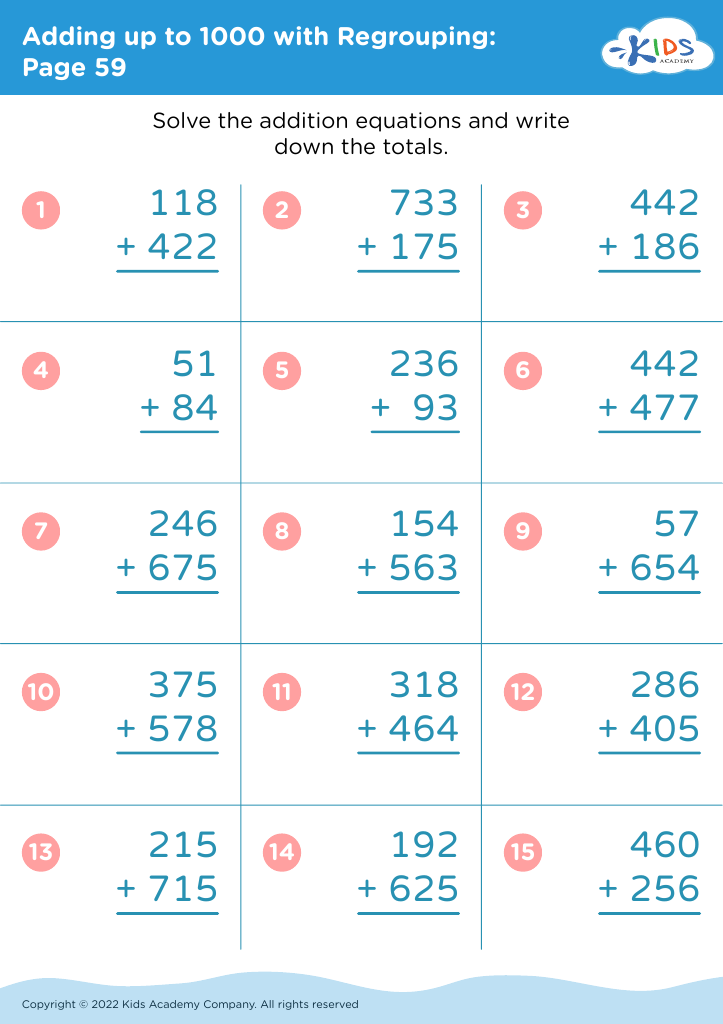
Adding up to 1000 with Regrouping: Page 59
Worksheet
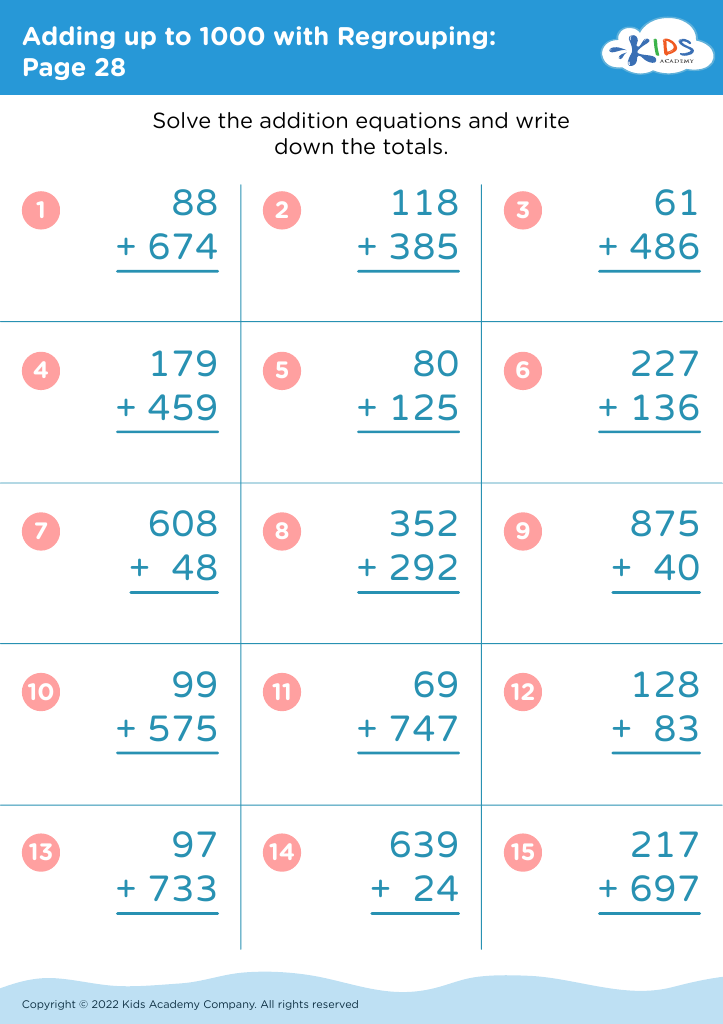
Adding up to 1000 with Regrouping: Page 28
Worksheet
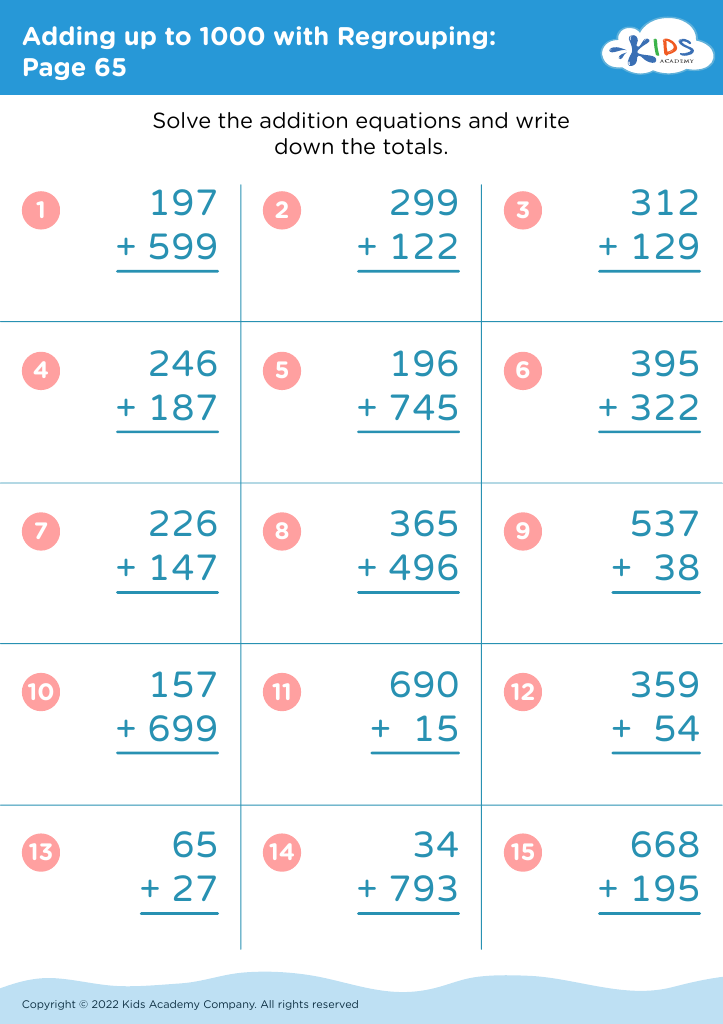
Adding up to 1000 with Regrouping: Page 65
Worksheet
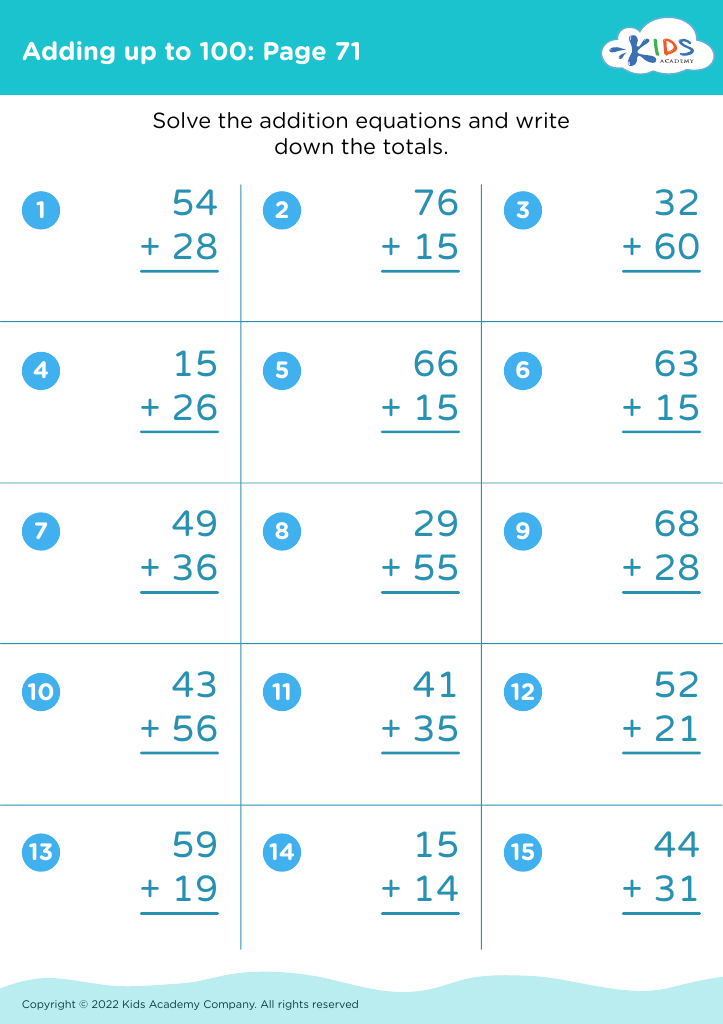
Adding up to 100: Page 71

Adding up to 100: Page 71

Adding up to 100: Page 71
Worksheet
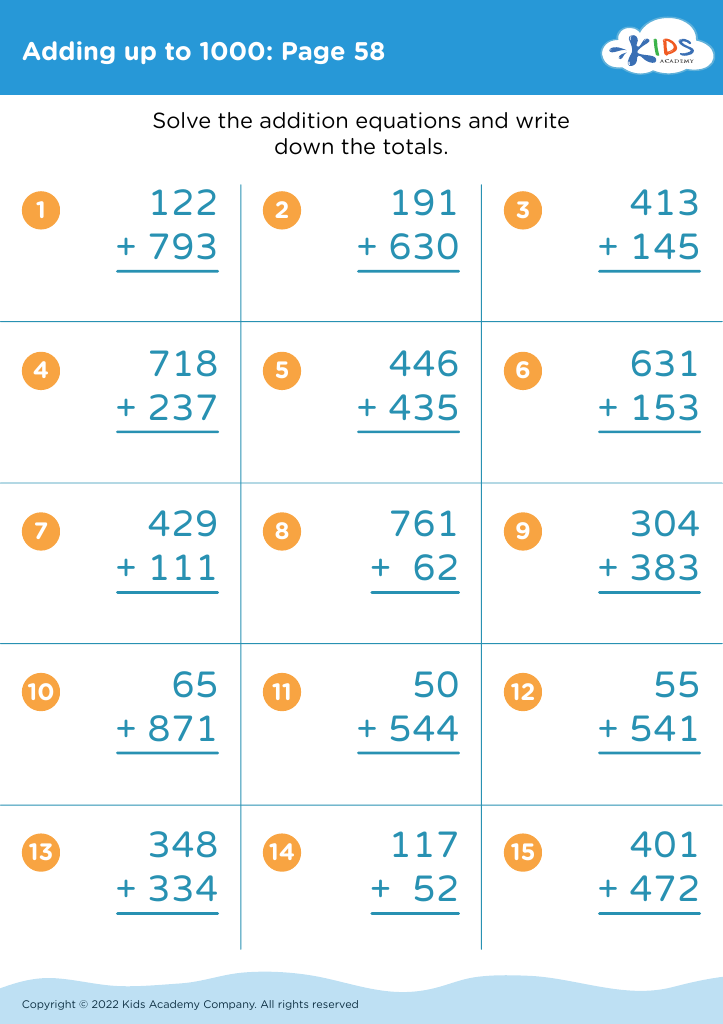
Adding up to 1000: Page 58

Adding up to 1000: Page 58

Adding up to 1000: Page 58
Worksheet
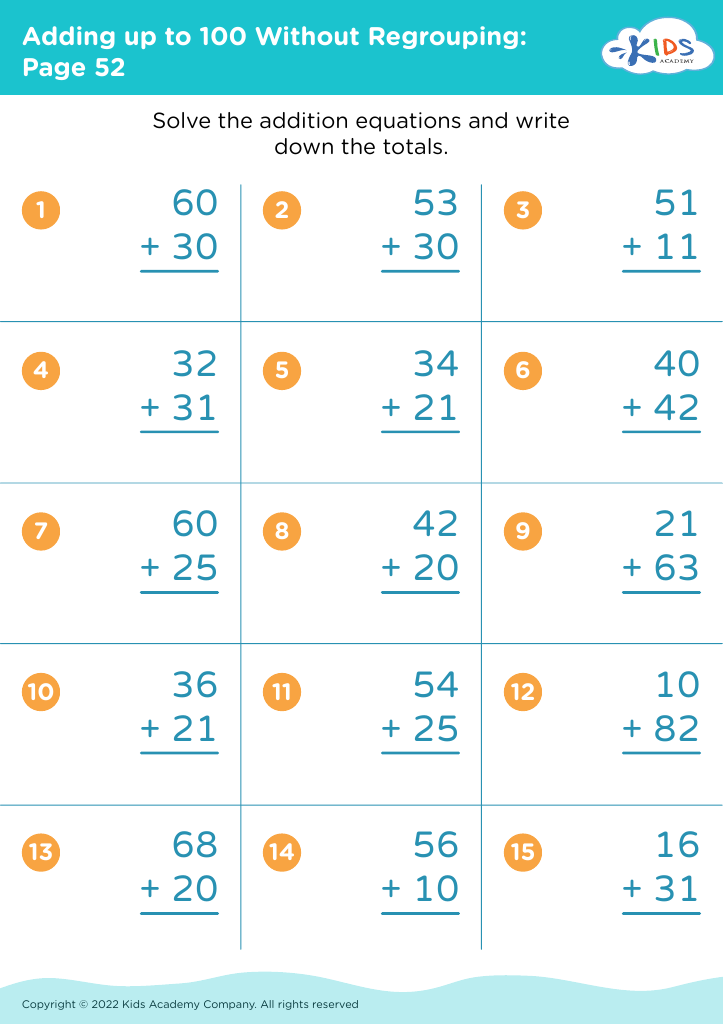
Adding up to 100 Without Regrouping: Page 52
Worksheet
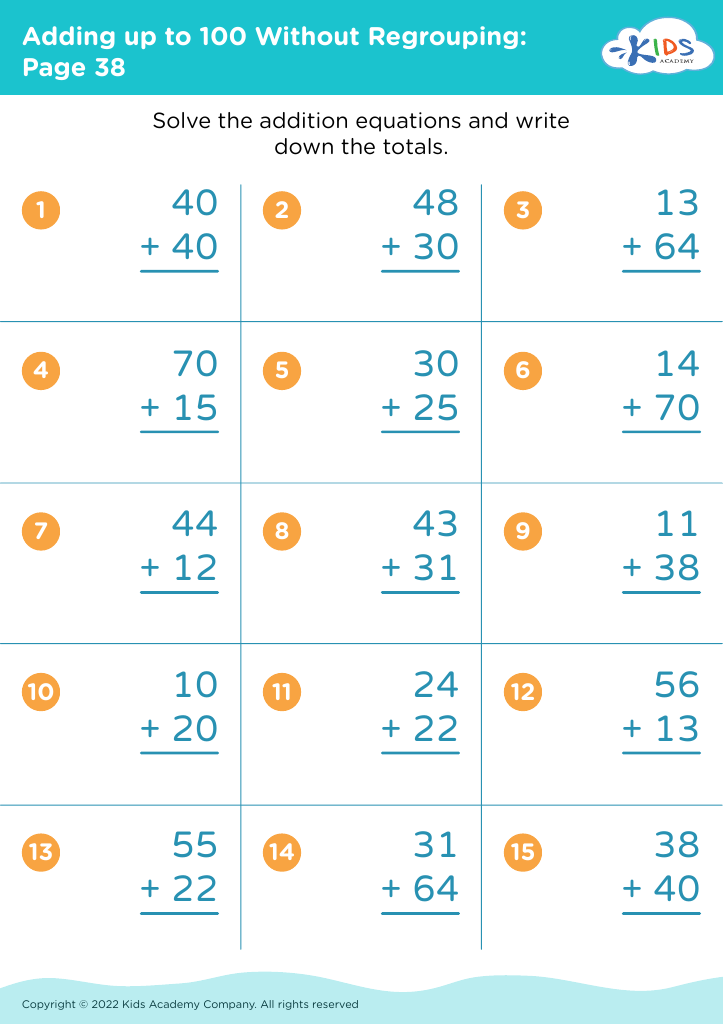
Adding up to 100 Without Regrouping: Page 38
Worksheet
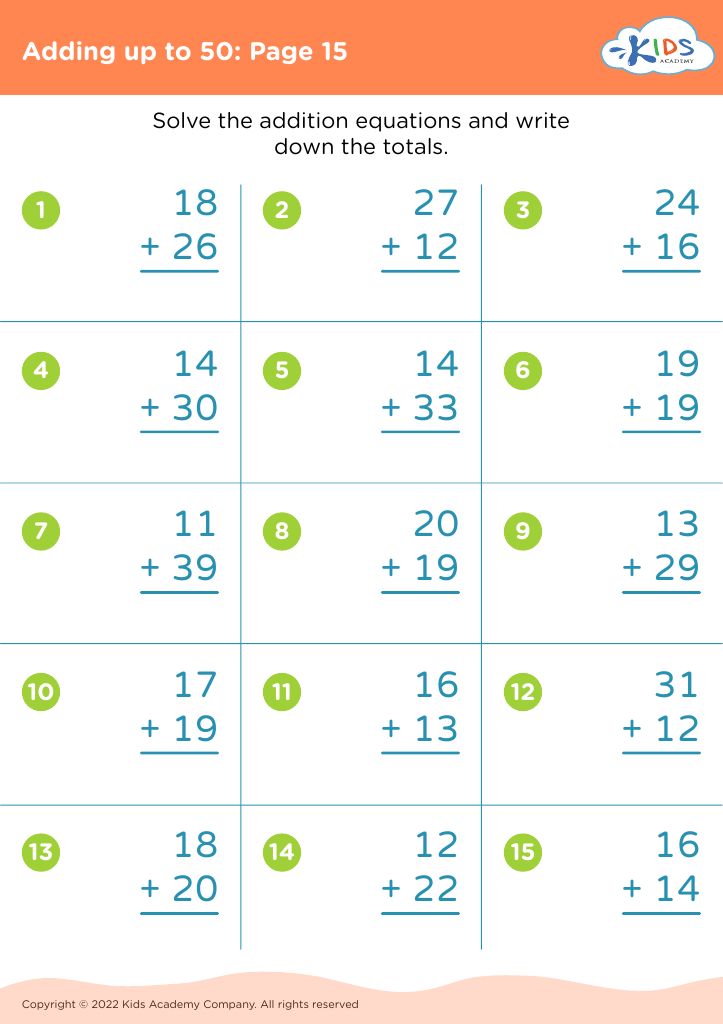
Adding up to 50: Page 15

Adding up to 50: Page 15

Adding up to 50: Page 15
Worksheet
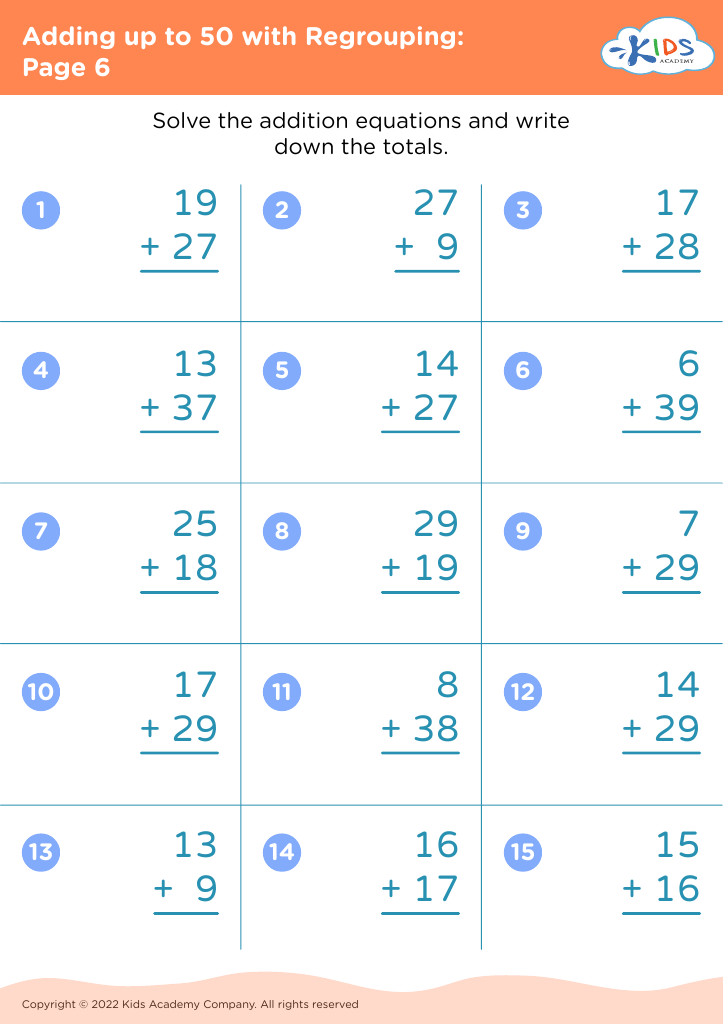
Adding up to 50 with Regrouping: Page 6
Worksheet
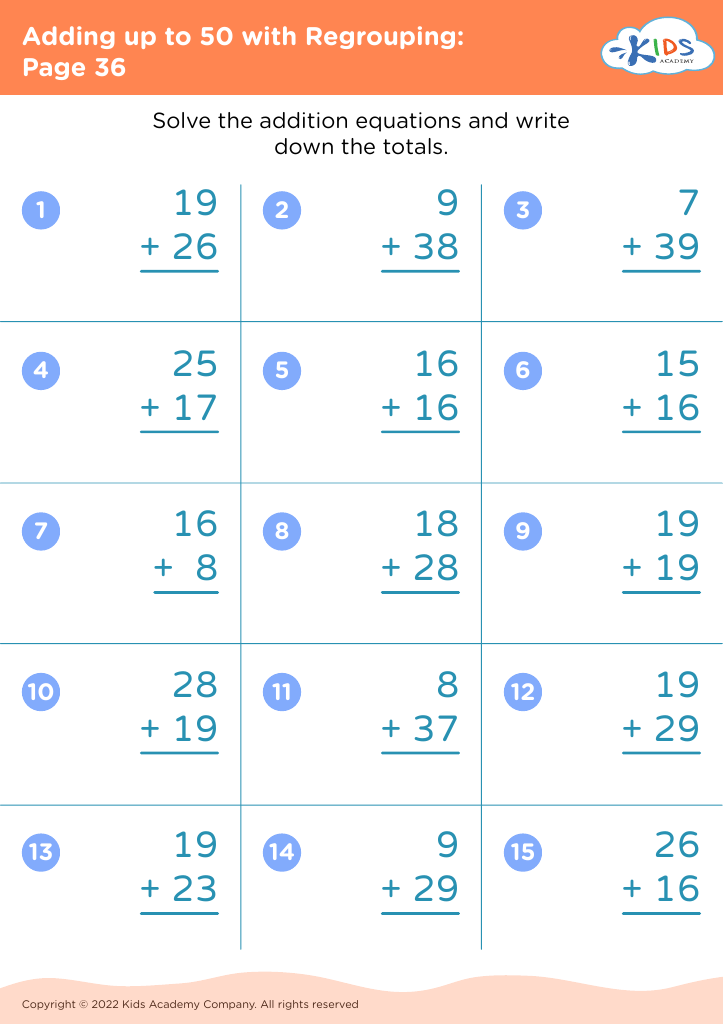
Adding up to 50 with Regrouping: Page 36
Worksheet
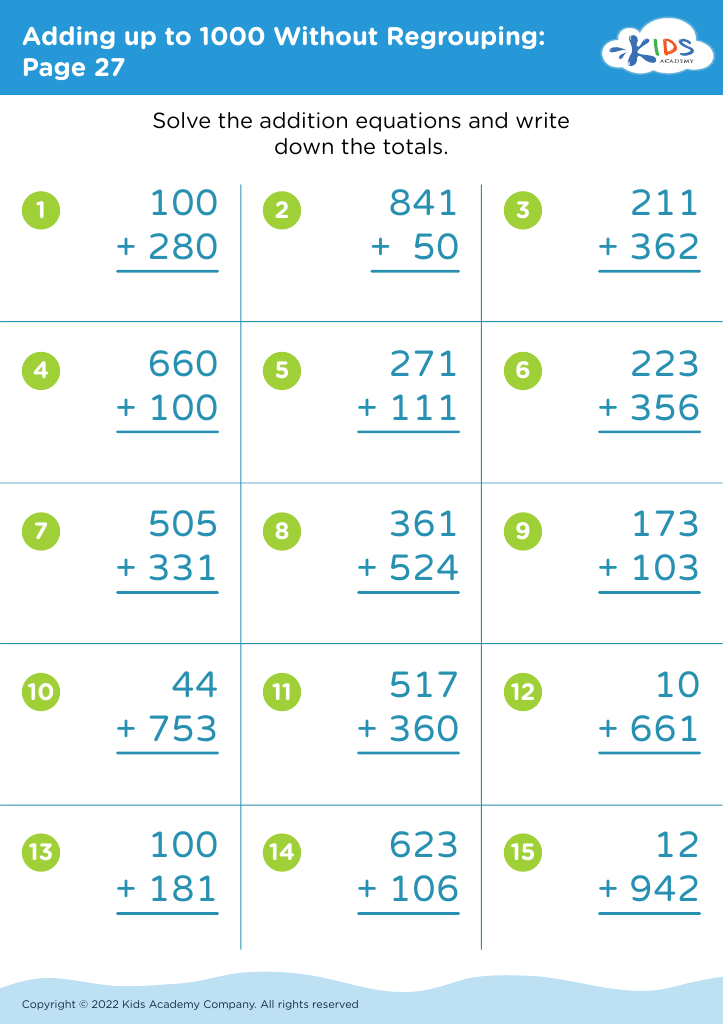
Adding up to 1000 Without Regrouping: Page 27
Worksheet
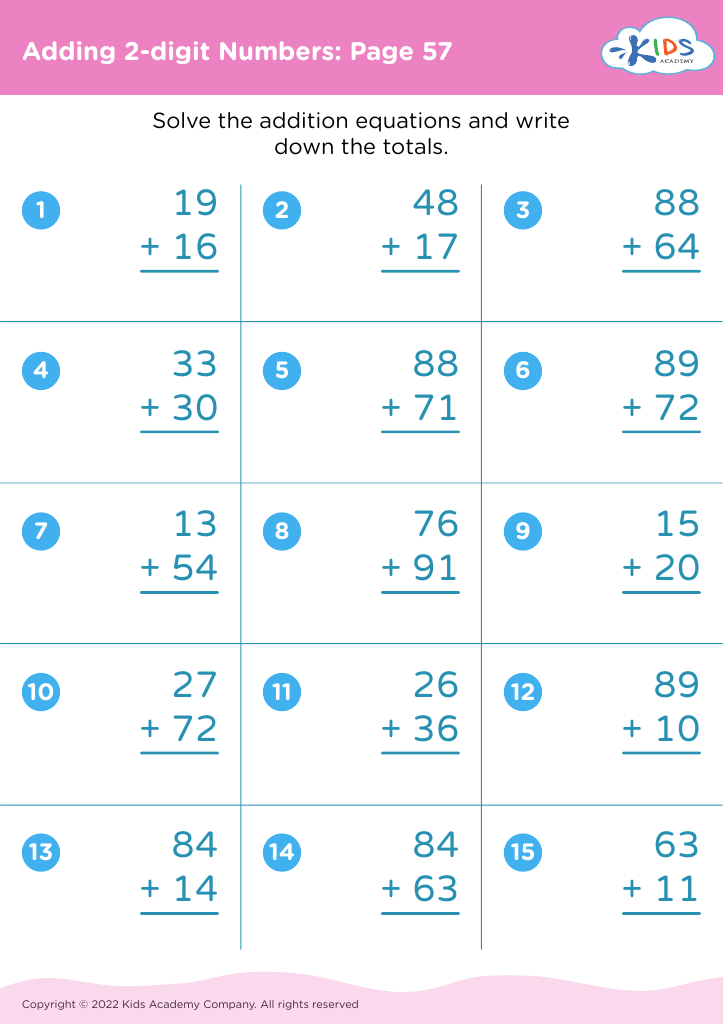
Adding 2-digit Numbers: Page 57

Adding 2-digit Numbers: Page 57

Adding 2-digit Numbers: Page 57
Worksheet
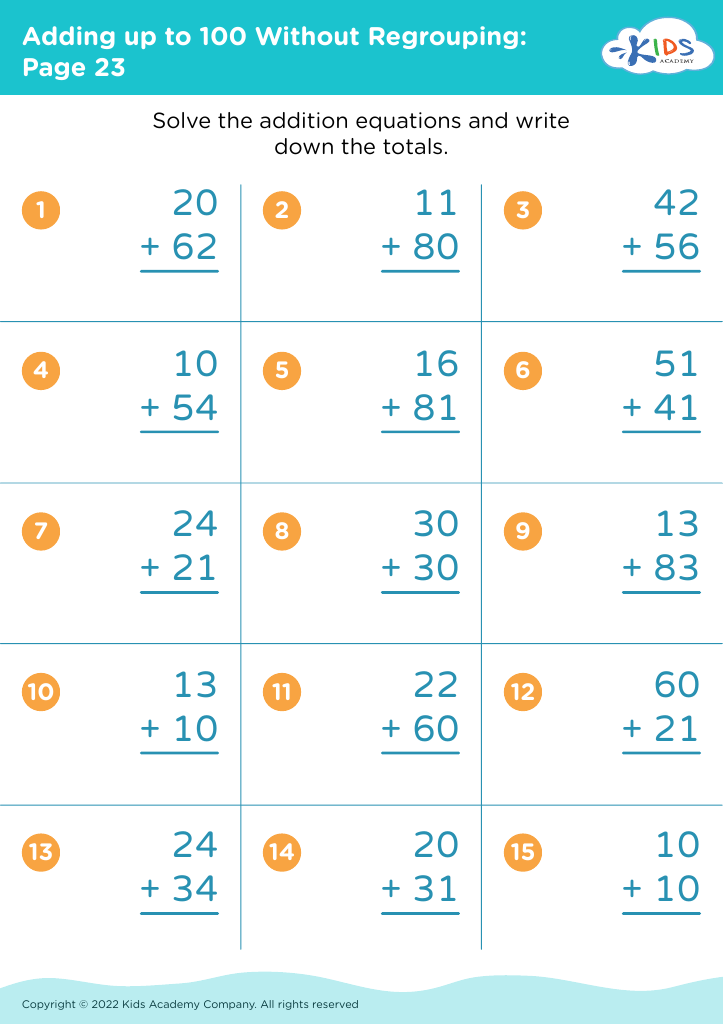
Adding up to 100 Without Regrouping: Page 23
Worksheet
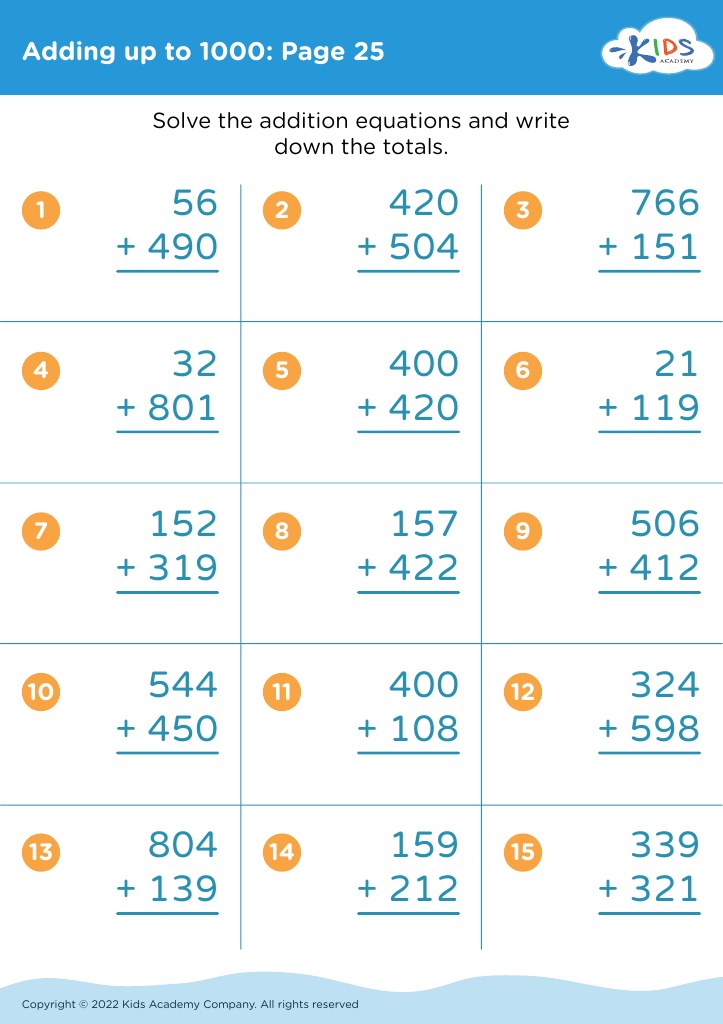
Adding up to 1000: Page 25

Adding up to 1000: Page 25

Adding up to 1000: Page 25
Worksheet
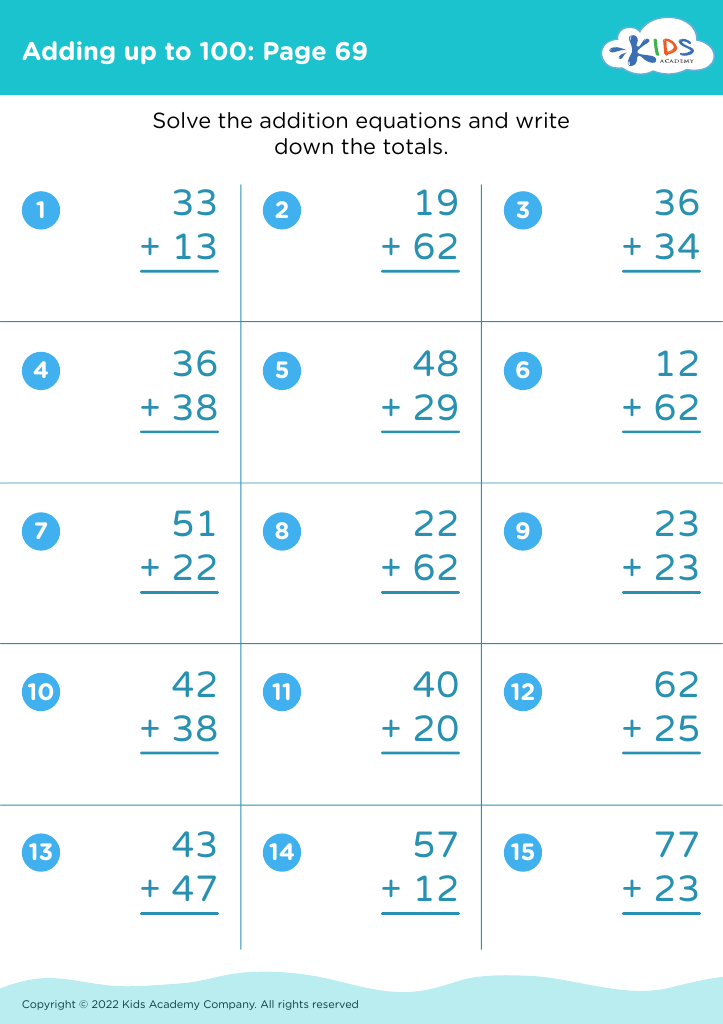
Adding up to 100: Page 69

Adding up to 100: Page 69

Adding up to 100: Page 69
Worksheet
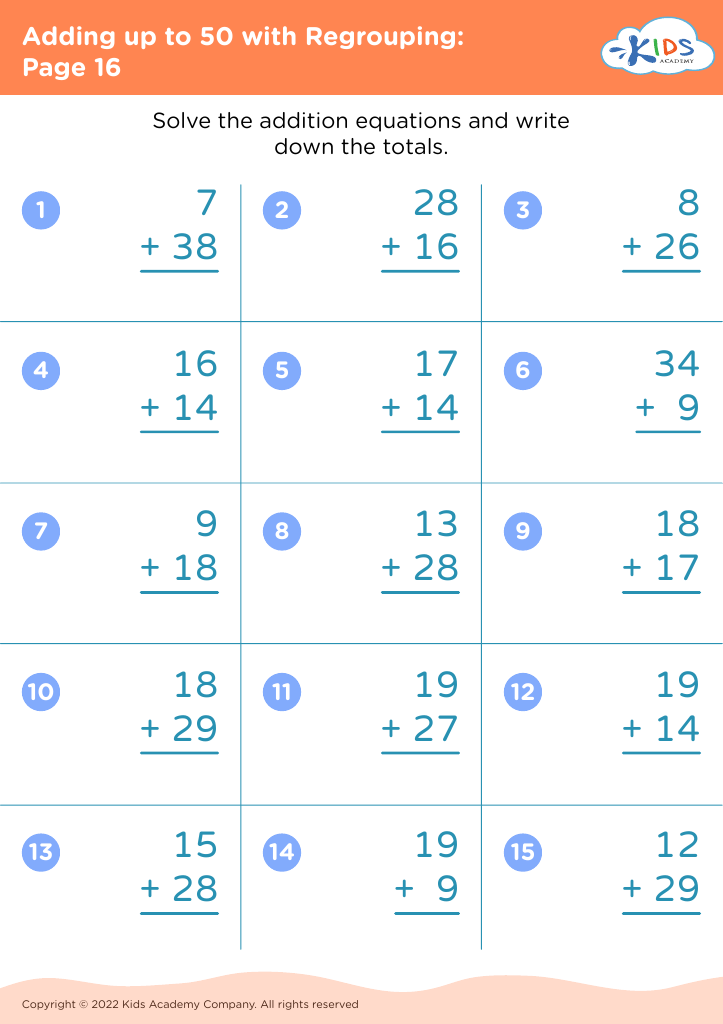
Adding up to 50 with Regrouping: Page 16
Worksheet
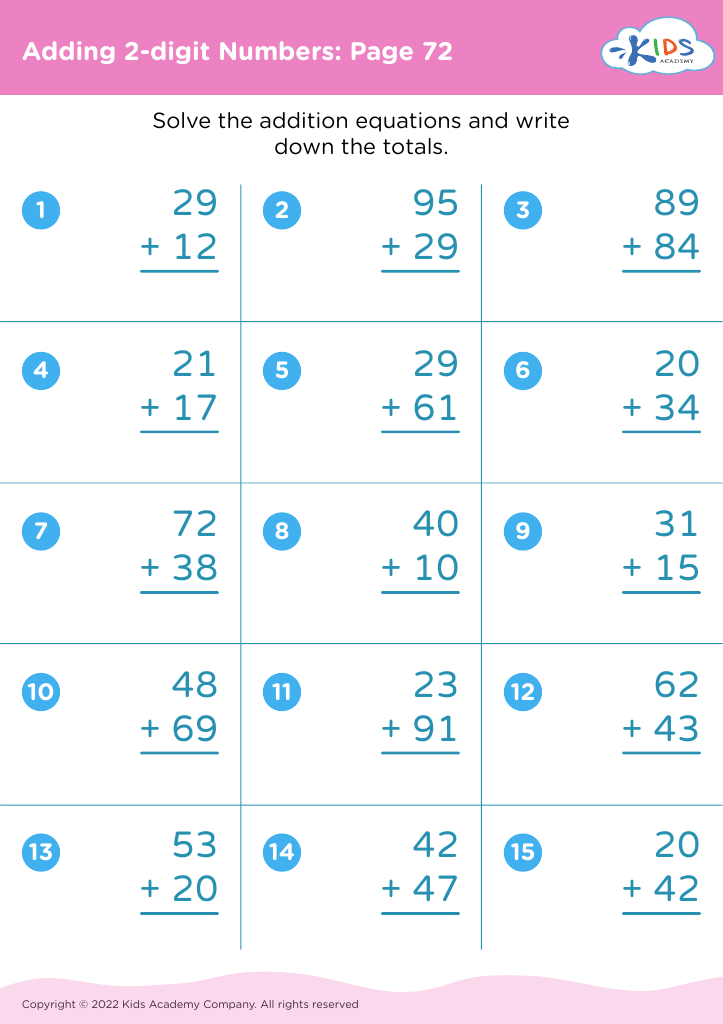
Adding 2-digit Numbers: Page 72

Adding 2-digit Numbers: Page 72

Adding 2-digit Numbers: Page 72
Worksheet
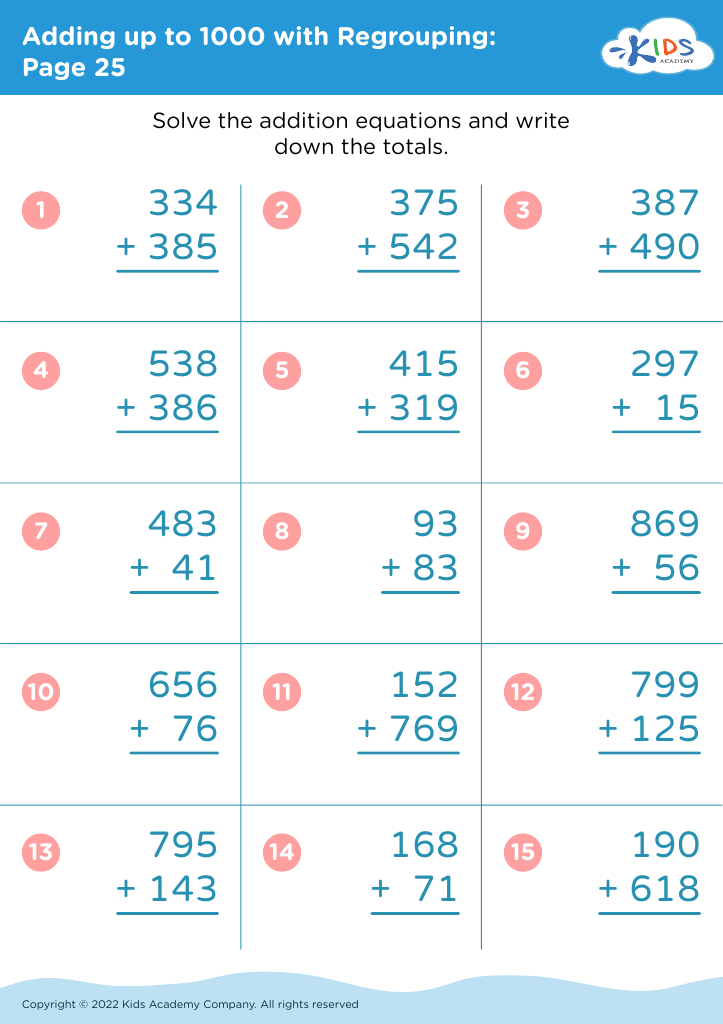
Adding up to 1000 with Regrouping: Page 25
Worksheet
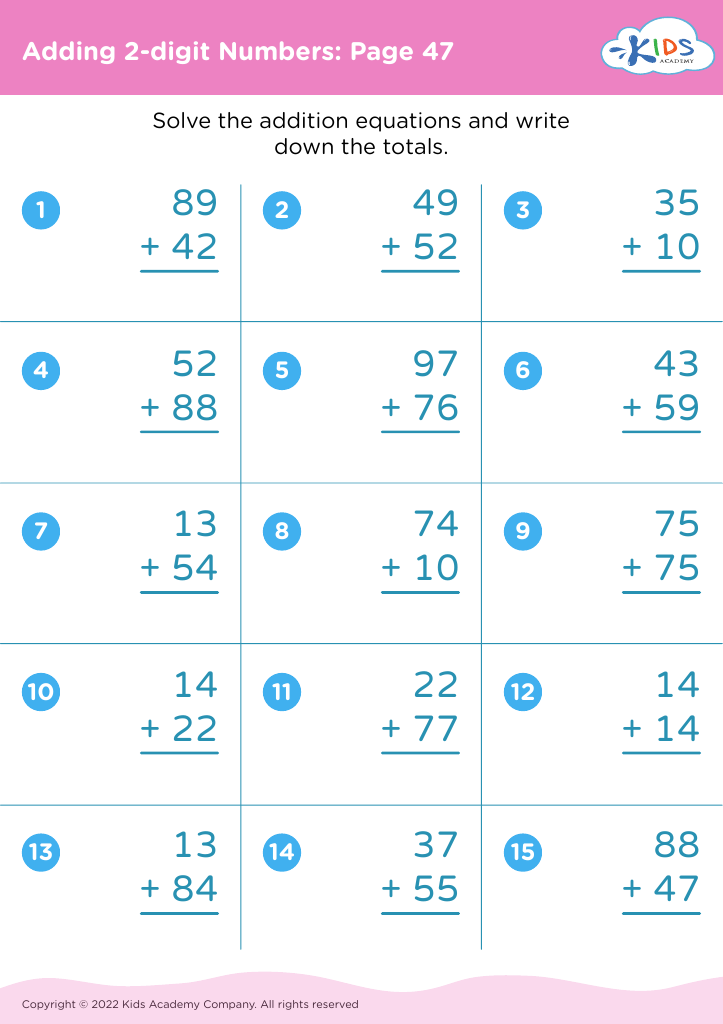
Adding 2-digit Numbers: Page 47

Adding 2-digit Numbers: Page 47

Adding 2-digit Numbers: Page 47
Worksheet
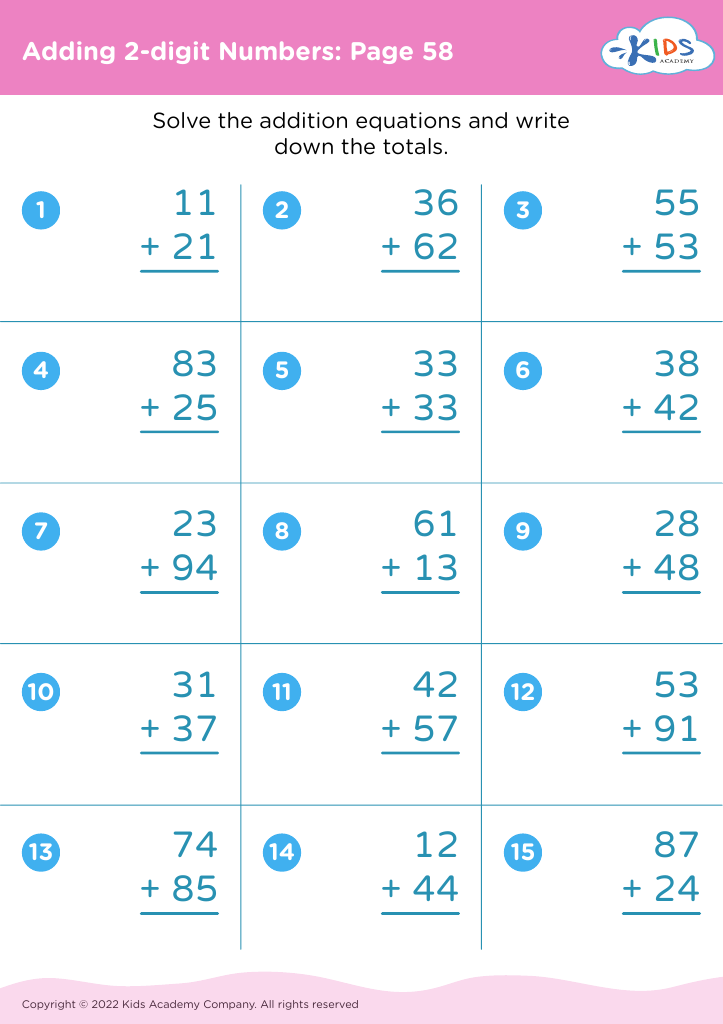
Adding 2-digit Numbers: Page 58

Adding 2-digit Numbers: Page 58

Adding 2-digit Numbers: Page 58
Worksheet
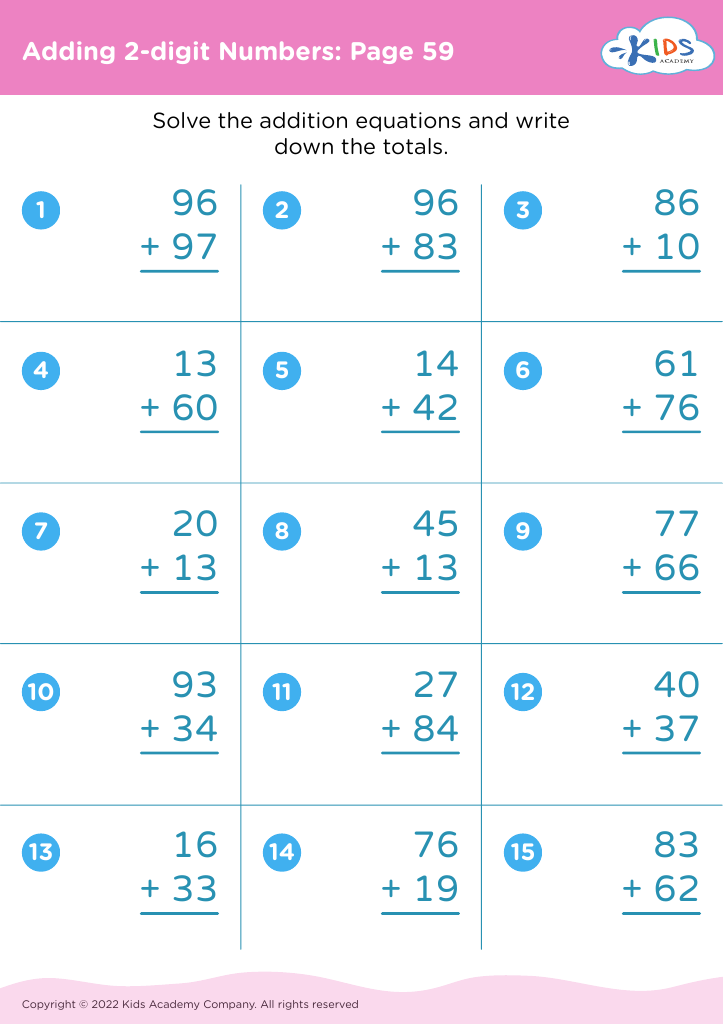
Adding 2-digit Numbers: Page 59

Adding 2-digit Numbers: Page 59

Adding 2-digit Numbers: Page 59
Worksheet
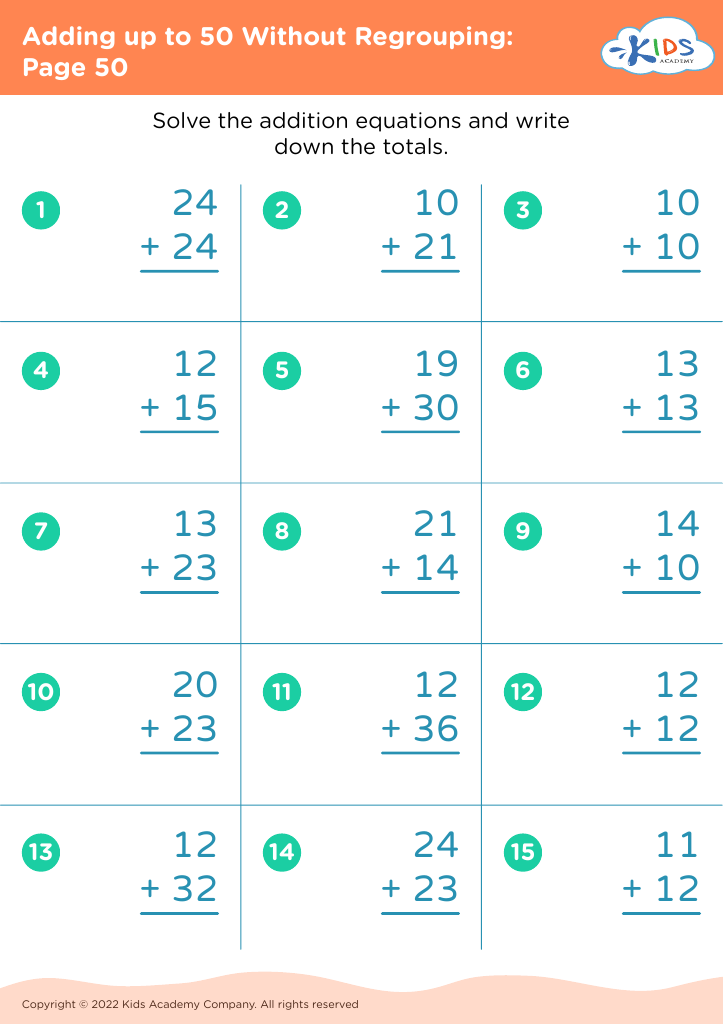
Adding up to 50 Without Regrouping: Page 50
Worksheet
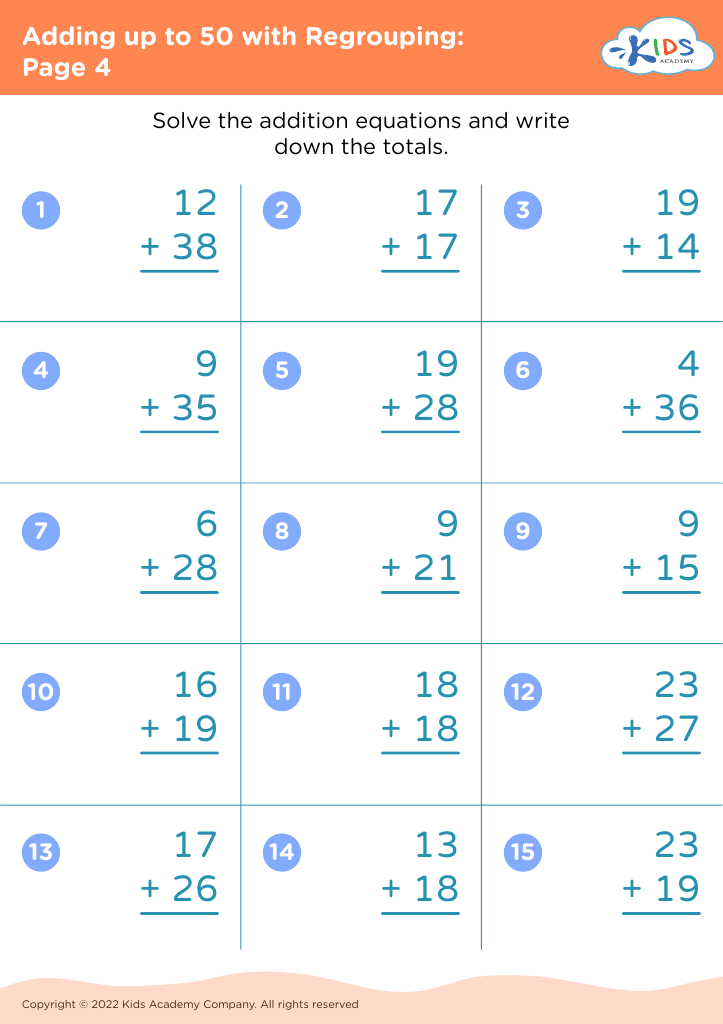
Adding up to 50 with Regrouping: Page 4
Worksheet


Understanding fractions, particularly in the context of addition, is essential for young learners aged 4-8 as it lays a foundational skill necessary for more advanced math concepts. During these formative years, children are naturally curious and eager to explore mathematical ideas. Teaching them to understand fractions teaches not only fundamental arithmetic but also the concept of division and equality, empowering them to make sense of the world around them.

Parents and teachers should prioritize this subject because it promotes critical thinking and problem-solving skills. By engaging young children with hands-on activities like sharing pizza slices or blending colors, they can visualize fractions, making abstract concepts more tangible. Moreover, an early grasp of fractions can enhance a child's confidence in math, encouraging persistence through challenging topics later on.

Additionally, these skills align well with real-life scenarios, illustrating practical usefulness in cooking, budgeting, and even art. When children see how fractions manifest in their daily lives, they become more motivated to learn. Ultimately, promoting an understanding of fraction addition not only ensures a solid mathematical base but also fosters a positive emotional connection to learning, equipping children for future success in academics and beyond.