Color Identification Numbers Worksheets for Ages 4-8
13 filtered results
-
From - To
Discover our Color Identification Numbers Worksheets, designed specifically for children aged 4-8! These engaging worksheets help young learners enhance their color recognition and number identification skills simultaneously. Perfect for early education settings, they are filled with vibrant illustrations and interactive activities that make learning fun. Each worksheet encourages kids to match colors with corresponding numbers while improving their fine motor skills. Whether at home or in the classroom, our resources provide a supportive environment for kids to explore and strengthen their foundational math abilities. Inspire creativity and cognitive development with our Color Identification Numbers Worksheets—where learning is a colorful adventure!
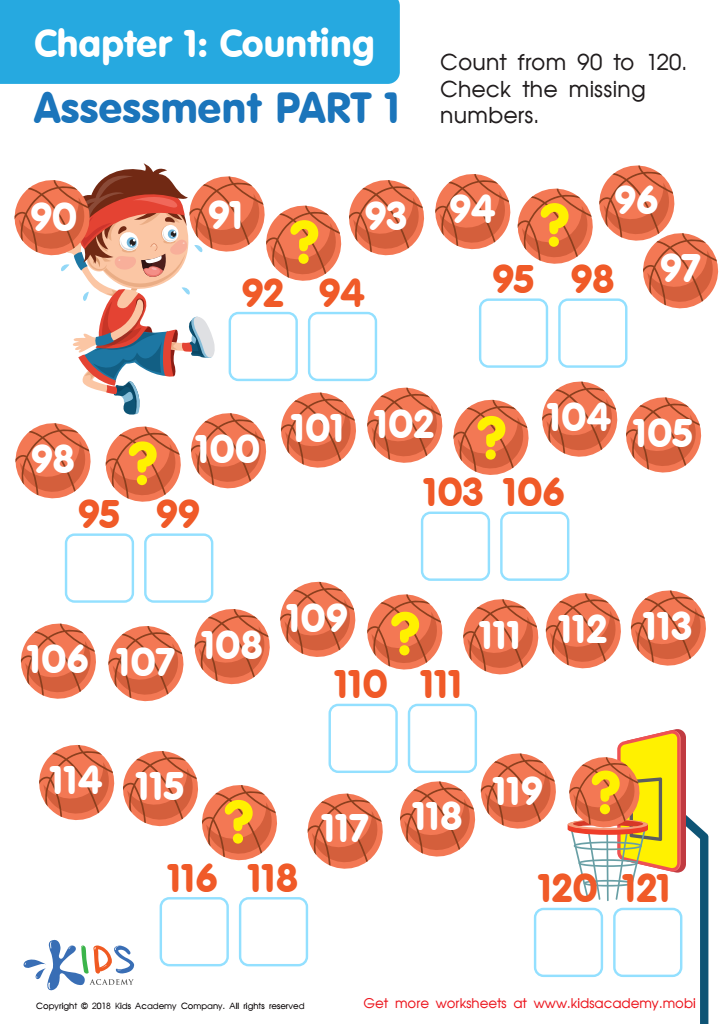
Counting Past 1: Assessment 1 Worksheet
 Assign to My Students
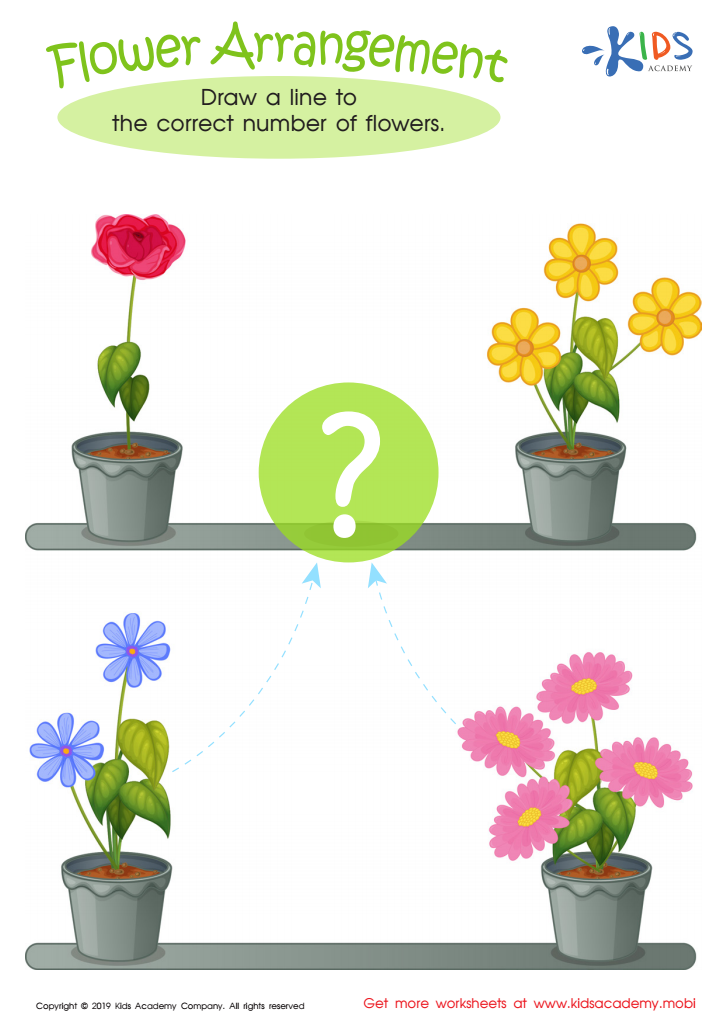
Flower Arrangement Worksheet
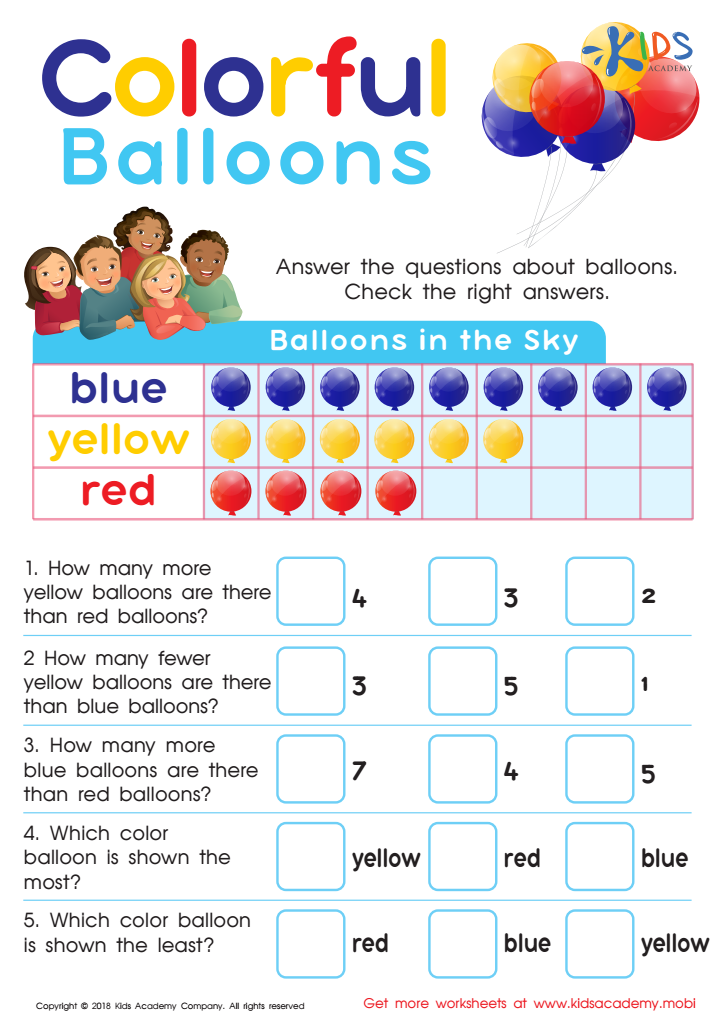
Picture Graphs: Colorful Balloons Worksheet
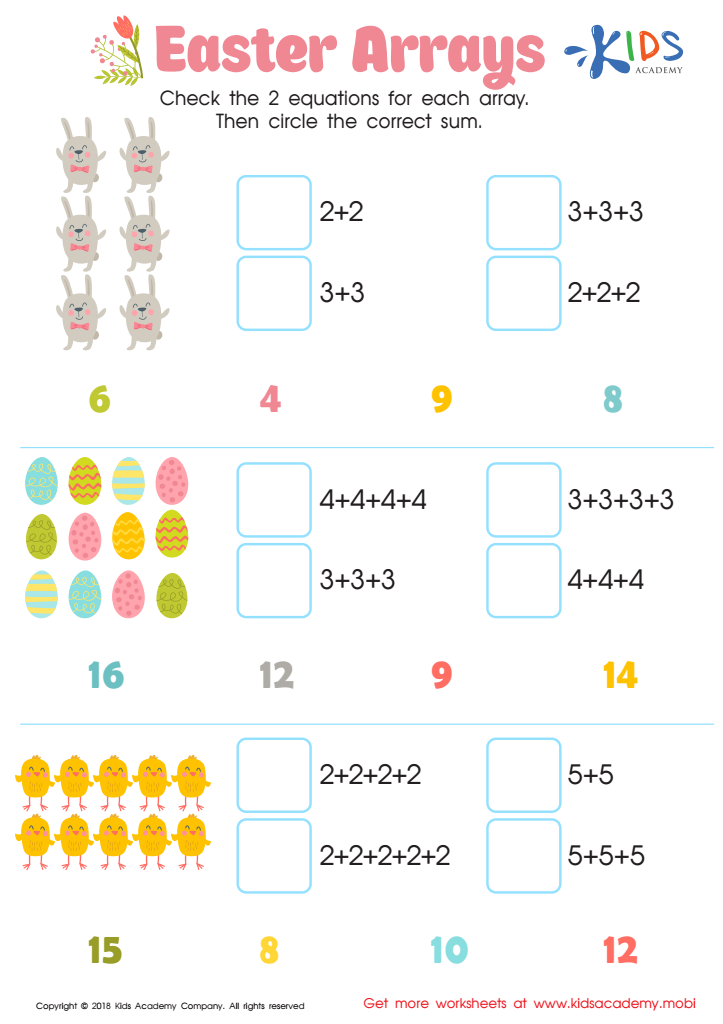
Easter Arrays Worksheet
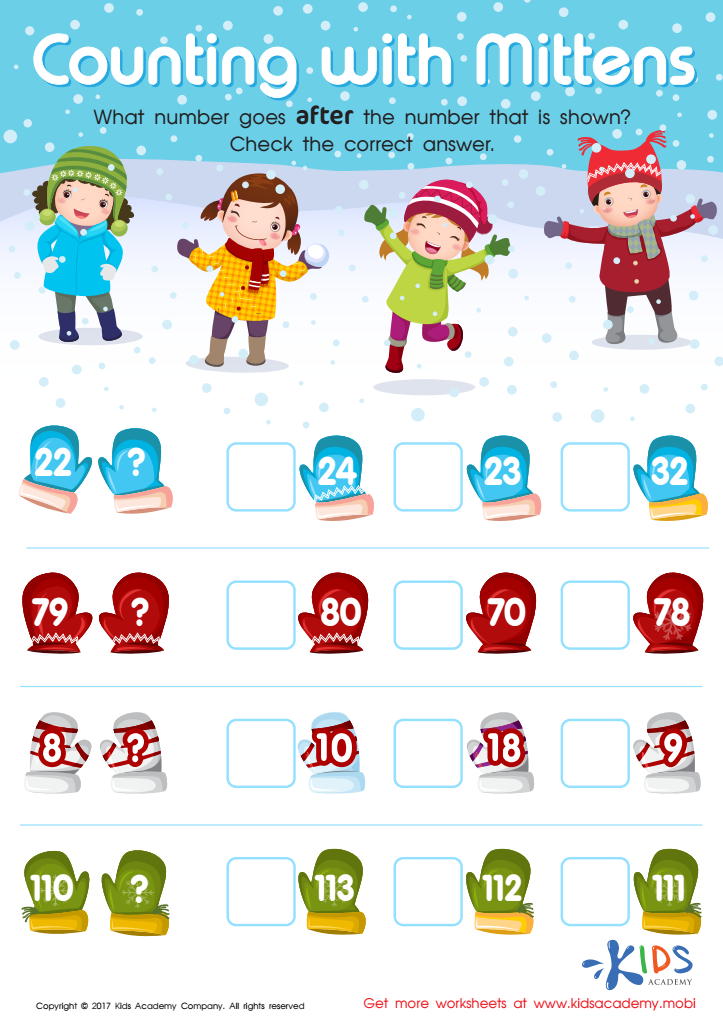
Counting with Mittens Worksheet
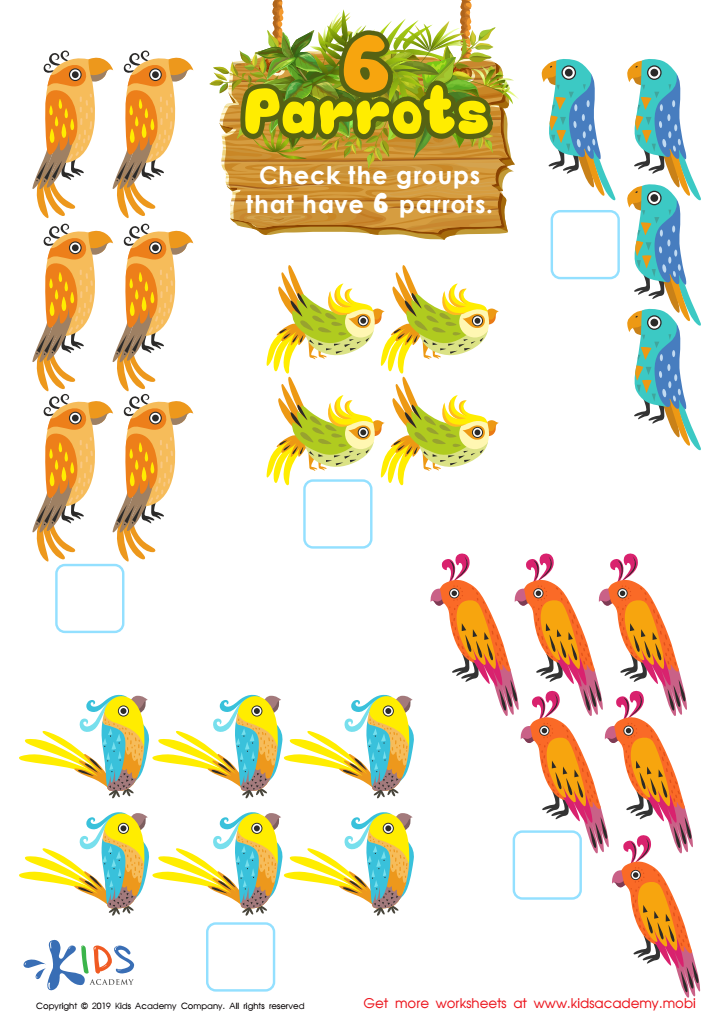
6 Parrots Worksheet
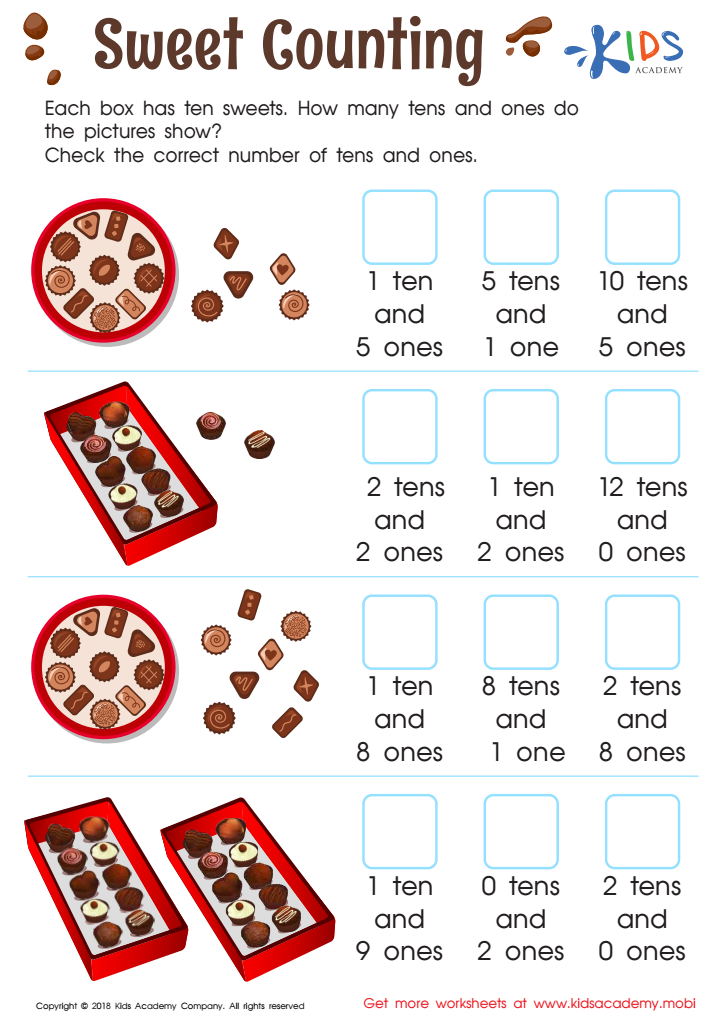
Sweet Counting - Part 2 Worksheet
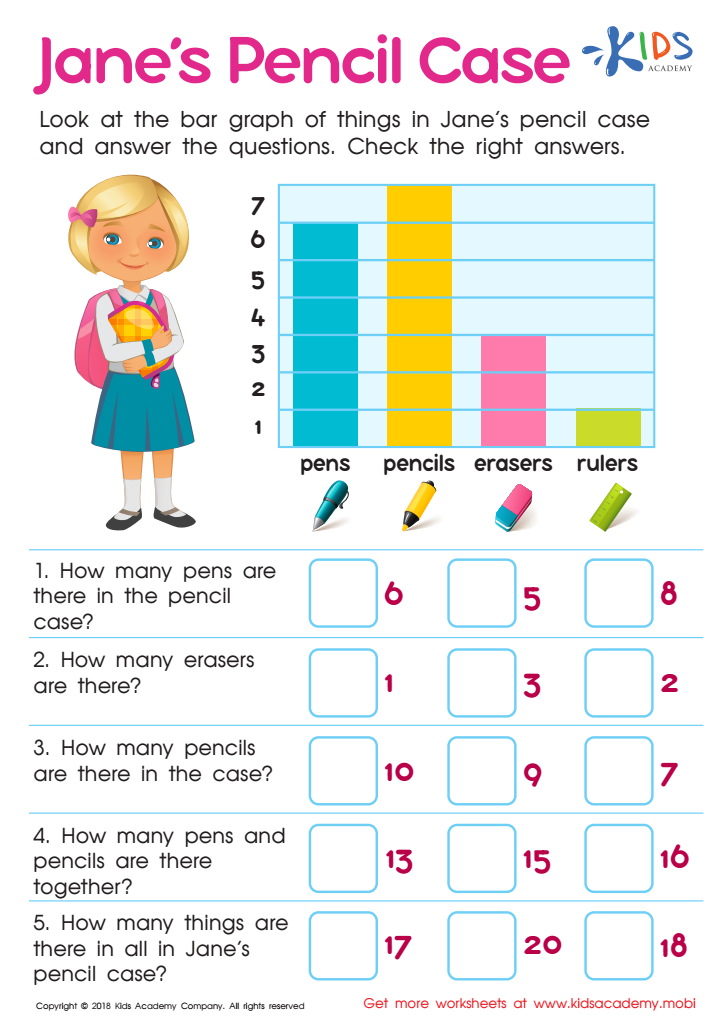
Jane's Pencil Case Worksheet
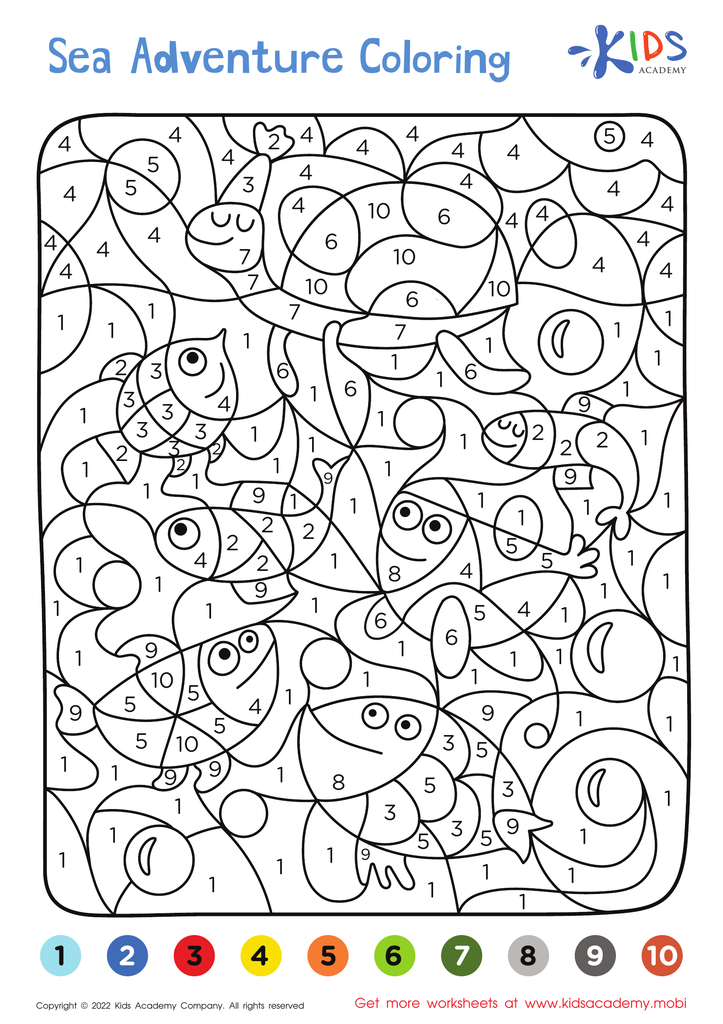
Sea Adventure – Coloring by Numbers
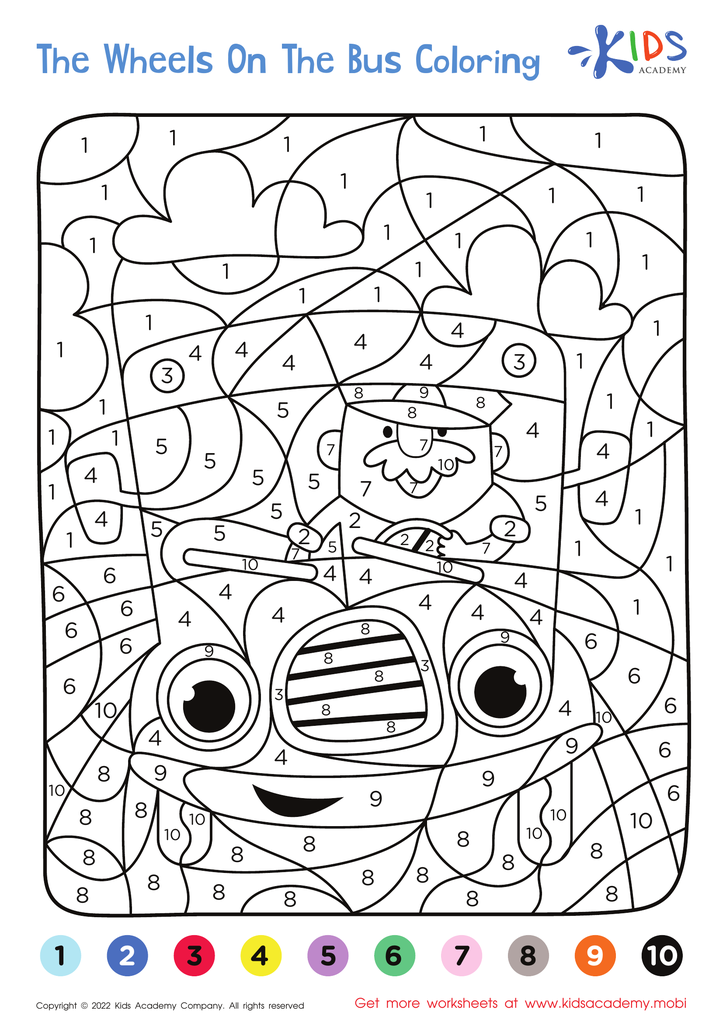
Wheels on the Bus – Coloring by Numbers
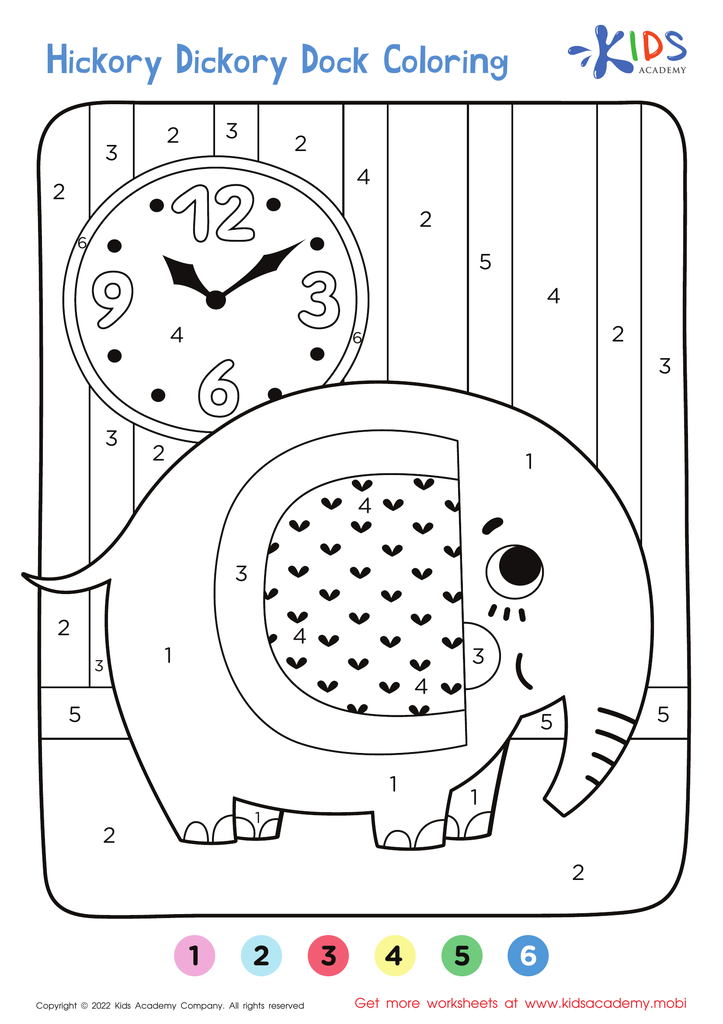
Hickory Dickory Dock – Coloring by Numbers
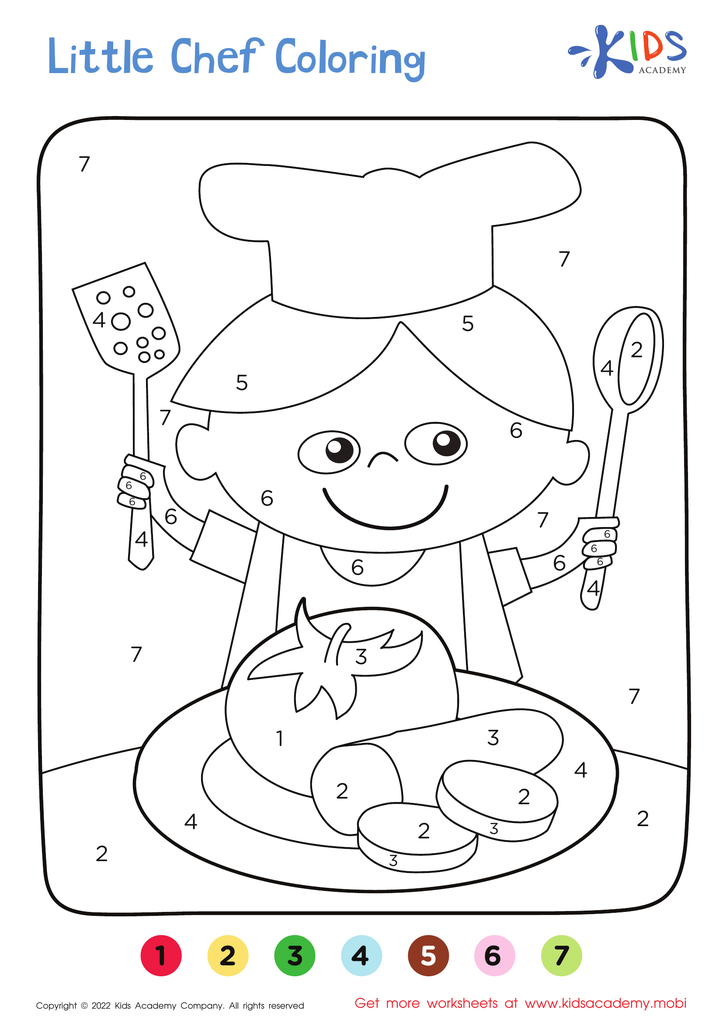
Little Chef – Coloring by Numbers
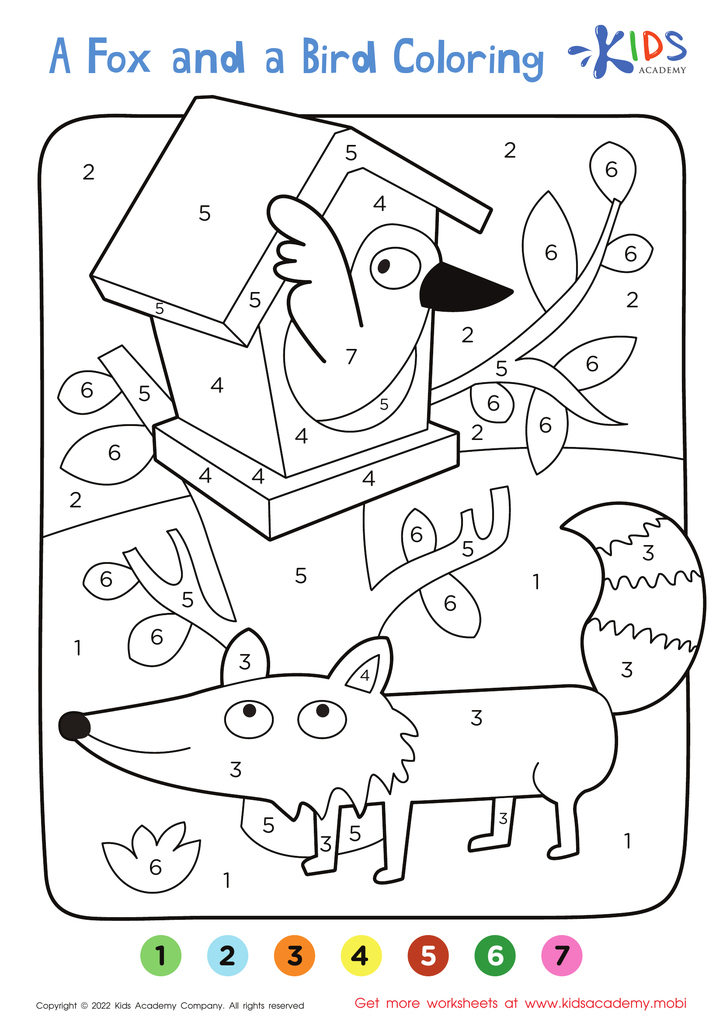
A Fox and a Bird – Coloring by Numbers








Color Identification Numbers (CIN) are crucial for children aged 4-8 for several reasons. Firstly, these numbers foster early literacy and numeracy skills. By associating colors with numerical values, children not only enhance their color recognition abilities but also trickle these skills into basic counting and number sense, laying a foundation for more complex mathematical concepts.
Moreover, understanding colors and their identifiers plays an essential role in vocabulary development. As children discuss and label colors, they expand their language skills, improving both expressive and receptive communication. This alignment with language not only aids in reinforcing descriptive vocabulary but also encourages creative expression through art and crafting activities.
Furthermore, when teaching CIN, parents and teachers promote social-emotional learning. Color identification can be linked to feelings and moods; for instance, children can express their emotions through colors, facilitating discussion about emotions and empathy.
Additionally, using colors as a learning tool supports diverse learning styles, making education more inclusive. Implementing CIN in interactive games and activities turns learning into a dynamic experience that captures attention and enjoyment. For these reasons, fostering color identification is not only educational but also vital for holistic childhood development.








