Fine Motor Skills Numbers Worksheets for Ages 4-8 - Page 4
86 filtered results
-
From - To
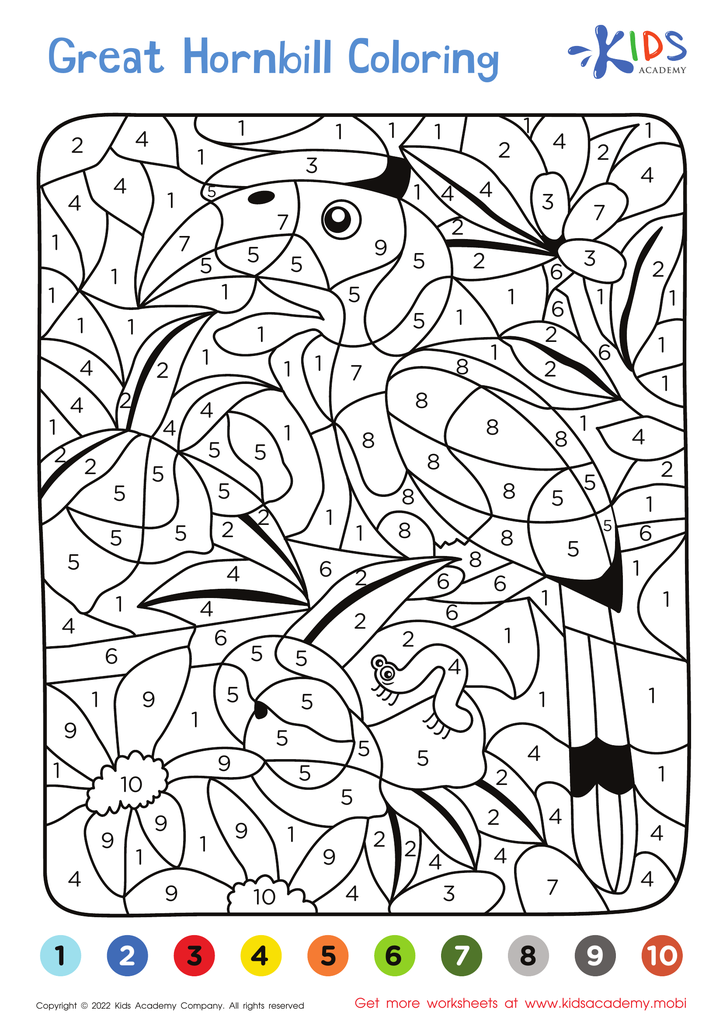
Great Hornbill – Coloring by Numbers

Counting on the City Skyline: Dot-to-Dot Worksheet
 Assign to My Students
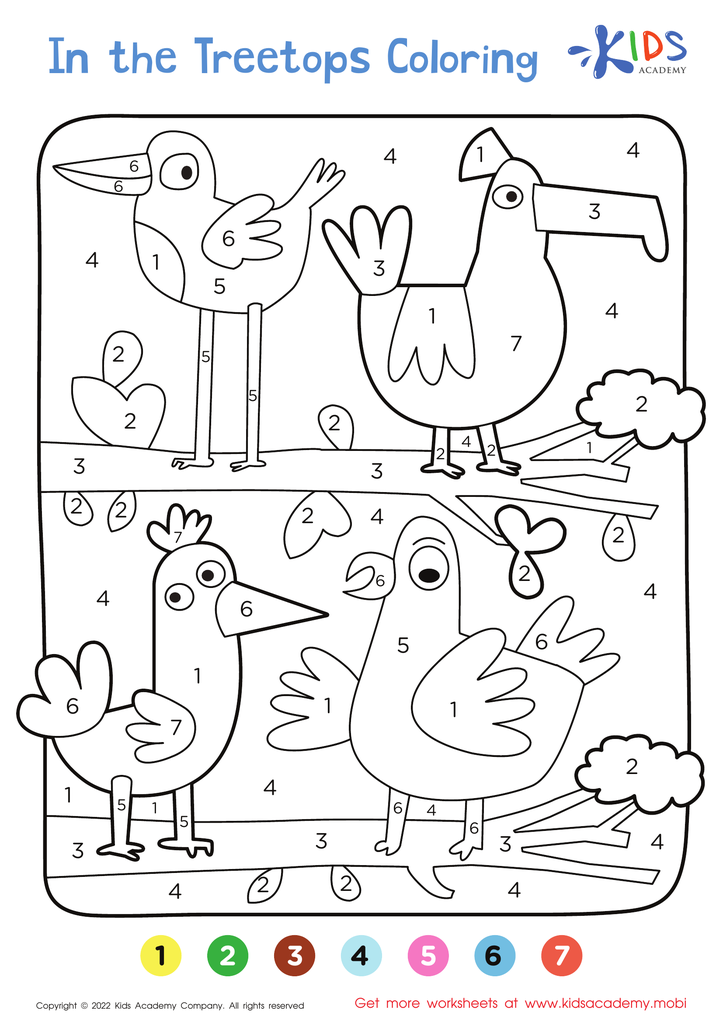
In the Treetops – Coloring Page
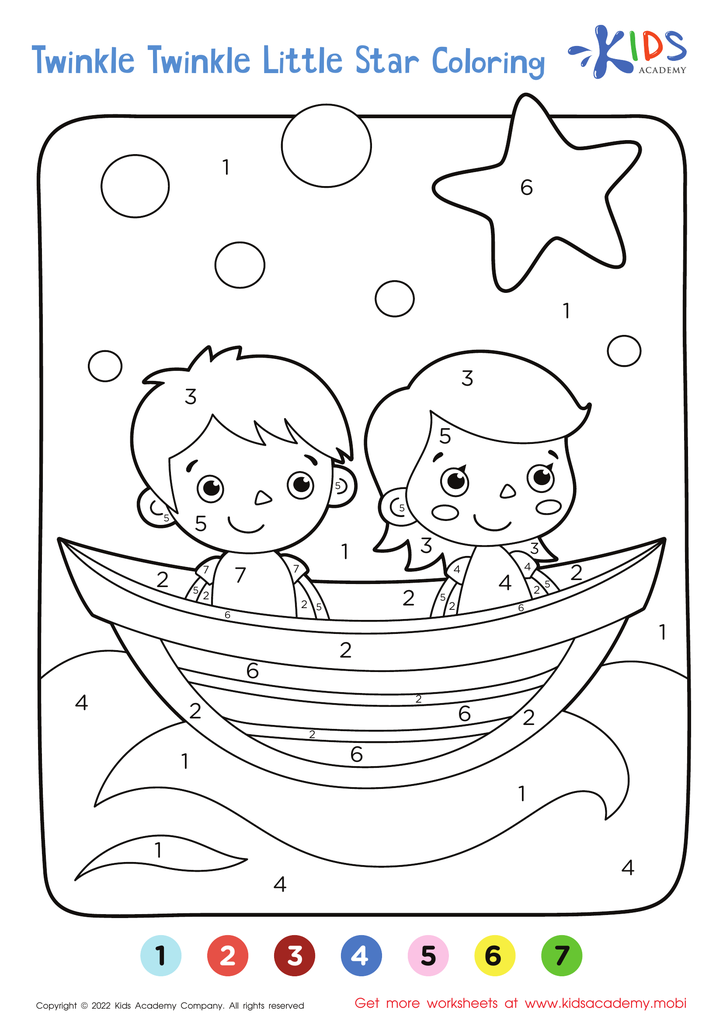
Twinkle, Twinkle, Little Star – Coloring by Numbers
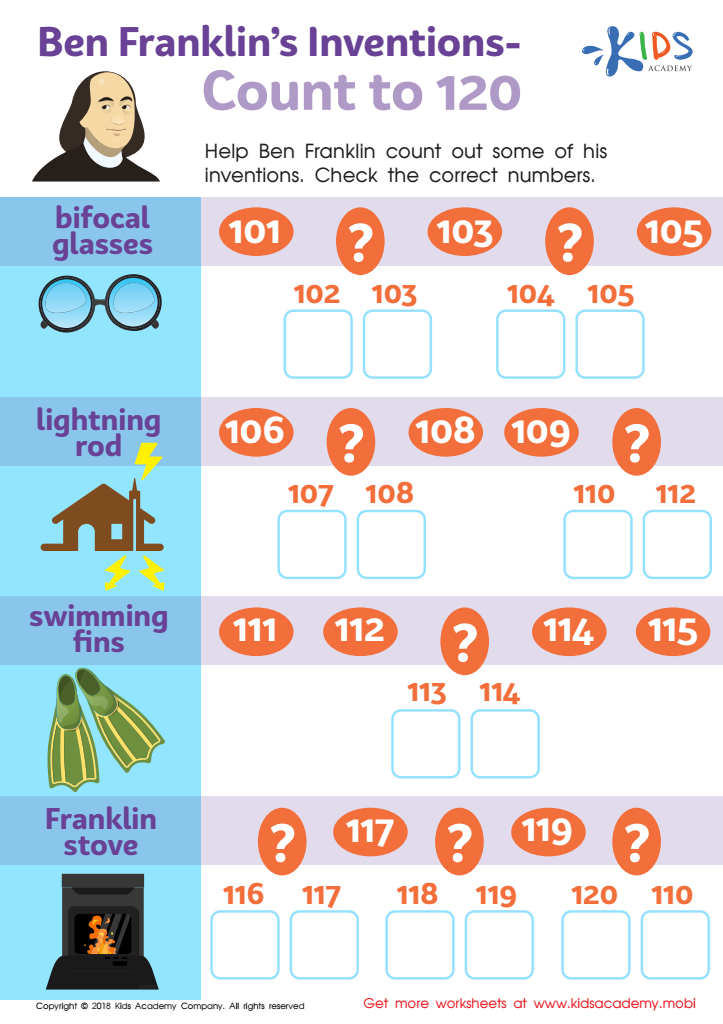
Ben Franklin’s Inventions – Count to 120 Worksheet
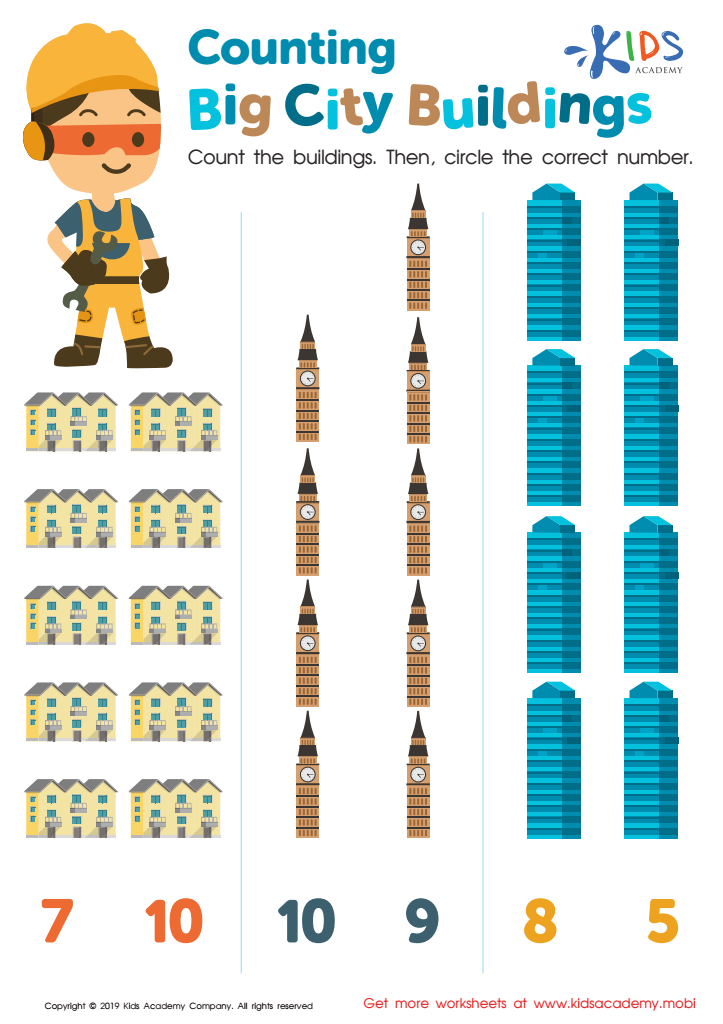
Counting Big City Buildings Worksheet
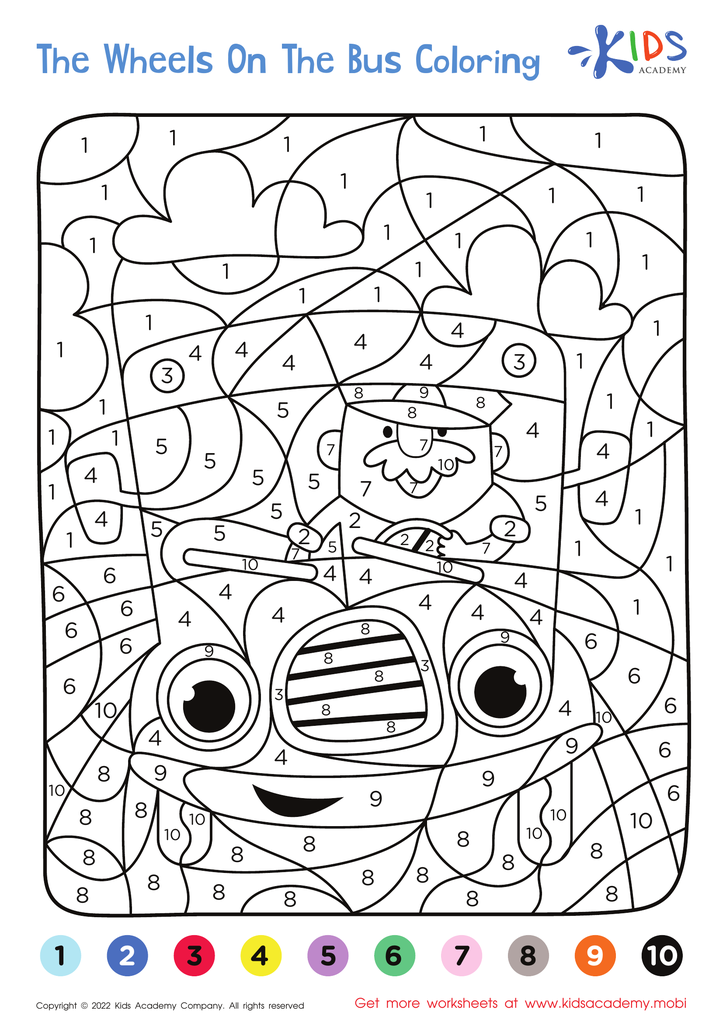
Wheels on the Bus – Coloring by Numbers
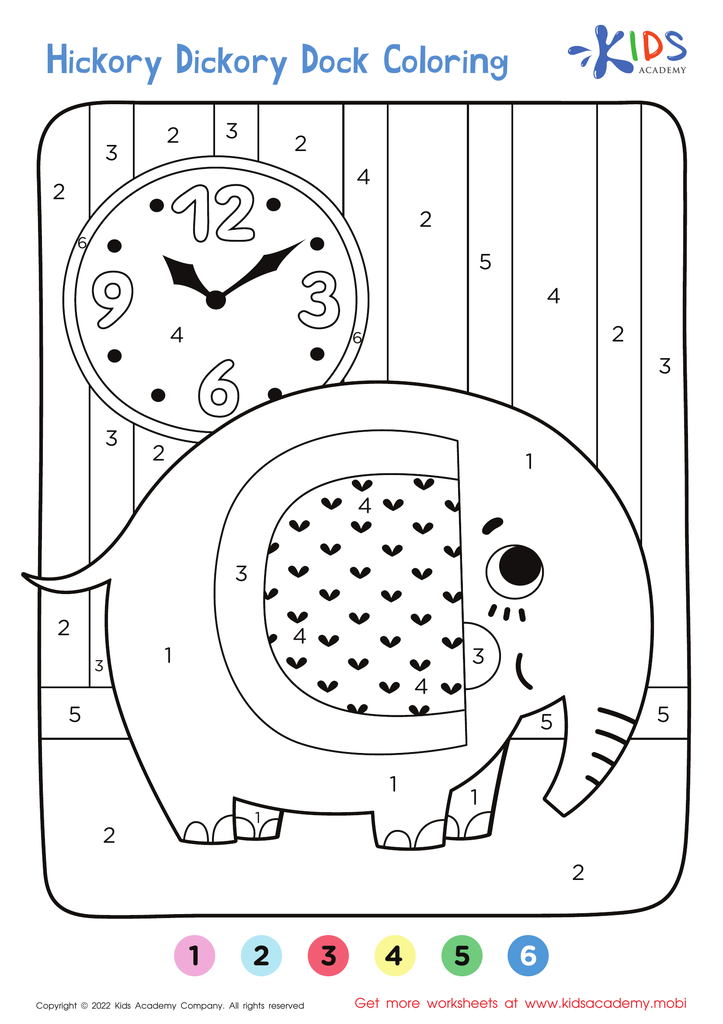
Hickory Dickory Dock – Coloring by Numbers

Night Sky Numbers Worksheet
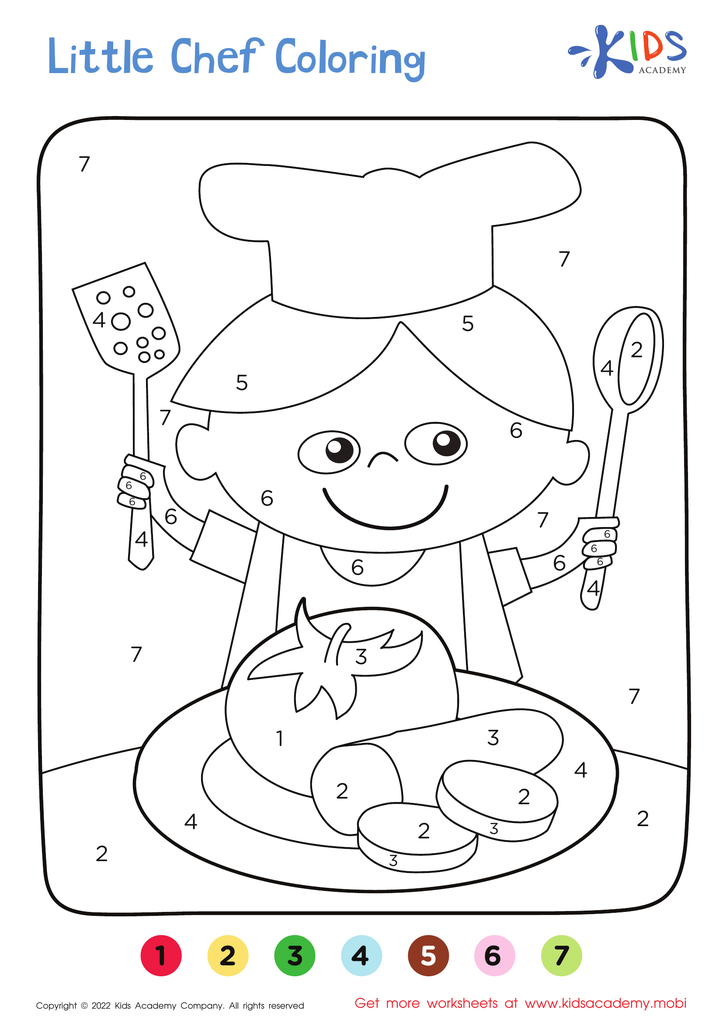
Little Chef – Coloring by Numbers
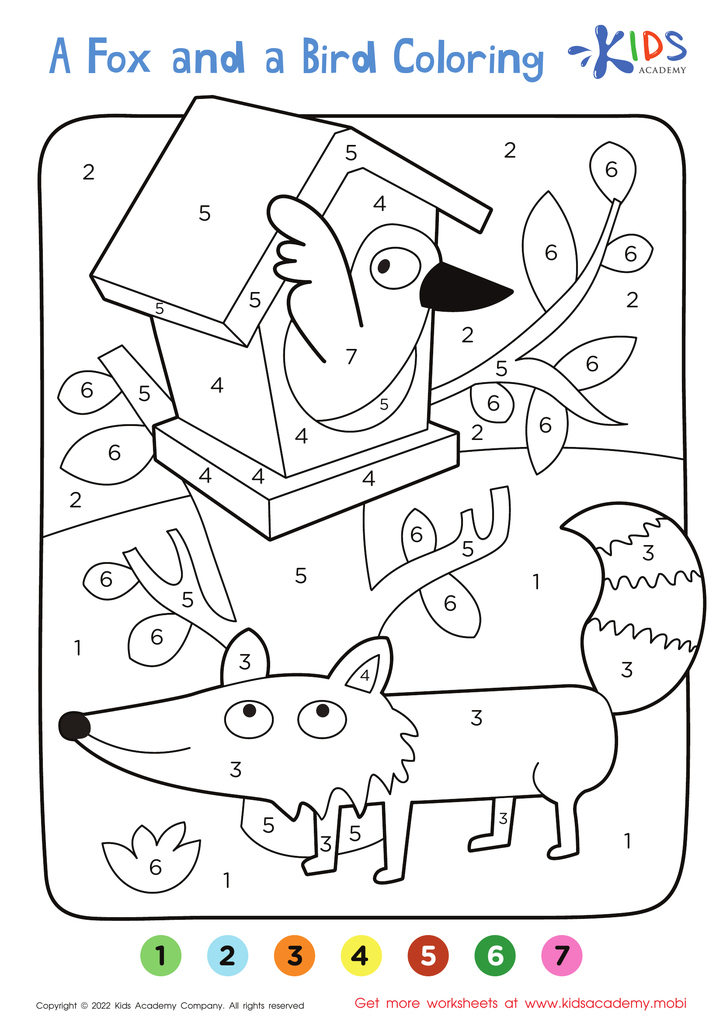
A Fox and a Bird – Coloring by Numbers
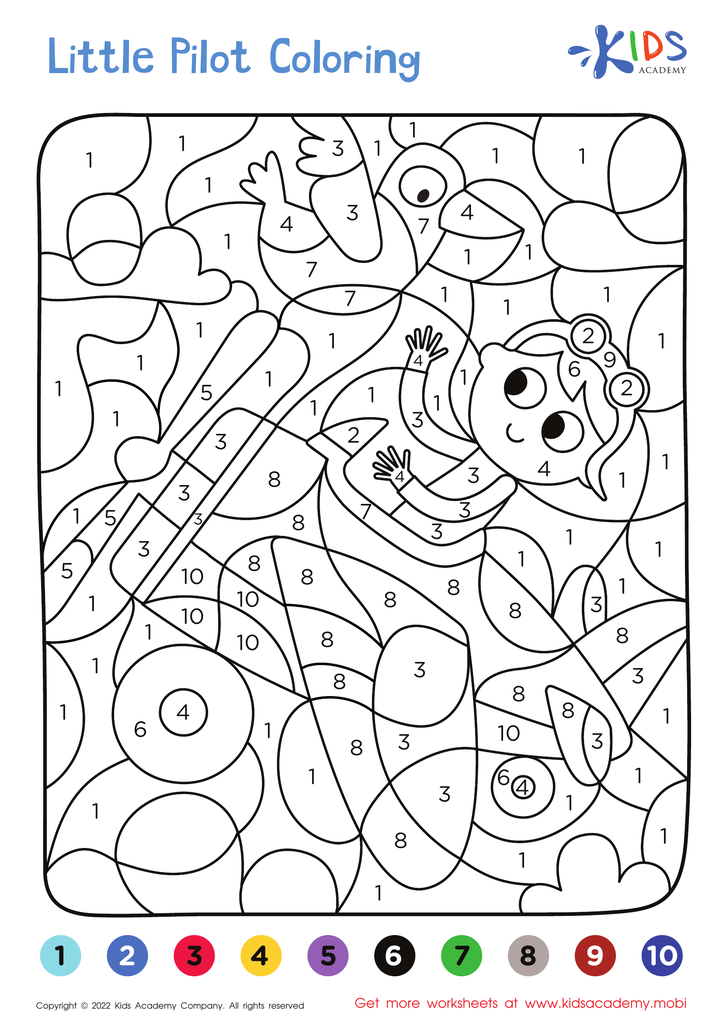
Little Pilot – Coloring by Numbers
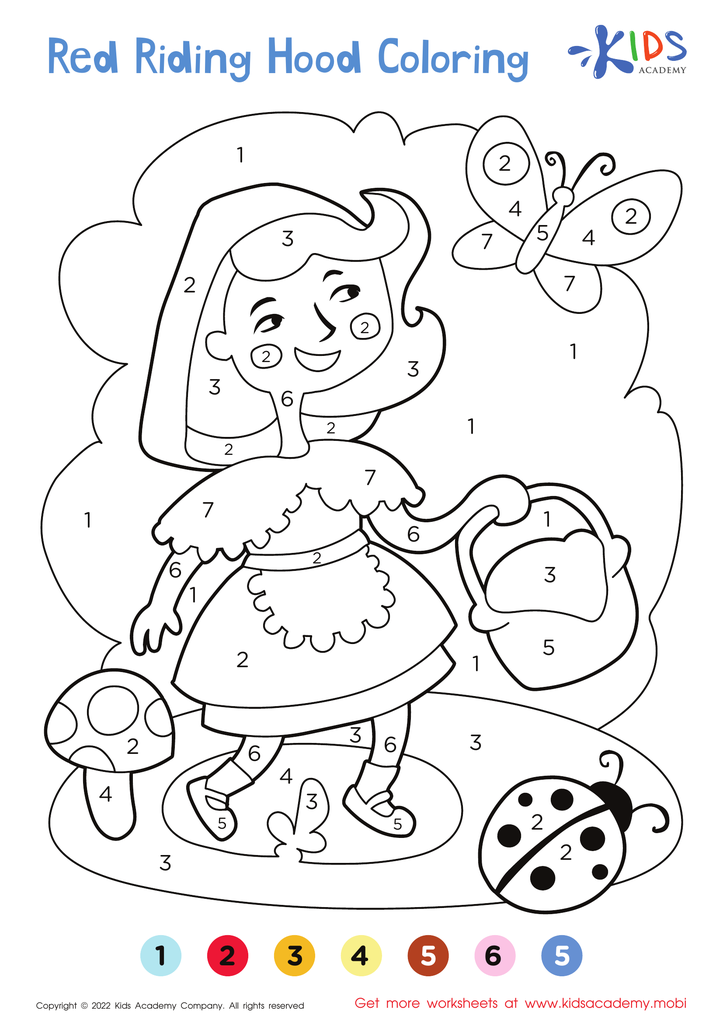
Little Red Riding Hood – Coloring by Numbers
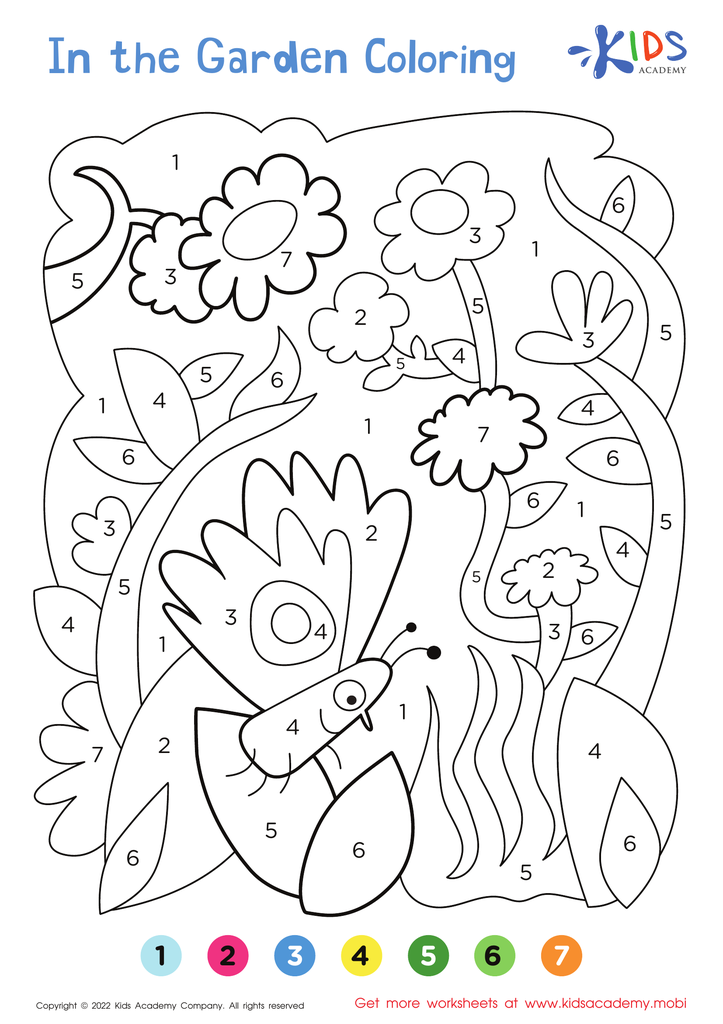
In the Garden – Coloring by Numbers







Parents and teachers should care about fine motor skills development in children ages 4-8 because these skills are foundational for a child’s overall growth and academic success. Fine motor skills involve the coordination of small muscles, particularly in the hands and fingers, enabling children to perform essential tasks such as writing, cutting, buttoning clothes, and tying shoelaces. When children have well-developed fine motor skills, they can engage more confidently and efficiently in school activities and daily routines.
In the early years, activities like coloring, building with blocks, and threading beads strengthen hand muscles and improve dexterity and coordination. These skills directly impact a child’s ability to learn to write neatly and legibly. Writing is a fundamental skill that affects all areas of academic achievement, from taking notes to exam performance. Moreover, fine motor skills are linked to cognitive development, as tasks that require precision often involve problem-solving and hand-eye coordination.
By focusing on developing these skills early, parents and teachers set children up for long-term success. Encouraging play activities that develop fine motor skills, such as arts and crafts or simple household chores, can make learning fun and effective, building the child's confidence and independence. Fostering these skills can thus have enduring educational and personal benefits, laying the groundwork for future proficiency in both school and daily life.








