Interpreting data Numbers Worksheets for Ages 4-8
4 filtered results
-
From - To
Discover a world of fun and learning with our "Interpreting Data Numbers Worksheets" designed specifically for children aged 4-8. These engaging worksheets help young learners develop essential skills in interpreting and analyzing data through interactive activities. Your child will explore concepts such as sorting, comparing, and graphing, all while enhancing their number sense and critical thinking abilities. Our vibrant visuals and age-appropriate questions make learning enjoyable and accessible. Ideal for classroom or home use, these worksheets support early mathematical understanding and foster a love for numbers. Unlock your child’s potential and boost their confidence with our top-quality resources today!
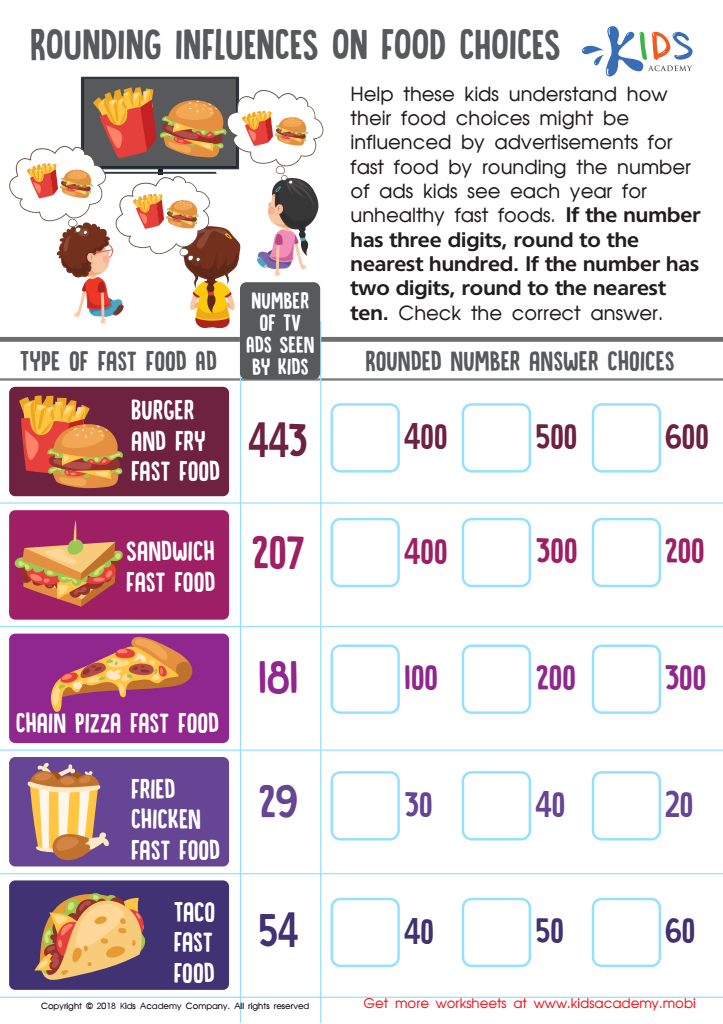
Rounding Influences Food Choices Worksheet
 Assign to My Students
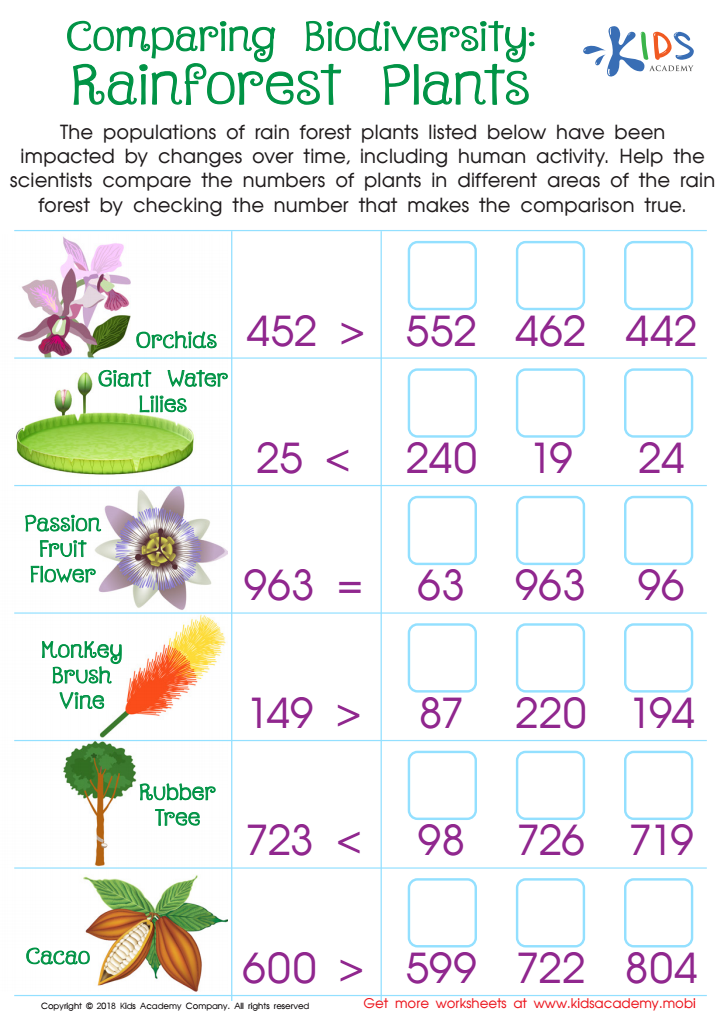
Comparing Biodiversity: Rainforest Plants Worksheet
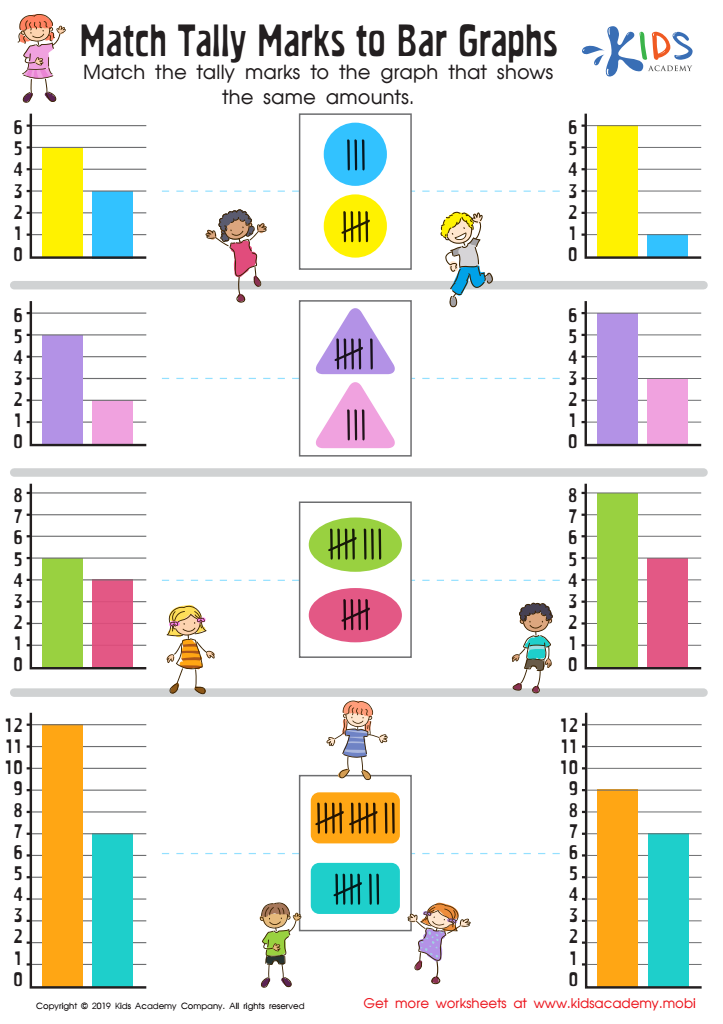
Match Tally Marks to Bar Graphs Worksheet
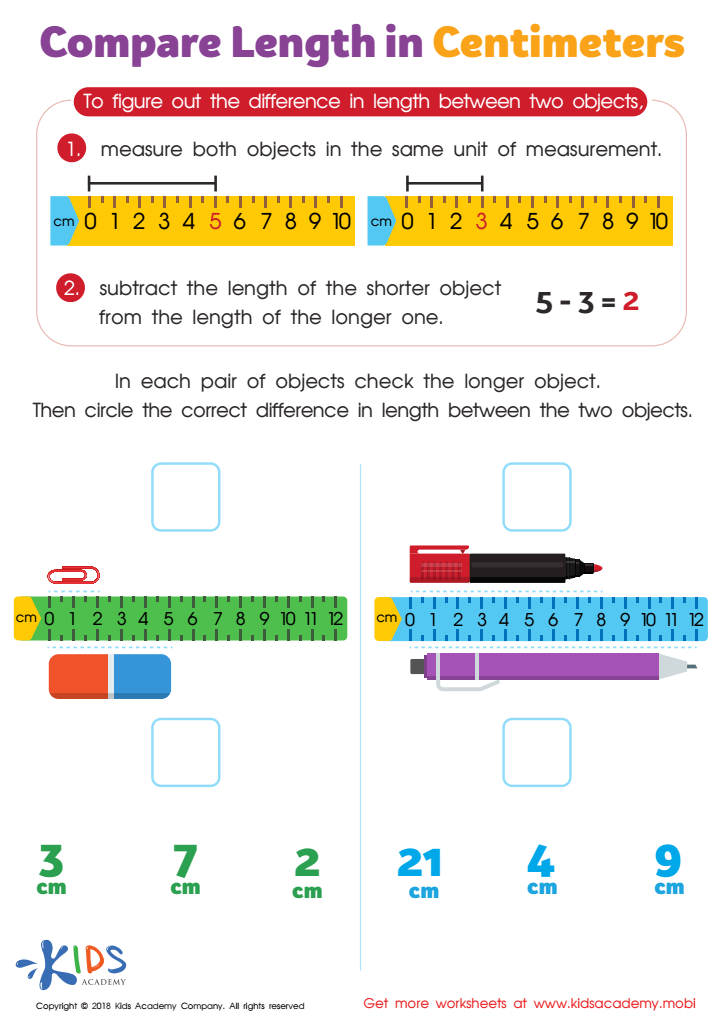
Compare Length in Centimeters Worksheet








Interpreting data and numbers in early childhood education is crucial for parents and teachers because it lays the foundation for essential cognitive skills. At ages 4-8, children are developing their ability to understand and make sense of the world around them. By engaging with data, they learn to recognize patterns, compare quantities, and identify relationships, fostering critical thinking and problem-solving skills.
Additionally, data literacy promotes informed decision-making. Parents and teachers can use data on a child's progress to tailor educational approaches to better meet individual learning needs. For instance, interpreting assessments can highlight a child's strengths and areas for improvement, guiding tailored support strategies.
Moreover, introducing data concepts at a young age makes math relatable and relevant. When children engage with numbers through real-world contexts—like counting fruits or organizing toys—they build a positive attitude towards mathematics, which can help combat math anxiety later on.
Ultimately, by caring about and actively interpreting data, parents and teachers can cultivate a growth mindset in children, encouraging them to explore, inquire, and develop a robust understanding of mathematical concepts essential for future academic success. This engagement not only impacts their academic journey but also enhances their everyday decision-making abilities.








