Understanding Quantities Numbers Worksheets for Ages 4-8
6 filtered results
-
From - To
Our "Understanding Quantities Numbers Worksheets for Ages 4-8" offer engaging, educational activities designed to help young learners grasp the concept of numbers and quantities. With these worksheets, children can improve their counting skills, number recognition, and understanding of basic math principles in a fun and interactive way. Perfect for both classroom settings and at-home practice, each worksheet provides vibrant visuals and hands-on tasks, making learning enjoyable and effective. Ideal for ages 4-8, these resources are tailored to support early learners in developing a solid mathematical foundation essential for their academic success.
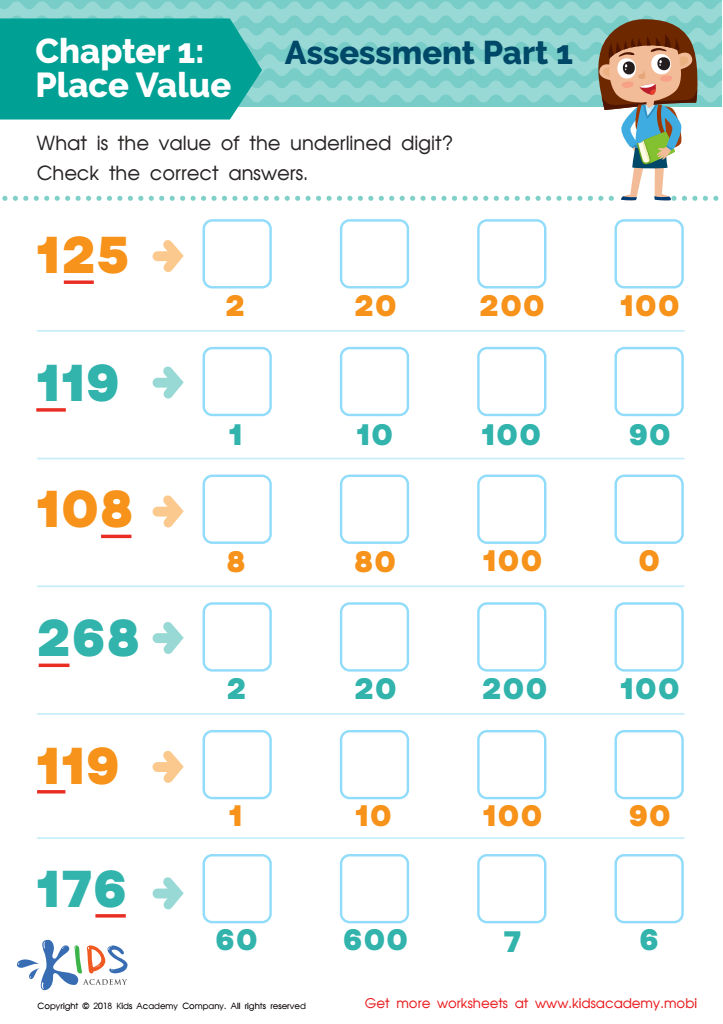
Place Value: Chapter 1 Worksheet
 Assign to My Students
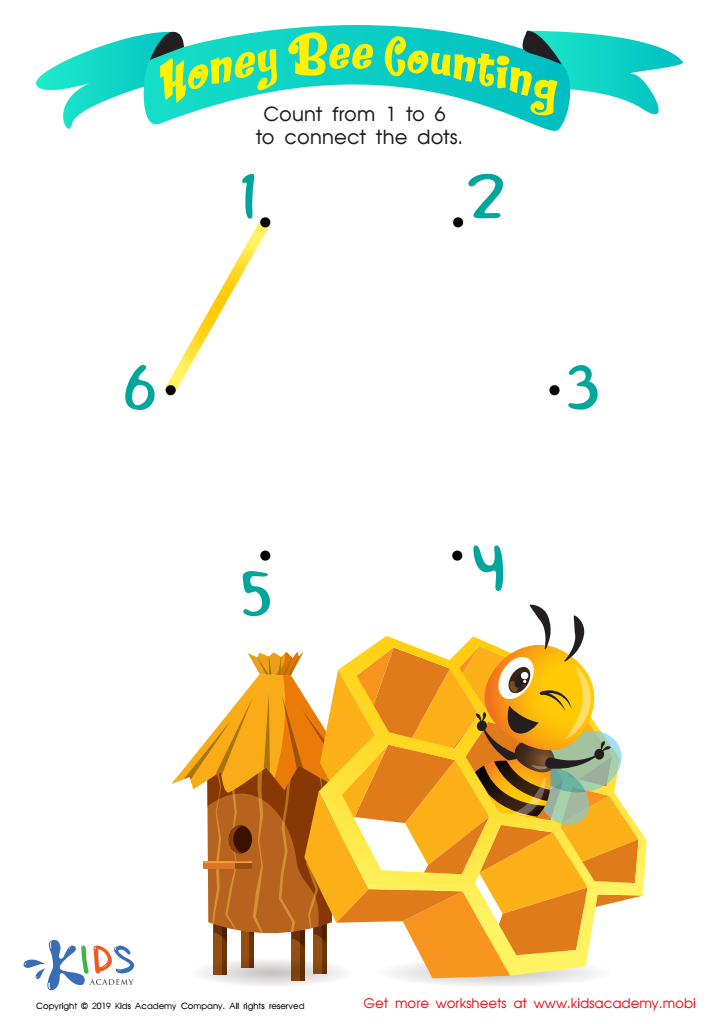
Honey Bee Counting Worksheet
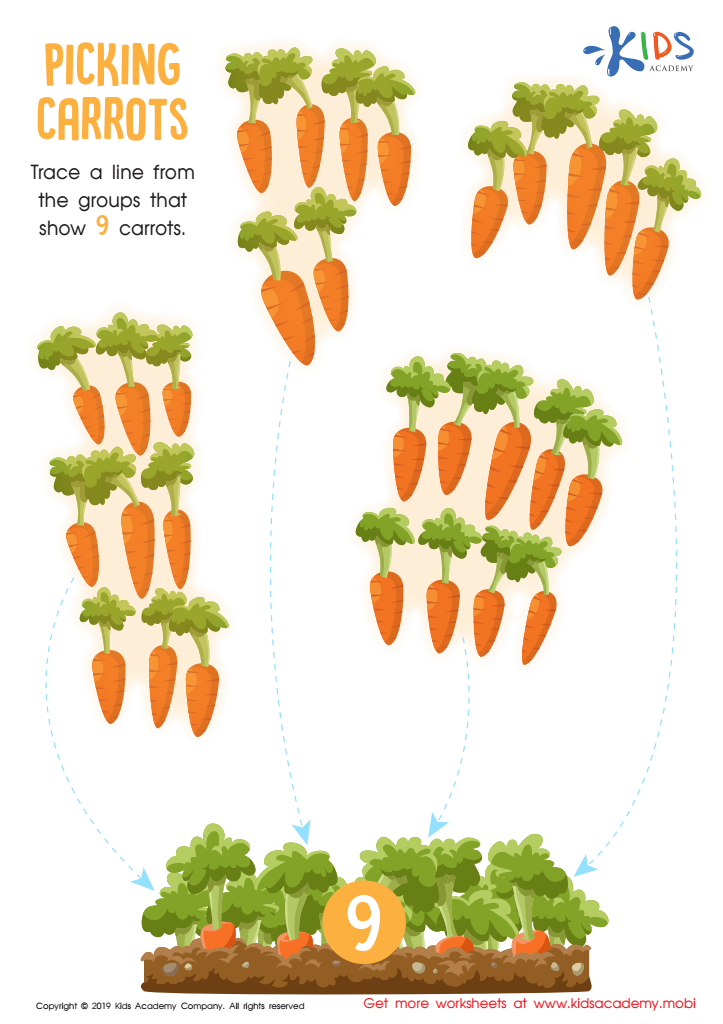
Picking Carrots Worksheet
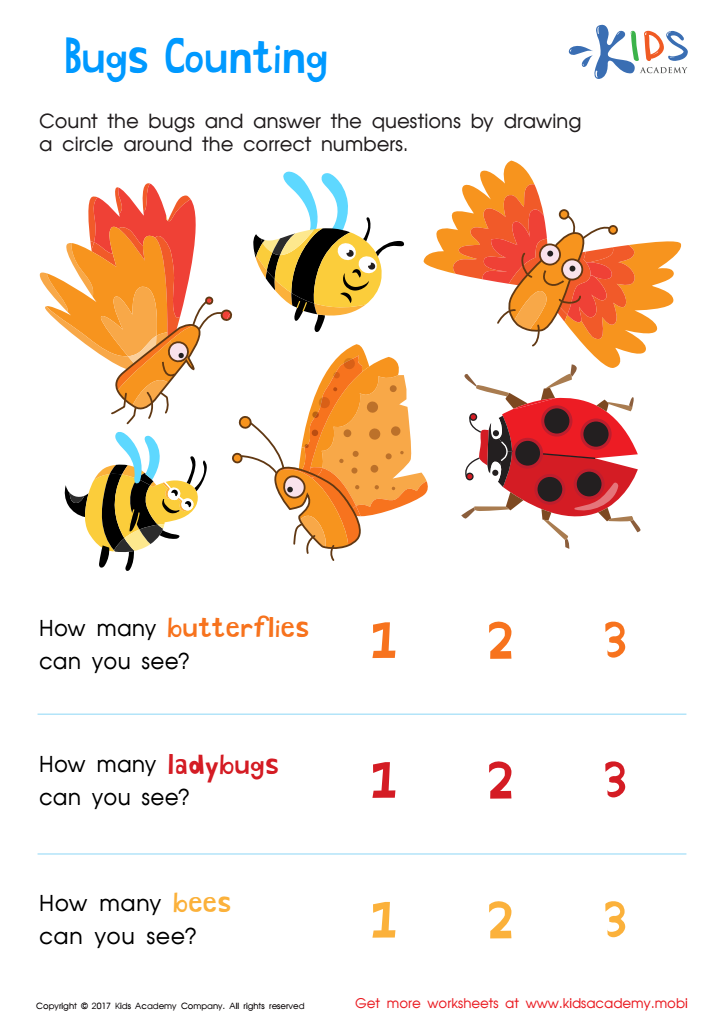
Bugs Counting Worksheet
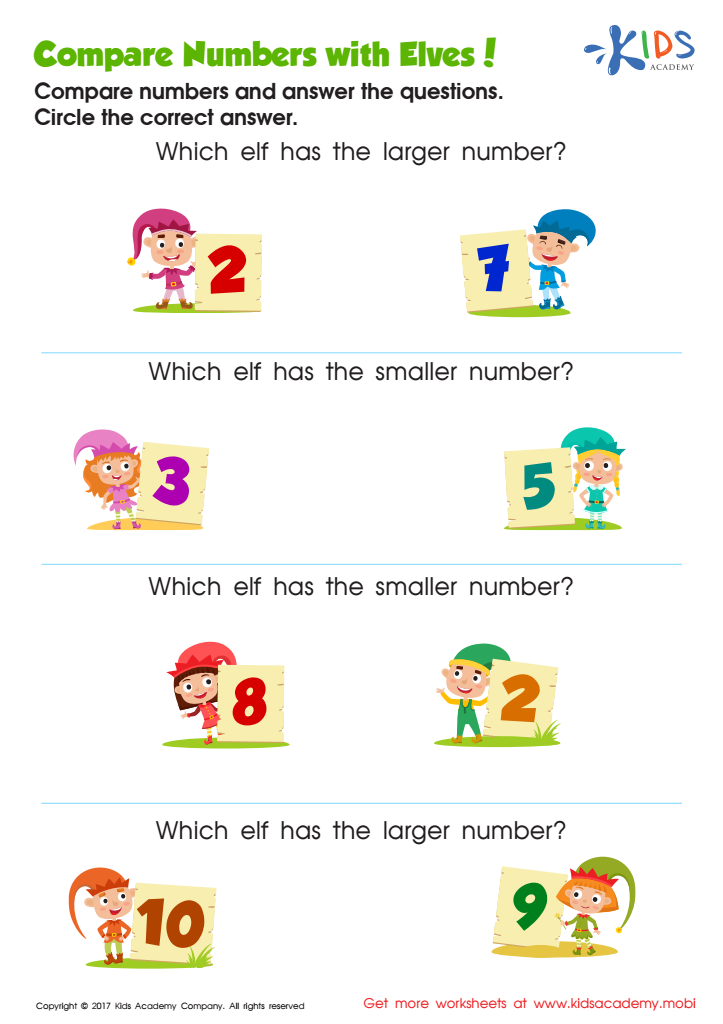
Comparing Numbers Worksheet for Kindergarten
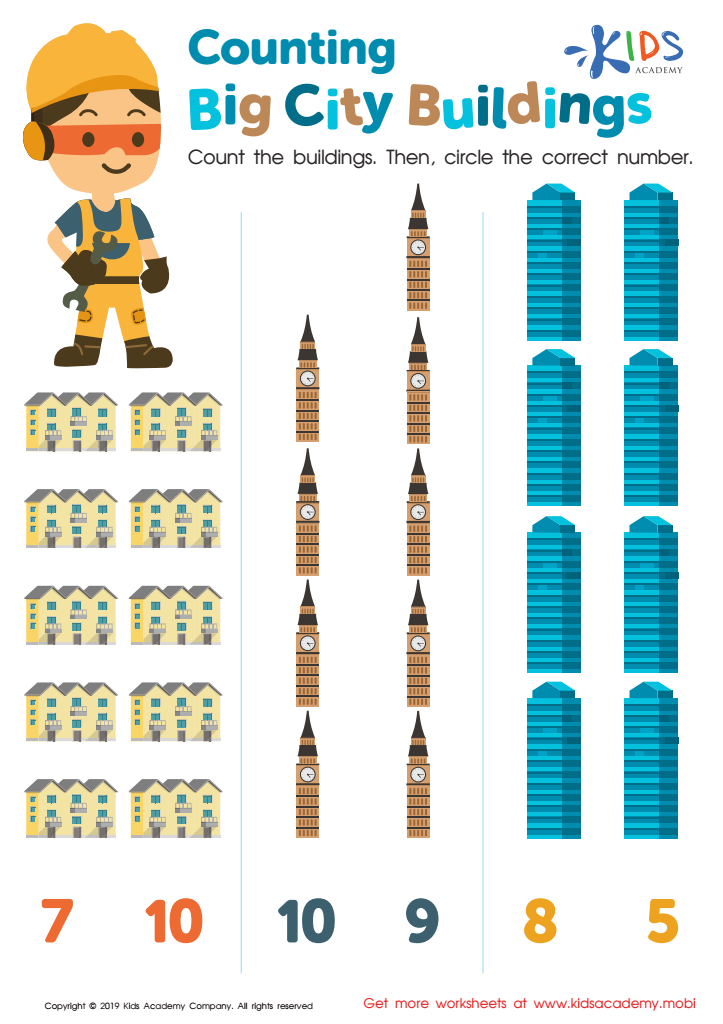
Counting Big City Buildings Worksheet





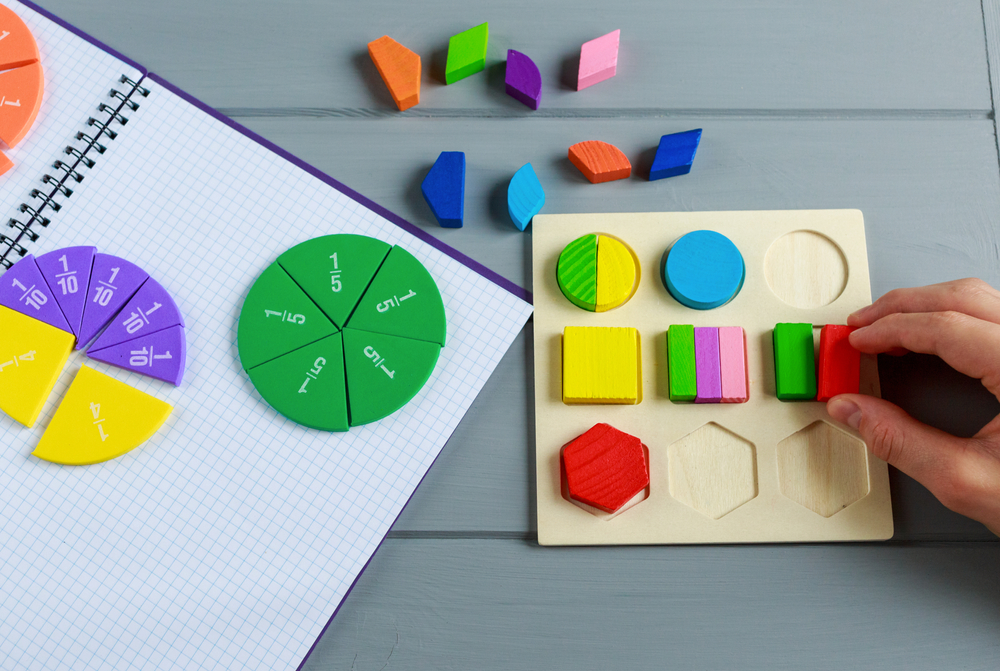


Understanding quantities and numbers at an early age is crucial for children aged 4-8 because it lays the foundational skills necessary for future success in mathematics. During these formative years, children are developing their cognitive abilities and the skills they learn become the building blocks for more complex mathematical concepts which they will encounter in later years.
When children grasp the concept of quantities, they learn to make sense of the world around them, improving their ability to organize, classify, and compare different objects and events. This enhances their problem-solving skills and logical thinking, which are essential across all areas of learning and everyday life. Moreover, familiarity with quantities and numbers promotes critical life skills such as telling time, understanding money, and measuring spaces, which are indispensable for their daily routines and eventually adult life.
Teachers and parents play a vital role in guiding children through these concepts using hands-on activities, games, and fun learning experiences that keep them engaged. The confidence and competency gained from understanding quantities and numbers help children approach academic challenges with a positive mindset. Therefore, investing time and resources to nurture these abilities is not only beneficial but essential for the overall intellectual development and future academic success of young children.








