Addition skills Math Worksheets for Ages 4-8 - Page 2
137 filtered results
-
From - To
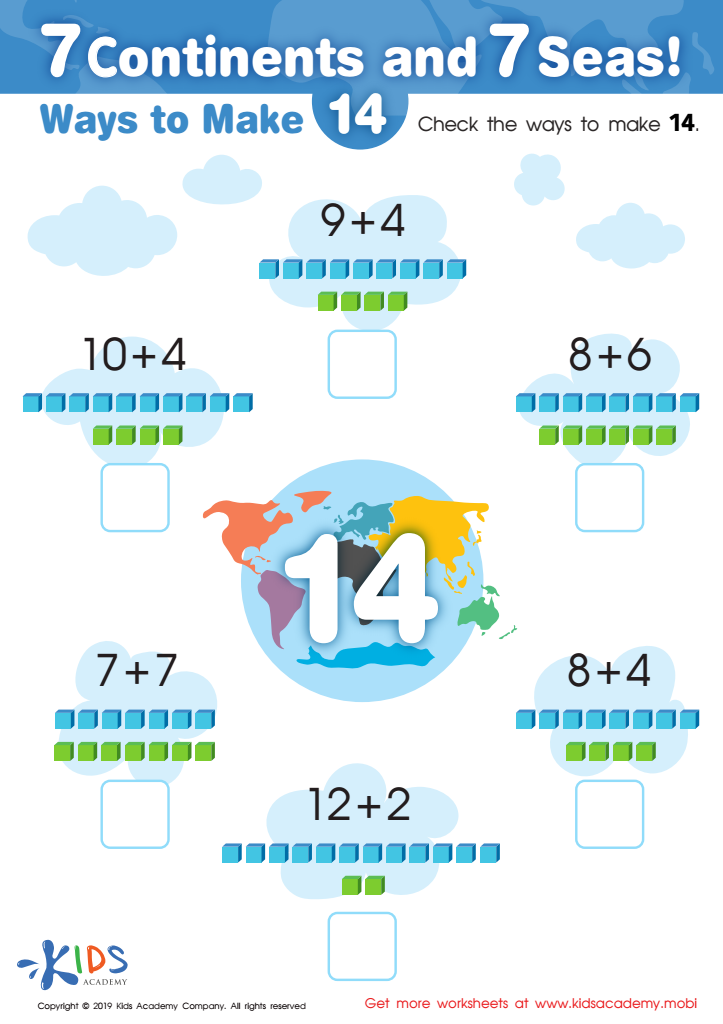
7 Continents and 7 Seas Worksheet
 Assign to My Students
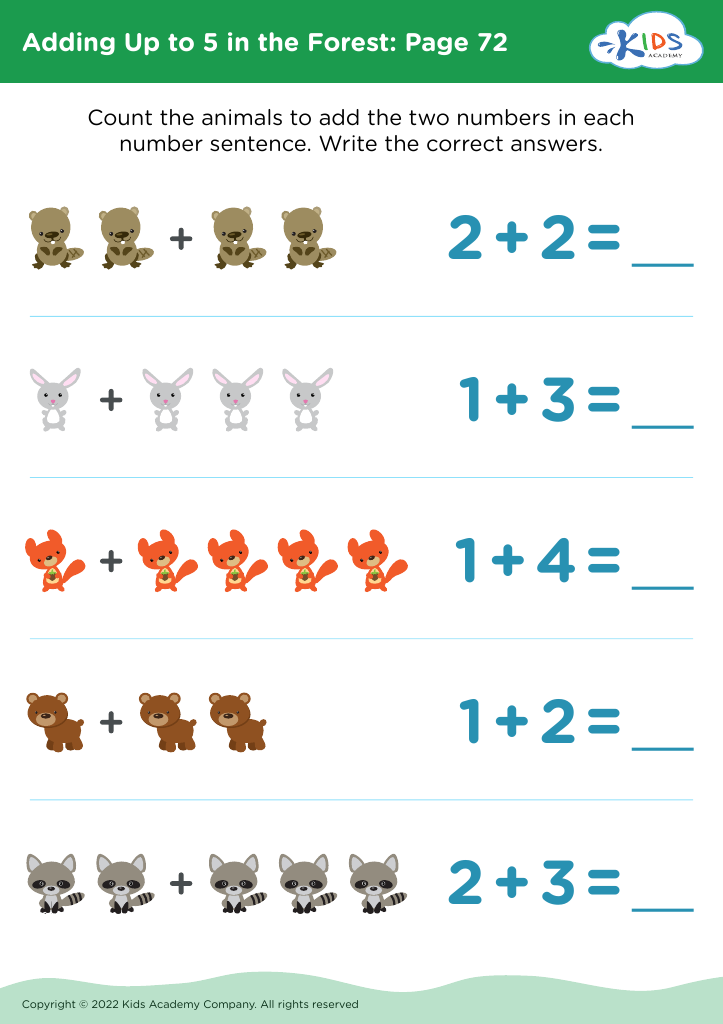
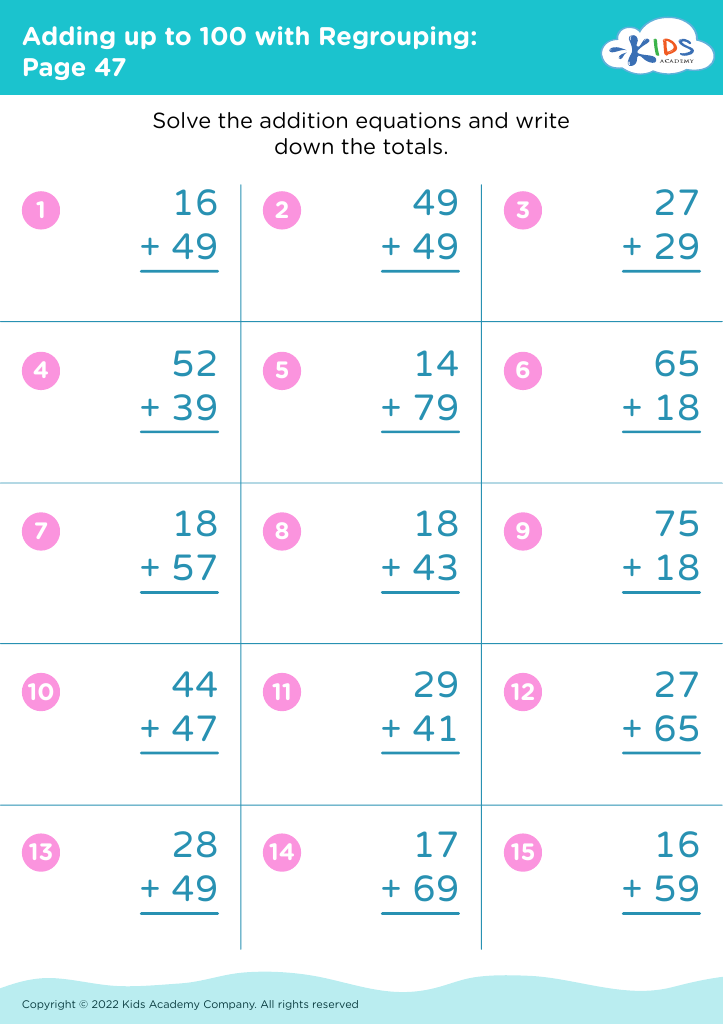
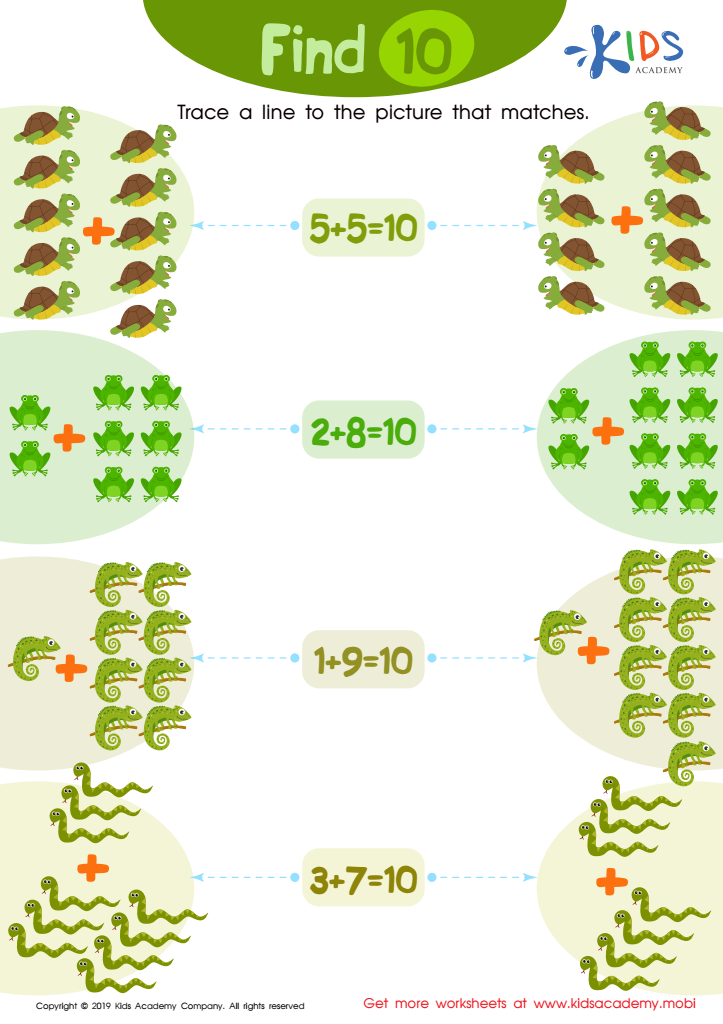
Find 10 Worksheet
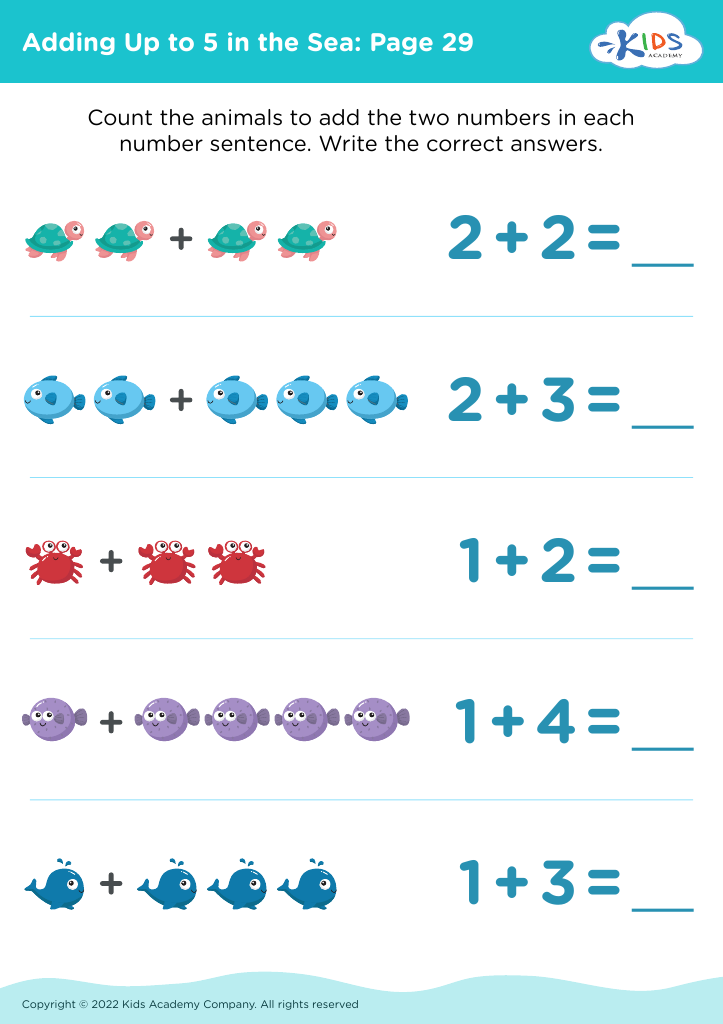
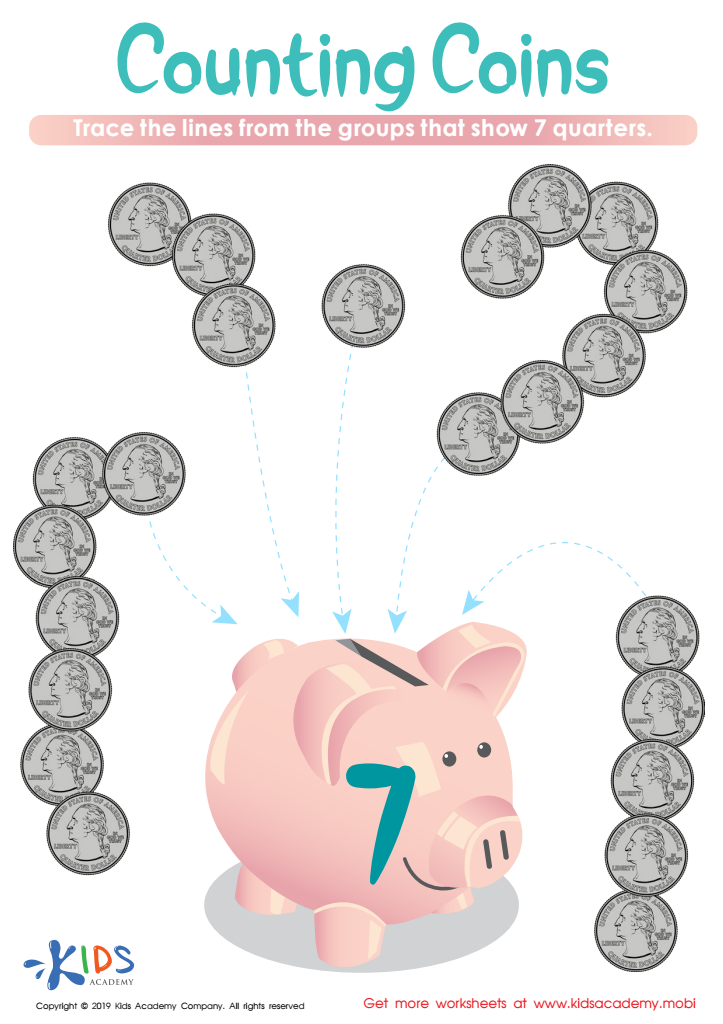
Counting Coins Worksheet
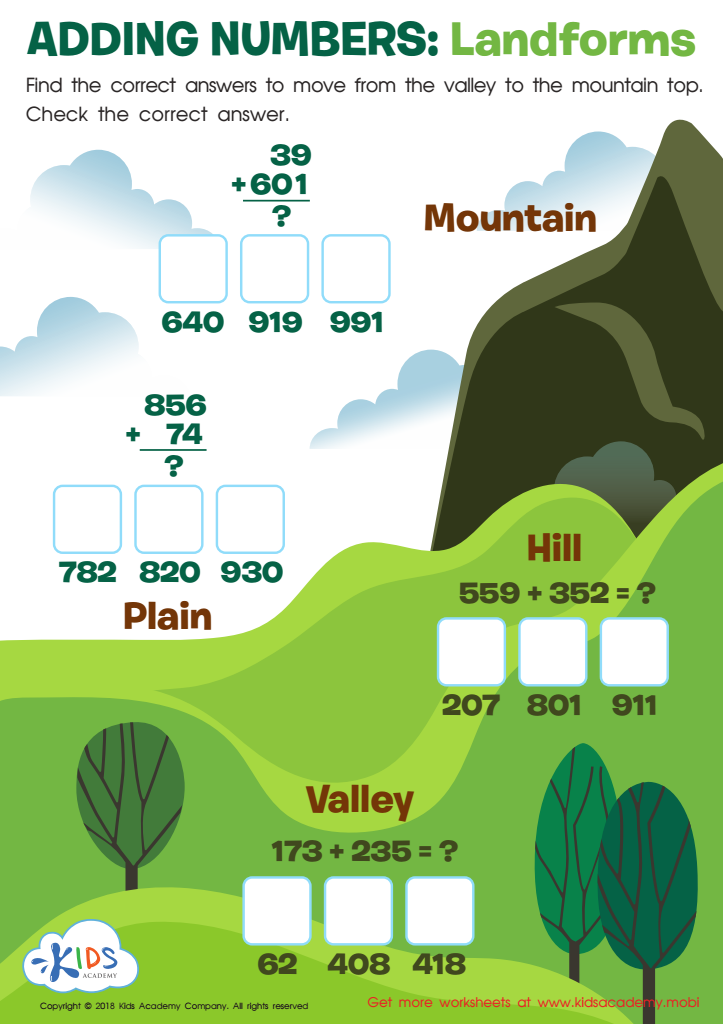
Adding Numbers: Landforms Worksheet
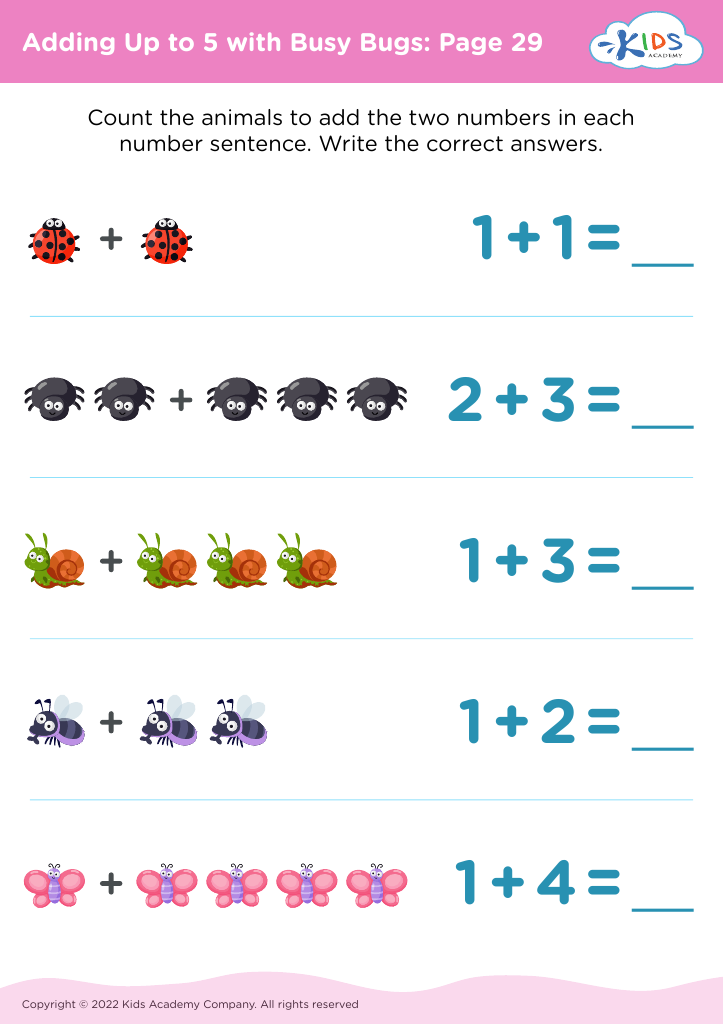
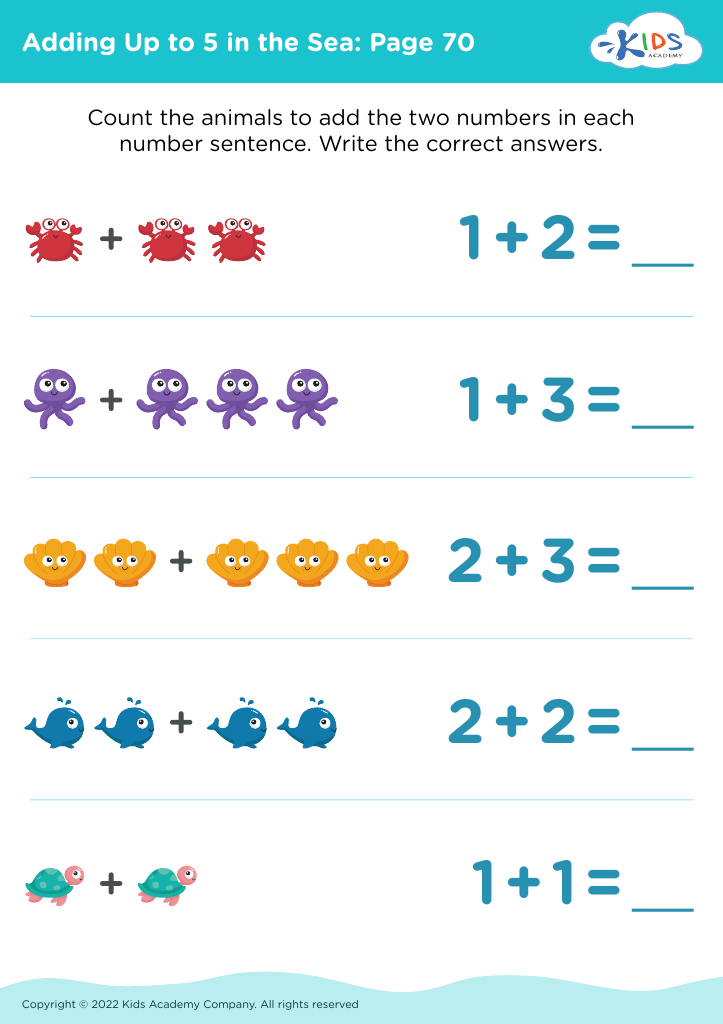
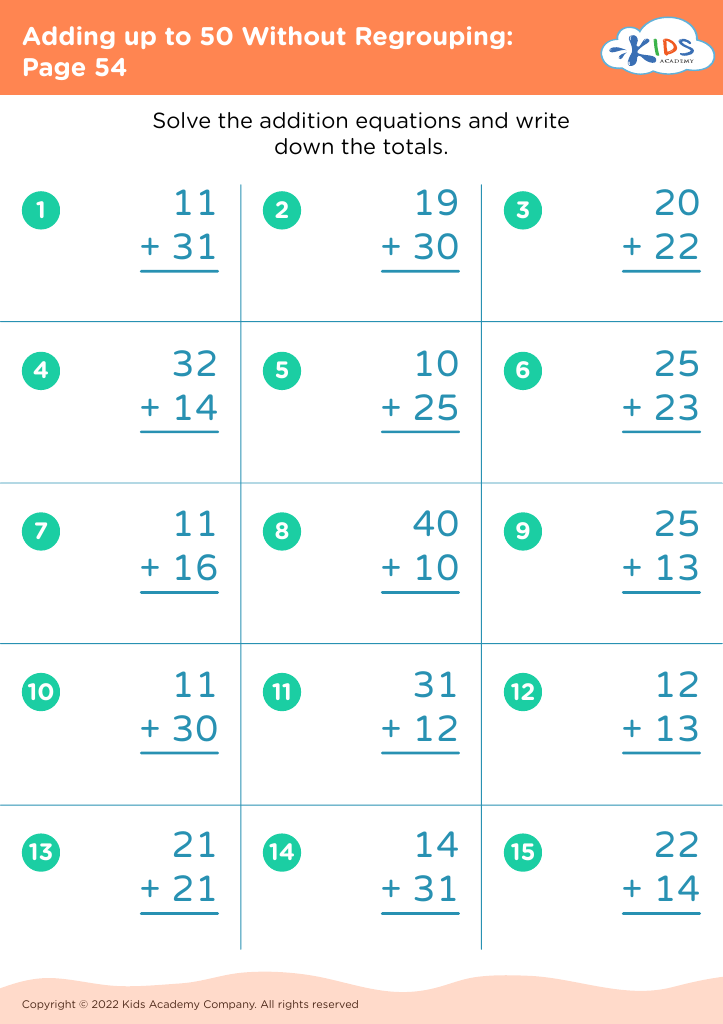
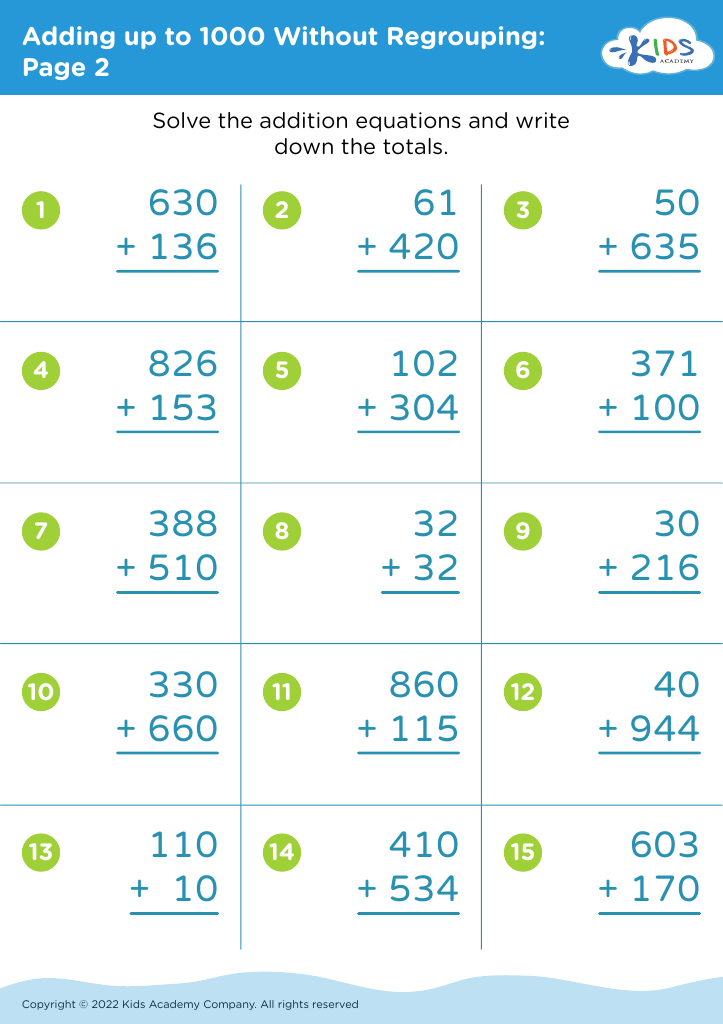
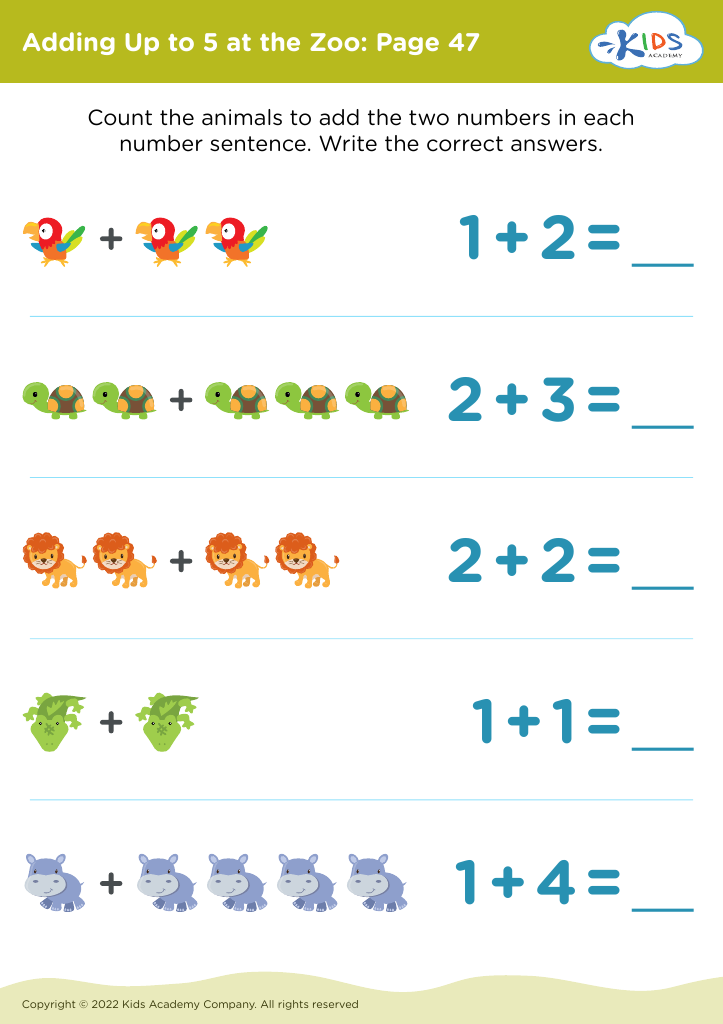
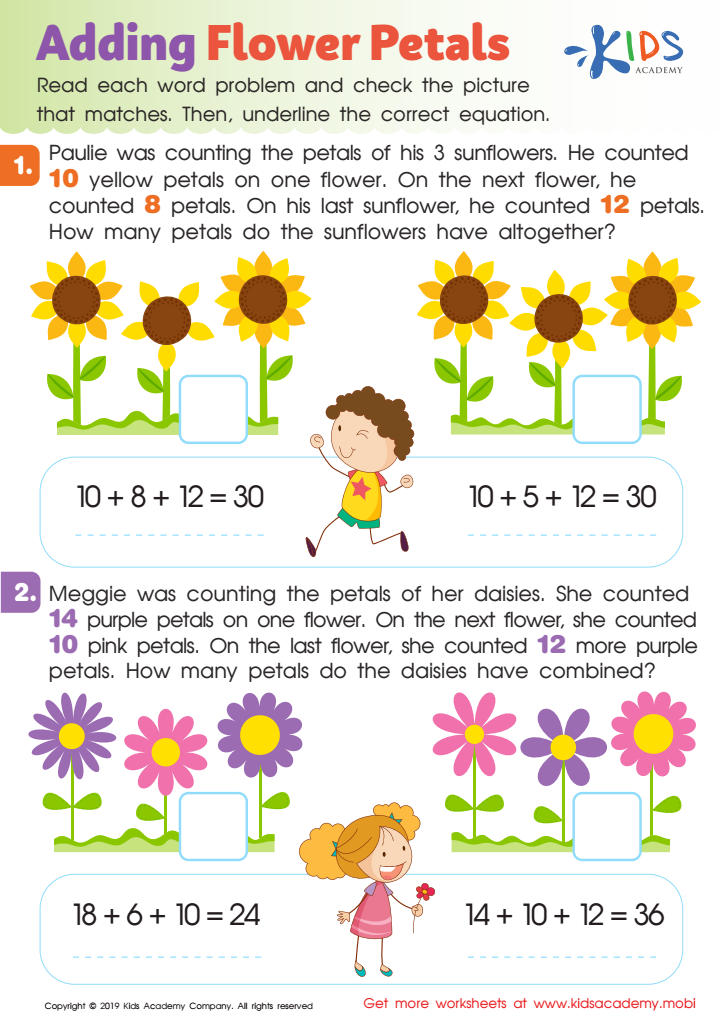
Adding Flower Petals Worksheet
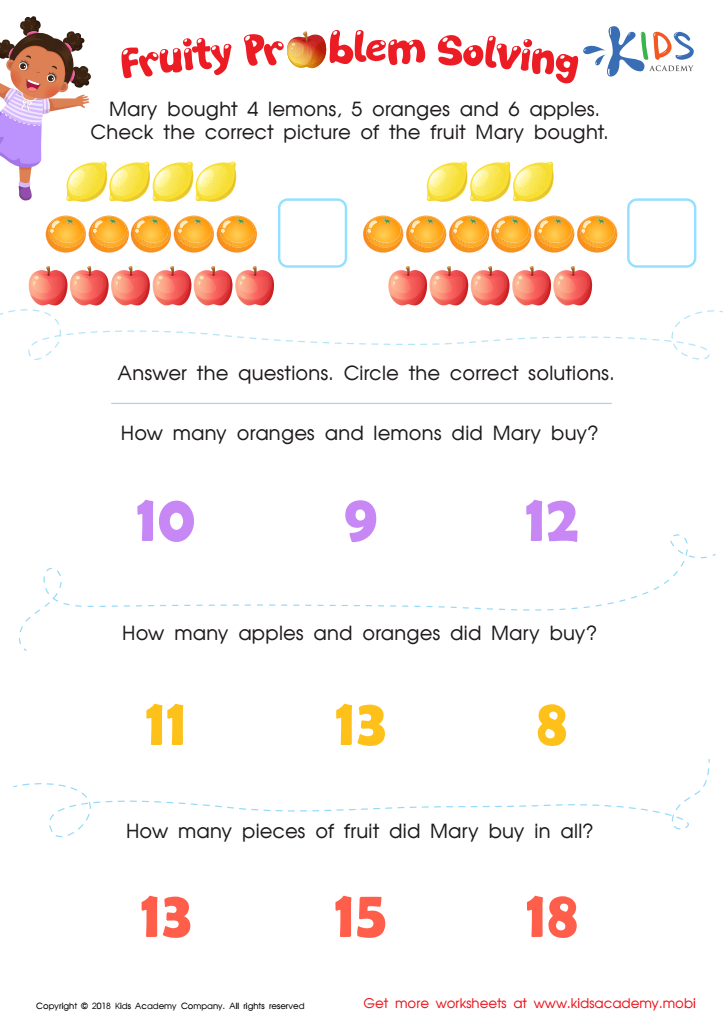
Fruity Problem Solving Worksheet
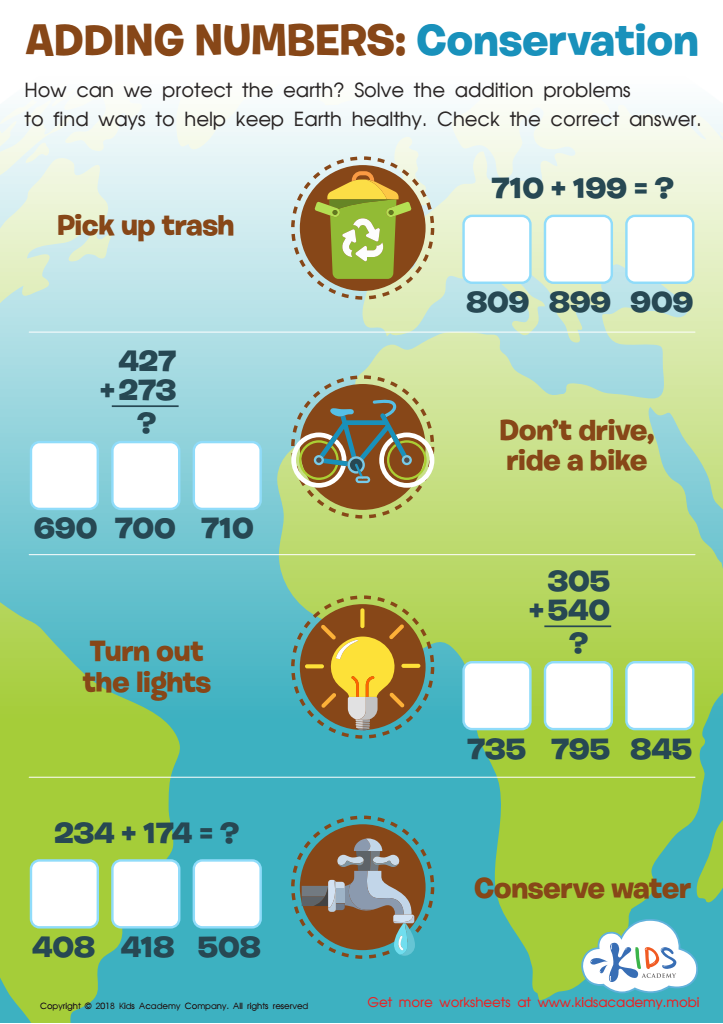
Adding Numbers: Conservation Worksheet
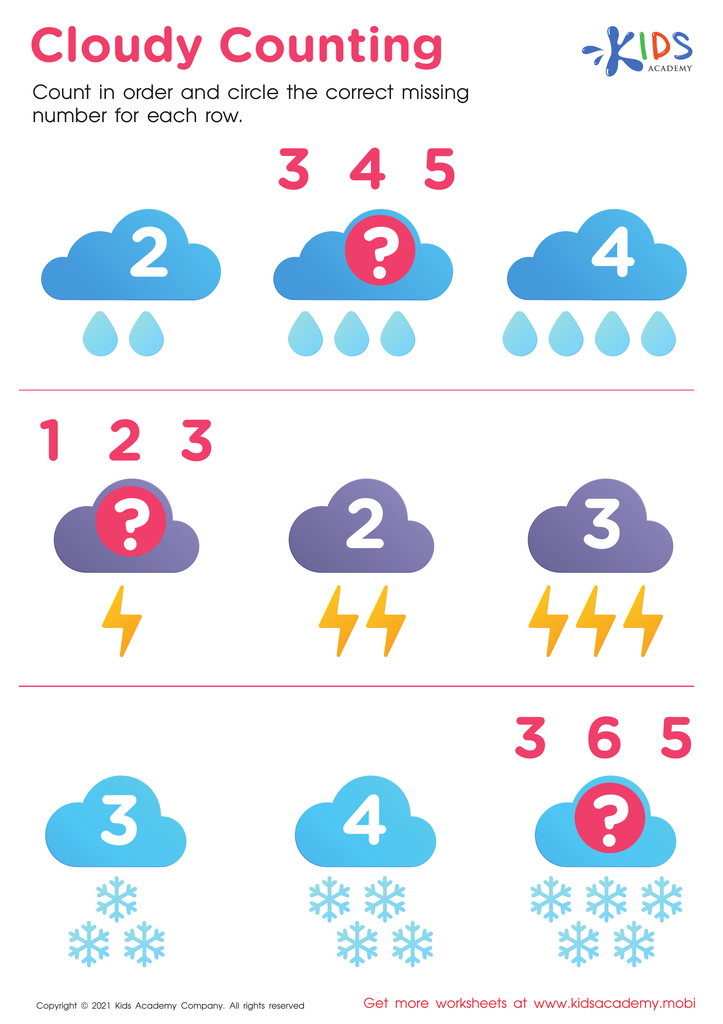
Cloudy Counting Worksheet
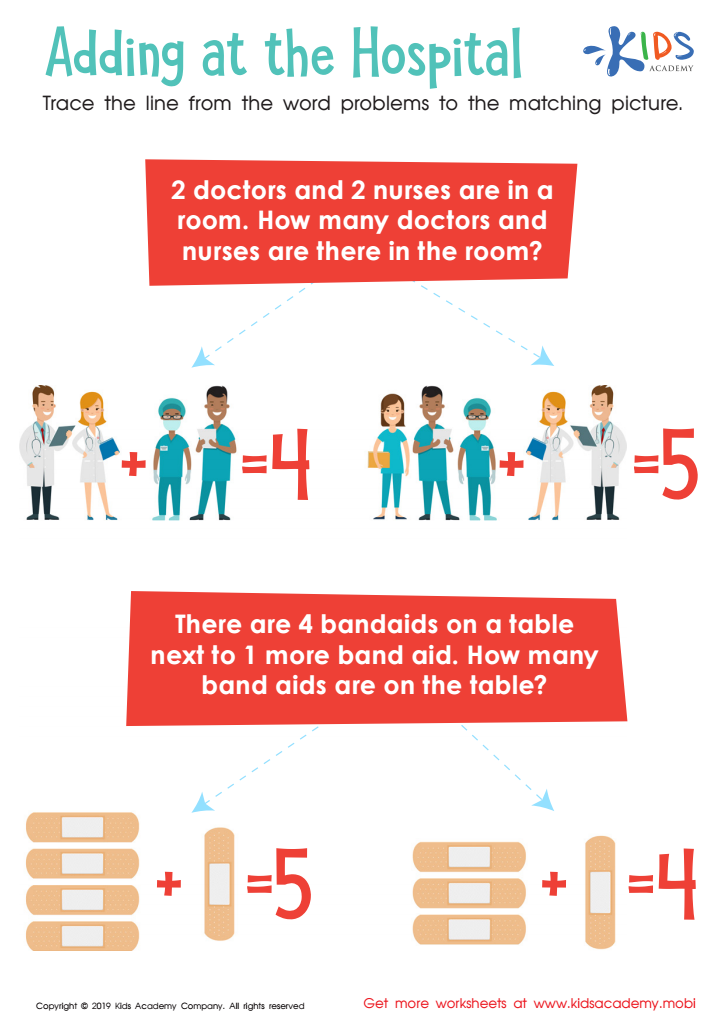
Adding at the Hospital Worksheet
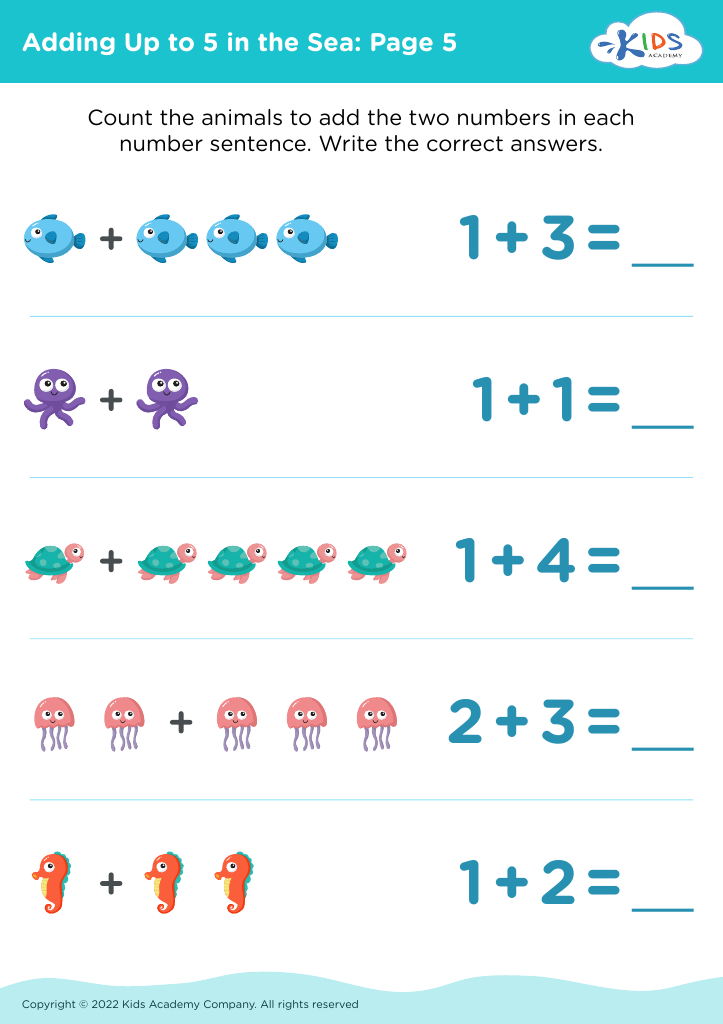
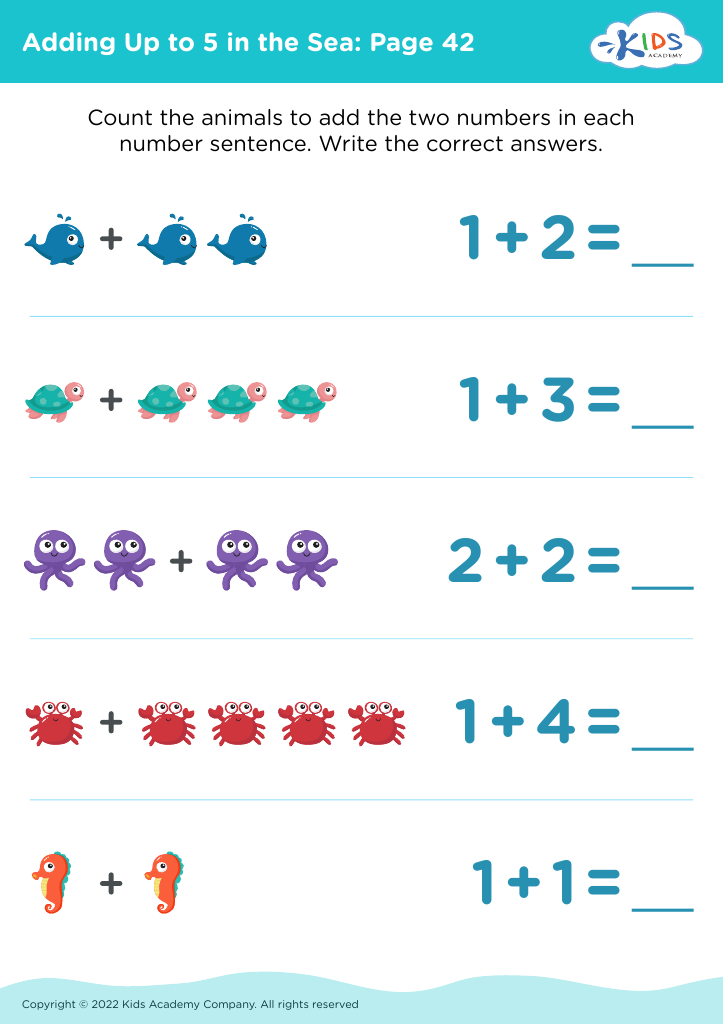
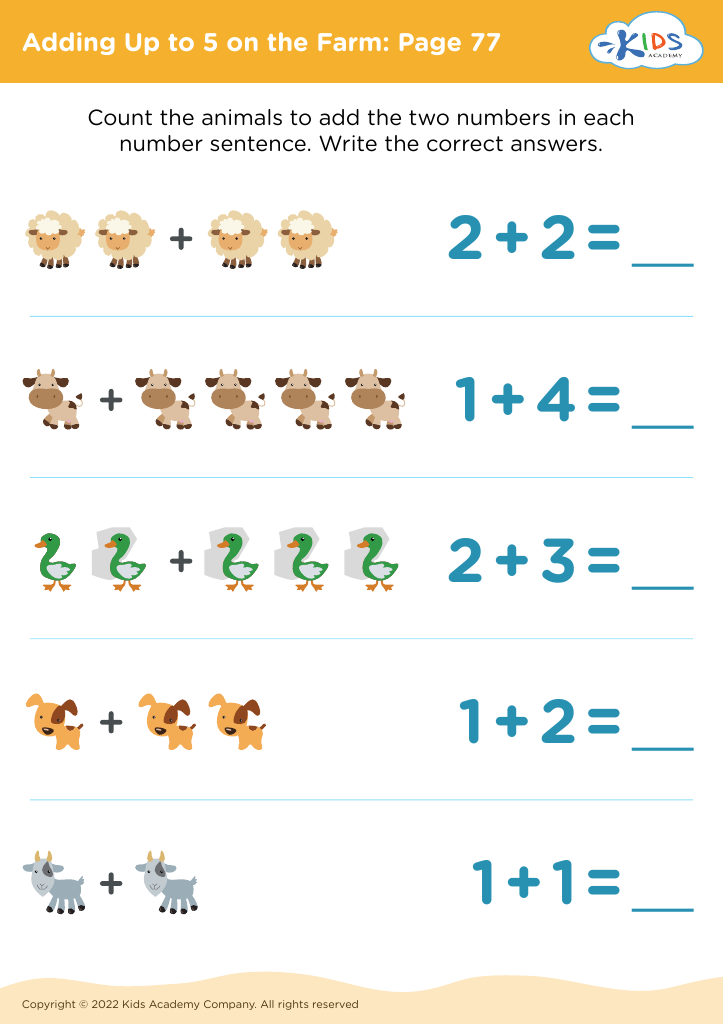







Addition skills are foundational for young learners, and parents and teachers should prioritize them for several reasons. First, mastering basic addition establishes a strong mathematical background that fosters confidence and a positive attitude toward math. During ages 4-8, children's cognitive abilities are rapidly developing, and they are naturally curious about numbers. Introducing addition in engaging ways, such as through games and visual aids, aligns with their developmental readiness and helps them grasp abstract concepts more easily.
Furthermore, addition skills are essential for everyday tasks and future learning. Whether counting objects, sharing snacks, or solving word problems, children use addition skills long before they fully realize it. Understanding these concepts can enhance young learners’ problem-solving skills and logical thinking, which are beneficial both academically and in real-life situations.
Additionally, early intervention in math education can prevent future difficulties. Children who solidify their addition skills early on are more likely to excel in subsequent mathematics and related subjects. Prioritizing these skills also encourages the development of perseverance and a growth mindset, traits that are invaluable both in the classroom and beyond. Ultimately, fostering these skills lays a strong foundation for lifelong mathematical learning.








