Basic Math Skills Math Worksheets for Ages 4-8 - Page 7
171 filtered results
-
From - To
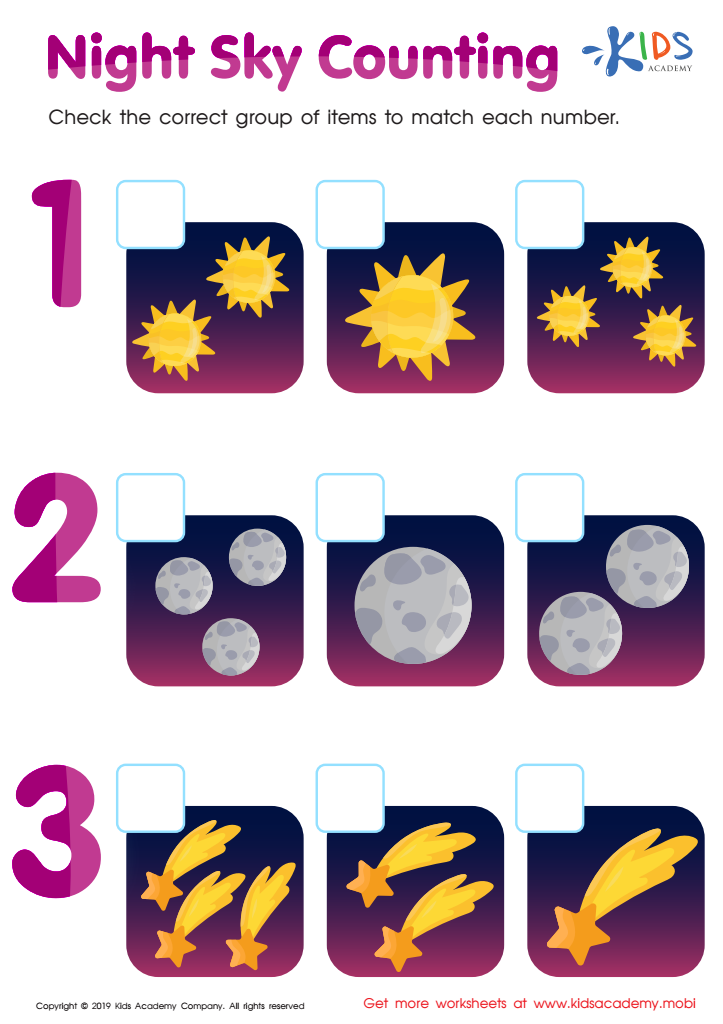
Night Sky Counting Worksheet
 Assign to My Students
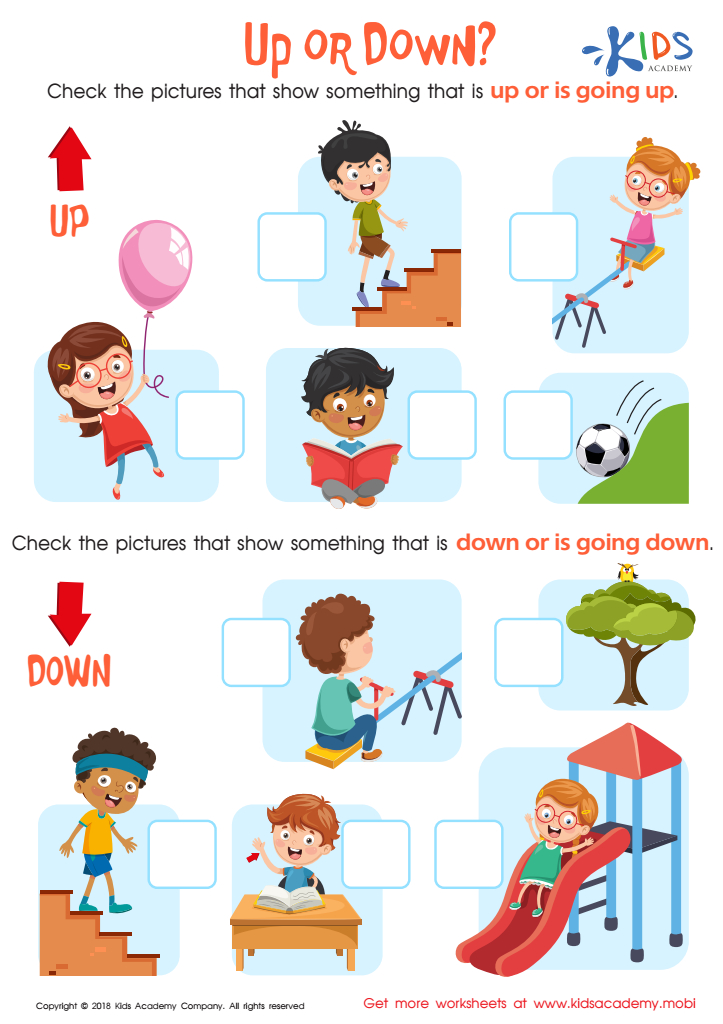
Up or Down Worksheet
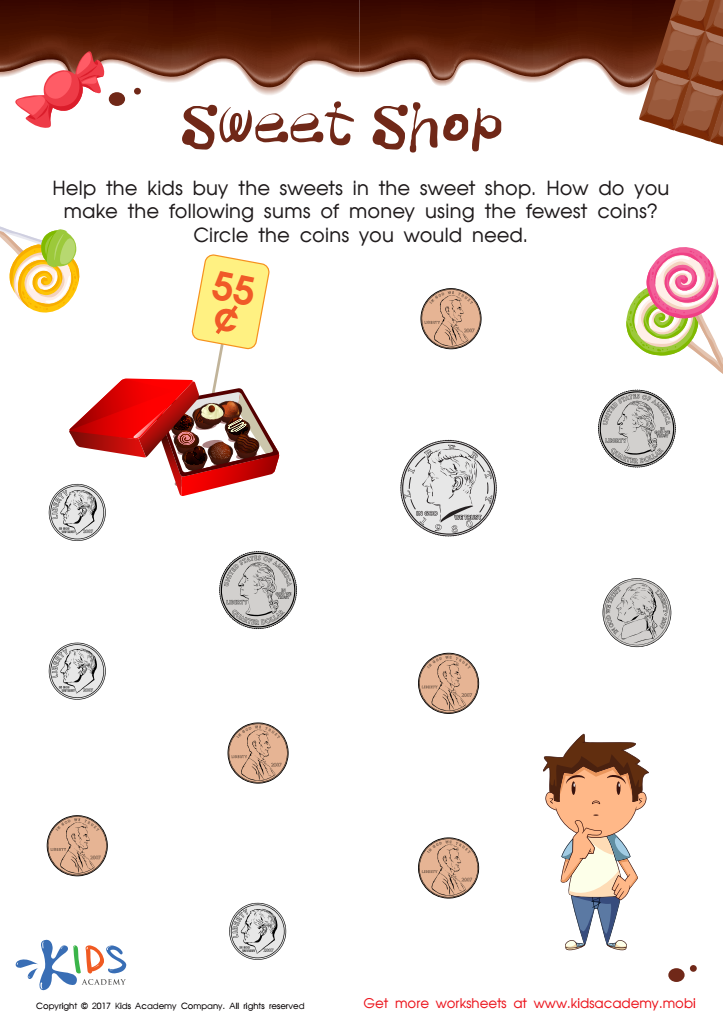
Sweet Shop – Counting Coins Worksheet
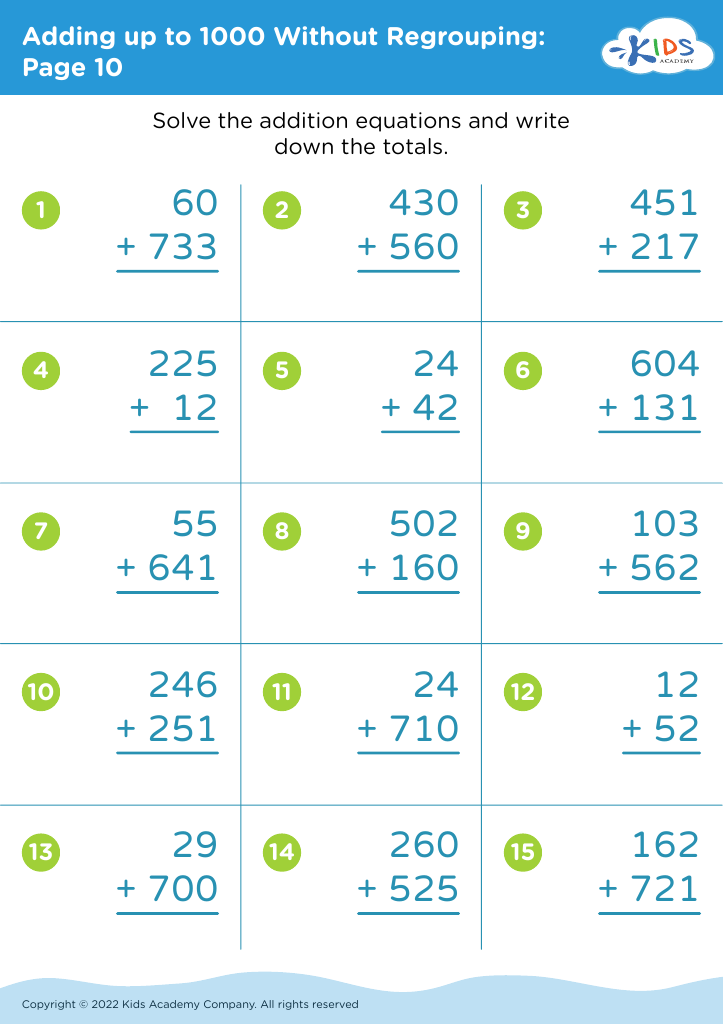
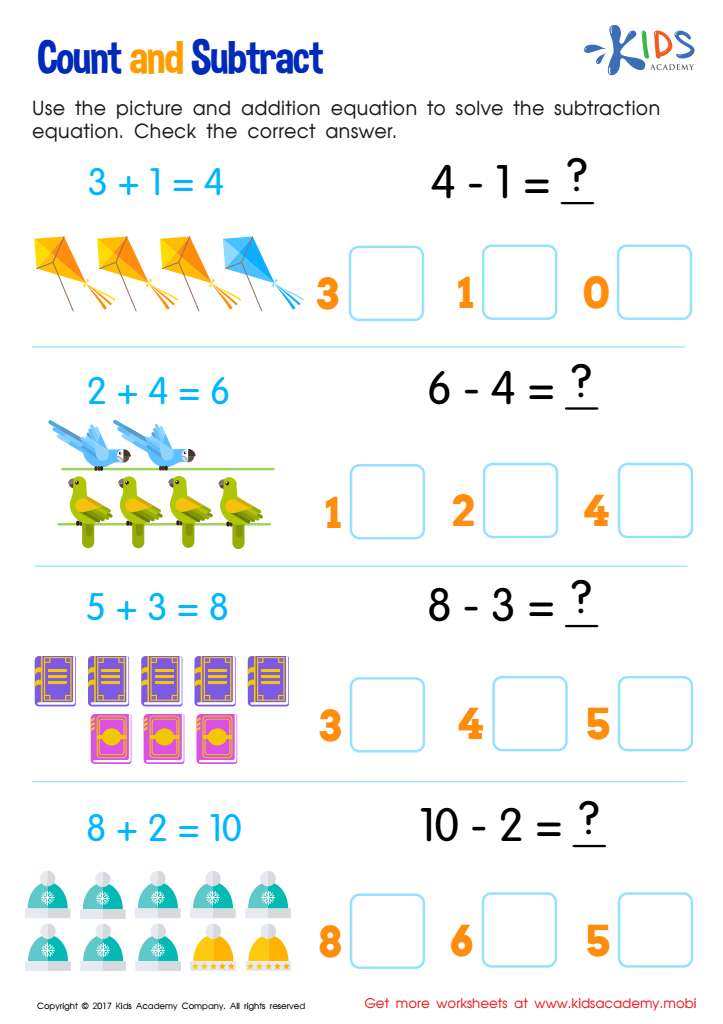
Count and Subtract Worksheet
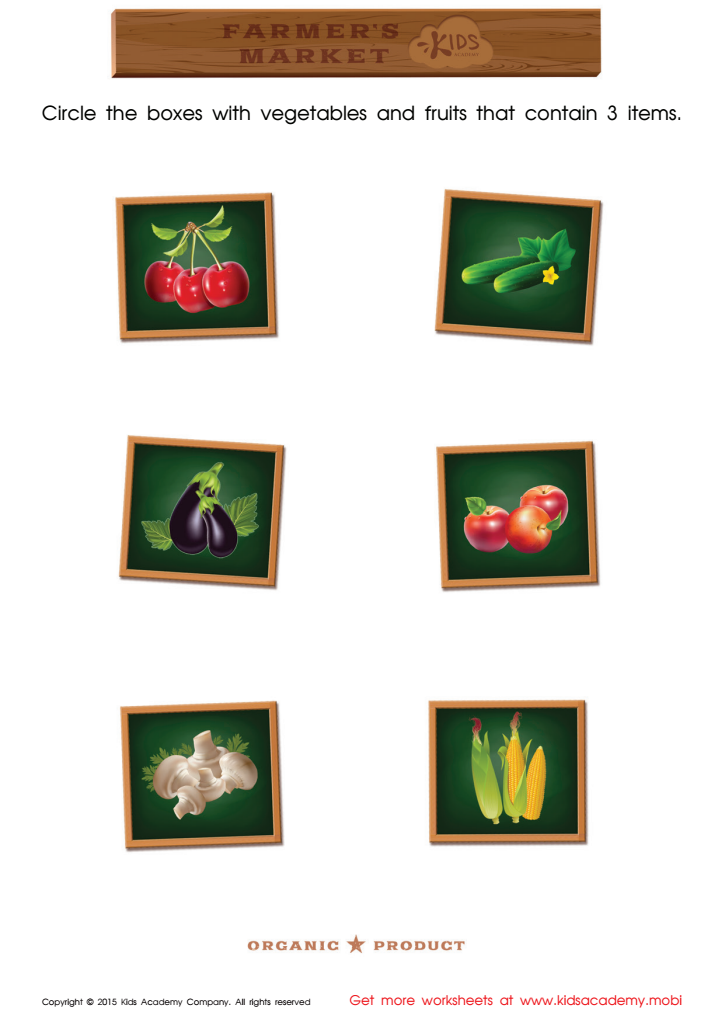
Count and Match Vegetables 1 – 5 Math Worksheet
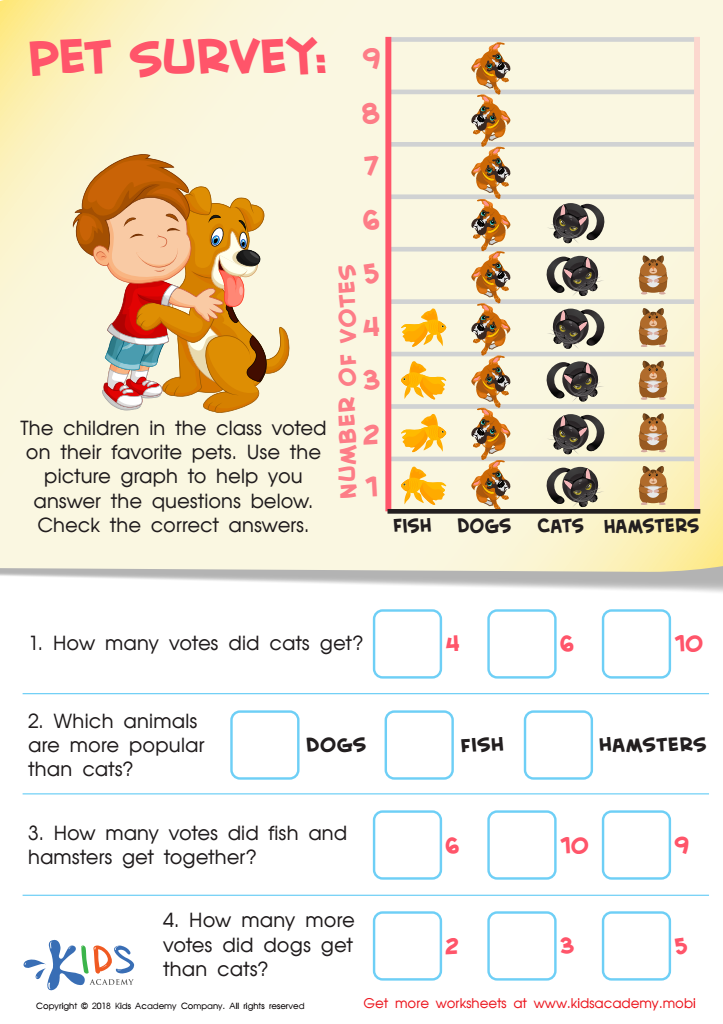
Pet Survey Worksheet
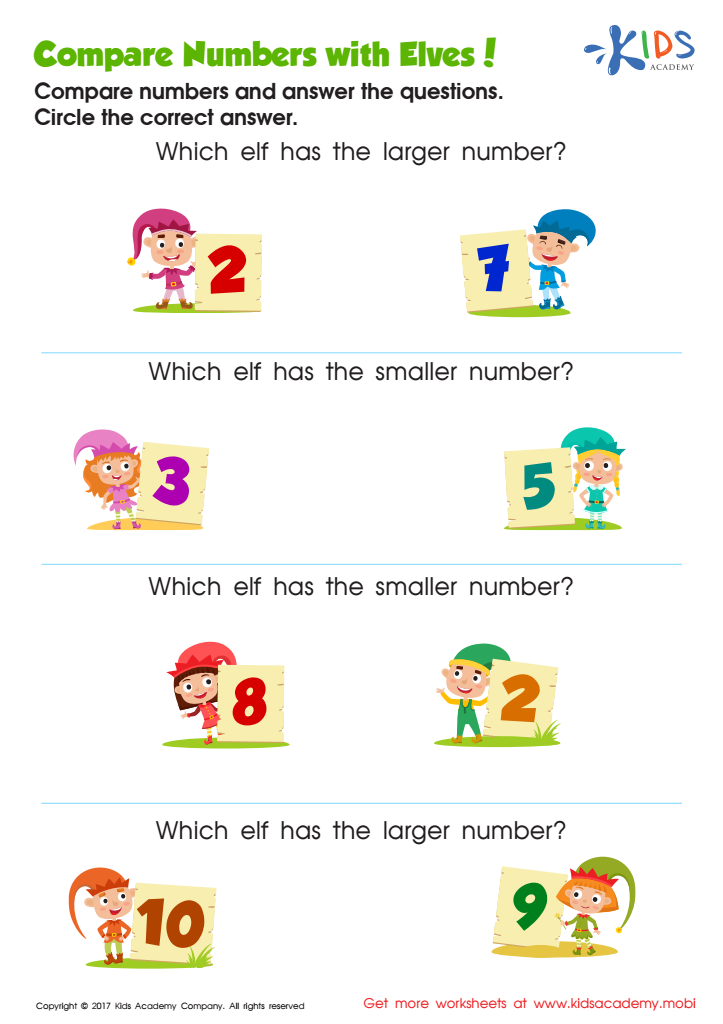
Comparing Numbers Worksheet for Kindergarten
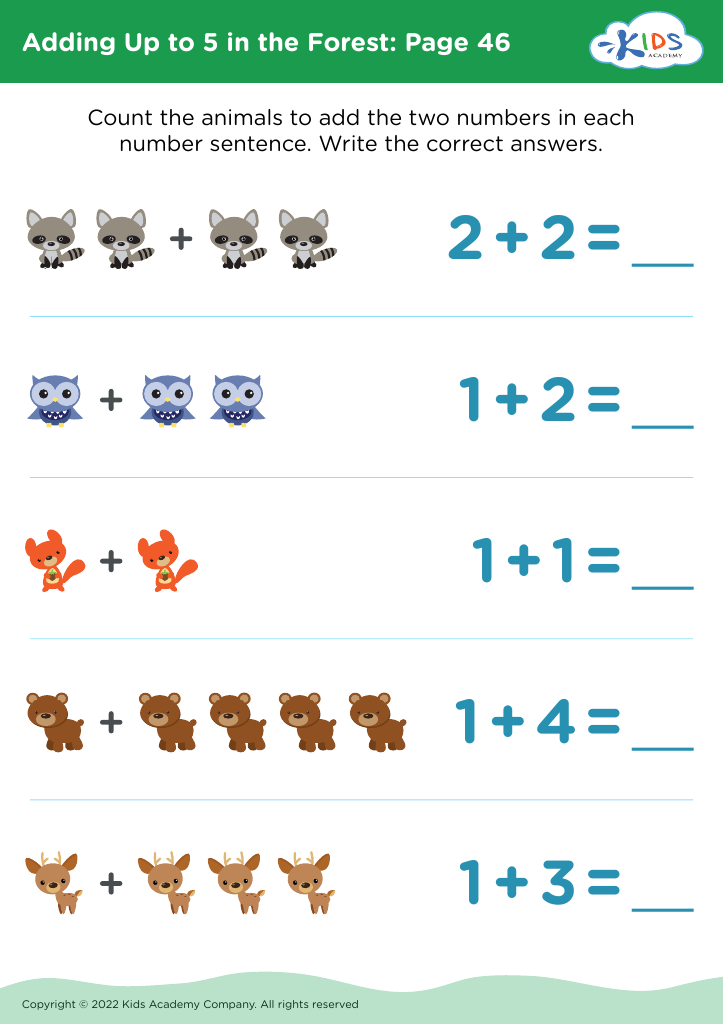
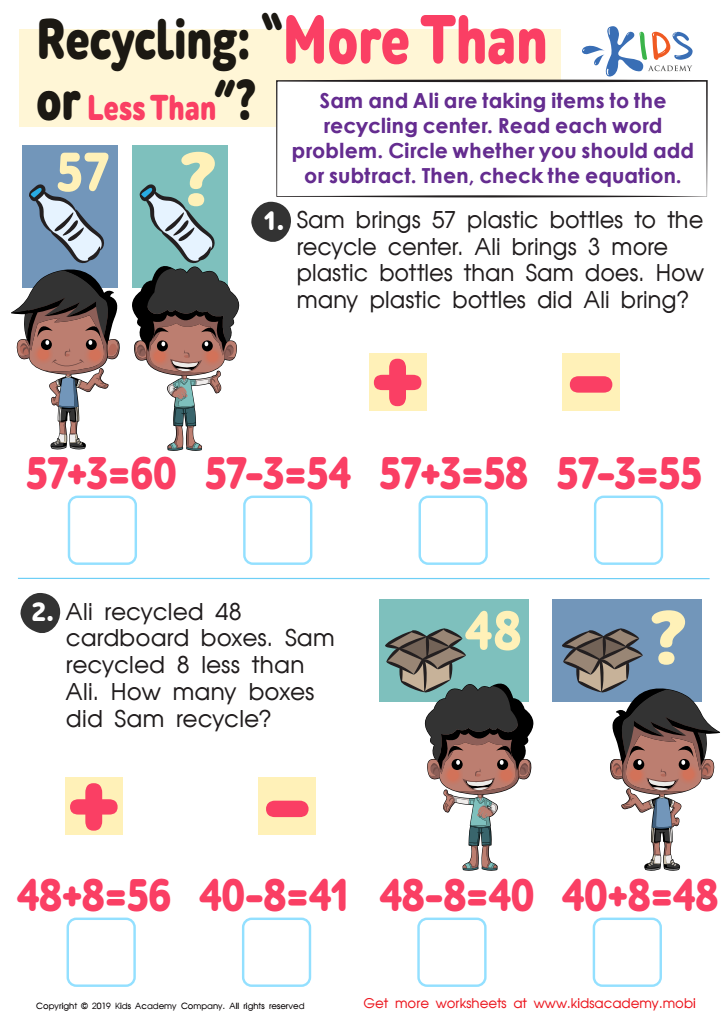
Recycling - More or Less Worksheet
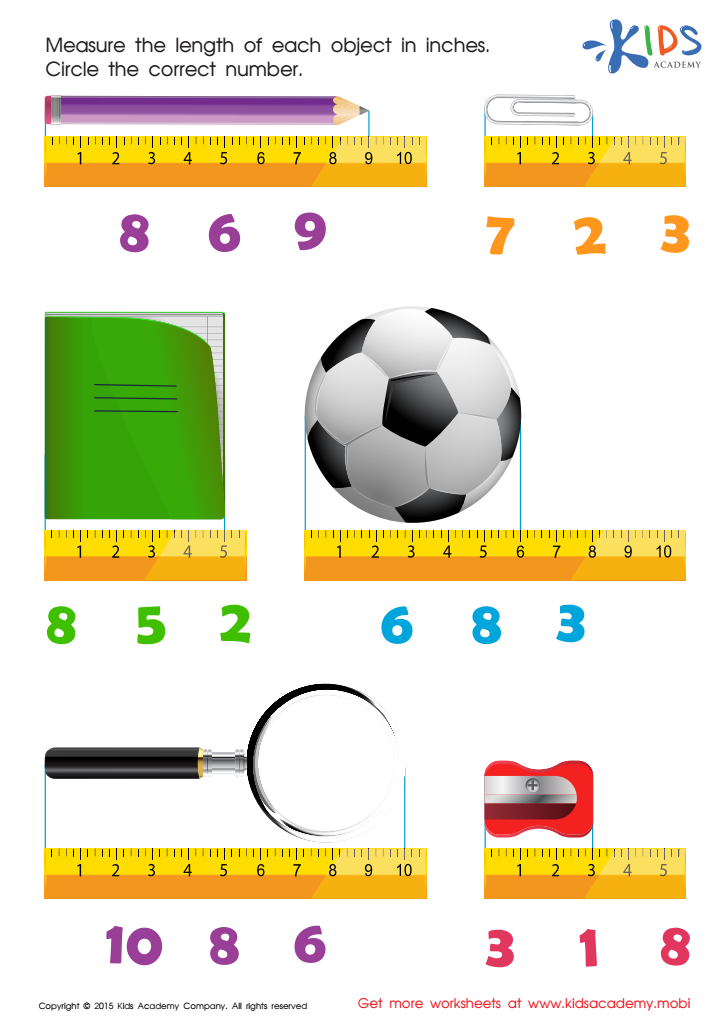
Learning measuring objects in inches Worksheet
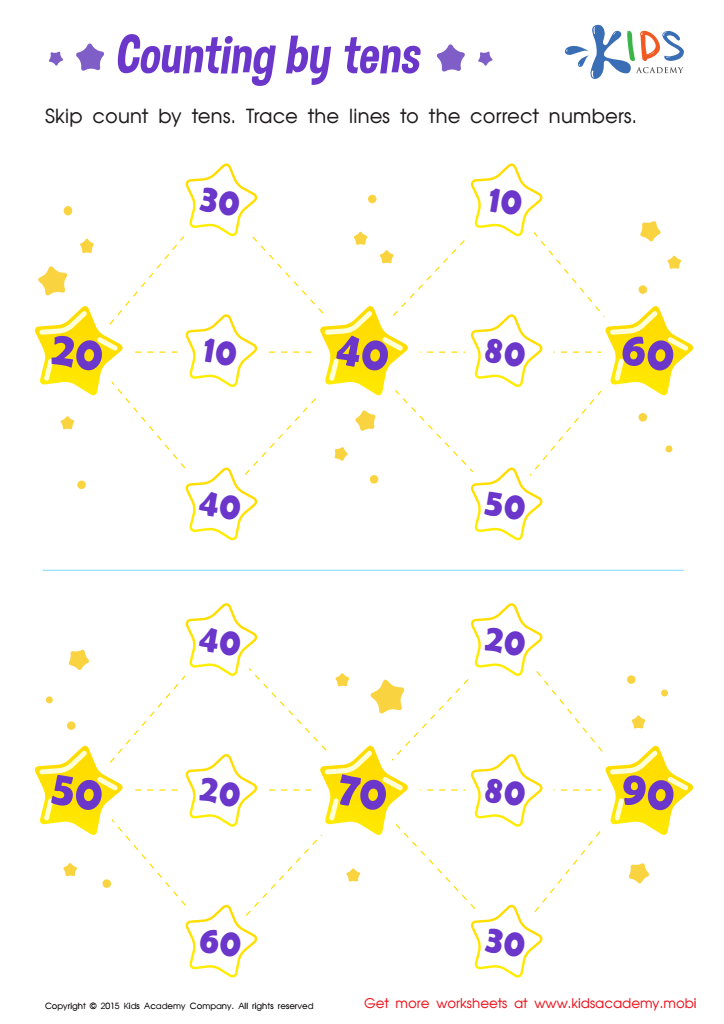
Learn Dozens: Counting by Tens Printable
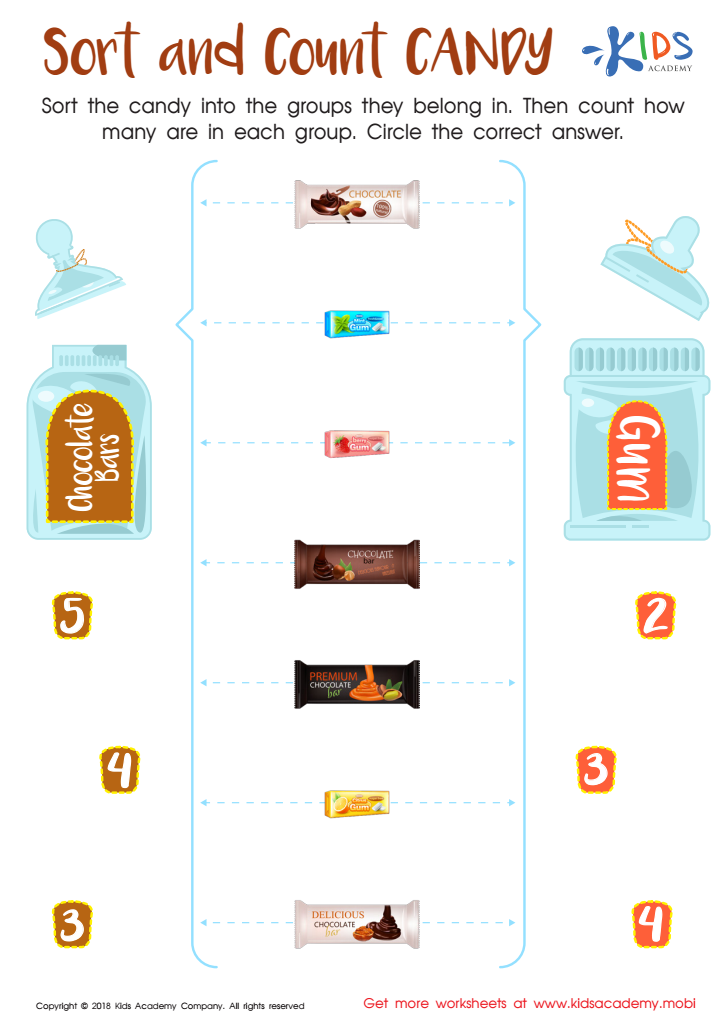
Sort and Count Candy Worksheet
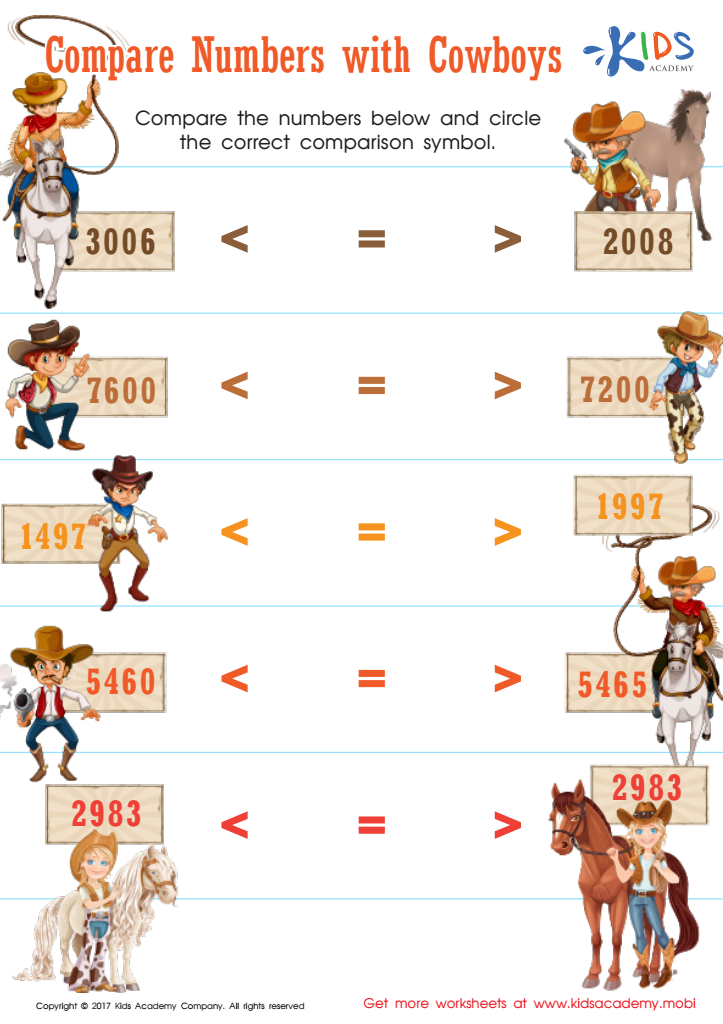
Compare Numbers Worksheet for 3rd Grade
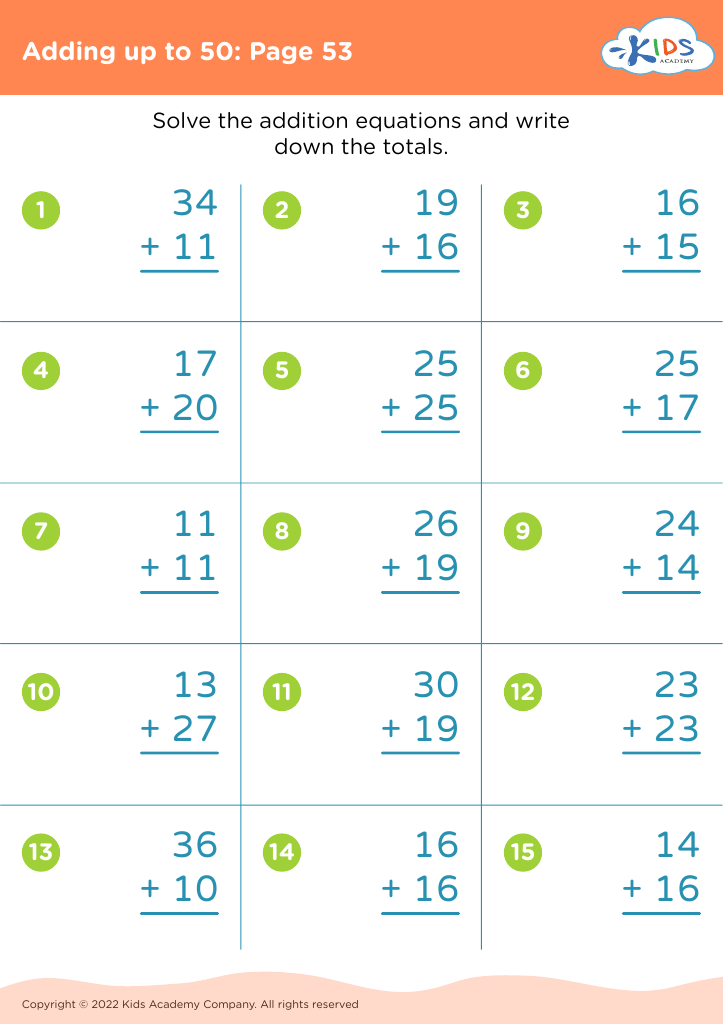
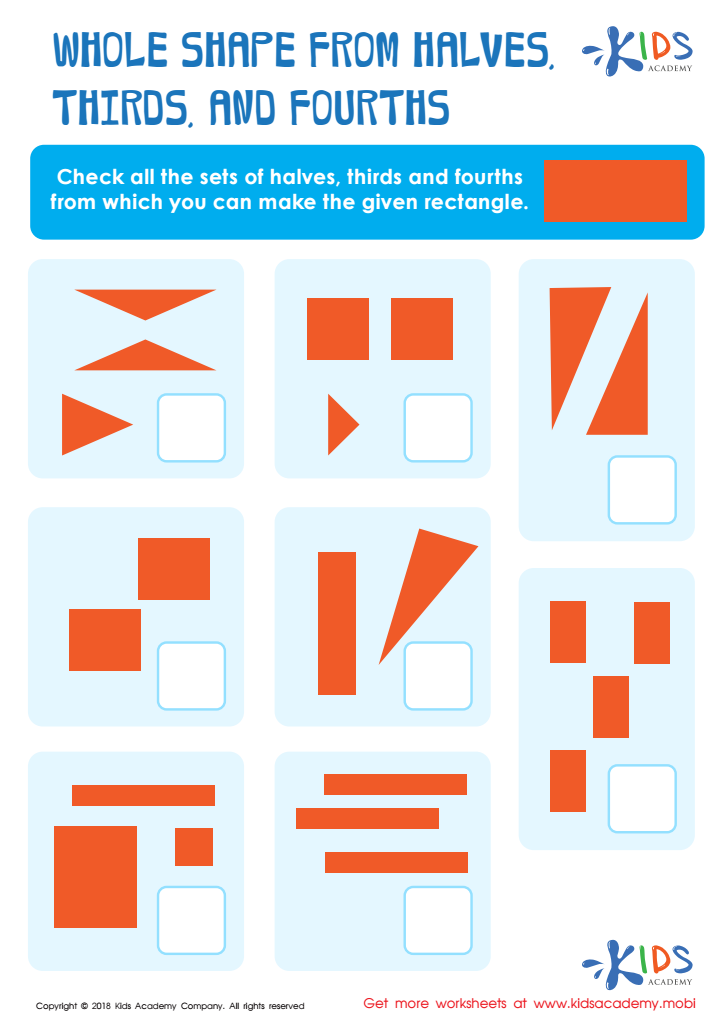
Whole Shape from Halves, Thirds and Fourths Worksheet
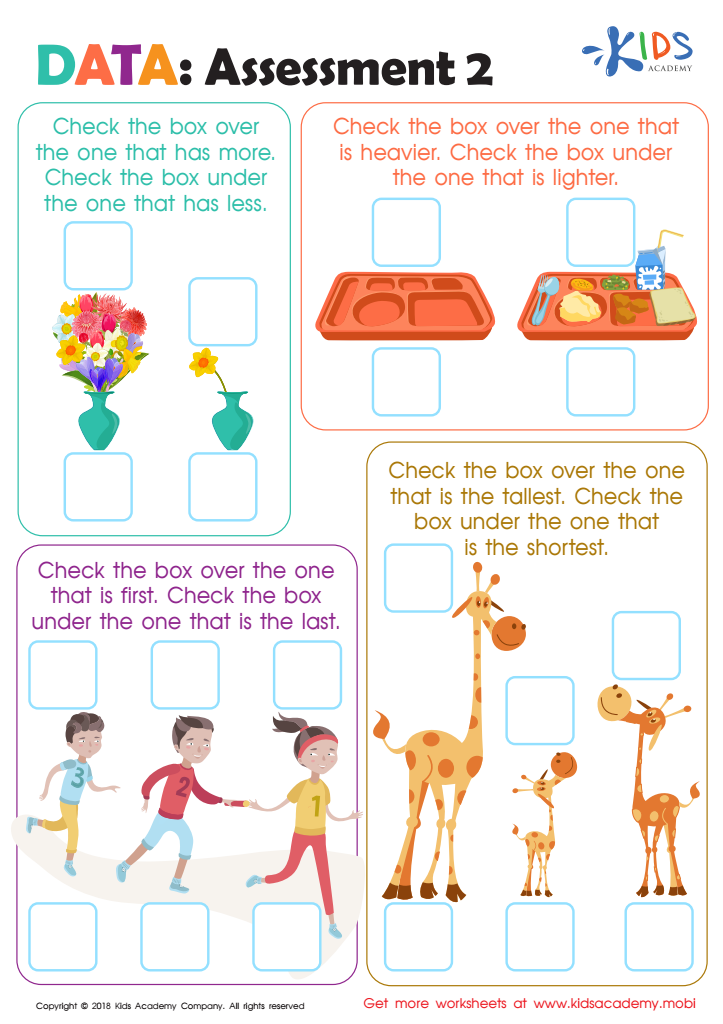
Data: Assessment 2 Worksheet
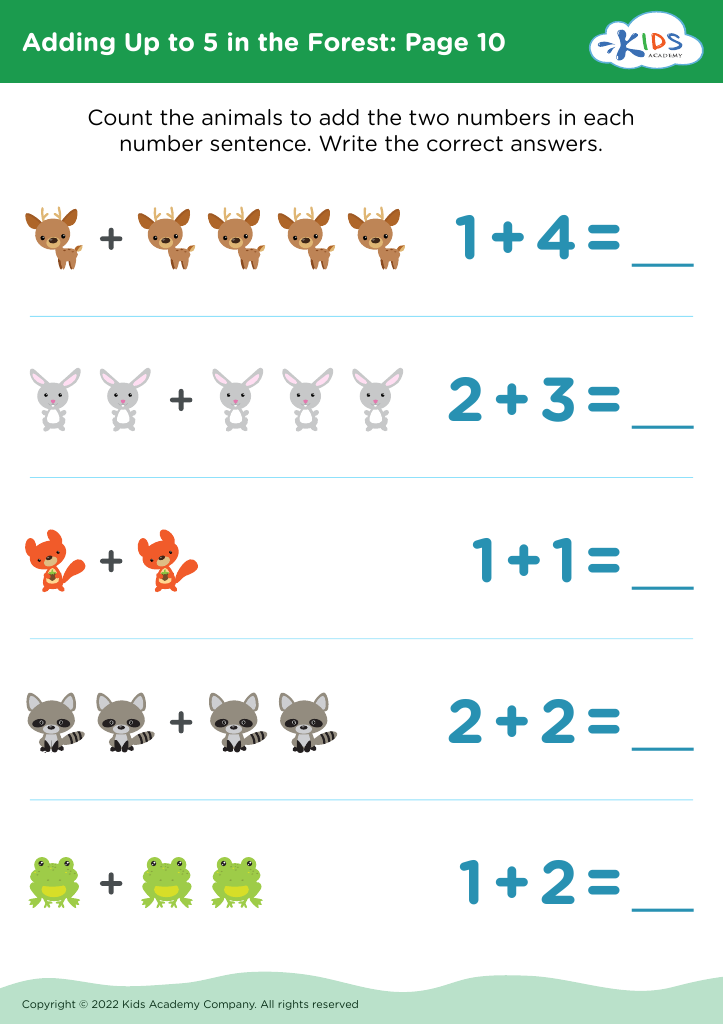
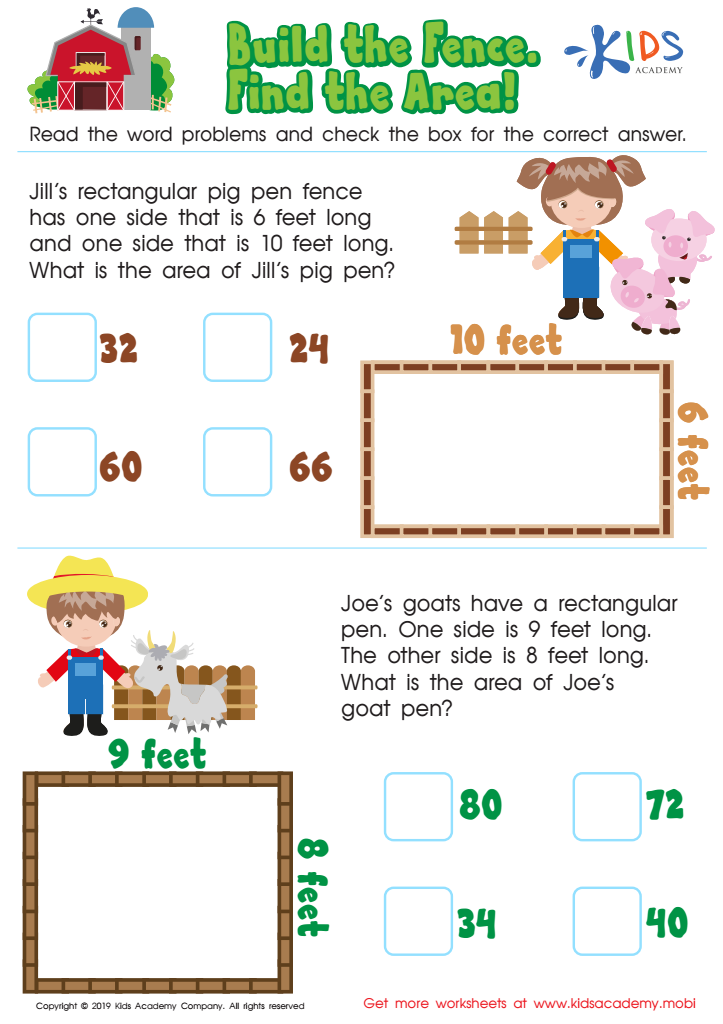
Build the Fence, Find the Area Worksheet
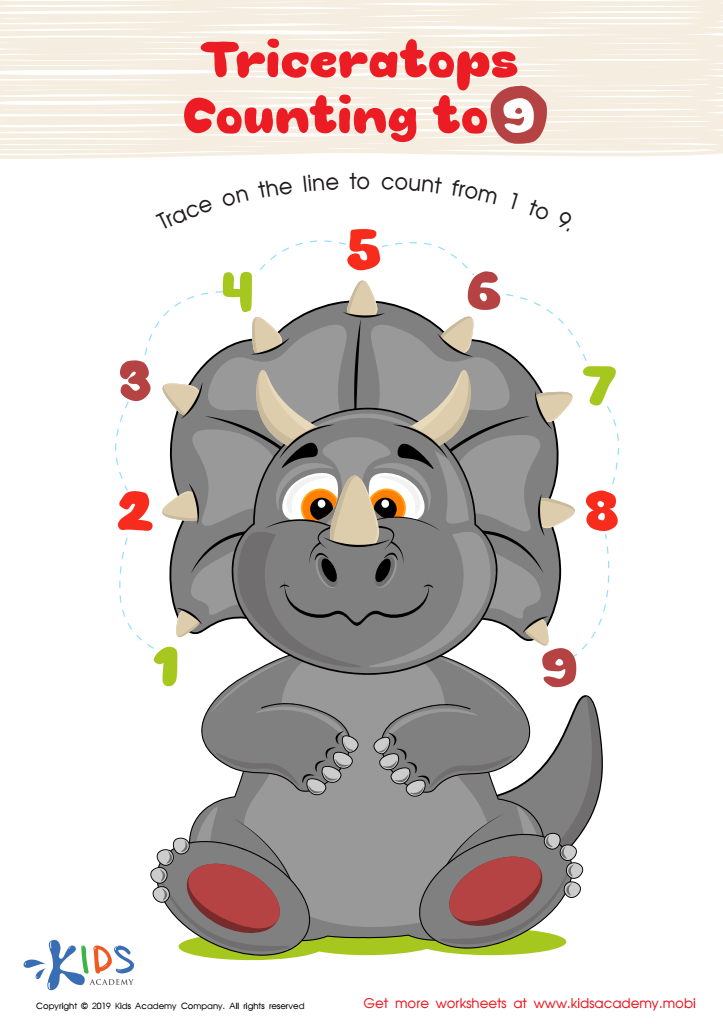
Triceratops Counting to 9 Worksheet
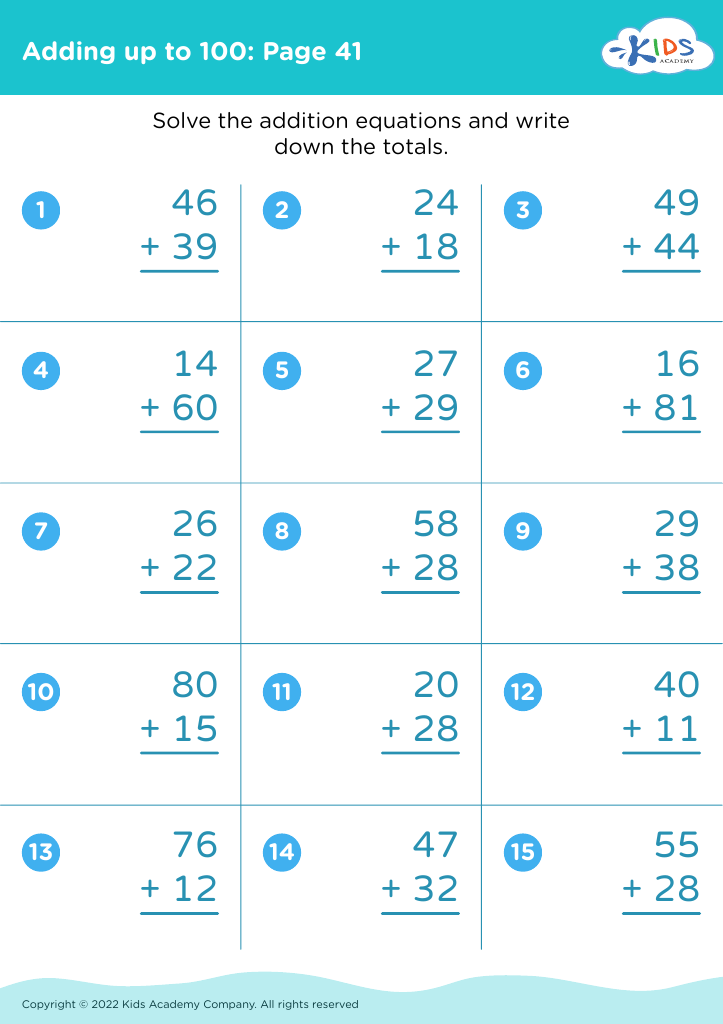
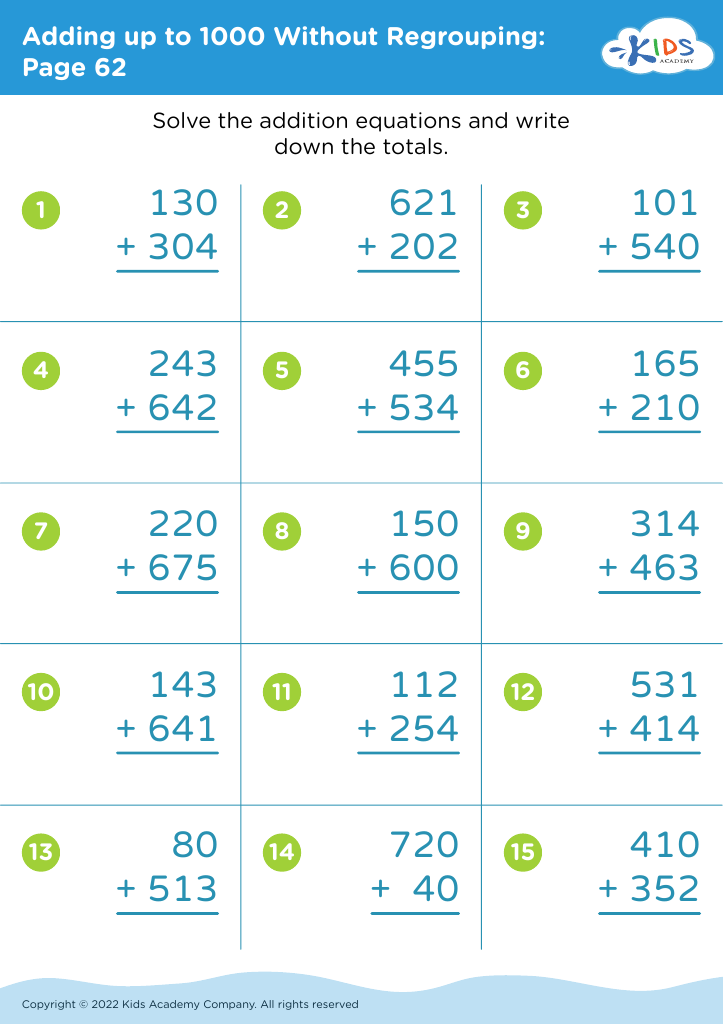







Basic math skills are crucial for children aged 4-8 as they lay the foundation for future academic success and everyday problem-solving abilities. Parents and teachers should prioritize these skills because early proficiency in math fosters cognitive development, critical thinking, and logical reasoning. Engaging young learners in math enhances their ability to understand numerical concepts, patterns, and relationships, all of which are vital for more complex mathematical learning in later years.
Numeracy skills developed at this stage directly influence a child’s confidence and attitude towards math, potentially reducing math anxiety. Integrated within early childhood education, math also supports other areas of learning, including language skills and the ability to follow multi-step instructions. Additionally, early math experiences contribute to important life skills such as budgeting, measuring, and data interpretation.
By cultivating interest and competency in math early on, parents and teachers equip children with tools for academic pursuits in STEM fields, which are increasingly essential in today’s technology-driven world. Providing a solid math foundation during these formative years prepares children not just for school success, but also for practical daily tasks and future career opportunities, underscoring the value of an early focus on basic math skills.








