Fine Motor Skills (coloring) Math Worksheets for Ages 4-8
9 filtered results
-
From - To
Enhance your child's learning experience with our Fine Motor Skills (Coloring) Math Worksheets designed for ages 4-8! These engaging worksheets combine math concepts with fun coloring activities, promoting creativity while developing essential fine motor skills. Perfect for early learners, each worksheet helps improve hand-eye coordination and dexterity through interactive math exercises. Children will love solving problems, coloring vibrant images, and strengthening their grip, all while gaining foundational math knowledge. Our versatile worksheets are suitable for home or classroom use, ensuring children stay motivated and focused. Unlock your child's potential today by integrating color, math, and fine motor skill development into their learning routine!
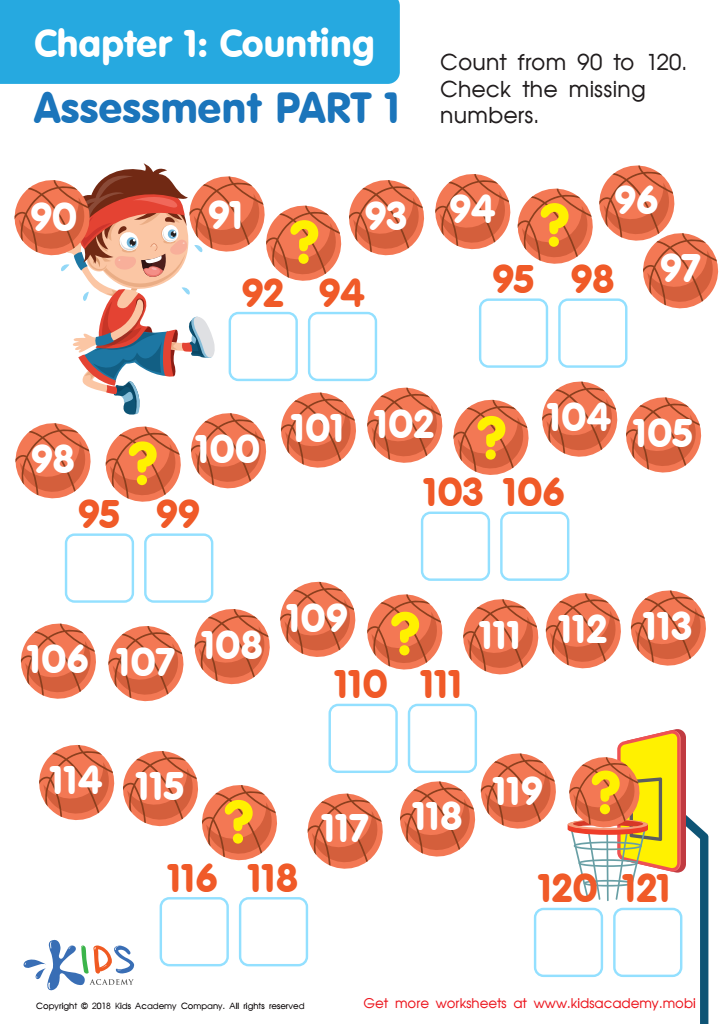
Counting Past 1: Assessment 1 Worksheet
 Assign to My Students
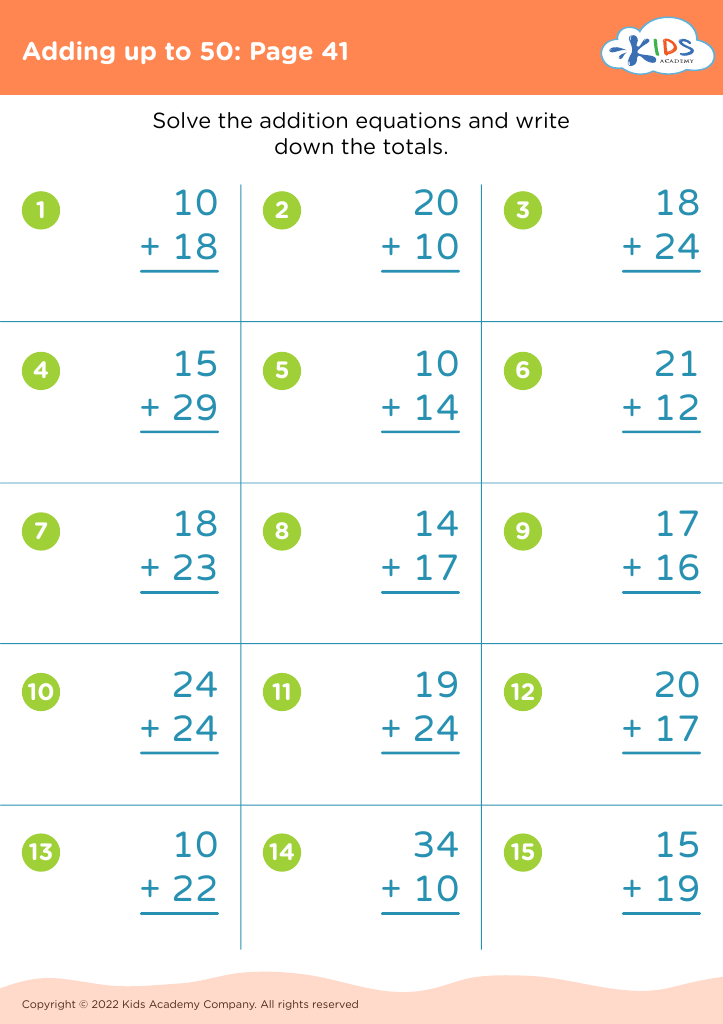
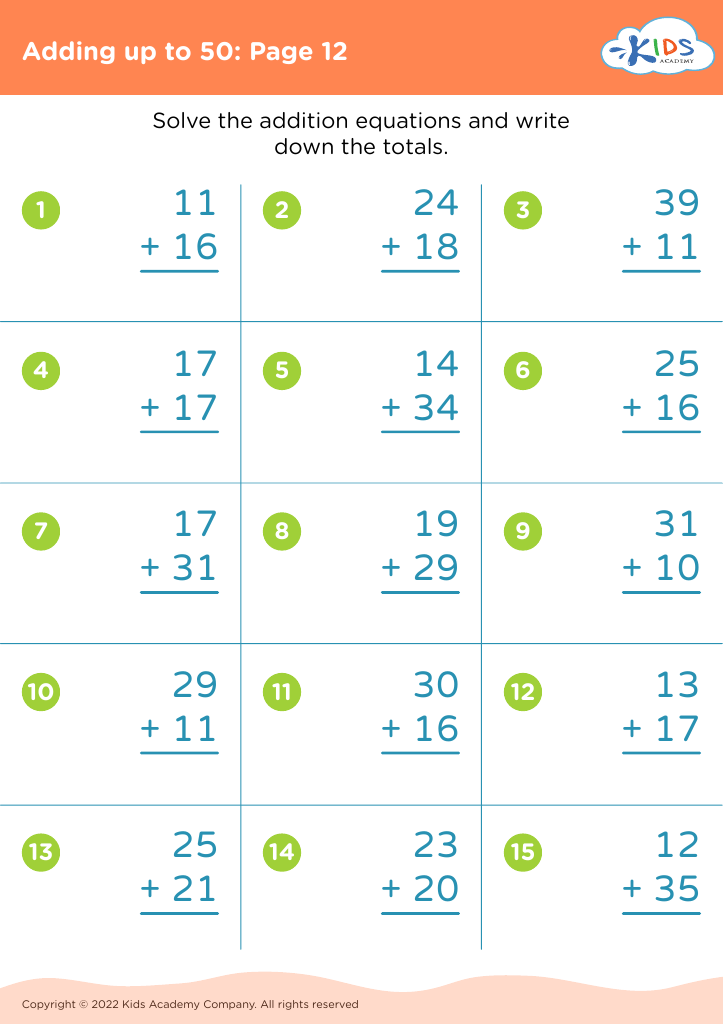
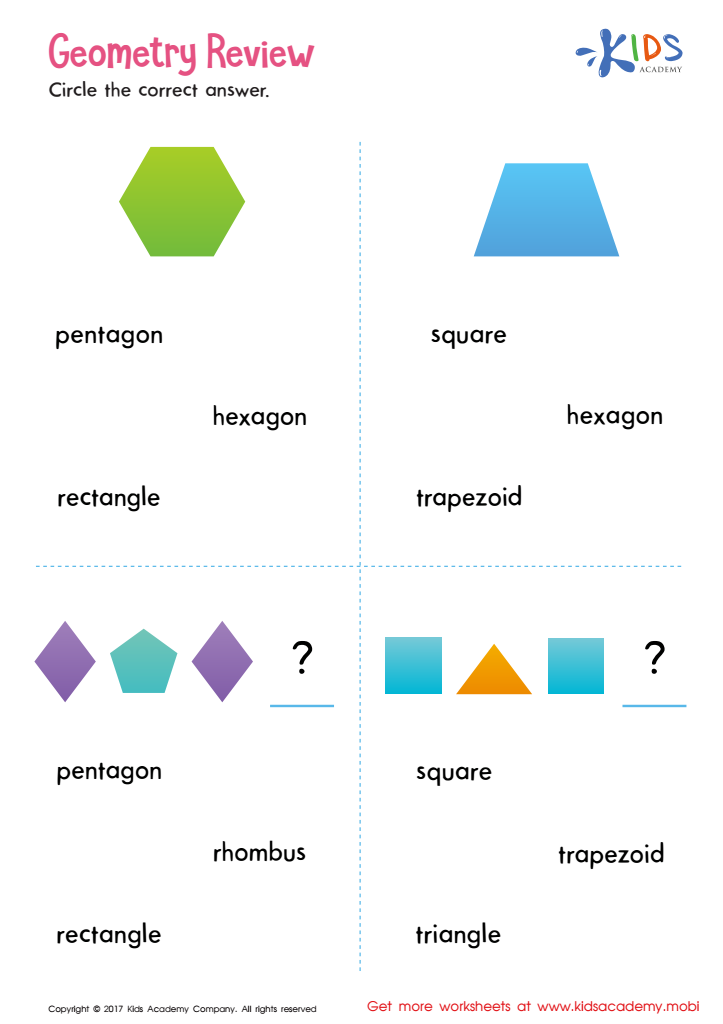
Geometry Review Printable
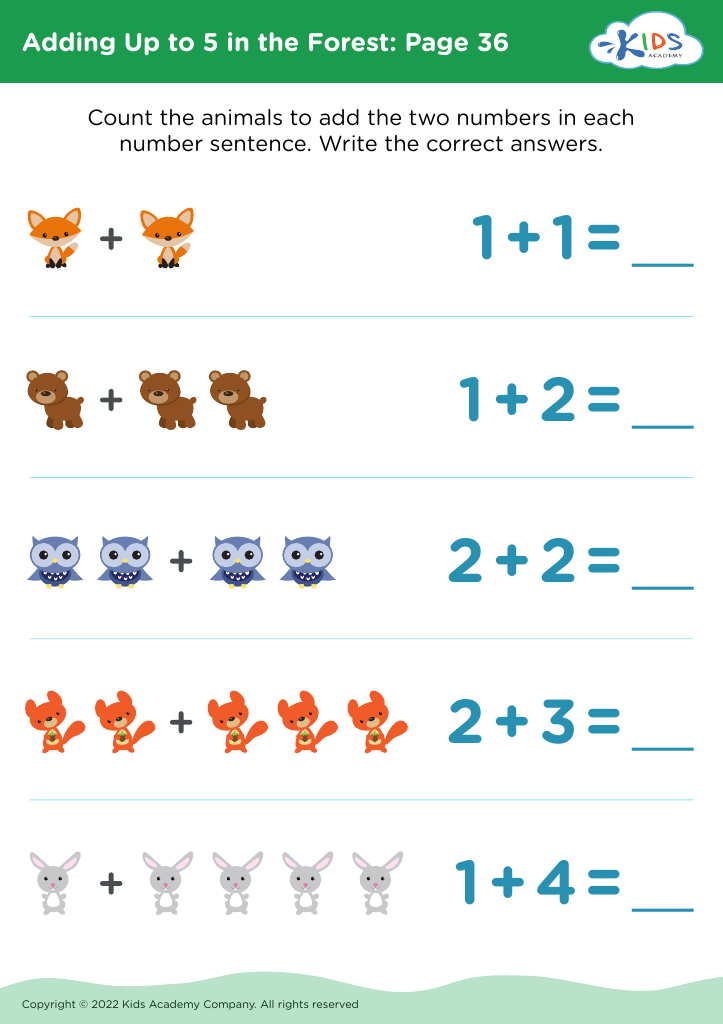
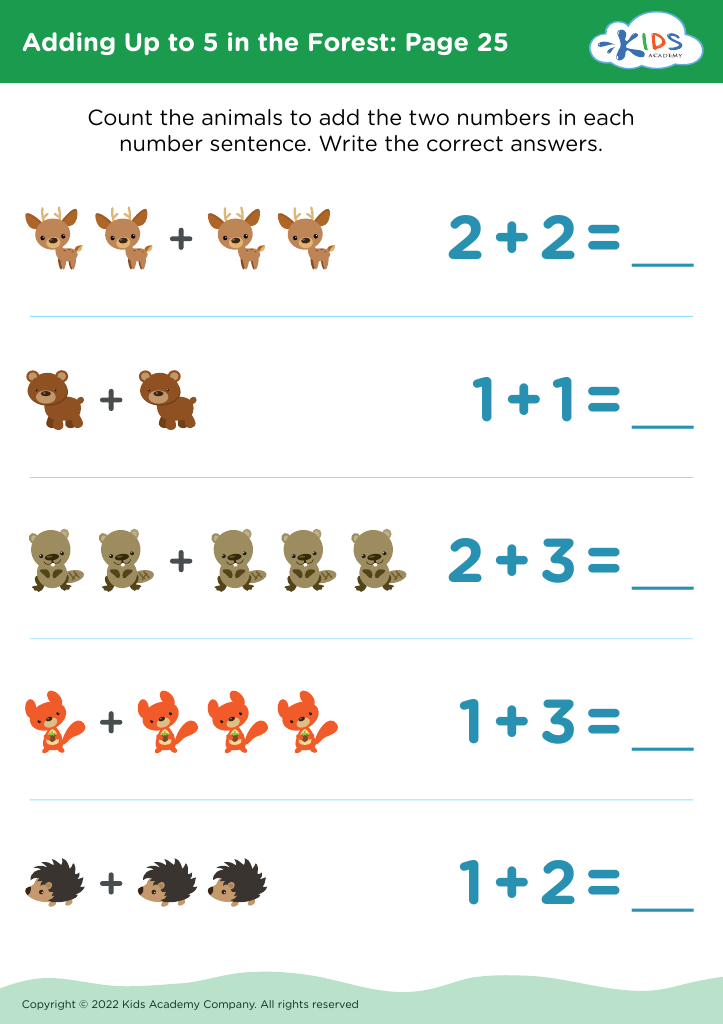
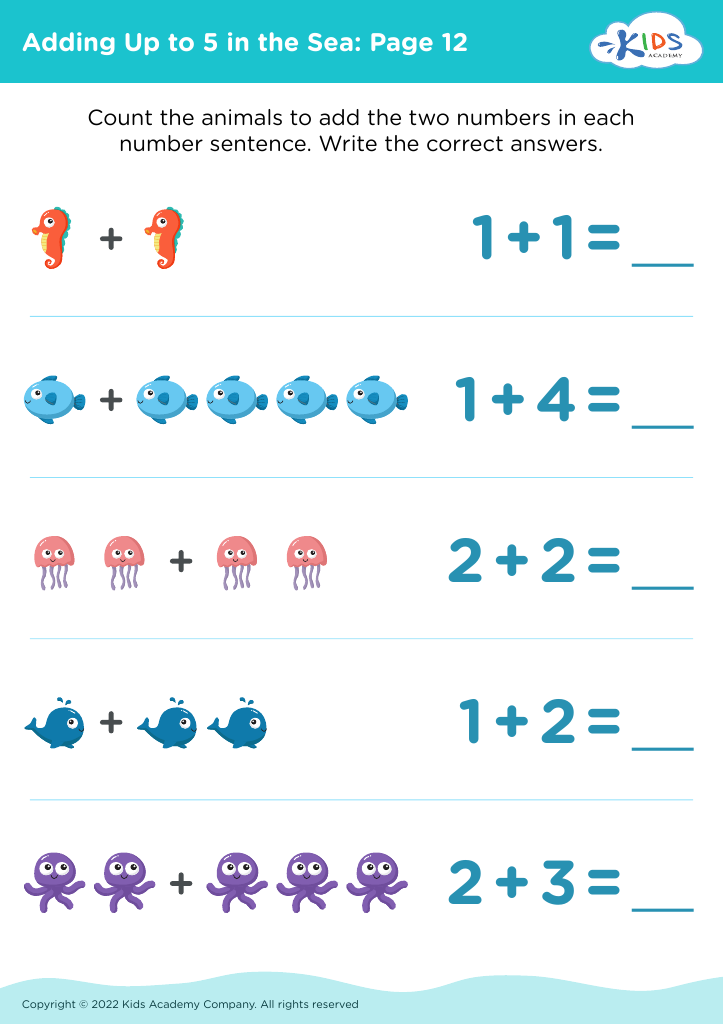
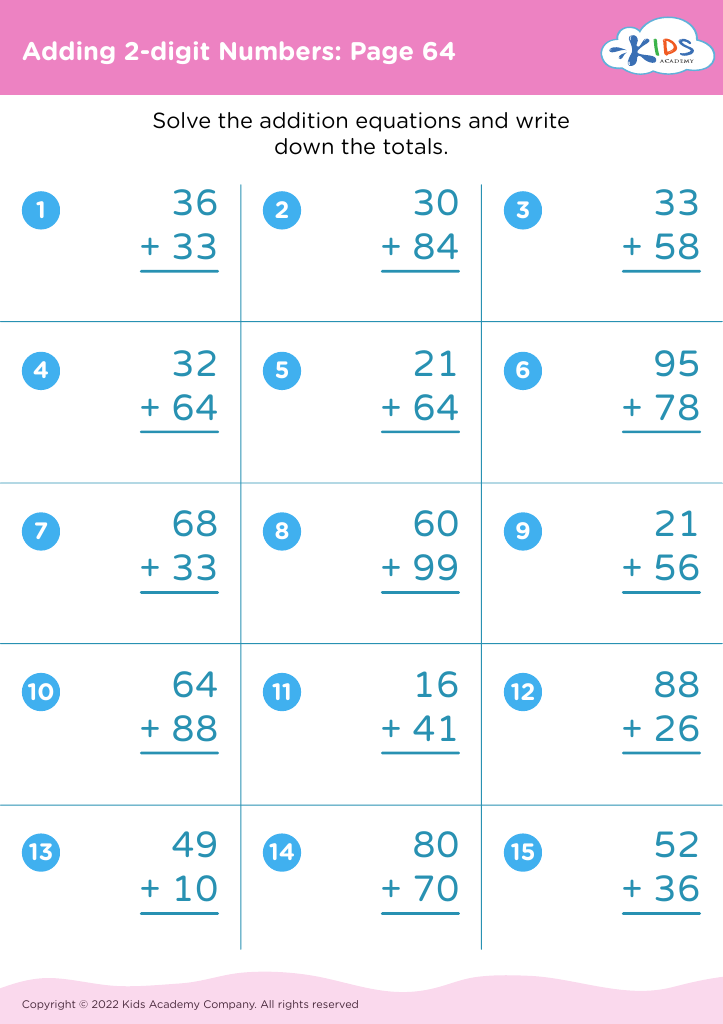
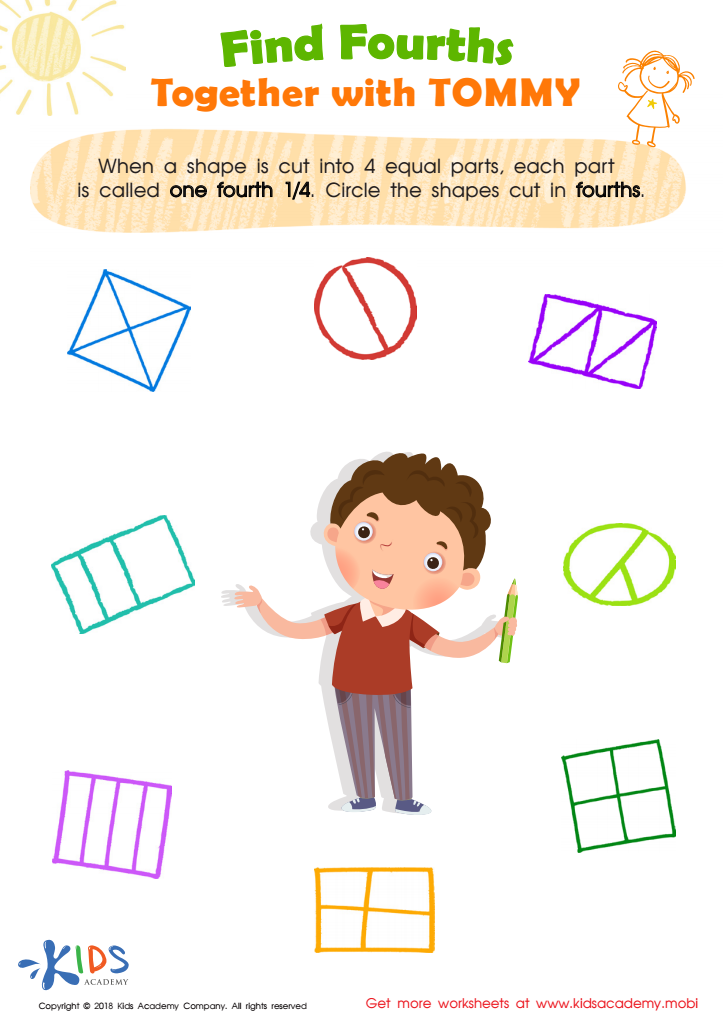
Find Fourths Together with Tommy Worksheet


%20(1).jpg)





Fine motor skills are crucial for children ages 4-8 as they lay the foundation for a variety of essential life skills. Activities like coloring play a significant role in developing these skills, which involve the small muscles in the hands and fingers. Improved fine motor skills enhance a child’s ability to manipulate objects, write, and perform tasks requiring hand-eye coordination.
When children color, they practice grasping and controlling a crayon or pencil, which strengthens their fingers and enhances dexterity. This not only boosts their ability to write legibly but also contributes to confidence in their artistic expression. Furthermore, these skills are closely tied to cognitive development, as children engage in problem-solving when selecting colors, planning their designs, and understanding spatial relationships.
Incorporating math concepts through activities like coloring can also be beneficial; for instance, counting crayons, recognizing shapes, or understanding patterns. Engaging parents and teachers in this process nurtures a well-rounded educational experience that blends motor skill development with academic learning. By prioritizing fine motor skill activities, they’re ensuring children are better prepared for future challenges, both in school and everyday life. In short, fostering these foundational skills is a vital investment in a child’s educational journey.








