Problem-solving practice Math Worksheets for Ages 4-8
23 filtered results
-
From - To
Explore our engaging Problem-Solving Practice Math Worksheets designed specifically for children ages 4-8. These worksheets help young learners develop critical thinking and mathematical skills through fun, interactive exercises. Each worksheet presents age-appropriate challenges that encourage kids to apply their knowledge in real-world scenarios, fostering a deeper understanding of mathematical concepts. With a variety of problems, including puzzles and visual aids, children will enhance their problem-solving abilities while enjoying the learning process. Ideal for use at home or in the classroom, our worksheets support early math education and inspire confidence in young mathematicians. Download and start mastering problem-solving today!
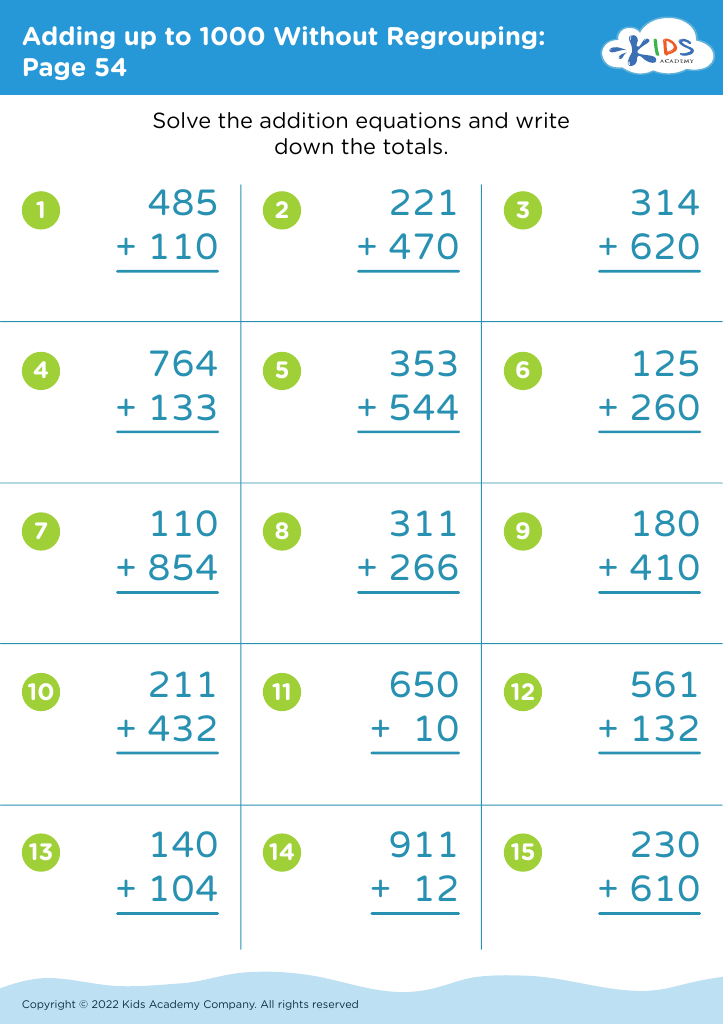
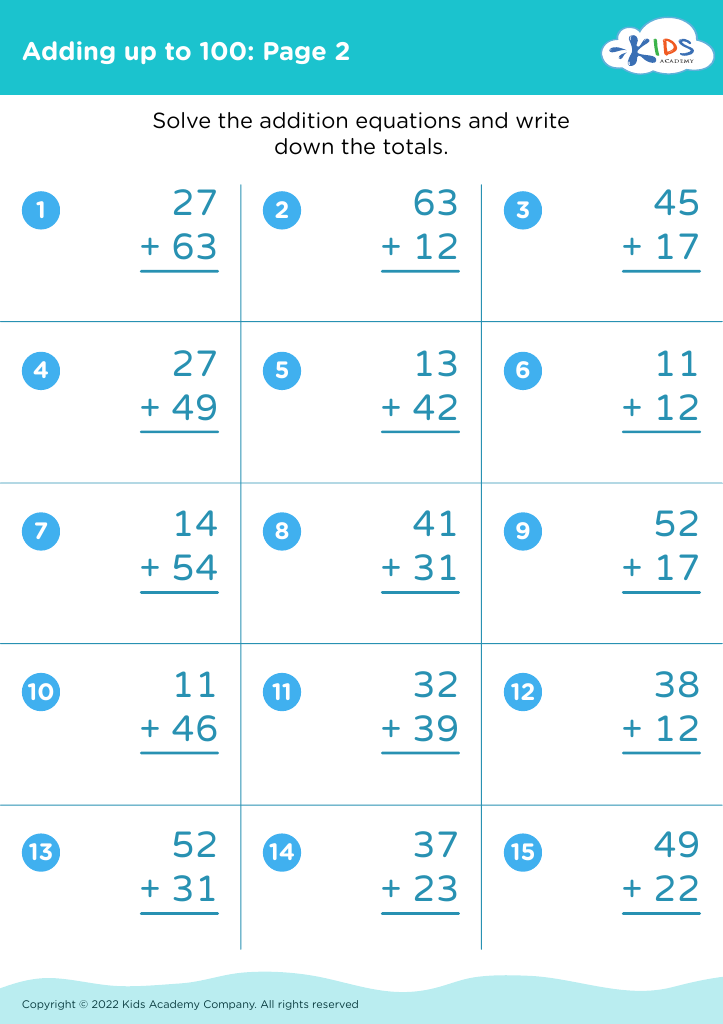
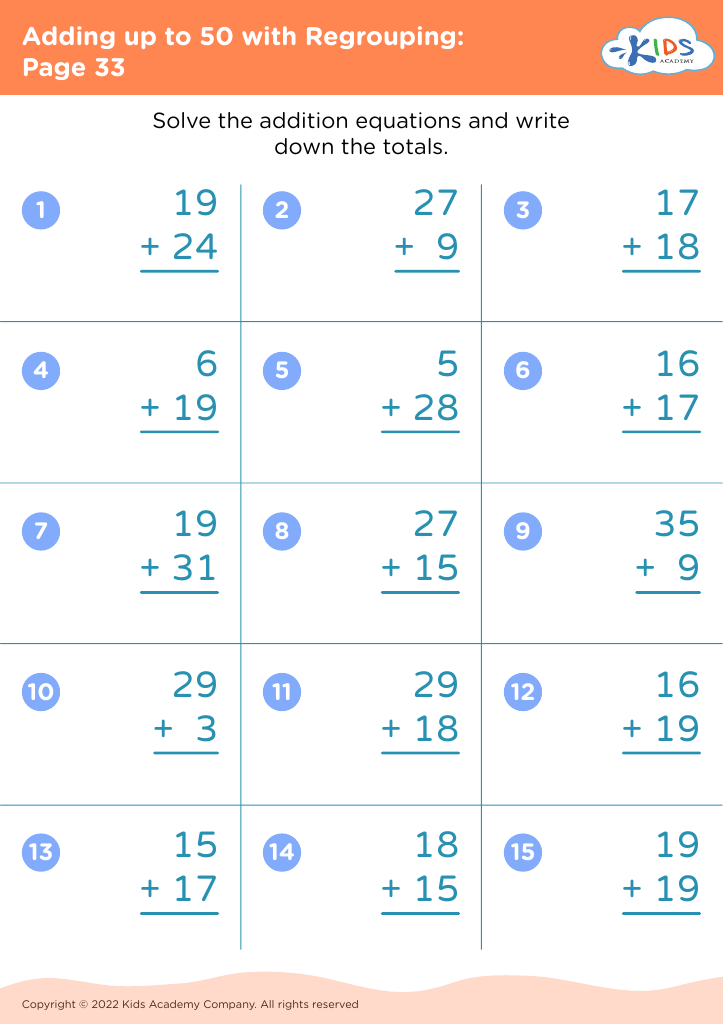
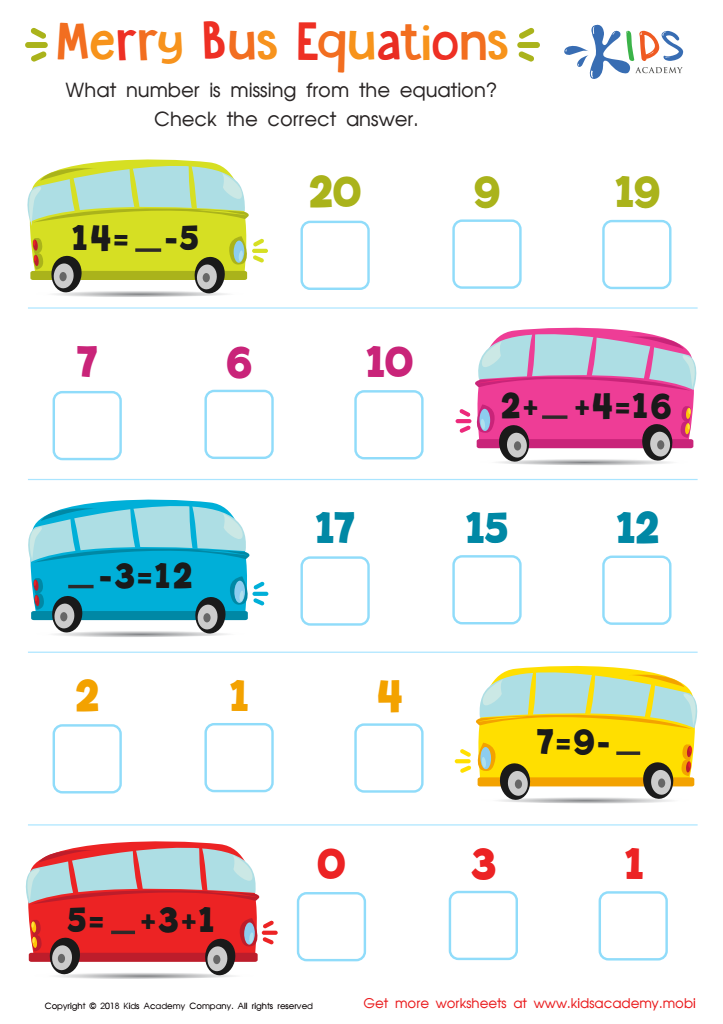
Merry Bus Equations Worksheet
 Assign to My Students
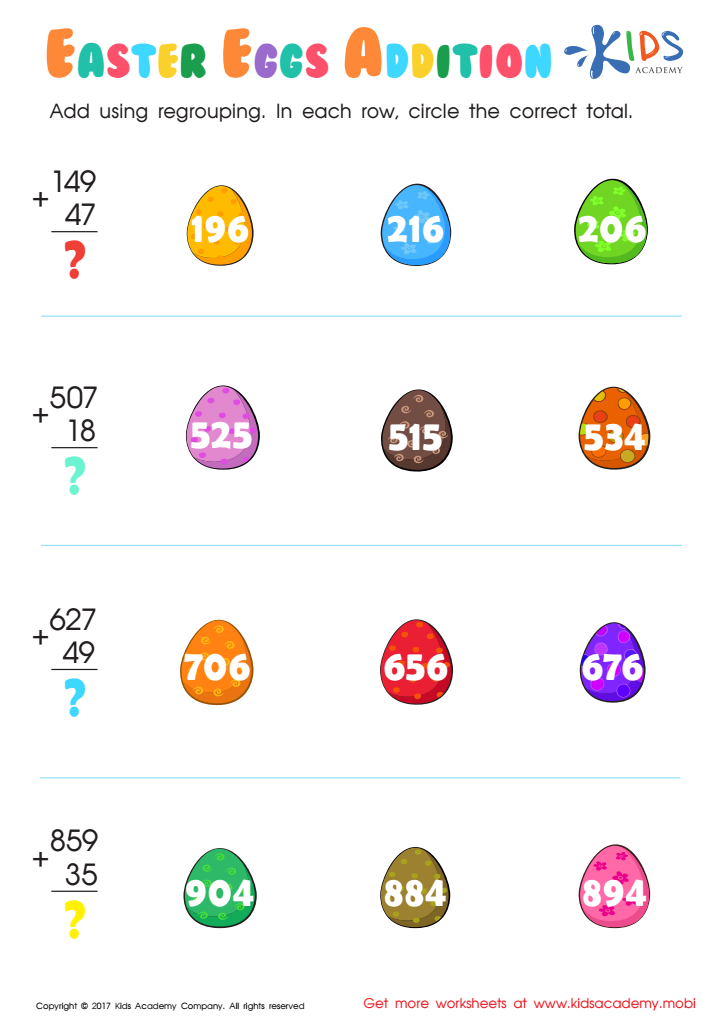
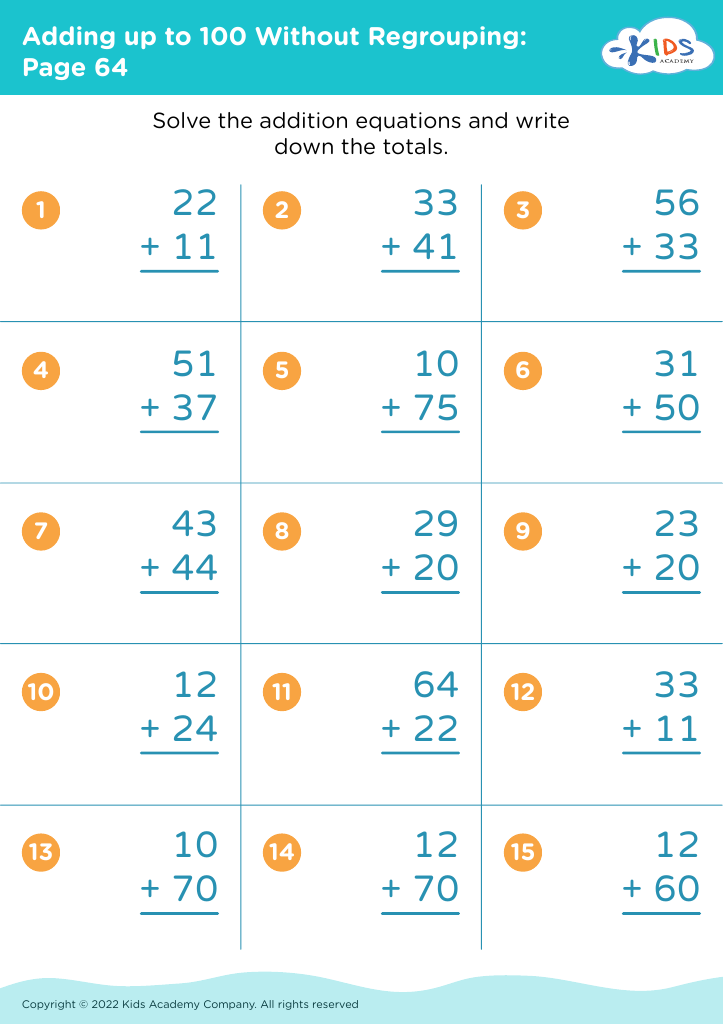
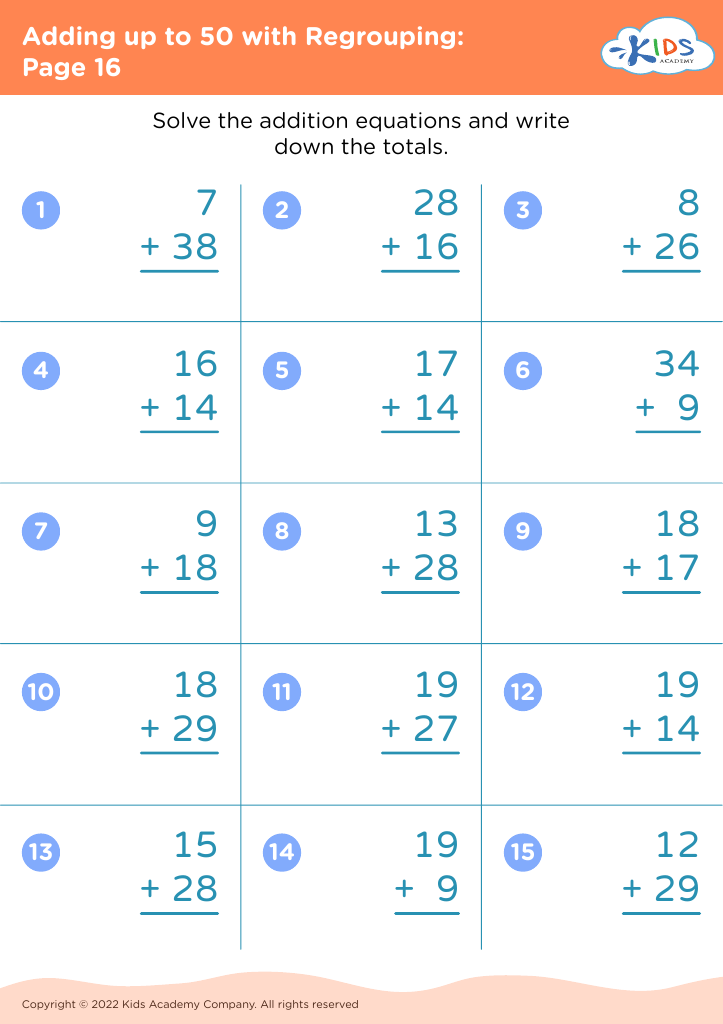
Addition with Regrouping Worksheet
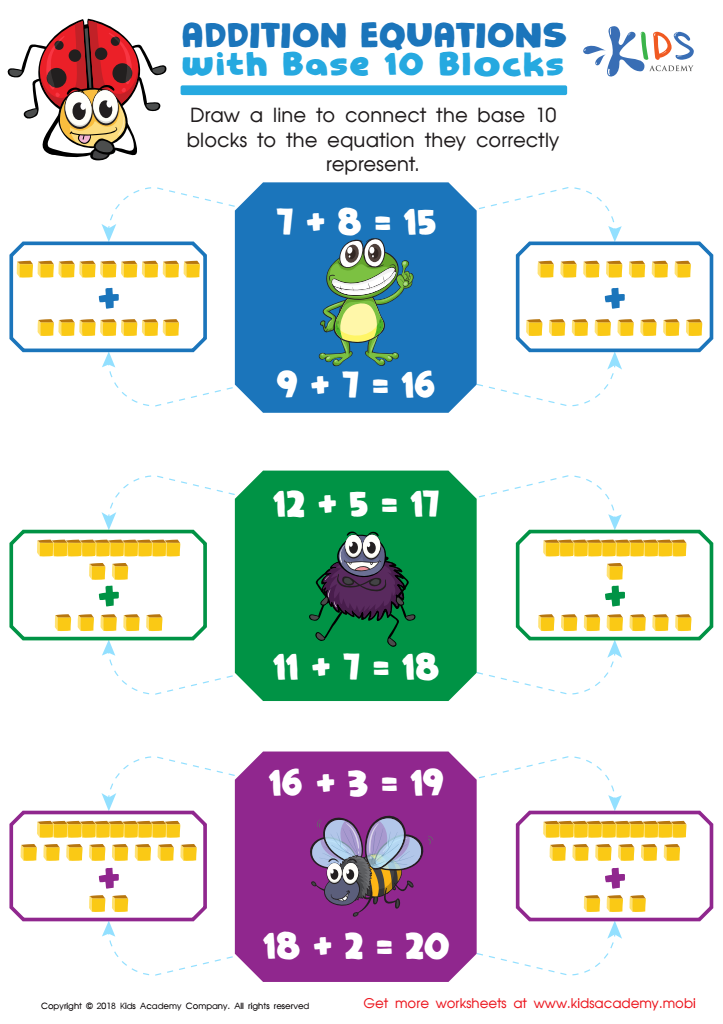
Addition Equations With Base 10 Blocks Worksheet
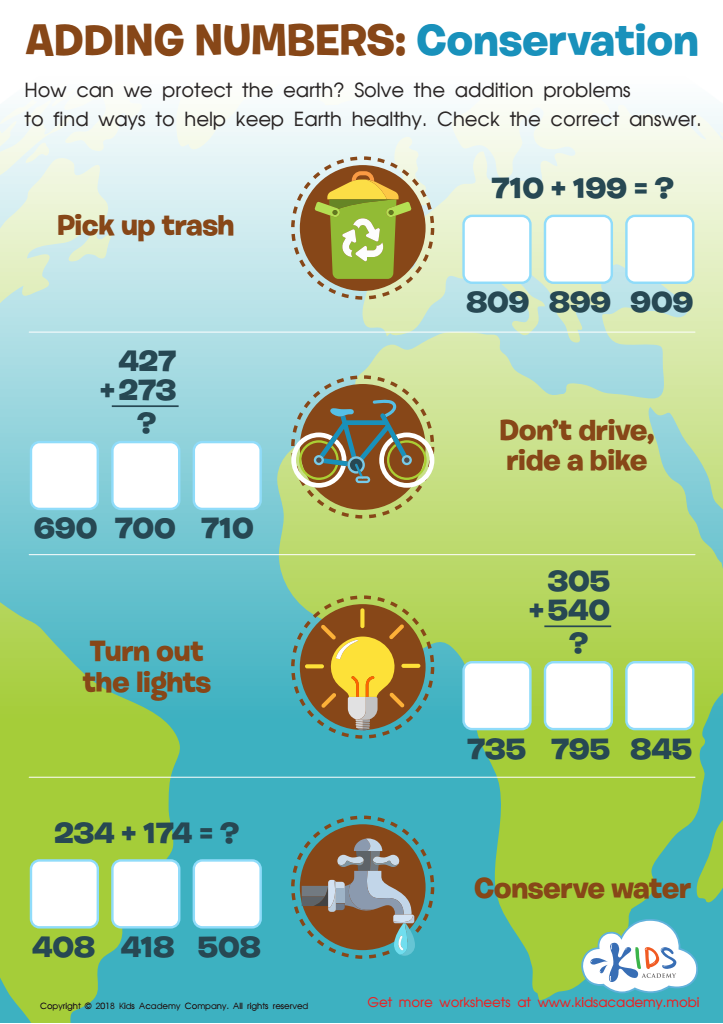
Adding Numbers: Conservation Worksheet
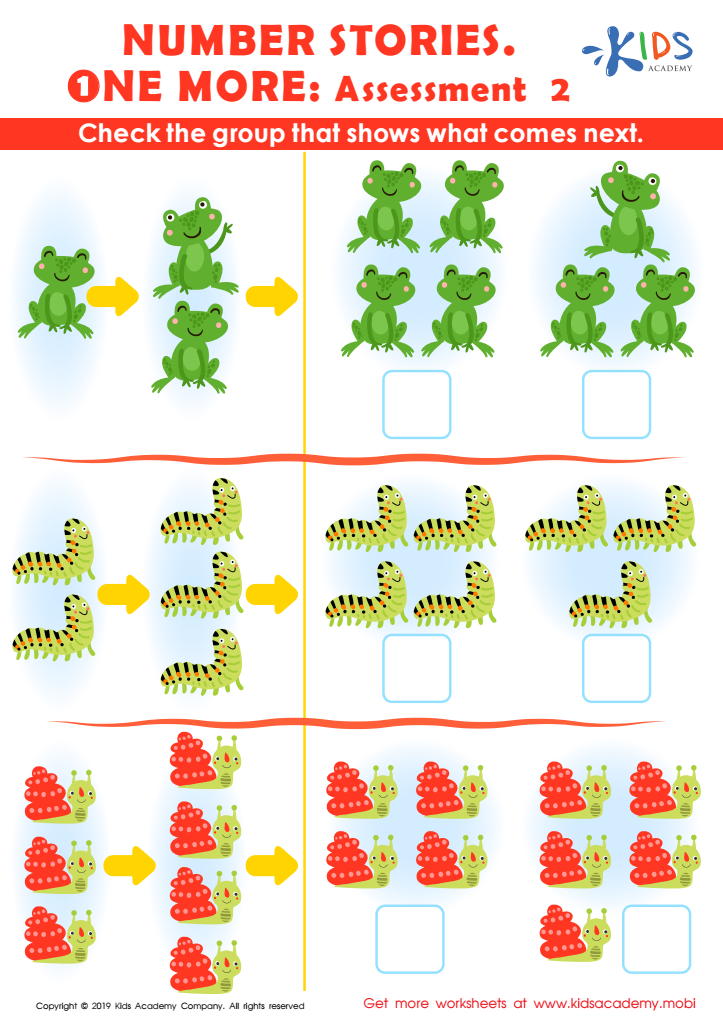
Number Stories One More – Assessment 2 Worksheet
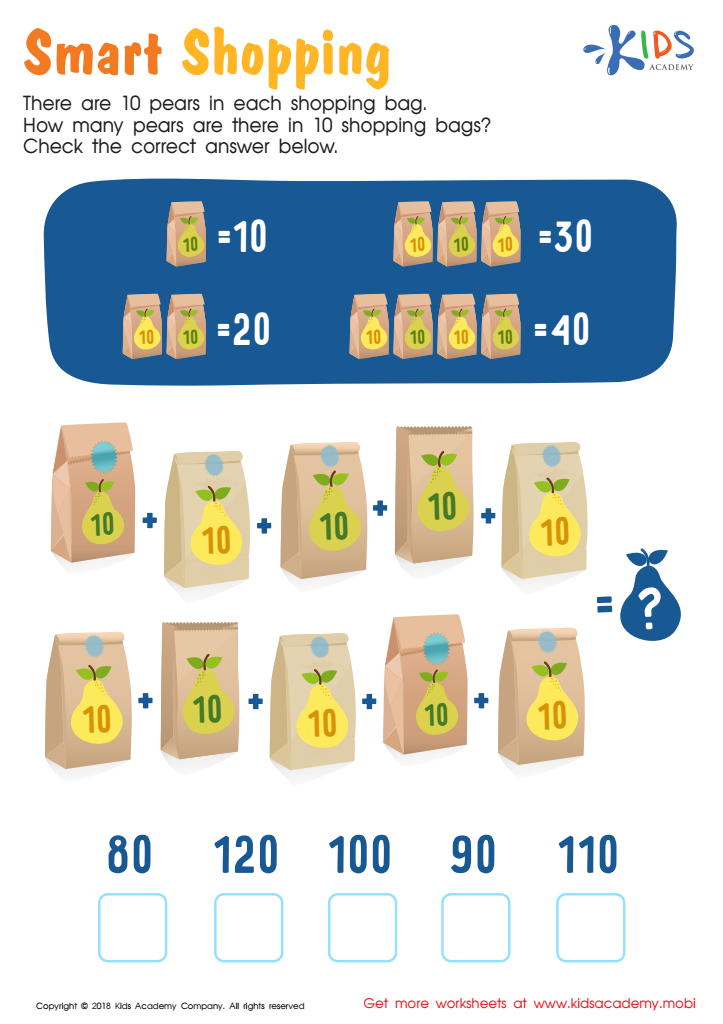
Smart Shopping: Trade Tens for a Hundred Worksheet
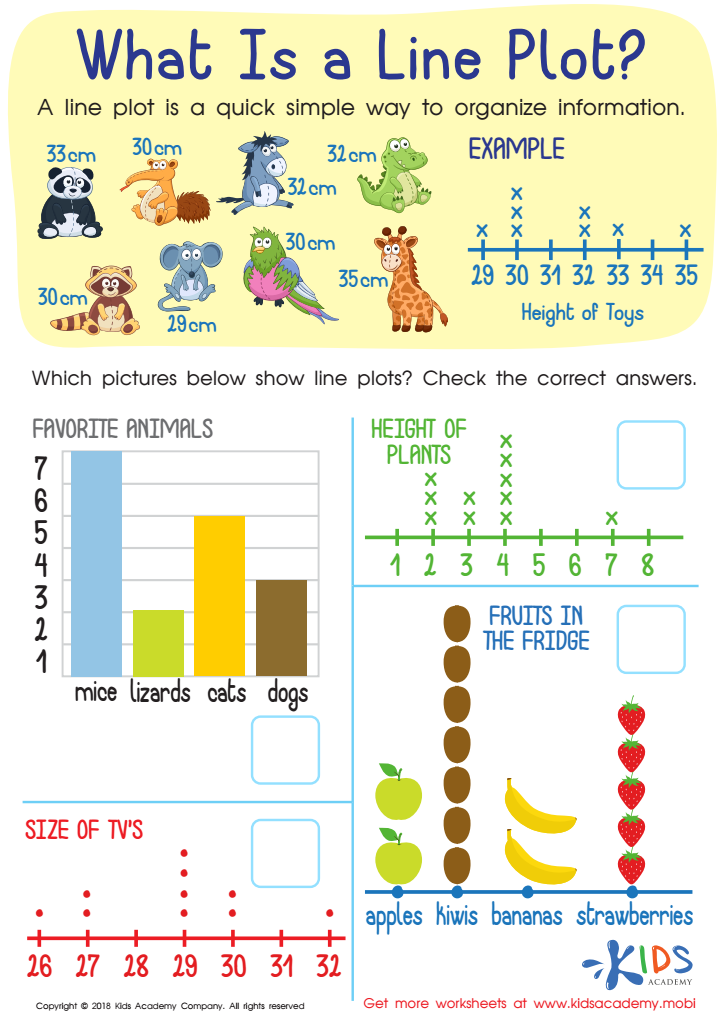
What Is a Line Plot? Worksheet
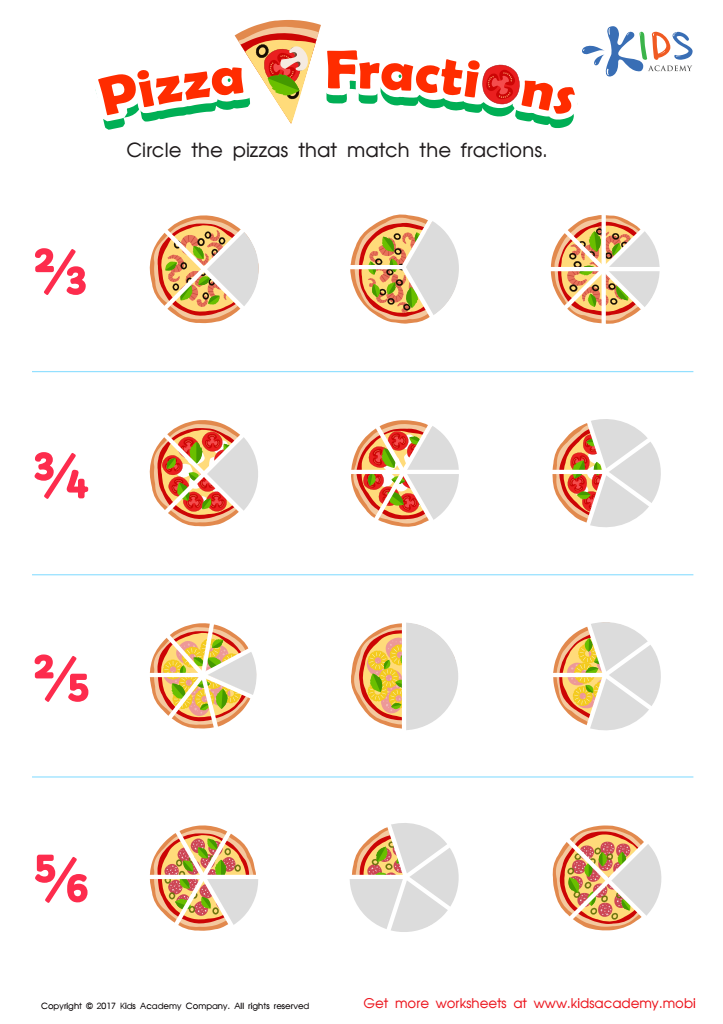
Fractions: Pizza Printable
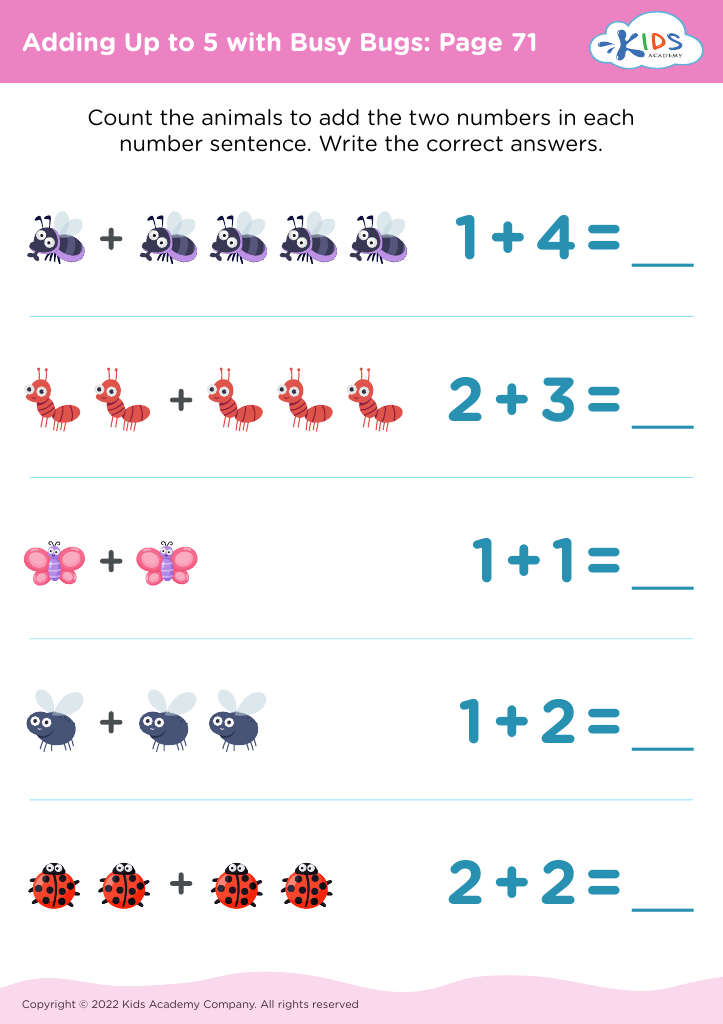

Comparing Shares Worksheet






.jpg)
Problem-solving practice in math for children ages 4 to 8 is crucial for several reasons. First, it fosters critical thinking skills, enabling young learners to approach challenges logically and creatively. At this age, children develop foundational cognitive abilities, and engaging them in problem-solving allows them to make connections between different concepts, reinforcing their understanding.
Second, problem-solving encourages persistence. As children grapple with mathematical challenges, they learn to cope with frustration and develop resilience—skills that transcend academics and are integral for future success in all areas of life. Furthermore, this practice cultivates a growth mindset, teaching children that effort and learning from mistakes contribute to improvement.
Third, engaging in math problems enhances language skills as children learn to articulate their thought processes and solutions. This leads not only to mathematical fluency but also improves communication skills.
Finally, fostering a love for math at an early age sets the stage for lifelong learning. By making problem-solving fun and relevant, parents and teachers can encourage enthusiasm for mathematics, making it a subject children look forward to exploring. Overall, prioritizing problem-solving activities in early math education nurtures happier, more engaged, and ultimately more successful learners.








