Shape Recognition Math Worksheets for Ages 4-8 - Page 2
113 filtered results
-
From - To
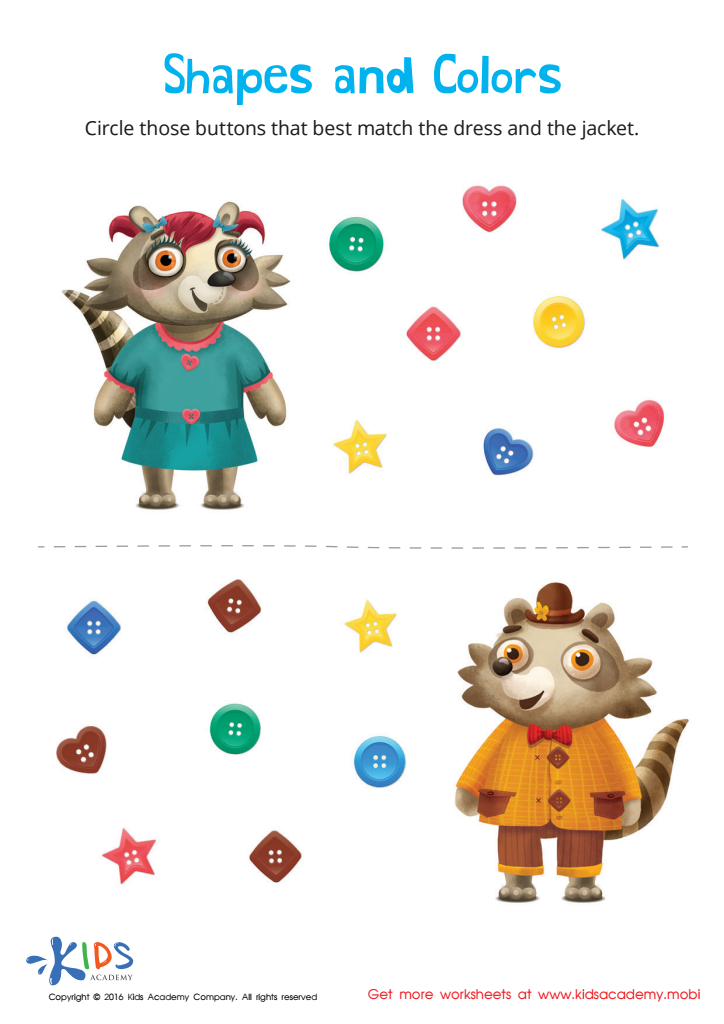
Matching: Shapes and Colors Worksheet
 Assign to My Students
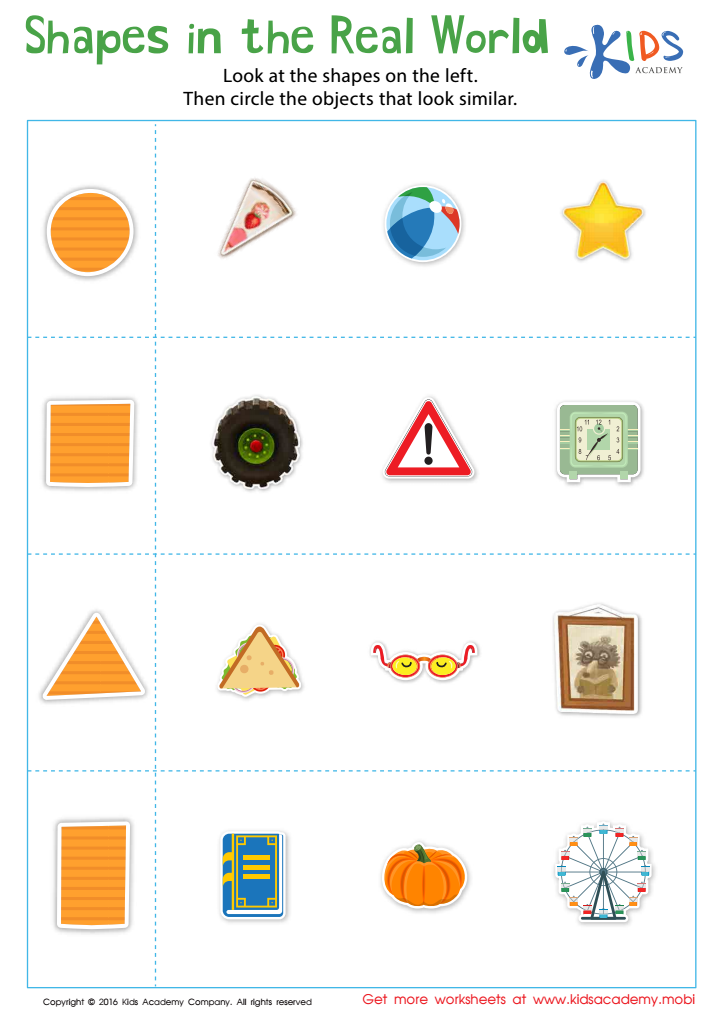
Shapes in the Real World Worksheet
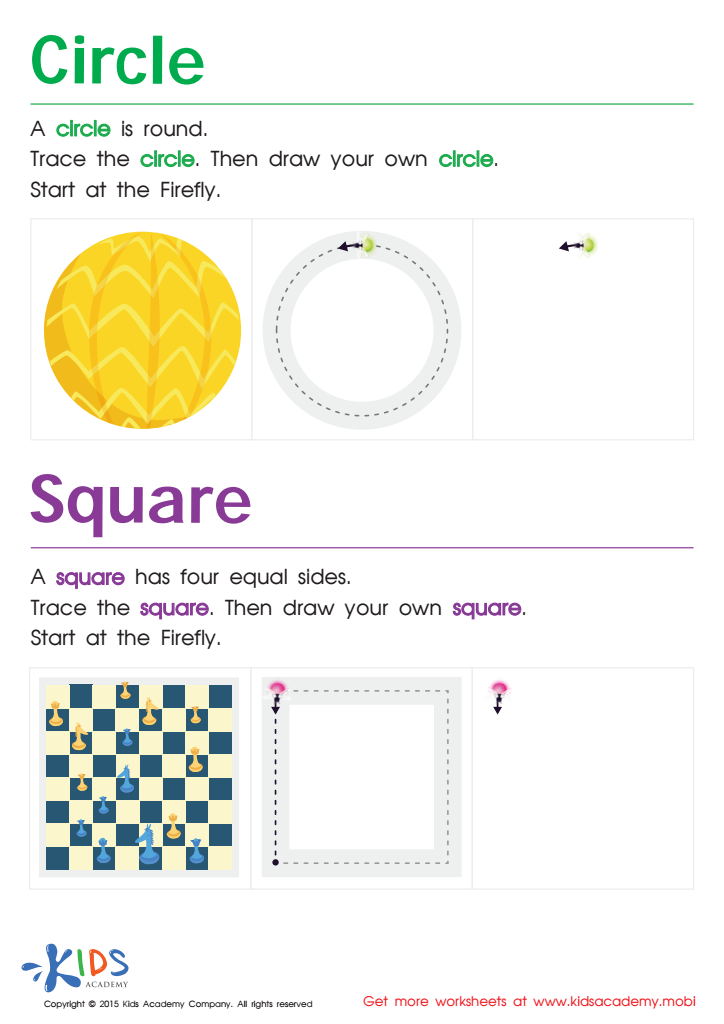
Trace And Draw a Circle And a Square Worksheet
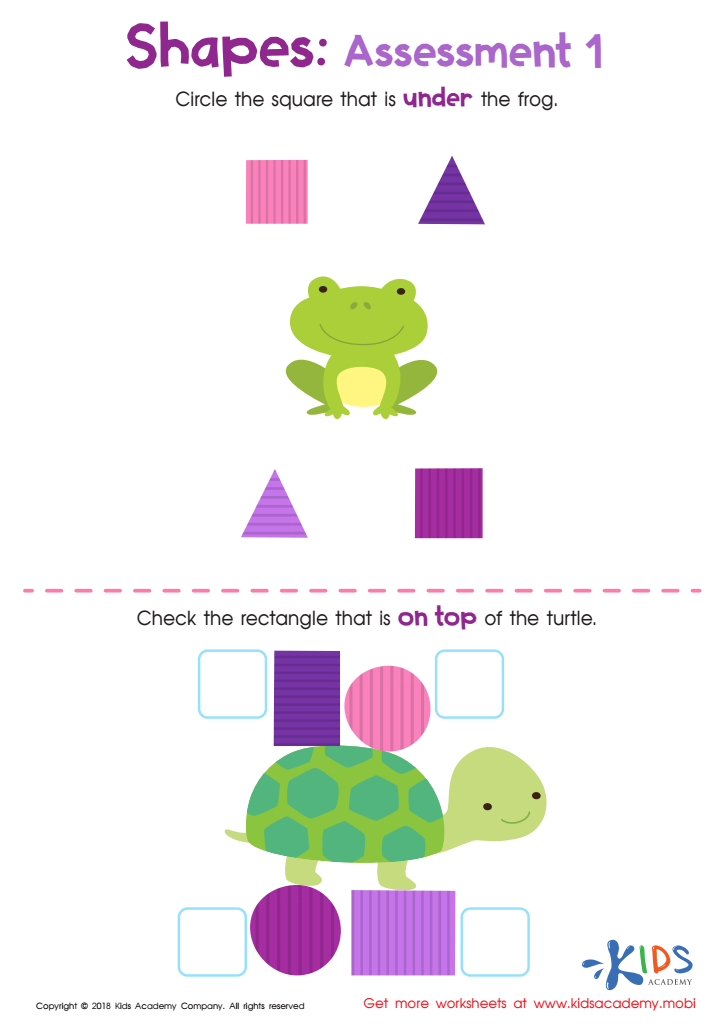
Geometry – Assessment 1 Worksheet
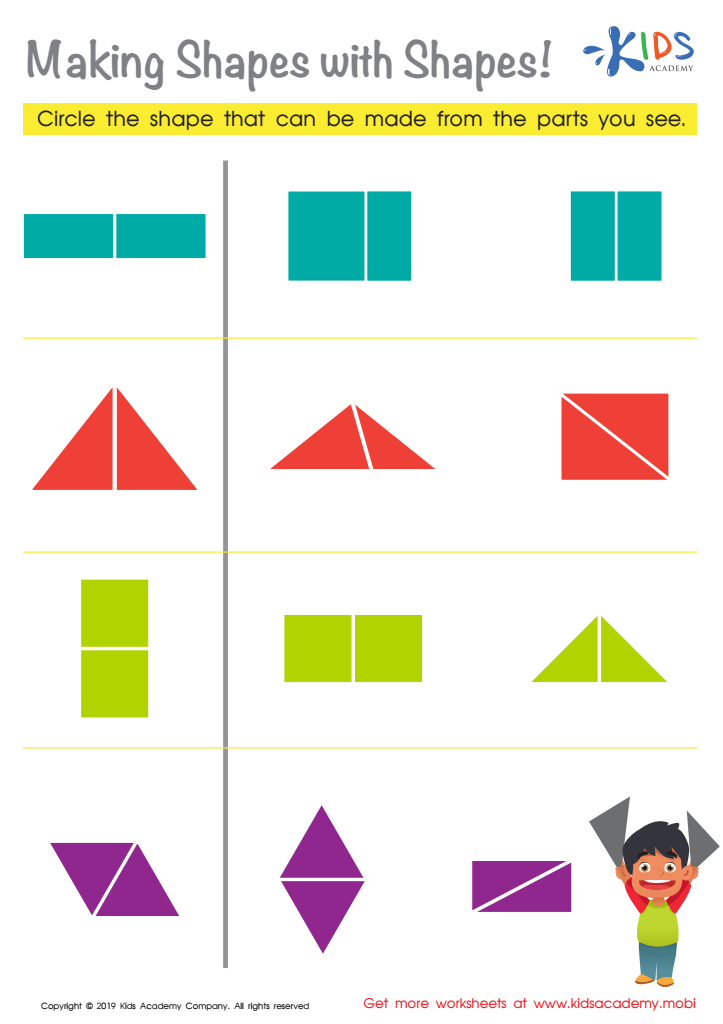
Making Shapes with Shapes Worksheet
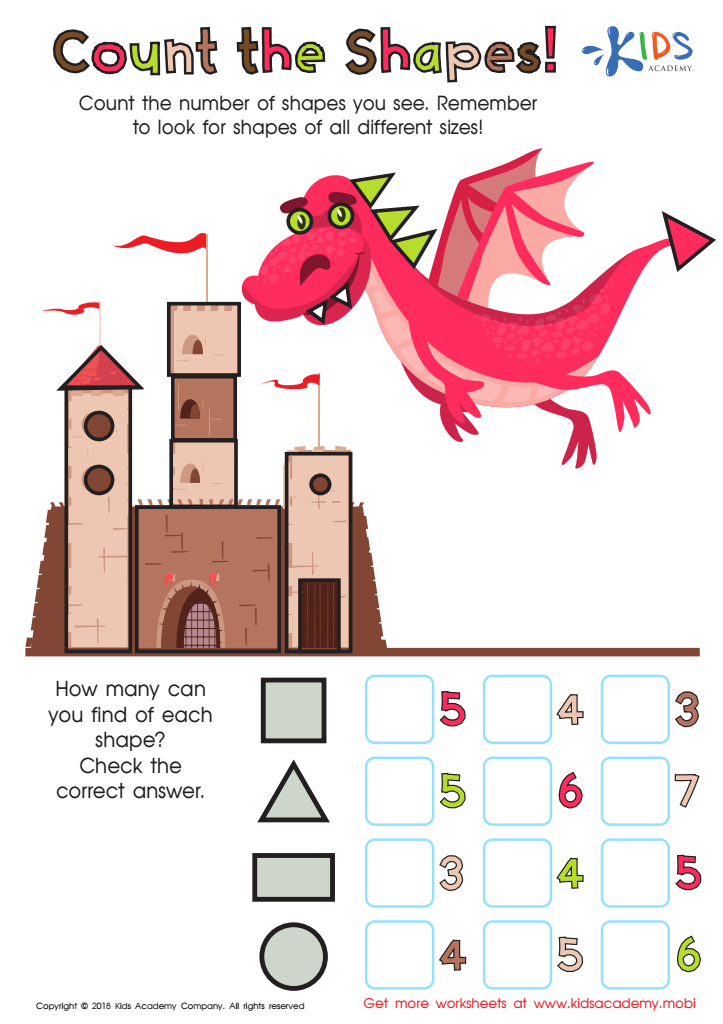
Count the Shapes Worksheet
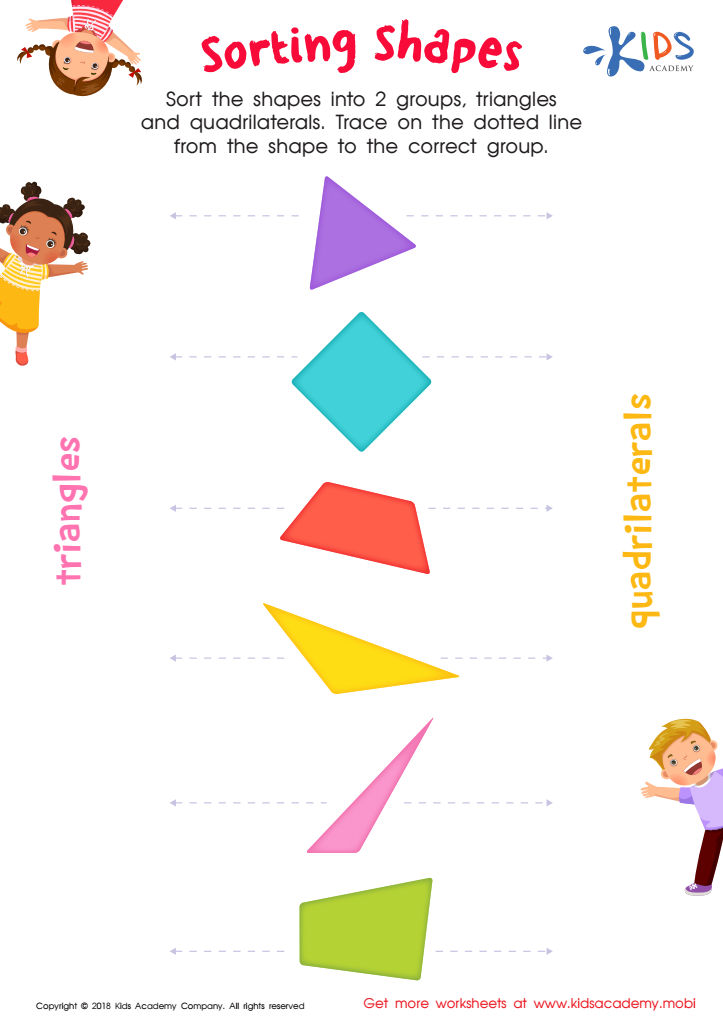
Sorting Shapes Worksheet
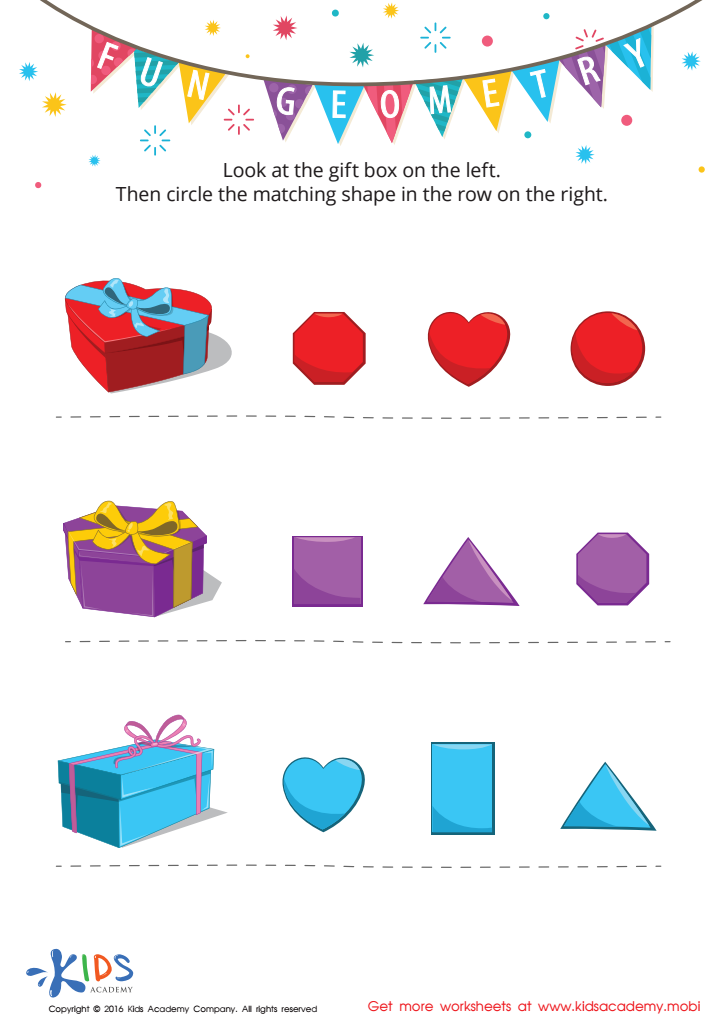
Fun Geometry Worksheet
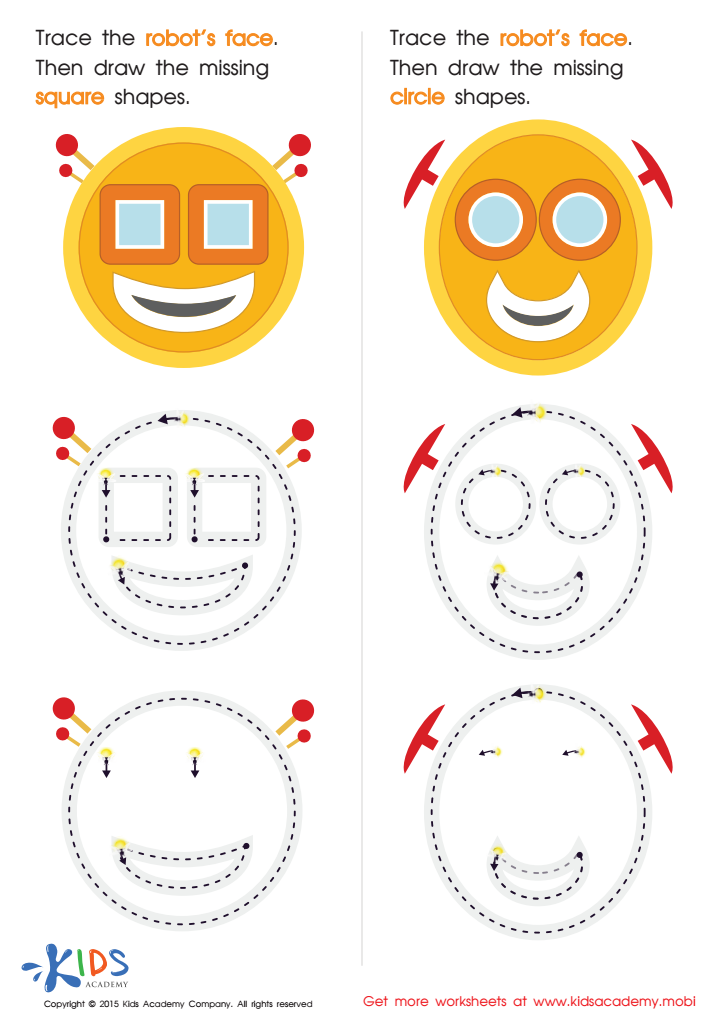
Practicing to Draw Circles And Squares Printable
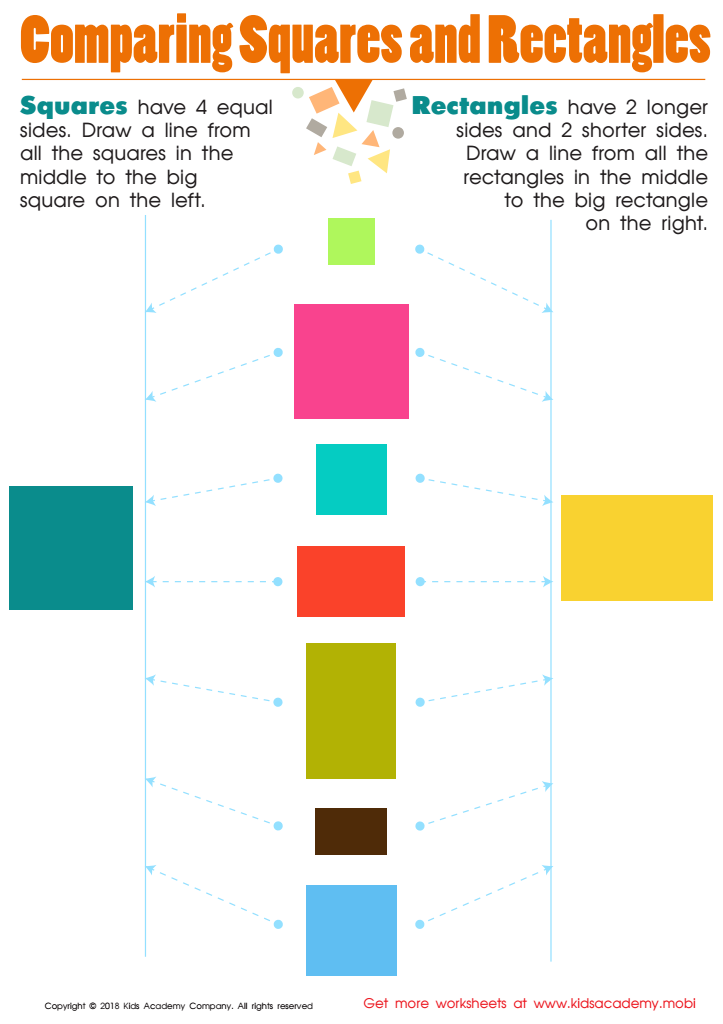
Comparing Squares Rectangles Worksheet
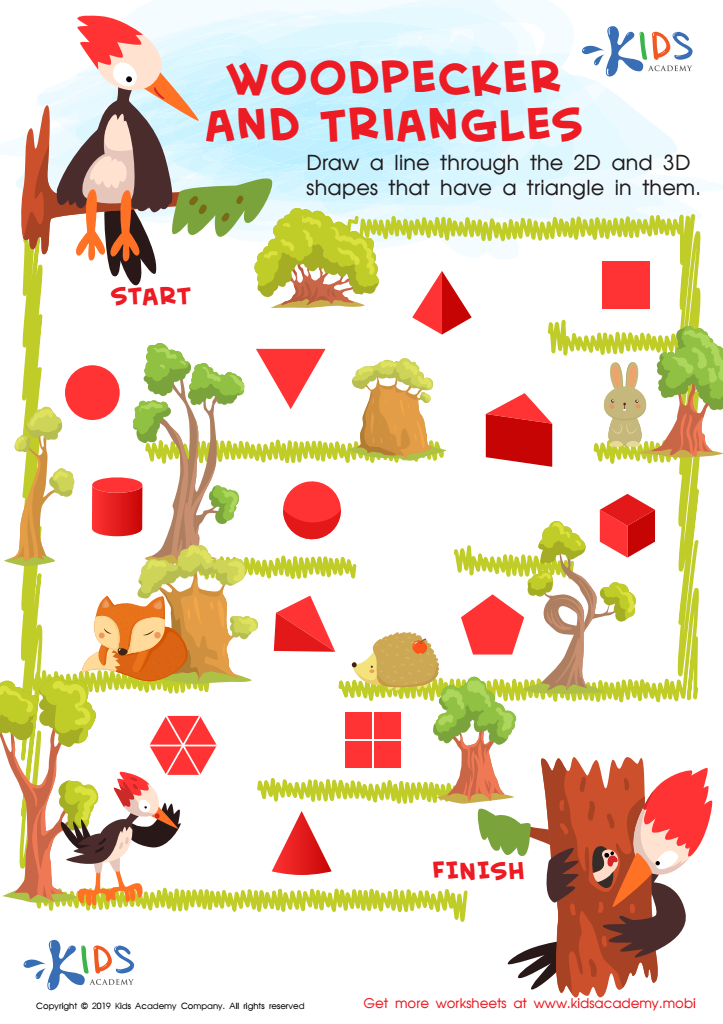
Woodpecker and Triangles Worksheet
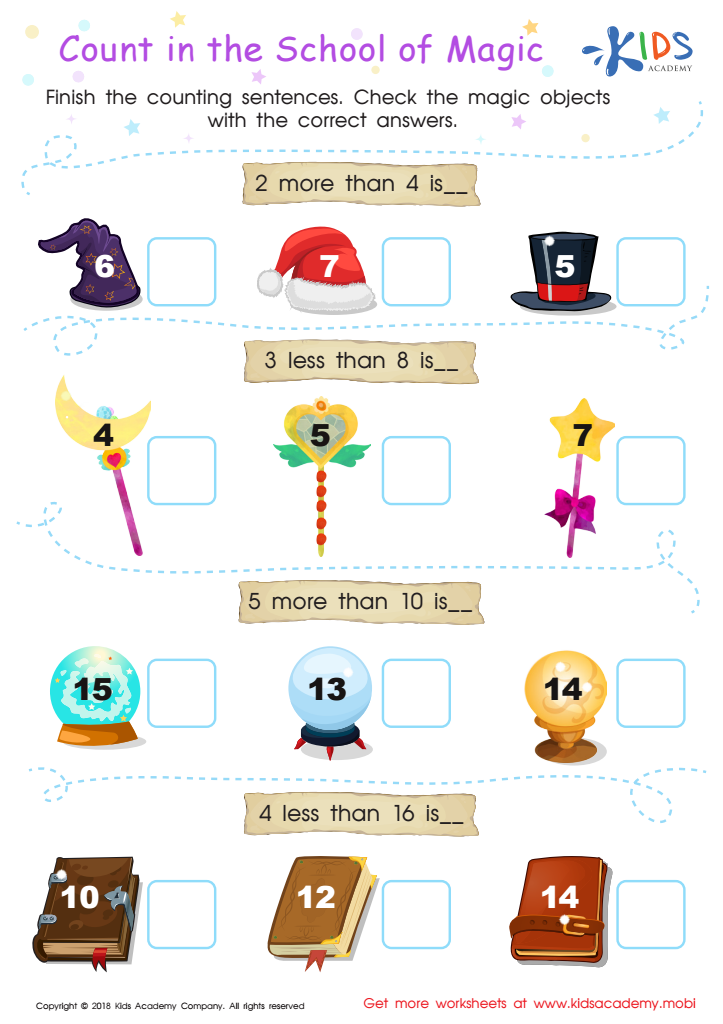
Count in the School of Magic Worksheet
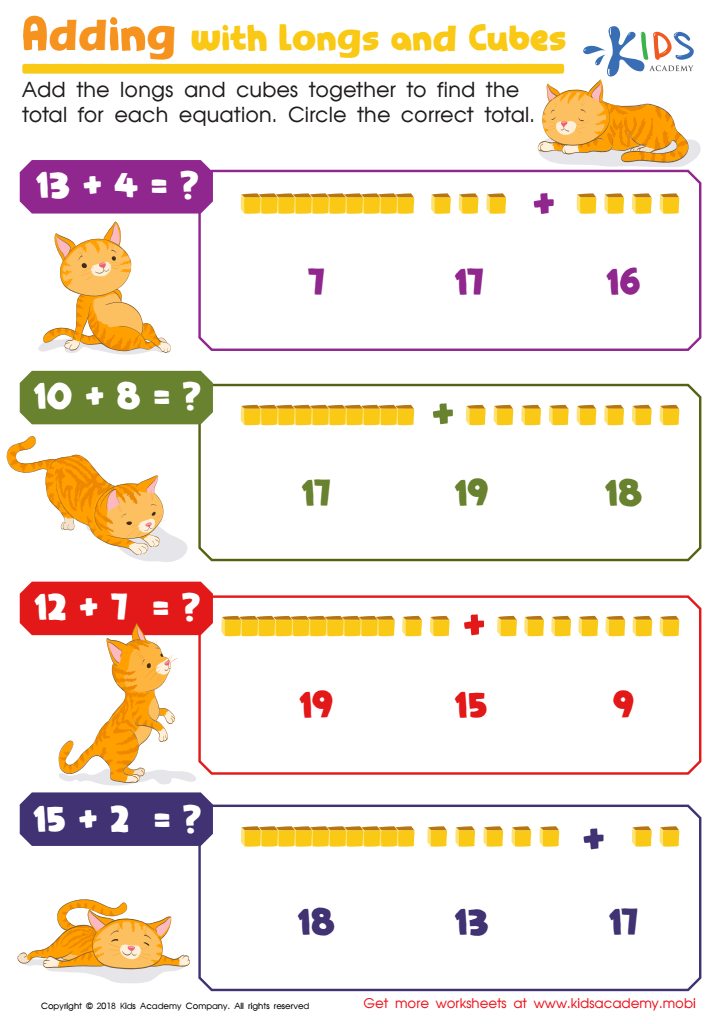
Adding With Longs and Cubes Worksheet
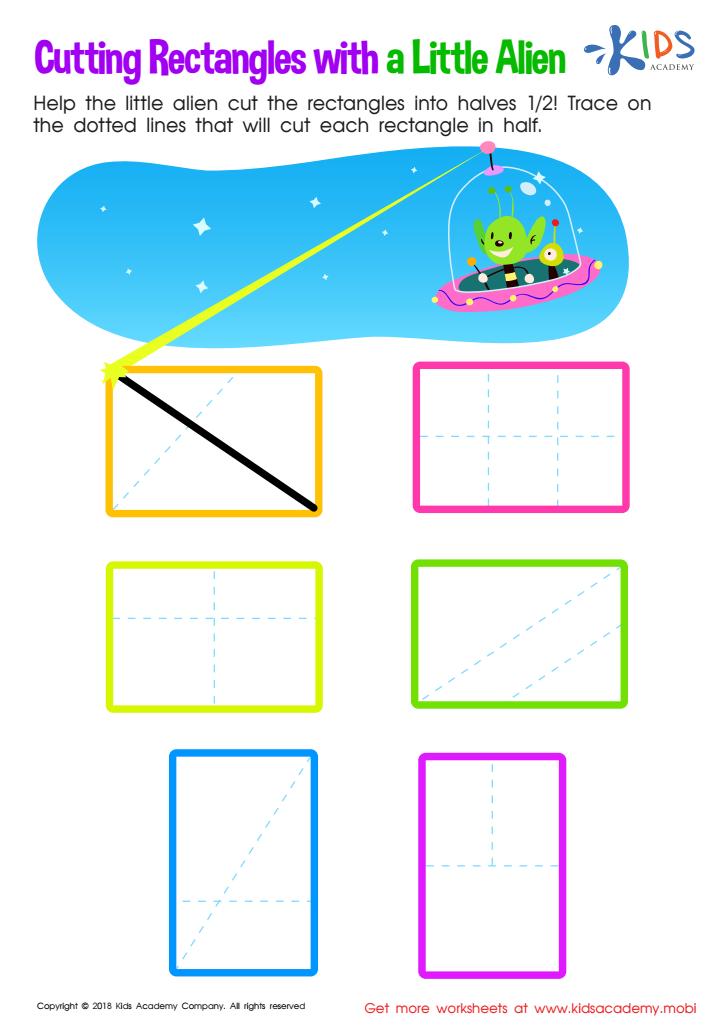
Cutting Rectangles with Alien Worksheet
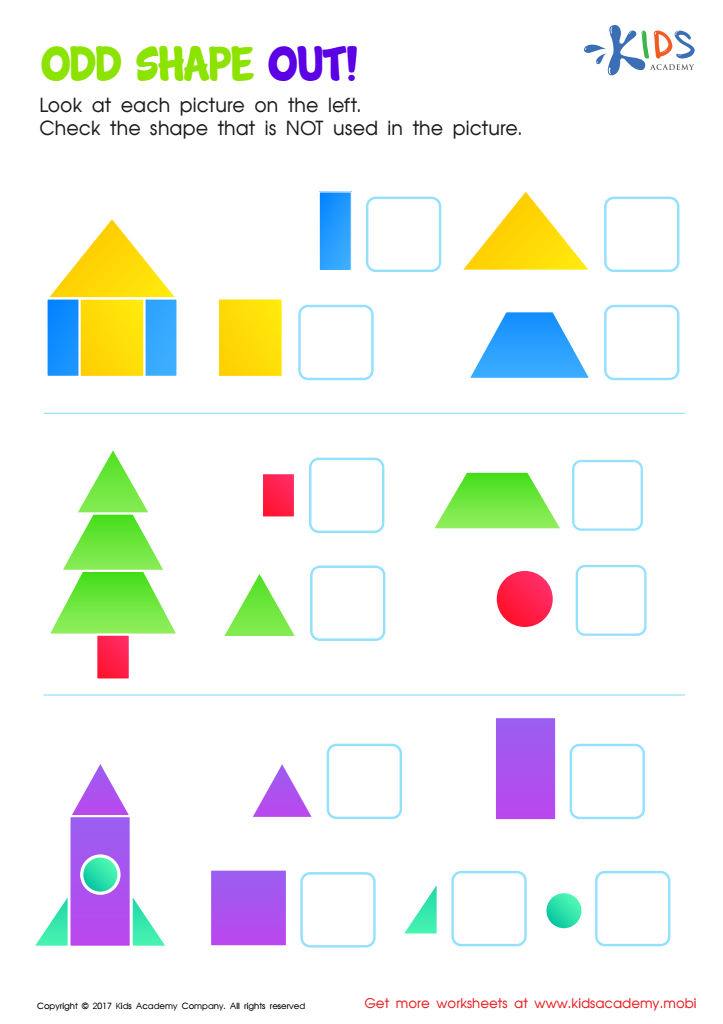
Odd Shape Out Worksheet for Grade 1
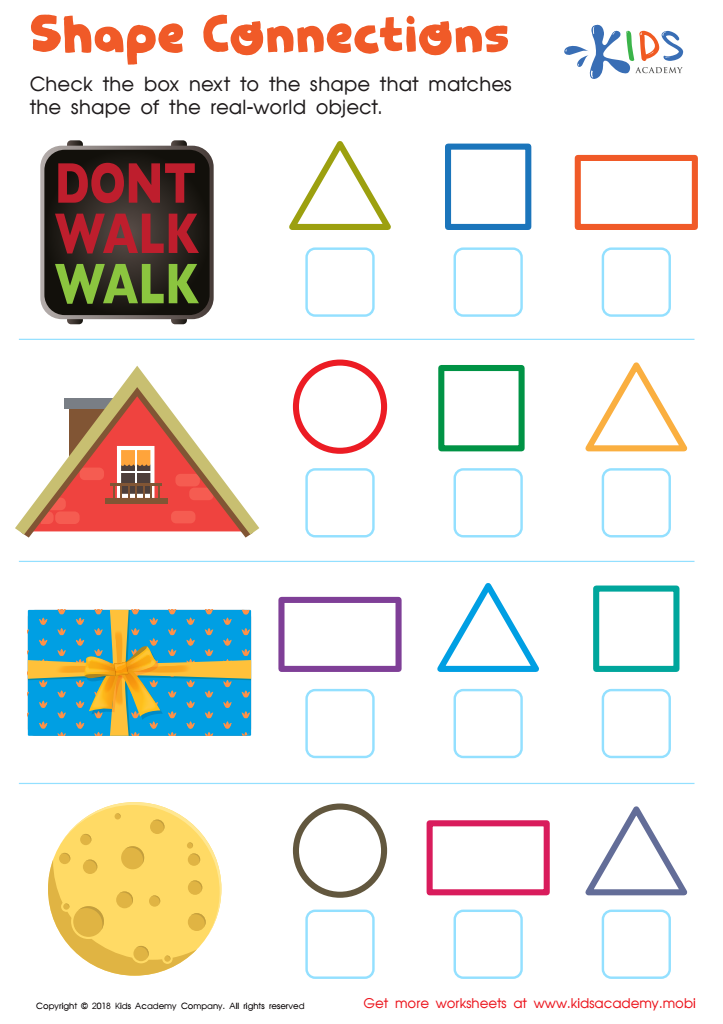
Shape Connections Worksheet
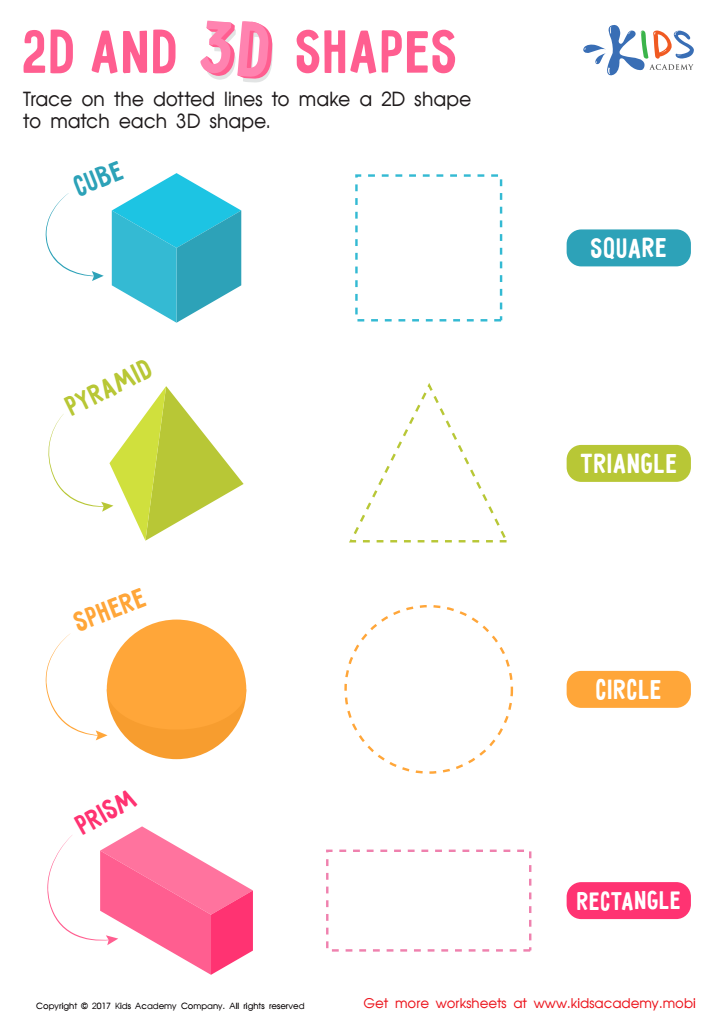
2D and 3D Shapes Worksheet
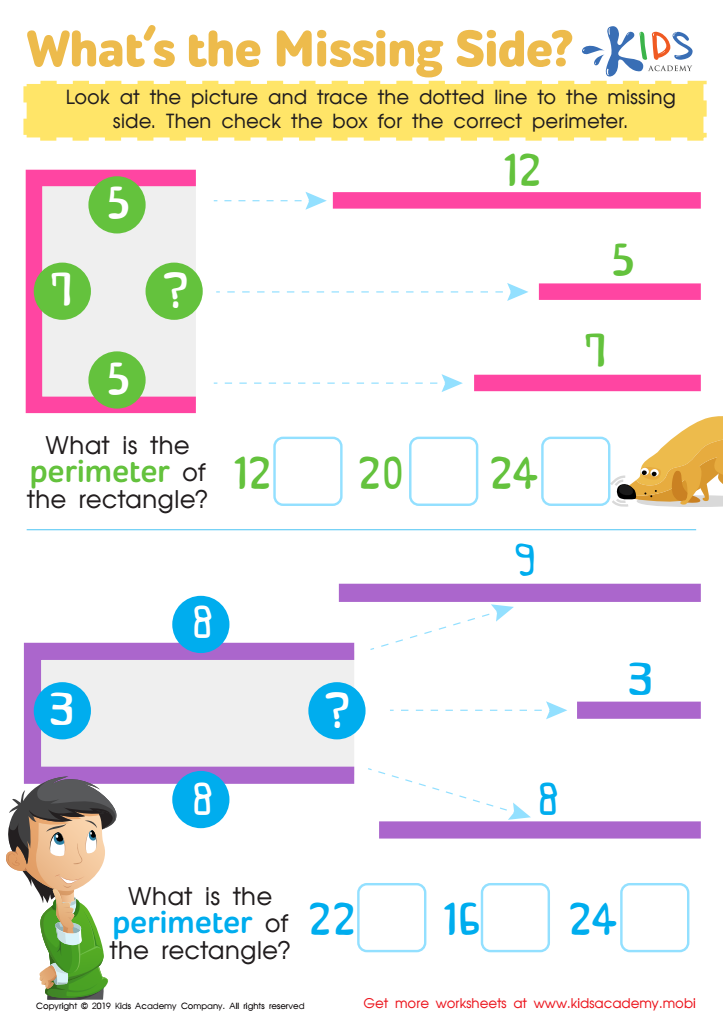
What's the Missing Side Worksheet







Shape recognition is a fundamental component of early childhood education, particularly in the math curriculum for children aged 4-8. Understanding shapes lays the groundwork for various critical skills that contribute to cognitive development. First, it enhances spatial awareness, helping children comprehend how objects relate to one another in the physical world. This skill is essential not only in mathematics but also in everyday tasks, such as navigating spaces.
Moreover, shape recognition fosters problem-solving abilities. When children learn to identify and classify shapes, they engage in sorting, comparing, and analyzing, which are foundational skills for mathematical reasoning. This learning also supports the development of creative thinking, as children learn to visualize and manipulate shapes in their minds.
Additionally, early exposure to shapes contributes to language development. Discussing shapes expands vocabulary as children learn terminology related to geometry, enriching their communication skills.
Finally, incorporating shape recognition into playful learning activities can boost children's engagement and motivation. It transforms math from a daunting subject into a fun exploration, building a positive attitude towards learning. For these reasons, parents and teachers should prioritize shape recognition to support holistic development in young learners.








