Time-telling skills Math Worksheets for Ages 4-8
5 filtered results
-
From - To
Enhance your child's ability to tell time with our engaging Time-telling Skills Math Worksheets for Ages 4-8. Our expertly designed worksheets help young learners master clocks, recognize hours and minutes, and understand daily schedules. Featuring colorful, age-appropriate activities that make learning fun, these printables advance crucial math skills through interactive tasks. Ideal for both classroom and home settings, our resource builds a foundational understanding of time, ensuring your child is confident and proficient. Equip your little one with essential time-telling skills for academic success and everyday life with our tailored worksheets.
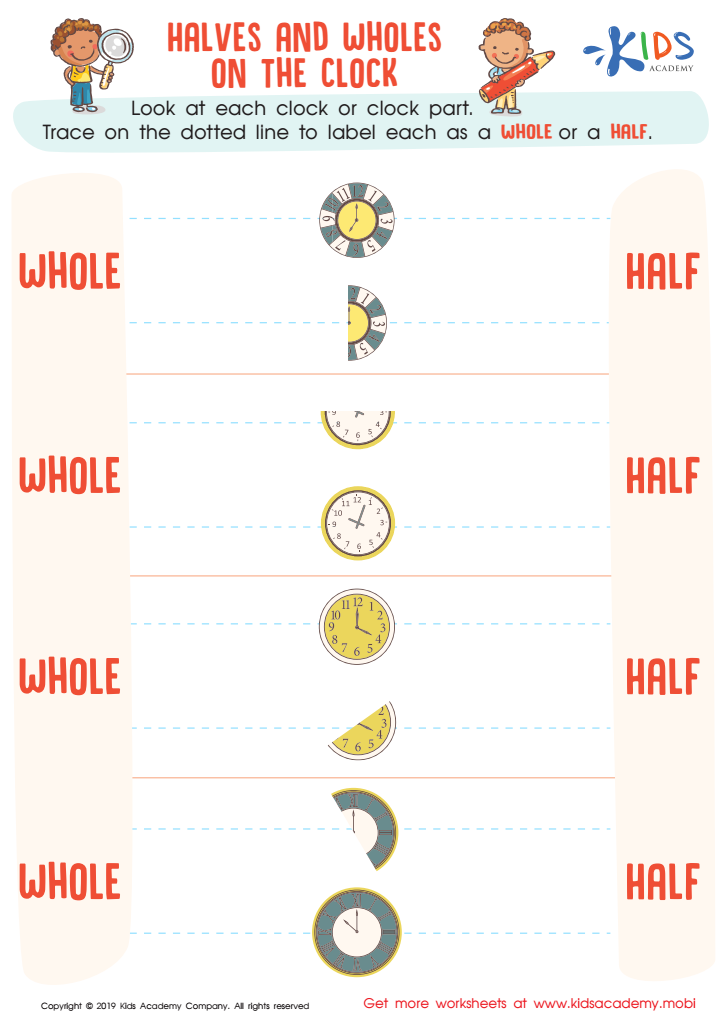
Halves and Wholes on the Clock Worksheet
 Assign to My Students
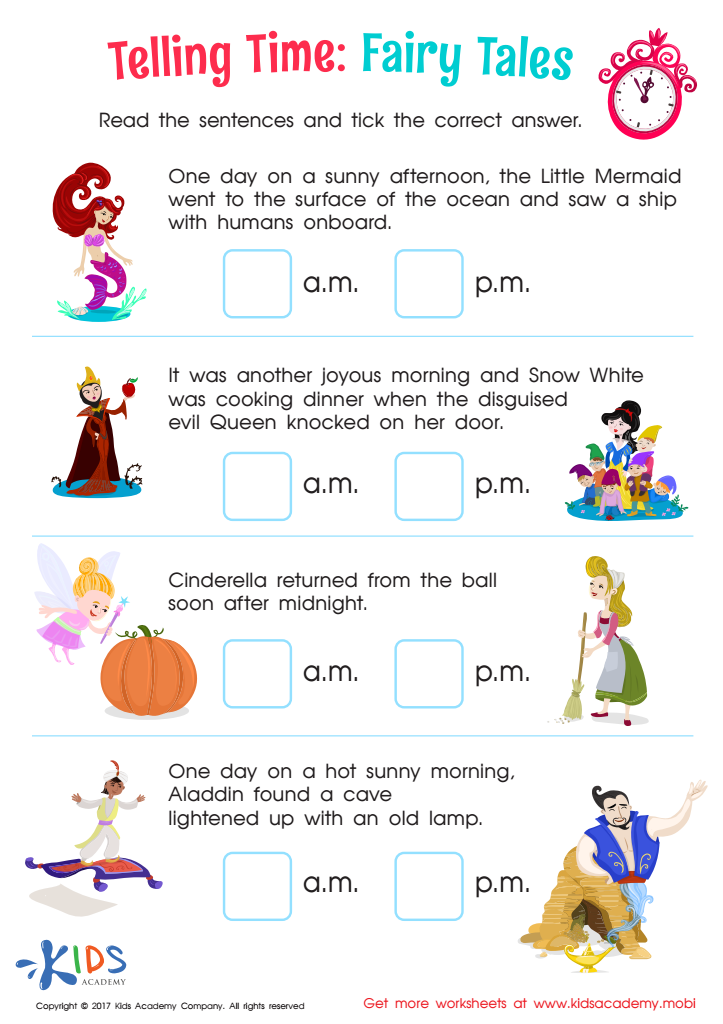
Telling Time: Fairy Tales Worksheet
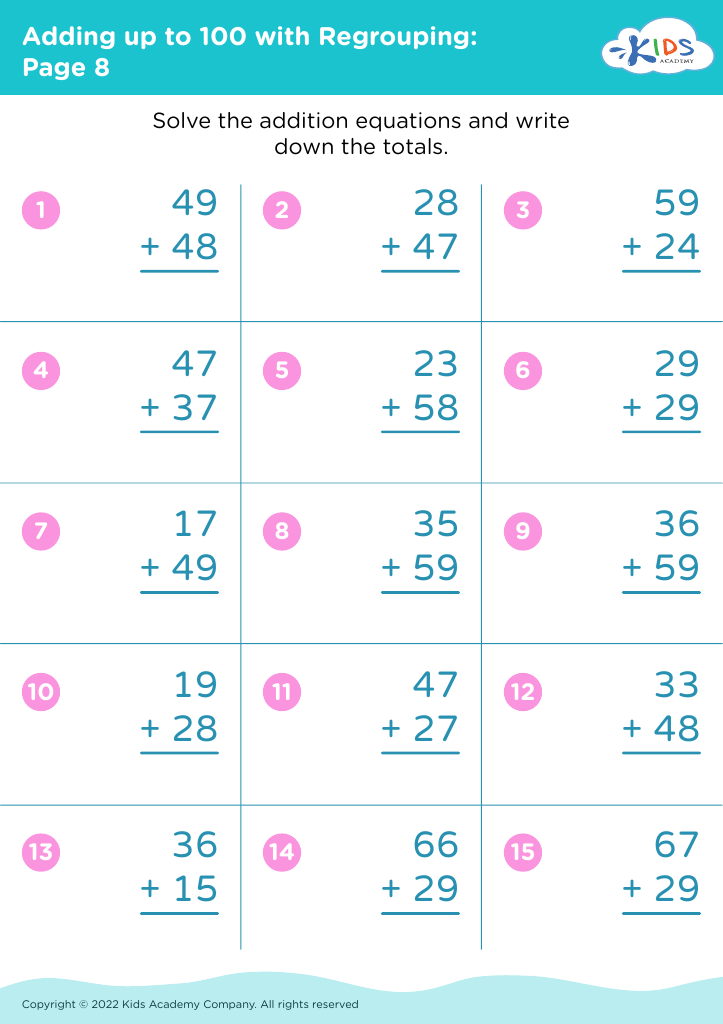
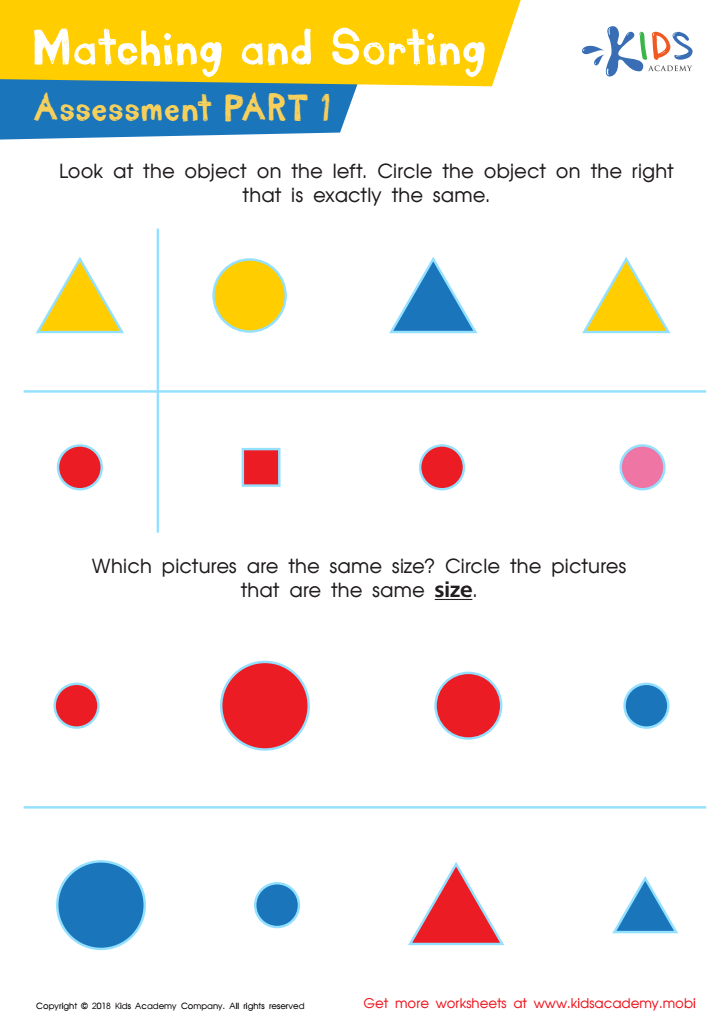
Matching and Sorting for Kindergarten: Assessment 1 Worksheet
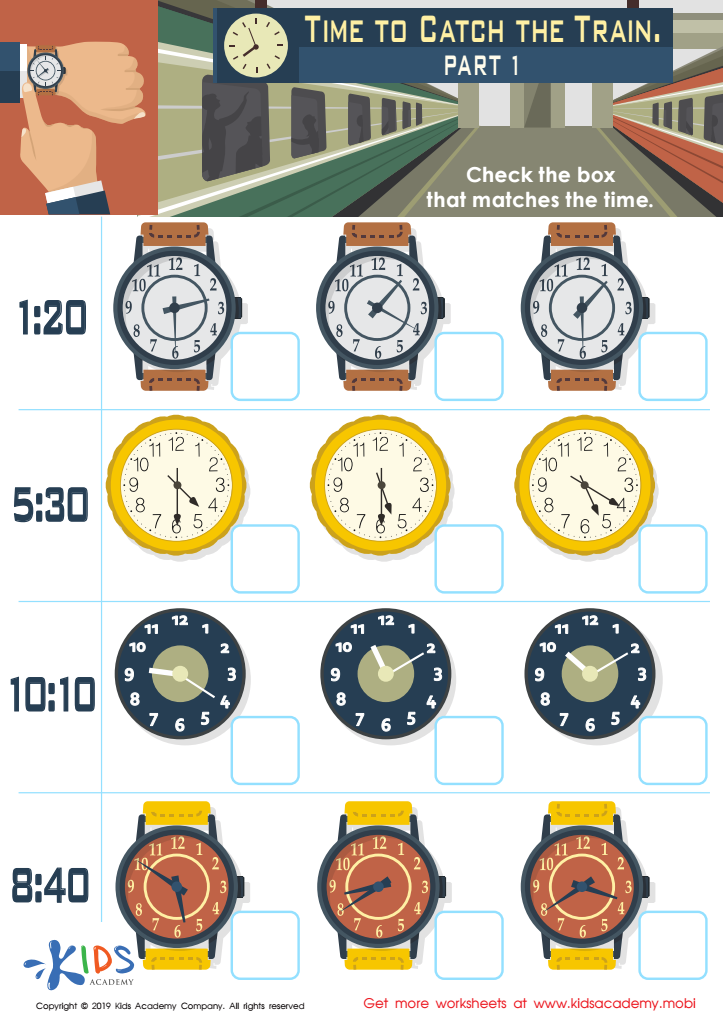
Time to Catch the Train Part 1 Worksheet







Time-telling skills are crucial for young children aged 4-8 because they lay the foundation for critical life skills and foster cognitive development. For parents and teachers, engaging children in learning to tell time goes beyond merely reading a clock; it enhances their understanding of important concepts like routine, discipline, and time management. These skills help children grasp the structure of their day, from recognizing when it's time for school, meals, or bedtime, to understanding the sequence of events and duration.
Learning to tell time also enhances math skills, particularly when children start distinguishing between hours and minutes and grasping terms like 'half past' and 'quarter to'. It introduces them to the base 60 number system used for minutes and seconds, expanding their numerical competence. Furthermore, telling time can improve a child’s problem-solving skills and logical thinking as they figure out temporal relationships and intervals.
Finally, mastering time-telling boosts independence and self-confidence. Children who can read clocks without adult assistance feel empowered and responsible, fostering a sense of autonomy crucial for their overall development. By integrating time-telling practice at home and school, parents and teachers significantly contribute to a child's holistic growth, balancing both academic and life skills.








