Visual discrimination Math Worksheets for Ages 4-8
21 filtered results
-
From - To
Enhance your child's early math skills with our Visual Discrimination Math Worksheets designed for ages 4-8. These engaging worksheets help young learners sharpen their ability to differentiate shapes, patterns, sizes, and quantities. Through a variety of fun activities, children will develop critical visual perception skills, improving their focus, attention to detail, and problem-solving abilities. Perfect for preschoolers and early elementary students, these worksheets make learning enjoyable and effective, providing a strong foundation in math. Support your child's educational journey with our expertly crafted resources, ensuring they have the tools needed for future success.
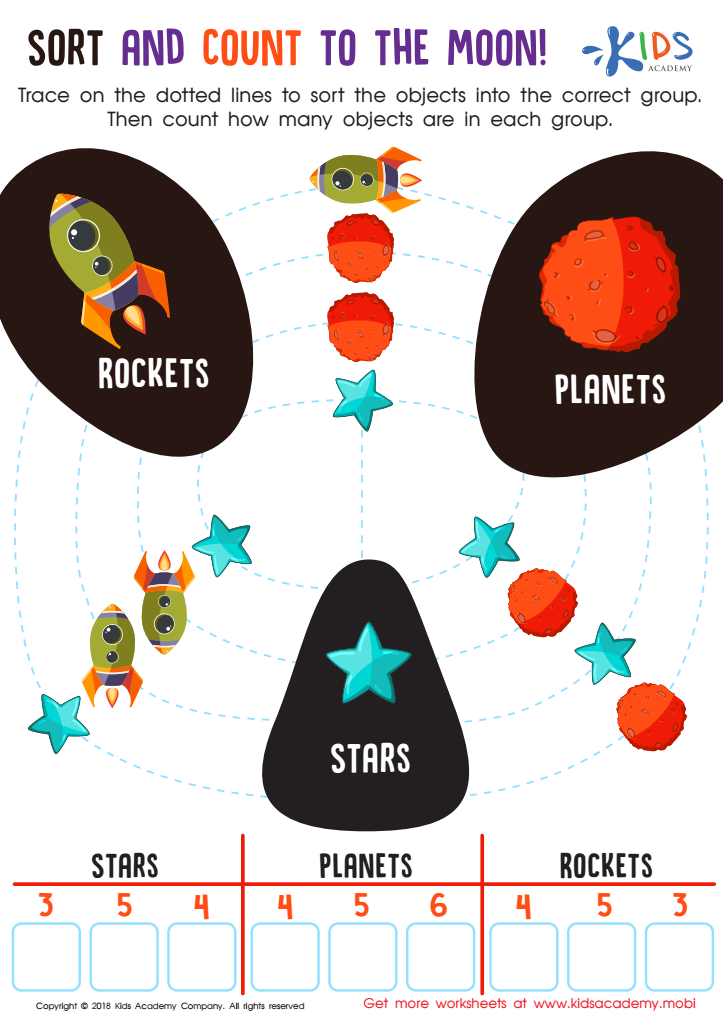
Sort and Count to the Moon Worksheet
 Assign to My Students
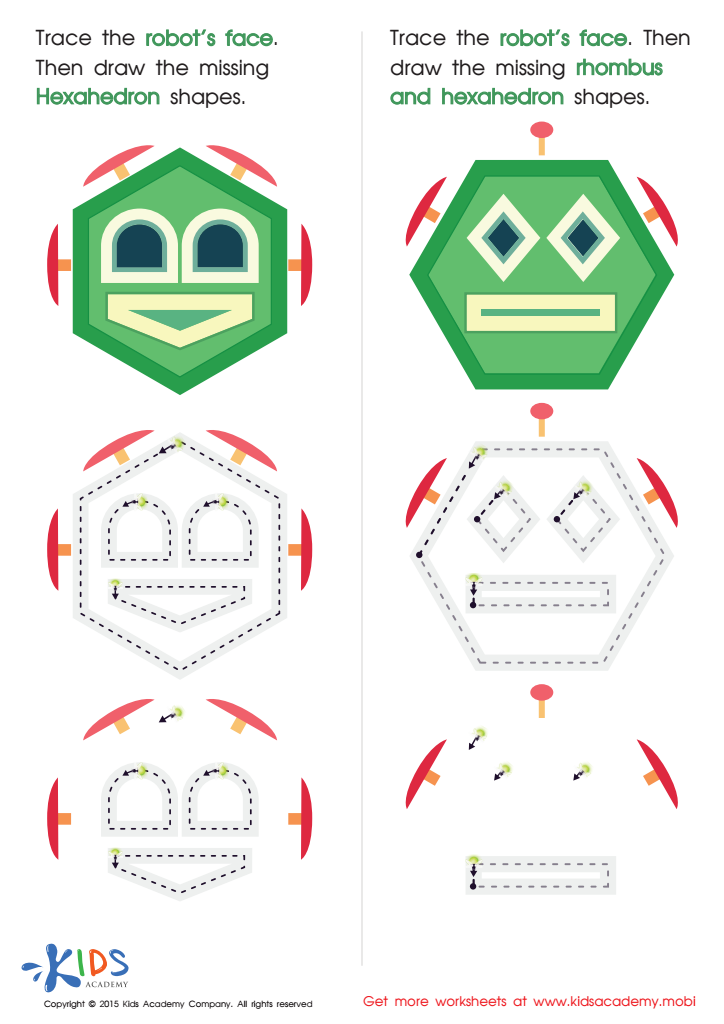
Practice Drawing Hexahedrons And a Rhombus Worksheet
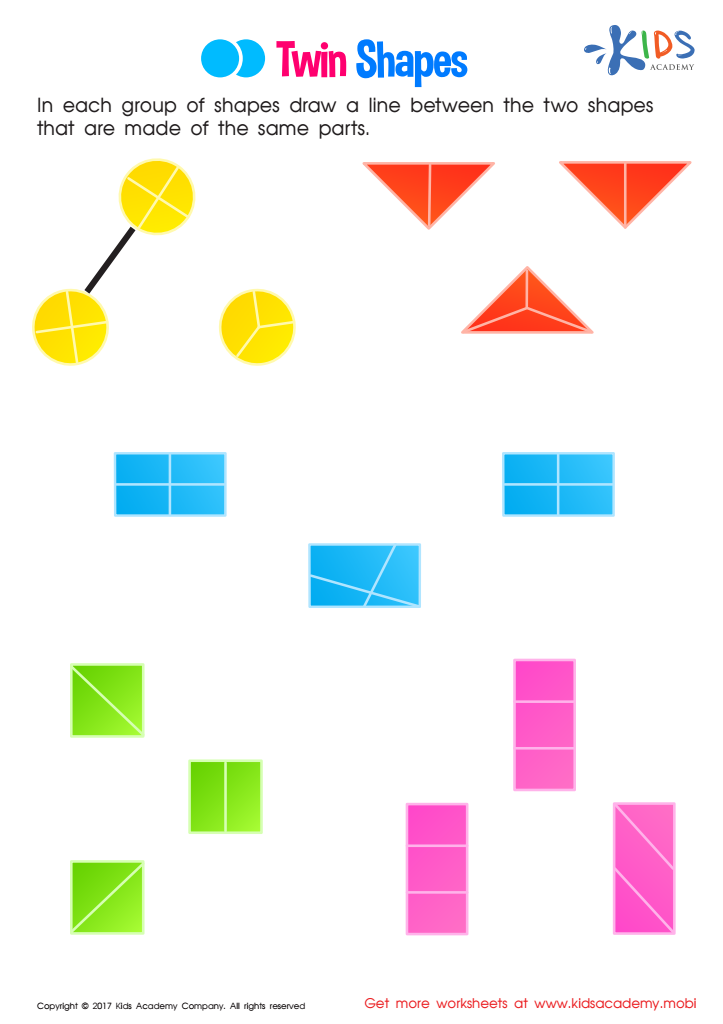
Twin Shapes Worksheet
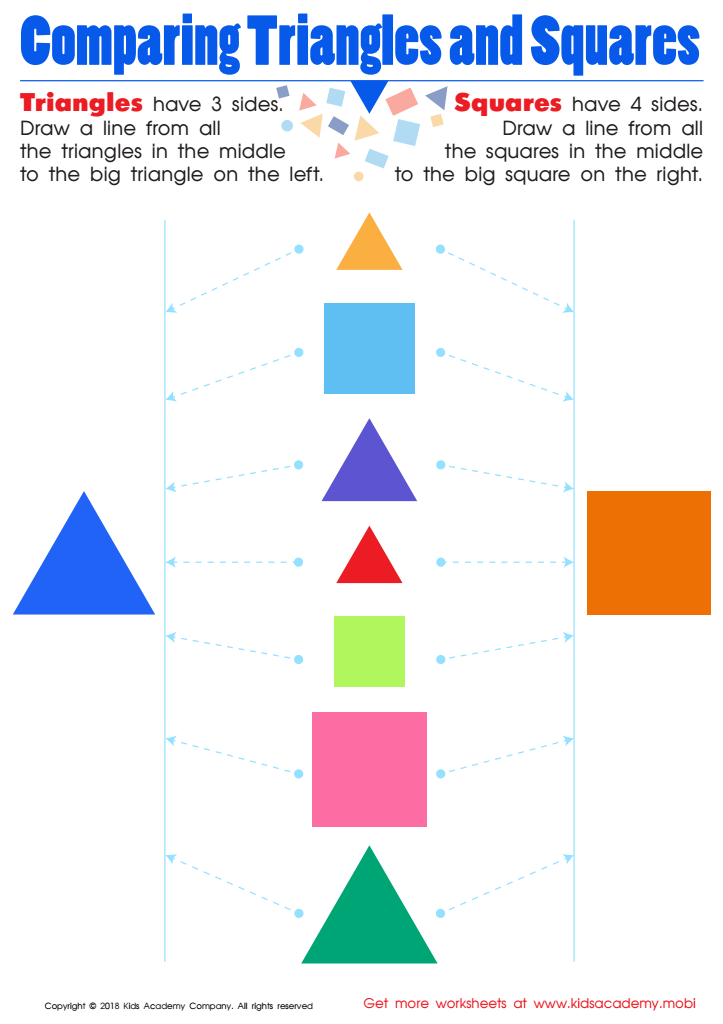
Comparing Triangles Squares Worksheet
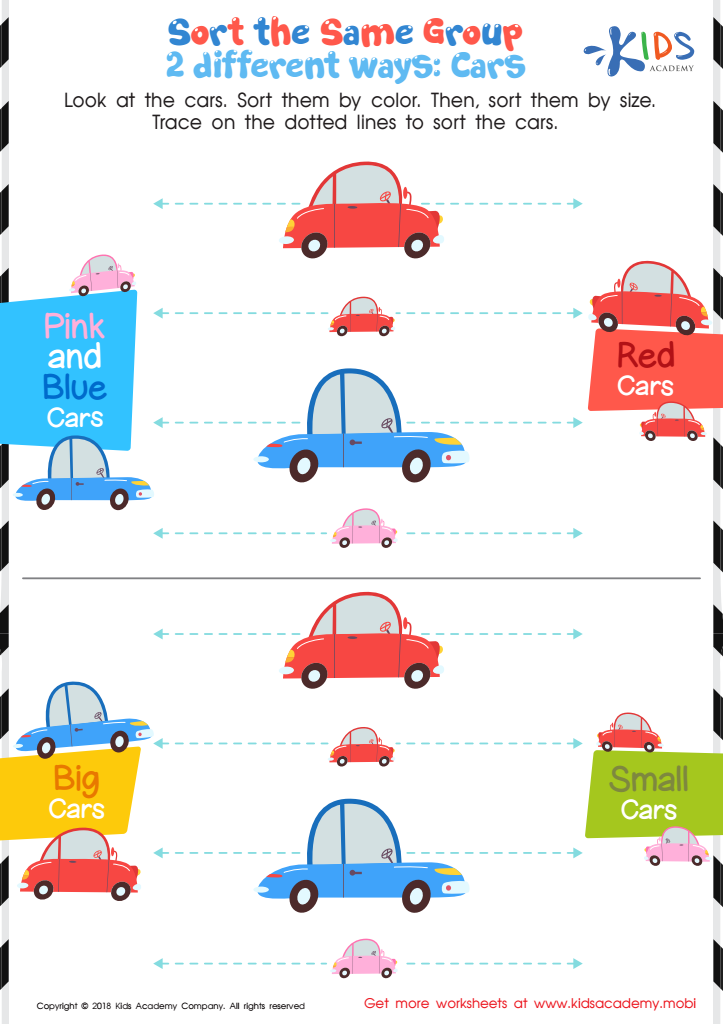
Sort the Same Group 2 Different Ways: Cars Worksheet
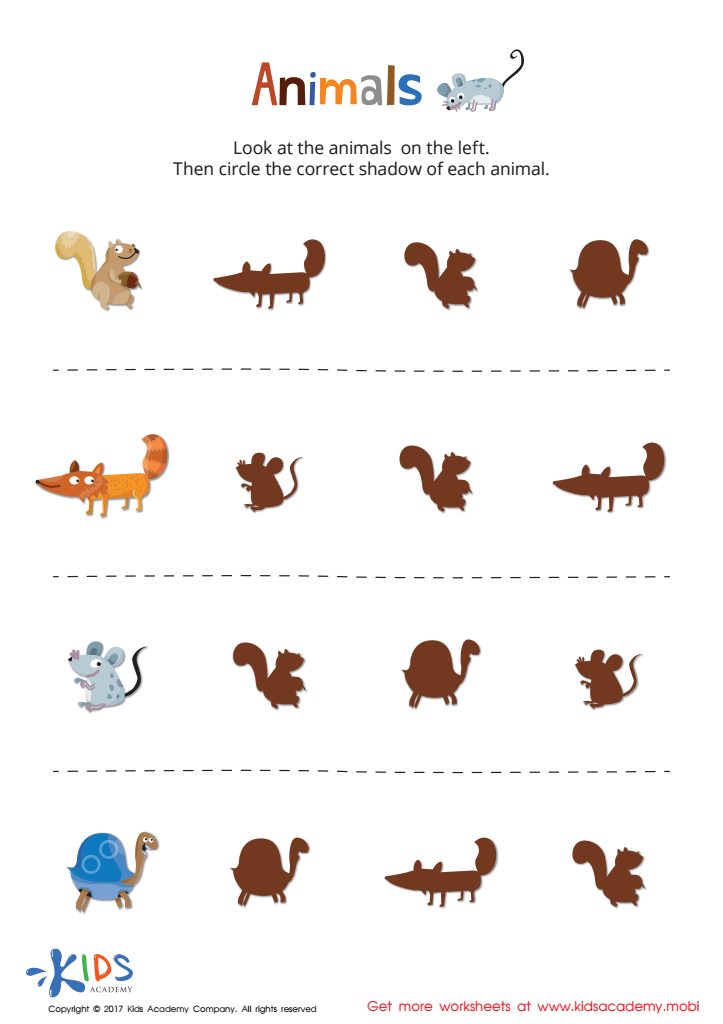
Animal Shadows Sorting Worksheet
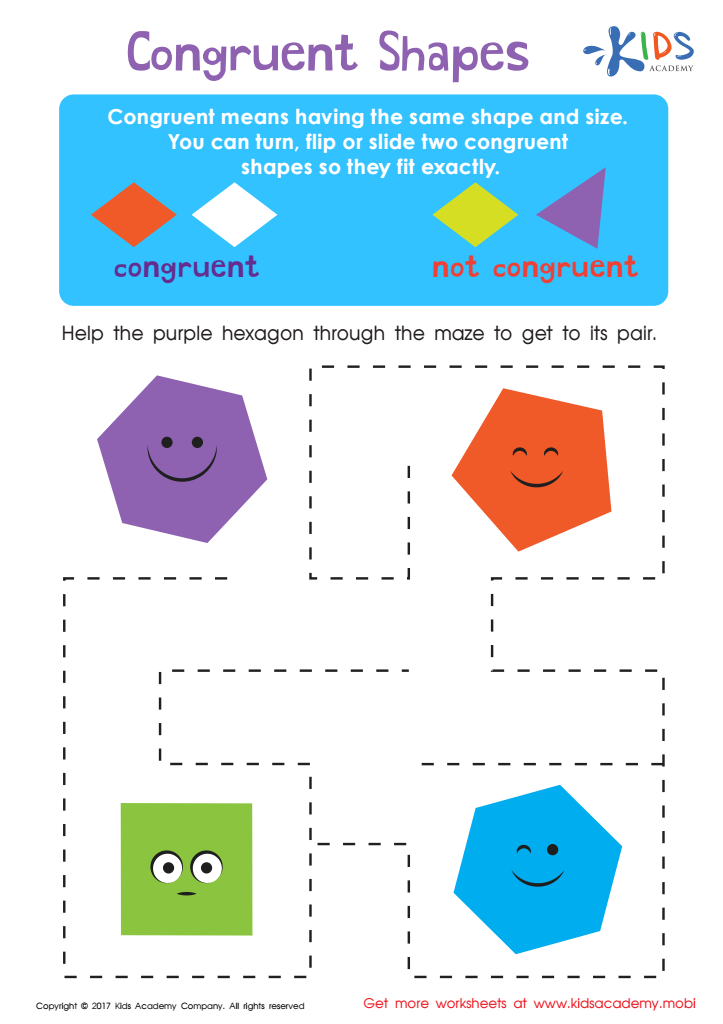
Congruent Shapes Worksheet
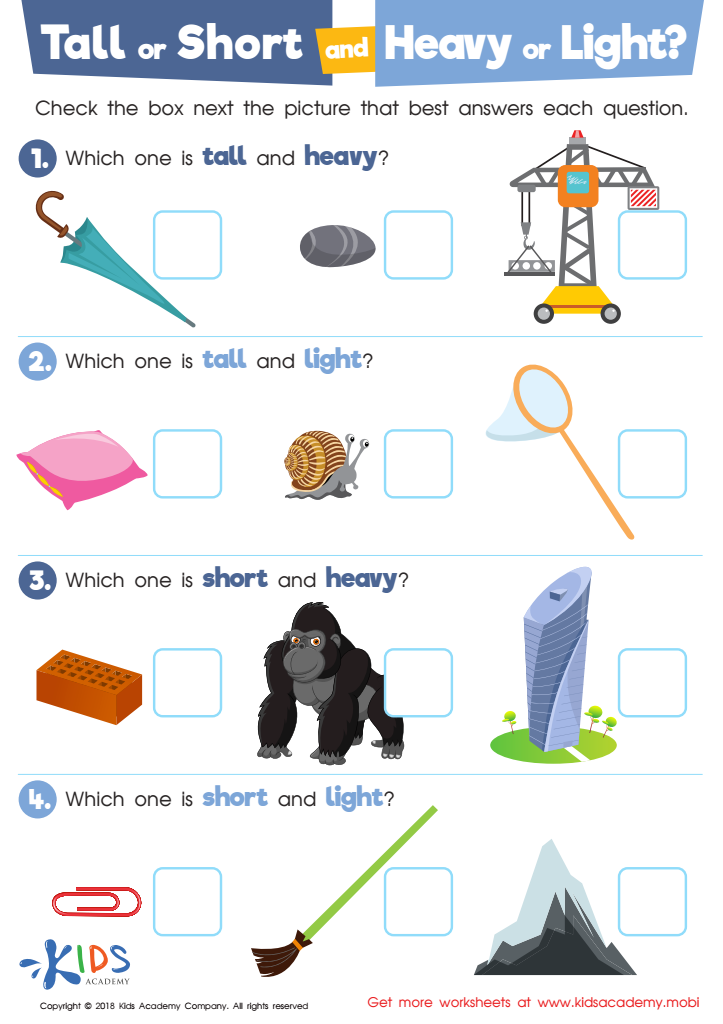
Tall or Short and Heavy or Light? Worksheet
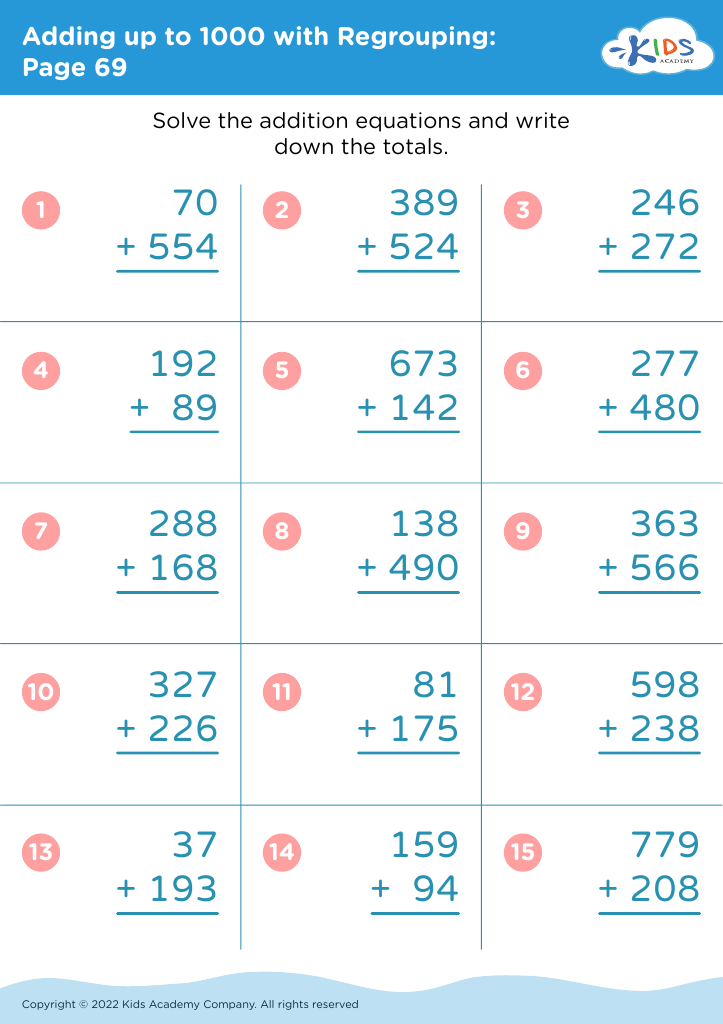
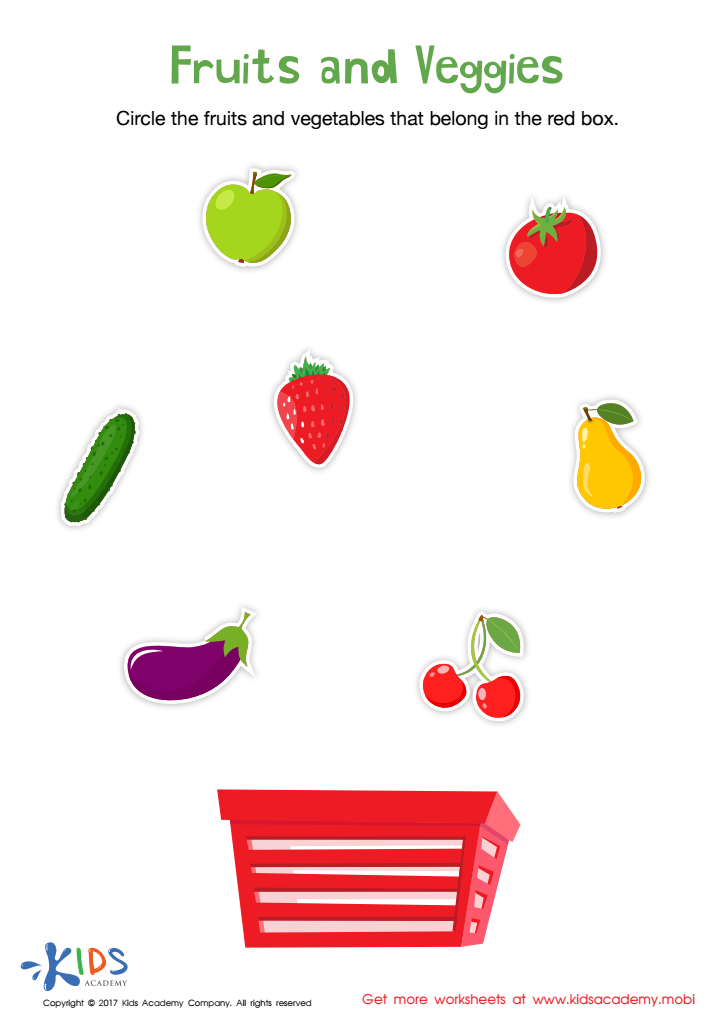
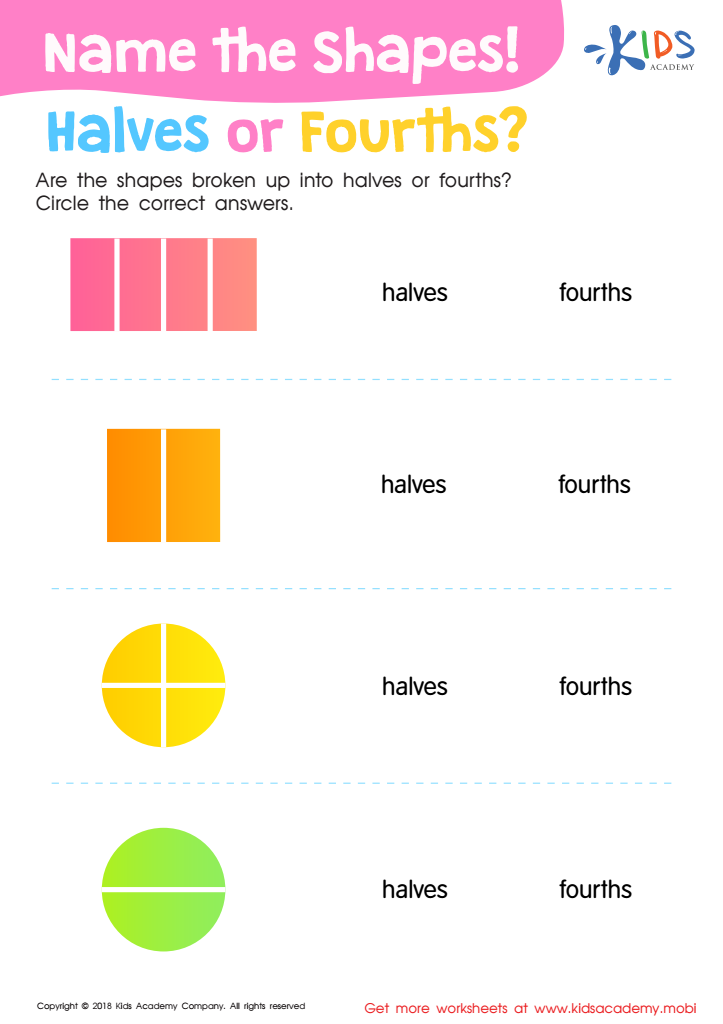
Name the Shapes Halves or Fourths? Worksheet
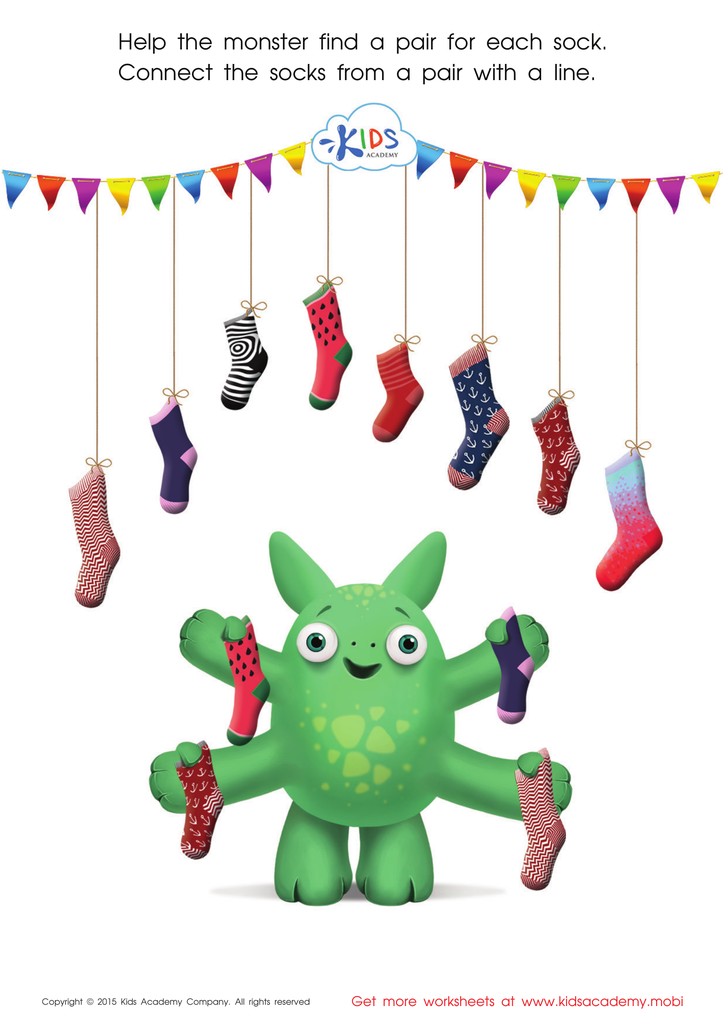
Math Matching Game: Monsterв's Socks Worksheet
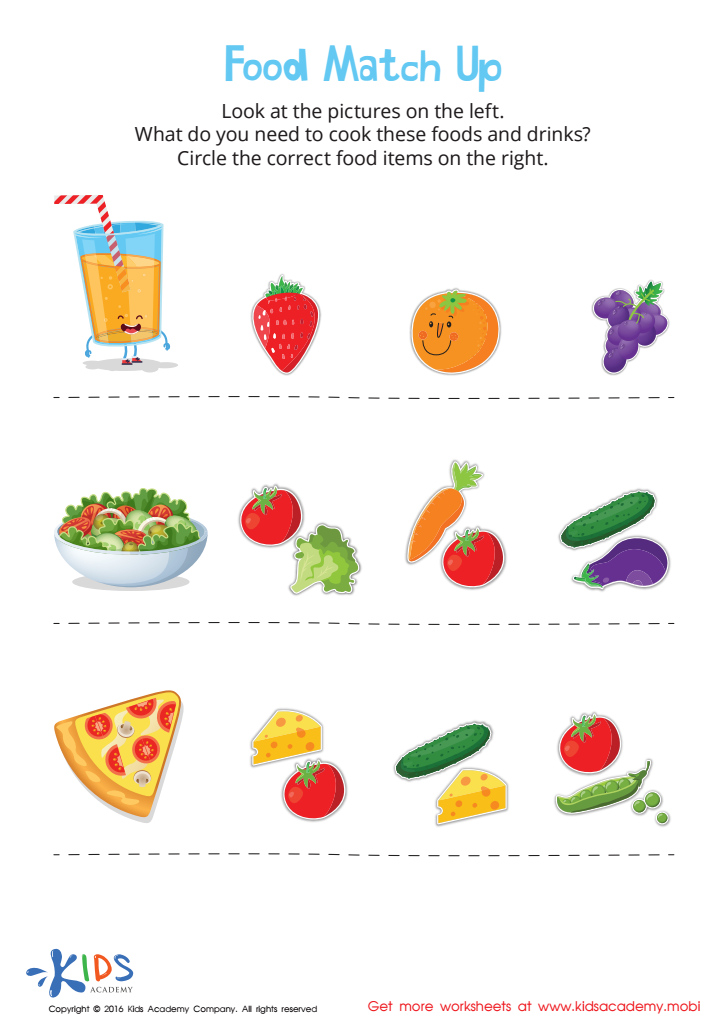
Food Match Up Worksheet
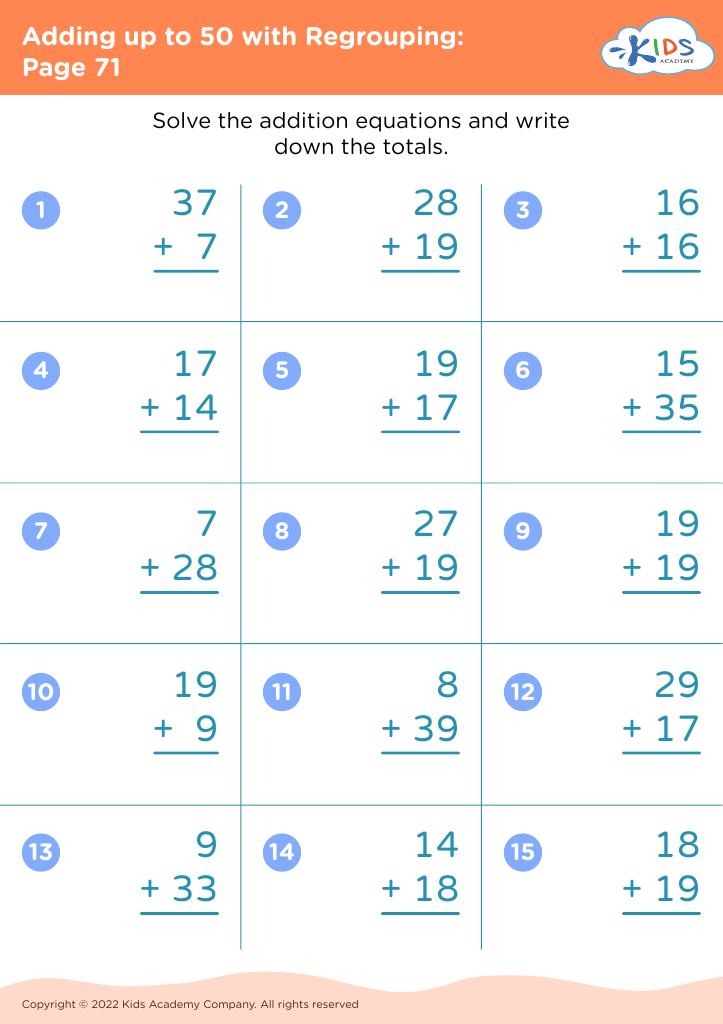
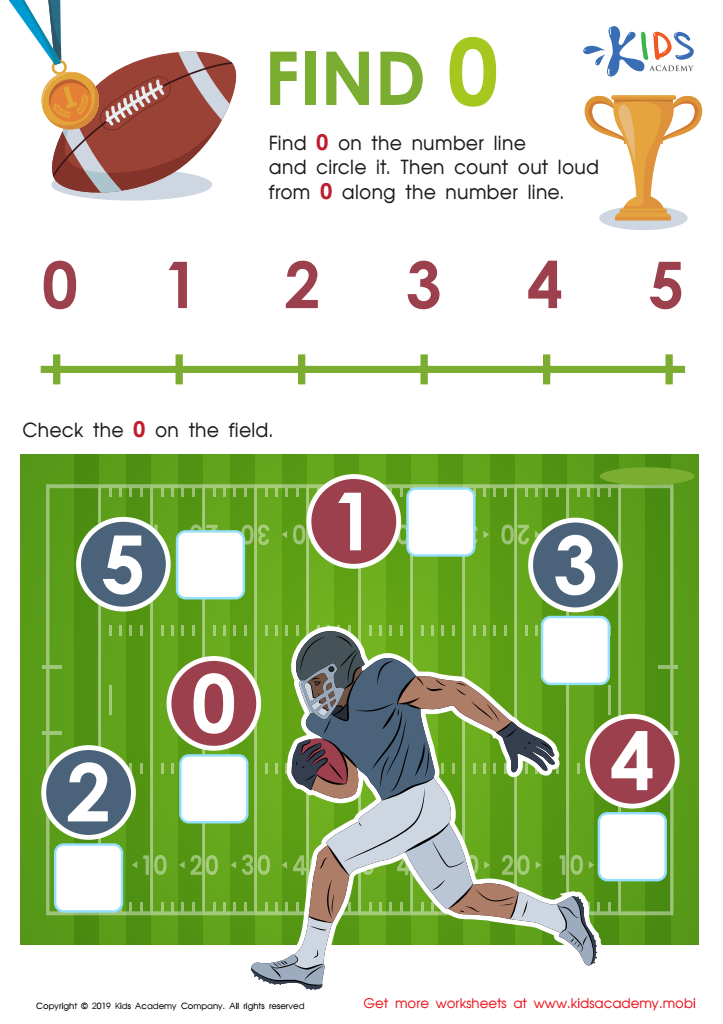
Find 0 Worksheet
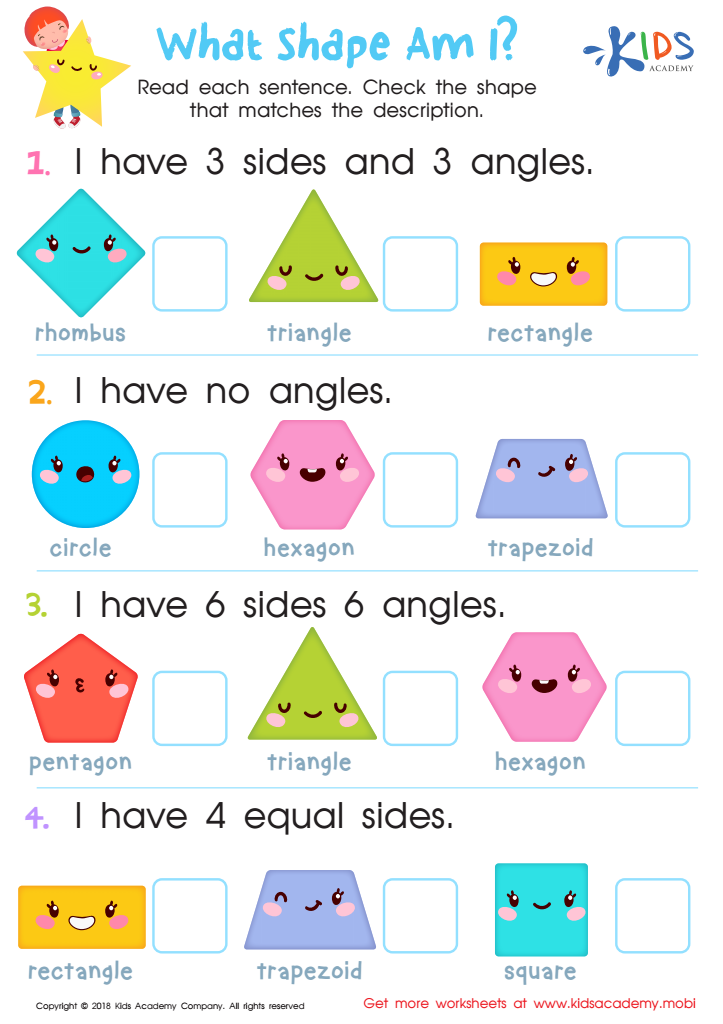
What Shape Am I? Worksheet
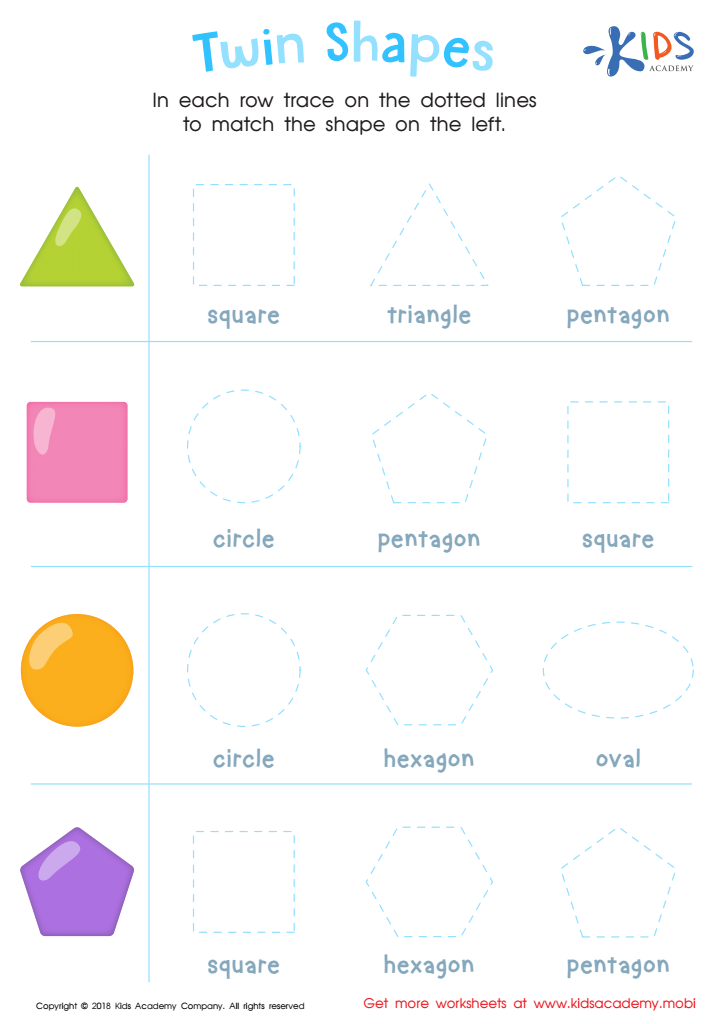
Twin Shapes Dot-to-Dot Worksheet
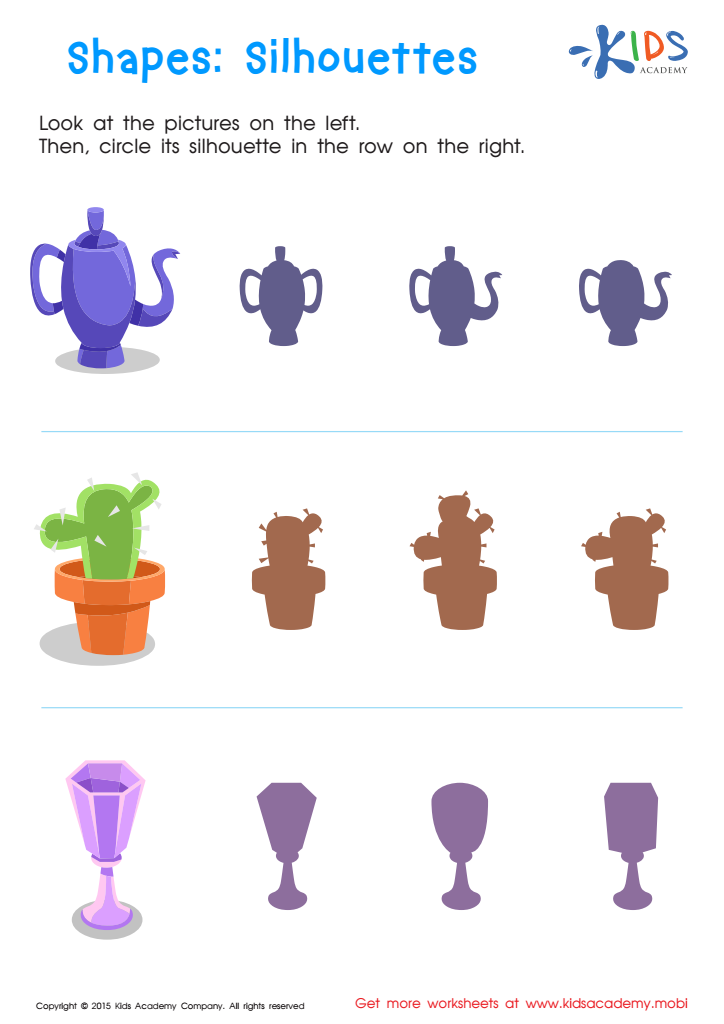
Silhouettes – Shapes Worksheet







Visual discrimination skills are crucial for children ages 4-8 as they lay the foundation for effective learning in mathematics and beyond. Visual discrimination is the ability to notice and compare the features of different items, such as shapes, sizes, colors, patterns, and quantities. This skill is pivotal in identifying numbers, recognizing different mathematical symbols, and distinguishing between various shapes used in geometry.
For young learners, being able to discern subtle differences among visual stimuli can enhance their ability to engage with, and comprehend, more complex mathematical concepts as they progress through school. For instance, distinguishing between a ‘6’ and ‘9’, a ‘+’ and ‘-’, or identifying the differences and similarities among geometric shapes can prevent confusion and build a solid groundwork for future problem-solving.
Furthermore, strong visual discrimination skills support activities that require sorting, classifying, and organizing objects, which are fundamental for developing logical thinking and reasoning. Beyond academics, these skills also translate to real-life situations where interpreting visual information accurately is essential.
Therefore, parents and teachers should prioritize activities that strengthen visual discrimination, such as puzzles, matching games, and pattern activities, as they are not just helpful but necessary for holistic developmental success. Consistent practice can ensure children build the confidence and ability needed for continued learning and everyday tasks.








