Problem-Solving Skills Sorting Worksheets for Ages 4-8
4 filtered results
-
From - To
Enhance your child's critical thinking with our "Problem-Solving Skills Sorting Worksheets" tailored for ages 4-8! Designed to foster cognitive development, these engaging worksheets provide fun activities that teach children how to categorize and sort various items, promoting analytical thinking and creativity. Each worksheet features colorful illustrations and age-appropriate challenges that motivate young learners to solve problems independently. Perfect for use in classrooms or at home, these printable resources offer a structured approach to developing essential life skills. Empower your child to become a confident problem solver today with our innovative sorting worksheets! Start exploring fun learning experiences now!
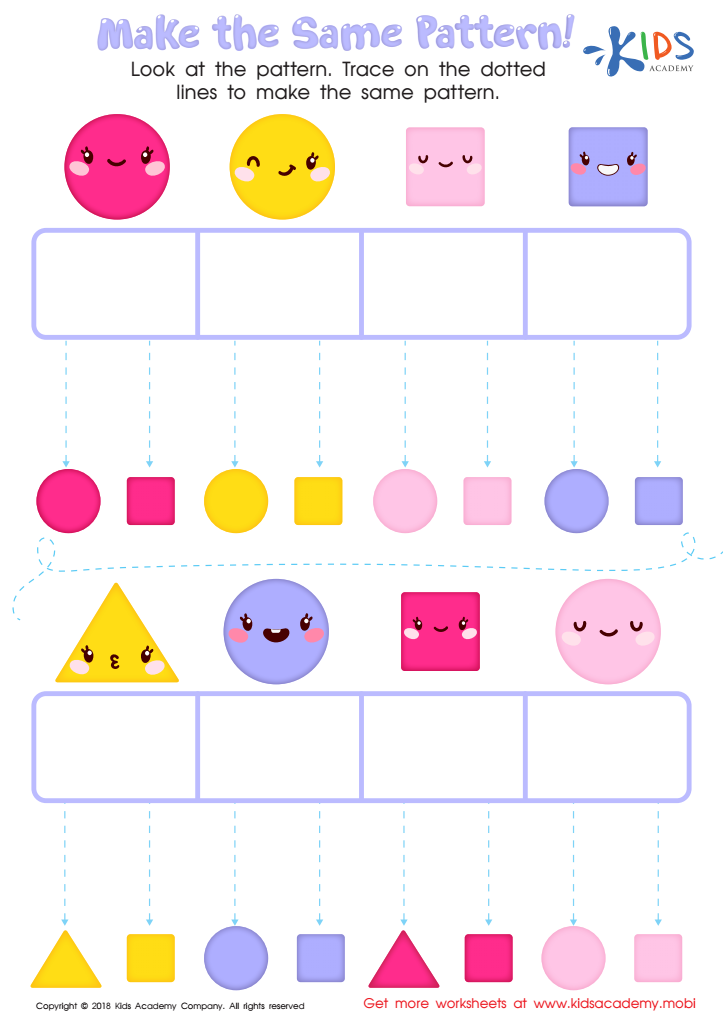
Make the Same Pattern Worksheet
 Assign to My Students
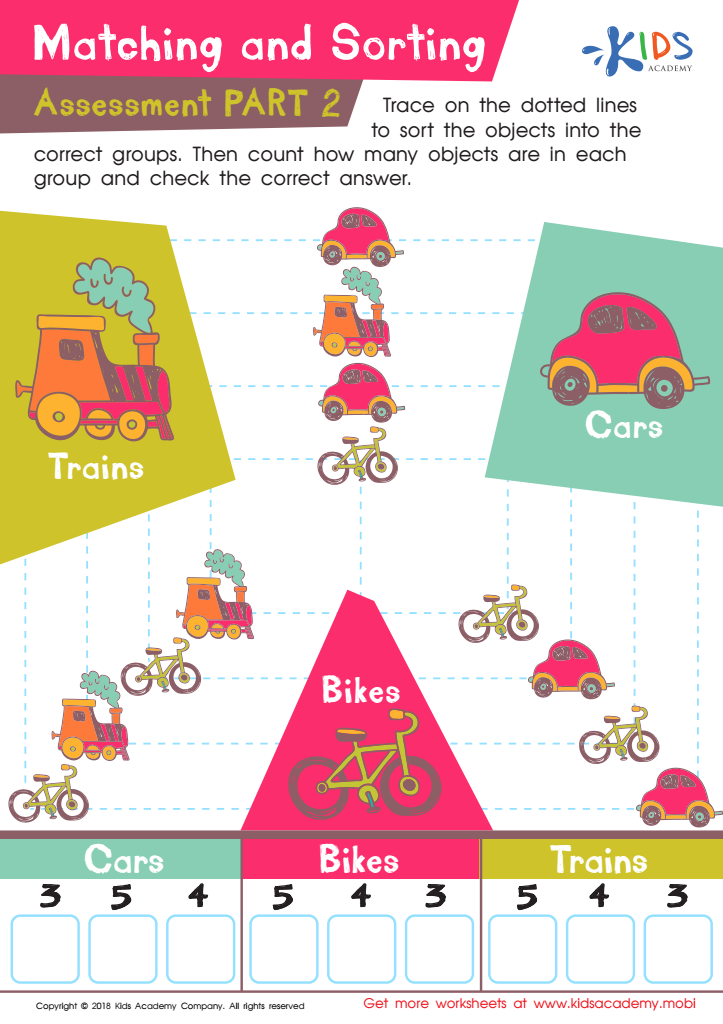
Matching and Sorting for Kindergarten: Assessment 2 Worksheet
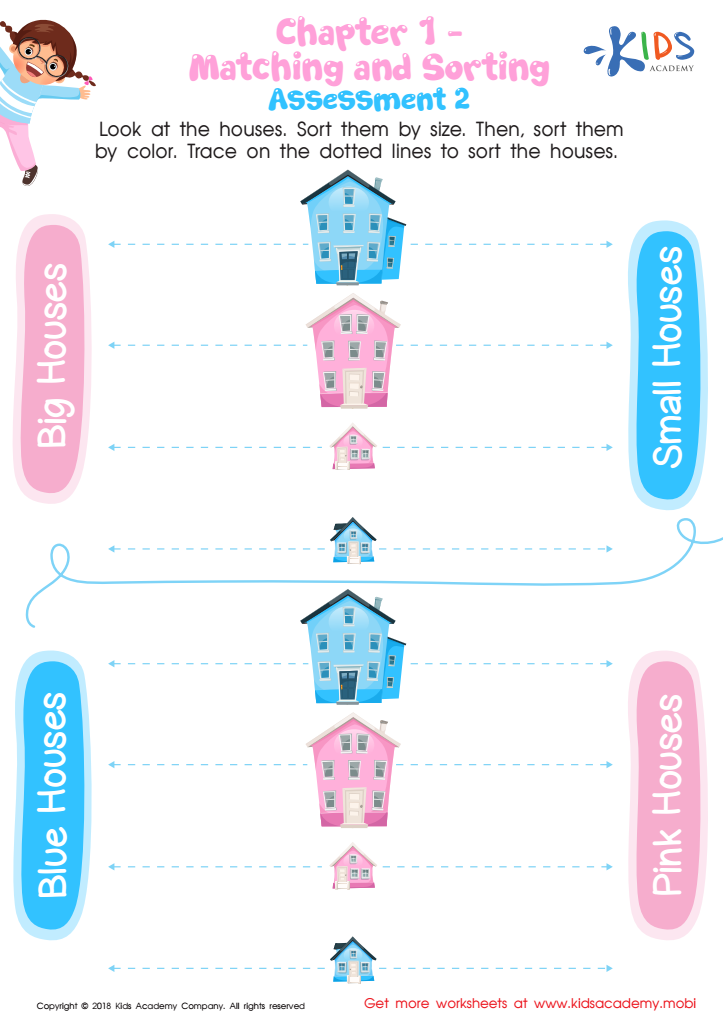
Matching and Sorting for Preschool: Assessment 2 Worksheet
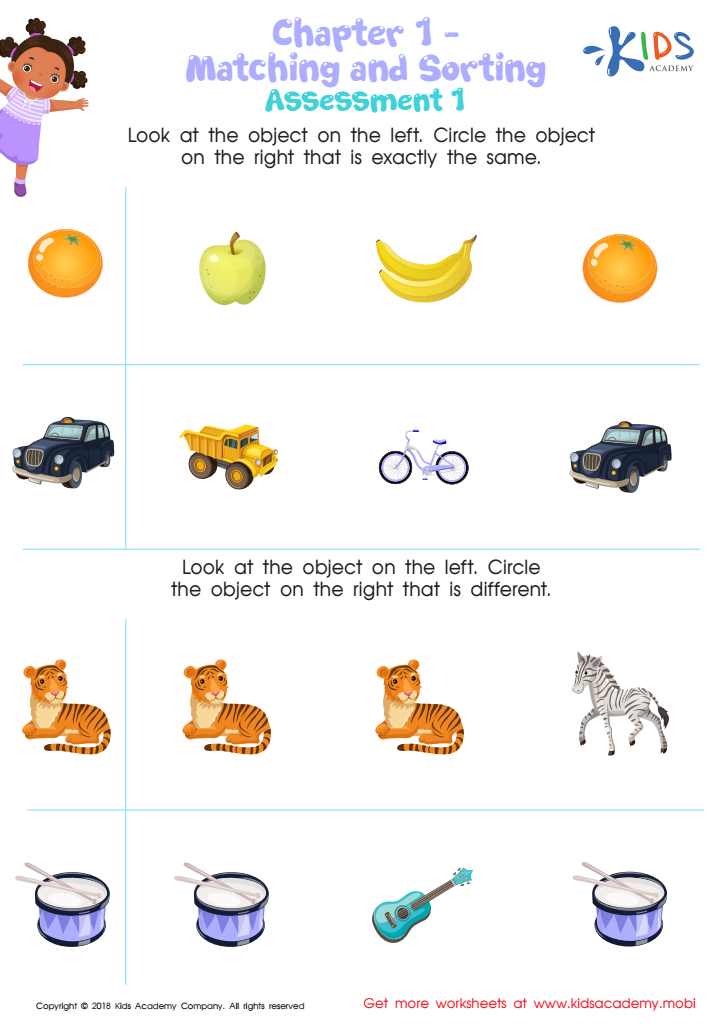
Matching and Sorting for Preschool: Assessment 1 Worksheet





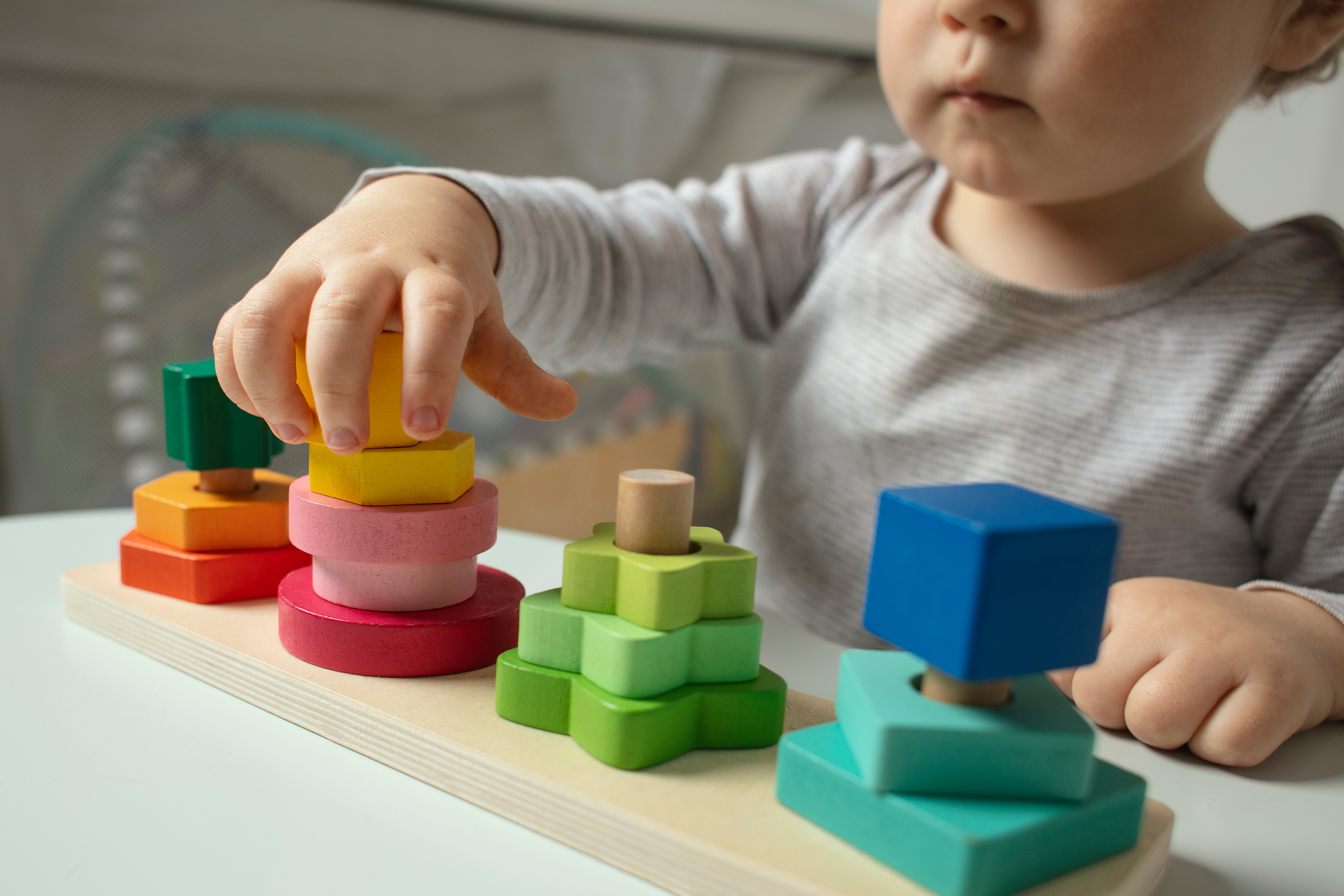


Problem-solving skills are crucial for children aged 4-8 as they lay the foundation for lifelong learning and adaptability. During these formative years, children encounter various challenges that require them to think critically and creatively. Teaching them how to sort problems—such as categorizing items, figuring out solutions to emotional conflicts, or even understanding basic math—encourages logical thinking and enhances their cognitive abilities.
Parents and teachers should care about developing these skills because they promote independence and confidence in young learners. Children who are equipped with effective problem-solving strategies tend to be more resilient and better equipped to navigate social interactions and schooling challenges. Additionally, mastering sorting and categorization can improve language skills, as children learn to articulate their thought processes and express their ideas more clearly.
Engaging in problem-solving activities fosters collaboration and communication among peers, essential social skills that will benefit children throughout their lives. By encouraging problem-solving in daily activities, such as puzzles or simple household tasks, adults can nurture curiosity and a love for learning. Ultimately, prioritizing problem-solving skills helps prepare children not just for academic success, but for life beyond the classroom.








