Counting skills Reading Worksheets for Ages 4-8 - Page 2
35 filtered results
-
From - To
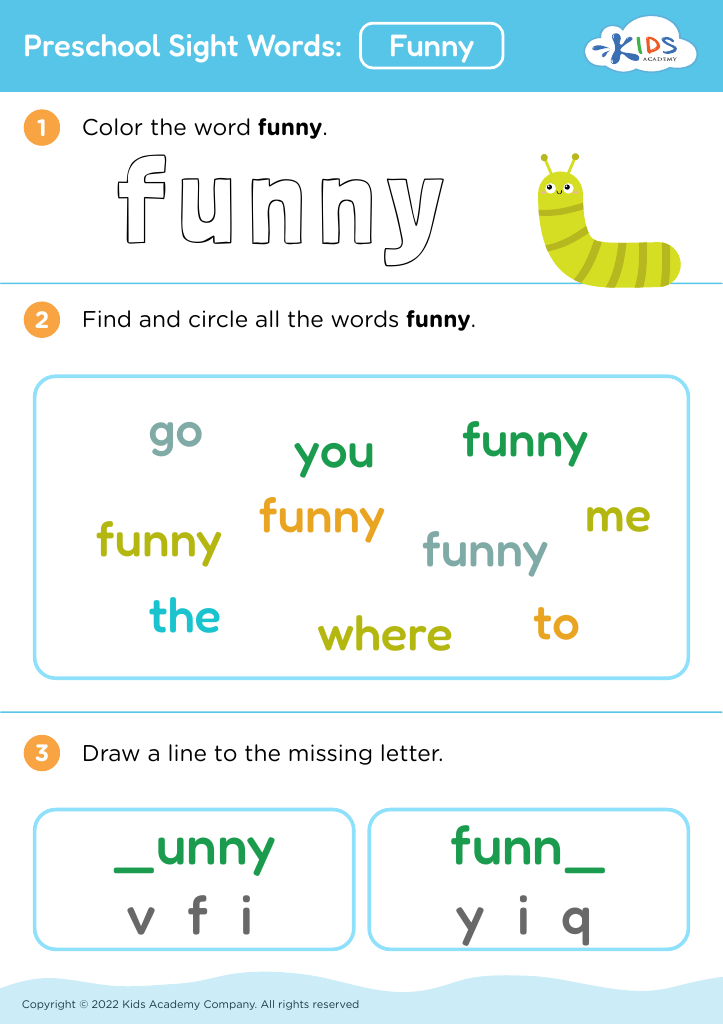
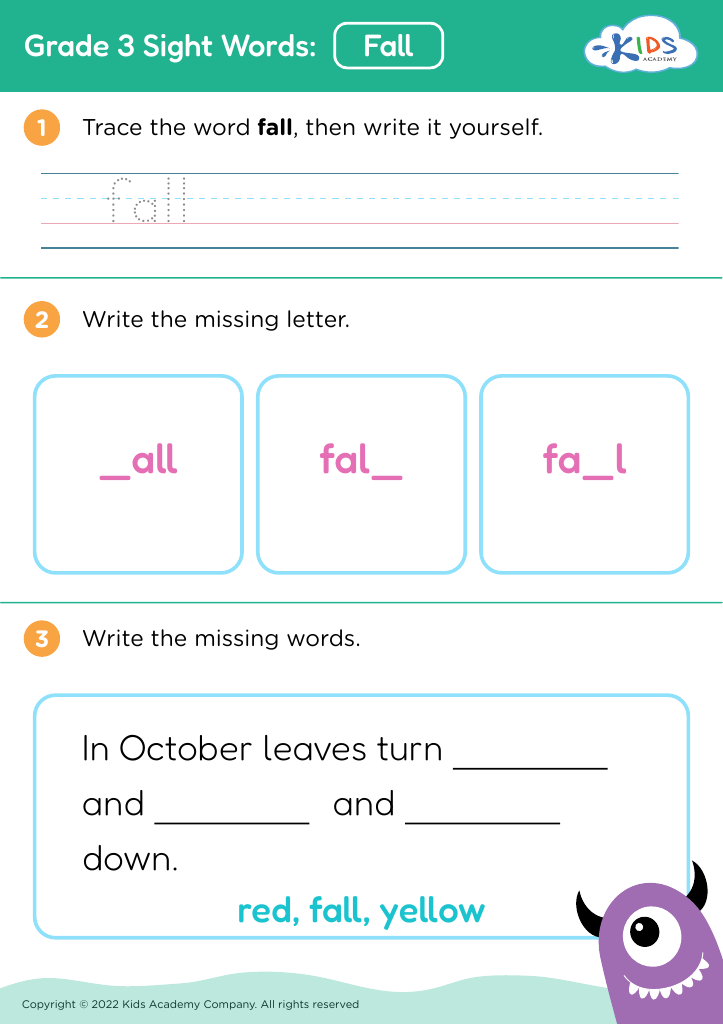
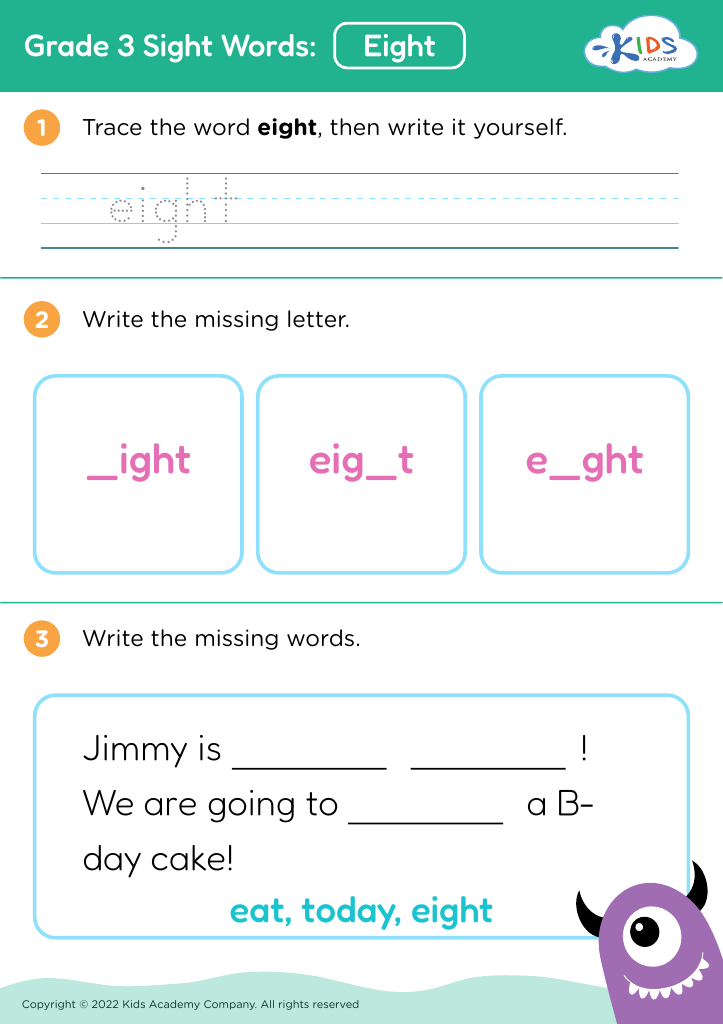
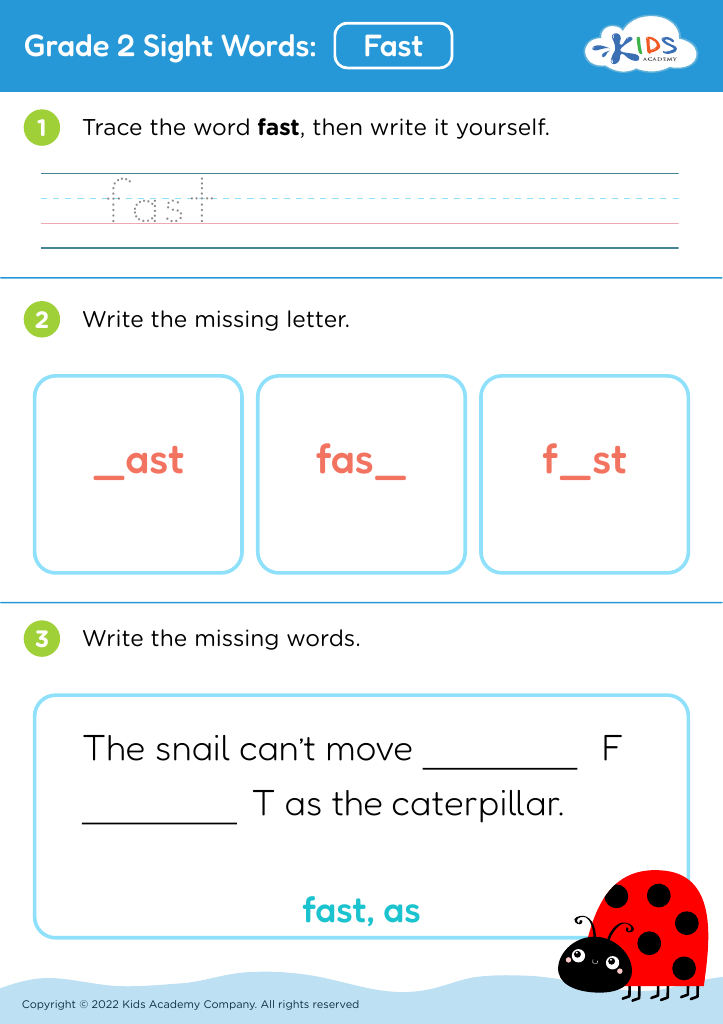
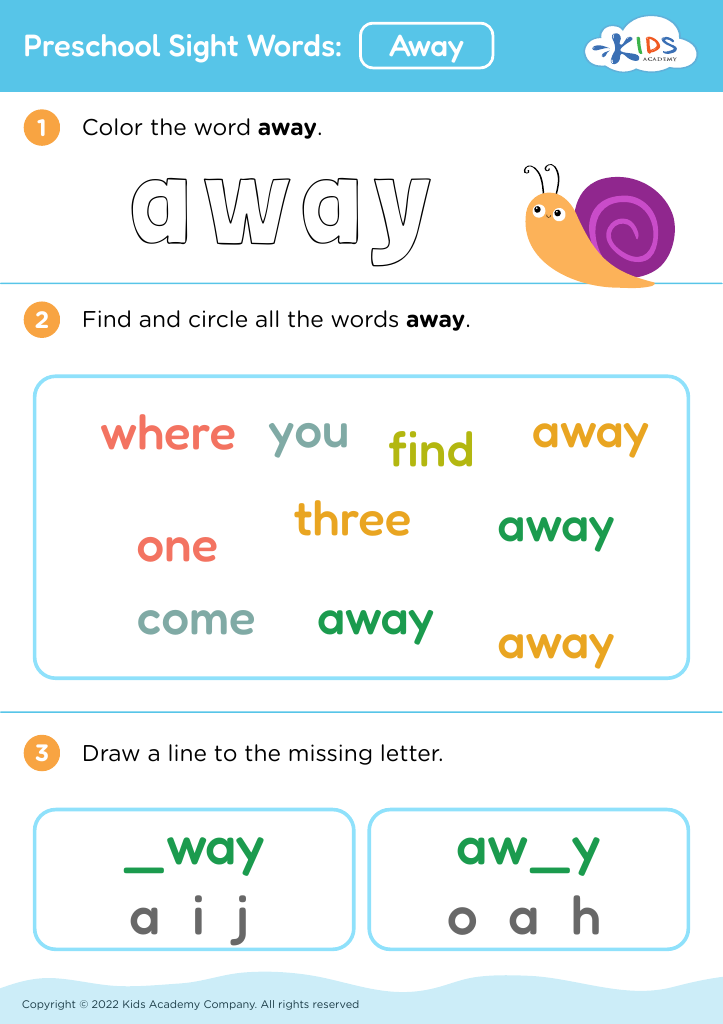
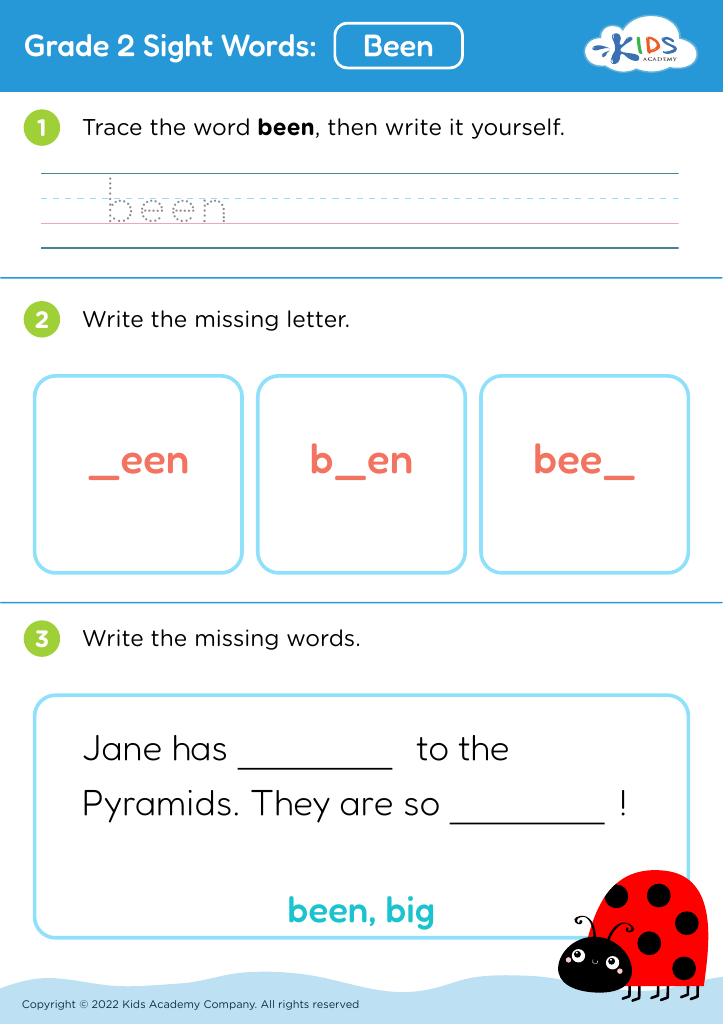
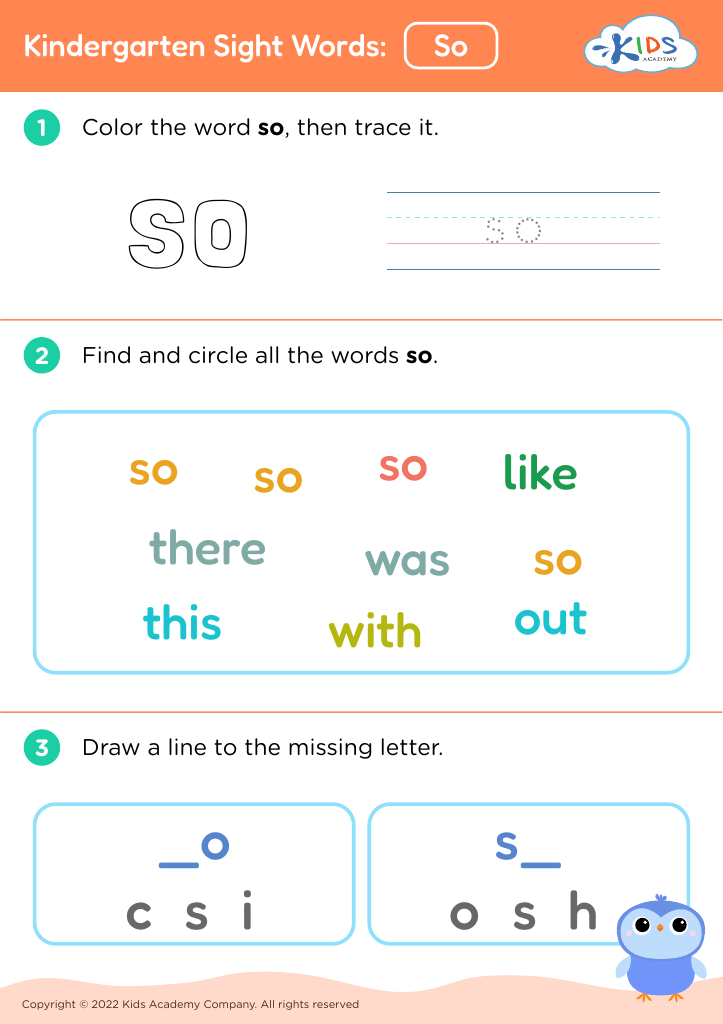
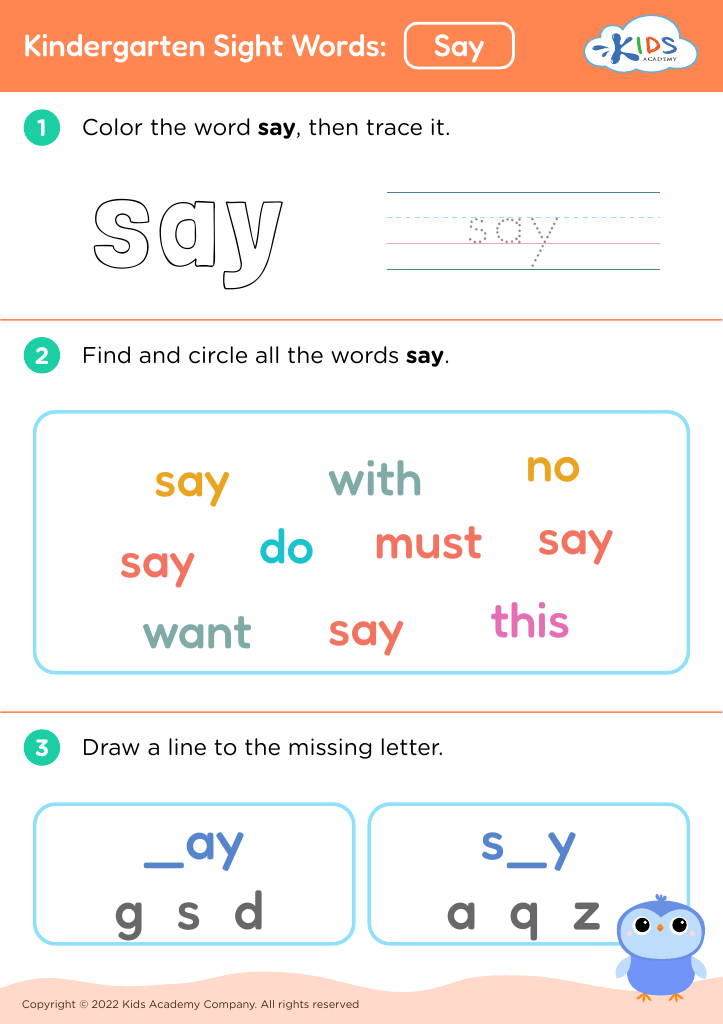
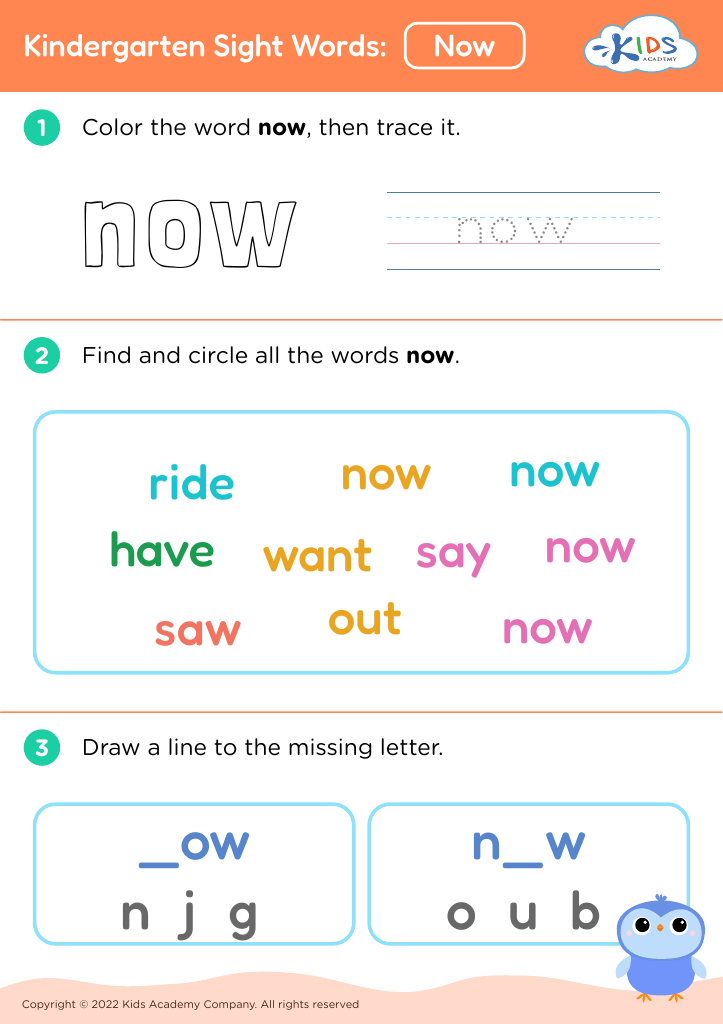
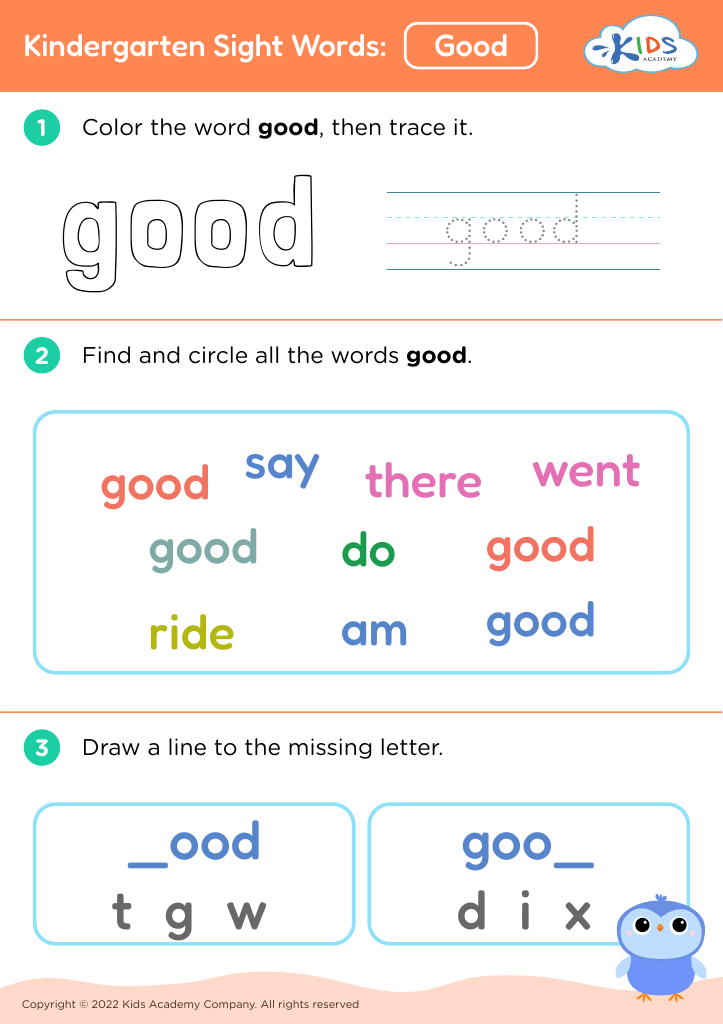
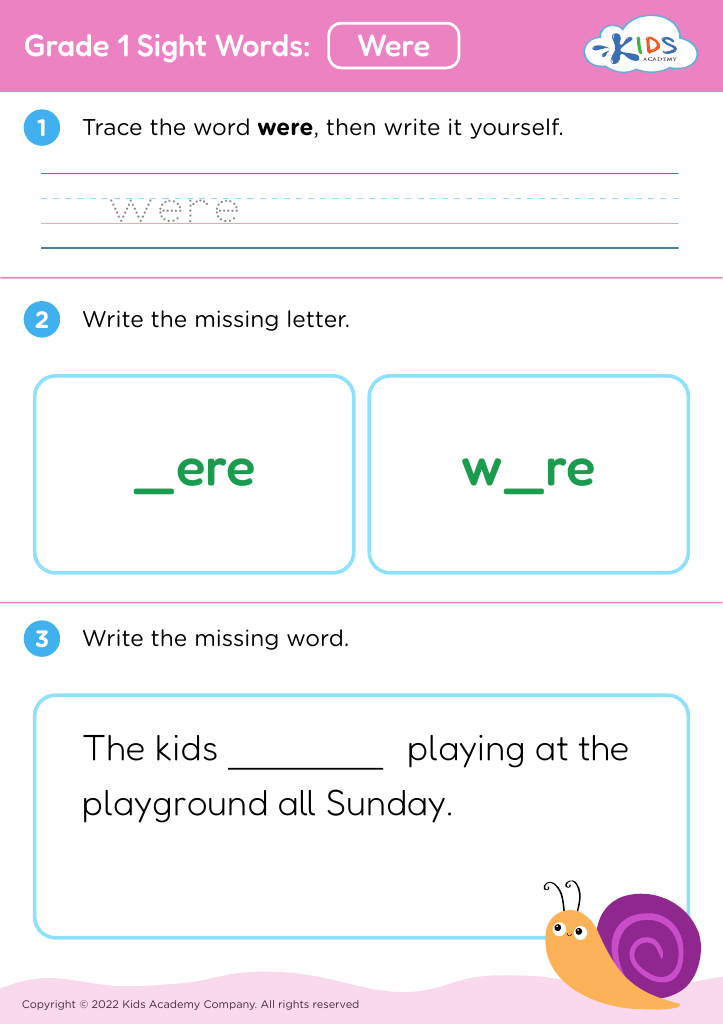








Counting skills and reading abilities form the backbone of a child's early education, serving as foundational elements for future academic success and everyday functioning. For children aged 4-8, developing these skills is crucial for cognitive growth, problem-solving, and overall literacy.
Counting skills are more than just memorizing numbers; they introduce basic math concepts such as addition, subtraction, understanding quantities, and recognizing patterns. These skills support logical thinking and pave the way for more complex mathematical learning. Early proficiency in counting can boost a child's confidence and set a positive foundation for their relationship with math throughout their schooling years.
Reading, on the other hand, is equally significant. Early reading skills encompass vocabulary development, comprehension, and phonemic awareness, allowing children to decode words, understand meaning, and engage with text. Reading at a young age encourages a love for books and learning, fostering imagination and critical thinking skills. Proficient readers are better equipped to understand instructions, grasp new information, and perform well academically across various subjects.
Parents and teachers play a pivotal role in nurturing these abilities by providing a stimulating environment rich in books, engaging math-related activities, and consistent encouragement. Prioritizing counting skills and reading now opens doors to lifelong learning and achievement, making these early years both valuable and transformative.








