Fraction simplification Reading Worksheets for Ages 4-8
16 filtered results
-
From - To
Enhance your child's reading and math skills with our engaging Fraction Simplification Reading Worksheets, designed for ages 4-8! These interactive worksheets combine literature and numerical concepts, making learning fractions fun and accessible. Each activity guides young learners through simple fraction problems while honing their reading comprehension skills. Featuring colorful illustrations and age-appropriate exercises, our resources promote a clear understanding of fraction simplification. Perfect for classrooms or at-home learning, these worksheets encourage critical thinking and foster a love for learning. Discover an enriching educational experience and help your child build confidence in their math abilities today!
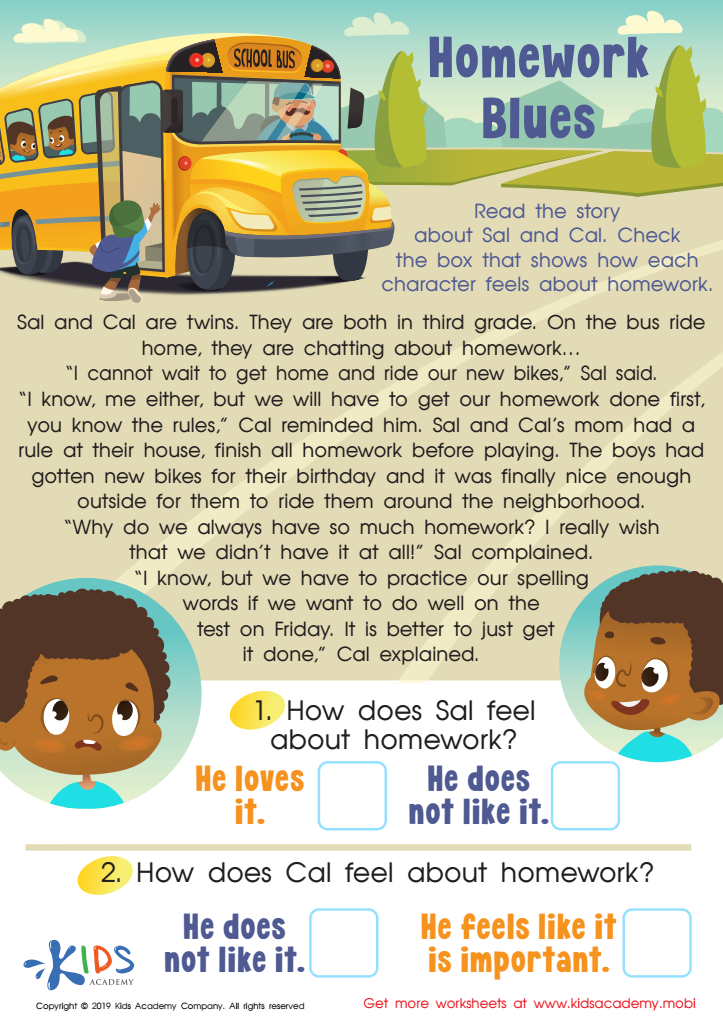
Homework Blues Worksheet
 Assign to My Students
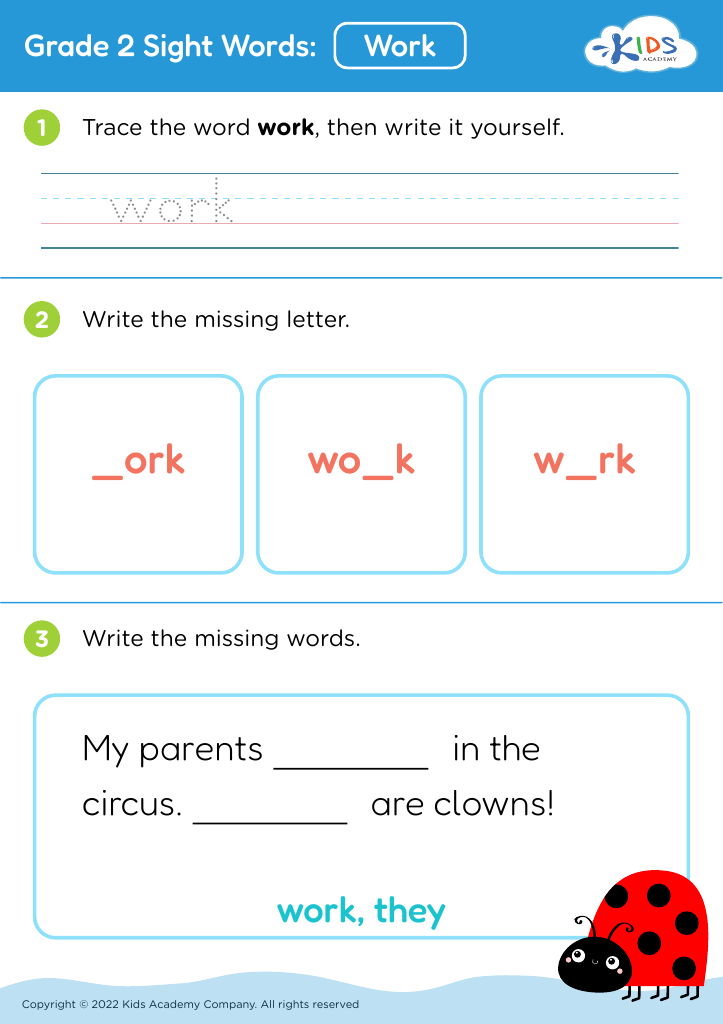
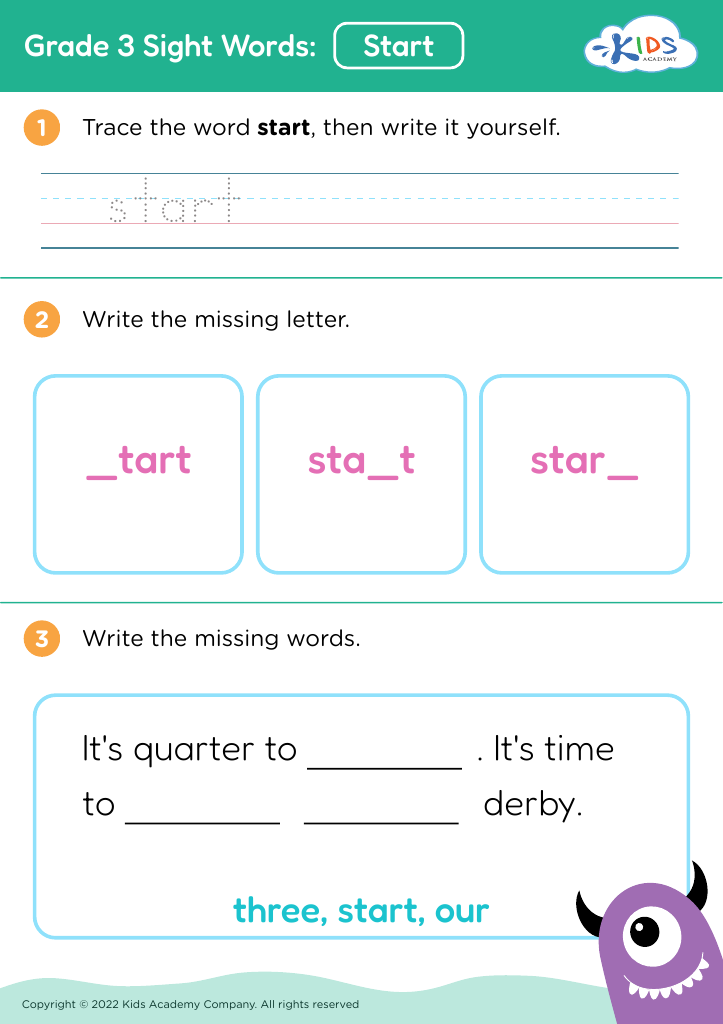
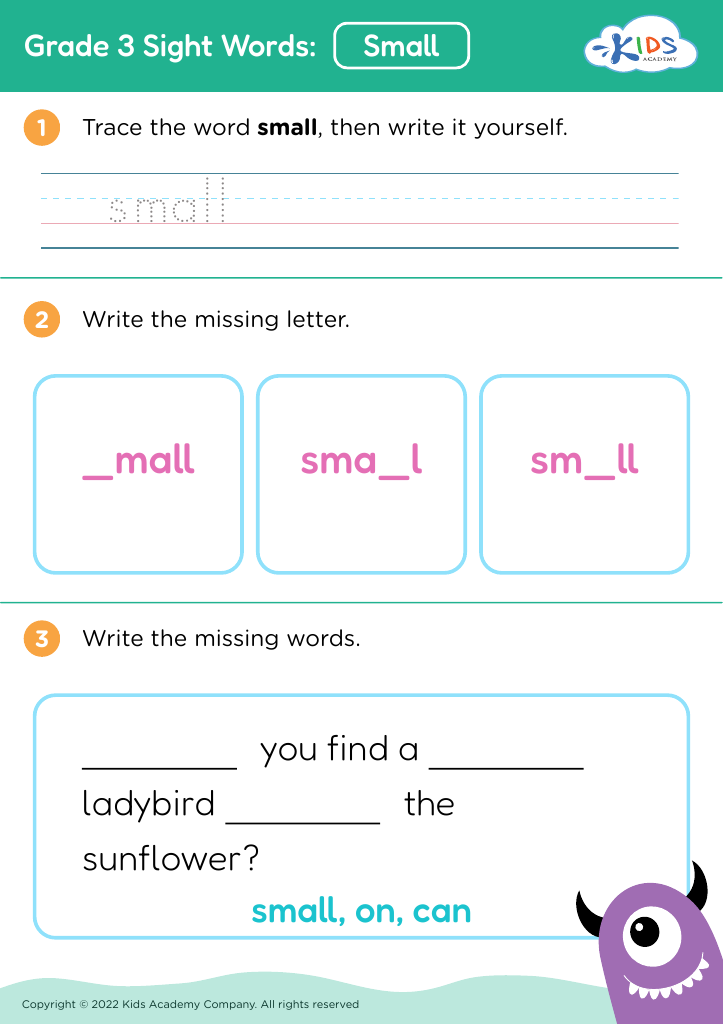





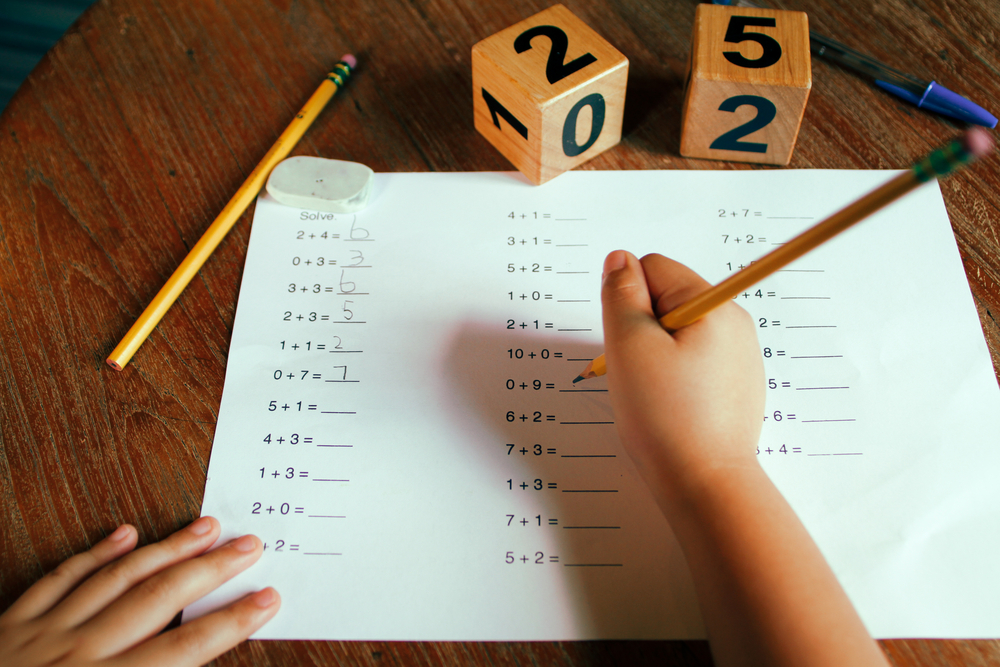


Understanding fraction simplification is crucial for children ages 4-8 as it lays the foundation for essential math skills later in life. For parents and teachers, focusing on this concept enhances children's numerical fluency and problem-solving capabilities.
At a young age, children are naturally curious! Introducing them to fractions through fun activities like cooking, sharing pizza, or measuring can make learning relatable. Simplifying fractions introduces critical thinking, allowing kids to recognize patterns, develop logic skills, and understand proportions—key elements in many real-world situations.
Additionally, this foundational knowledge fosters confidence in math, diminishing anxiety around the subject as children progress through grades. Engaging with fractions prepares them for more complex mathematical concepts they will encounter in higher grades, such as ratios, percentages, and algebra.
Furthermore, a strong grasp of fraction simplification promotes collaboration and communication skills among peers, as children compare and discuss their solutions—an important life skill. Adapting reading materials, activities, and games to include fraction concepts also helps in bridging literacy and numeracy, enhancing overall cognitive growth. Thus, prioritizing fraction simplification in early education is not just beneficial; it is imperative for holistic development in young learners.








