Understanding habitats Reading Worksheets for Ages 4-8
3 filtered results
-
From - To
Dive into the fascinating world of animal habitats with our "Understanding Habitats Reading Worksheets" for ages 4-8. These engaging worksheets will spur curiosity and foster a love for reading as children explore different environments where animals live. Each carefully crafted worksheet aims to build foundational reading skills while enriching knowledge about deserts, forests, oceans, and more. Through fun and interactive exercises, young learners will not only improve their reading comprehension but will also gain a deeper understanding of the diverse habitats that make up our planet. Perfect for classroom use or homeschooling, these worksheets offer a well-rounded educational experience.
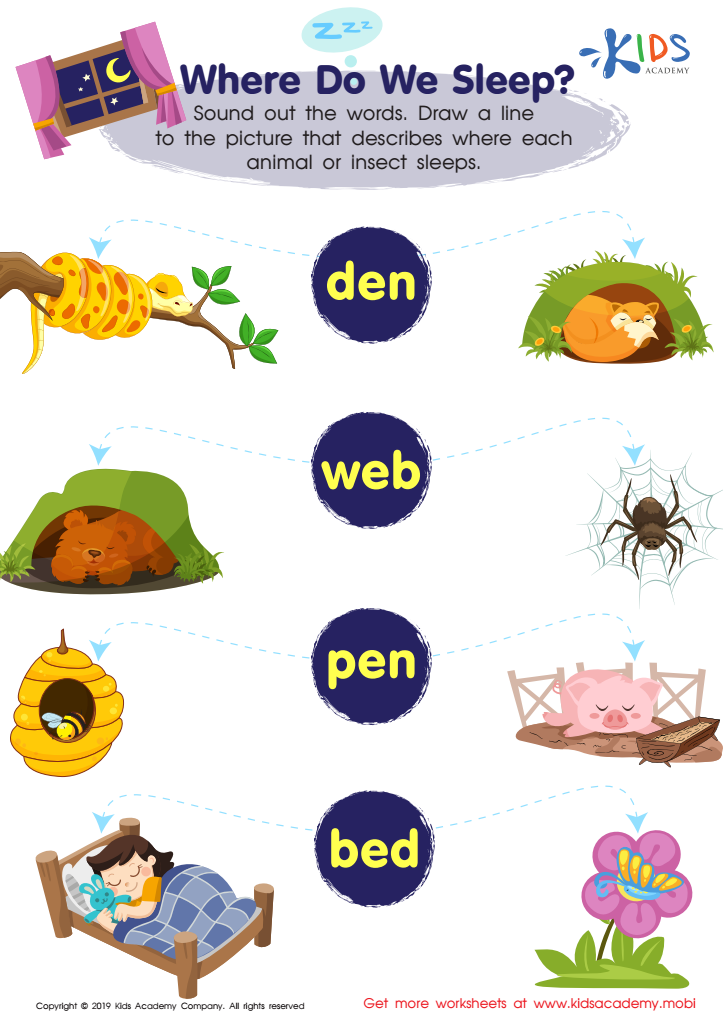
Where Do We Sleep Worksheet
 Assign to My Students
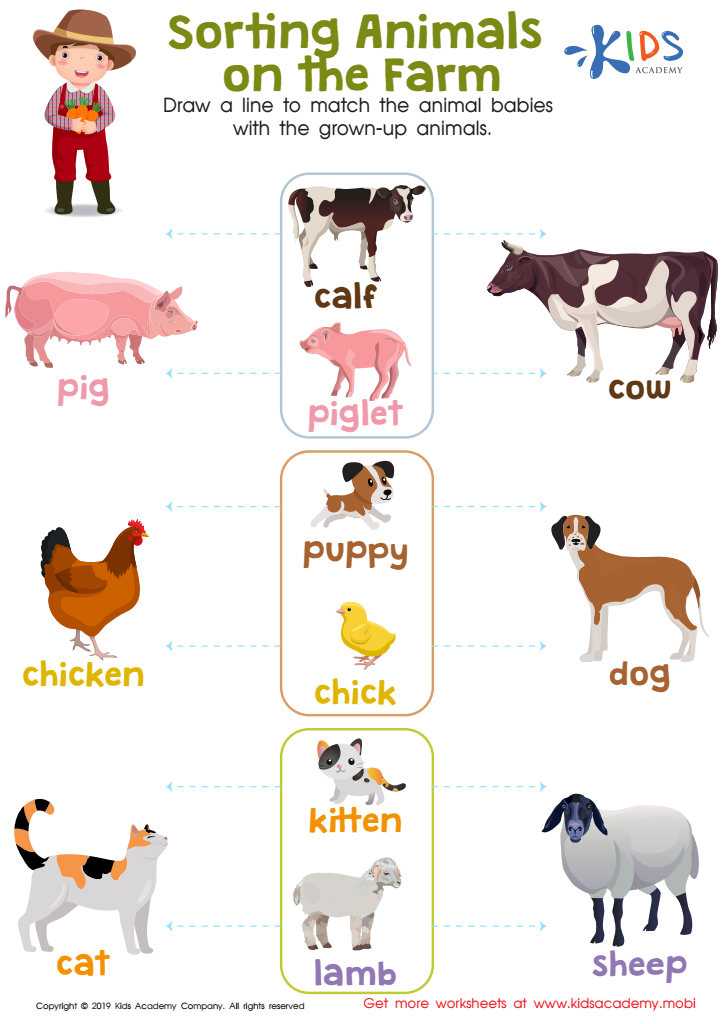
Sorting Animals on the Farm Worksheet






Understanding habitats is crucial for young children aged 4-8 as it lays the foundation for environmental awareness and appreciation. During these formative years, children are naturally curious and open to learning about the world around them. By engaging with reading materials about different habitats, children gain insights into the diversity of life and the importance of various ecosystems. This knowledge fosters a sense of respect and responsibility for nature.
Moreover, familiarizing children with habitats helps them understand where animals and plants live and how they survive, which can be both educational and thrilling. As children learn about forests, oceans, deserts, and wetlands, they develop critical thinking and vocabulary skills. The discussion of various ecosystems also opens opportunities for children to enhance their understanding of geography, biology, and earth sciences.
From a social-emotional perspective, learning about habitats encourages empathy and kindness by showing how all creatures are interconnected and dependent on each other for survival. Parents and teachers can promote outdoor activities, storytelling, and creative projects based on habitats to keep children engaged and motivated.
In summary, emphasizing the understanding of habitats for young children ignites their curiosity, builds essential academic skills, and cultivates an early appreciation and respect for the environment.








