
Understanding multiplication Reading Worksheets for Ages 4-8
5 filtered results
Difficulty Level
Grade
Age
-
From - To
Subject
Activity
Standards
Welcome to our "Understanding Multiplication Reading Worksheets" for ages 4-8! These engaging worksheets are designed to introduce young learners to essential multiplication concepts through fun and interactive reading activities. Ideal for early grades, our resources combine vivid illustrations with simple explanations to captivate young minds and enhance comprehension. Children will learn multiplication basics while developing vital reading skills, making connections between numbers and language. Perfect for homeschooling and classroom settings, these worksheets promote analytical thinking and reinforce math vocabulary. Help your child build a strong foundation in multiplication with our comprehensive and enjoyable reading exercises, tailored specifically for their age group! Explore today!
Favorites
With answer key
Interactive
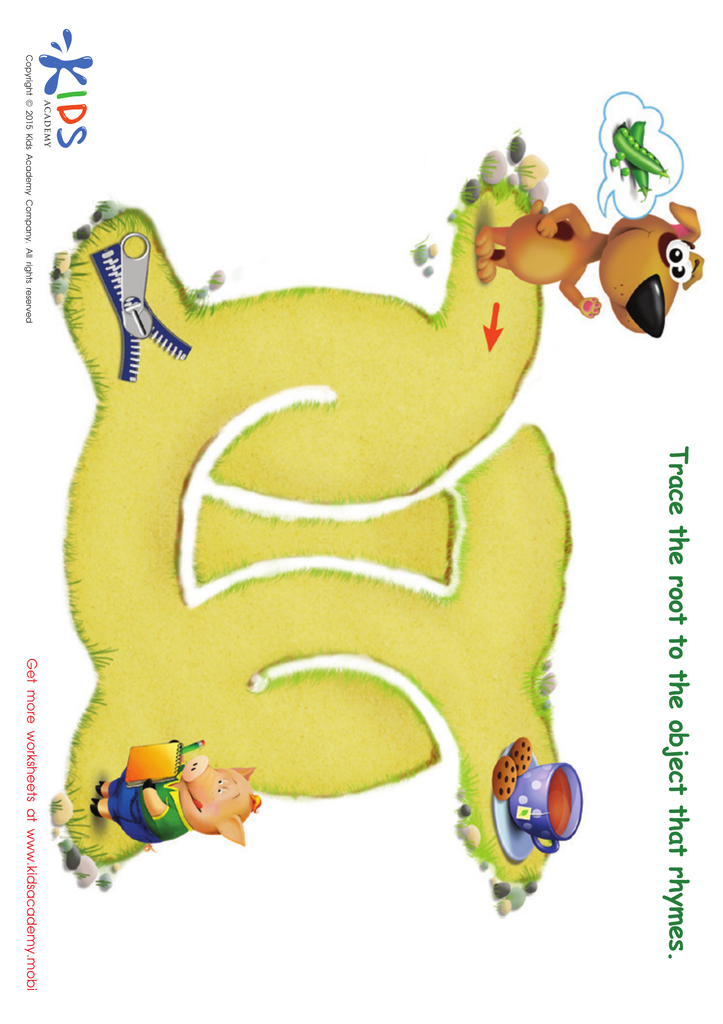
Pea Rhyming Words Worksheet
Check out our free printable worksheet that helps kids learn new words through rhyming. Your child needs to trace the root between the rhyming words and remember them better. Enjoy learning!
Pea Rhyming Words Worksheet
Worksheet
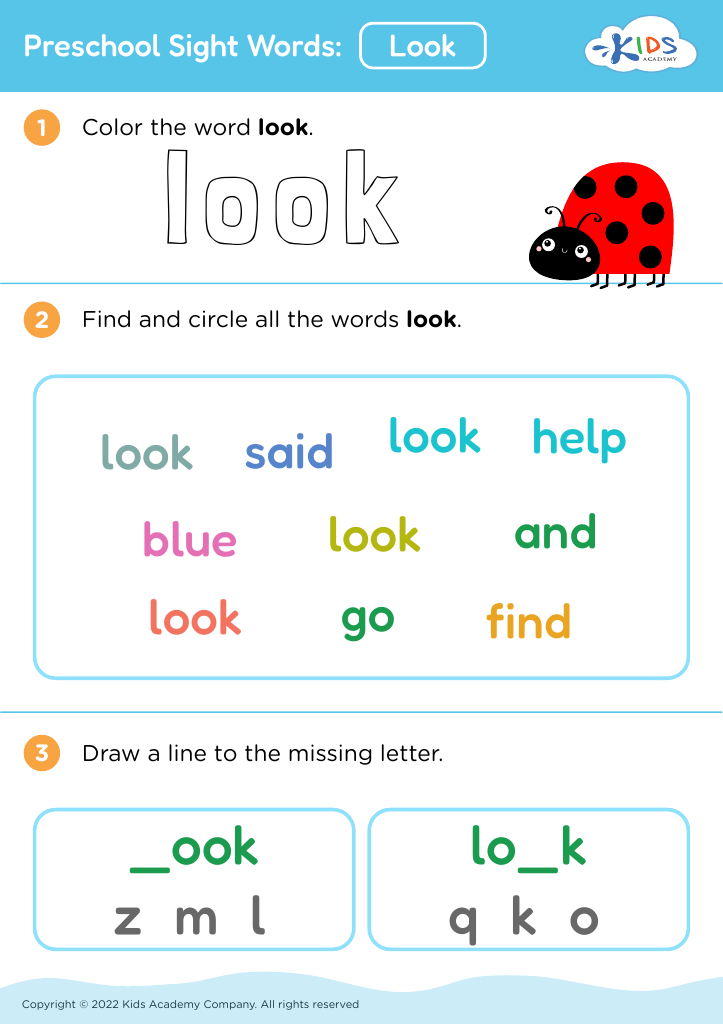
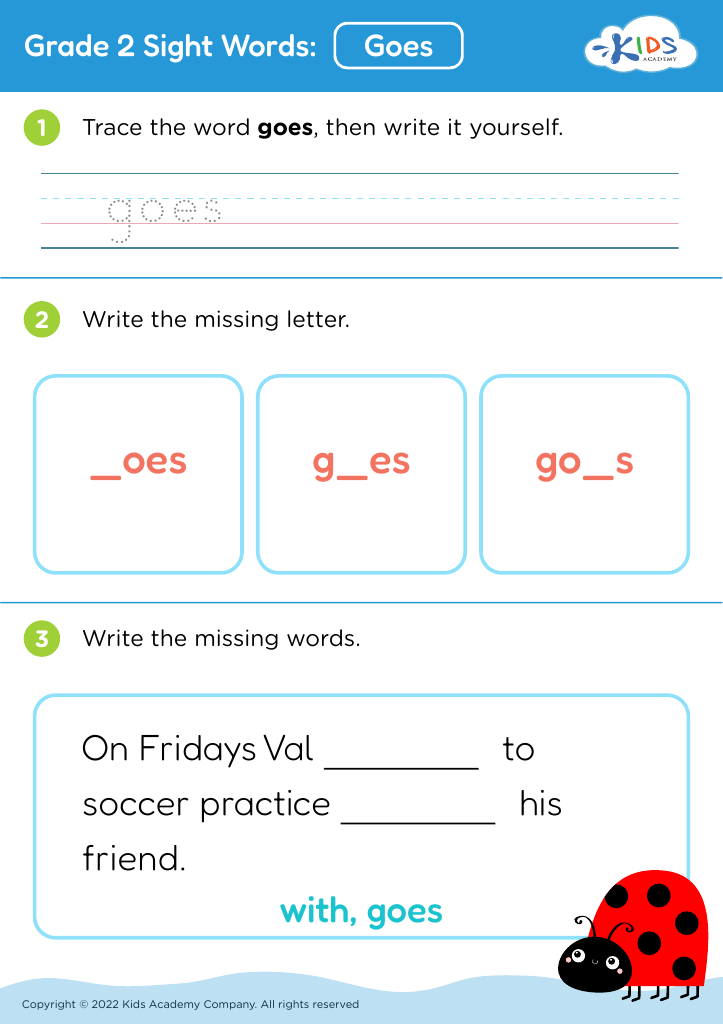
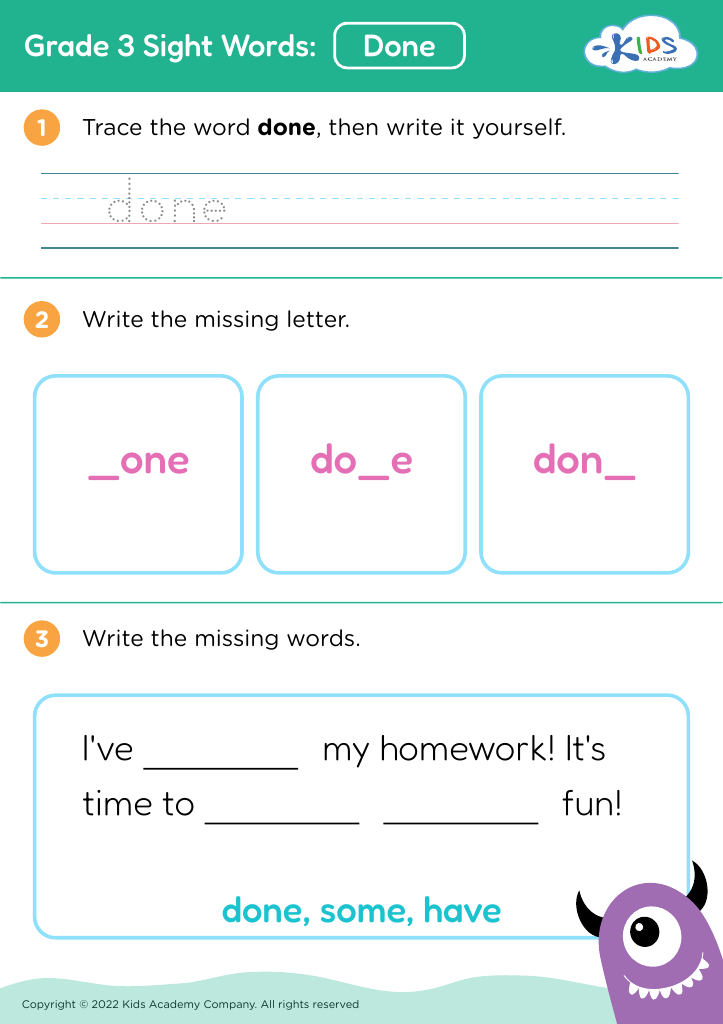
Join Kids Academy for Free
Who is primarily going to use this learning content?






Understanding multiplication from an early age is crucial for children aged 4-8, as it lays the foundation for their future mathematical skills. During these formative years, children are naturally curious and capable of grasping new concepts, making it the perfect time to introduce the idea of multiplication as repeated addition or grouping.
When parents and teachers prioritize understanding multiplication, they promote not only numeracy but also critical thinking and problem-solving skills. Early exposure to multiplication helps children develop number sense, enabling them to manipulate numbers confidently and efficiently. This is particularly beneficial as they progress to more complex mathematical operations.
Moreover, a strong grasp of multiplication boosts a child's self-esteem and fosters an enjoyment of math, reducing anxiety associated with the subject later on. Engaging methods, such as storytelling or games, can make learning multiplication enjoyable, reinforcing the connection between math and everyday life.
Ultimately, early multiplication literacy equips children with the tools they need for academic success, making it an essential focus for educators and parents alike. By emphasizing this concept, they empower children to approach mathematical challenges with curiosity and resilience.








