Critical thinking skills Reading Comprehension Worksheets for Ages 4-8
6 filtered results
-
From - To
Expand young minds with our Critical Thinking Skills Reading Comprehension Worksheets for Ages 4-8! Tailored to nurture cognitive development, these engaging resources bolster essential skills in young readers, fostering critical thinking, problem solving, and creativity. Our worksheets provide thought-provoking content that enriches vocabulary, improves sentence structure, and enhances comprehension. With a variety of fun and interactive exercises, children eagerly explore stories while developing the analytical skills needed for lifelong learning. Perfect for classroom or home use, these printable worksheets offer a balanced challenge, ensuring that reading remains exciting and educational. Start your child's critical thinking journey today!
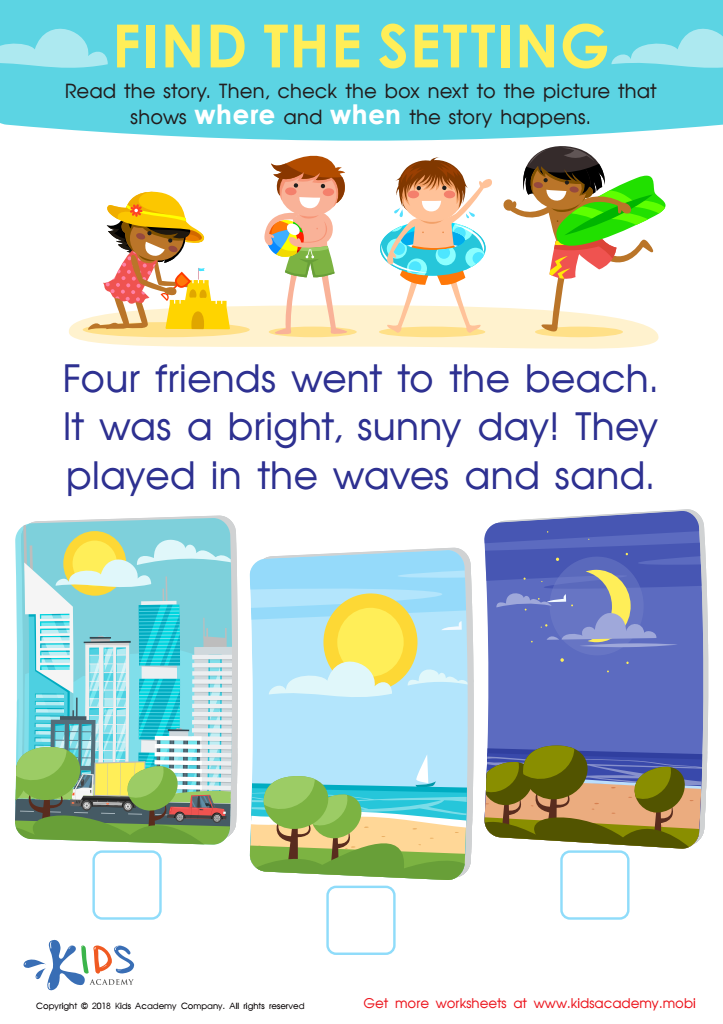
Find the Setting Worksheet
 Assign to My Students
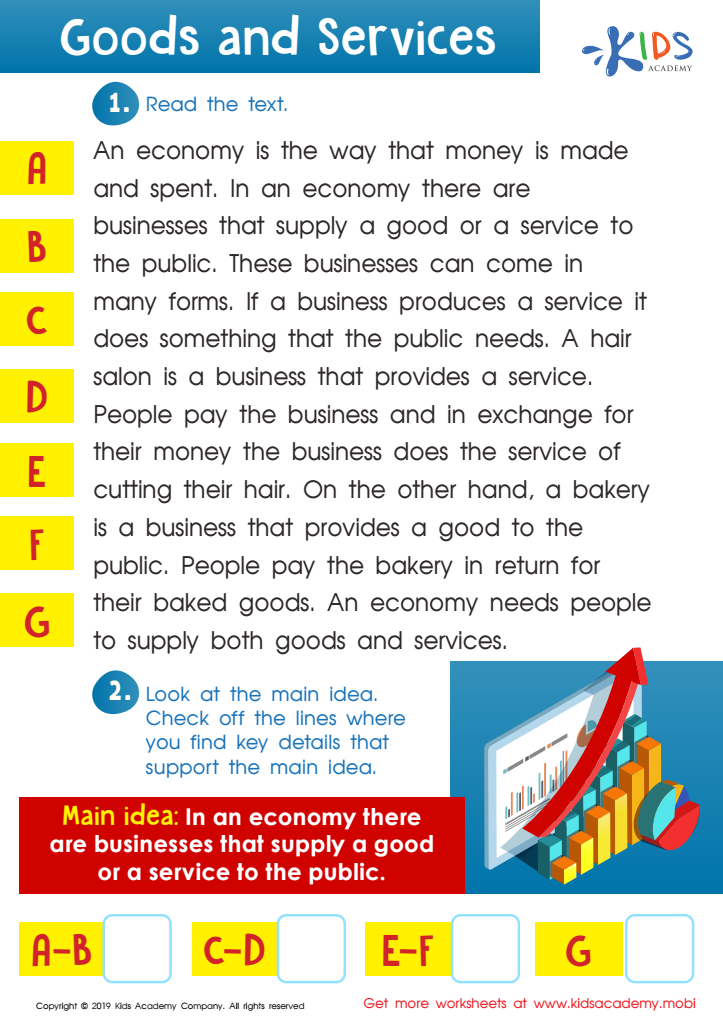
Goods and Services Worksheet
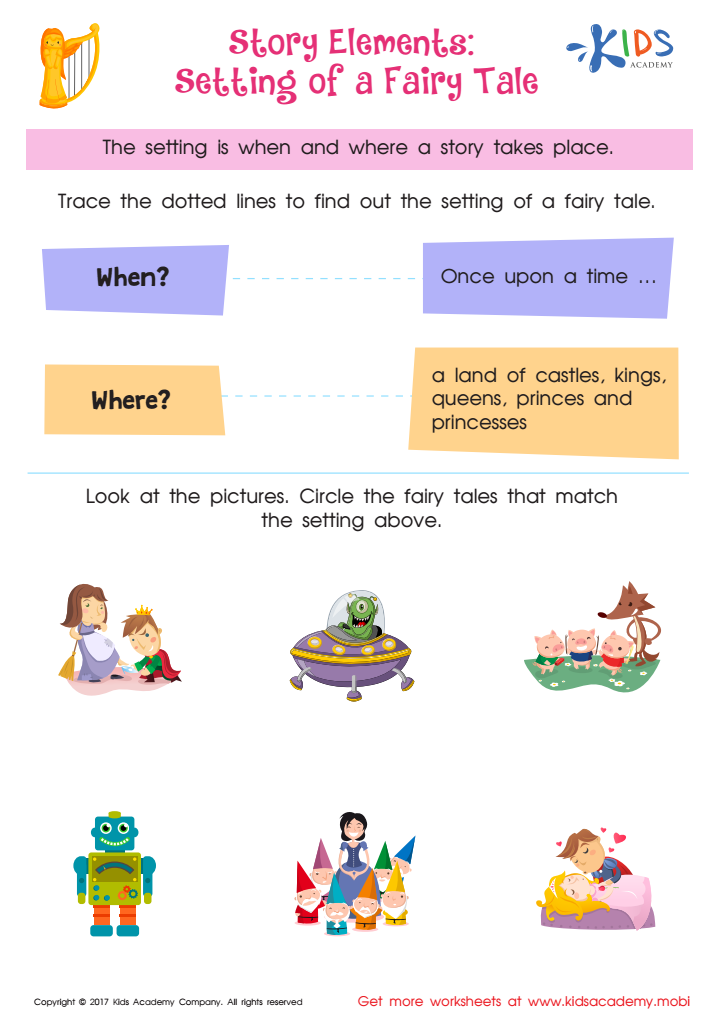
Story Elements: Setting of a Fairy Tale Printable
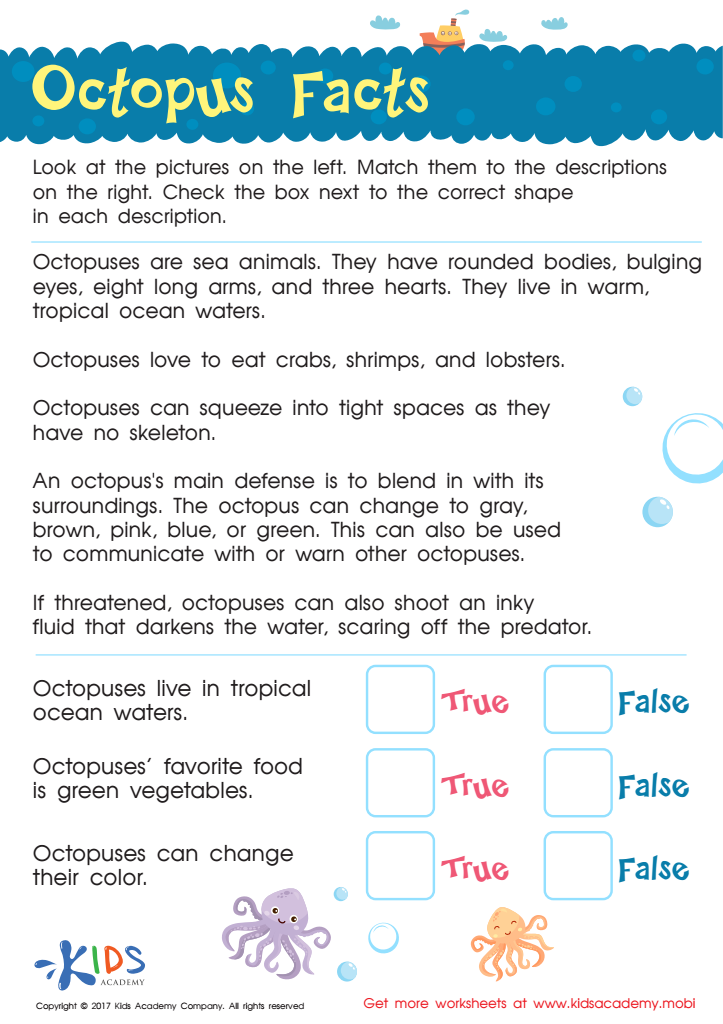
Octopus Facts Worksheet For Kids
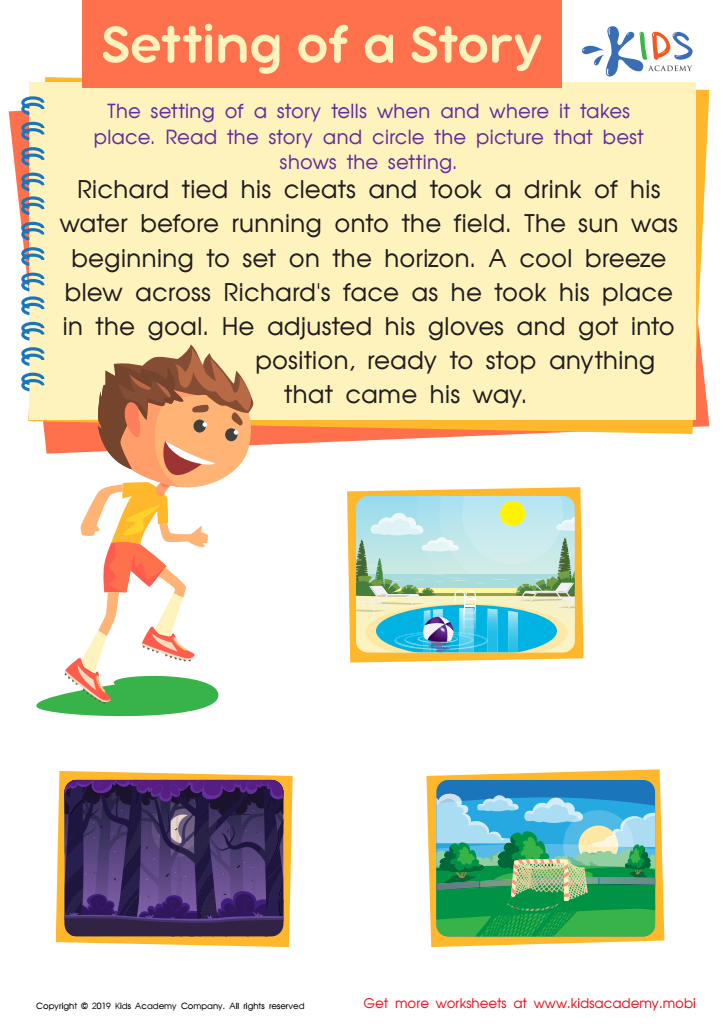
Setting of a Story Worksheet
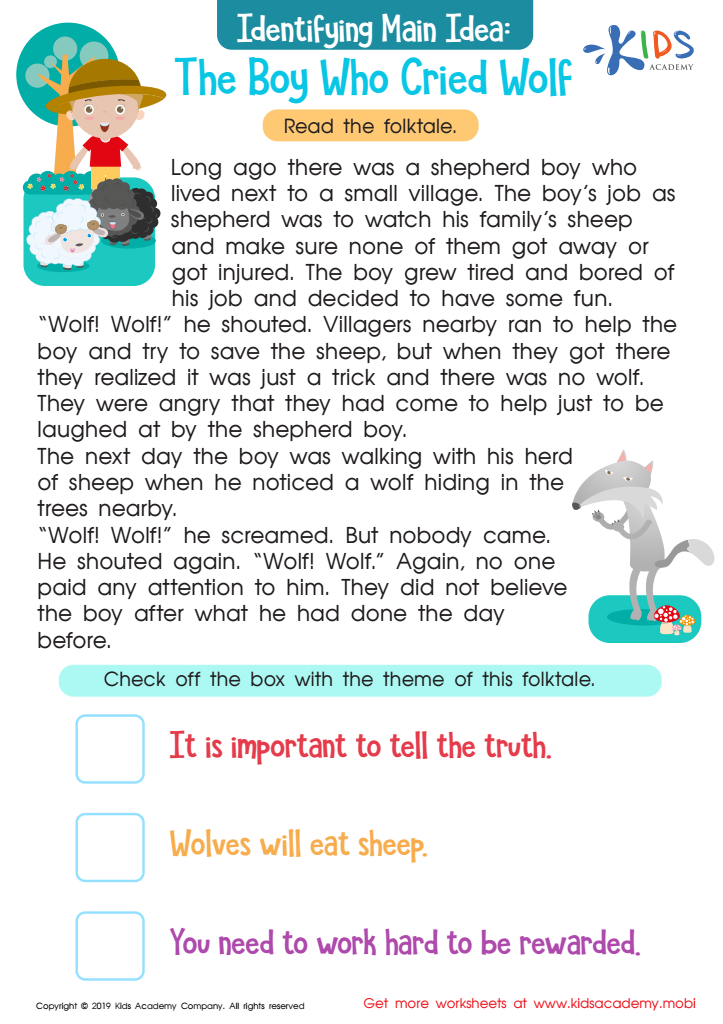
The Boy Who Cried Wolf Part 2 Worksheet








Critical thinking skills and reading comprehension are cornerstone abilities that set the stage for lifelong learning and personal development. For children aged 4-8, these skills are particularly crucial because they are in a formative stage of cognitive and social growth.
Developing critical thinking skills enables children to analyze situations, make informed decisions, and solve problems creatively. When young children learn to question information, compare options, and draw conclusions based on evidence, they become more than passive learners; they become active, inquisitive participants in their own education and lives.
Reading comprehension is equally important. It is not just about being able to read the words on a page; it's about understanding the meaning behind those words. This skill is foundational for all future learning, as it ensures children can grasp concepts in various subjects, from math to science to social studies. Effective reading comprehension allows children to build a robust vocabulary, improve communication skills, and experience empathy by understanding different perspectives through stories.
By nurturing these skills at an early age, teachers and parents help children establish a strong academic foundation, promote intellectual curiosity, and foster a lifelong love for learning. Both critical thinking and reading comprehension prepare children to navigate the complexities of life with confidence and competence, shaping them into resilient, thoughtful individuals.








