Reading comprehension Reading Fiction Worksheets for Ages 4-8 - Page 4
103 filtered results
-
From - To
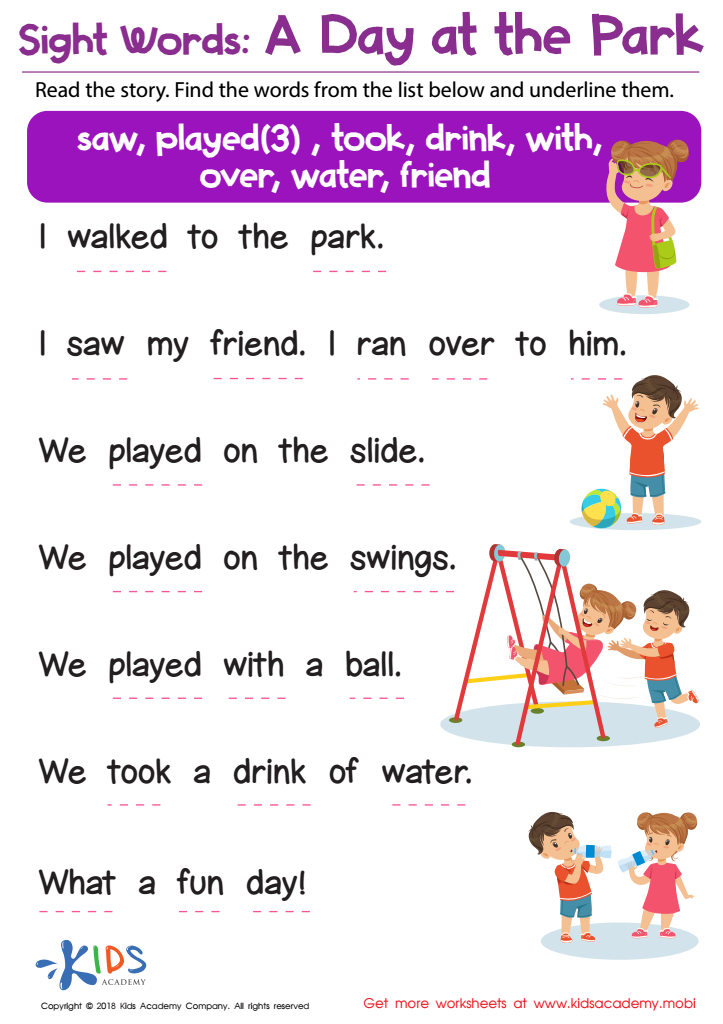
Sight Words: A Day at the Park Worksheet
 Assign to My Students
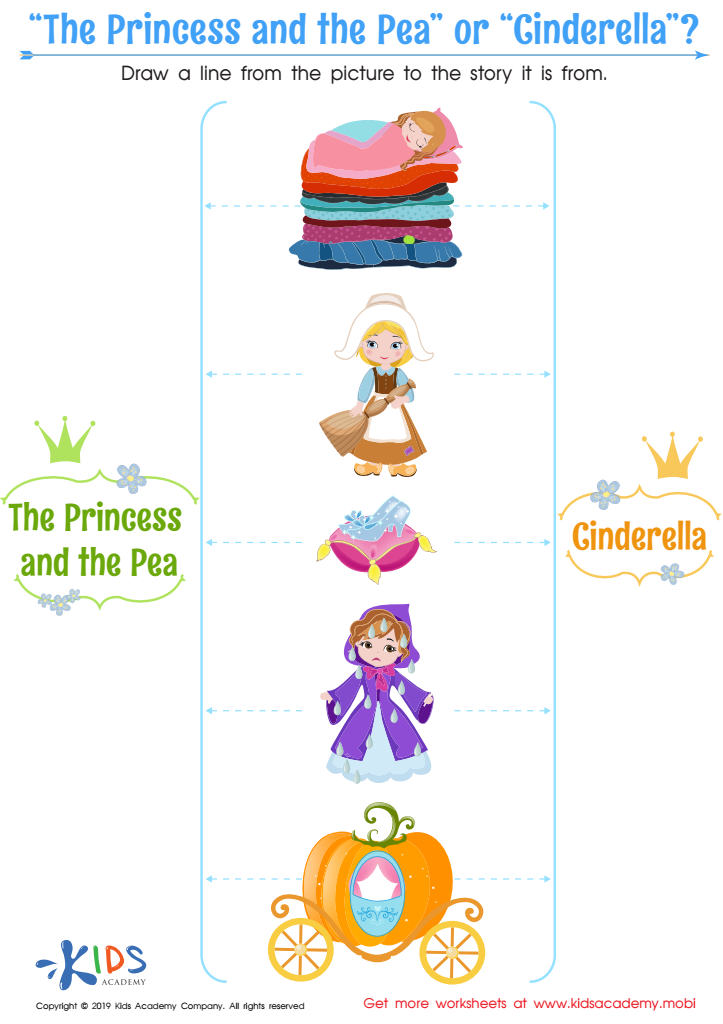
“The Princess and the Pea” or “Cinderella” Worksheet
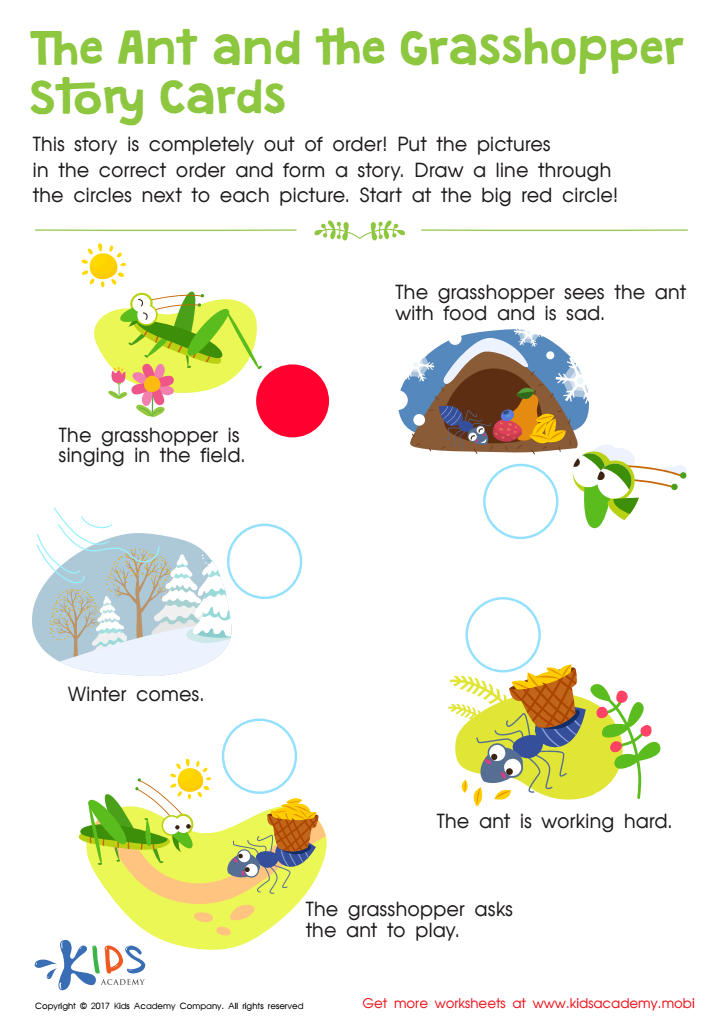
The Ant and The Grasshopper Worksheet
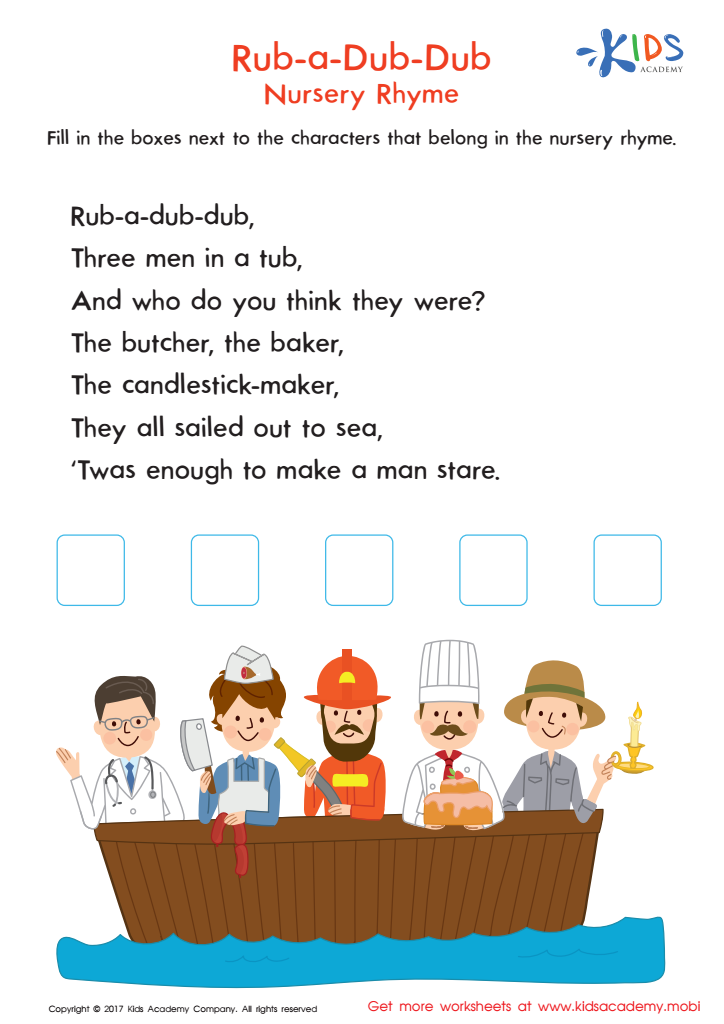
Rub a Dub Dub Printable
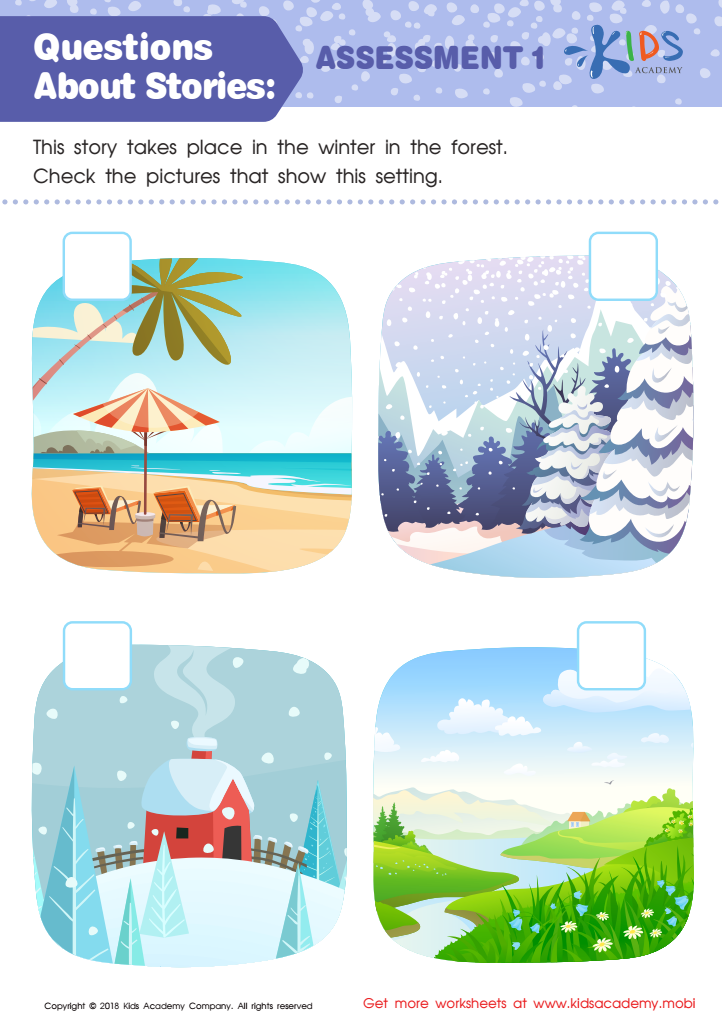
Questions About Stories: Assessment 1 Worksheet
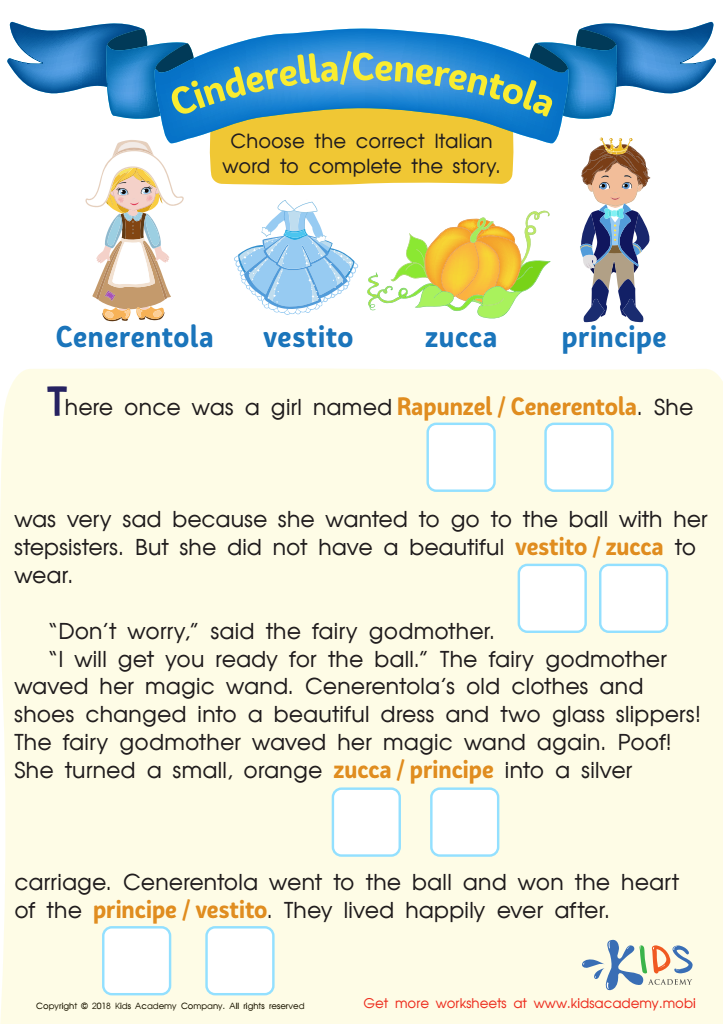
Cinderella / Cenerentola Worksheet
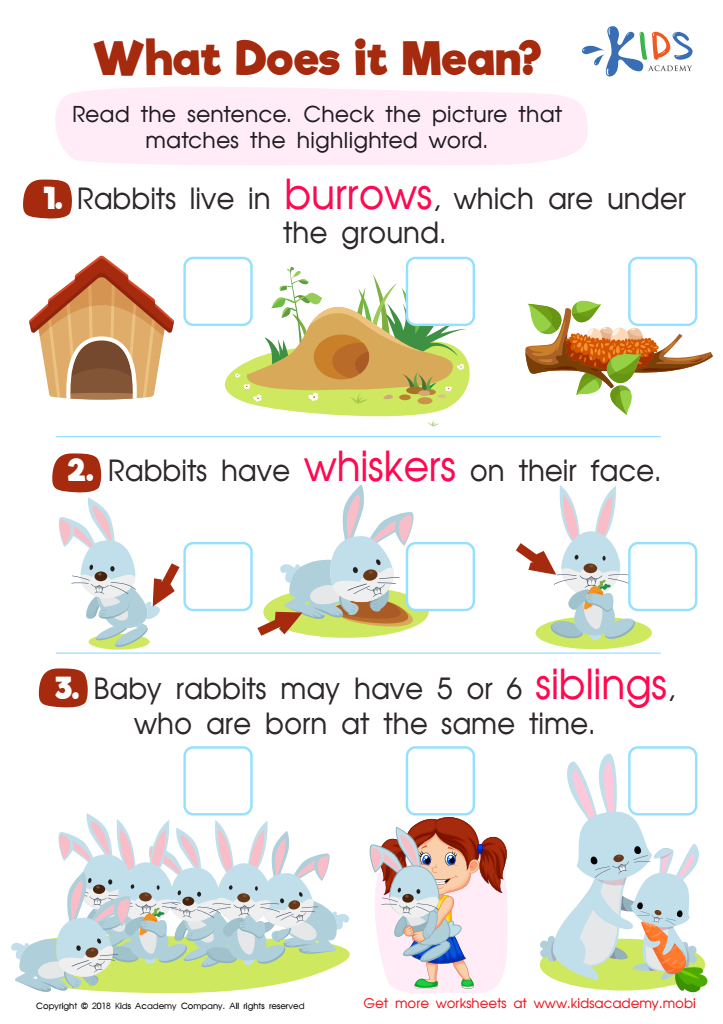
What Does It Mean? Worksheet
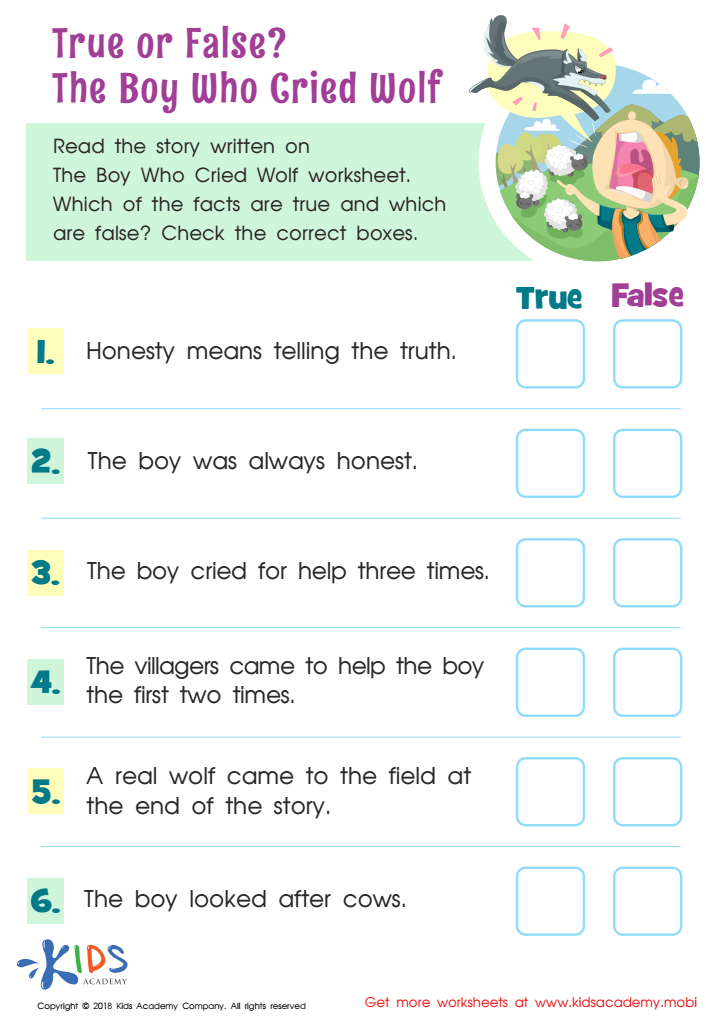
True or False? The Boy Who Cried Wolf Worksheet
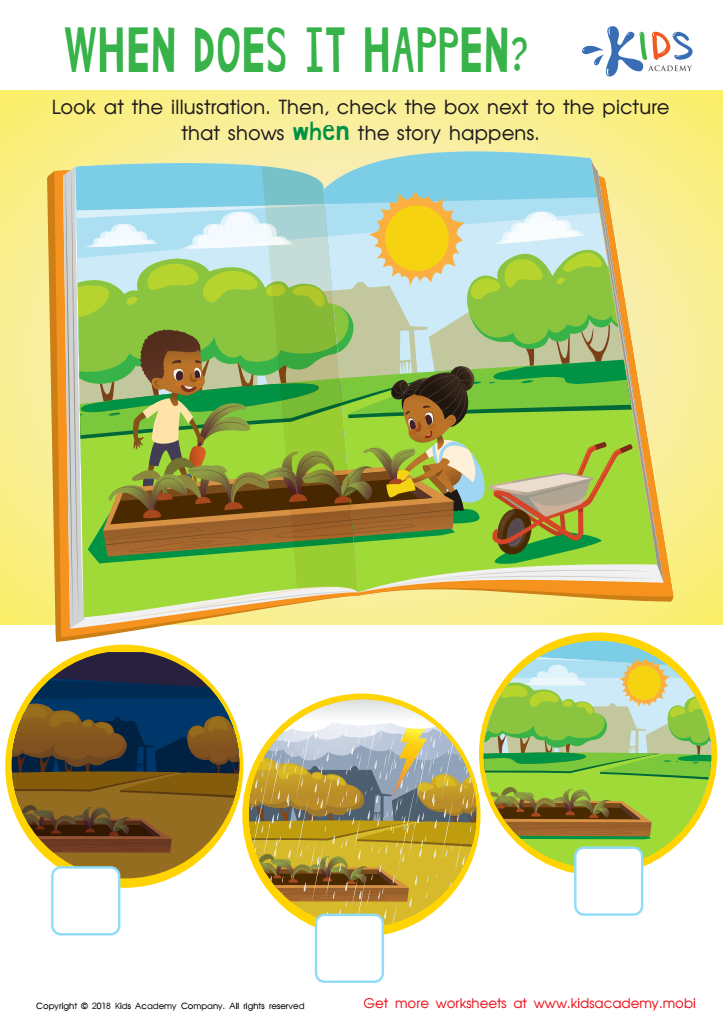
When Does It Happen? Worksheet
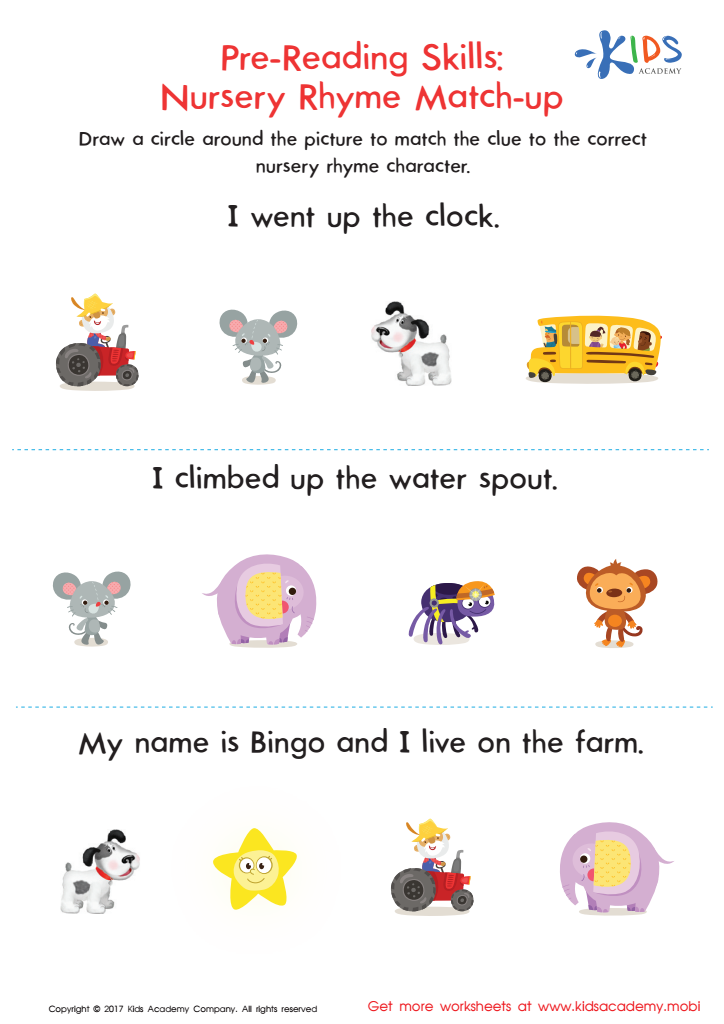
Nursery Rhyme Match–Up Worksheet
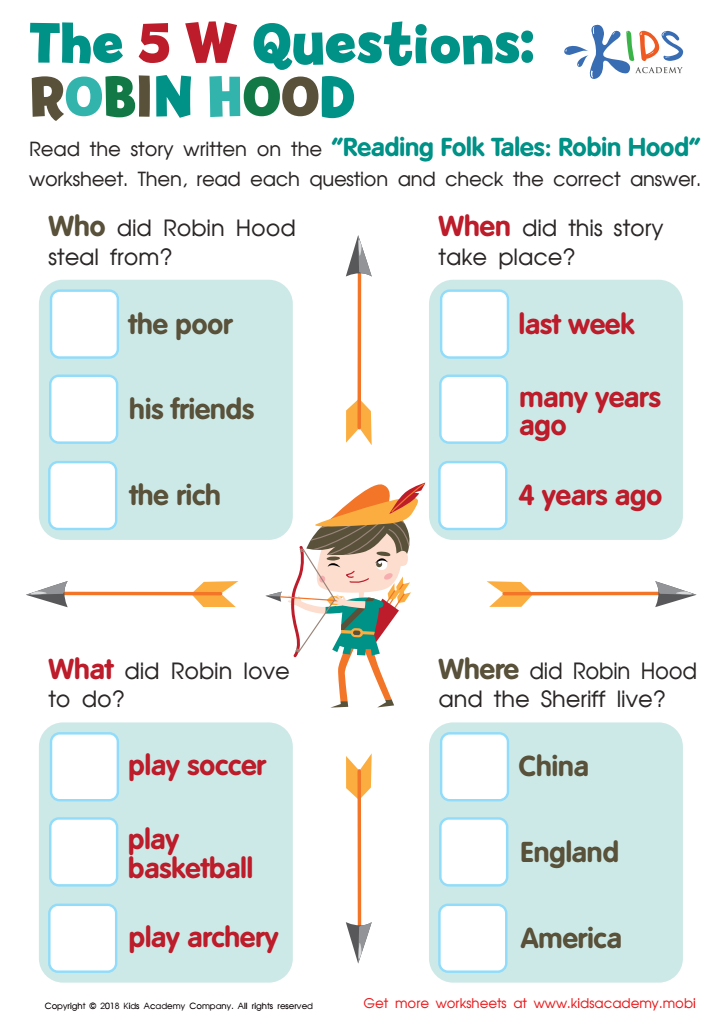
The 5 W Questions: Robin Hood Worksheet
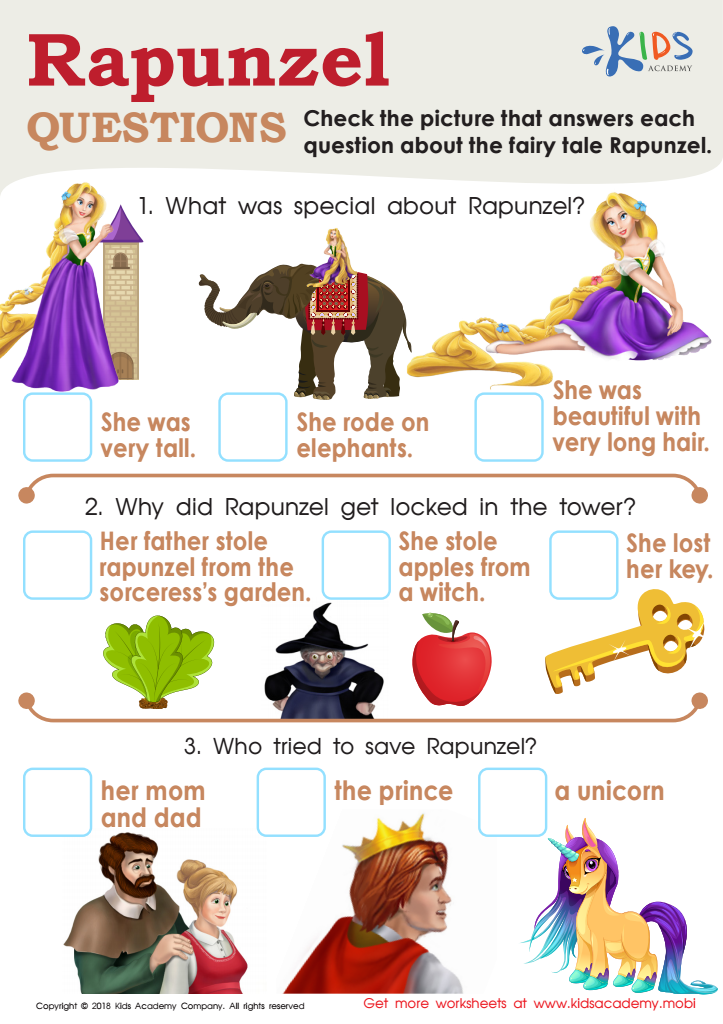
Rapunzel Questions Worksheet
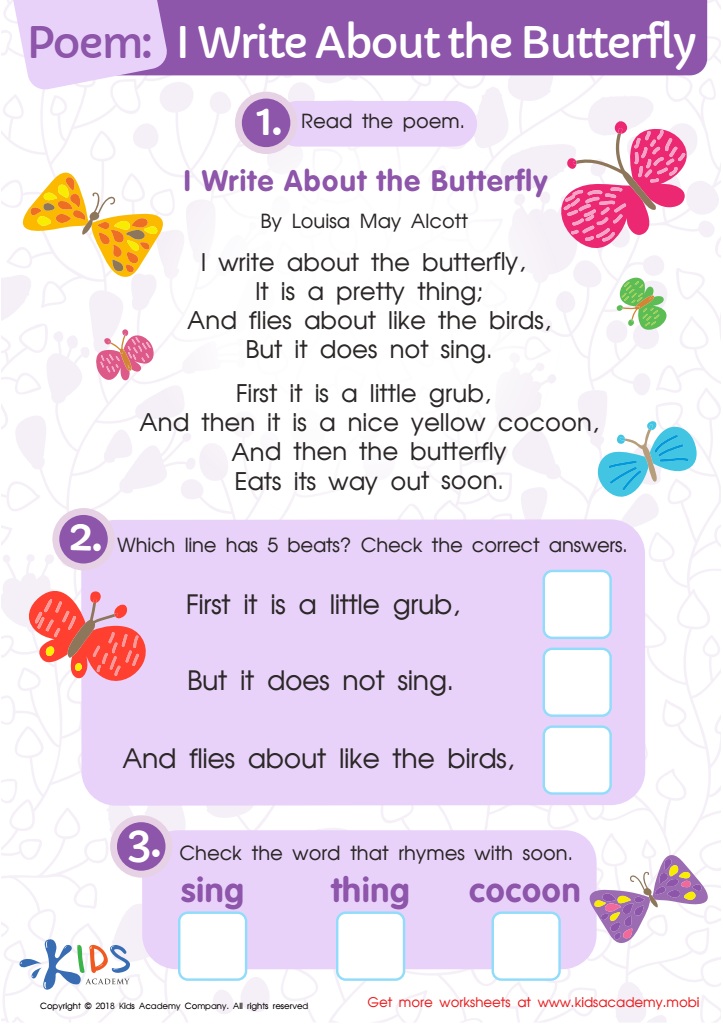
Poem: I Write About The Butterfly Worksheet
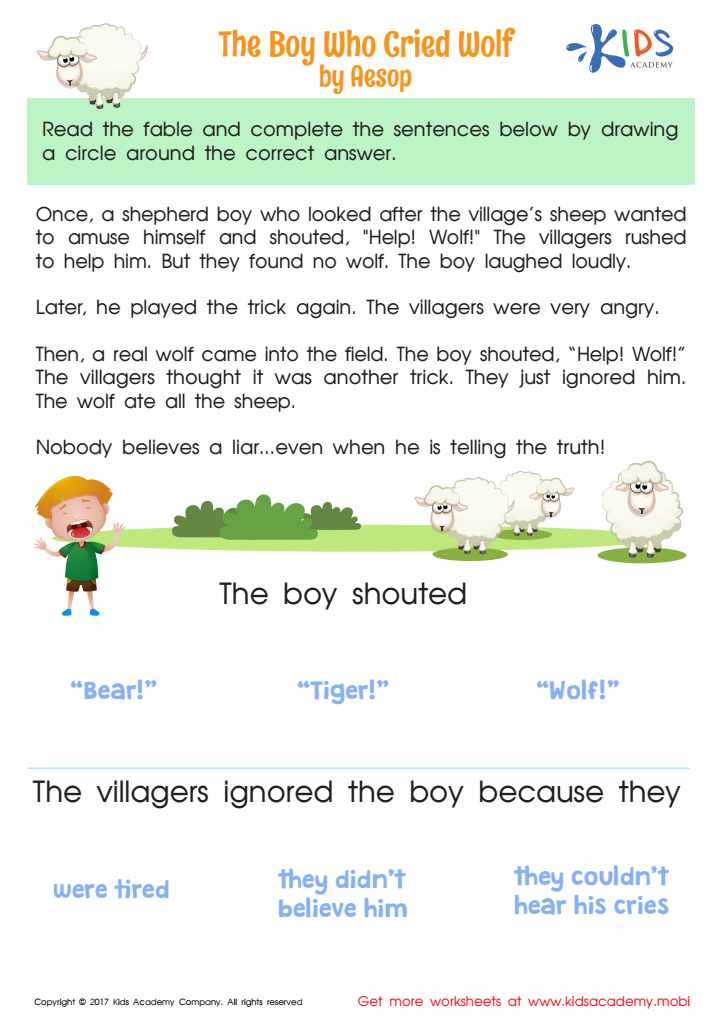
The Boy Who Cried Wolf Worksheet
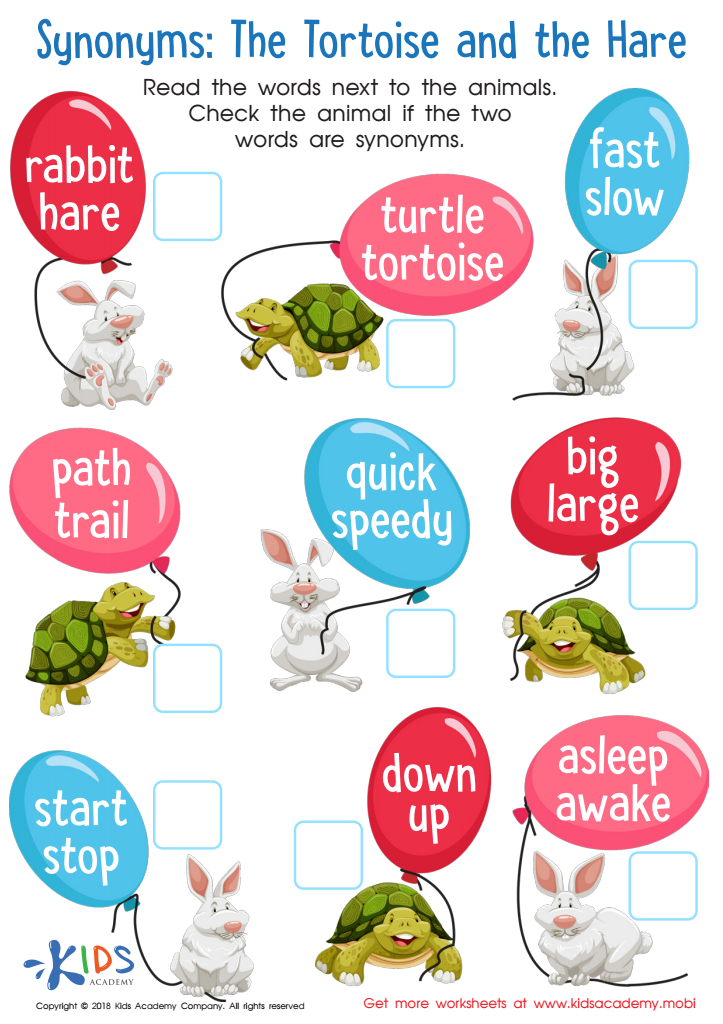
Synonyms: The Tortoise and Hare Worksheet
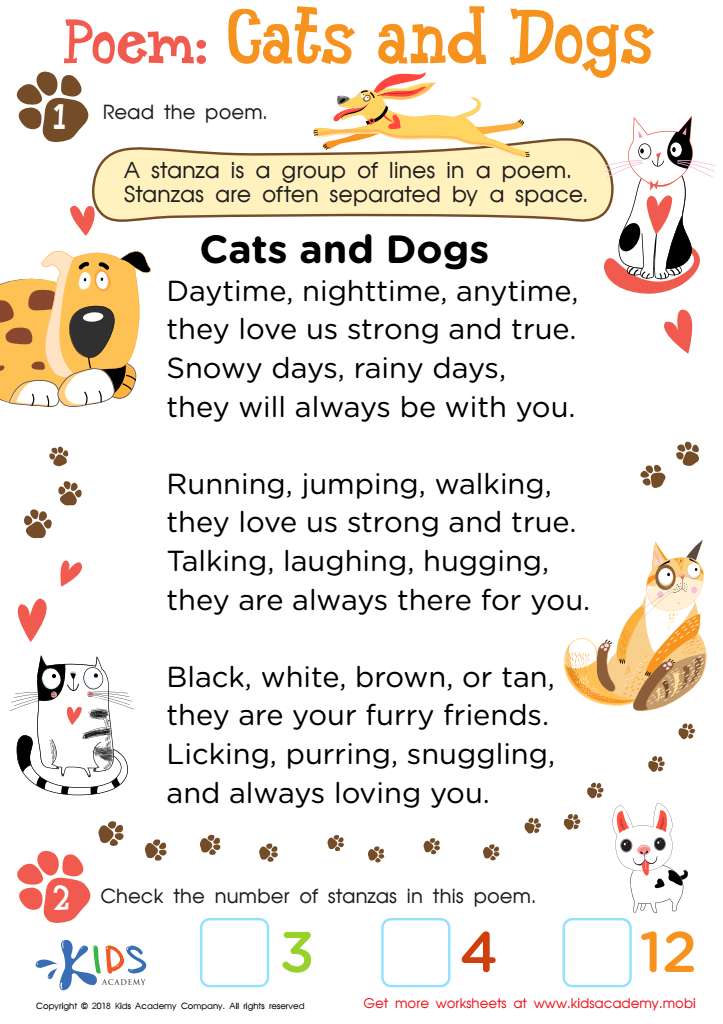
Poem: Cats and Dogs Worksheet
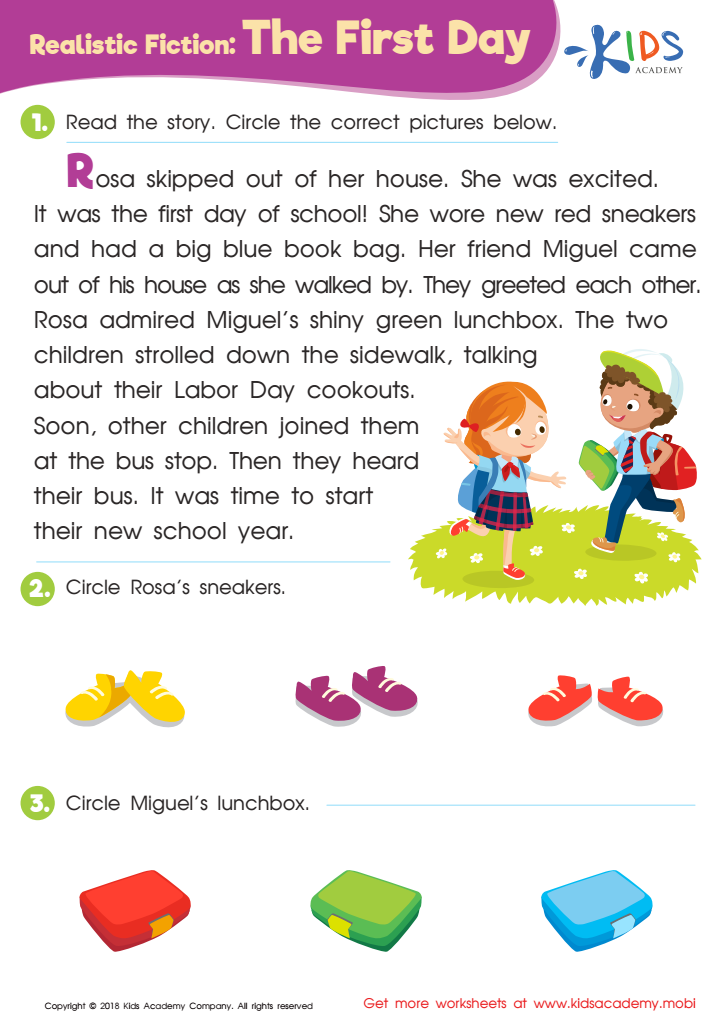
Realistic Fiction: The First Day Worksheet
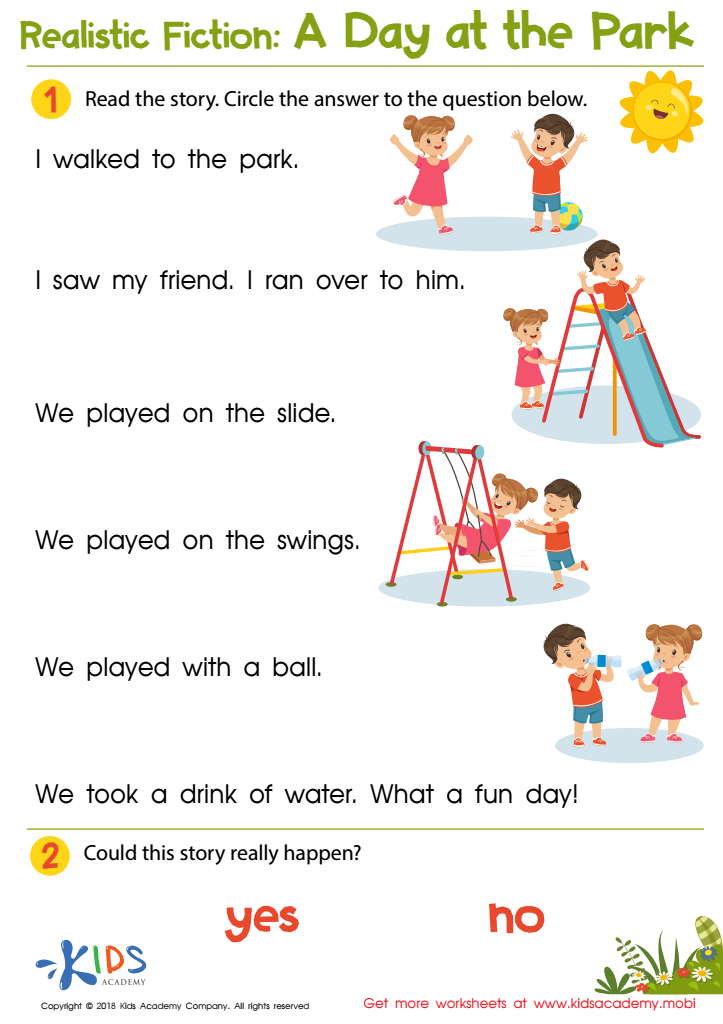
A Day at the Park Worksheet
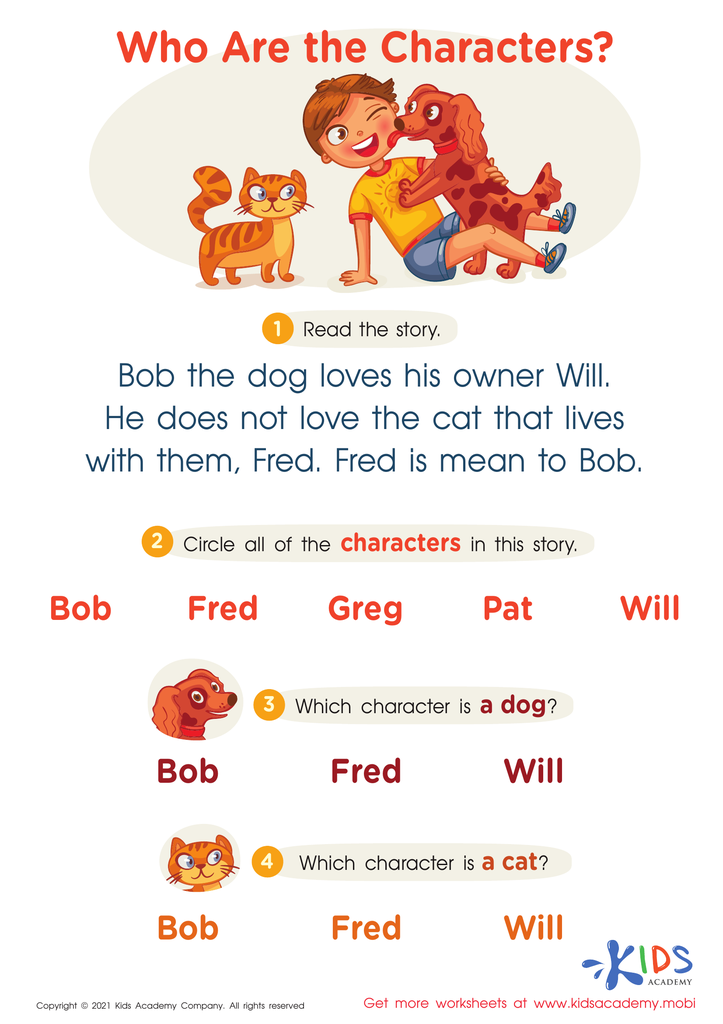
Who Are the Characters? Worksheet
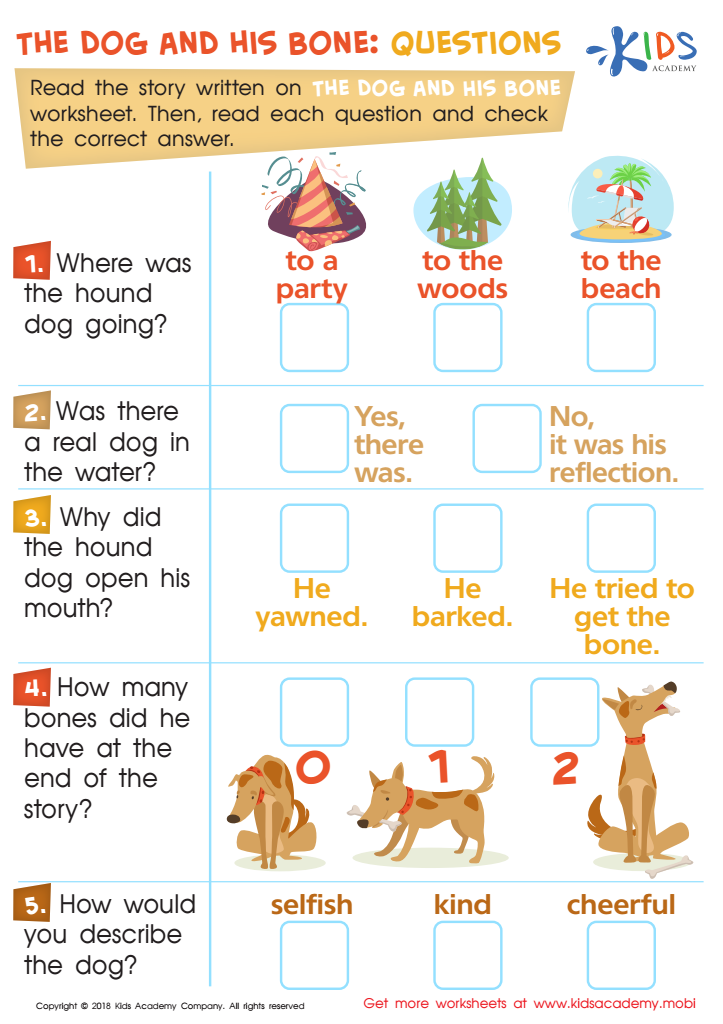
The Dog and His Bone: Questions Worksheet
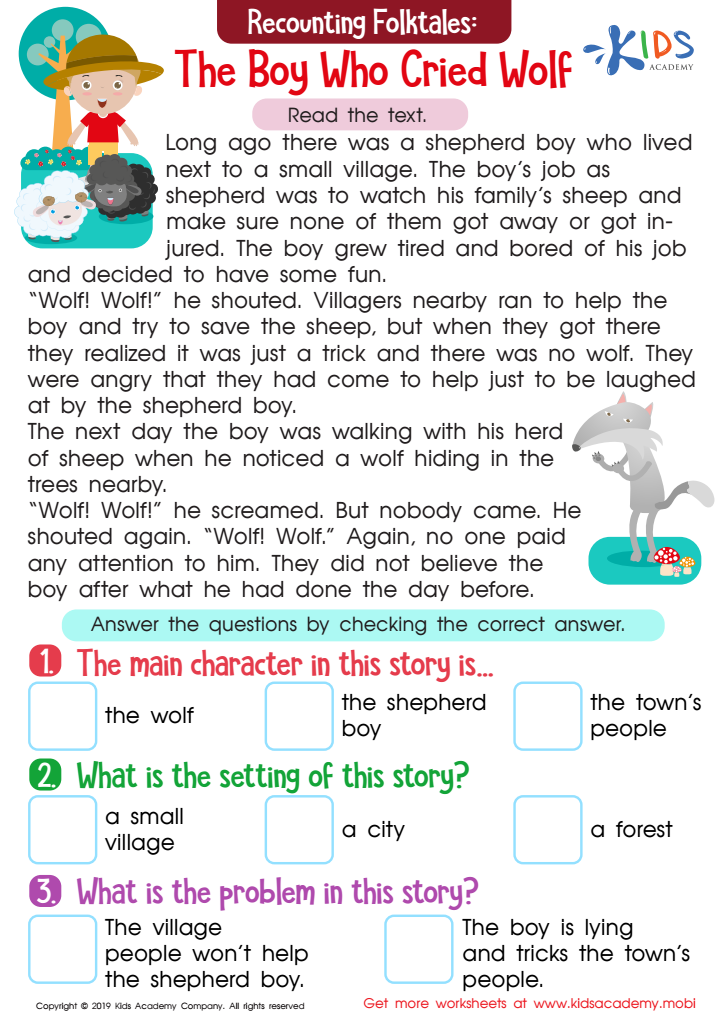
The Boy Who Cried Wolf Part 1 Worksheet
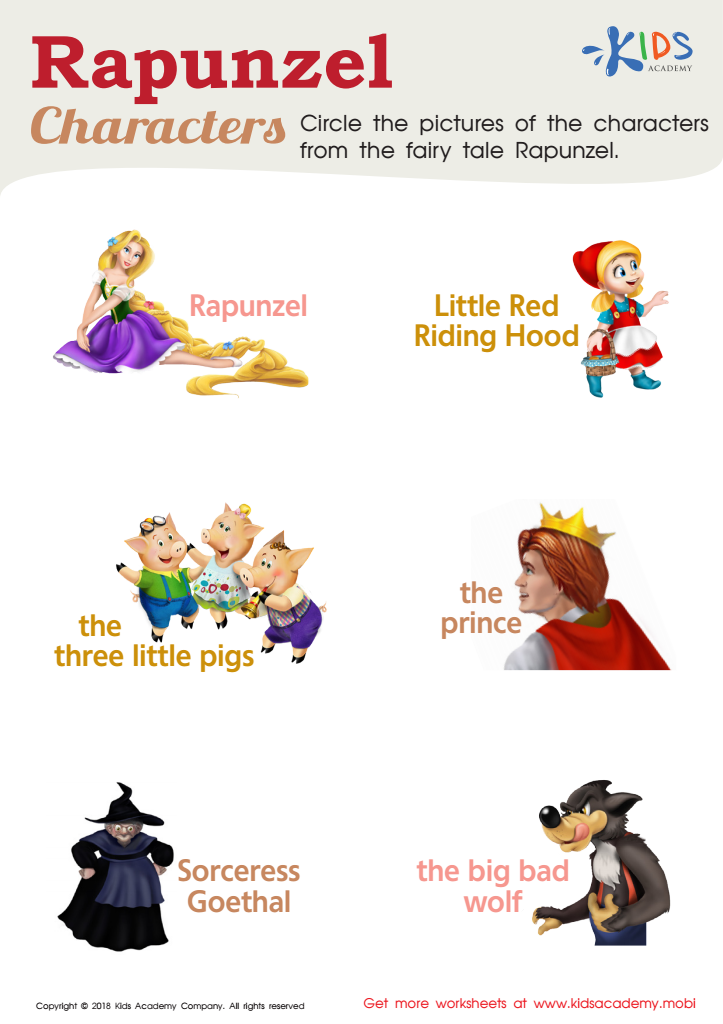
Rapunzel Characters Worksheet
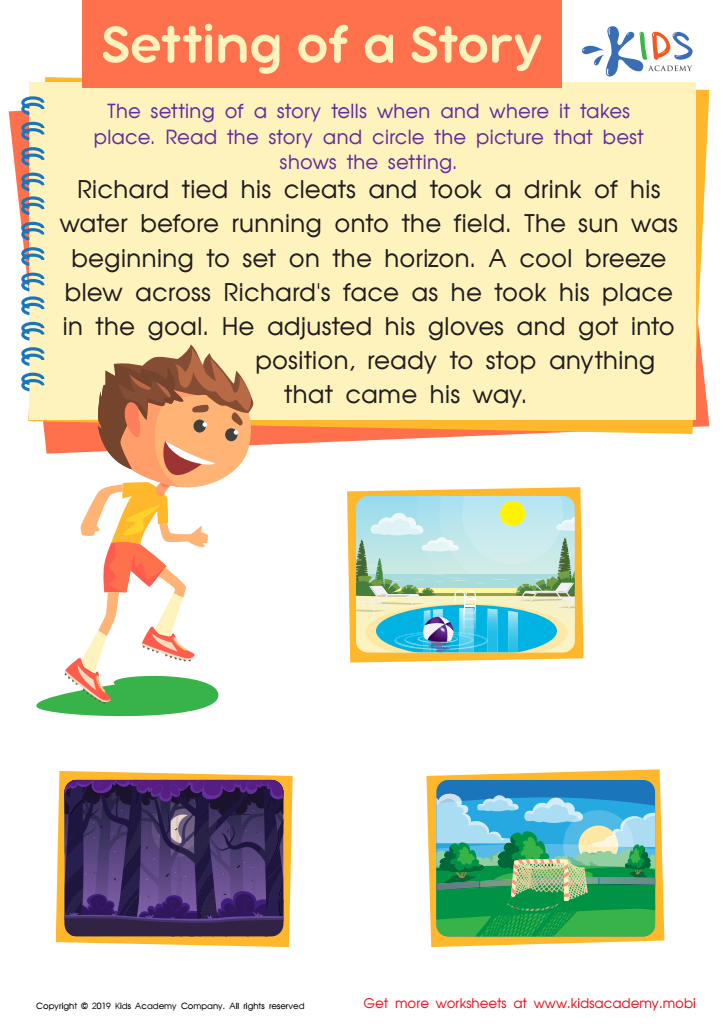
Setting of a Story Worksheet
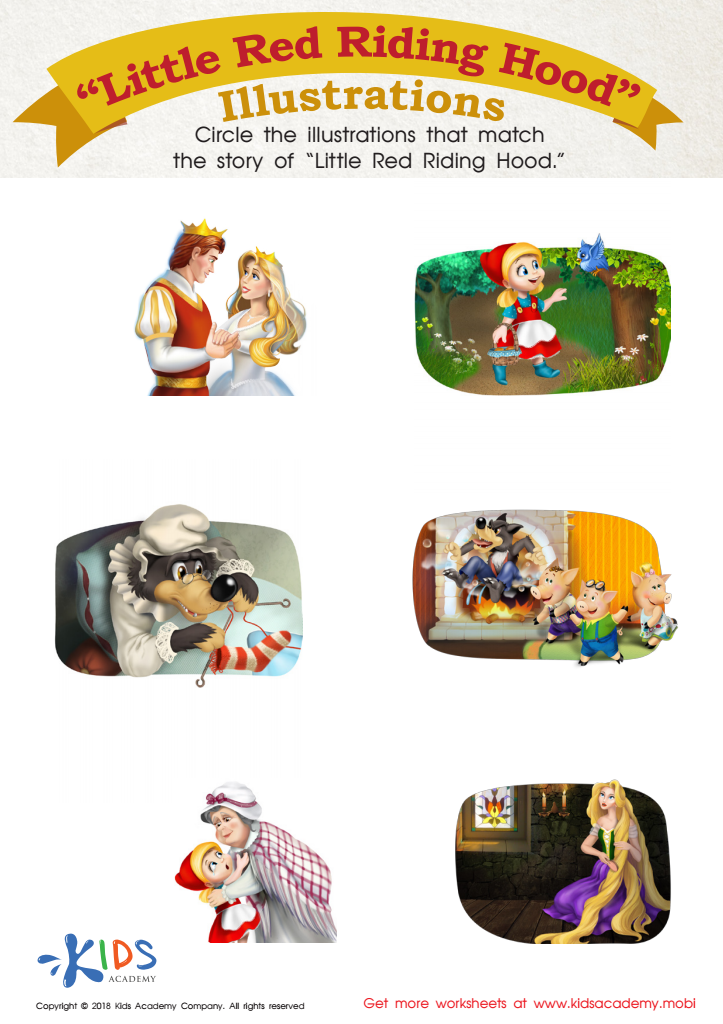
Little Red Riding Hood: Illustrations Worksheet





.jpg)

Reading comprehension and exposure to fiction are vital components of early childhood development for children aged 4-8. At this tender age, children's brains are rapidly developing, soaking up information like sponges. Comprehending what they read helps strengthen their cognitive skills, such as critical thinking, problem-solving, and logical reasoning. By engaging with the narrative and understanding plot, characters, and settings, children learn to situate information contextually, which is fundamental for cognitive and language development.
Reading fiction also fosters imagination and creativity. As children envision the fictional worlds and experiences of characters, they expand their own imaginative capacities. This aspect of fiction enables children to learn empathy by encountering diverse perspectives and emotions, helping them to better understand the feelings and viewpoints of others.
Furthermore, fiction exposes young readers to a vast array of vocabulary and sentence structures, reinforcing language skills and literacy. A strong foundation in these areas is crucial for academic success and lifelong learning.
Lastly, the ritual of reading together can strengthen bonds between parents and children or teachers and students, providing opportunities for meaningful connection. By immersing children in a world of stories, we can cultivate a love of reading that lasts a lifetime, building the confidence and competency they need to thrive both academically and personally.








