Analyzing data Science Worksheets for Ages 4-8
5 filtered results
-
From - To
Discover a world of fun and learning with our "Analyzing Data Science Worksheets" designed for children ages 4-8! These engaging worksheets help young learners develop critical thinking and problem-solving skills as they explore basic data concepts. Children will practice sorting, classifying, and interpreting data through interactive activities that captivate their curiosity. Perfect for classroom or home use, our resources encourage hands-on experience in understanding charts, graphs, and simple statistics. Ensure your child builds a strong foundation in data analysis with our carefully crafted worksheets that combine education with playful exploration, fostering a love for science from an early age!
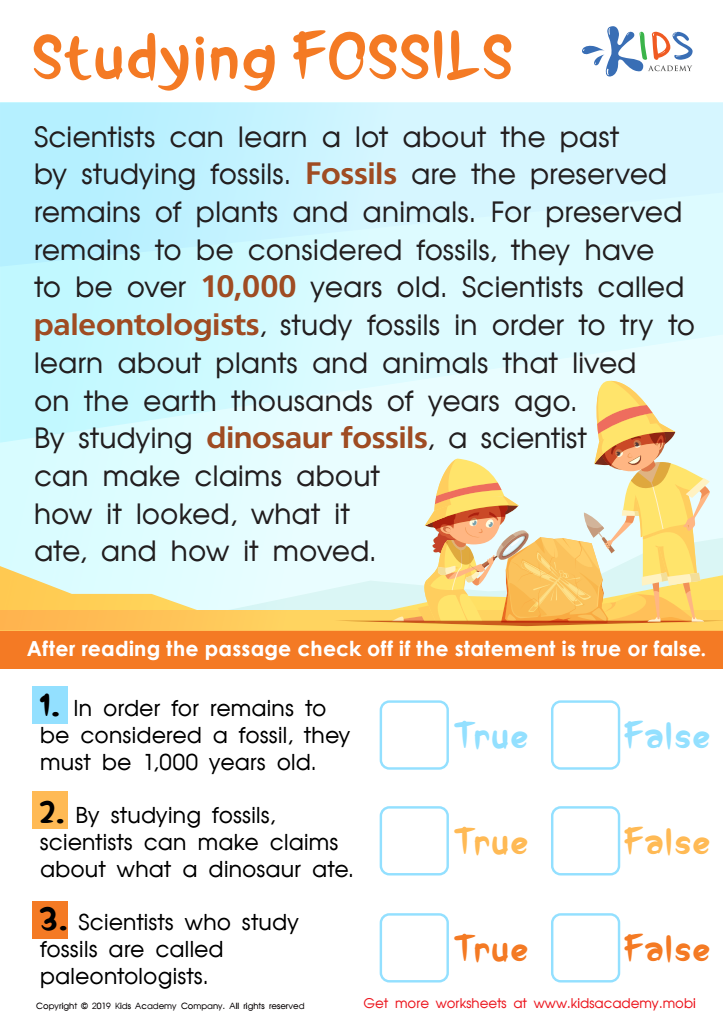
Studying Fossils Worksheet
 Assign to My Students
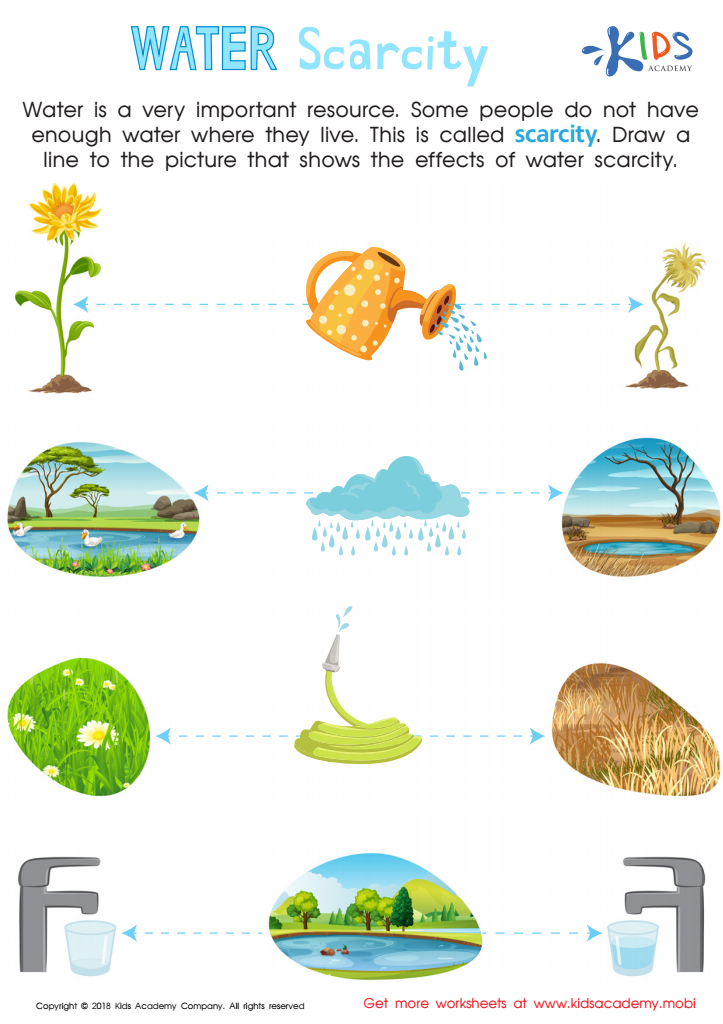
Water Scarcity Worksheet
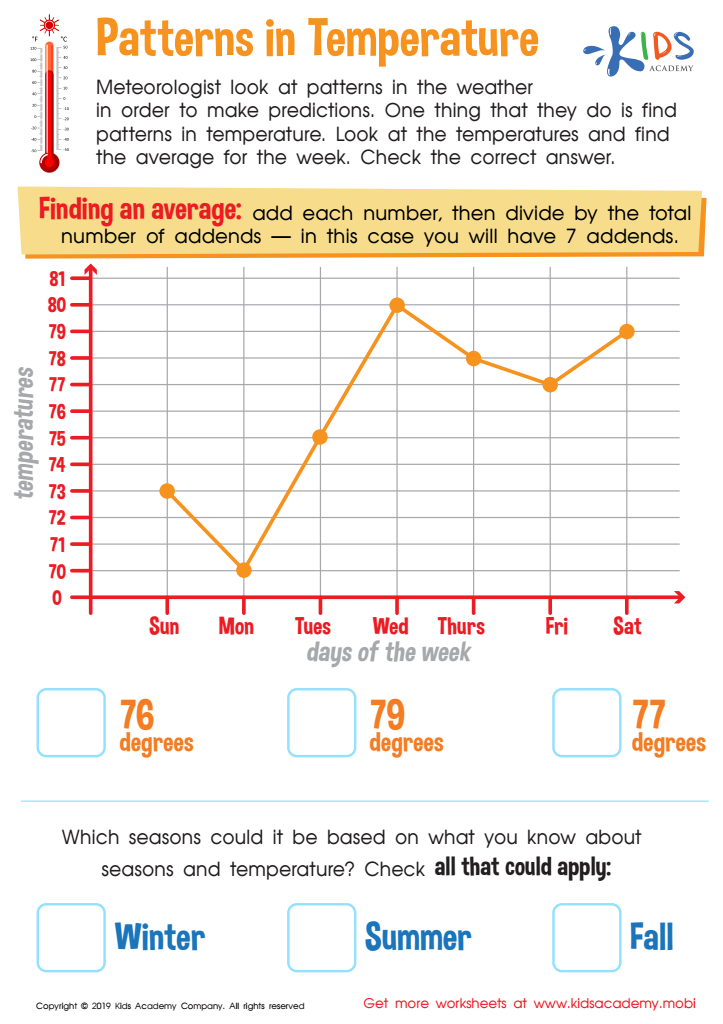
Patterns in Temperature Worksheet
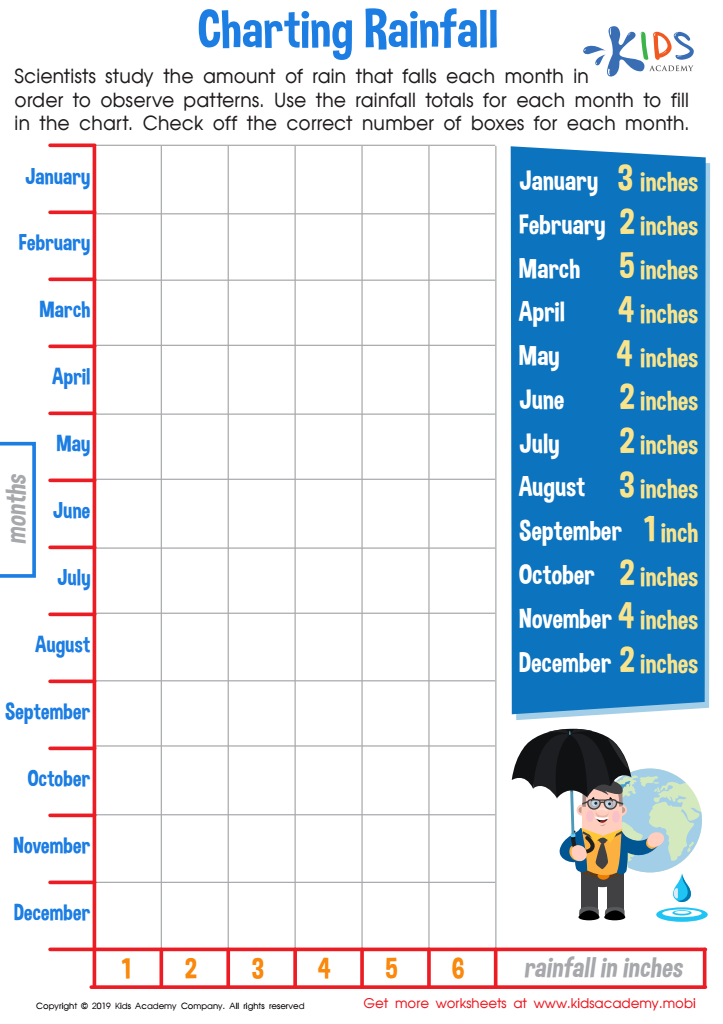
Charting Rainfall Worksheet
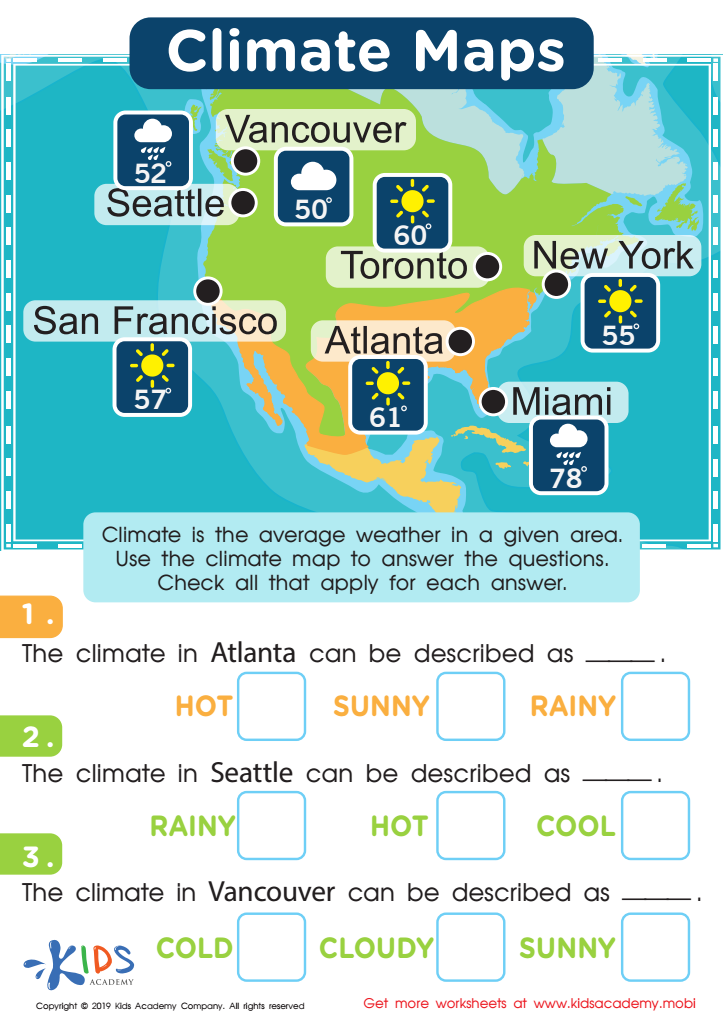
Climate Maps Worksheet








Parents and teachers should care about analyzing data science for children ages 4-8 because it lays the foundation for critical thinking, problem-solving, and data literacy skills that are increasingly vital in today's world. Introducing young learners to basic data concepts fosters curiosity and helps them understand how to collect, interpret, and visualize information from their surroundings in a meaningful way.
Data analysis encourages children to ask questions, make observations, and formulate hypotheses. It promotes engagement and participation in the learning process, transforming abstract concepts into relatable, hands-on experiences. This practice is essential in creating a generation of informed citizens who can navigate a data-driven environment, allowing them to confront misinformation and make evidence-based decisions.
Moreover, early exposure to data science can ignite interest in STEM fields, opening up pathways for future educational and career opportunities. When parents and educators prioritize data literacy, they enhance students' competency in mathematics and reading, simultaneously developing their social and emotional skills through collaborative projects. Ultimately, teaching young children to analyze data enhances their analytical abilities, curiosity, and willingness to explore the world, equipping them for lifelong learning and adaptation.







