Categorizing objects Science Worksheets for Ages 4-8
4 filtered results
-
From - To
Discover engaging "Categorizing Objects Science Worksheets for Ages 4-8" from Kids Academy, designed to help young learners enhance their observational and analytical skills. These fun, educational worksheets guide children through identifying, sorting, and classifying objects based on various attributes such as color, shape, size, and type. Perfect for early graders, the activities foster critical thinking, encourage curiosity, and lay a strong foundation for scientific understanding. Boost your child's cognitive development and enthusiasm for learning with these expertly crafted, easy-to-use printable resources. Start exploring today and watch them excel in science!
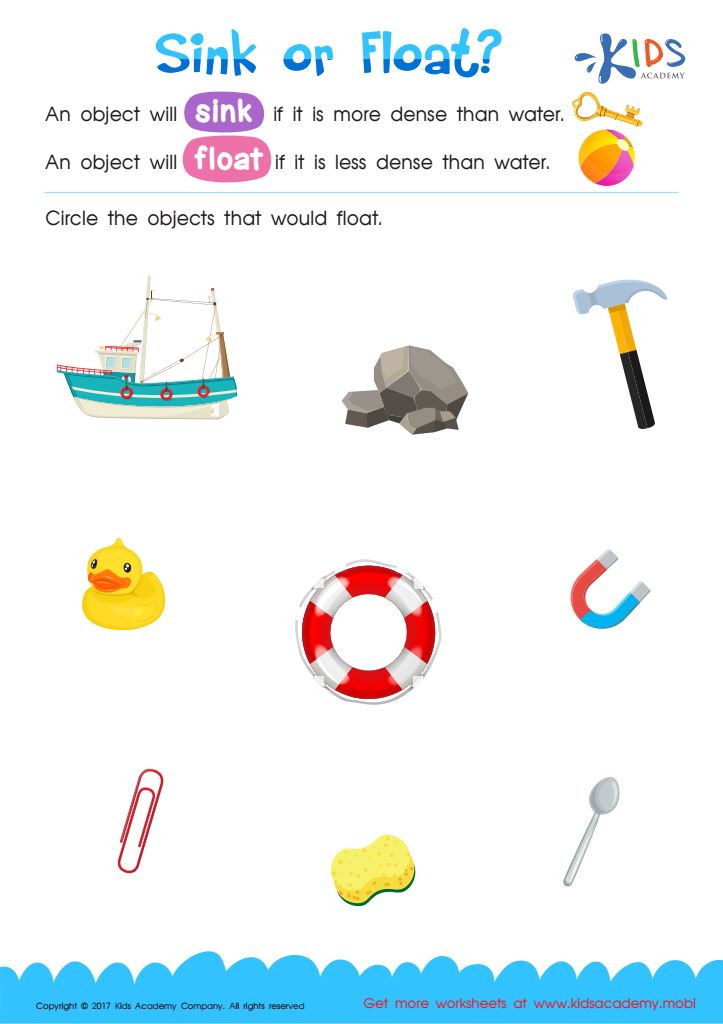
Sink or Float Printable
 Assign to My Students
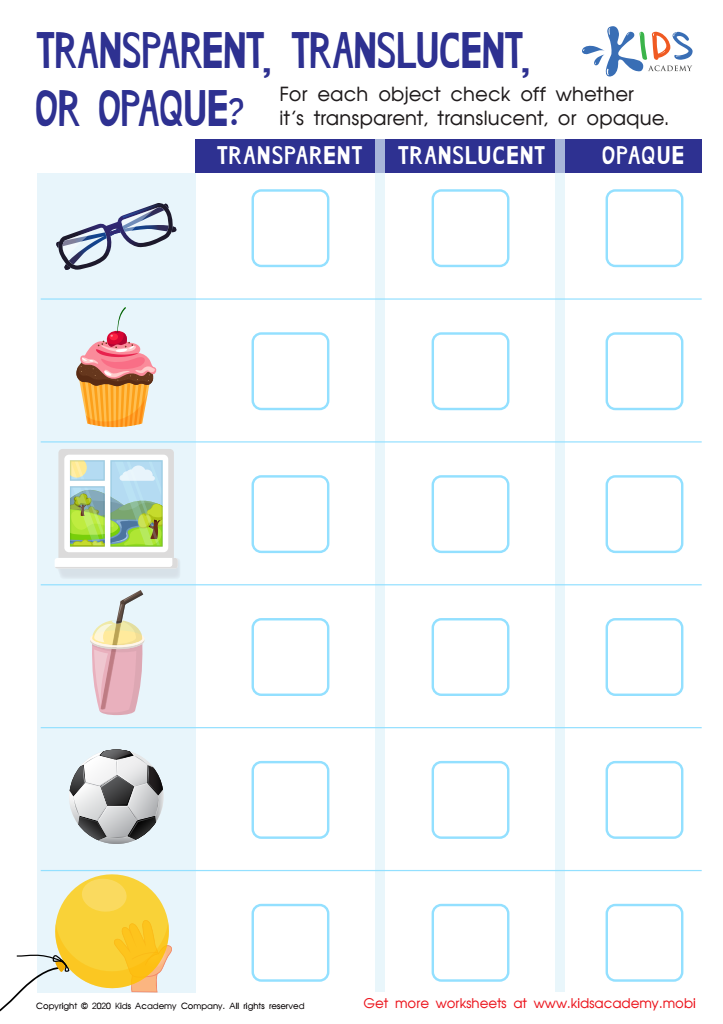
Transparent, Translucent, or Opaque Worksheet
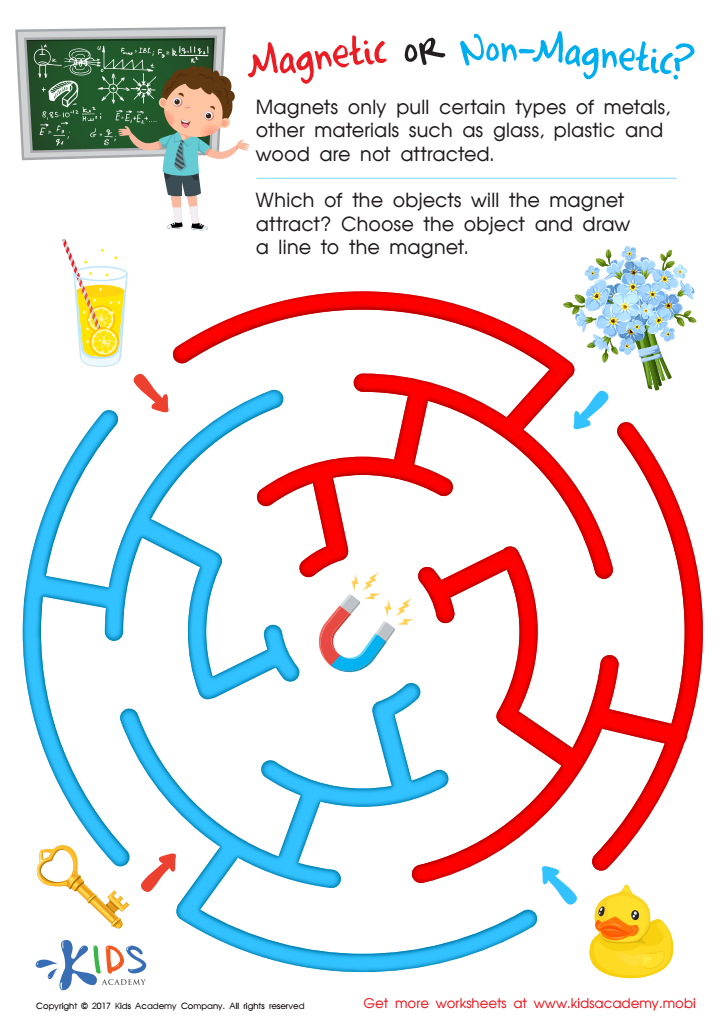
Magnetic or Non–Magnetic Worksheet
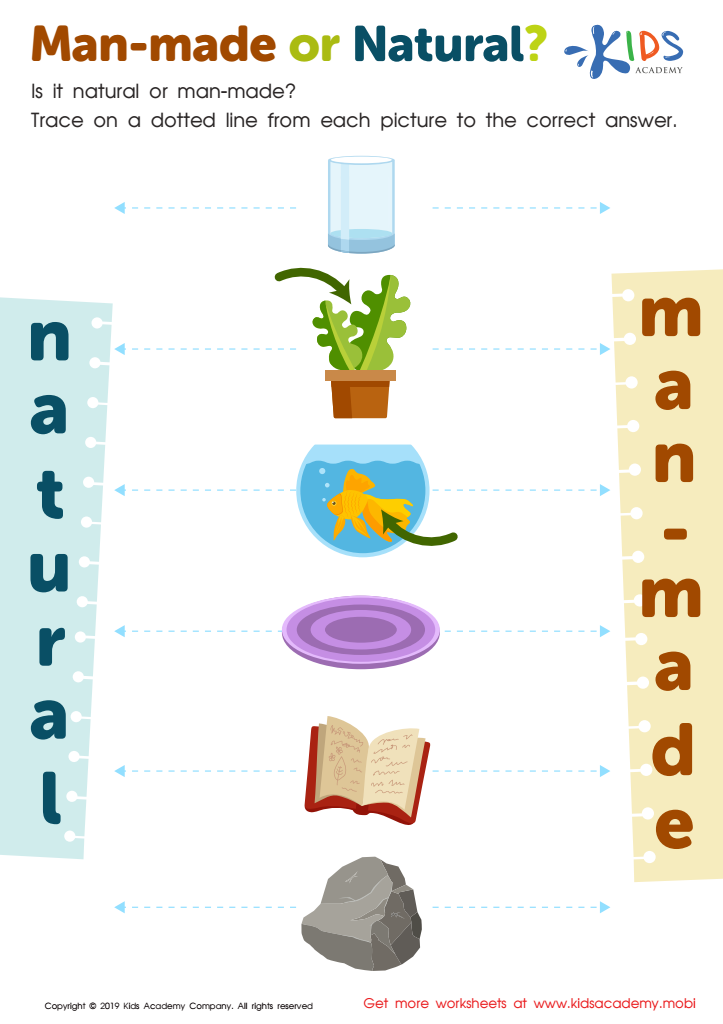
Man-Made or Natural? Worksheet



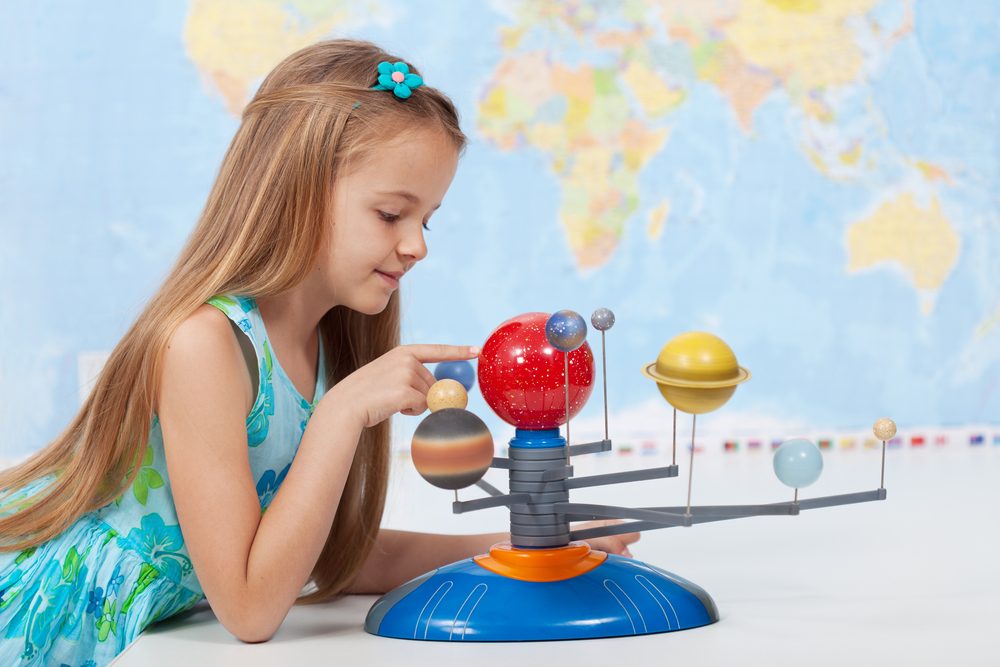

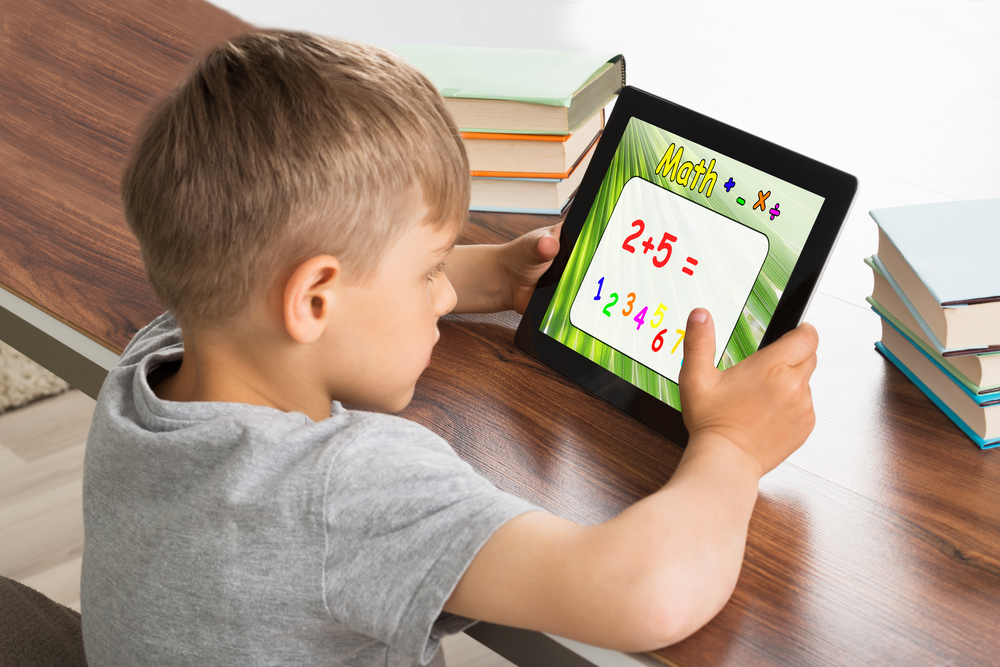

Categorizing objects is a fundamental scientific skill that helps children ages 4-8 make sense of the world around them. At this impressionable age, their brains are developing rapidly, and they are eager to explore, learn, and understand new concepts. Categorizing allows young children to organize their environment into manageable parts, which enhances their cognitive development and critical thinking abilities.
By learning to sort objects based on characteristics such as size, shape, color, or function, children improve their observational skills and attention to detail. This foundational exercise boosts their ability to recognize patterns, make predictions, and establish cause-and-effect relationships, which are essential for future learning in all areas of science and other subjects.
Moreover, categorizing objects aids in linguistic development. As children group and describe objects, they expand their vocabulary and improve communication skills, expressing observations and reasons for their choices. This collaborative activity often encourages teamwork and social interaction, fostering cooperation and conflict resolution abilities among peers.
For teachers and parents, incorporating categorization games and activities promotes an engaging, interactive learning experience. It lays the groundwork for more complex scientific understanding and reasoning, preparing children for academic success. Investing in these early skills nurtures inquisitive minds, setting them on a path of lifelong learning and curiosity.







