Classification skills Science Worksheets for Ages 4-8
5 filtered results
-
From - To
Enhance your child's understanding of the natural world with our engaging Classification Skills Science Worksheets, designed specifically for ages 4-8. These interactive worksheets encourage young learners to group and categorize various items, fostering critical thinking and observation skills. Fun and educational activities include sorting animals, plants, and everyday objects, tailored to boost cognitive development. Our resources simplify complex concepts, making learning enjoyable and effective. Each worksheet promotes essential skills like classification, comparison, and data organization, used in science and everyday life. Dive into the joy of exploration and ignite curiosity in your little ones with these playful, hands-on learning tools!
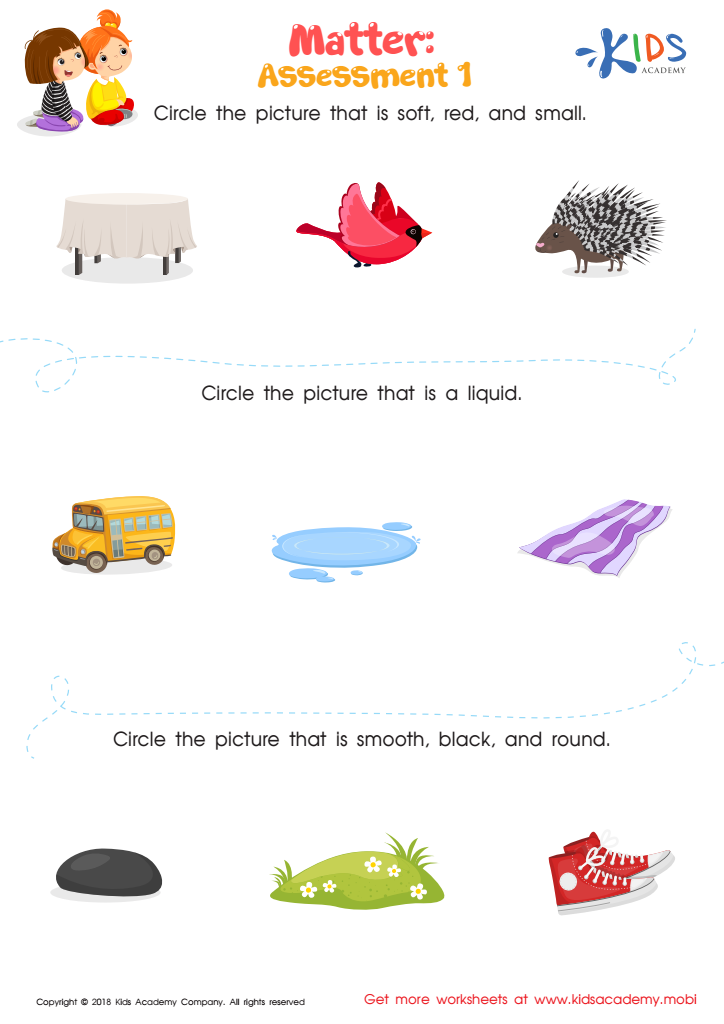
Matter: Assessment 1 Worksheet
 Assign to My Students
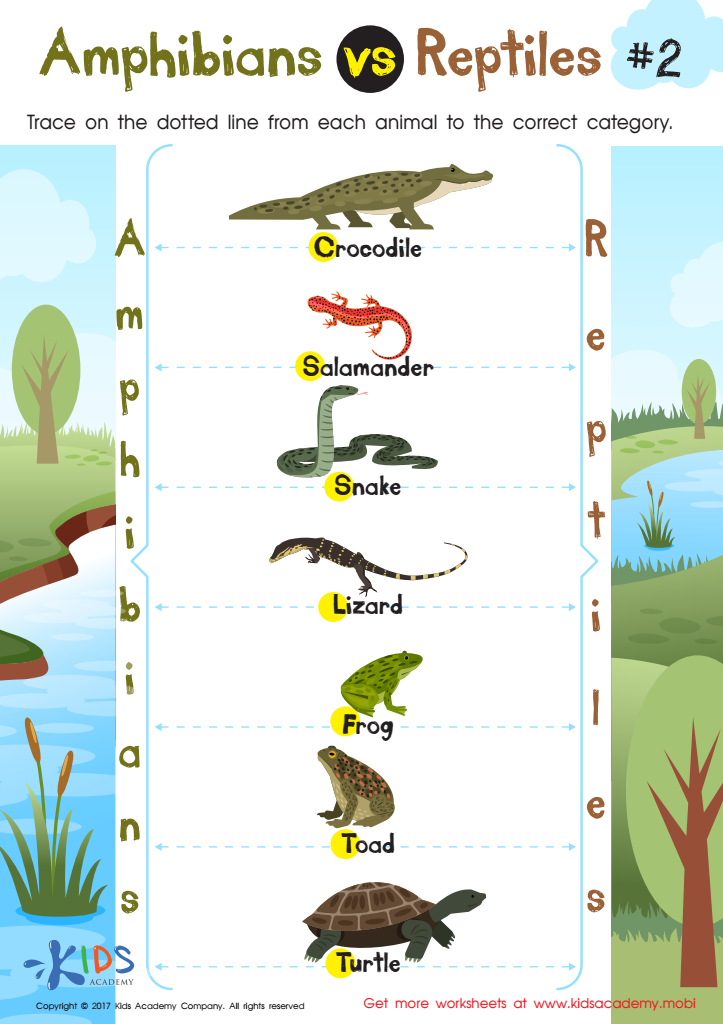
Amphibians vs Reptiles Worksheet for 3rd Grade
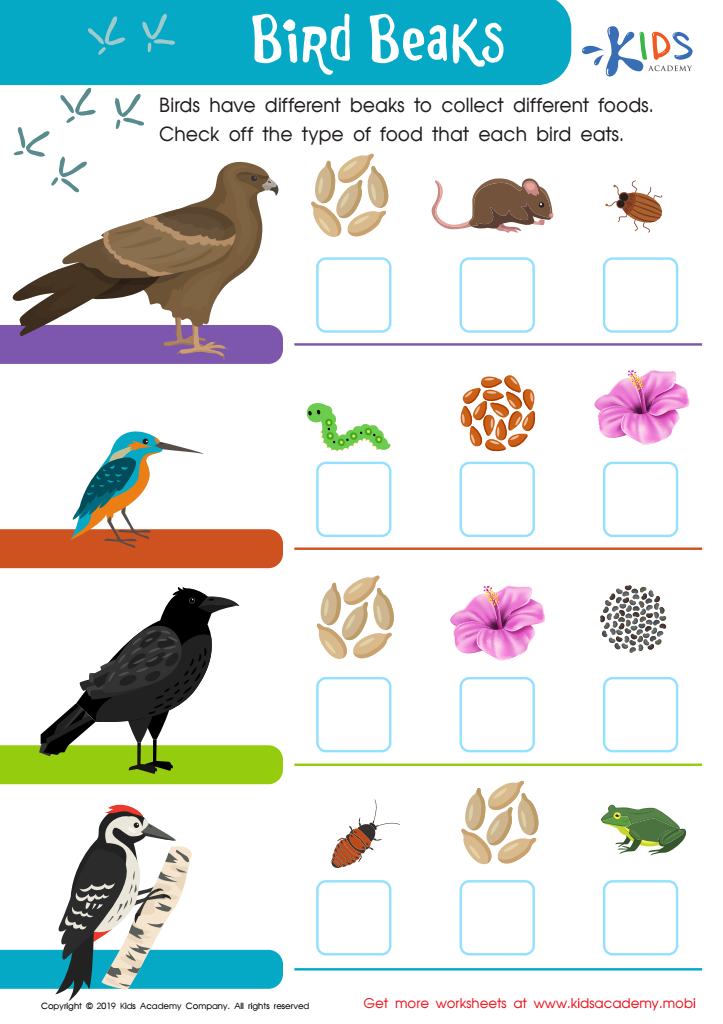
Bird Beaks Worksheet
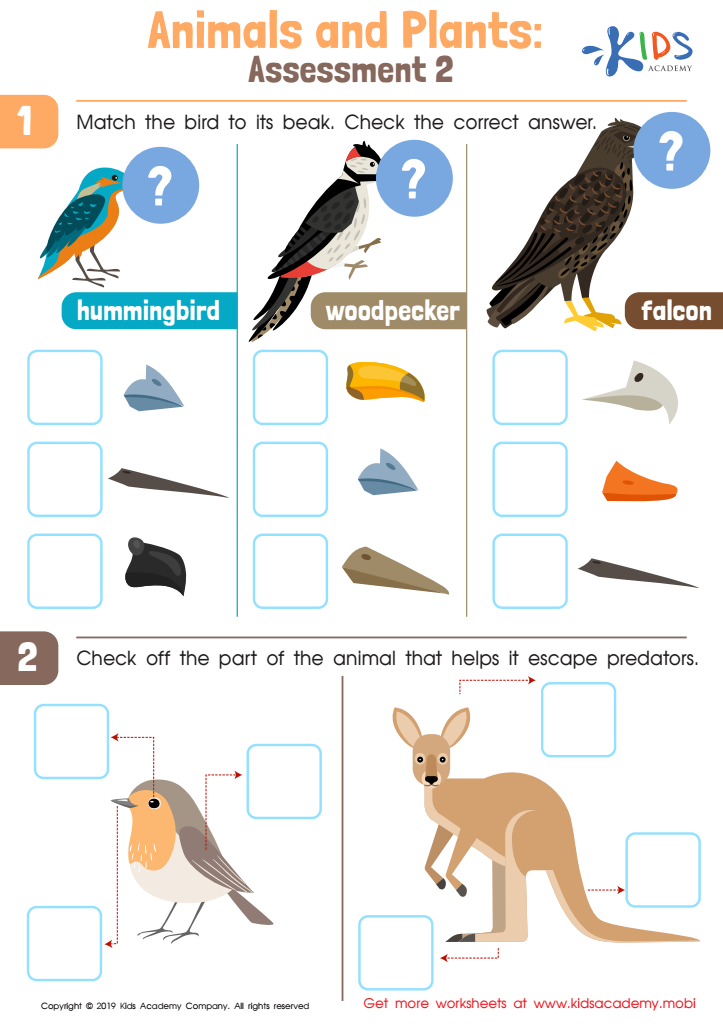
Animals and Plants: Assessment 2 Worksheet
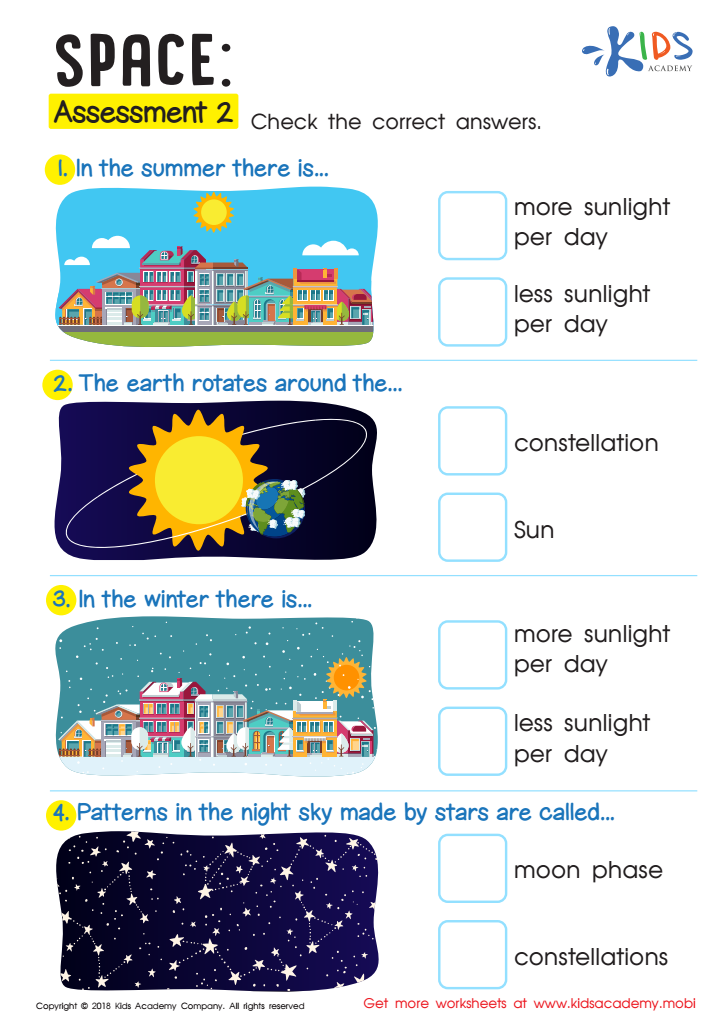
Space: Assessment 2 Worksheet







Parents and teachers should prioritize classification skills in science for children aged 4-8 because these skills lay the foundation for critical thinking and cognitive development. Classification involves sorting objects, organisms, or ideas into categories based on shared characteristics, helping young learners develop analytical skills. As children categorize items, they enhance their observation abilities and learn to recognize patterns, which is essential in science and everyday life.
Furthermore, classification fosters language development, as children learn new vocabulary to describe their categorized items. This practice also encourages collaboration and communication when working in groups, essential skills for their social development. Engaging in classification activities strengthens problem-solving abilities, encouraging children to ask questions and explore relationships among different categories.
At a young age, children are naturally curious about the world around them. By nurturing their classification skills through hands-on experiences, such as sorting animals by habitat or plants by type, educators and parents can delve deeper into scientific concepts and inquiries. Ultimately, mastering classification not only enhances children’s understanding of science but also equips them with fundamental skills that are transferable across various disciplines, paving the way for lifelong learning and exploration.







