Logical Reasoning Science Worksheets for Ages 4-8
12 filtered results
-
From - To
Discover our engaging Logical Reasoning Science Worksheets tailored for children ages 4-8! These captivating worksheets are designed to enhance critical thinking and problem-solving skills in young learners through fun and interactive activities. With colorful illustrations and age-appropriate challenges, kids will explore concepts like patterns, sorting, and simple reasoning—all while nurturing a love for science. Our materials align with educational standards, ensuring a comprehensive learning experience that prepares students for future academic success. Perfect for home or classroom use, these worksheets make learning exciting and accessible. Empower your child's cognitive development today with our specially crafted logical reasoning resources!
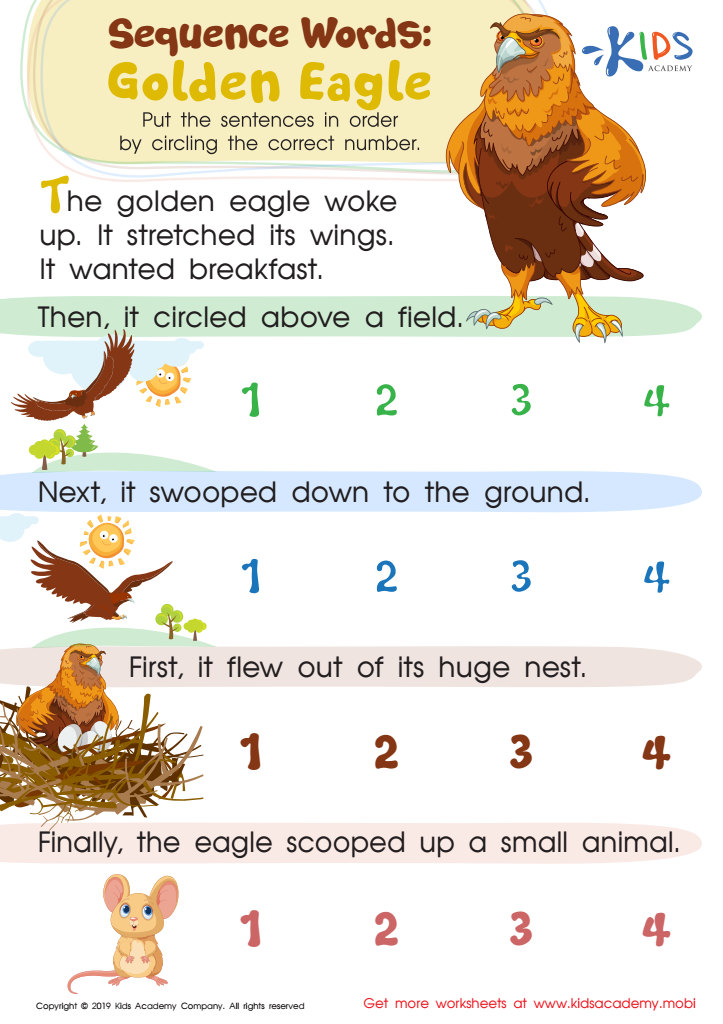
Sequence Word Eagle Worksheet
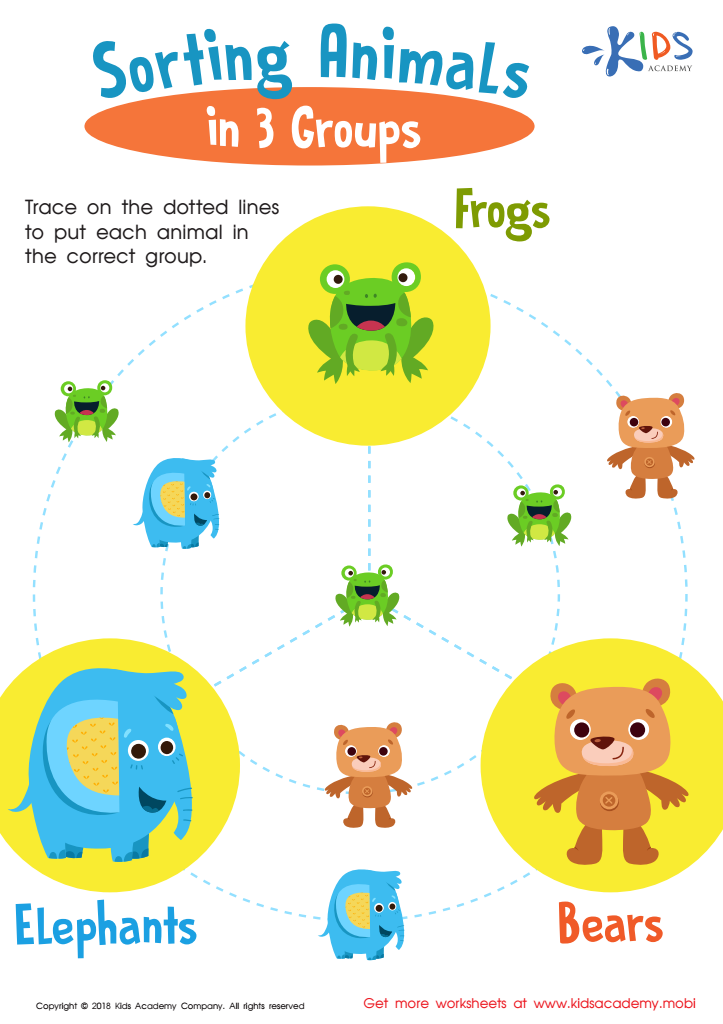
Sorting Animals in 3 Groups Worksheet
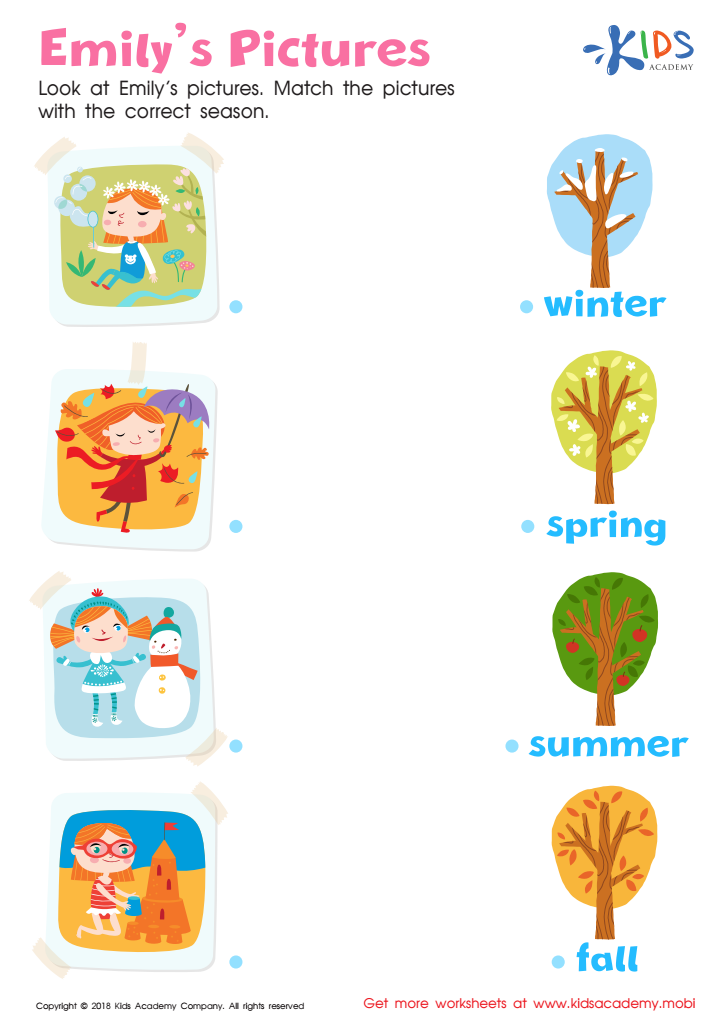
Emily's Pictures Worksheet
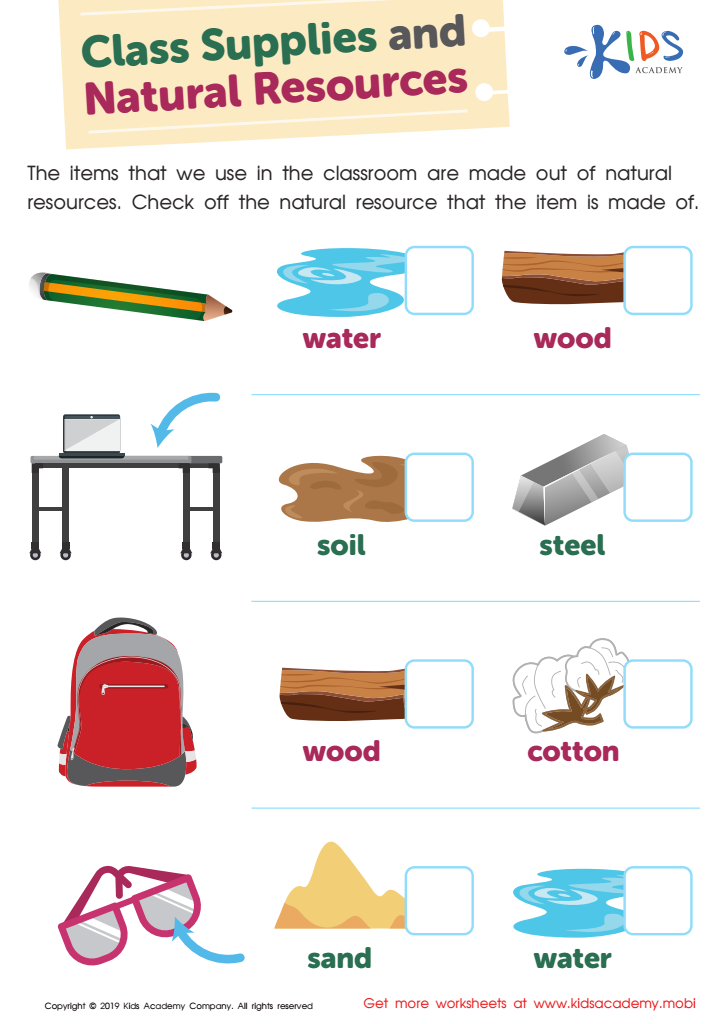
Class Supplies and Natural Resources Worksheet
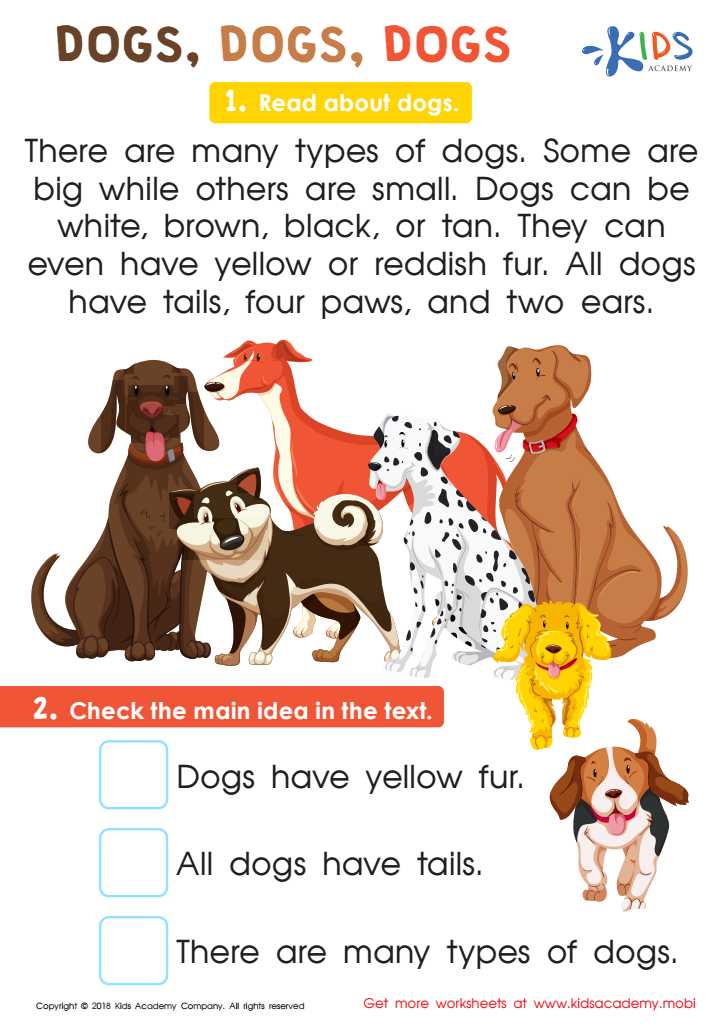
Dogs, Dogs Worksheet
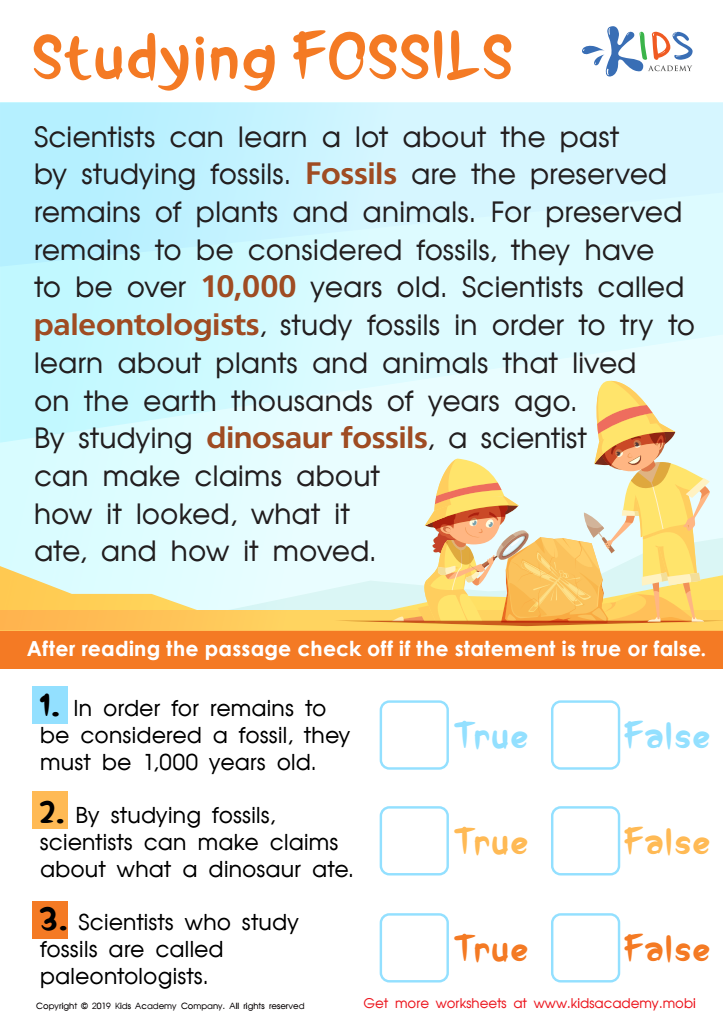
Studying Fossils Worksheet
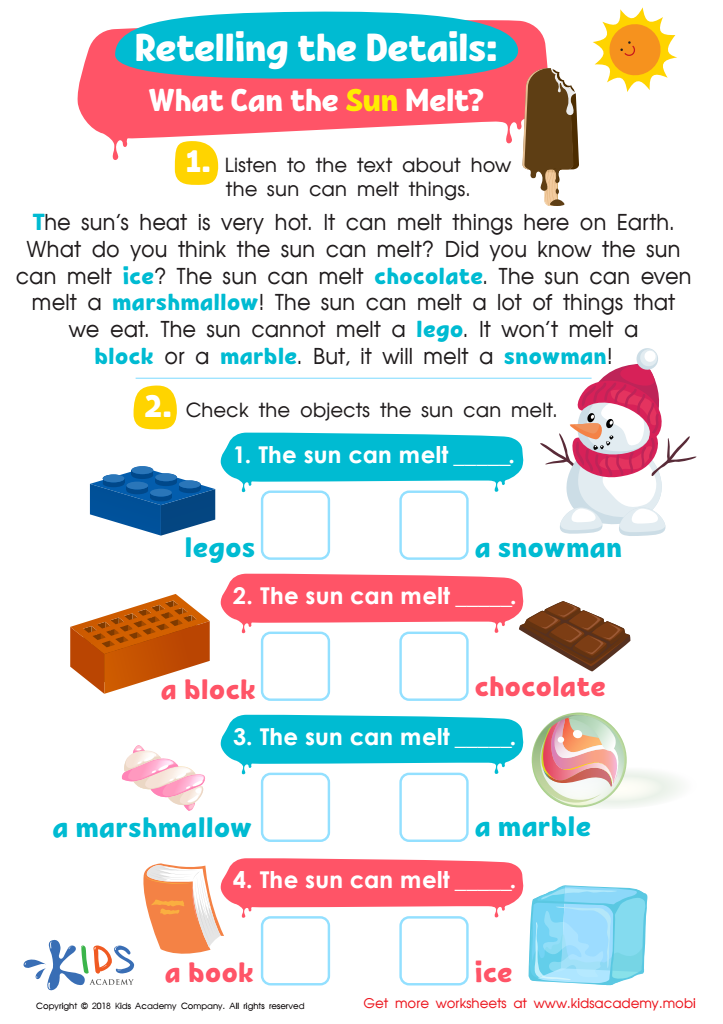
Retelling the Details: What Can the Sun Melt? Worksheet
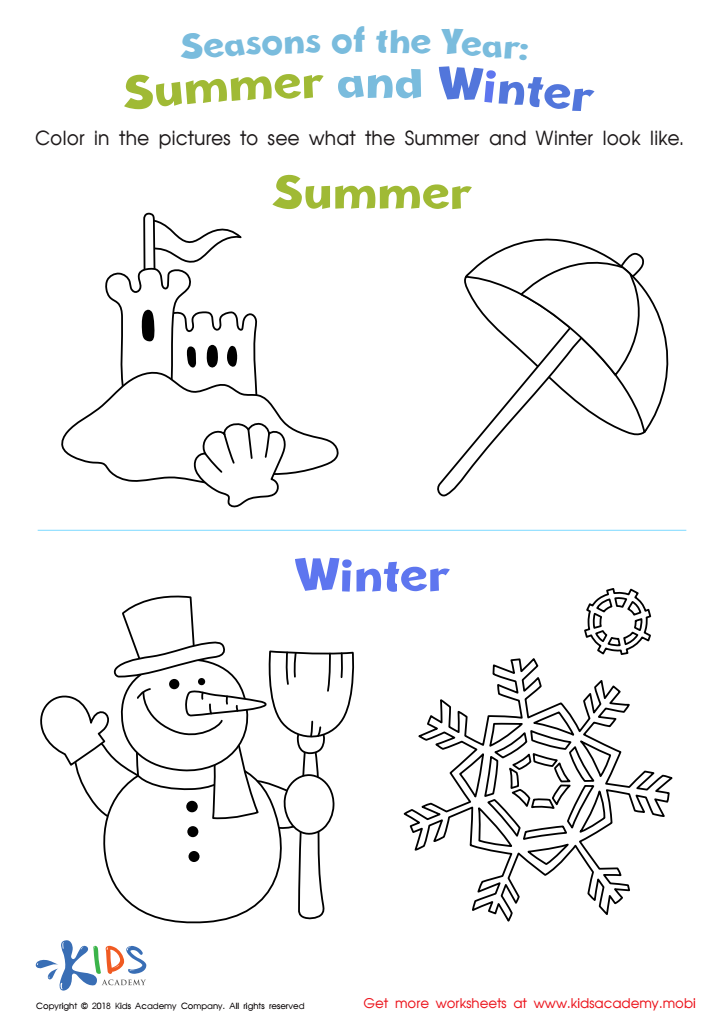
Summer and Winter Worksheet
 Assign to My Students
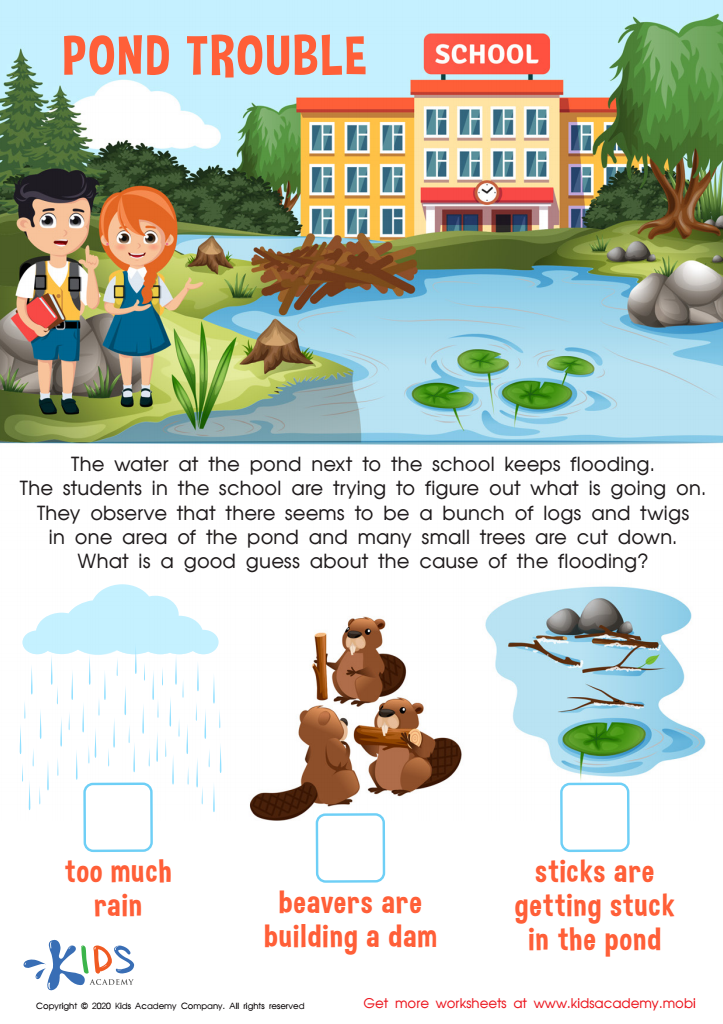
Pond Trouble Worksheet
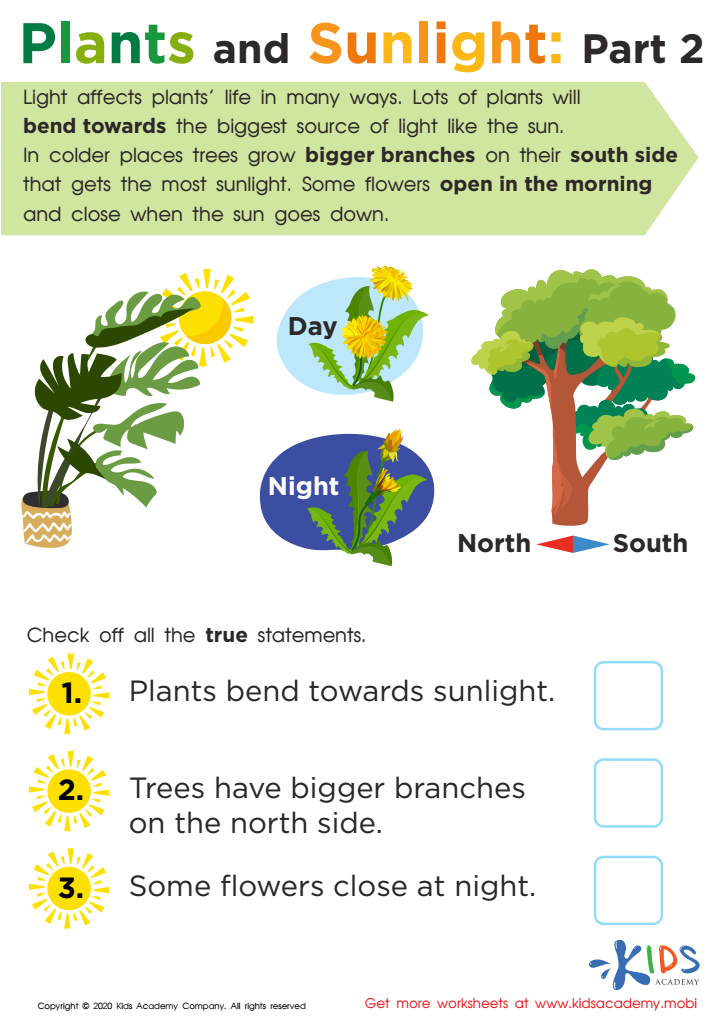
Plants and Sunlight: Part 2 Worksheet
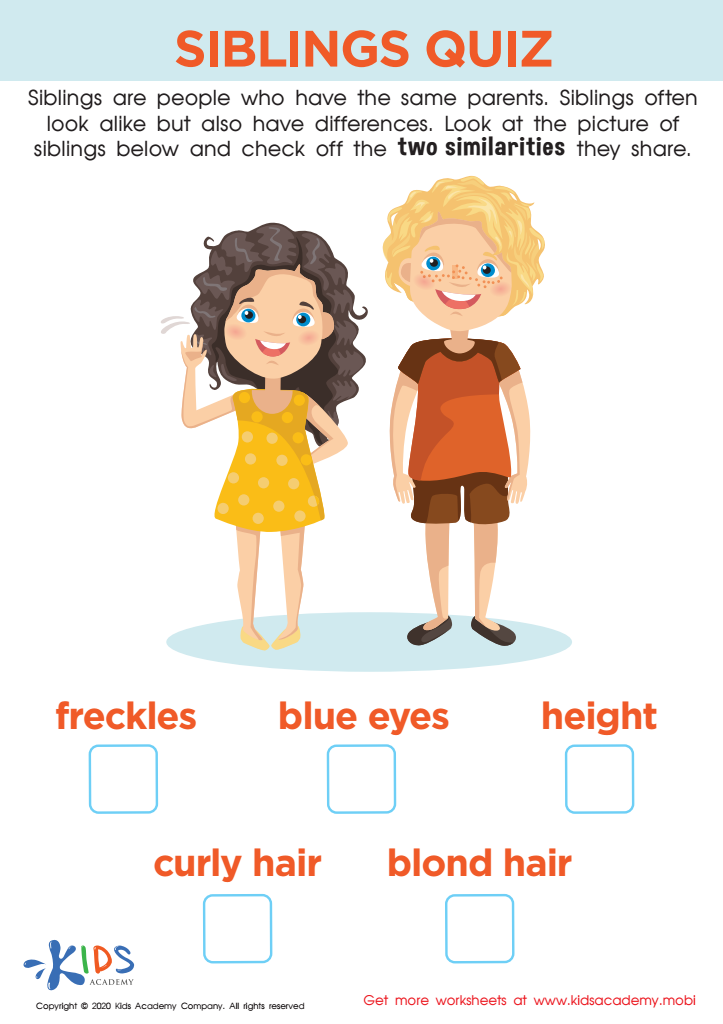
Siblings Quiz Worksheet
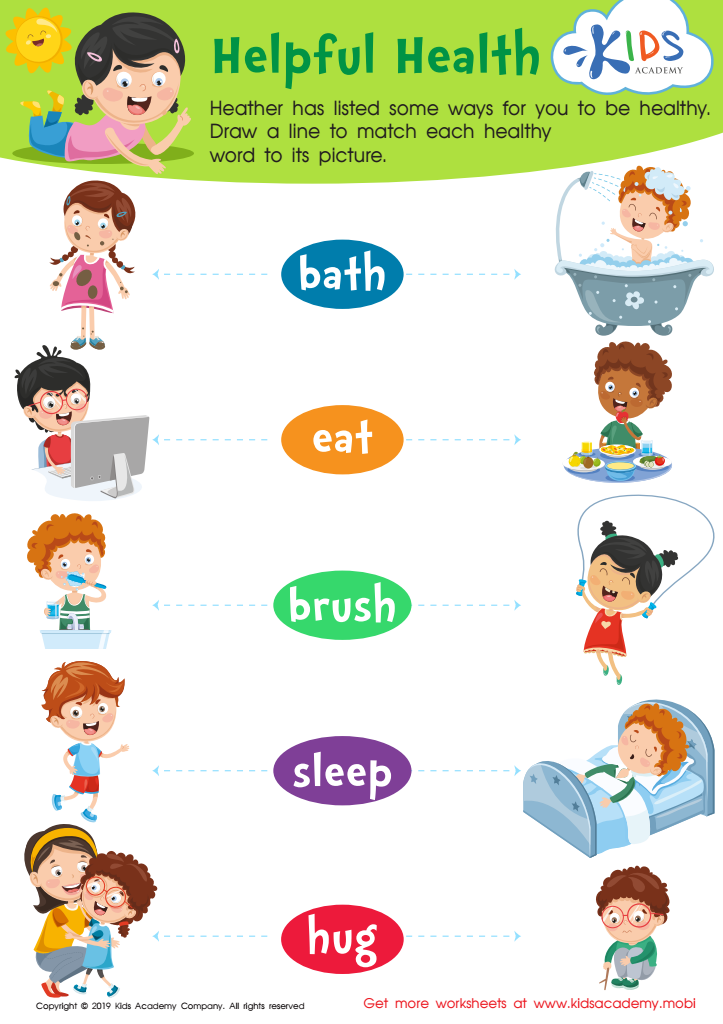
Helpful Health Worksheet








Logical Reasoning Science for ages 4-8 is crucial for various developmental reasons and offers a solid foundation for future learning. At this age, children are naturally curious and eager to explore their environment, making it an ideal time to introduce them to scientific concepts through logical reasoning. Engaging in activities that encourage logical thinking helps develop critical skills like problem solving, analytical thinking, and the ability to form conclusions based on evidence.
Fostering logical reasoning in young children promotes a growth mindset, encouraging them to approach challenges with resilience and creativity. By learning to hypothesize, experiment, and analyze results, children can enhance their cognitive abilities and become adept learners.
Beyond academics, logical reasoning science nurtures life skills such as decision-making and effective communication. It allows children to express their understanding in a structured way, preparing them not just for school, but for everyday situations.
Moreover, integrating logical reasoning into scientific inquiry fosters a love for learning, nurturing intrinsic curiosity and encouraging lifelong exploration. In a rapidly changing world, equipping children with these foundational skills is essential for navigating not only academic challenges but also real-world complexities.







