Understanding habitats Science Worksheets for Ages 4-8
5 filtered results
-
From - To
Introduce young learners to the wonders of the natural world with our "Understanding Habitats Science Worksheets for Ages 4-8." These engaging worksheets are designed to teach children about different habitats and the animals that call them home. Through fun and interactive activities, children will learn to identify diverse environments, enhancing their knowledge and curiosity about nature. Perfect for early grade science lessons, our worksheets combine education with entertainment, making learning about habitats an adventure. Ideal for home or classroom use, these resources will inspire a lifelong appreciation for the planet and its inhabitants. Explore, learn, and grow with our science worksheets today!
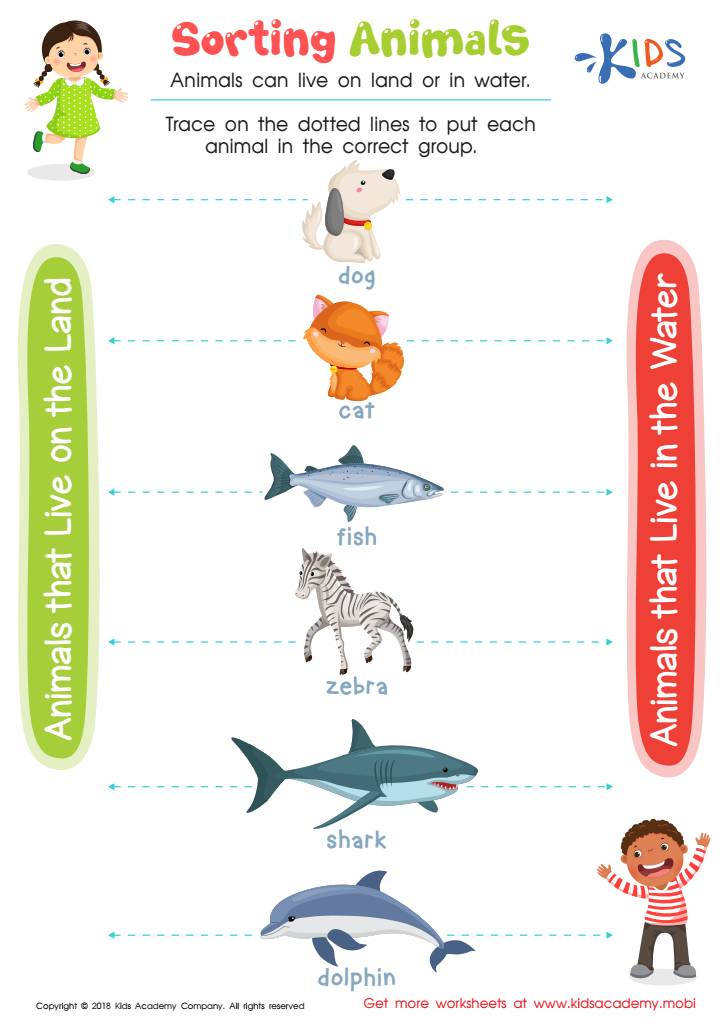
Sorting Animals Worksheet
 Assign to My Students
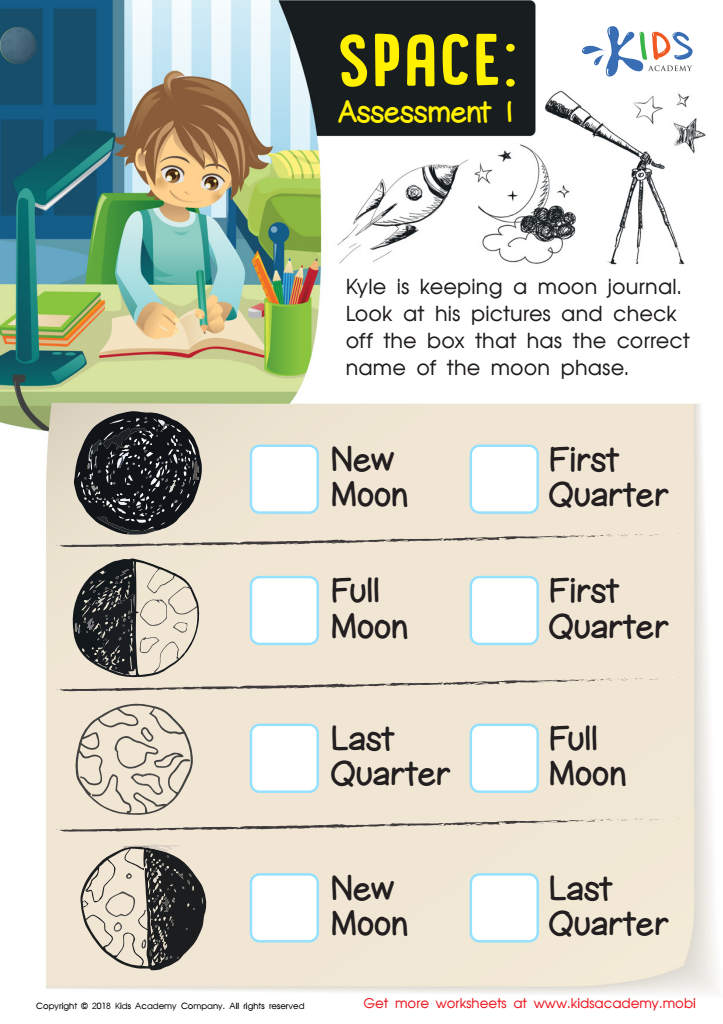
Space: Assessment 1 Worksheet
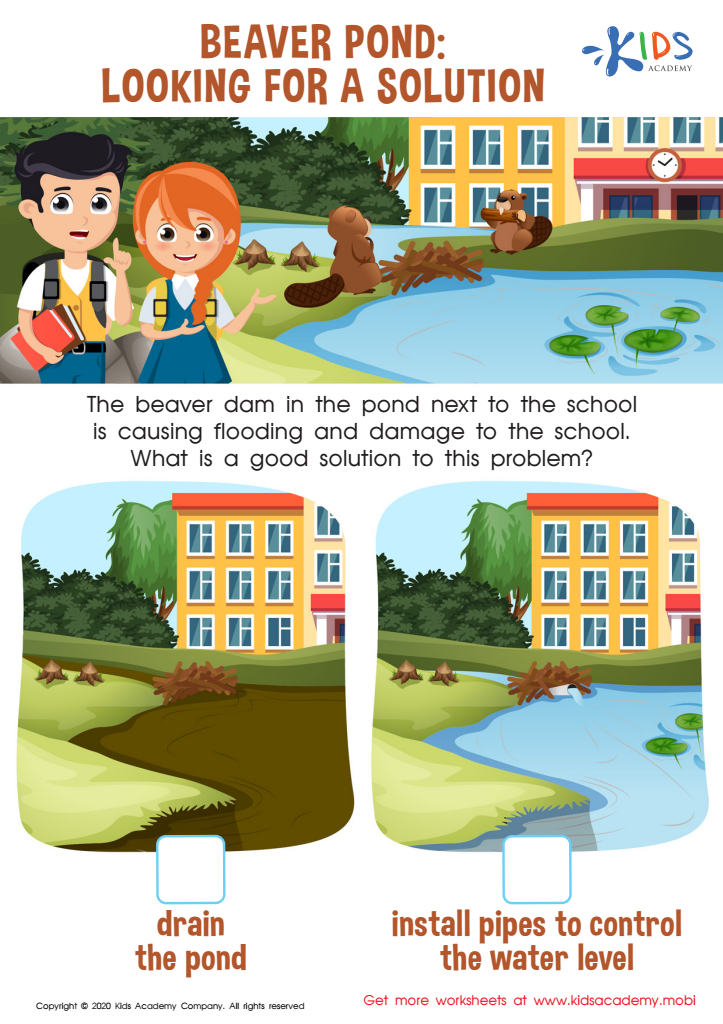
Beaver Pond: Looking for a Solution Worksheet
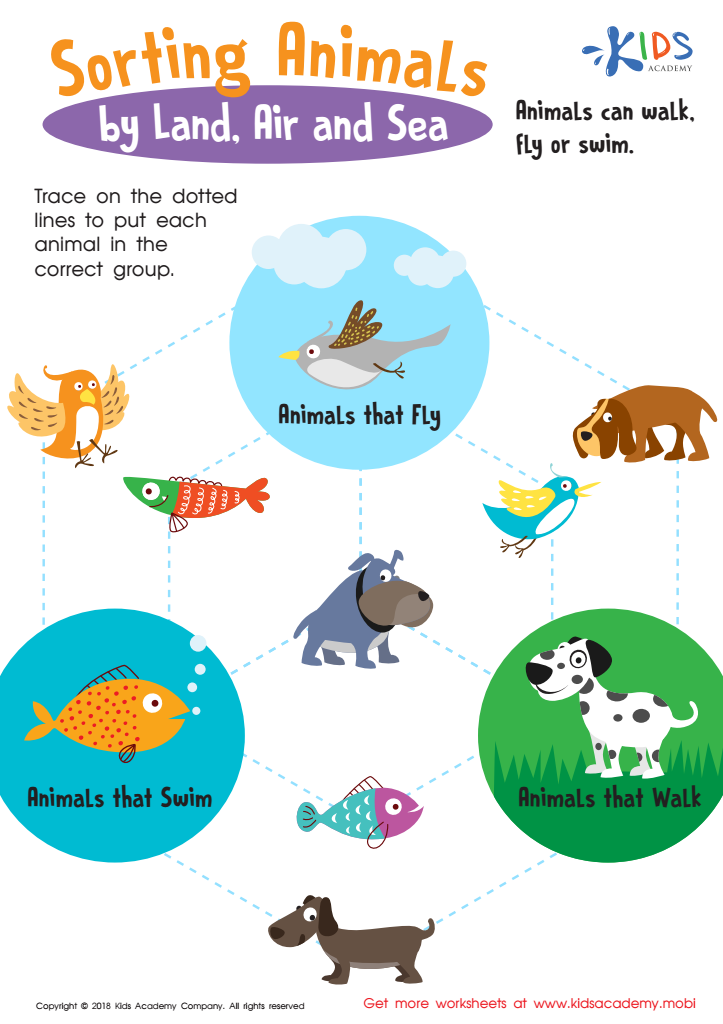
Sorting Animals by Land, Air and Sea Worksheet
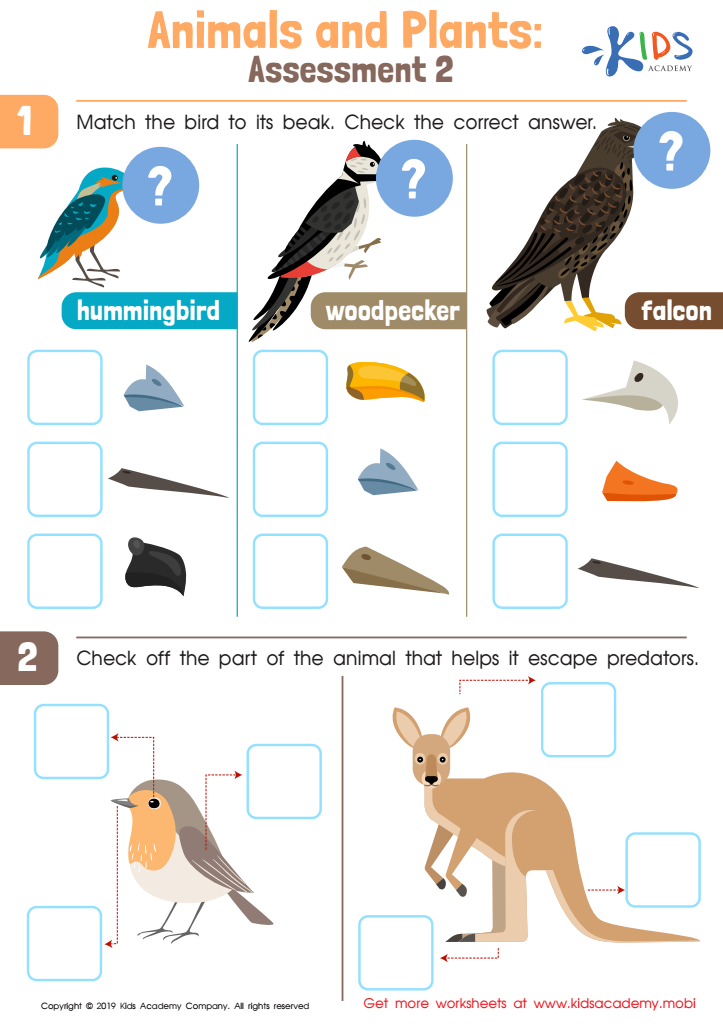
Animals and Plants: Assessment 2 Worksheet







Understanding habitats is crucial for young children because it lays the groundwork for a lifelong appreciation and stewardship of the natural world. At ages 4 to 8, kids are inherently curious and absorb information like sponges. Introducing them to different habitats—forests, oceans, deserts, and more—expands their awareness of the diversity of life on our planet. This not only fuels their natural curiosity but also fosters empathy and respect for living organisms.
For parents and teachers, teaching about habitats can enhance various developmental skills. It supports cognitive development by encouraging observational skills and critical thinking as children compare and contrast different living environments. It aids language development too, as kids learn new vocabulary related to biology and ecology. Furthermore, these lessons offer social benefits; working on projects like building a terrarium or visiting a local nature reserve fosters teamwork and communication.
In essence, an understanding of habitats equips children with the knowledge they need to make informed decisions about the environment in the future. As educators and caregivers, our goal should be to raise environmentally-conscious individuals who understand the importance of preserving these ecosystems. Hence, instilling this knowledge early sets the stage for a more sustainable and compassionate world.







