Vocabulary enhancement Science Worksheets for Ages 4-8 - Page 3
50 filtered results
-
From - To
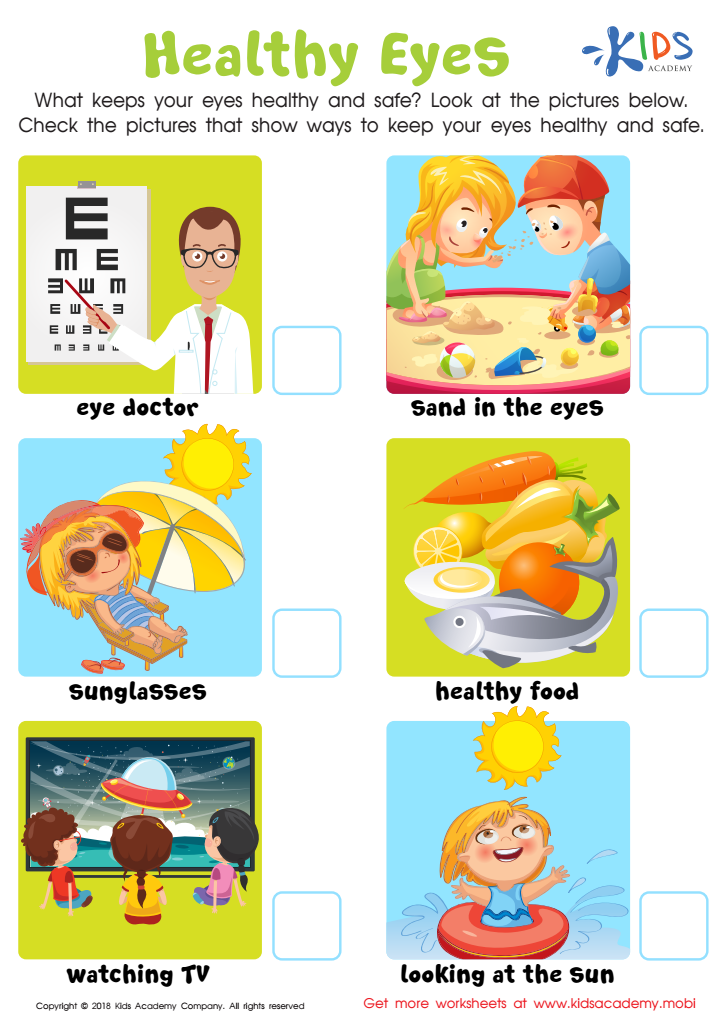
Healthy Eyes Worksheet
 Assign to My Students
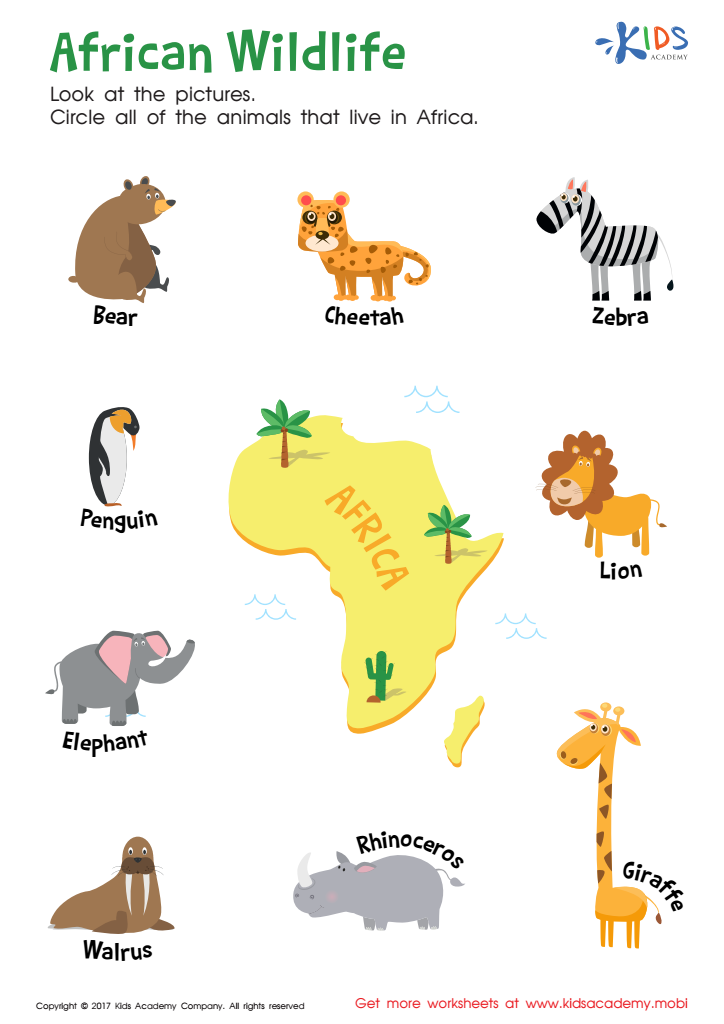








Engaging children ages 4-8 in vocabulary enhancement, particularly in science, is crucial for several reasons. During these formative years, kids are like sponges, soaking up information rapidly. A rich vocabulary lays the foundation for effective communication, critical thinking, and academic success. Science vocabulary, in particular, introduces children to concepts that explain the world around them. By learning terms like "gravity," "evaporation," or "habitat," children not only expand their word bank but also grasp fundamental principles of science.
Understanding scientific vocabulary aids in comprehension, enabling kids to follow instructions and explanations more effectively. A strong vocabulary also boosts reading proficiency, as texts become less intimidating and more accessible. Early exposure to science terms can spark curiosity and foster a lifelong love of learning, potentially paving the way for future interests in STEM careers.
Moreover, vocabulary enhancement benefits social skills. When children can articulate their thoughts, they engage in more meaningful discussions and collaborative problem-solving. Parents and teachers investing time in vocab development provide children with tools to succeed academically and socially. They help bridge the gap between simple word recognition and complex understanding, fostering well-rounded, inquisitive, and confident learners. Therefore, focusing on vocabulary, especially in science, ensures a robust foundation for a child's future educational endeavors.







