Vocabulary enhancement Our Planet and Environment Worksheets for Ages 4-8
5 filtered results
-
From - To
Enhance your child's vocabulary with our engaging "Our Planet and Environment Worksheets" designed for ages 4-8! These fun and interactive worksheets focus on key environmental concepts, helping young learners explore the world around them. From understanding habitats to recognizing recycling efforts, your child will expand their language skills while discovering important topics. Each worksheet is thoughtfully designed to promote critical thinking and contextual understanding, making learning enjoyable and effective. Foster a love for language and nature in your little ones with these educational resources that inspire curiosity about our planet. Perfect for home or classroom use!
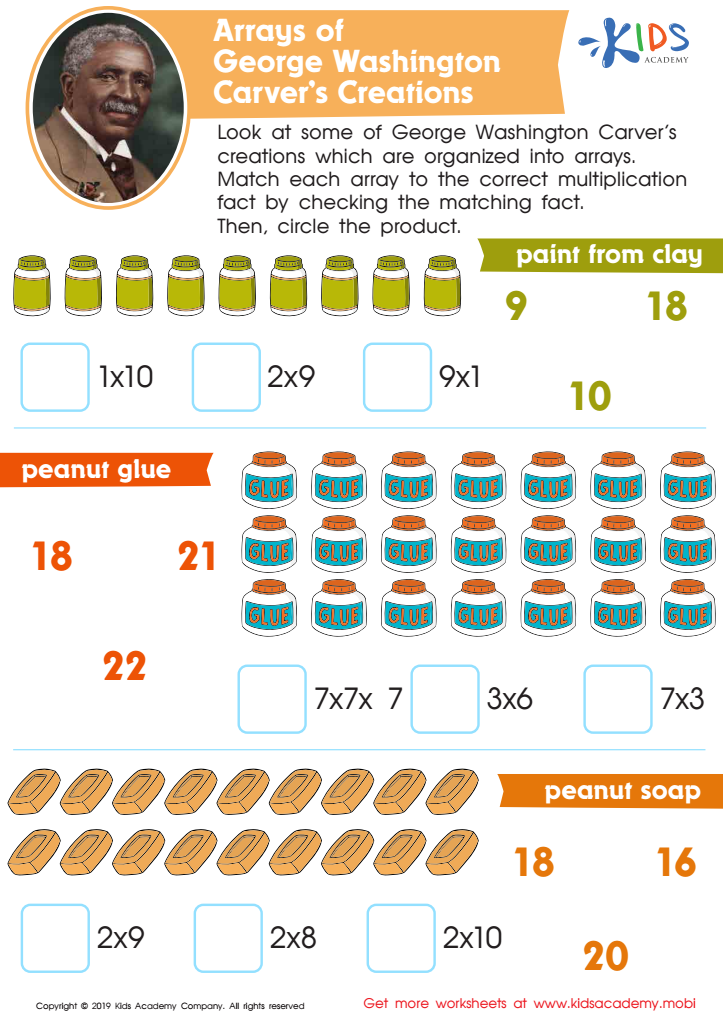
Arrays of George Washington Carver’s Creations Worksheet
 Assign to My Students
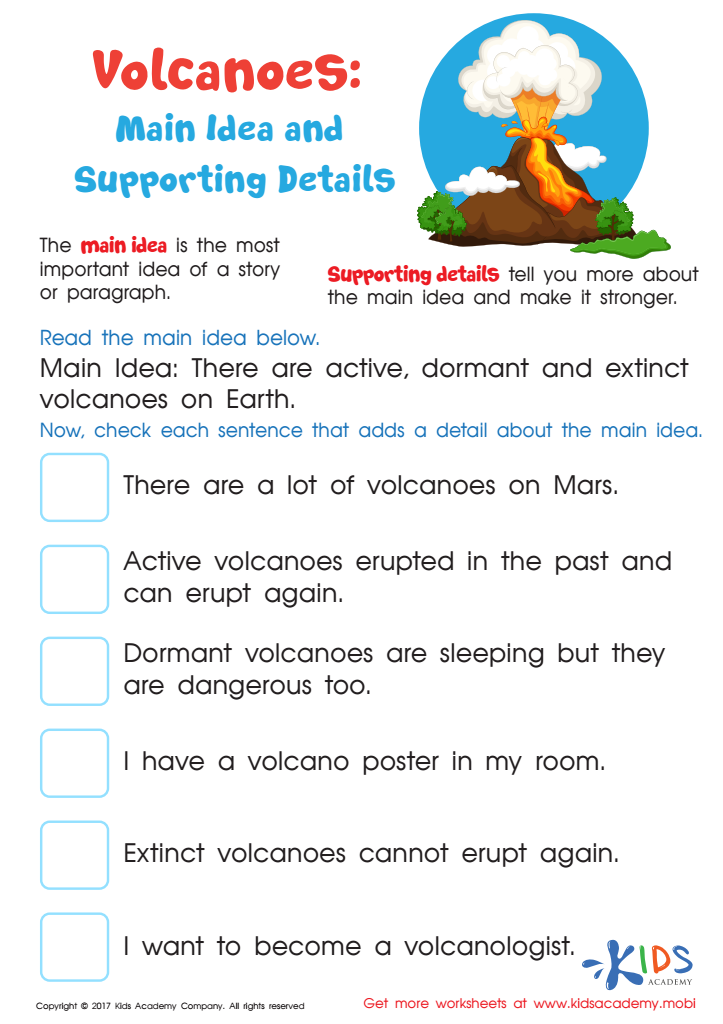
Volcano Facts Worksheet
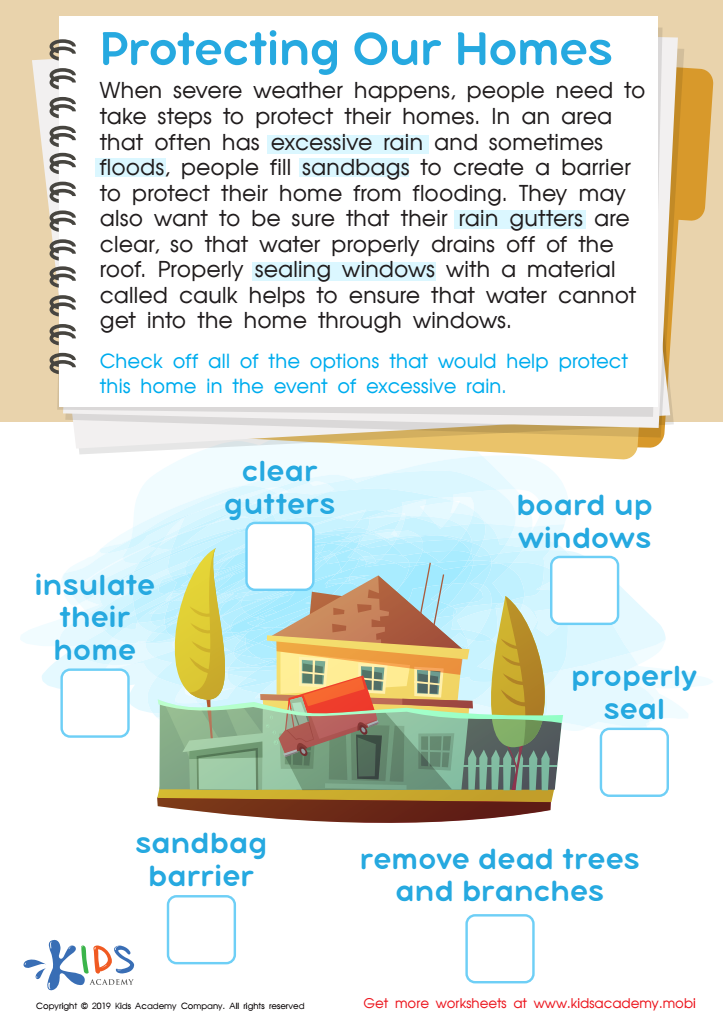
Protecting Our Homes Worksheet
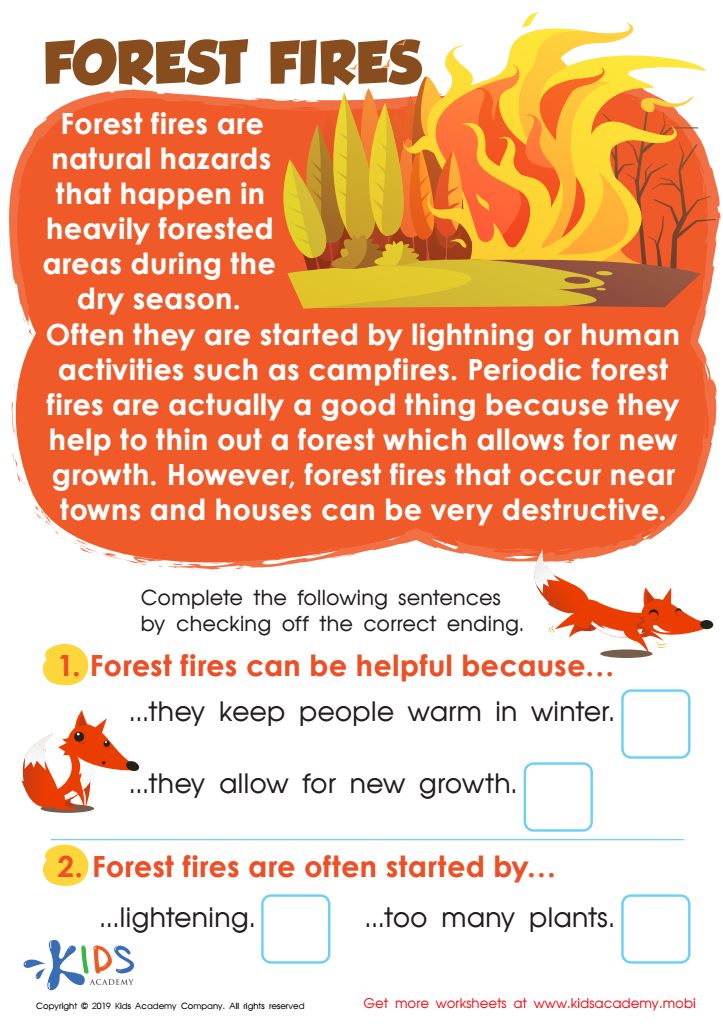
Forest Fires Worksheet
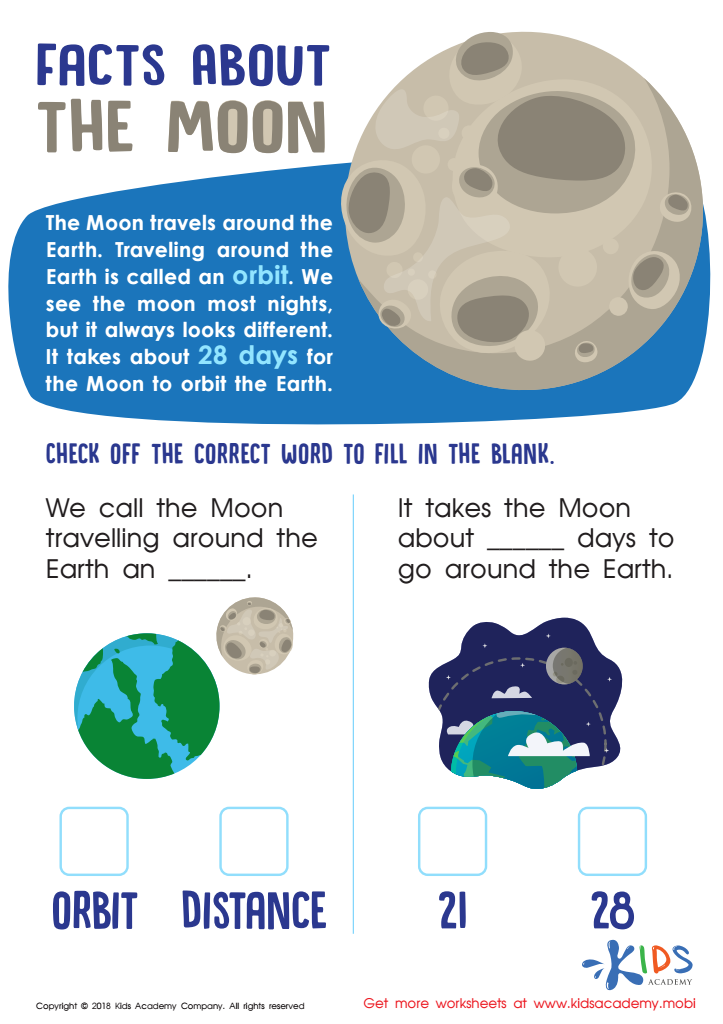
Facts About the Moon Worksheet




Parents and teachers should prioritize vocabulary enhancement related to "Our Planet and Environment" for children aged 4-8 because it lays the foundation for environmental literacy and awareness. At this age, children are naturally curious about their surroundings, making it an ideal time to introduce vocabulary that connects them to their environment. By enhancing their vocabulary with terms like "ecosystem," "pollution," "recycling," and "biodiversity," children gain an understanding of critical environmental concepts.
This vocabulary empowers children to express their thoughts and concerns about the planet, fostering a sense of responsibility and stewardship. As they engage with these terms, they are more likely to participate in discussions about sustainability, conservation, and climate change, shaping informed future citizens who prioritize the health of the Earth.
Moreover, early vocabulary development is crucial for academic success. Children with a rich vocabulary in diverse topics are better equipped for reading comprehension and critical thinking as they progress through school.
Incorporating environmental vocabulary through fun activities, discussions, and storytelling can make learning engaging. This approach not only enhances language skills but also instills a lifelong appreciation for nature and the importance of environmental stewardship. Ultimately, this nurturing contributes to the development of mindful, engaged, and responsible future caretakers of our planet.







